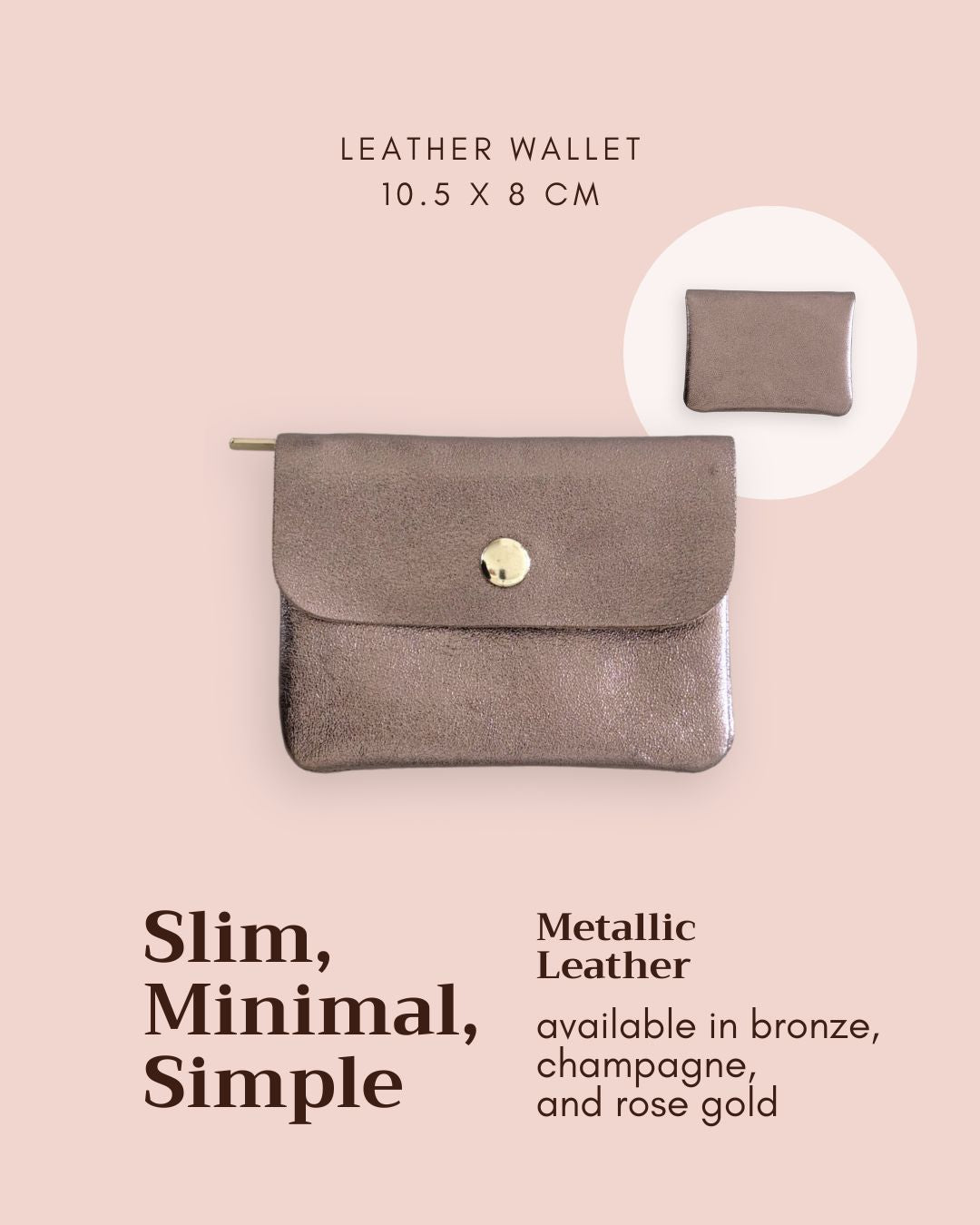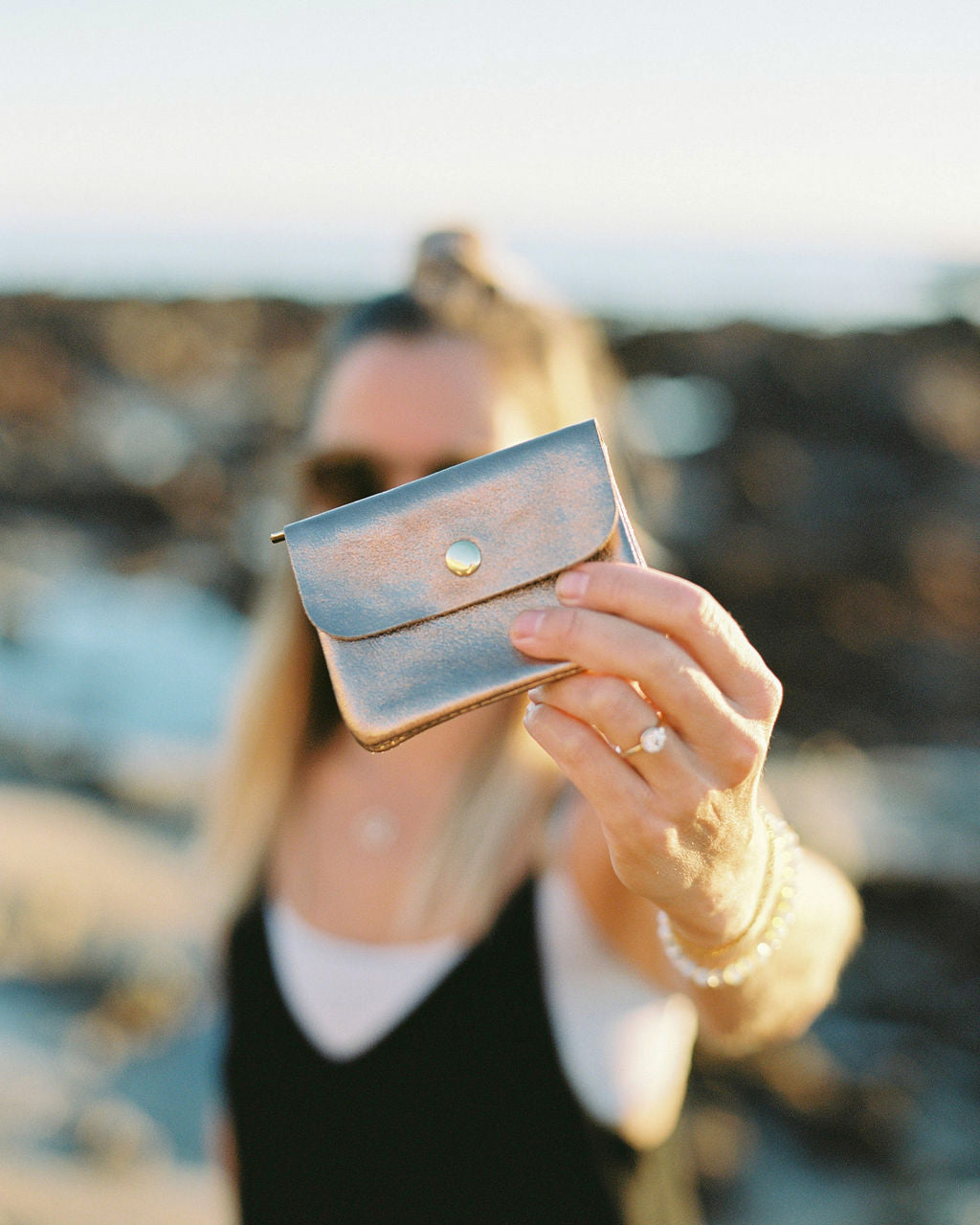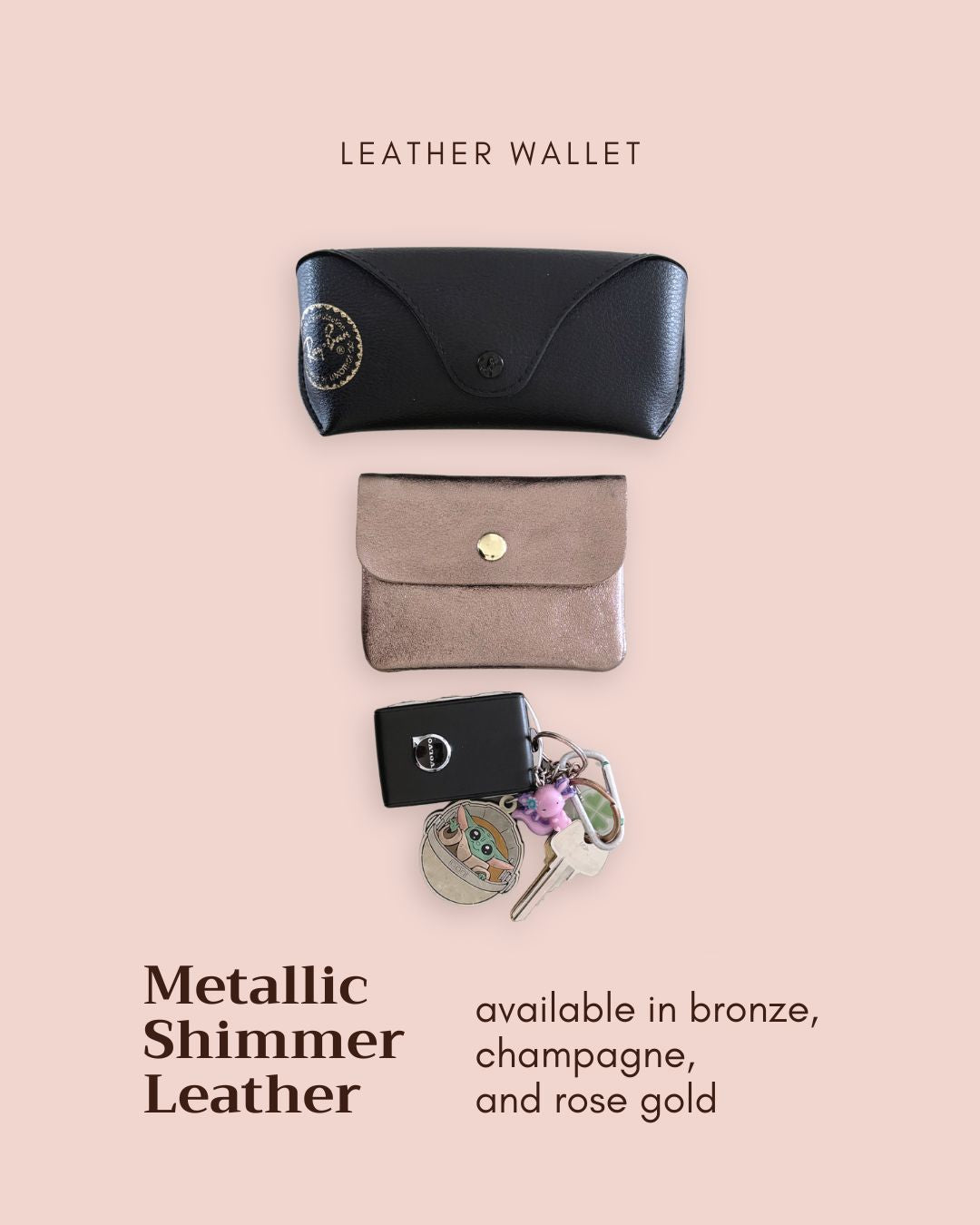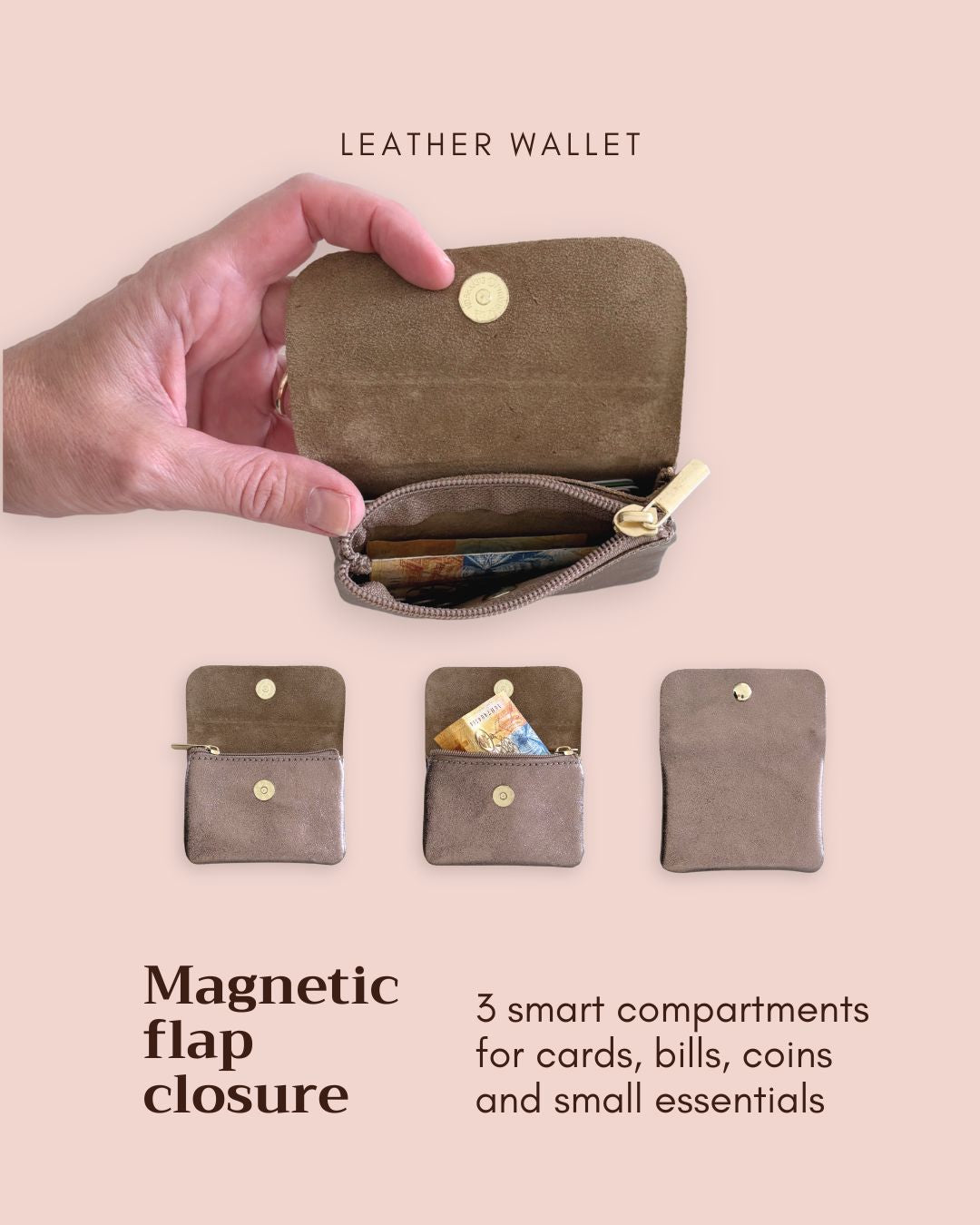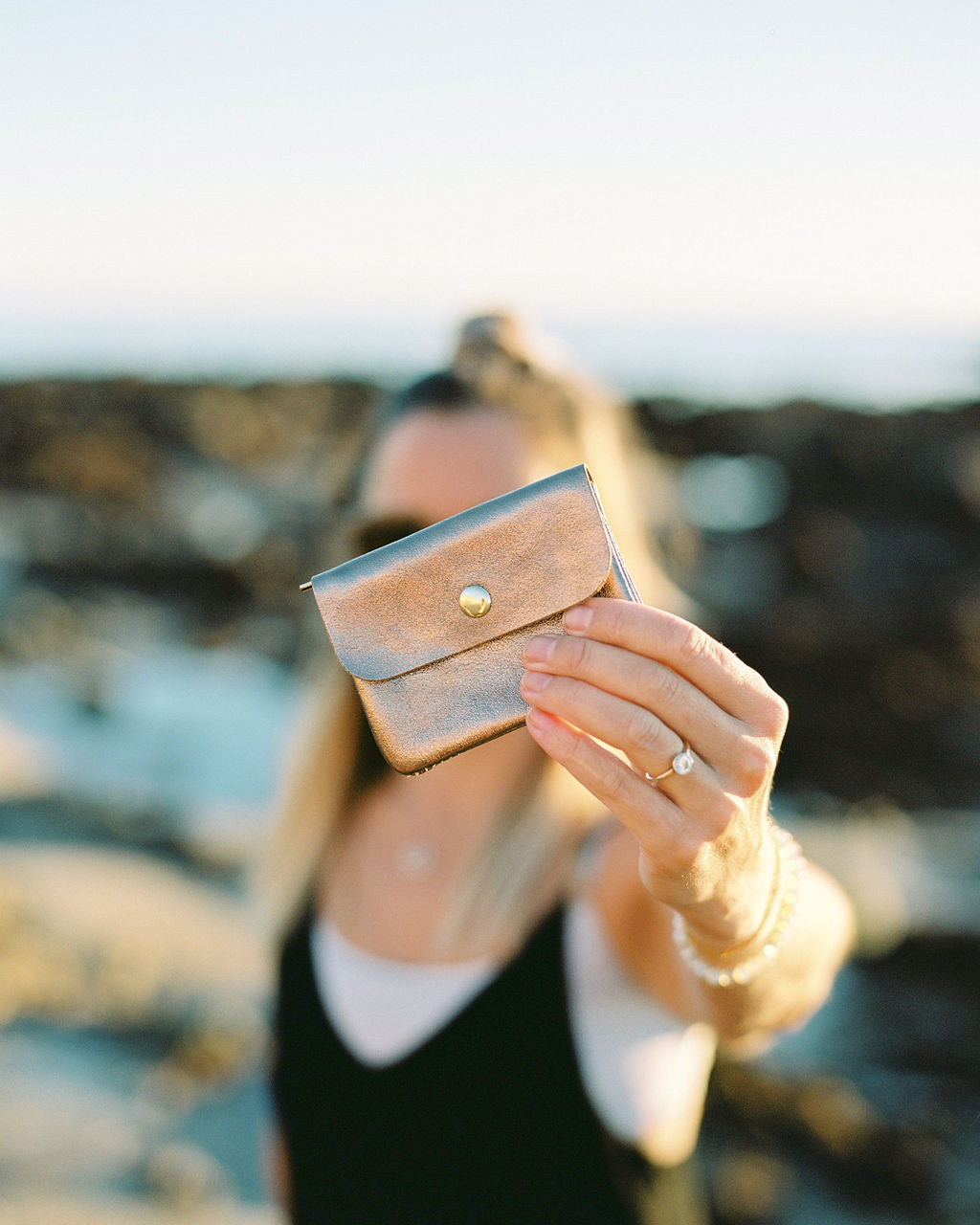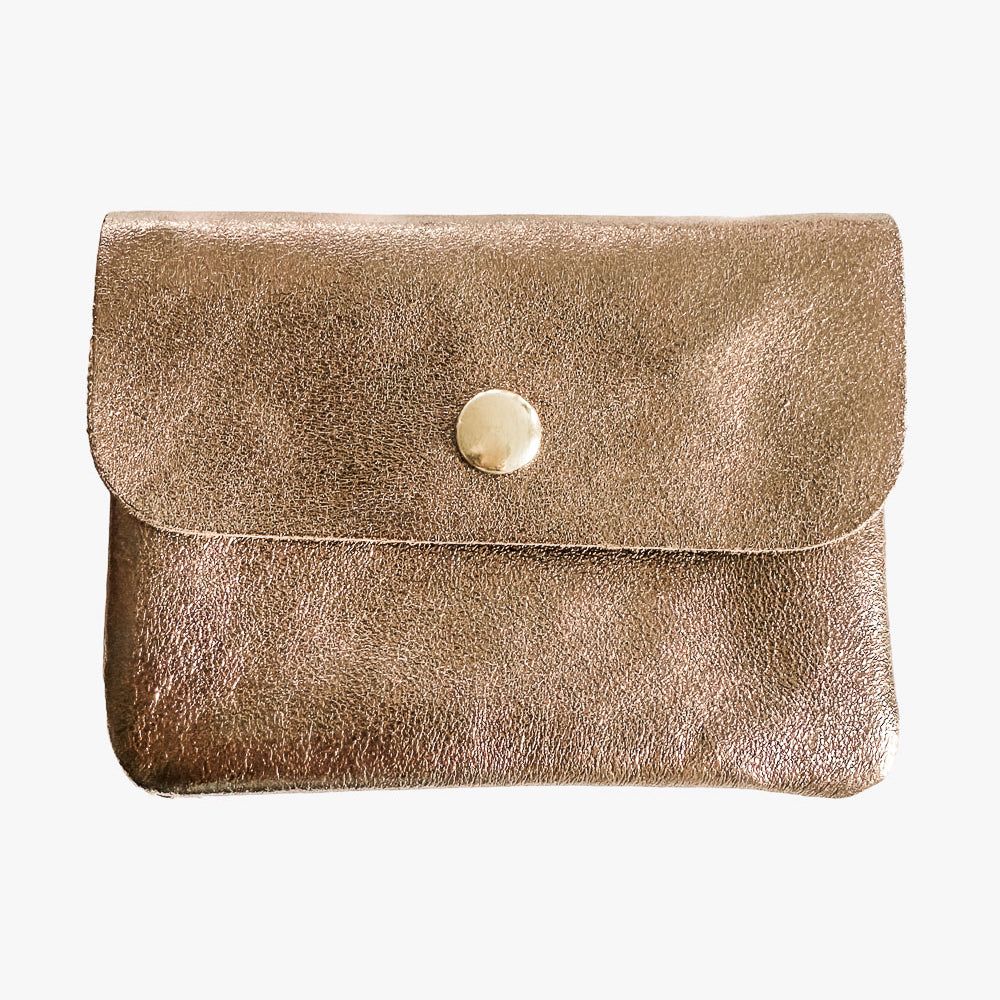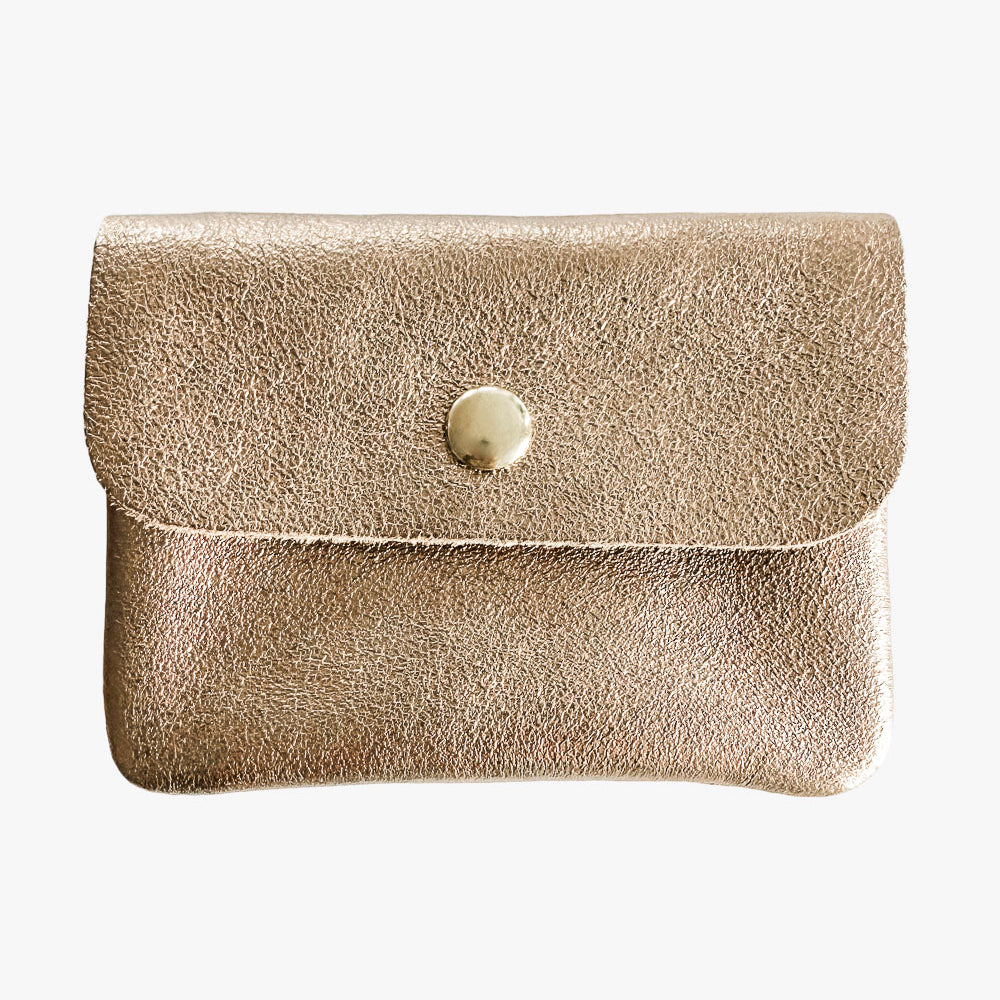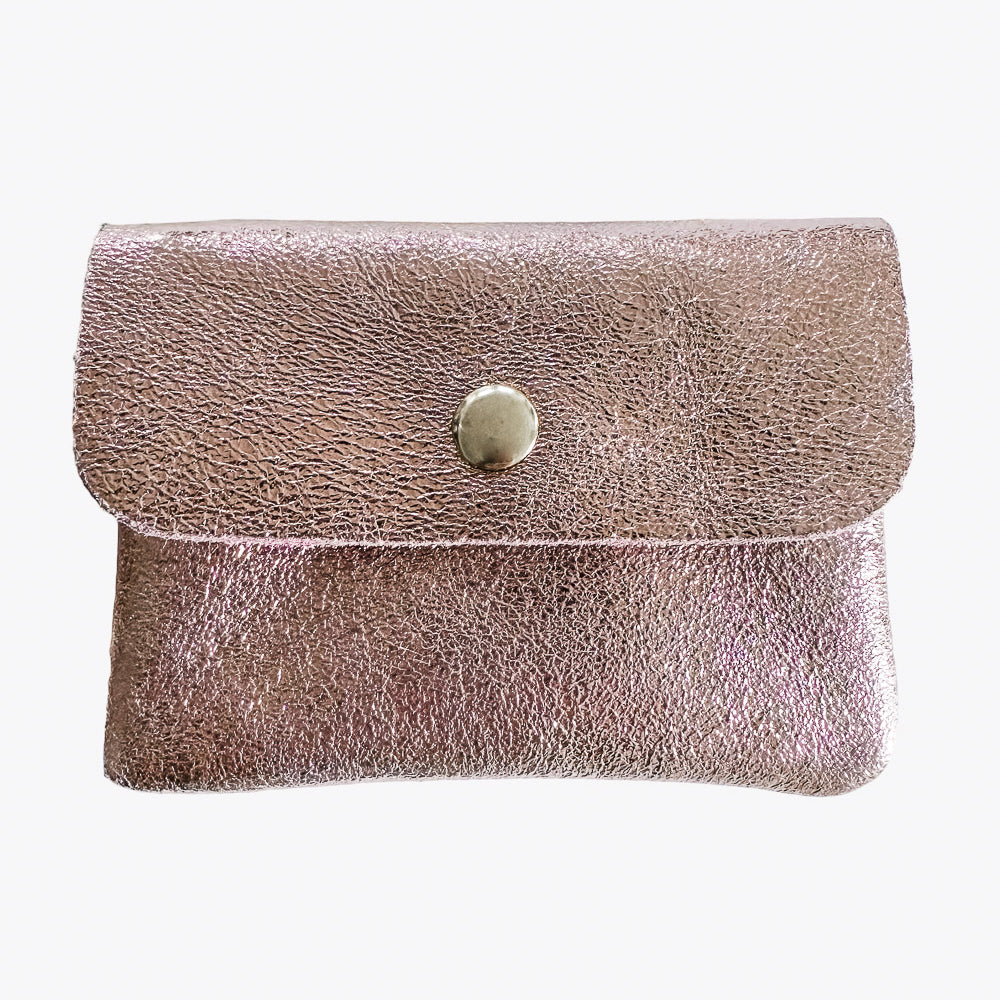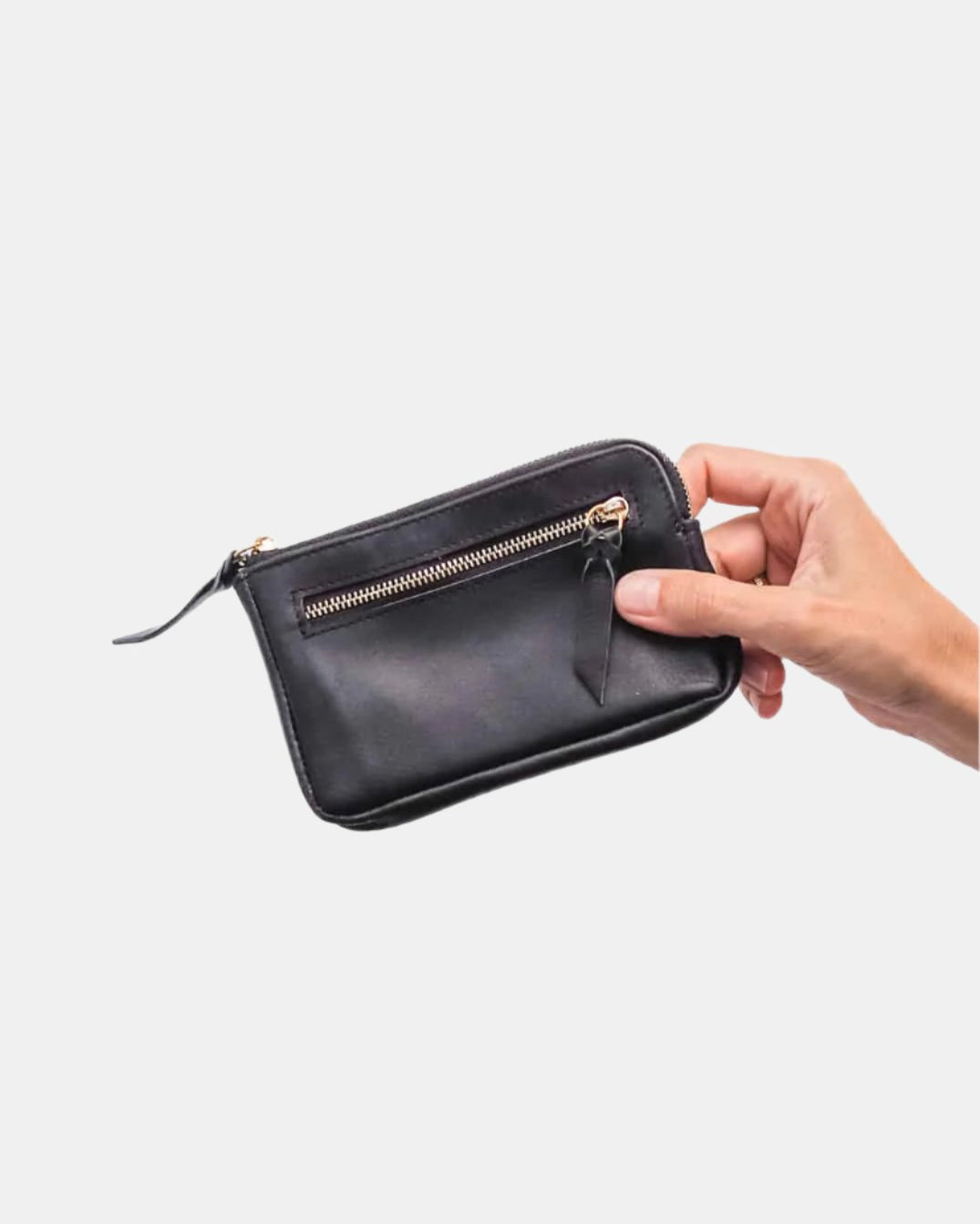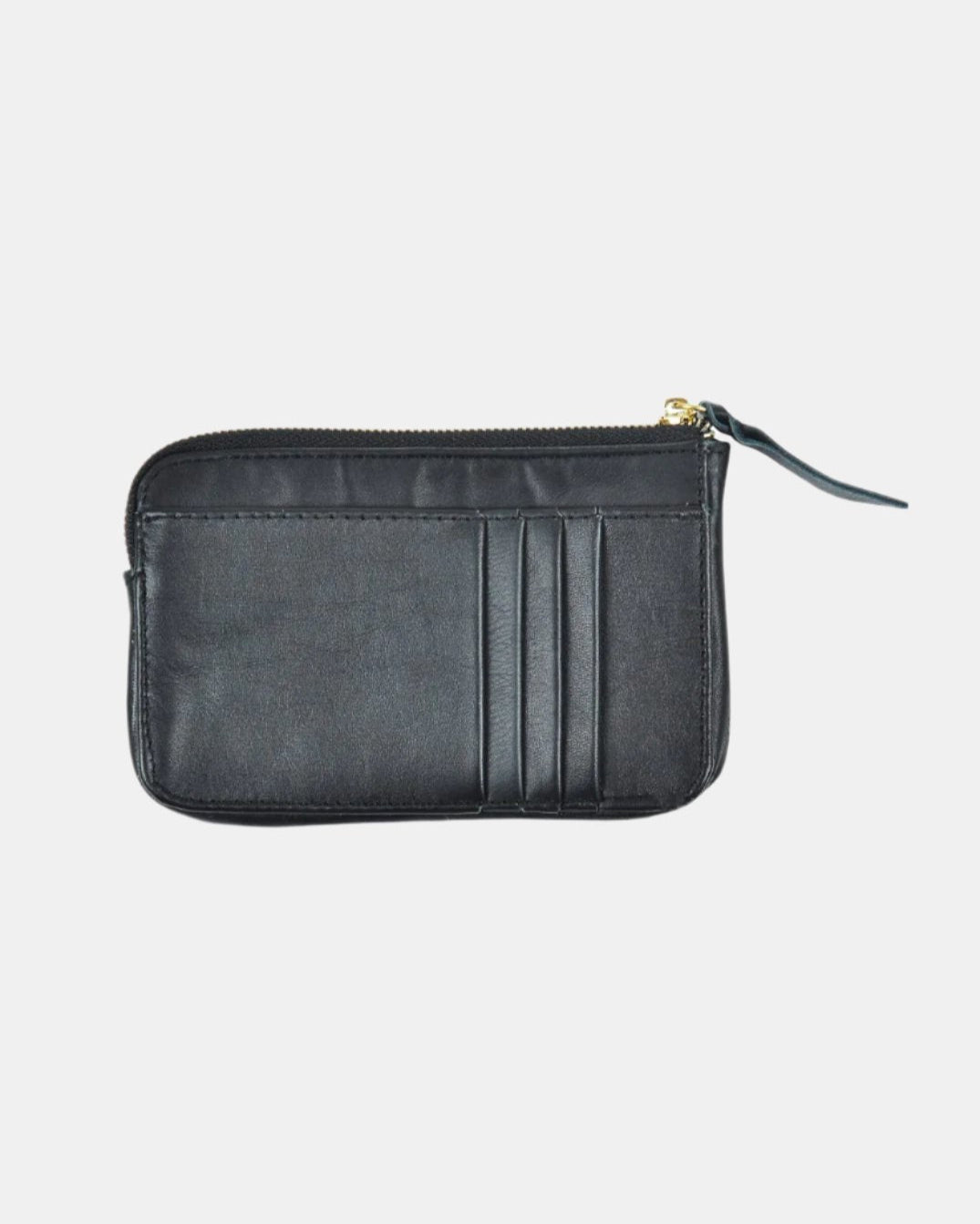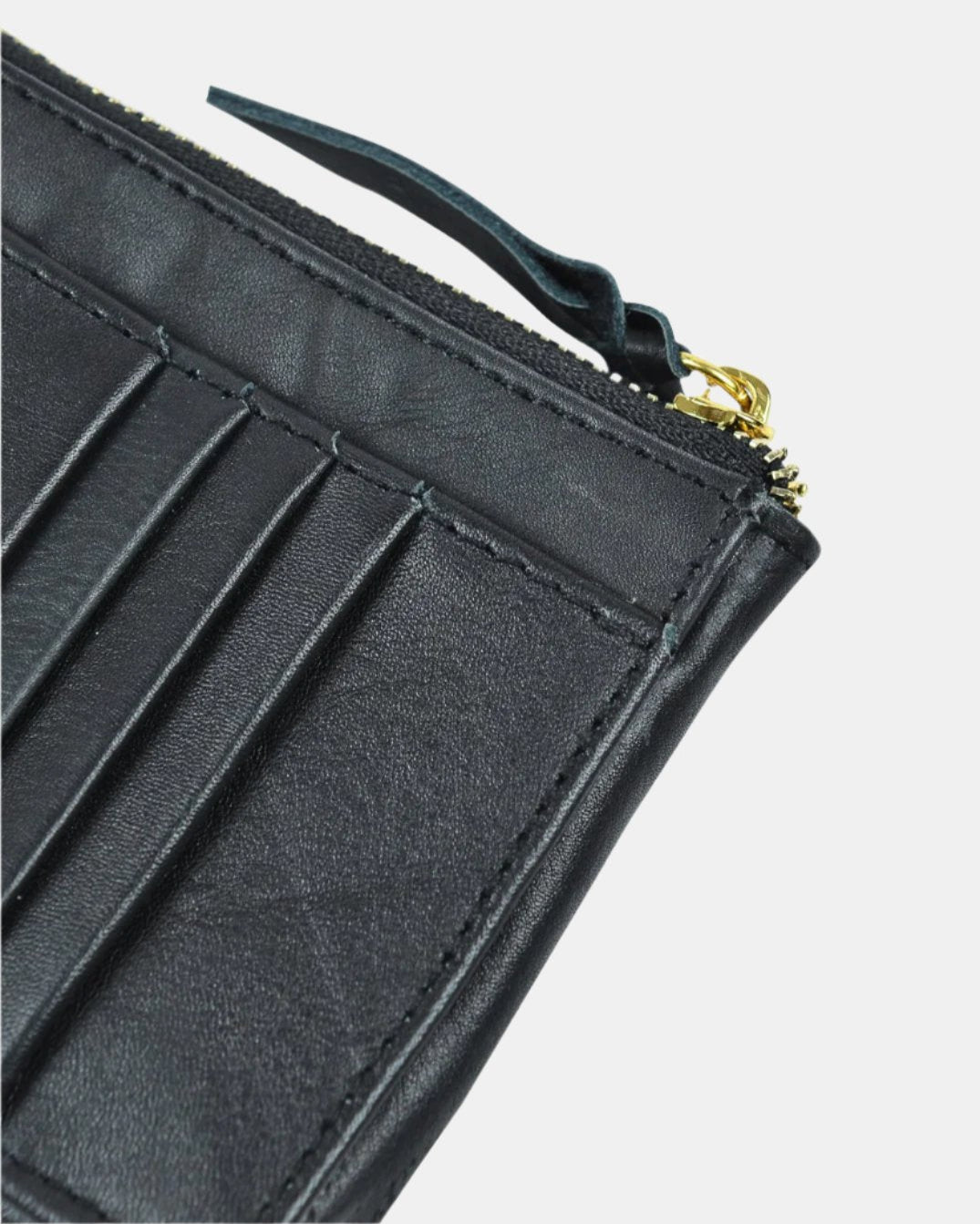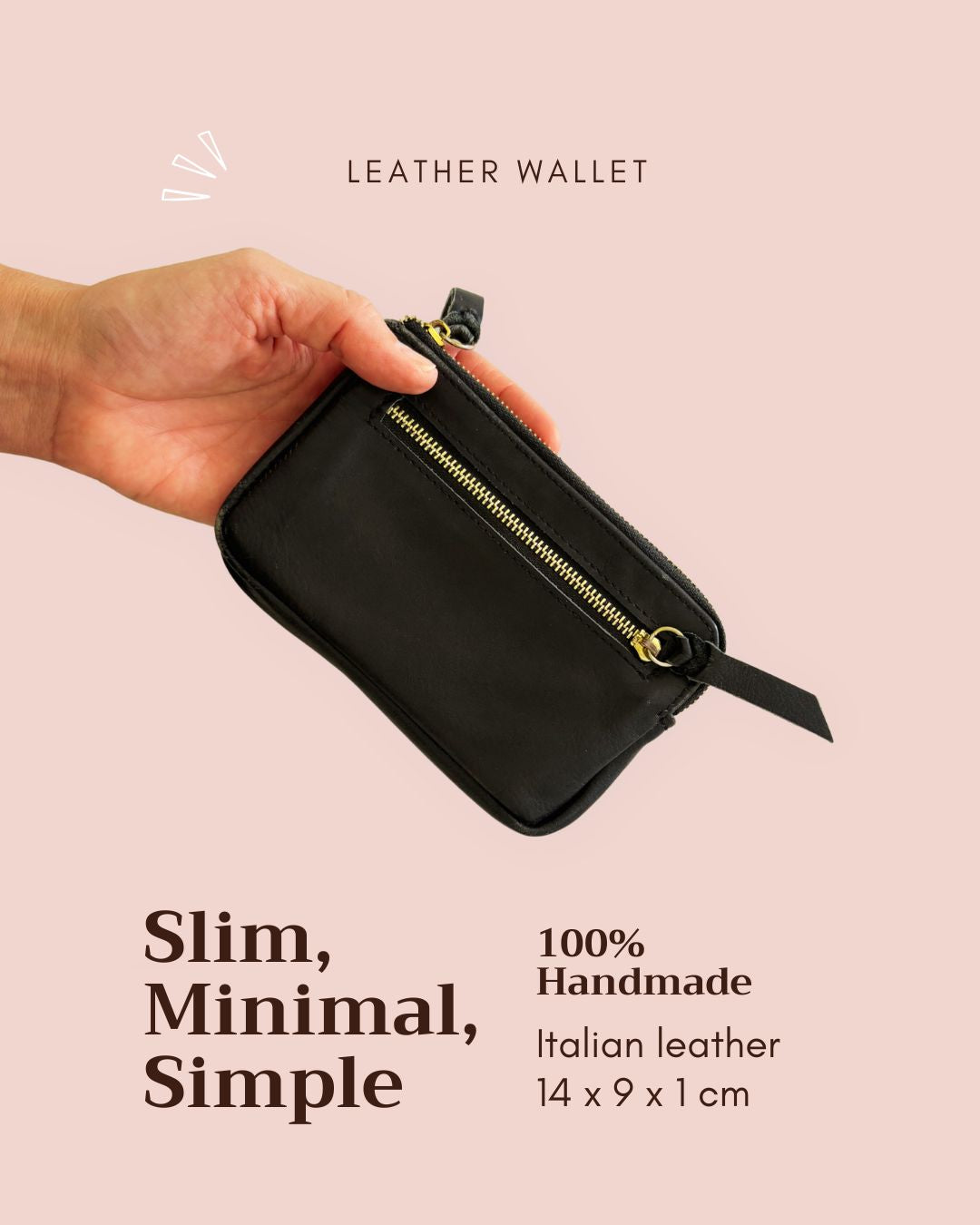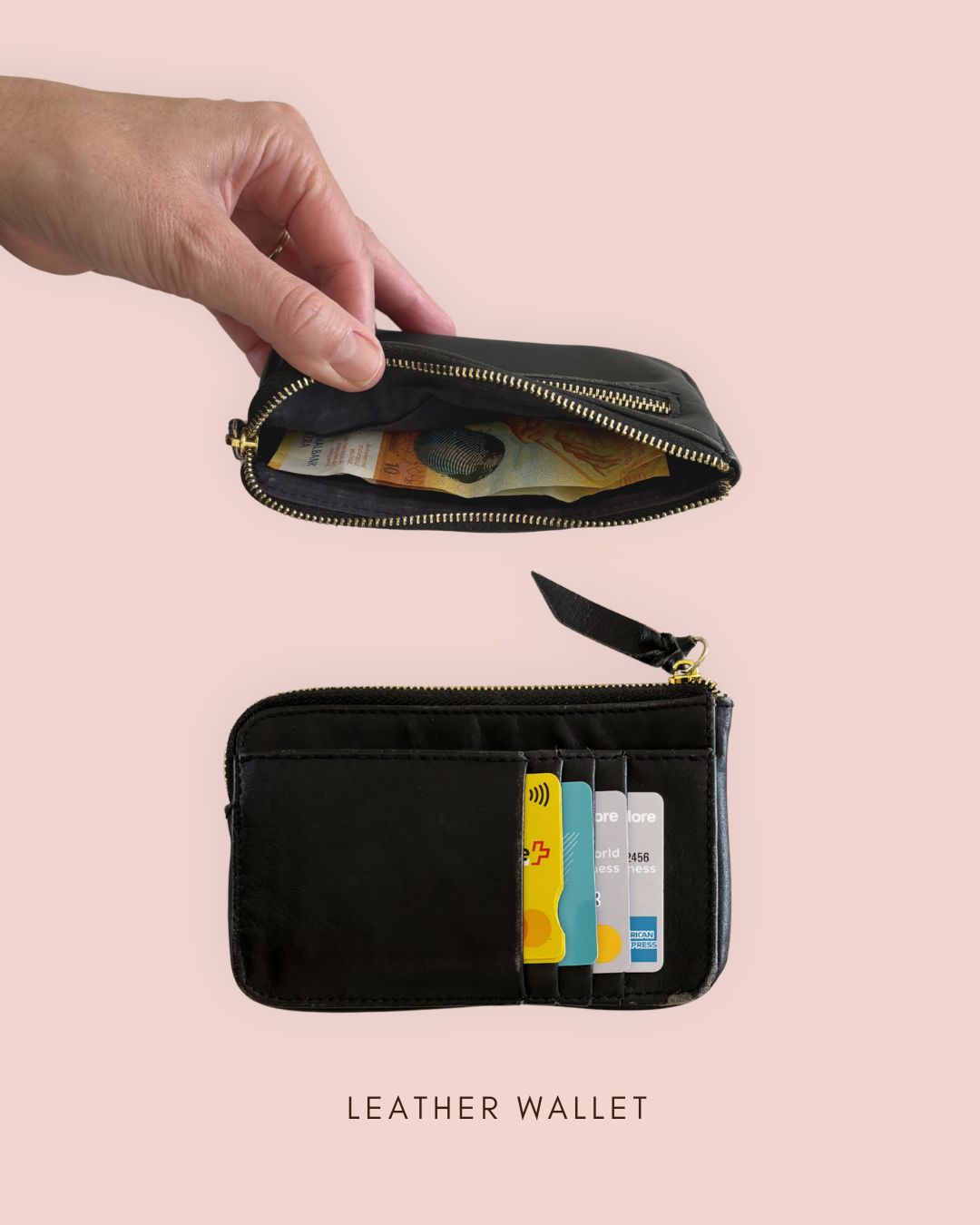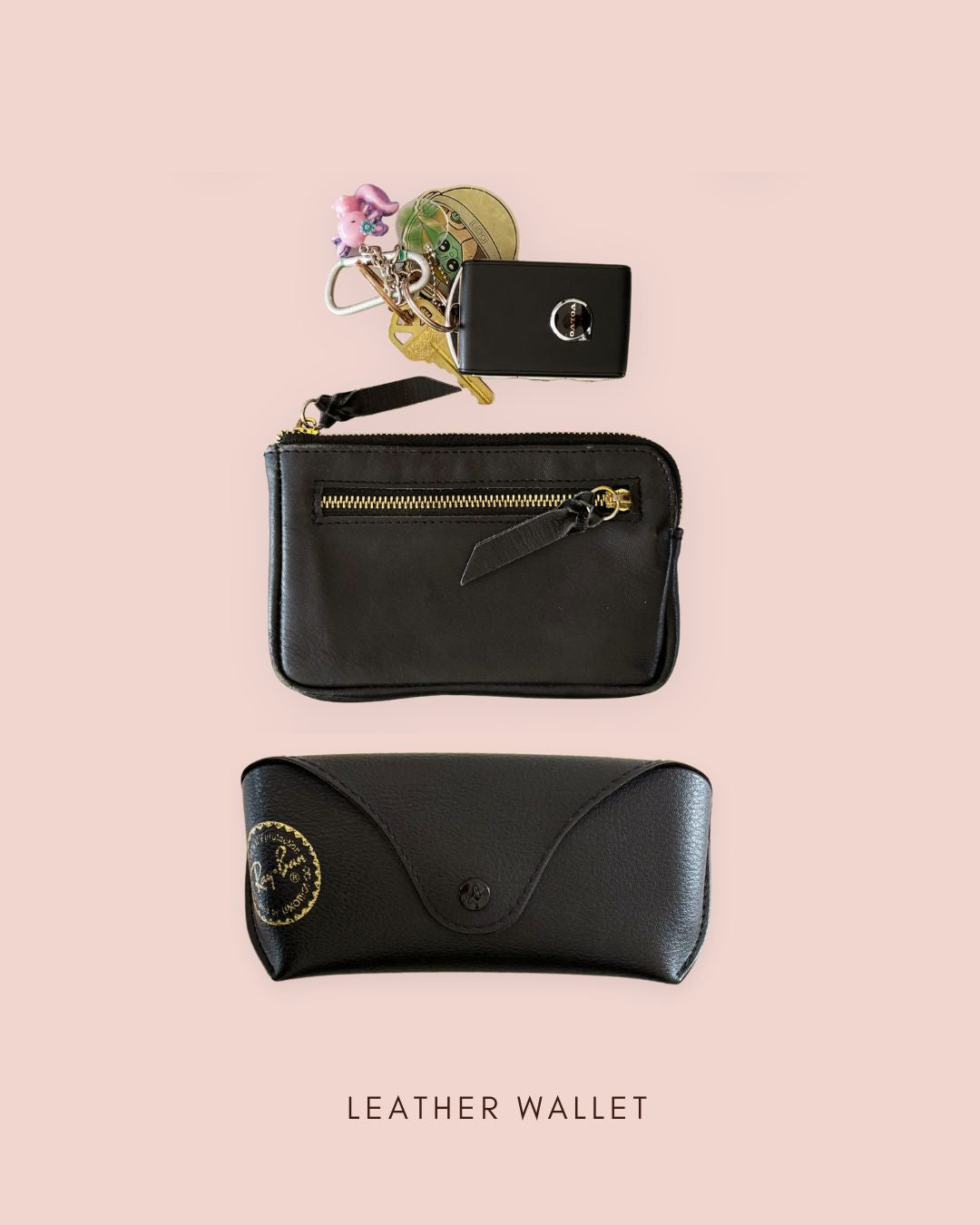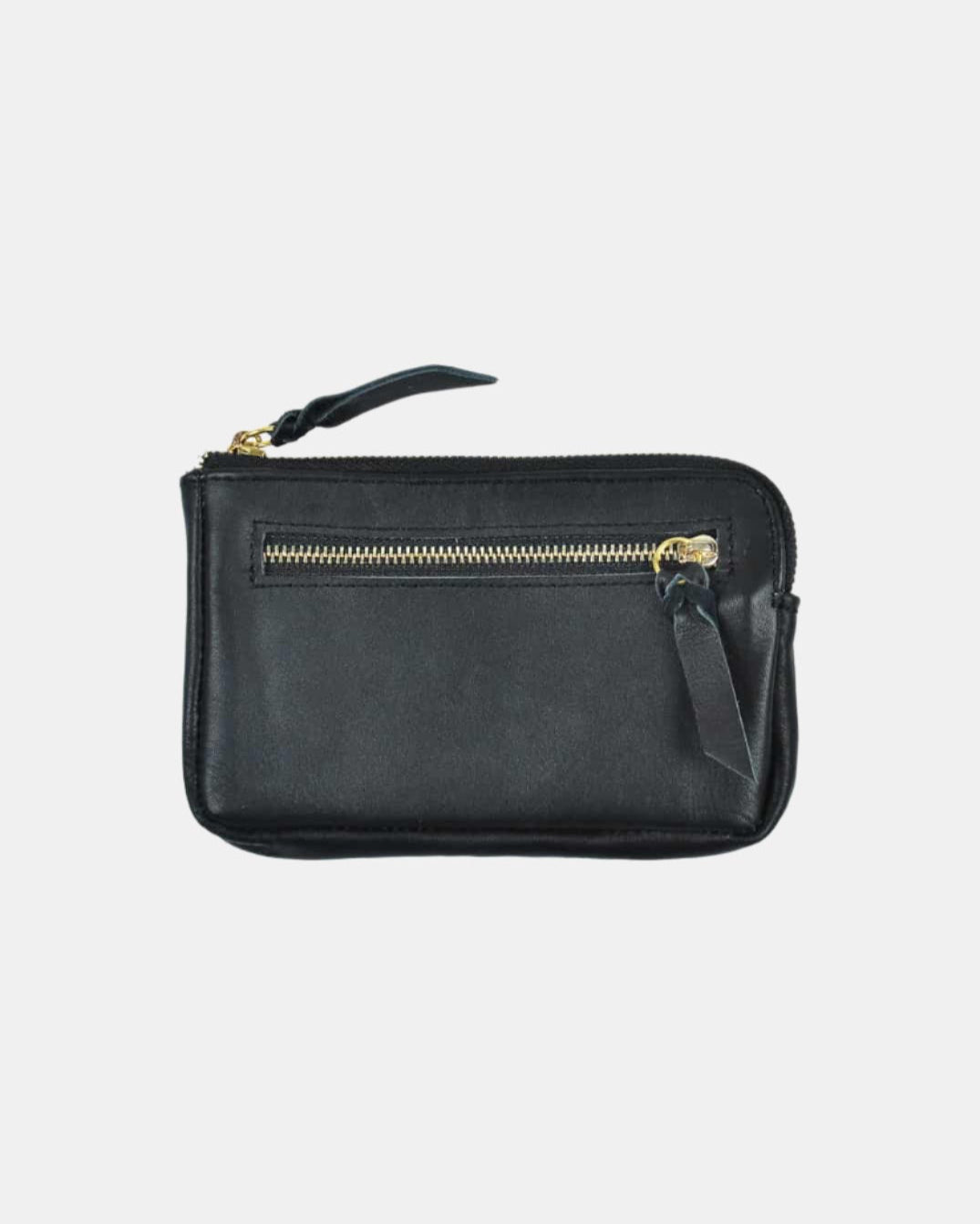


A good leather wallet is more than just an everyday object. It accompanies you for years, carries stories in every patina, and remains functional and beautiful. But in times of fast fashion and mass production, it's worth looking behind the scenes: Where does the leather come from? How was it processed? And does a leather wallet still fit into a conscious, sustainable lifestyle? The answer lies not in the material alone, but in the way it is produced, used, and appreciated.
What really makes a leather wallet special
Leather is one of humanity's oldest materials. For millennia, animal hide has been tanned, processed, and turned into durable products. The German Leather Museum impressively documents this history and shows how deeply leather craftsmanship is rooted in our culture.
Why leather continues to impress
- Durability: A high-quality wallet, with good care, lasts for decades.
- Natural Patina: Each piece develops its own character over time.
- Repairability: Unlike synthetic materials, leather can be repaired and reconditioned.
- Biodegradability: At the end of its life cycle, vegetable-tanned leather is compostable.
A leather wallet is not a disposable product. It is an investment in quality that pays off over years. Those who consume consciously choose less, but better. Just like with sustainable swimwear, it's about value over quantity.
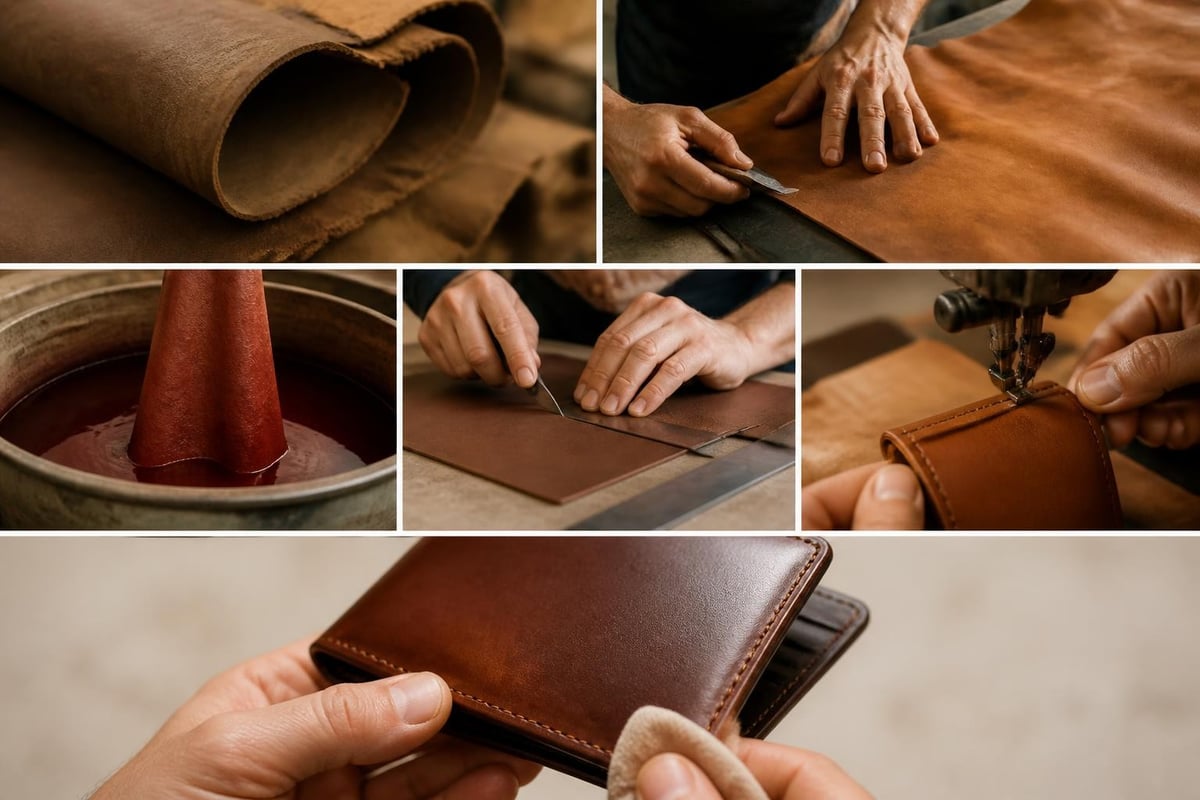
Sustainable Leather Production: What truly matters
Not all leather is created equal. Production has an enormous impact on the environment, animal welfare, and working conditions. If you are looking for a sustainable leather wallet, you should pay attention to certifications and transparency.
The Leather Working Group: Standard for responsible tanning
The Leather Working Group is the world's leading organization for sustainable leather production. It certifies tanneries according to strict environmental and social standards. In its 2024 Year in Review, the organization shows impressive progress: over 1,000 certified tanneries worldwide, measurable reductions in water and energy consumption, and transparent supply chains.
| Aspect | Conventional Tanning | LWG-Certified Tanning |
|---|---|---|
| Water Consumption | High, often without recycling | Reduced, Recycling |
| Chemical Use | Chrome tanning with risks | Strictly controlled, often chrome-free |
| Wastewater Treatment | Minimal to none | Multi-stage, monitored |
| Transparency | Hardly traceable | Fully documented |
| Working Conditions | Variable | Social standards mandatory |
A leather wallet from certified production is not a given, but an important step. Just as we at MAIN Design rely on recycled materials, leather should come from responsible sources.
Chrome Tanning vs. Vegetable Tanning
Most modern wallets are chrome-tanned. This process is fast, cost-effective, and produces soft, supple leather. However, Chromium (VI) is harmful to health and the environment. The European Commission has therefore set strict limits. The German Institute for Occupational Safety and Health warns of health risks when in contact with poorly processed leather.
Vegetable-tanned leather is the traditional, more environmentally friendly alternative. It uses tannins from bark, leaves, or fruits. The process takes longer but produces leather with a unique feel and aging. Such a leather wallet becomes more beautiful with age instead of worn out.

Finding the right leather wallet
The selection is huge. From minimalist card holders to classic wallets with coin compartments. But which format suits your life?
Formats at a glance
- Bifold: Classic, compact, folded in half. Ideal for cash and cards.
- Trifold: Folded in thirds, more storage space, slightly thicker.
- Card Holder: Minimalist, for cards only, fits in any pocket.
- Zip-around: All-around zipper, maximum storage space, often for women.
- Long Wallet: Long and slim, lies flat, trendy among minimalists.
Your lifestyle decides. Those who travel a lot need space. Those who live minimally can get by with less. A good leather wallet adapts without being intrusive.
What to look for when buying
- Stitching: Even, firm, no loose threads.
- Leather Quality: Even surface, pleasant feel, natural smell.
- Workmanship: Clean edges, symmetrical card slots, well-closing compartments.
- Origin: Transparency about production and material.
- Warranty: Reputable manufacturers stand behind their products.
Similar to choosing sustainable children's fashion, it's about long-term satisfaction, not the quickest purchase.
Care: How your leather wallet lasts for decades
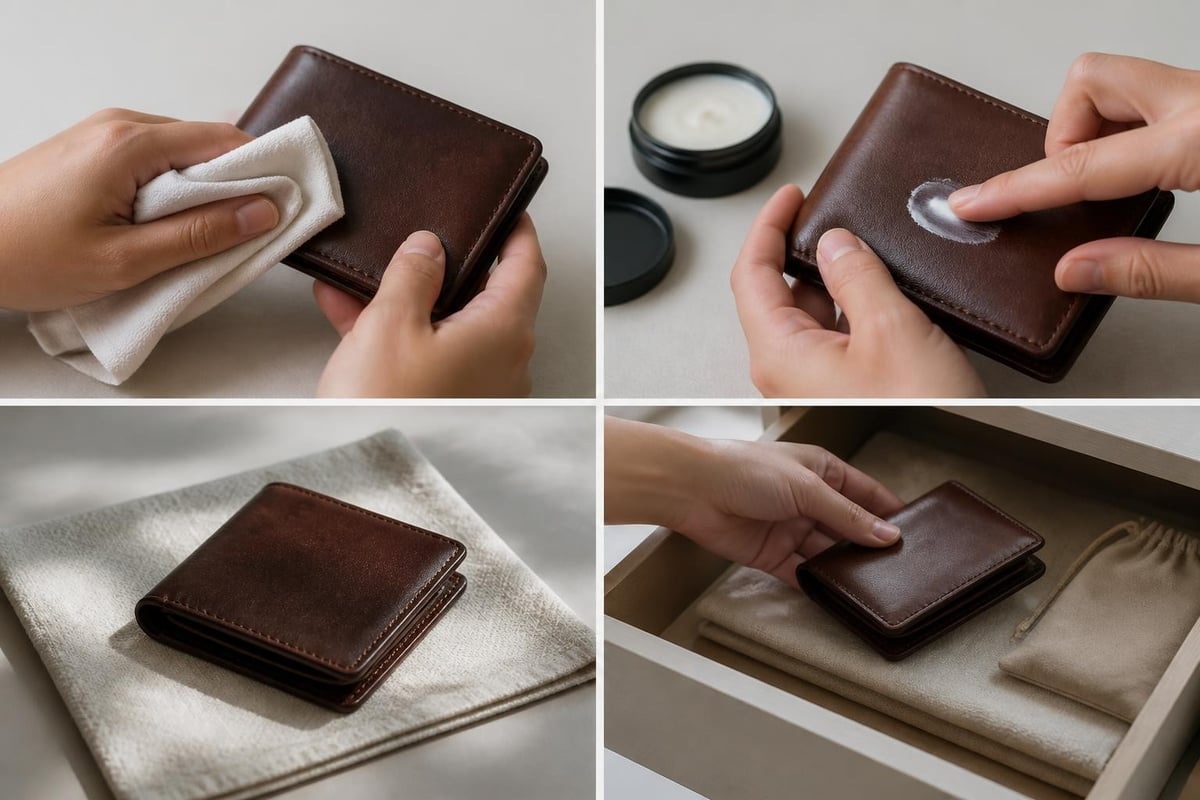
Leather is a natural product. It needs attention, but not an elaborate routine. With simple steps, your leather wallet remains supple and beautiful.
Basic care steps
- Cleaning: Remove dust and dirt with a soft cloth. No aggressive cleaners.
- Conditioning: Treat with leather grease or oil every 3-6 months. Apply thinly, let it soak in.
- Moisture Protection: Leather doesn't like water. If wet, dry immediately, slowly in the air, never on a heater.
- Storage: Dry, dark, airy. Not in plastic, but in fabric or freely.
Stains happen. For grease stains, talcum powder helps; let it sit overnight. For water stains, lightly dampen the entire wallet, dry evenly. For persistent problems: professional leather cleaning.
Repair instead of new purchase
A torn compartment, a loose seam – that's no reason to discard it. Shoemakers and specialized leather workshops can repair almost anything. Some manufacturers offer lifelong repair service. That's true sustainability: using, repairing, appreciating things.
Leather and Environment: The Critical Perspective
Leather is controversial. Its production consumes resources, tanning pollutes waters, and animal husbandry is ethically complex. The Federal Environment Agency analyzes the environmental impacts of the leather and textile industry in detail.
The Facts
Conventional leather production is resource-intensive. Large amounts of water, energy, and chemicals flow into the process. Untreated wastewater pollutes rivers, especially in countries with weak environmental regulations. Animal husbandry for leather contributes to greenhouse gas emissions.
However: Leather is often a byproduct of the meat industry. Hides would otherwise be disposed of. By using them, waste is avoided. This does not justify all practices, but it makes the context important.
The Sustainable Alternative
- Certified Leather: LWG Gold or Silver guarantee better standards.
- Vegetable-tanned: Slower, but more environmentally friendly.
- Local Production: Shorter distances, higher control, fair working conditions.
- Durability: A leather wallet that lasts 20 years beats any cheap product that breaks after two years.
Sustainability is never black and white. It's about better decisions, not perfect ones. Similar to choosing recycled materials in fashion.
Trends and Alternatives: What comes after leather?
The market for vegan leather alternatives is growing. Materials like Pinatex (made from pineapple fibers), cork, mushroom leather, or recycled plastic leather offer new options.
Comparison: Leather vs. Vegan Alternatives
| Material | Durability | Repairability | Environmental Footprint | Feel |
|---|---|---|---|---|
| Genuine Leather (certified) | Very high | Excellent | Medium (depends on tanning) | Natural, warm |
| Faux Leather (PU/PVC) | Low | Difficult | Bad (petroleum, microplastics) | Artificial, cool |
| Pinatex | Medium | Limited | Good (waste product) | Textile-like |
| Mushroom Leather | Medium (still in development) | Limited | Very good (renewable) | Soft, variable |
| Cork | High | Good | Very good (renewable, biodegradable) | Robust, light |
A leather wallet made from genuine, sustainable leather still has advantages in terms of durability and repairability. But alternatives are catching up. The choice depends on your priorities: tradition or innovation, animal welfare or resource conservation, feel or function.
The Value of Handcraft and Local Design
Mass production dominates the market. But small manufacturers and designers rely on handcraft, individual production, and local value creation. A handcrafted leather wallet costs more but offers:
- Uniqueness: Each piece is individual.
- Quality: Experienced craftspeople pay attention to details.
- Transparency: You know who made your product.
- Support: Your purchase strengthens the local economy and craftsmanship.
At MAIN Design, we live by this principle: products with purpose, fairly produced, consciously designed. Whether kimonos made from sustainable fibers or well-thought-out accessories – quality and responsibility go hand in hand. A good leather wallet should embody the same values.
Price and Value: Why Cheap Can Be Expensive
A leather wallet is available starting from 20 Swiss Francs. High-quality models cost 100 to 300 Swiss Francs or more. Is the difference worth it?
Calculation over the lifespan
- Cheap (20 CHF): Lasts 1-2 years. After 10 years: 5 purchases = 100 CHF + environmental impact from production and disposal.
- High quality (150 CHF): Lasts 15-20 years. After 10 years: 1 purchase = 150 CHF + minimal impact.
The calculation is clear. In the long run, quality is cheaper and more sustainable. A good leather wallet is an investment, not an expense.
How to recognize quality
- Full-grain leather: The uppermost, most natural leather layer. Robust, breathable, unique.
- Split leather: Lower layers, often coated. Less durable.
- Embossed leather: Surface mechanically treated to hide flaws. Inferior quality.
Ask about the type of leather. Reputable manufacturers are happy to provide information. Lack of transparency is a warning sign.
Stylish companions for your everyday life
A leather wallet is functional, but also an expression of style. Classic brown, elegant black, natural cognac, or bold color-blocking – the choice says something about you.
Combinations for every look
- Minimalist: Card holder in black or grey. Fits in any bag, with any outfit.
- Classic: Bifold in brown. Timeless, elegant, versatile.
- Casual: Zip-around in light tones. Relaxed, practical, modern.
- Statement: Long wallet in a striking color. Confident, creative, individual.
Your leather wallet accompanies you daily. It should fit your life, not work against it. Similar to choosing beach outfits, it's about personal expression and well-being.
Conclusion: Choose consciously, use for a long time
A leather wallet is more than just a purse. It's a statement, a companion, quality. The decision for sustainable production, careful care, and long-term use makes all the difference.
In a world of fast trends and disposable products, durability is revolutionary. A well-made leather wallet lasts for decades, develops character, and remains functional. It stands for values we often forget: craftsmanship, longevity, responsibility.
Whether certified leather, vegan alternative, or handcrafted unique piece – the attitude behind it is crucial. Less, but better. Conscious, not blind. Appreciative, not wasteful.
Quality that lasts. Materials that make sense. This is how we think at MAIN Design. From sustainable swimwear to thoughtful accessories – every piece is created with responsibility and an eye for the essentials. If you are looking for products that fit a conscious life, visit MAIN Design. Together we make the world a little better.