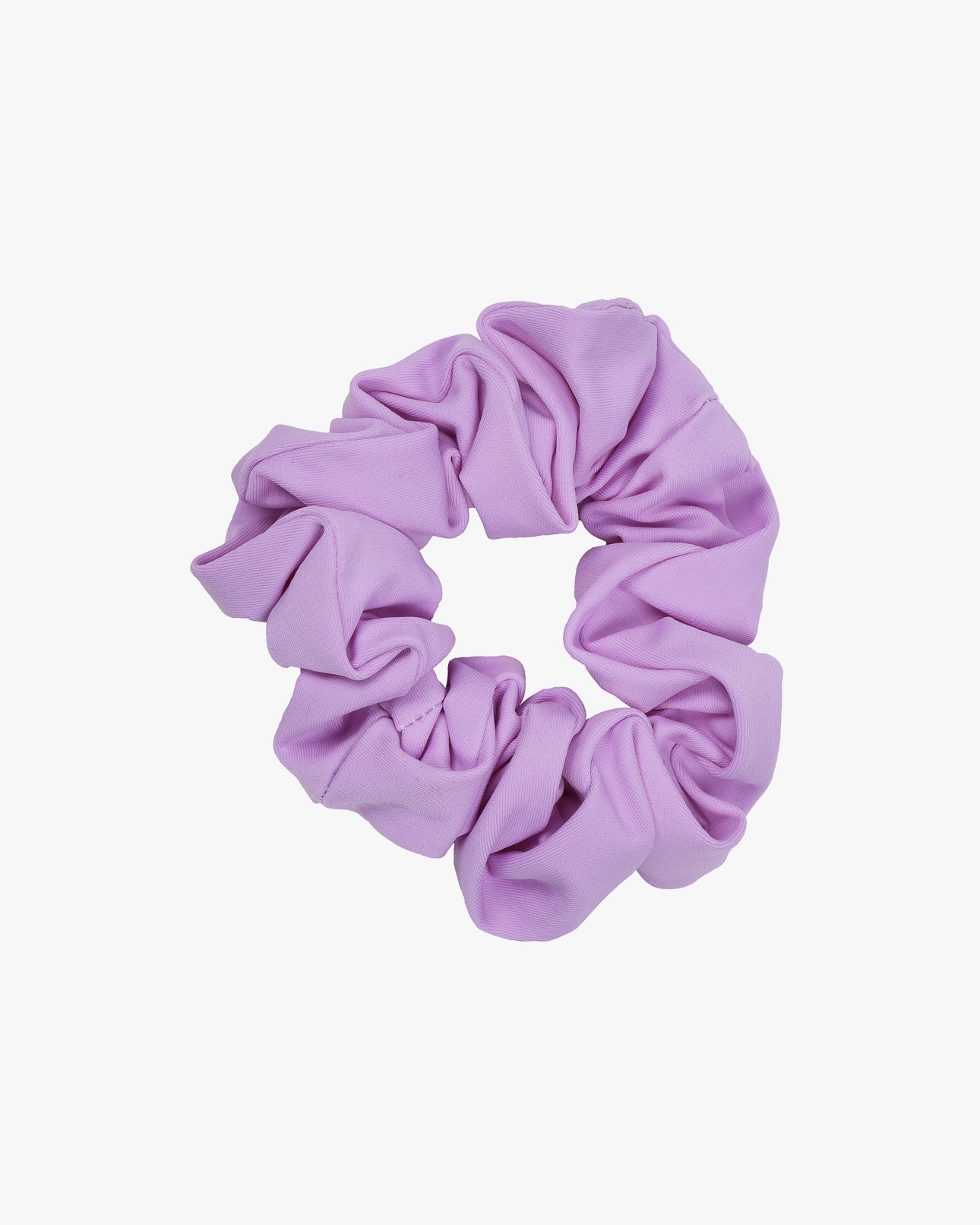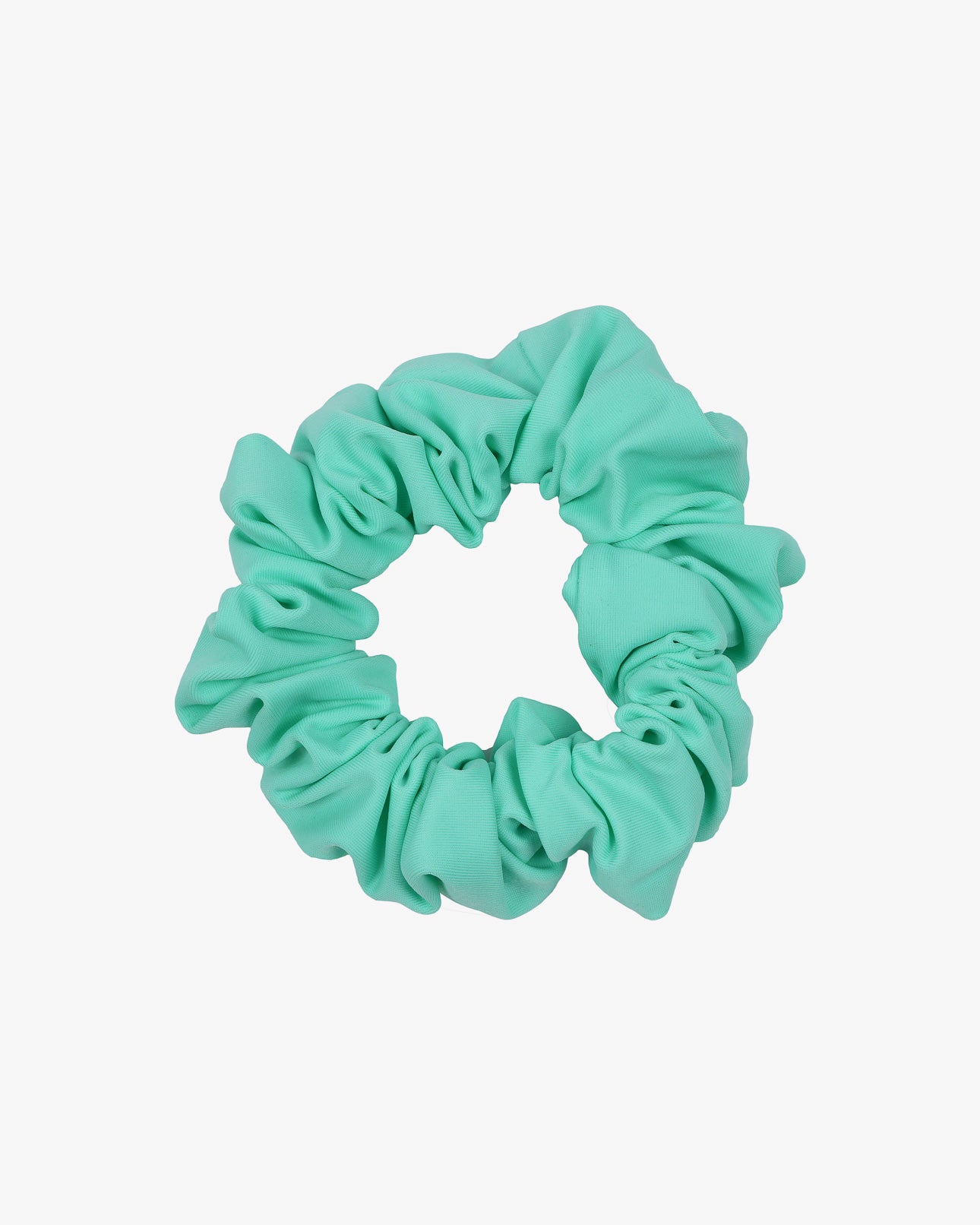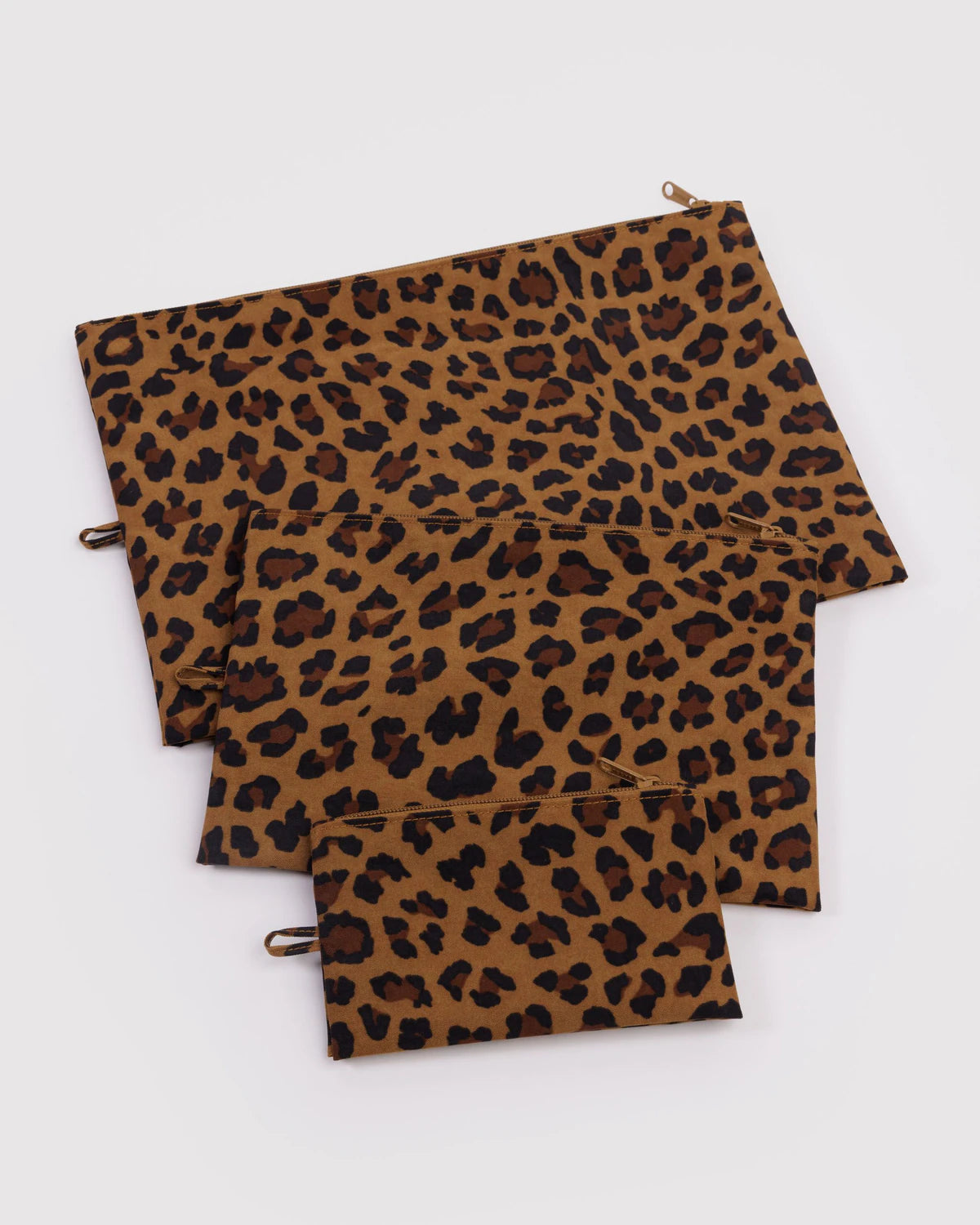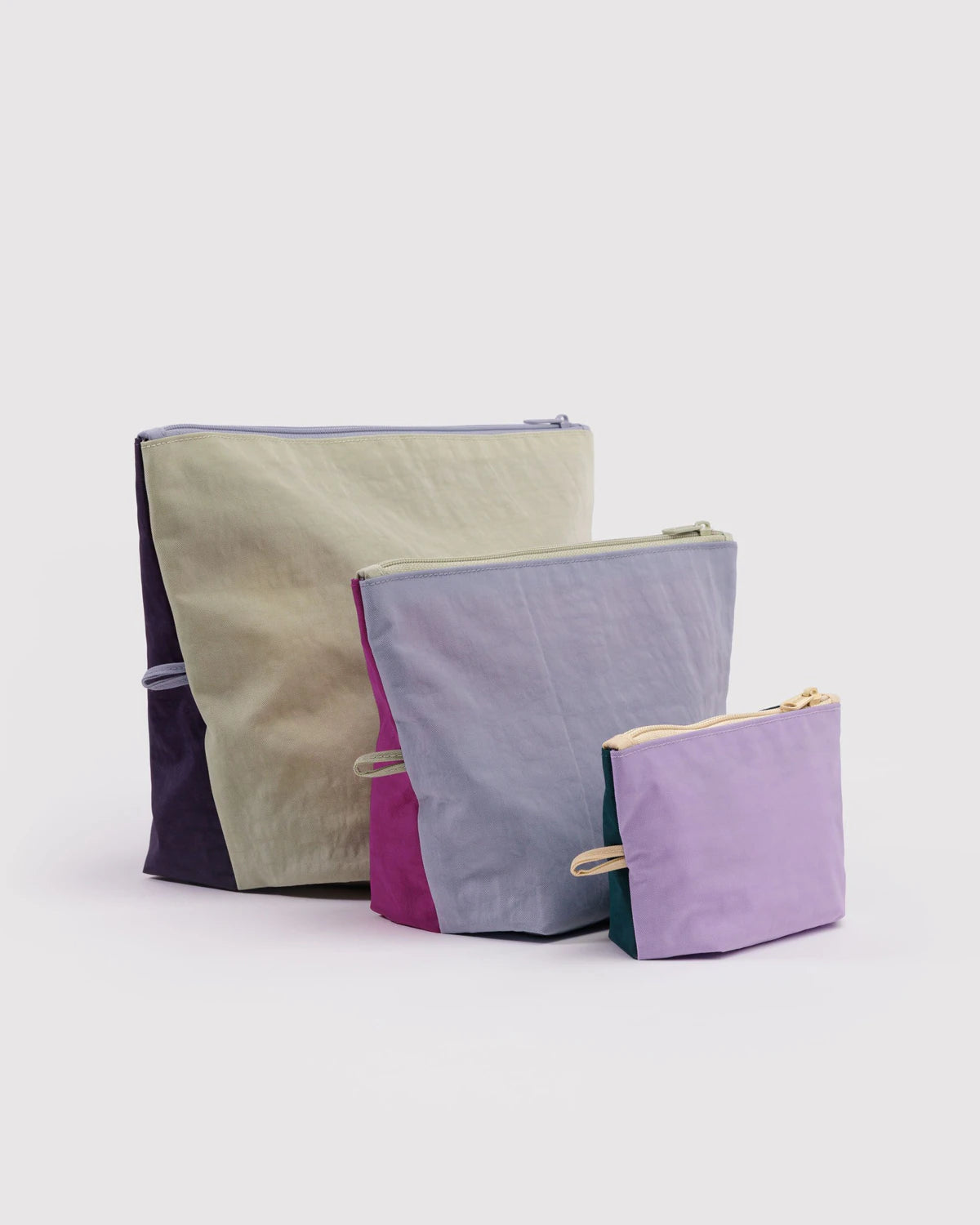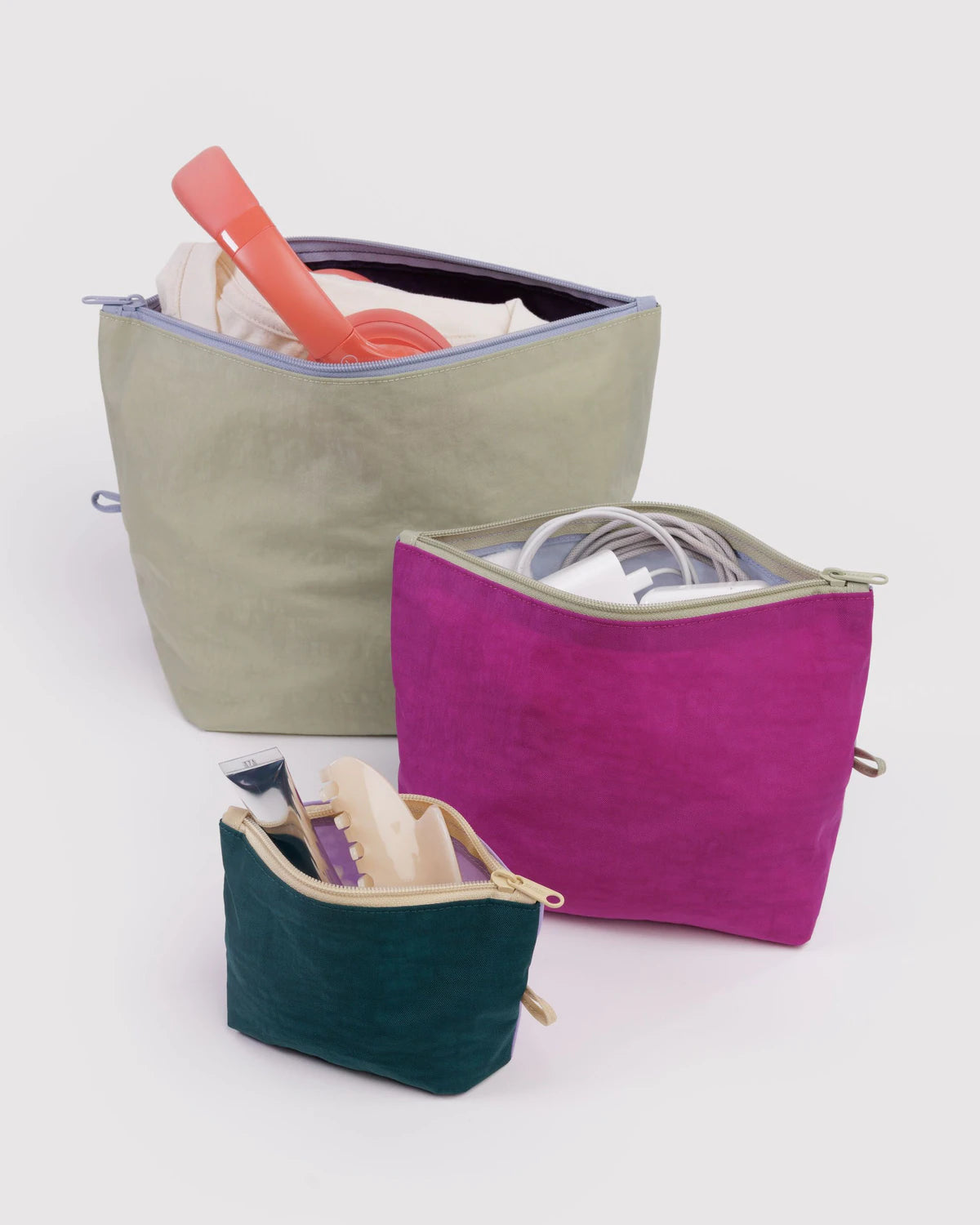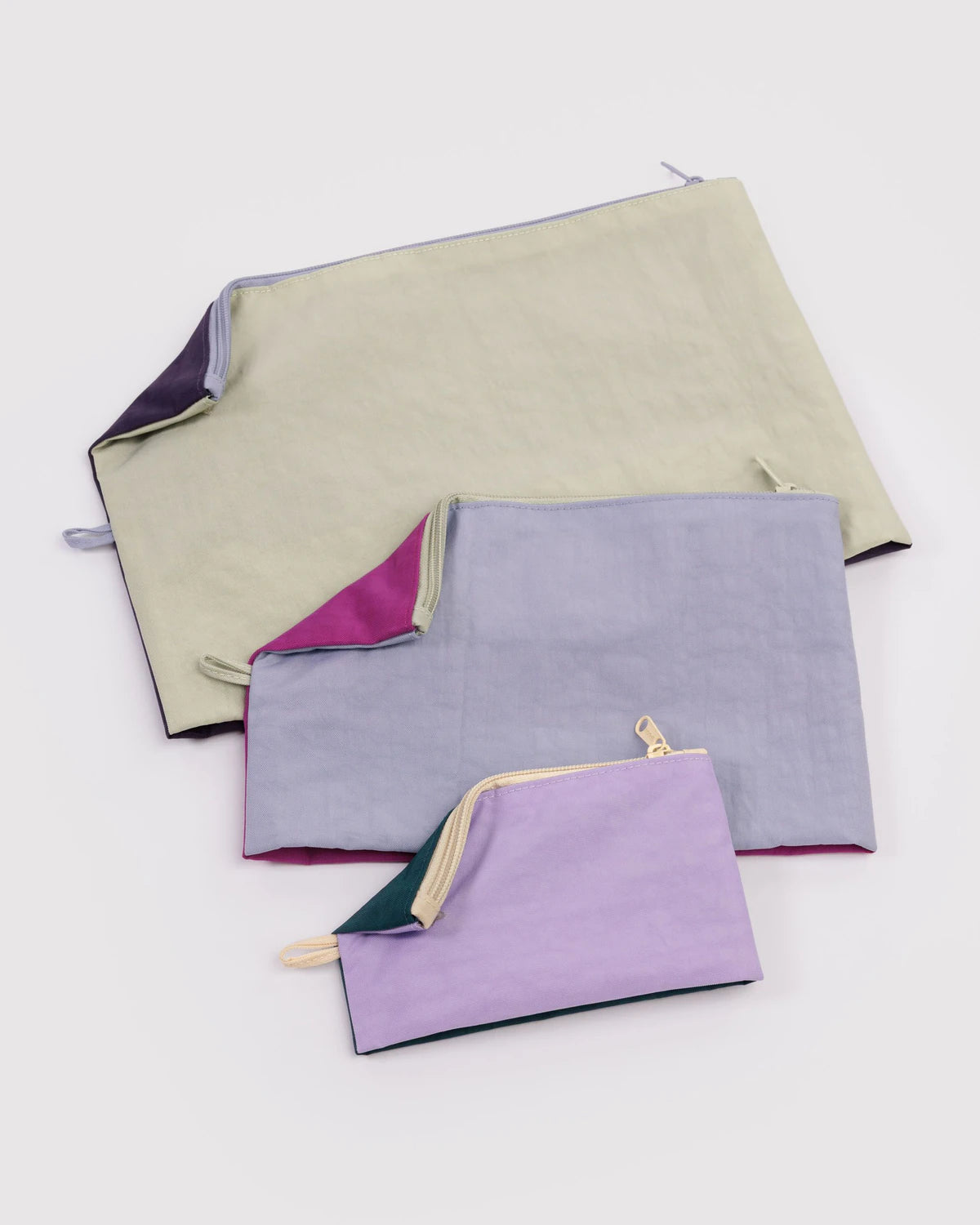


Deadstock will be one of the most important issues in sustainable fashion by 2026. More and more people are recognizing the significant burden that overproduction and textile waste place on the environment and society. The fashion industry produces millions of garments every year that are never worn. But conscious consumption and sustainable alternatives can reduce deadstock and enable real change. In this guide, you'll learn exactly what deadstock is, its causes and consequences, and how innovative solutions and practical tips can help you consume fashion more sustainably. Discover the trends and developments that are paving the way for a more responsible fashion industry.
What is deadstock? Definition, forms, and background
Fashion is constantly evolving, and one term is appearing with increasing frequency: deadstock. But what does it mean? In the fashion industry, deadstock describes goods that remain unsold and "slumber" in warehouses. This includes not only clothing but also fabrics and accessories. A precise distinction from other terms is important for understanding deadstock in the context of sustainable fashion.
Definition and meaning of deadstock
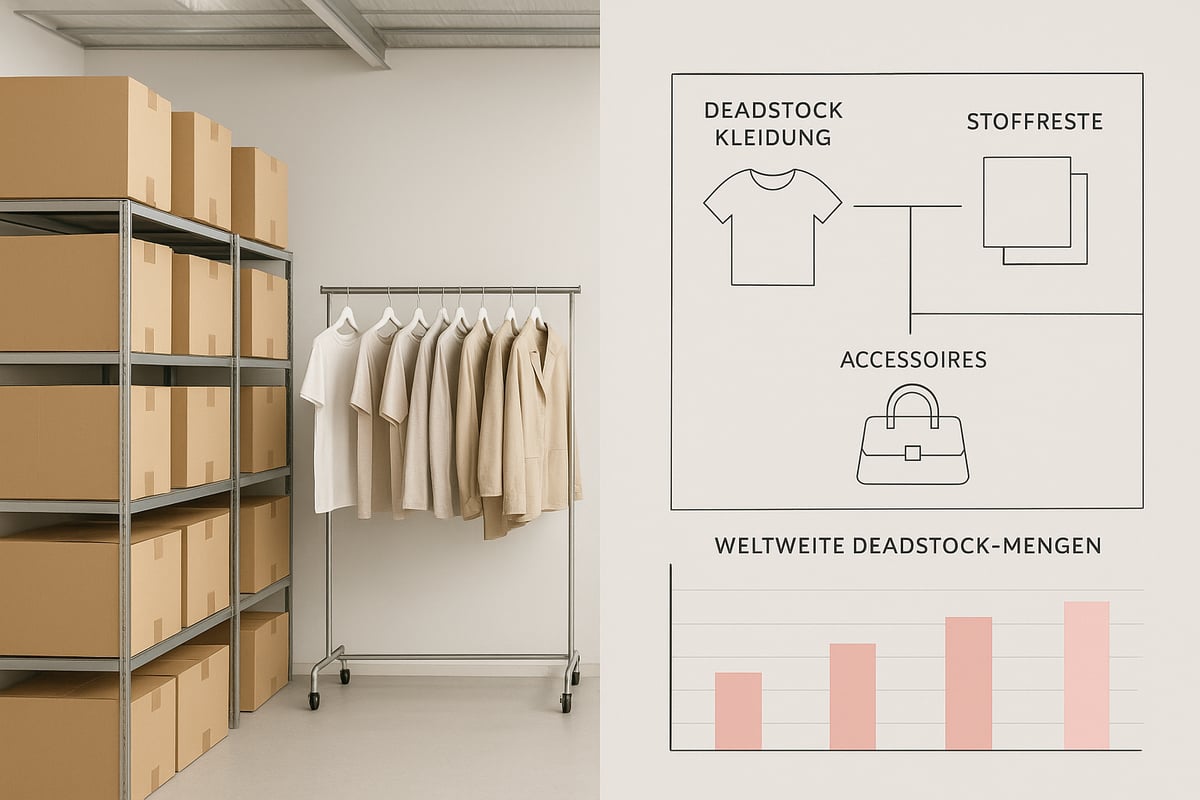
Deadstock refers to inventory that is never sold despite production. The term originates from English and means "dead stock." In the fashion world, deadstock includes:
- Unsold collections
- Fabric remnants from production
- Accessories not included
It's important to distinguish between deadstock, which is often still sold, and vintage or secondhand items, which have already been used. Deadstock is usually brand new but remains unsold for various reasons. In the age of fast fashion and constantly changing trends, the issue of deadstock is gaining increasing importance. Examples from the industry show that deadstock occurs in both luxury labels and the mass market.
The origin of deadstock: causes and mechanisms
How does deadstock actually happen? The reasons are manifold. On the one hand, trends change very quickly these days, so fashion companies are constantly planning new collections. Often, demand is overestimated, and too much merchandise remains unsold.
Typical causes for deadstock include:
- Collection cycles that are too short
- Misplanning of demand
- Overproduction as a buffer against supply bottlenecks
- Defective materials or production surpluses
According to SANVT, millions of tons of unsold clothing end up as deadstock worldwide every year. Many companies factor in safety margins to avoid supply chain issues. However, this often leads to overflowing warehouses and increases the pressure to utilize deadstock sustainably.
Types of deadstock: clothing, fabrics, and accessories
Deadstock manifests itself in various forms. Most commonly, it consists of unsold seasonal merchandise and unused collections. However, leftover fabric scraps from production also fall under this category. Accessories such as bags, belts, or shoes also become part of deadstock if they fail to find a buyer.
A distinction is made between:
- Clothing: Remnants from old collections
- Fabric deadstock: Leftover materials from textile production
- Accessories: Unsold shoes, bags, belts
In the luxury segment, deadstock is often handled discreetly, while fast fashion brands openly sell off larger quantities. Targeted sales can help to utilize deadstock sustainably, for example, through sales and making sustainable use of remaining stock .
Deadstock in numbers: The global extent
The amount of deadstock worldwide is enormous. Every year, millions of tons of unsold textiles end up in landfills or are incinerated. In Chile, for example, huge mountains of used clothing are piling up, a visible sign of the problem.
Some figures illustrate the extent of deadstock:
| region | Percentage of deadstock in production | Special features |
|---|---|---|
| Europe | 10–15% | Stricter regulation |
| Worldwide | 20–30% | High proportion of textile waste |
For brands and retailers, deadstock also means economic losses. With growing fashion consumption, the significance of deadstock continues to increase. The issue has long been a global problem that demands sustainable solutions.
The ecological and social consequences of deadstock
Deadstock in the fashion industry is not just a logistical or economic problem, but also has a massive impact on the environment and society. The consequences affect resources, climate, working conditions, and consumer behavior. Anyone who examines the effects of deadstock quickly realizes how closely they are linked to the challenges facing the entire industry.
Environmental pollution caused by deadstock
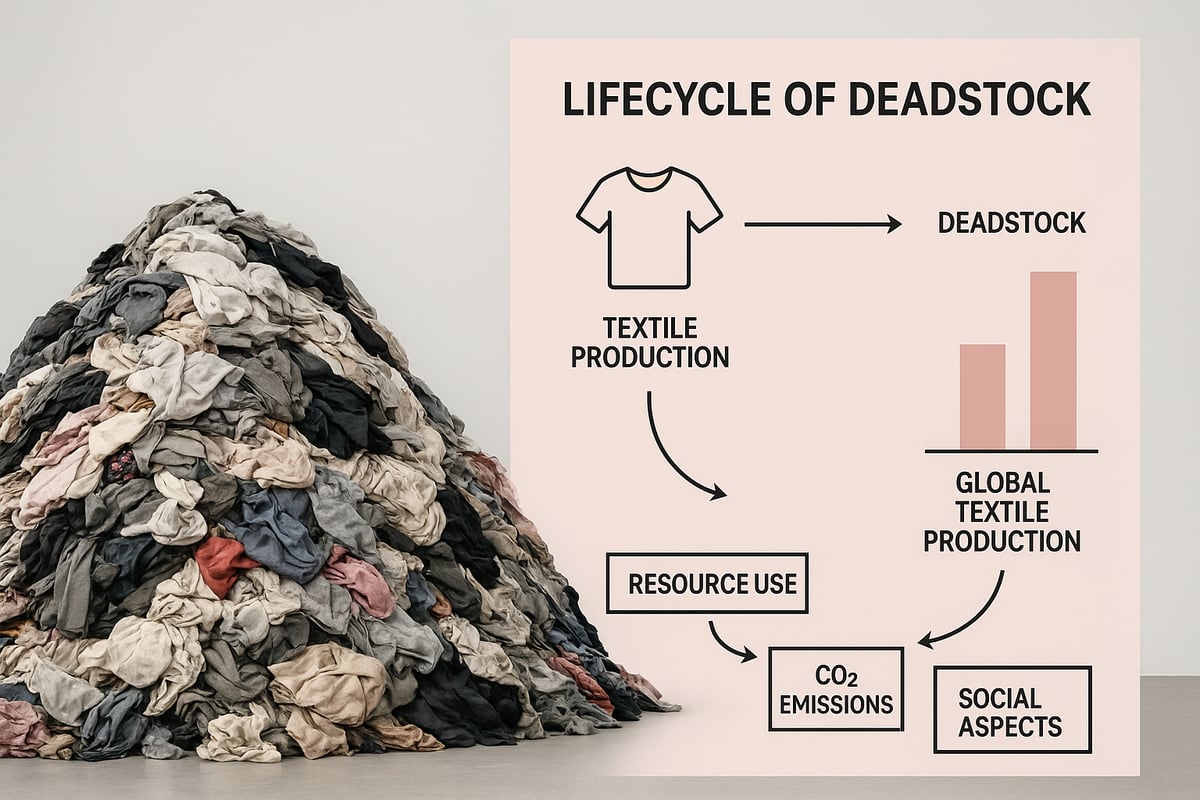
Deadstock leads to enormous resource waste. The production of clothing consumes vast amounts of water, energy, and raw materials, which are virtually lost when deadstock remains unsold. Production and transportation generate CO2 emissions that contribute to climate change. Much deadstock ends up in landfills, where textiles take decades or even centuries to decompose. The practice of some luxury brands burning surplus merchandise to protect their brand value is particularly problematic. The well-known Burberry scandal revealed that millions of euros worth of products are destroyed in this way every year. The environmental consequences of deadstock are therefore a central issue for sustainable fashion.
Social impact: Working conditions and ethics
The emergence of deadstock is closely linked to problematic working conditions in the global textile industry. Overproduction increases the pressure on manufacturers to produce as cheaply and quickly as possible, often at the expense of workers. Low wages, lack of occupational safety, and child labor are direct consequences. Deadstock illustrates how mass production and price pressure displace social responsibility. Those who buy cheap products unknowingly contribute to the exploitation of people in low-wage countries. For more in-depth information on environmental and social standards, we recommend looking at Environmental and Social Standards in Global Clothing Production . Deadstock thus raises ethical questions that affect us all.
Economic consequences for brands and consumers
Deadstock causes high storage costs and leads to significant financial losses for brands and retailers. To clear out inventory, discount campaigns are often launched, which devalues the products and damages the brand image. Consumers get the impression that fashion is always available at low prices, encouraging impulse purchases and hindering sustainable consumption. At the same time, smaller and ethical brands come under pressure, as they can hardly compete in the price war. Deadstock therefore affects not only the balance sheets of large companies, but also purchasing behavior and the overall perception of fashion.
Deadstock as a driver of innovation and change
Despite all its negative consequences, deadstock can also trigger positive changes. More and more companies are developing innovative solutions to make good use of surplus materials. Upcycling projects, the circular economy, and digital tools for better demand planning are gaining importance. Companies that creatively transform deadstock into new products promote transparency and a more conscious use of resources. In this way, deadstock becomes a driving force for sustainable business models and a more responsible fashion industry. The challenge lies in consistently continuing this transformation and reshaping the industry in the long term.
Innovative solutions and strategies against deadstock in the fashion industry
Innovative solutions are crucial to sustainably combating the deadstock problem in the fashion industry. New technologies, creative approaches, and political measures offer numerous ways to reduce overproduction and textile waste. Here, we show you how fashion companies, policymakers, and consumers can work together to minimize deadstock.
Improved demand planning and technology use
Precise demand planning is key to minimizing deadstock. Fashion companies are increasingly relying on artificial intelligence and data analytics to predict trends and better manage production volumes. As a result, collections are often only manufactured after an order is placed, significantly reducing overproduction and excess inventory.
One example is automated inventory management systems, which make production and warehousing more efficient. Brands with "fashion on demand" models demonstrate how flexible and resource-efficient fashion can be. The article "Innovative Technologies for Sustainable Fashion Production" offers even more insights into technological solutions.
Such tools help to avoid deadstock from the outset and to make optimal use of resources.
Upcycling and creative reuse of deadstock
Upcycling is one of the most creative solutions to combat deadstock. It involves transforming surplus fabrics, remnants, and unsold garments into new, unique products. Many designers collaborate with textile manufacturers to create limited-edition collections from deadstock materials.
These upcycled collections not only promote resource conservation but often also offer a unique story behind each piece. Local production and craftsmanship are the focus. In this way, deadstock becomes a source of inspiration for innovation and individuality.
Circular economy and recycling solutions
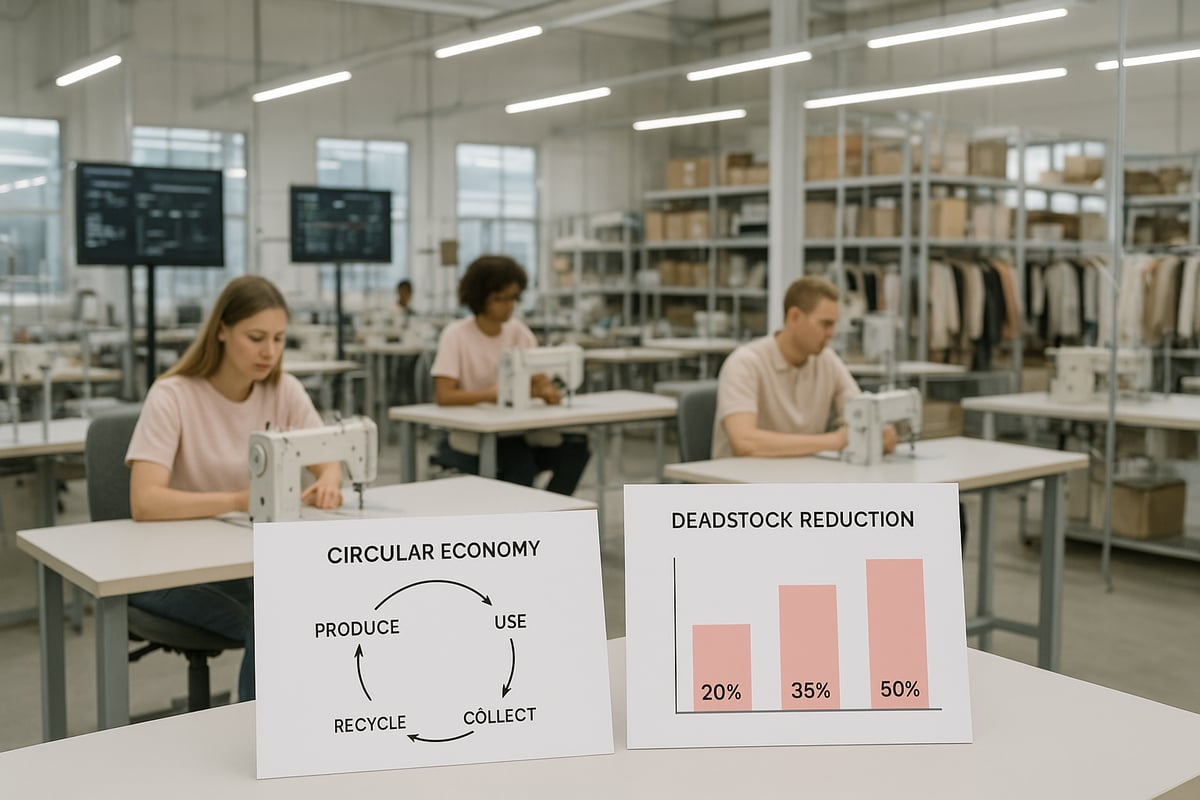
The circular economy is playing an increasingly important role in dealing with deadstock. Circular fashion concepts focus on reintegrating materials into the production process after their life cycle. Recycling fibers and textiles is a key component of this.
Many companies collaborate with recycling firms to create new yarns or fabrics from old materials. Certifications like the Circular Fabric Standard foster trust and transparency. However, challenges remain regarding quality, scalability, and the cost of recycling processes.
Nevertheless, the trend shows that deadstock is increasingly being recognized as a valuable resource.
Sustainable material selection and production
Selecting sustainable materials is a crucial step in reducing deadstock in the long term. More and more brands are opting for recycled fibers, biodegradable fabrics, and durable materials. Products that are repairable and robust extend their lifespan and prevent unnecessary deadstock.
Transparent supply chains and fair production conditions play a major role. Well-known examples include TENCEL™, recycled cotton, and GRS-certified wool. Quality is paramount, as high-quality fashion results in less deadstock and is more environmentally friendly.
Policy, regulations and industry initiatives
Political measures and industry initiatives also contribute to reducing deadstock. Legal requirements, such as the EU strategy for textile waste reduction, set new standards for companies. Funding programs support sustainable production and innovation in the fashion industry.
Industry-wide alliances and transparency obligations ensure that companies take their responsibility seriously. Consumer lobbies and NGOs are also exerting pressure, demanding better solutions against deadstock. This is creating an environment in which sustainable practices are becoming the norm.
Success stories from practice
In practice, many successful approaches to combating deadstock already exist. The company SANVT focuses on season-independent collections and durable essentials to avoid overproduction. Luxury brands also utilize deadstock for exclusive upcycling lines, thereby creating new value.
Start-ups are developing digital platforms for selling deadstock goods or collaborating with social projects for reuse. Statistics show that the proportion of recycled materials in new collections is steadily increasing. Such examples prove that deadstock is not the end, but the beginning of sustainable innovation.
Tips for consumers: How to avoid deadstock and shop more sustainably
Sustainable consumption begins with every purchase decision. By consciously considering quality, origin, and durability, you can actively contribute to reducing deadstock in the fashion industry. The following tips will show you how to shop more consciously, use alternatives, and make a difference with simple steps.
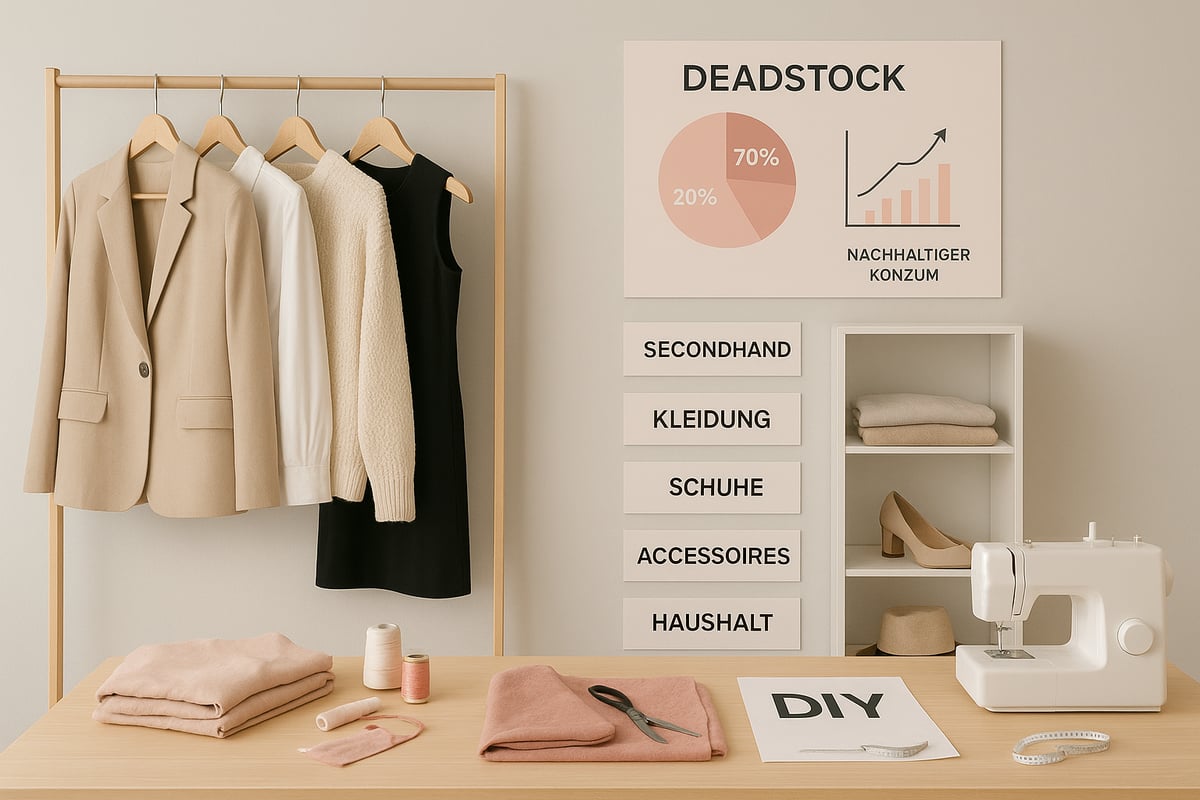
Shop consciously: quality over quantity
When shopping, opt for durable, high-quality products instead of mass-produced goods. A T-shirt made from sustainable materials often lasts ten times longer than a cheap one. Pay attention to workmanship, material, and origin – this will prevent clothing from quickly becoming deadstock.
Invest in a few versatile pieces that can be easily combined. Consider whether you truly need each item. Use practical tips for sustainable shopping to create a targeted and resource-efficient wardrobe.
Secondhand, vintage and deadstock shops utilize
Secondhand and vintage shops are great alternatives for experiencing fashion more sustainably. You can often find unworn or barely used items there that would otherwise end up as deadstock. Deadstock shops offer unsold new goods from old collections, which conserves resources.
When buying secondhand clothes, pay attention to quality, fit, and style. Research local shops or use online platforms. With every secondhand purchase, you actively contribute to reducing fashion waste and support the circular economy.
Upcycling and DIY: Creative ways to deal with fashion
Get creative and breathe new life into old clothes. Upcycling means creating new favorite pieces from deadstock or old fabrics. Repair minor damage yourself or attend DIY workshops to learn new techniques.
Use fabric scraps for accessories or turn an old shirt into a bag. Online communities offer plenty of inspiration and tutorials. This way you save resources and make a statement against the throwaway culture in fashion.
Identifying sustainable brands and certifications
When shopping, look for recognized sustainability labels such as GOTS, Fair Wear, or TENCEL™. These certifications show that a brand produces responsibly and avoids deadstock. Check the companies' transparency and learn about their values.
Helpful information about seals and their meaning can be found in the Sustainable Certificates and Seals FAQ . This will help you recognize genuinely sustainable fashion and avoid greenwashing.
Conscious consumption: Minimalism and capsule wardrobe
A capsule wardrobe is about creating a streamlined, versatile wardrobe. Combine a few, well-chosen pieces to create many different outfits. This helps avoid impulsive purchases and deadstock.
Plan your wardrobe carefully and care for your clothes regularly. Less is often more: you save time, money, and conserve resources. Sustainable fashion thus becomes part of a minimalist lifestyle that brings joy in wearing clothes and clarity to everyday life.
Influence as a consumer: Steering demand and showing commitment
Your purchasing behavior influences what's available. Consciously support sustainable and local brands to reduce deadstock. Demand transparency and provide feedback to companies if you believe improvements are important.
Get involved in initiatives, challenges, or petitions for sustainable fashion. Use social media to connect with others and share knowledge. Together, consumers can initiate change in the fashion industry.
Deadstock trends and sustainable fashion in 2026: What awaits us?
In 2026, the fashion industry faces a fundamental transformation. Deadstock remains a key issue, as innovative technologies, new business models, and changing consumer behavior shape the future of sustainable fashion. What developments can we expect, and how will the approach to deadstock change?
Technological innovations and digitalization
Digital technologies are revolutionizing deadstock management. Artificial intelligence and big data enable more precise demand planning, thereby reducing overproduction and deadstock. Digital platforms offer new opportunities for selling and reusing deadstock.
Blockchain is also playing an increasingly important role by making supply chains transparent and traceable. Virtual fitting rooms and 3D designs help to minimize returns and better control production. Forecasts indicate that digital solutions in the deadstock sector will become the industry standard by 2026.
New business models and collaborations
Dealing with deadstock is inspiring innovative business models. Rental models and the sharing economy are gaining importance as more and more consumers use fashion temporarily instead of buying it. Collaborations between brands, start-ups, and NGOs are creating marketplaces for deadstock materials and products.
Subscriptions for sustainable fashion and exclusive deadstock collections offer new customer experiences. Successful providers demonstrate that deadstock is not only seen as a problem, but also as an opportunity for creative business models.
Material trends and sustainable innovations
Material innovations are driving the reduction of deadstock. New recyclable fibers and biotechnological materials such as mushroom leather or algae-based fabrics are becoming increasingly popular. High-fashion labels are increasingly relying on deadstock materials for limited-edition collections.
Certifications and standards ensure the quality and origin of these innovations. The biggest challenges remain scalability and cost. Nevertheless, the development of sustainable materials offers enormous opportunities to minimize deadstock in the long term.
Consumer trends and social change
Awareness of deadstock is growing, especially among younger target groups. Sustainability is becoming a decisive purchasing criterion. Social media and influencers promote responsible consumption and strengthen communities for sustainable fashion.
More and more consumers are demanding a reduction in overproduction. The concept of degrowth in the fashion industry is gaining importance, as less production is seen as key to a sustainable approach to deadstock. By 2026, consumers will be actively shaping the fashion industry and bringing deadstock even further into focus.
If you're now inspired to make your fashion consumption more conscious and sustainable, you're not alone. There are many inspiring ways to avoid deadstock and focus on quality, durable materials, and responsible manufacturing. MAIN Design embodies these very values: stylish swimwear and essentials for you and your family, made from recycled fabrics and with a genuine commitment to protecting our oceans. Discover how sustainability and style can go hand in hand – and find new favorite pieces that not only look good but also make a difference.