

Buying a swimsuit today means more than just quickly grabbing an item for a beach holiday. It's about fit, quality, sustainability, and how the material feels on your skin – whether it's for the first dip in cold water or after hours in the sun. The selection is huge, but not every swimsuit delivers on its promises. Those who choose carefully will find a piece that lasts season after season and feels good – on the skin and in the conscience.
Material: What really matters when buying a swimsuit
The choice of material determines how long a swimsuit lasts and how it wears. Classic swimwear is often made of polyamide or polyester, often in combination with elastane for the necessary elasticity. But the origin of these fibers makes all the difference.
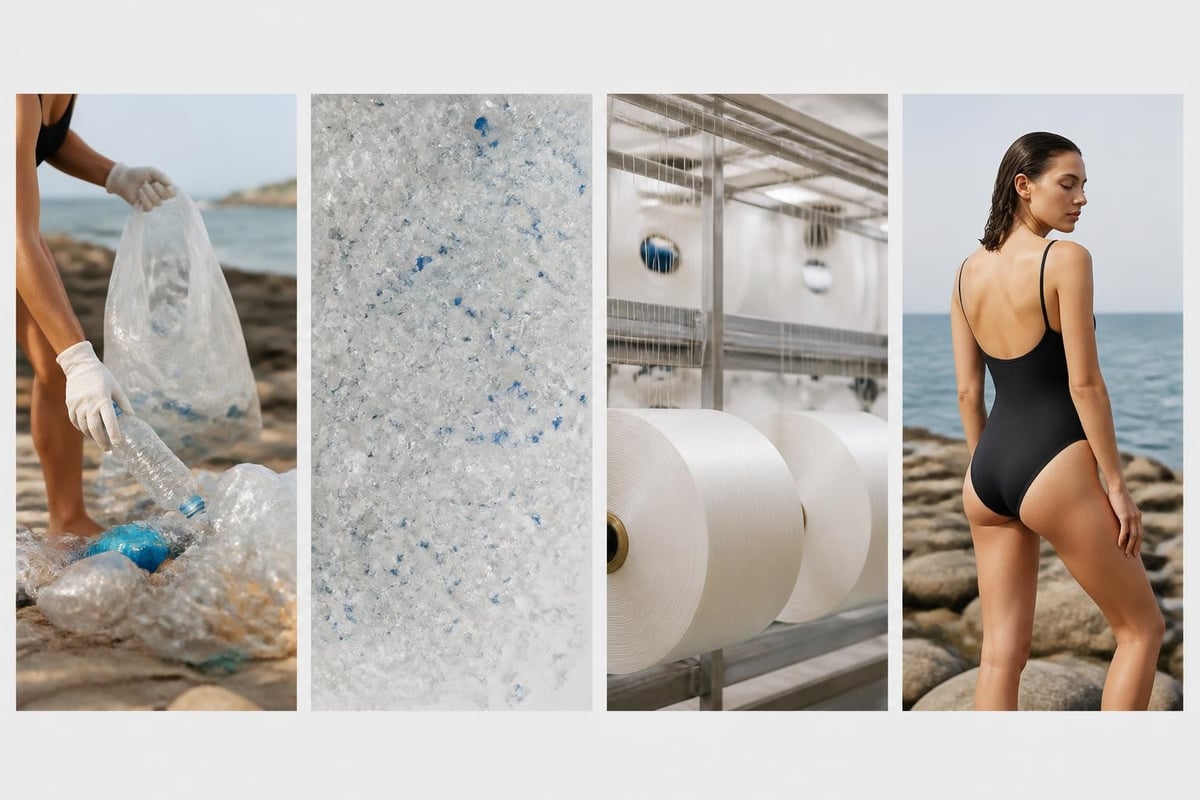
Recycled polyester is gaining increasing importance. Instead of using new raw materials from crude oil, these fibers are made from old PET bottles, fishing nets, or production residues. The recycling process saves resources and reduces waste. The 2025 Recycled Polyester Challenge shows how the industry is driving this change.
Certifications and Standards
When buying a swimsuit, it's worth checking for certifications:
- OEKO-TEX Standard 100: guarantees textiles tested for harmful substances
- Global Recycled Standard (GRS): confirms recycled content and social standards
- Bluesign: covers the entire supply chain from chemicals to the end product
The current OEKO-TEX limit values clearly define which harmful substances must be excluded. This protects your skin, especially when salt, chlorine, and sun stress the material.
Finding the right fit: Understanding body shapes and cuts
The fit makes the difference between a swimsuit you love to wear and one that stays in the closet. Every body is different – and every cut flatters differently.
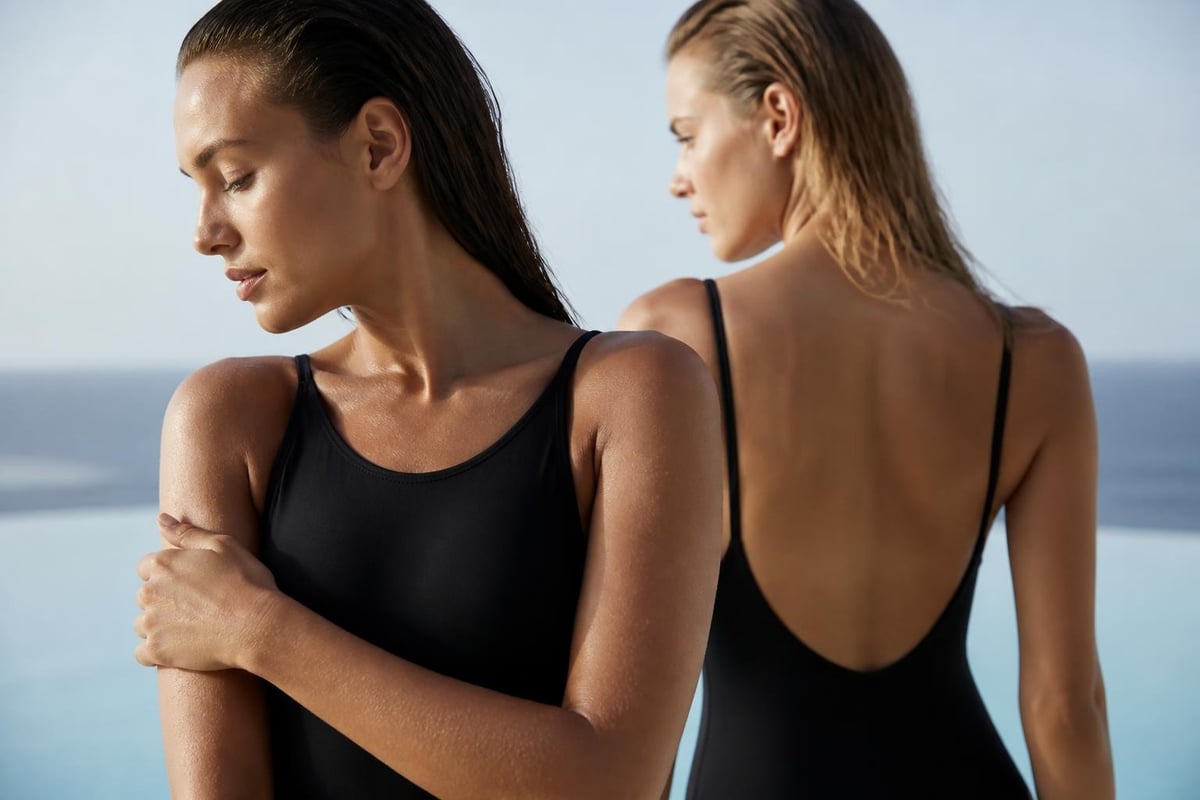
Sporty cuts with wide straps offer support and freedom of movement. They are suitable for active days on the water, surfing, or swimming. V-necks visually lengthen and highlight the upper body. A high-cut leg lengthens the legs, while medium cuts fit universally and offer comfort.
Choosing the right size
| Body height | EU size | Bust circumference | Hip circumference |
|---|---|---|---|
| 160-165 cm | 36 | 82-85 cm | 90-93 cm |
| 165-170 cm | 38 | 86-89 cm | 94-97 cm |
| 170-175 cm | 40 | 90-93 cm | 98-101 cm |
A good Fit Guide helps you find the right size. Measure in three places: bust (at the fullest part), waist (narrowest part), and hip (widest part). Between two sizes? Choose the larger for more comfort or the smaller for a tighter fit.
When buying a swimsuit, the rule is: try it on – even items purchased online. Thanks to EU consumer rights, you have a 14-day right of withdrawal. Use it to calmly test the fit at home.
Features: What a good swimsuit can do
A swimsuit is more than just fabric and shape. The details determine whether it functions well in everyday water activities.
Quick-drying materials ensure you don't get cold in wet clothes. High-quality fibers wick moisture away and dry in the shortest possible time. Chlorine resistance is important if you swim regularly in the pool. Some materials quickly lose color and elasticity in chlorinated water.
UV protection is often overlooked in swimwear. Dark, tightly woven fabrics offer natural protection. Special coatings increase the UPF (Ultraviolet Protection Factor) value. A UPF 50+ blocks over 98% of UV radiation. Tests on UV protective clothing show what matters – especially for sensitive skin.
Extras that make a difference
- Sewn-in bra cups: for shape and support without a separate sports bra
- Adjustable straps: individually adaptable to body and activity
- Flat seams: prevent chafing during movement
- Inner lining: protects against transparency and increases comfort
Sustainability: Consciously buying a swimsuit
The fashion industry is one of the most resource-intensive industries worldwide. Fast Fashion vs. Slow Fashion shows the extremes: fast trends versus durable quality. When buying a swimsuit, it's worth investing in pieces that will last for several seasons.
Recycled materials significantly reduce the ecological footprint. A swimsuit made from recycled polyester saves water, energy, and prevents plastic from ending up in the oceans. The Global Recycled Standard certifies not only the recycled content but also social and environmental production conditions.
Durability is the most sustainable characteristic. A well-made swimsuit from high-quality fibers will last for years if you care for it properly. Quality costs more, but one item that lasts five seasons beats five cheap disposable items – financially and ecologically.
Transparency in the supply chain
Where do the materials come from? Under what conditions were they produced? Brands that take sustainability seriously disclose where and how their products are made. They rely on fair wages, safe working conditions, and environmentally friendly processes.
A portion of every purchase can do good directly. Some brands donate to organizations that remove plastic from oceans or protect marine ecosystems. This way, buying a swimsuit becomes a small contribution to cleaner seas.
Care: How to make your swimsuit last longer
Proper care extends its lifespan by years. Many swimsuits don't break down due to wear and tear, but due to incorrect treatment.
Rinse immediately after swimming – whether in salt or chlorinated water. Both attack fibers and colors. Clear, cold water is sufficient. No hot water, as it makes elastane brittle.
Prefer hand washing. Washing machines and spinning unnecessarily strain the material. If you machine wash:
- Use a laundry bag
- Select delicate wash or hand wash program (maximum 30°C)
- Avoid spinning or select the lowest setting
- Use mild, liquid detergent without bleach
Never put it in the dryer. Heat irrevocably destroys elastane. Lay the swimsuit flat on a towel, gently roll it up to absorb excess water. Then air dry flat, not in direct sunlight.
The GINETEX care labeling explains all symbols on the label. They are internationally standardized and show exactly what the material can withstand.
Buying a swimsuit online: Tips for digital shopping
Online shopping offers choice and convenience, but also brings uncertainties about the fit. With the right strategies, it still works.
Use size charts: Every brand cuts differently. Don't rely on your usual clothing size. Remeasure yourself and compare with the brand's size chart.
Read product images and descriptions carefully: Pay attention to details such as lining fabric, strap width, leg cut. Some shops offer images of models in different sizes – this helps with assessment.
Check reviews: Other buyers report whether the swimsuit runs larger or smaller, whether the color matches the photo, how quickly it dries. Real experiences are gold.
Return policy and customer service
| Aspect | What to look for |
|---|---|
| Return period | At least 14 days (EU standard), preferably 30 days |
| Return costs | Free return shipping increases flexibility |
| Hygiene protection | Leave the tag on, try on with underwear |
| Customer service | Availability by email, chat, or phone |
When buying a swimsuit online, the rule is: if in doubt, order two sizes. Return what doesn't fit. This saves frustration and multiple order rounds.
Style and Trends: What's hot in 2026
Fashion trends come and go, but certain elements remain. 2026 stands for minimalism with character: clean lines, high-quality materials, timeless color palettes.
Earth tones and natural tones dominate: sand, terracotta, olive green, deep blue. They blend with nature, are combinable, and have a calming effect. Boldness with color is shown in accentuated details – a contrasting strap, an unexpected interior.
Reversible designs offer two looks in one piece. You buy one swimsuit, wear it in two ways. This saves space in your luggage and expands your wardrobe without additional consumption.
Sporty influences remain present: wide straps, racerback cuts, athletic silhouettes. They combine function with aesthetics. They are perfect for longer days on the water or for being active – and they look good too.
After swimming, you might want to cozy up or cover up loosely without changing everything immediately. A light cover-up makes exactly that possible.
The Kimono Solana made of cotton and linen is such a companion: airy, timeless, with pockets – perfect over a swimsuit or as a relaxed layer for on the go.

For children: Special considerations when buying a swimsuit
Children's swimwear must meet different requirements. Freedom of movement comes first – children romp, jump, run. The swimsuit must keep up without slipping or restricting movement.
UV protection is even more important for children than for adults. Their skin is thinner and more sensitive. A high UPF value protects shoulders, back, and arms, which are often exposed to the sun.
Easy on and off helps everyone: parents when changing diapers, children when becoming independent. Zippers, snap fasteners, or ties should be easily accessible and simple to handle.
Size recommendations for children
Children's sizes are usually given in years. However, children grow at different rates. The children's size chart provides guidance:
- 2-3 years: approx. 92-98 cm body height
- 4-5 years: approx. 104-110 cm
- 6-7 years: approx. 116-122 cm
Plan for some leeway, especially at the beginning of the season. A slightly larger swimsuit grows with the child without compromising function.
Prices: What is appropriate when buying a swimsuit?
The price range is enormous: from 15 to over 150 euros. What is justified?
Cheap swimwear (under 30 euros) usually comes from fast fashion production. Materials are often inferior, last one season, and quickly lose shape and color. Social and ecological standards? Questionable.
Mid-range segment (30-70 euros) offers solid quality. Here you will find durable materials, better workmanship, often initial sustainable approaches. A good compromise for most needs.
Premium swimwear (from 70 euros) relies on highest quality materials, well-thought-out cuts, certified sustainability. These pieces last for years, retain their shape and color, and offer the best wearing comfort.
Investment per wear: An 80-euro swimsuit that you wear weekly for three seasons (about 40 times a year) costs you 67 cents per use. A 20-euro item that is worn out after one season (worn 15 times) costs 1.33 euros per use. Quality pays off.
Ethical Production: Transparency when buying a swimsuit
Behind every piece of clothing are people. Under what conditions was your swimsuit sewn? Who dyed, cut, and packaged the fabrics?
Fair Trade certifications guarantee living wages, safe workplaces, and no child labor. They cost brands more, but protect the people in production.
Transparent supply chains show where every step happens – from raw material to finished product. Some brands publish their factory partners, invite visits, and document audits. This builds trust.
Sustainability and certifications are complex. But brands that communicate openly make it easier to make informed decisions.
What you can do
- Ask questions: Write to brands about where and how they produce
- Check certifications: GOTS, Fair Wear, SA8000 show commitment
- Support smaller labels: Often more transparent and direct
- Think long-term: Buy fewer, but better items
Multi-purpose swimwear: More than just swimming
A good swimsuit also works outside the water. As a bodysuit under jeans or shorts. As a sporty top for yoga or jogging. As a base layer on cooler days.
Versatility saves clothes and space. A black, minimalist swimsuit becomes a statement piece when combined with wide linen trousers or a skirt. The sporty cut fits the activewear aesthetic that has long conquered everyday life.
Design details such as back cut-outs, asymmetrical straps, or interesting closures make the swimsuit wearable on its own. You feel dressed, not just "in swimwear".
Surf bikinis and sporty swimsuits are perfect examples: they hold up in waves and during movement, but also look good on the beach or at the beach bar.
Purchase decision: Checklist for buying a swimsuit
Before you make the final click or head to the checkout, go through these points:
Material and manufacturing
- Is the material recycled or sustainably produced?
- Are there certifications (OEKO-TEX, GRS, Bluesign)?
- Where does the product come from?
Fit and comfort
- Have you taken your measurements correctly?
- Does the cut suit your body shape and plans?
- Are the straps adjustable or the cut flexible?
Function and quality
- Does the swimsuit offer the features you need (UV protection, chlorine resistance)?
- Are the seams flat and the workmanship high quality?
- What are the reviews of other buyers?
Price and value
- Is the price appropriate for the material and manufacturing?
- How long is the item expected to last?
- Are there fair return conditions?
Ethics and sustainability
- Does the brand produce transparently and fairly?
- Are you supporting a greater cause with your purchase (e.g., marine conservation)?
- Does the decision feel right?
Storage: How to Store Properly After the Season
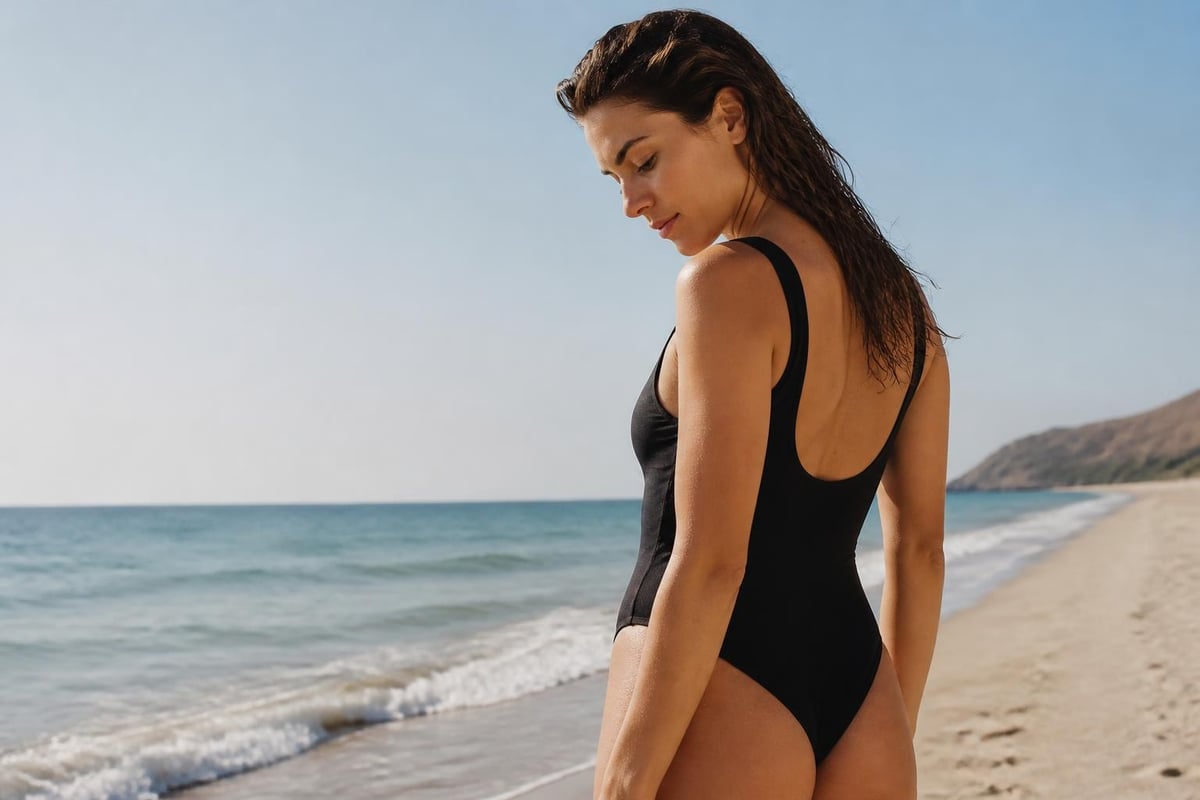
When the swimming season ends, your swimsuit deserves proper storage. This way, it will stay in shape until next year.
Wash thoroughly: Remove all salt, chlorine, and sunscreen residue. Let it dry completely before packing it away. Moisture leads to mold and odor.
Store flat or hang: Fold the swimsuit loosely or hang it on a padded hanger. Avoid tight creases or stretching in individual areas.
Store in a dry and dark place: Direct sunlight fades colors, even in the closet. A fabric bag or drawer protects against dust and light.
Separate from sharp objects: Zippers, jewelry, or rough surfaces can cause holes or snags.
Recognizing Trends: What Really Lasts
Not every trend is worth following. Some developments have a lasting impact on the industry, while others quickly disappear.
Durability over fleetingness: The shift to slow fashion is not a temporary trend, but a movement. Consumers buy more consciously, less, but better. This influences how brands produce and communicate.
Technical innovation in sustainability: New recycling processes, bio-based fibers, closed-loop systems – the technical side of sustainability is developing rapidly. What is considered "impossible" today will be standard tomorrow.
Personalization and individuality: One size fits all is a thing of the past. Brands are increasingly offering different cuts, lengths, and mix-and-match options. You put together what suits you – not the other way around.
Buying a swimsuit is a personal decision that combines comfort, style, and values. If you pay attention to material, fit, and origin, you'll find a piece that will accompany you for a long time. MAIN Design - Your Daily Dose Of Summer combines exactly that: sustainable swimwear made from recycled materials that fits well, looks good, and does good – with every purchase, you support ocean conservation. Discover designs that fit your life.