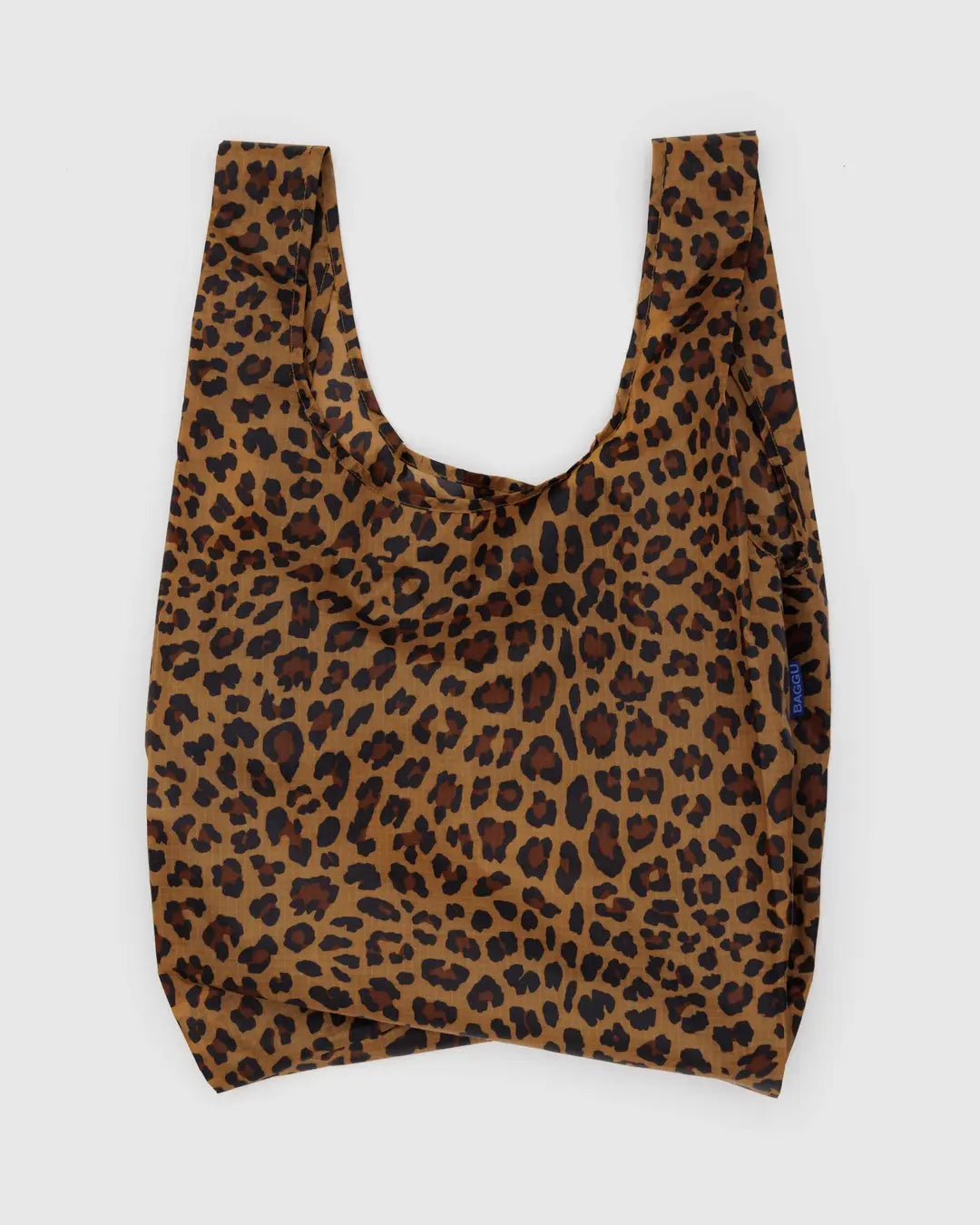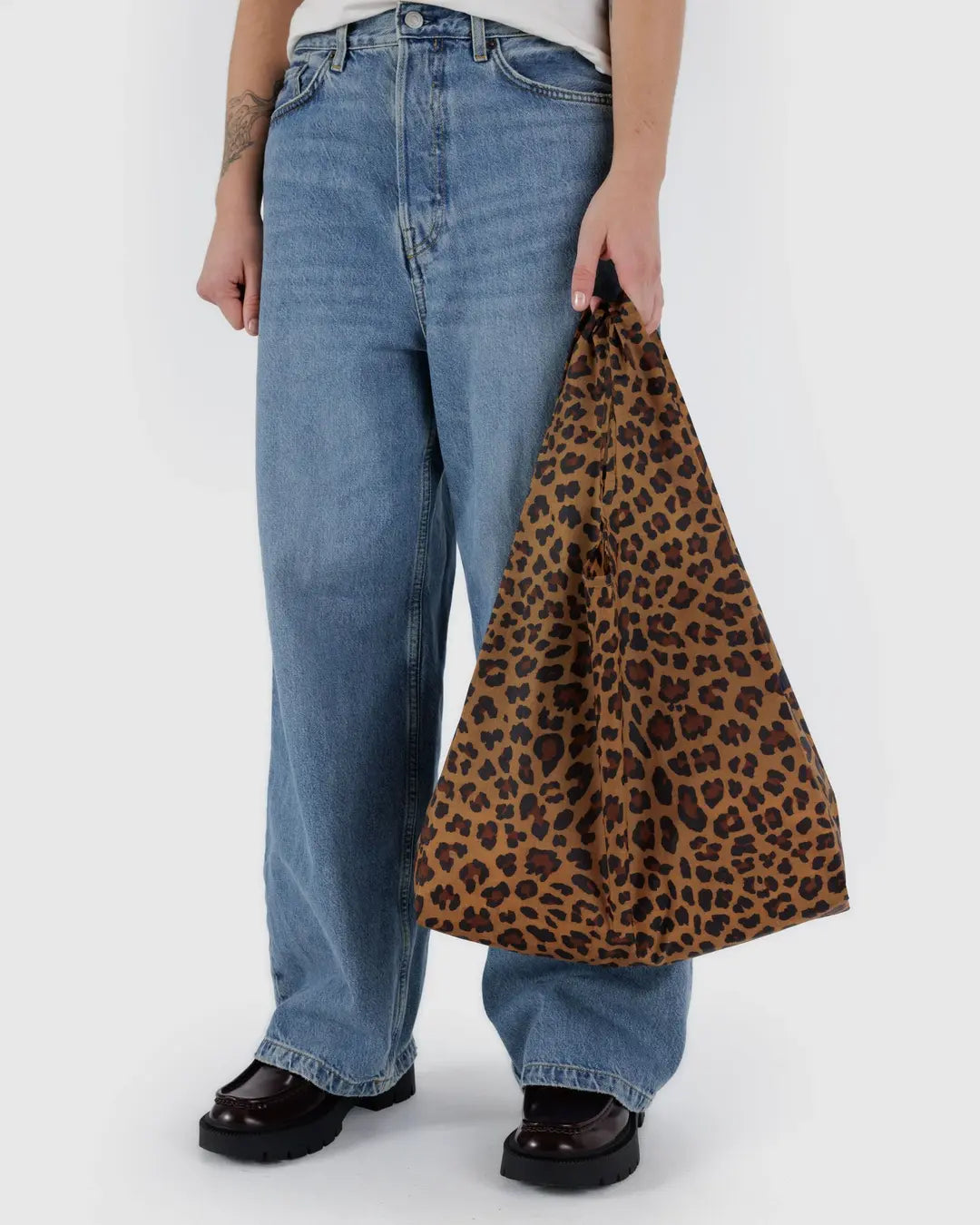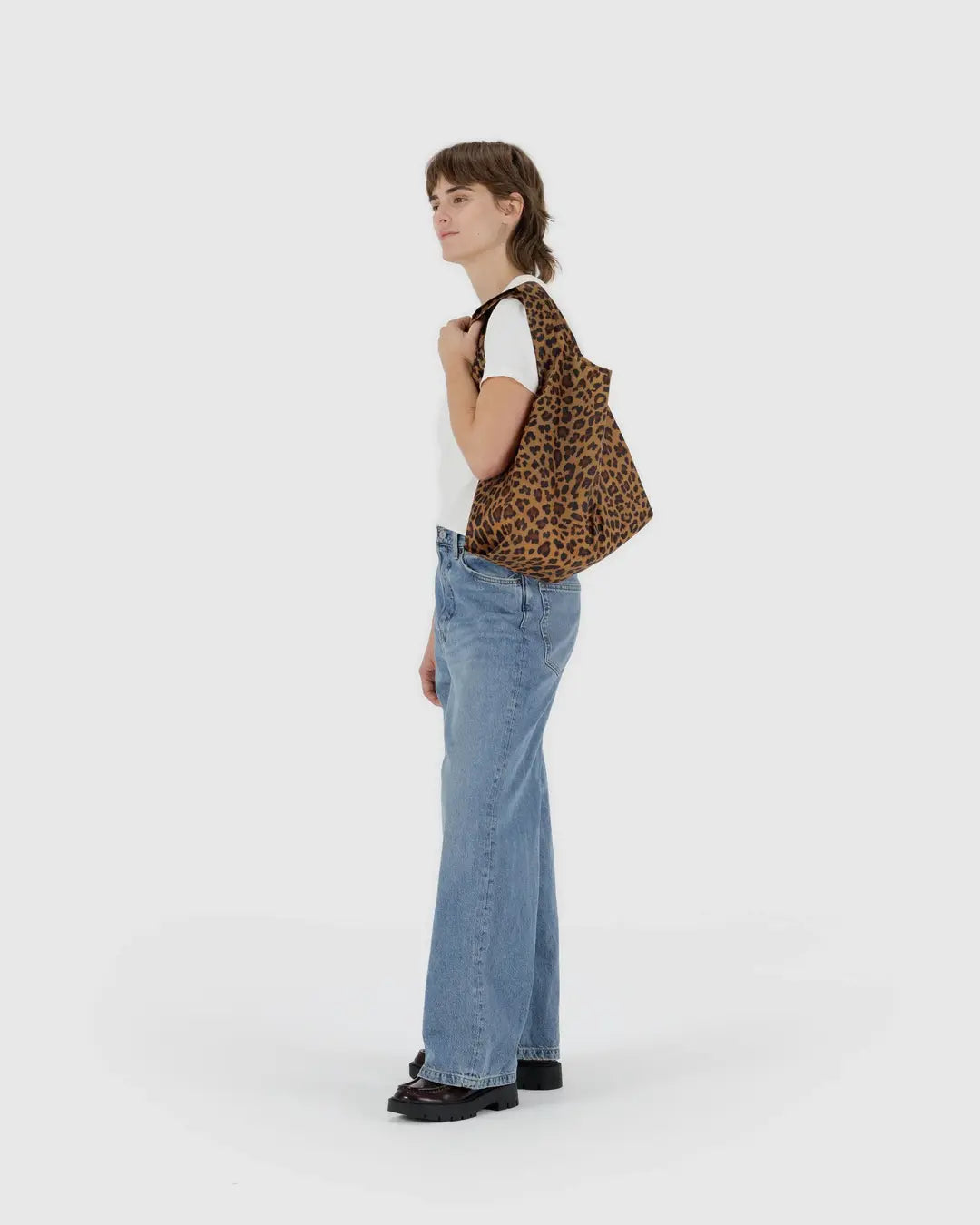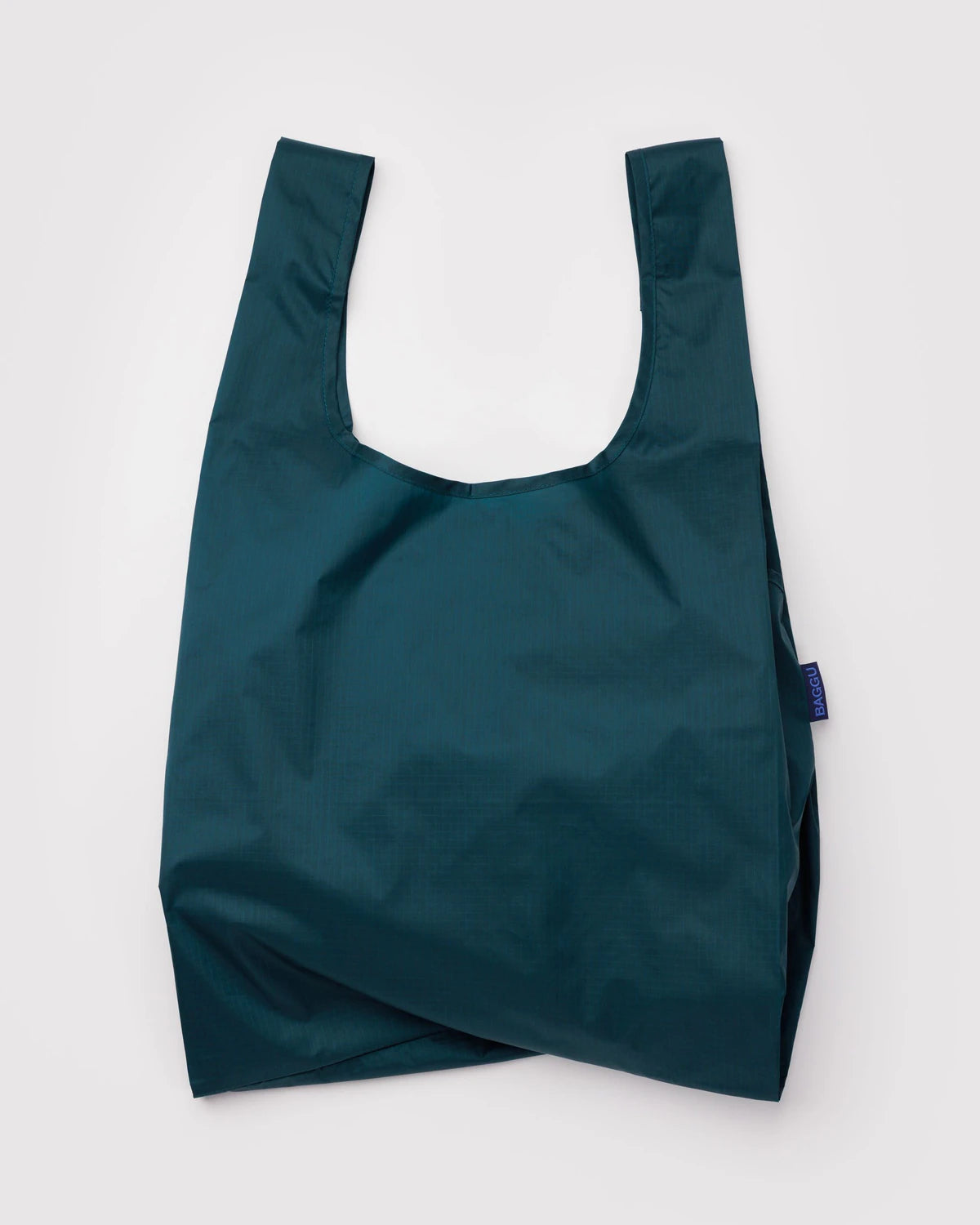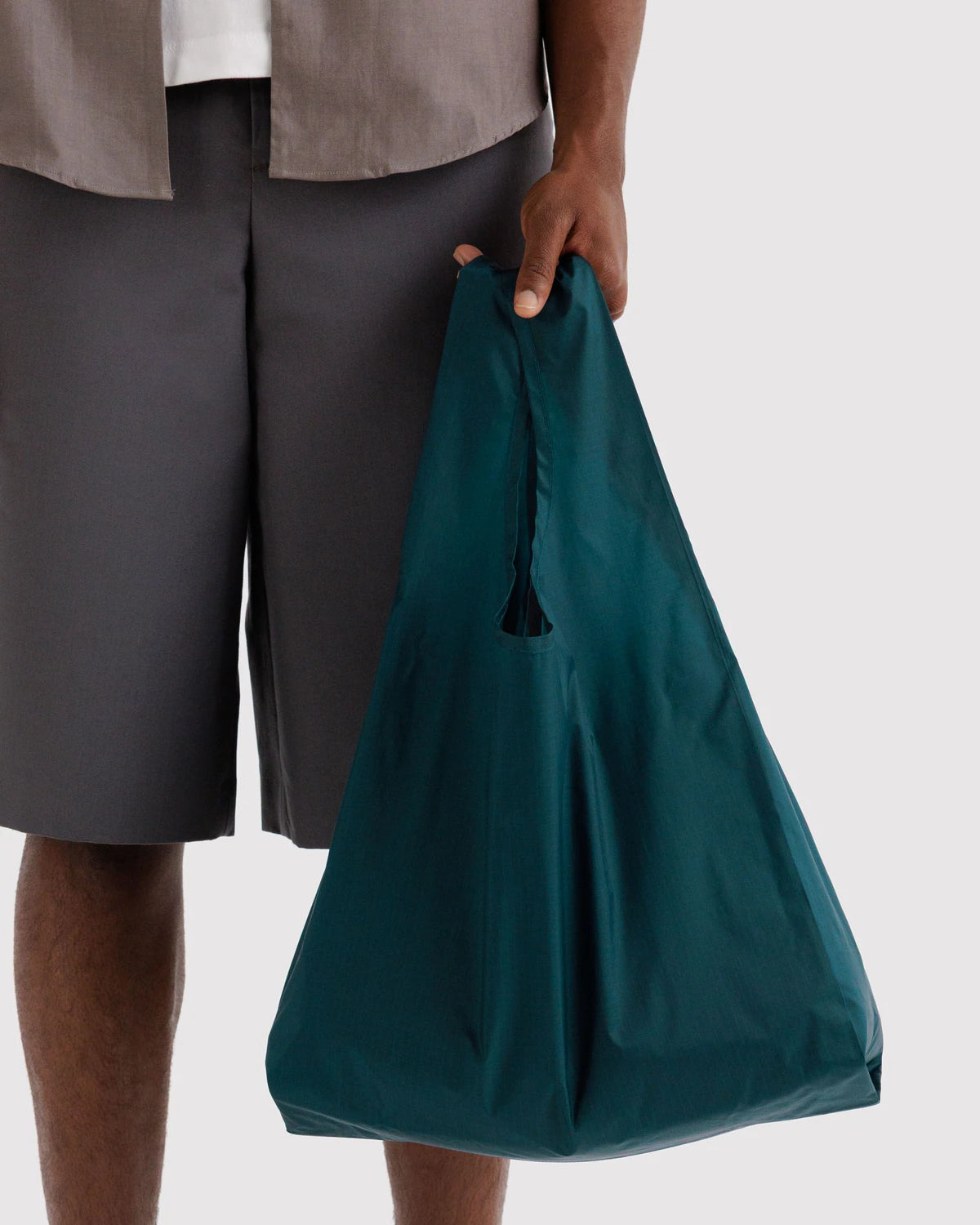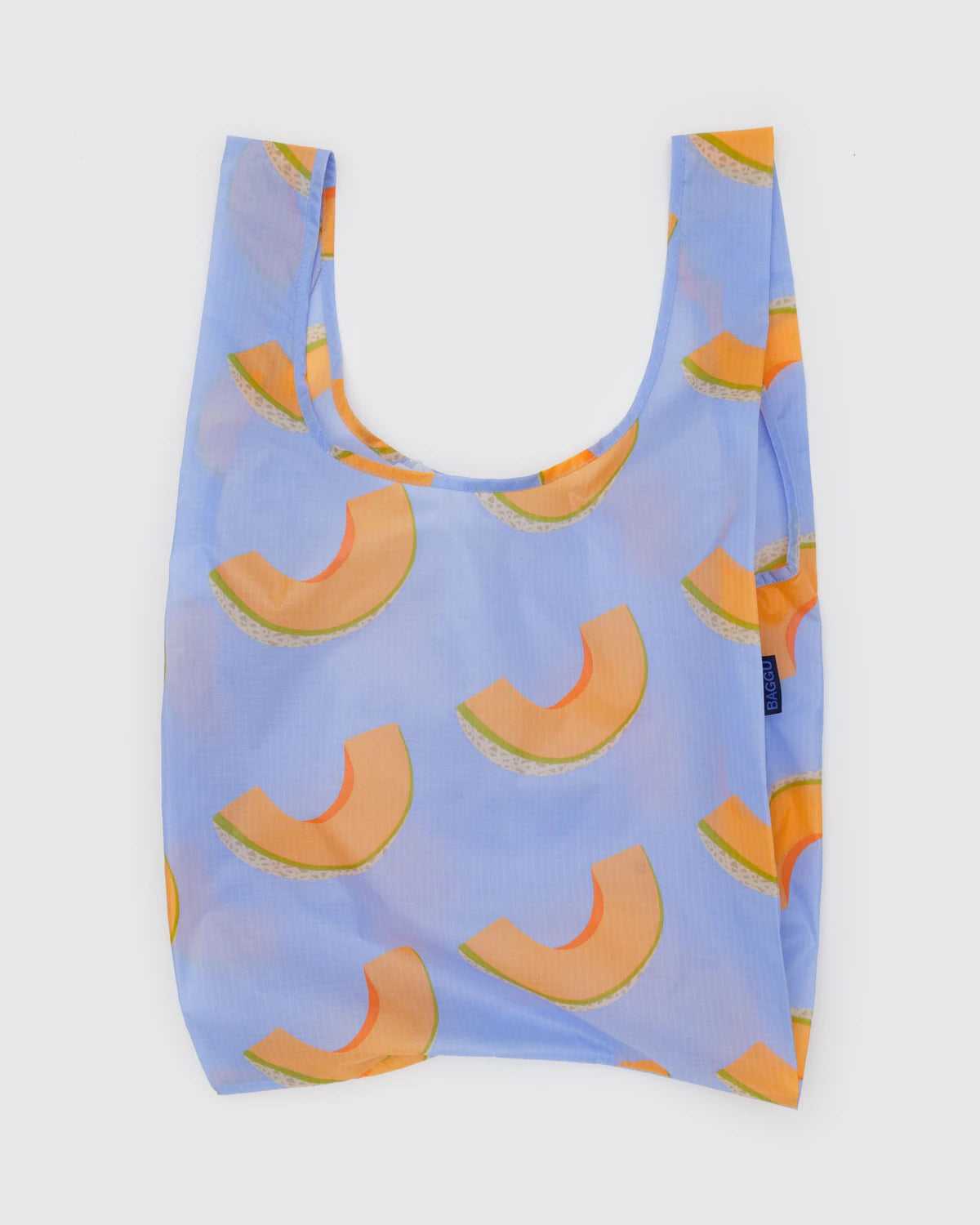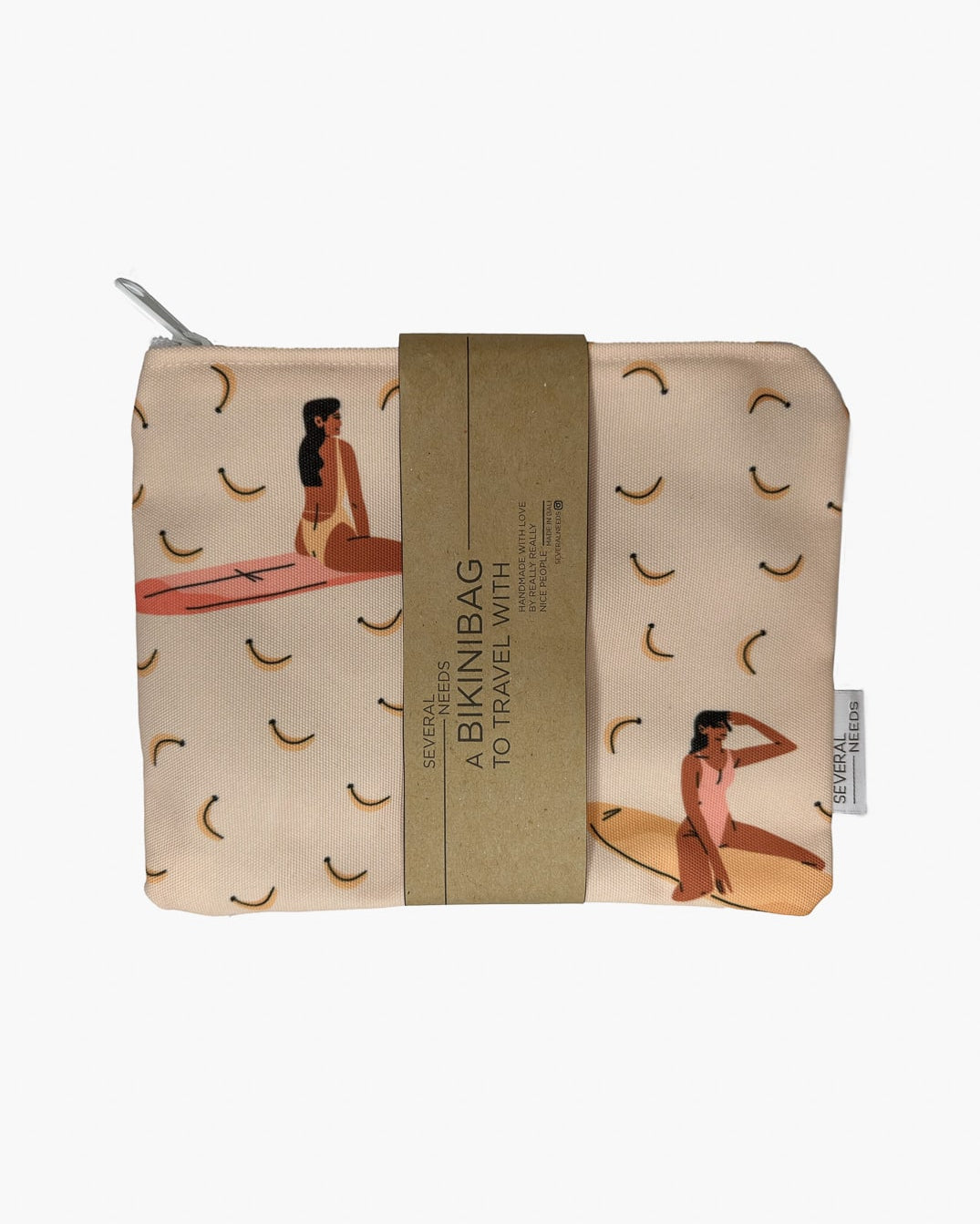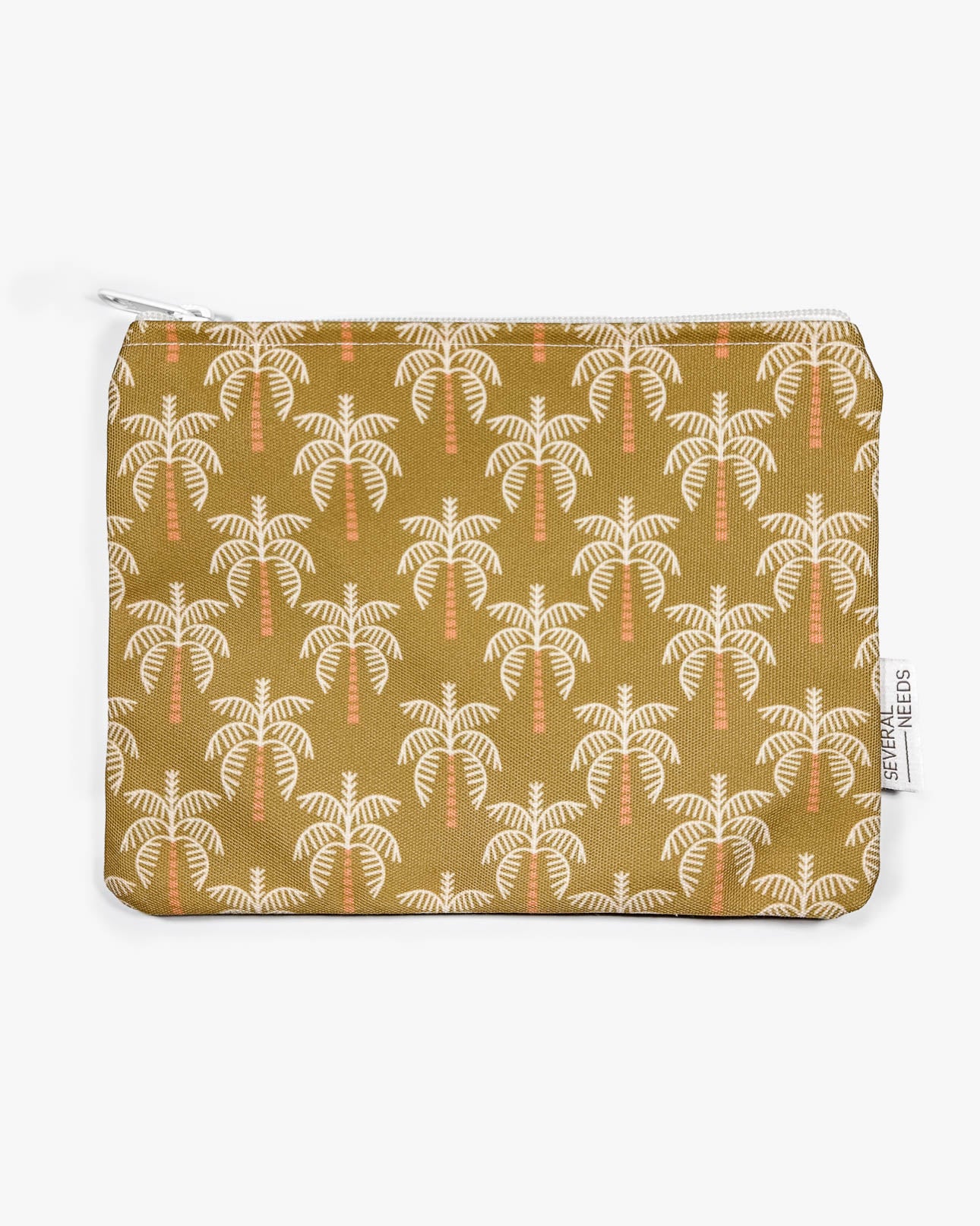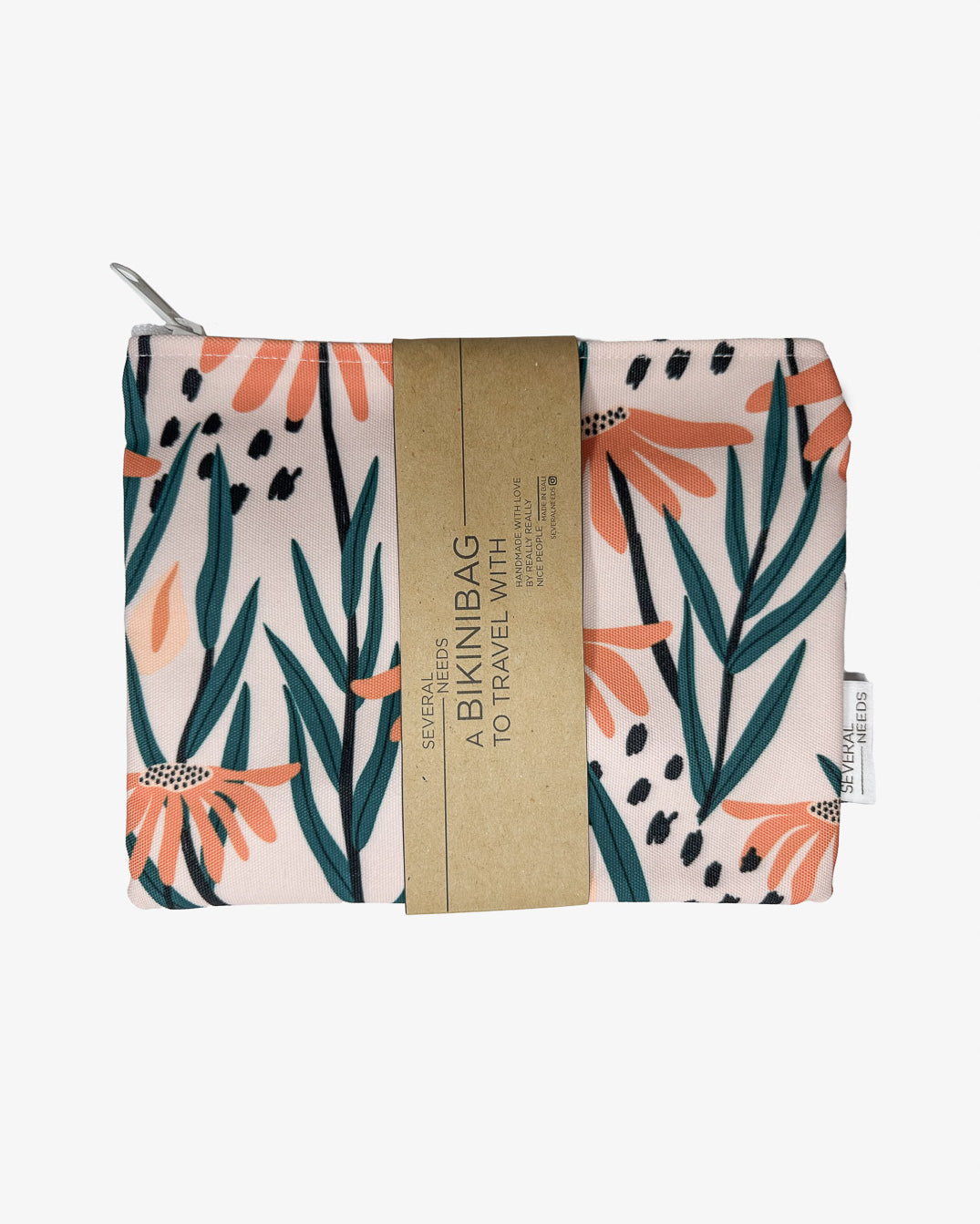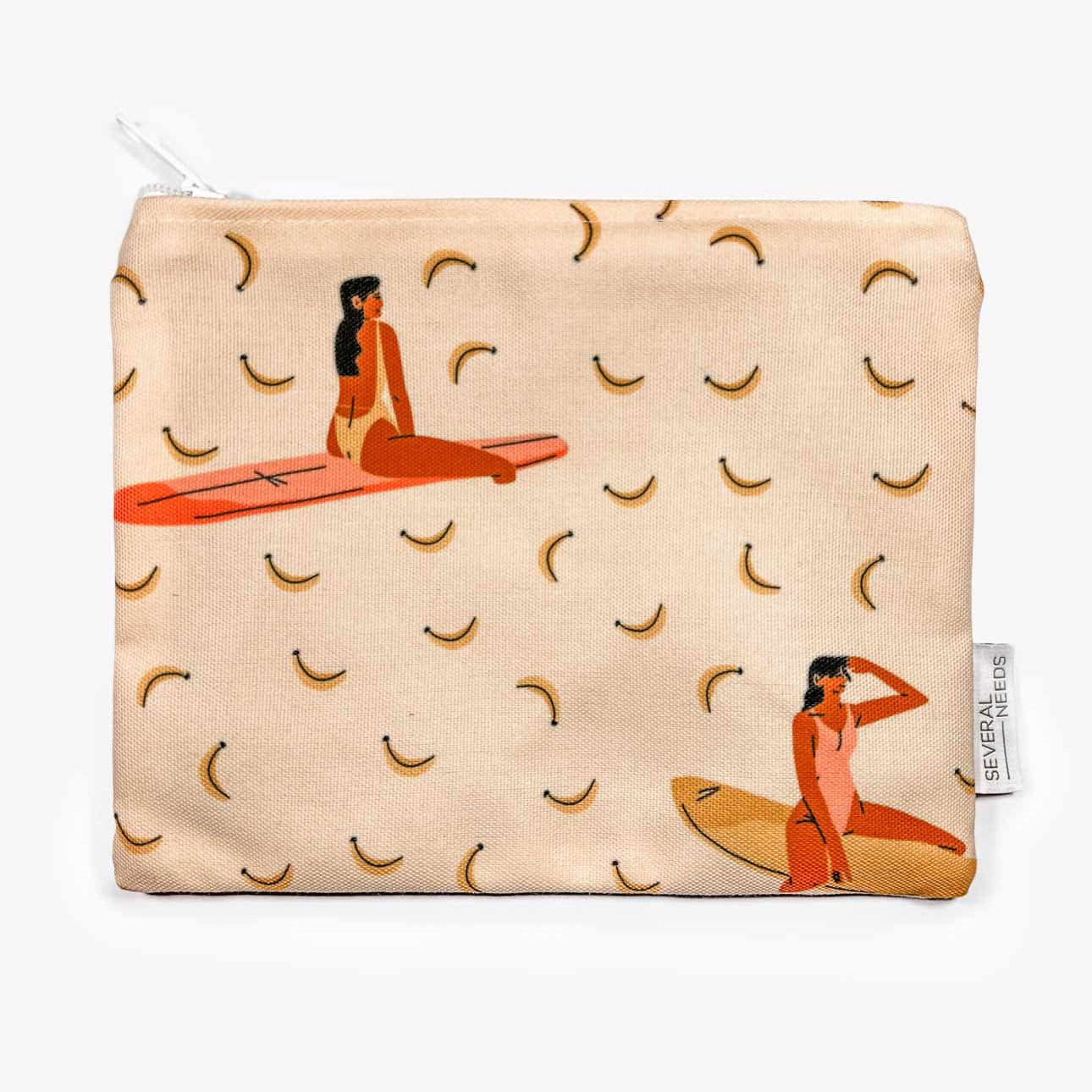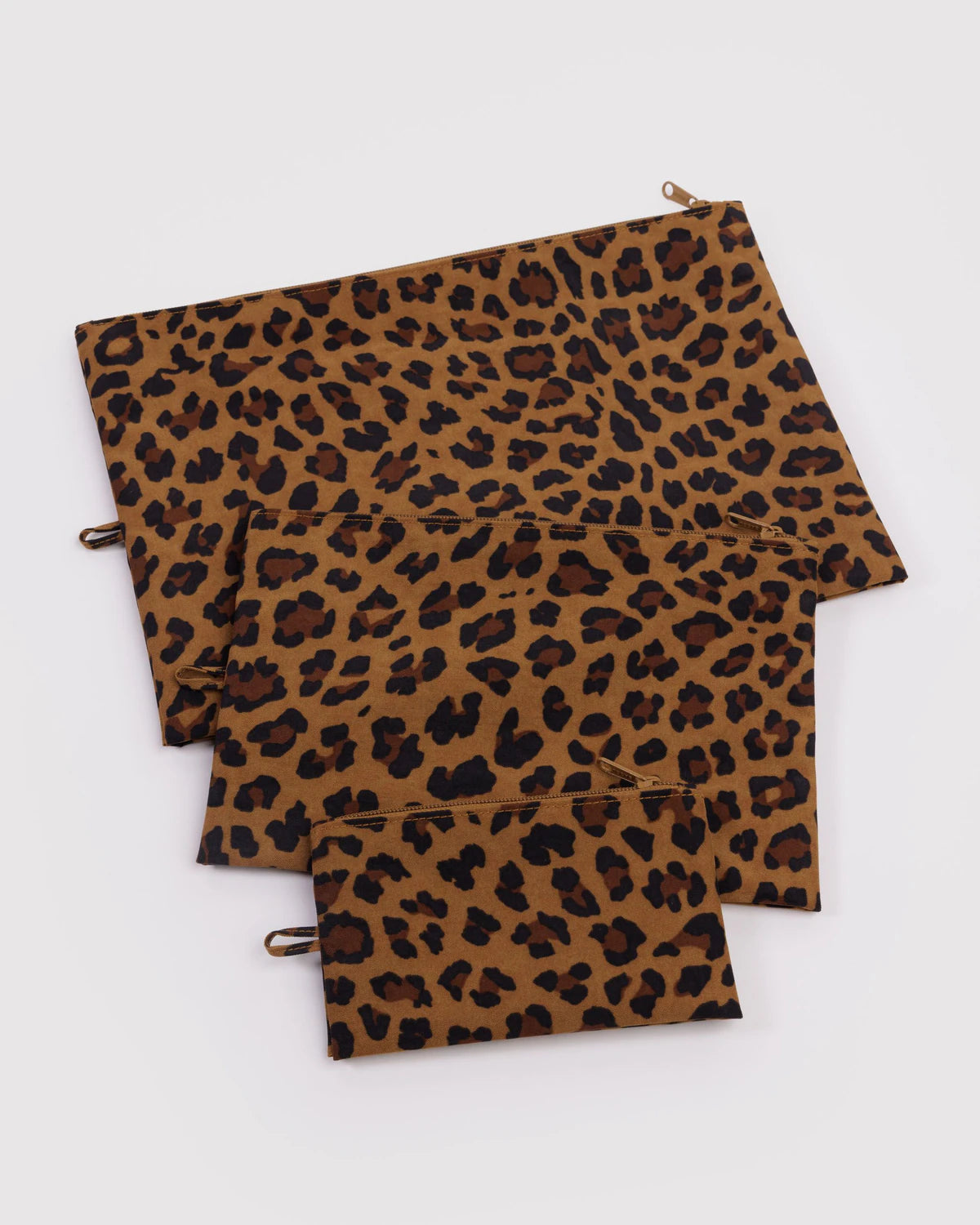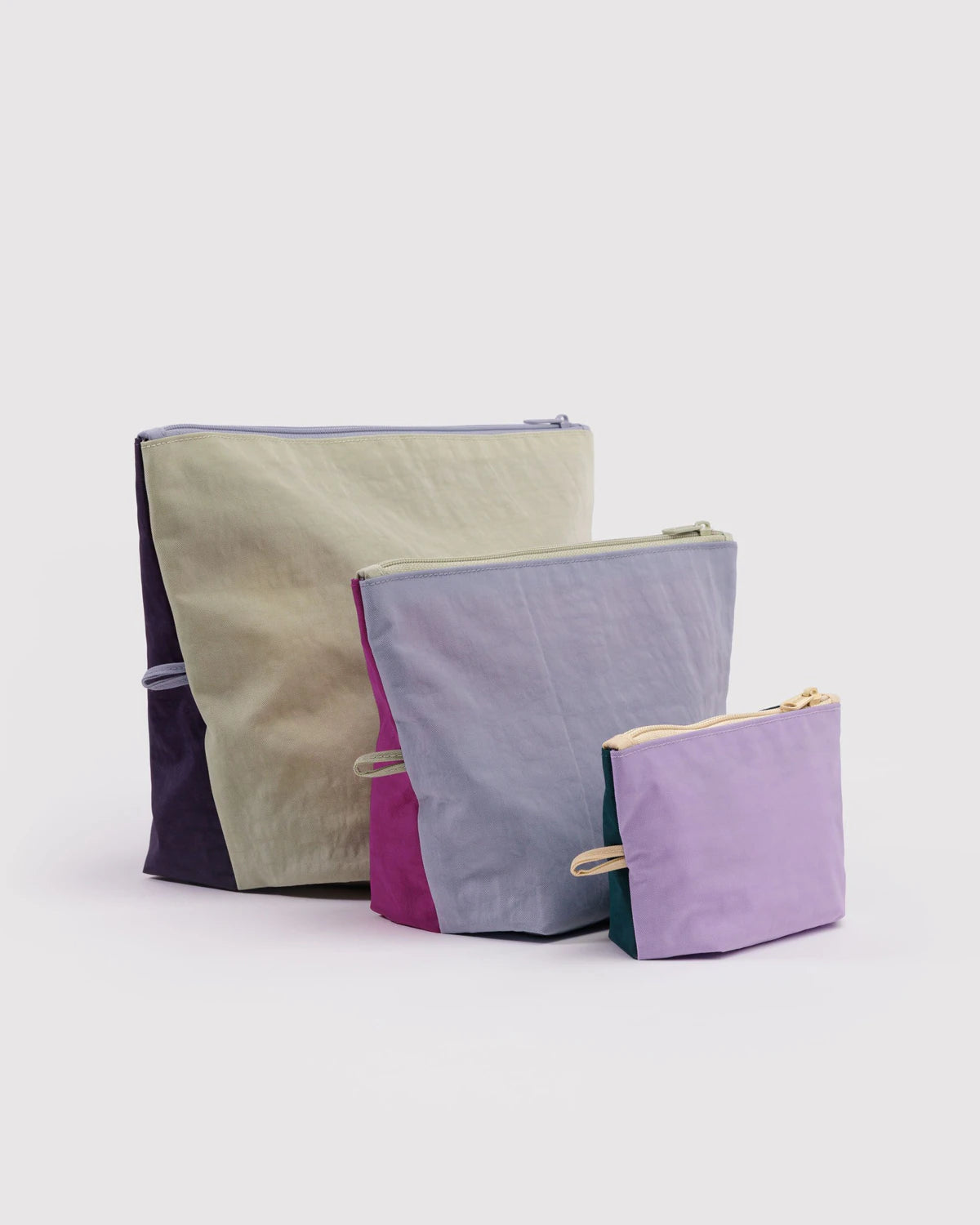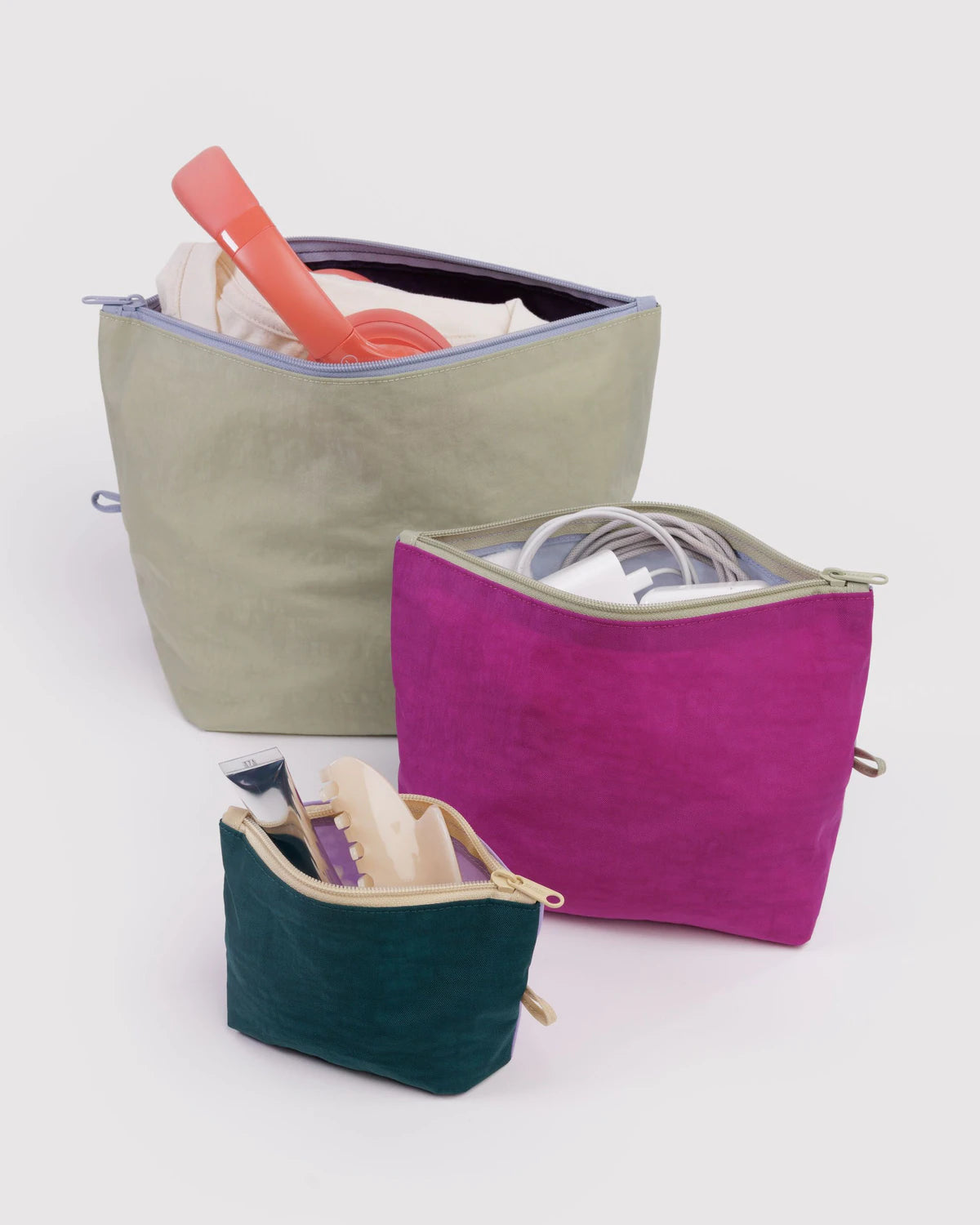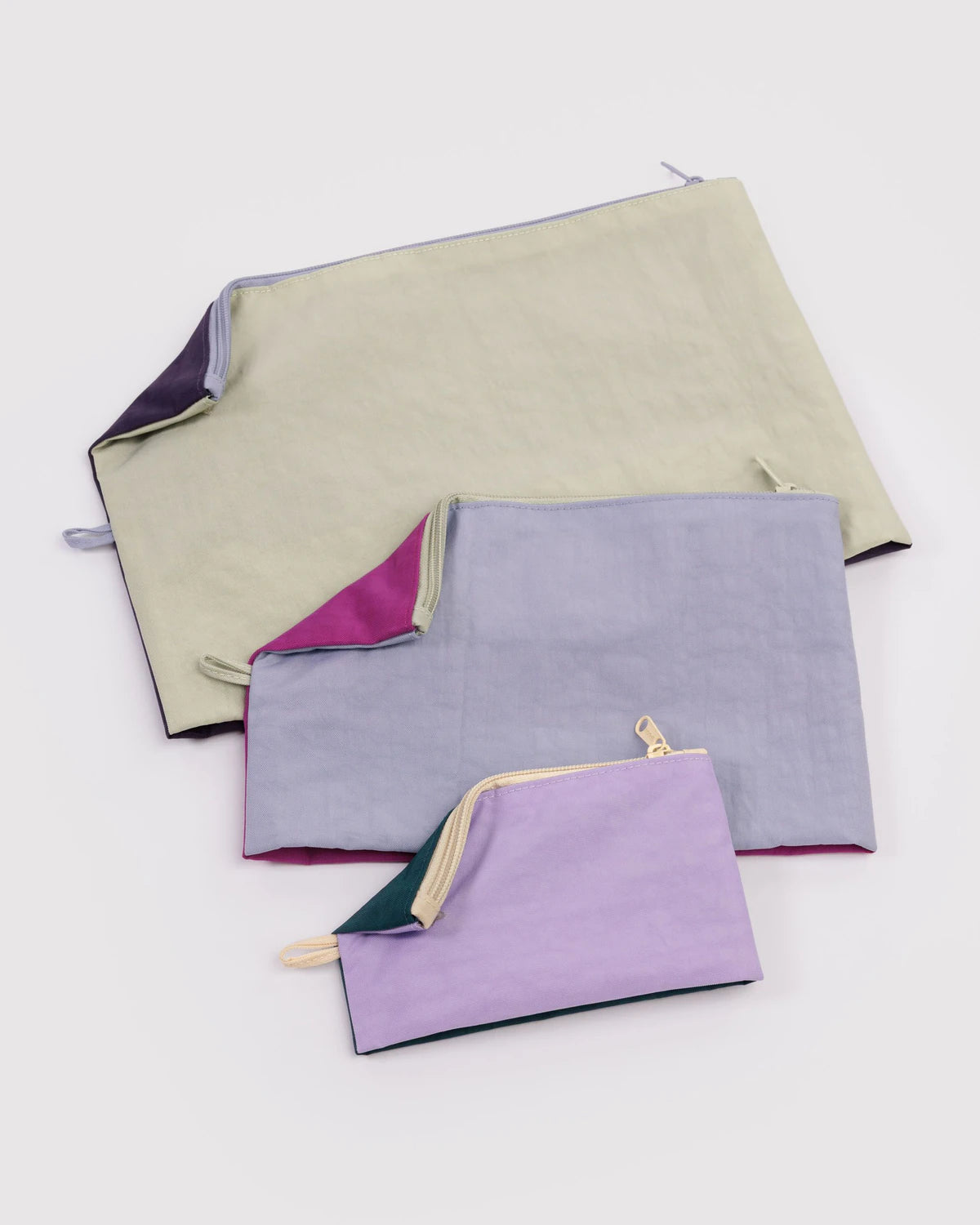
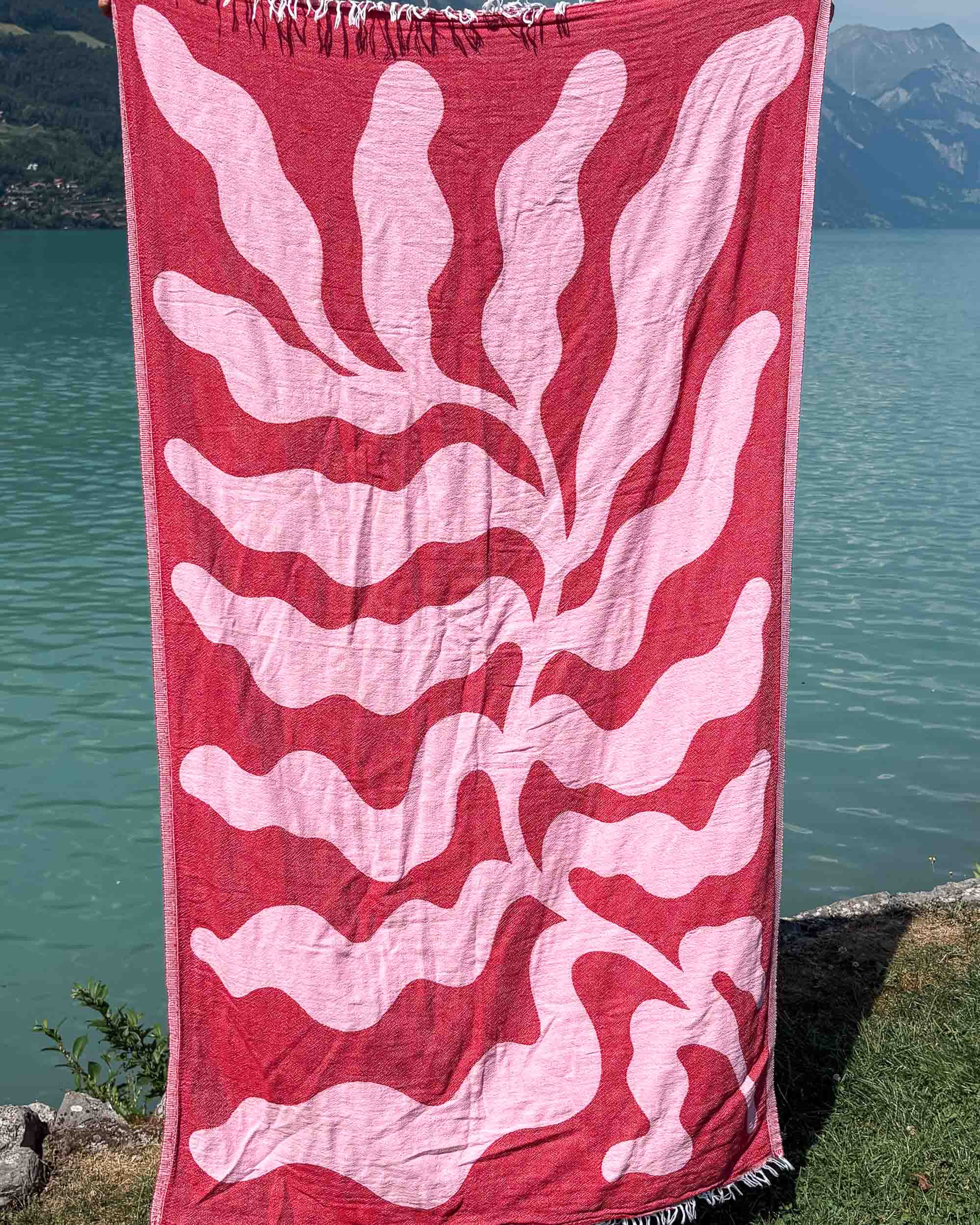


A beach pareo is far more than just a simple beach towel. It combines function with lightness, tradition with modern style, and becomes a loyal companion that adapts to every situation. Whether as a airy cover-up after swimming, a wrap skirt for a stroll on the beach, or an impromptu picnic blanket – this versatile textile accompanies you through summer days and gives you the freedom to move spontaneously. In a time when we are more conscious about resources and prioritize quality over quantity, the choice of sustainable beach companions also comes into focus.
What makes the beach pareo so special?
The pareo has its roots in Polynesian culture, where it has been worn as traditional clothing for centuries. Originally made from natural fabrics, it served as practical everyday wear for both women and men.
Today, the beach pareo is a global symbol of summer lightness. Its strength lies in its simplicity: a rectangular piece of fabric that requires no fasteners, buttons, or complicated cuts. This very simplicity makes it so versatile.
Materials and Sustainability
The choice of material significantly determines comfort and environmental friendliness. While traditional pareos were often made from cotton or viscose, modern manufacturers are increasingly opting for sustainable alternatives.
Popular materials for the beach pareo:
- Recycled polyester: Made from PET bottles or old textiles, it conserves resources and reduces waste.
- Organic cotton: Grown without pesticides, gentle on the skin and the environment.
- OEKO-TEX® certified fabrics: Free from harmful substances and safe for people and nature.
- Linen blends: Breathable, durable, and biodegradable.
Choosing sustainable materials actively contributes to protecting the oceans. At MAIN Design, this responsibility is deeply ingrained – with every purchase, a portion goes to projects like Healthy Seas, which retrieves ghost nets from the ocean.
Ways to Wear – One Fabric, Endless Possibilities
The true magic of the beach pareo lies in its adaptability. With a few simple steps, it transforms into completely different garments.
Classic Wrap Variations
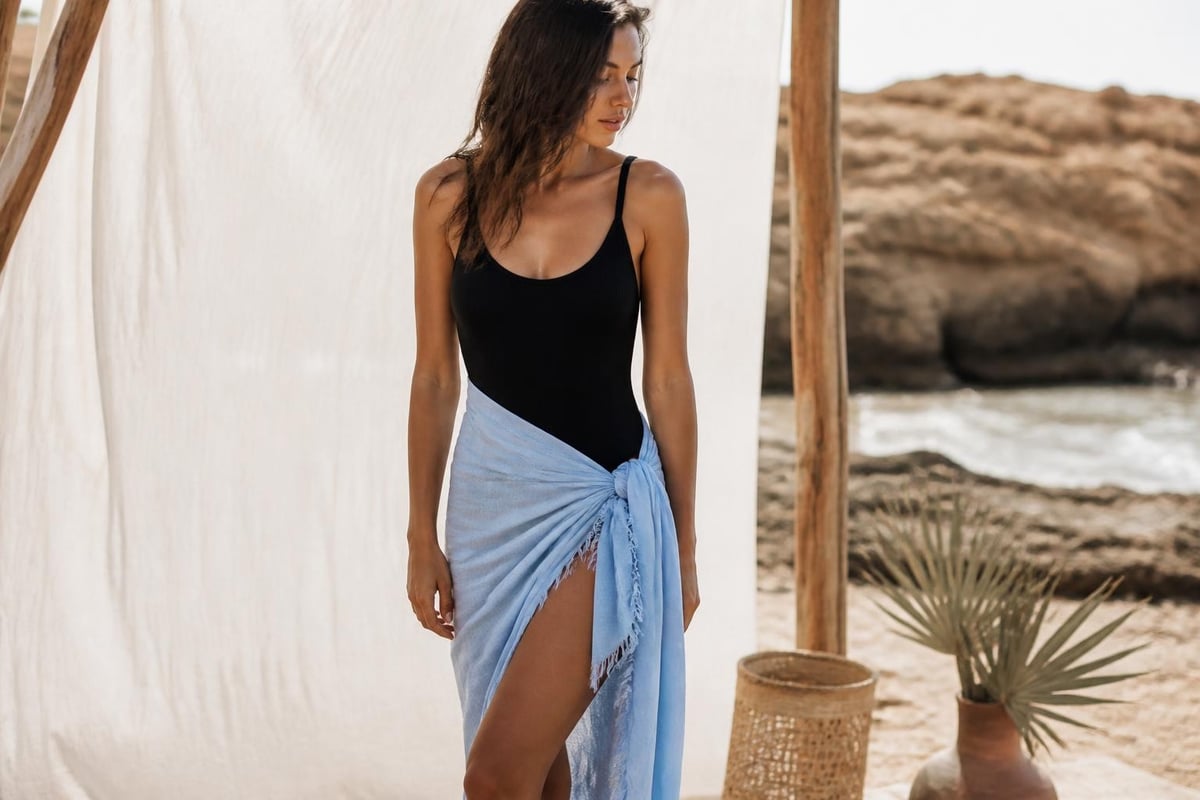
The simplest method is the wrap skirt: the fabric is placed around the hips and tied at the side. This variation sits securely and allows for free movement when walking on the beach.
For a more elegant look, the sarong wrap is suitable: Hold the pareo behind your back, bring both ends to the front, and tie them at the hip. Depending on how you drape the fabric, an asymmetrical or symmetrical look is created.
Tied as a dress:
- Hold the beach pareo horizontally in front of your chest.
- Bring both upper corners behind your neck.
- Tie them tightly so the fabric sits like a bandeau dress.
- The lower ends remain loose or can also be tied.
This variation works perfectly for the walk from the beach to the beach bar – uncomplicated and stylish.
Creative Alternatives for Every Occasion
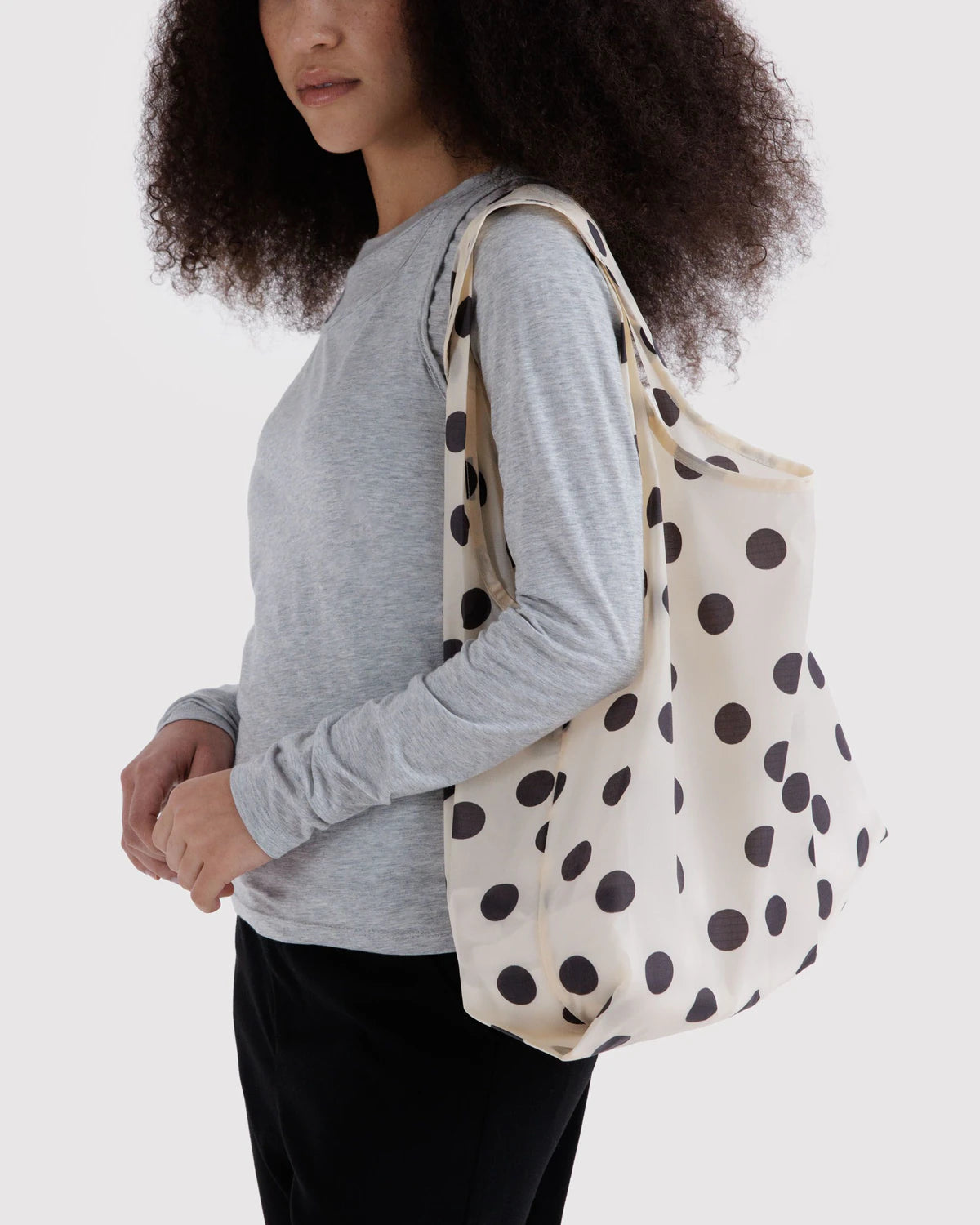
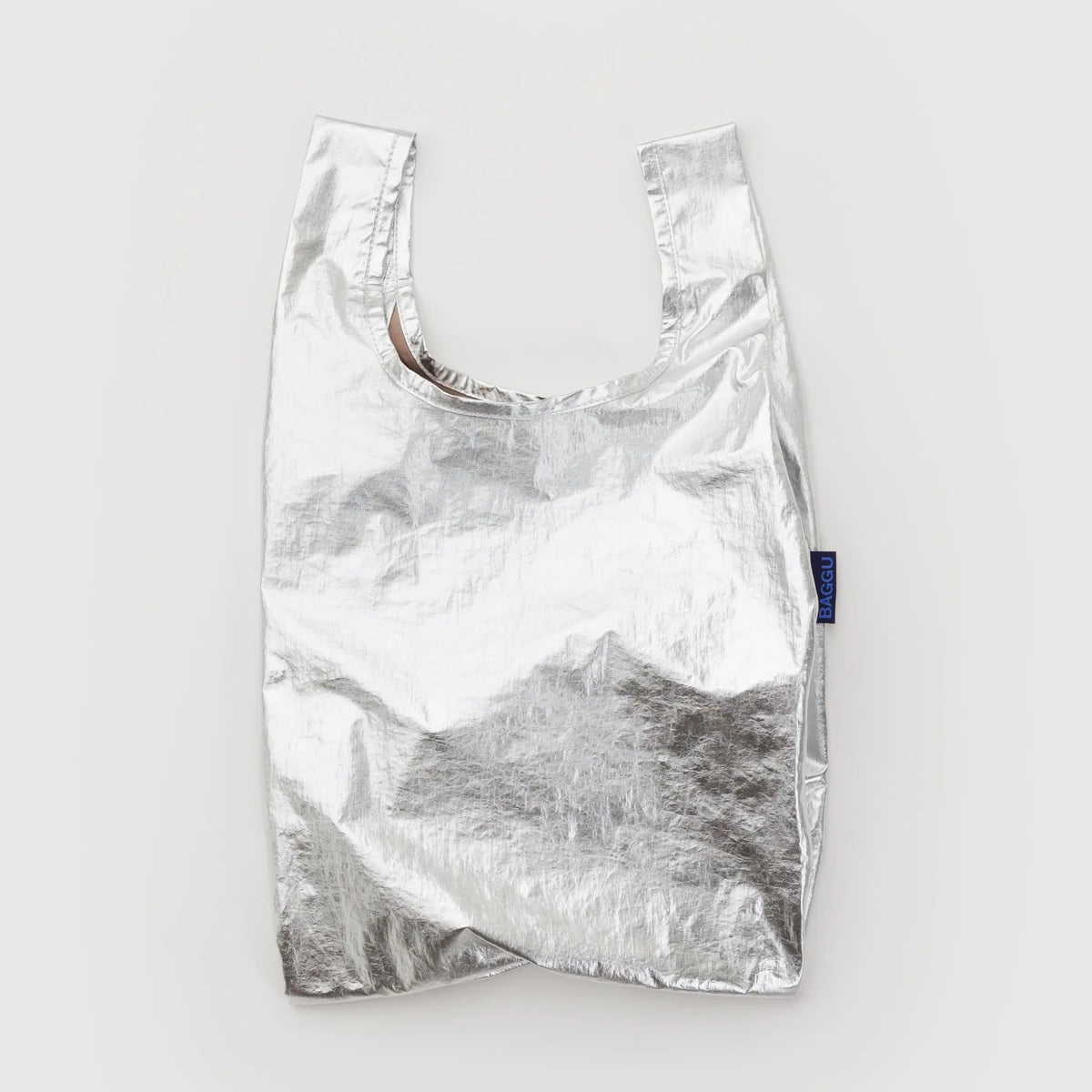
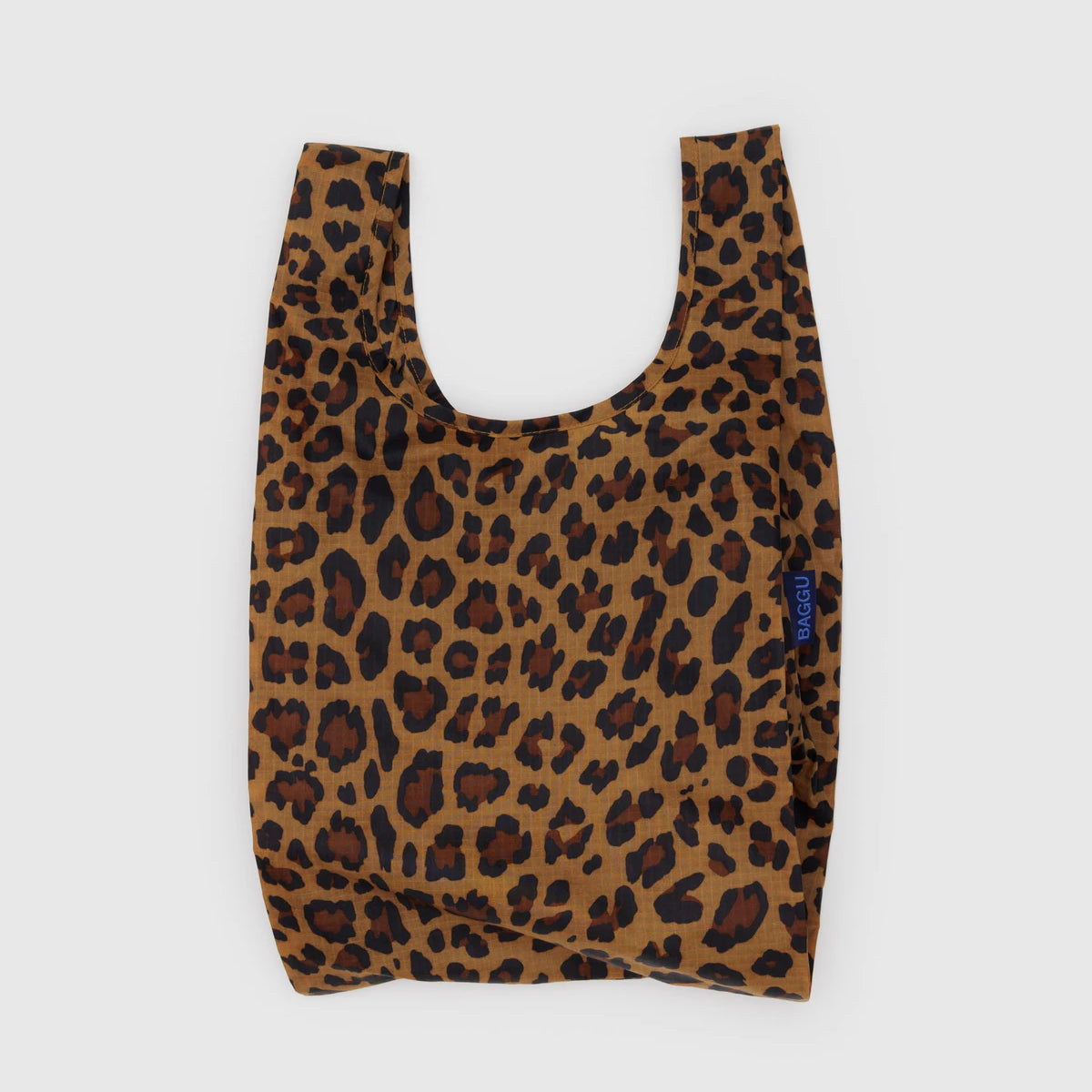
The pareo can also be used as a headscarf, scarf, or even an improvised beach bag. Polynesian tradition shows us that the pareo in its original form is a true chameleon.
| Way to Wear | Occasion | Difficulty Level |
|---|---|---|
| Wrap skirt | Beach walk | Easy |
| Bandeau dress | Beach bar, café | Medium |
| Shoulder wrap | Cool evening | Easy |
| Headscarf | Sun protection | Easy |
| Shopping bag | Spontaneous errands | Medium |
Care and Longevity
A high-quality beach pareo will accompany you for many summers – if you care for it properly. Most materials are easy to care for, but there are a few things to consider.
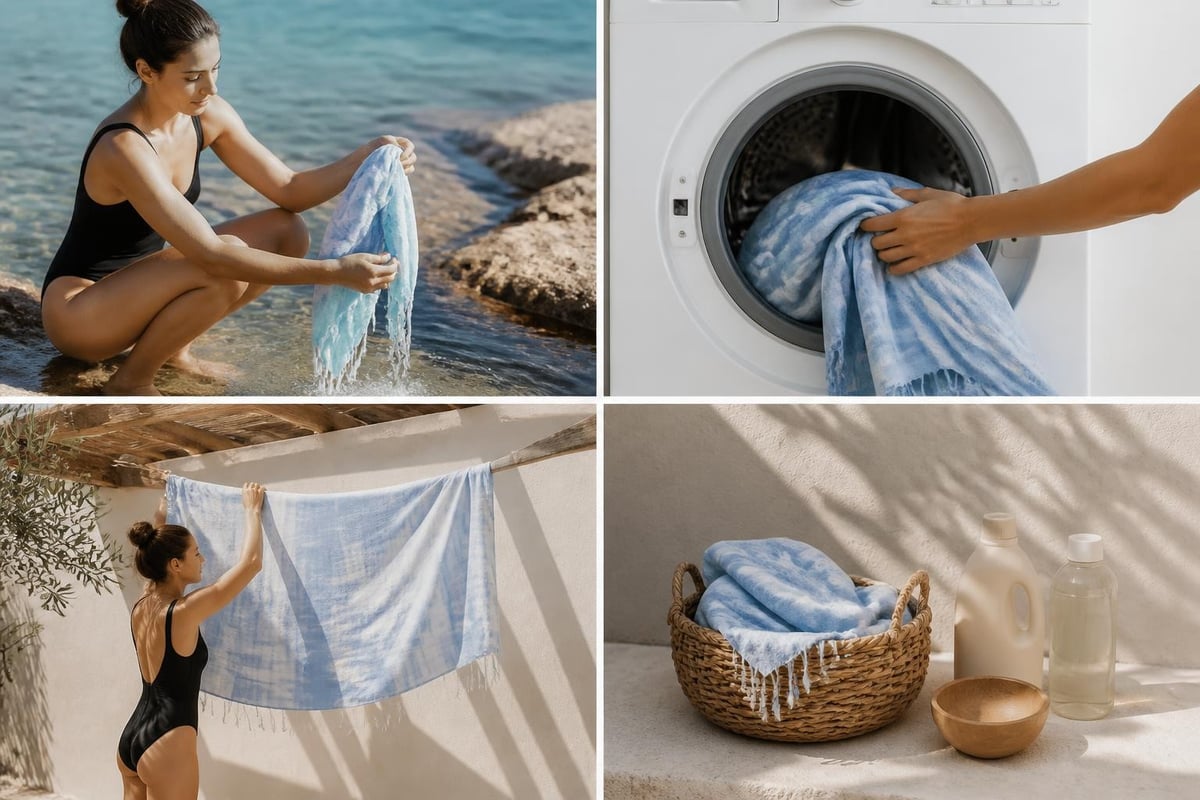
After a day at the beach, you should rinse the pareo with clear water, especially after contact with salt water or chlorine. These substances can damage fibers and fade colors.
Washing and Drying
Wash your beach pareo at a low temperature (30°C) on a gentle cycle. Avoid aggressive detergents and instead use environmentally friendly alternatives. A laundry bag protects the fabric from friction in the machine.
Air dry the pareo, ideally in the shade. Direct sunlight can cause color loss in some fabrics. Ironing is usually not necessary – if it is, use a low setting.
Care tips at a glance:
- Rinse with clear water immediately after wearing.
- Choose a low washing temperature (30°C).
- Prefer air drying in the shade.
- Iron on a low setting if necessary.
- Do not use fabric softeners (damages fibers and the environment).
Styling Ideas for the Beach and Beyond
The beach pareo is no longer just reserved for the water. With the right styling, it becomes a fashionable statement in everyday life.
At the Beach
Combine your pareo with a simple bikini or swimsuit. The natural colors of the fabric highlight the shape of the swimwear without being overwhelming. A kimono like the Solana perfectly complements the relaxed beach feeling – its lightweight cotton-linen blend harmonizes wonderfully with the texture of a pareo.
Barefoot or with minimalist sandals, your look will be complete. A woven basket or a sustainable shoulder bag completes the ensemble.
In the City
Wear the beach pareo as a casual maxi skirt over a white blouse or a simple top. With sneakers, the look becomes suitable for everyday wear, with sandals, it's summery-elegant.
As a shoulder wrap over a simple T-shirt dress, you add colorful accents and protect yourself from cool evening air. Its versatility makes the pareo a space-saving travel companion.
Styling combinations:
- Beach Day: Beach pareo + bikini + sun hat + sandals
- Café visit: Pareo as a wrap dress + statement earrings + espadrilles
- City stroll: Pareo as a skirt + white top + sneakers + crossbody bag
- Dinner: Pareo as a shoulder wrap + light dress + flat sandals
Sustainable Alternatives and Conscious Purchasing Decisions
When buying a beach pareo, it's worth taking a closer look. Many quickly produced textiles contain synthetic fibers of inferior quality that lose their shape after a few washes or release microplastics.
Look for certifications like OEKO-TEX®, GOTS (Global Organic Textile Standard), or similar labels. They guarantee that no harmful chemicals were used and that fair production conditions are maintained.
What to Look For
The fabric quality is crucial. A high-quality pareo feels pleasant on the skin, is opaque enough for various wraps, and retains its shape and color even after multiple washes.
Check the workmanship: Are the seams neatly sewn? Are there fringes or loose threads? These details reveal a lot about the product's longevity.
Quality features:
- Fabric weight: At least 120 g/m² for sufficient opacity.
- Colorfastness: Colors should not bleed on the first wash.
- Feel: Soft, not scratchy or stiff.
- Size: At least 100 x 180 cm for versatile tying options.
- Certifications: OEKO-TEX®, GOTS, or comparable standards.
Information on sustainability and eco-certifications will help you make conscious decisions.
The Pareo for the Whole Family
A beach pareo is also a practical companion for children. In smaller sizes, it can be quickly wrapped around them after swimming and protects against wind and sun.
Child-Friendly Variations
Children's pareos are usually cut slightly smaller (about 80 x 120 cm) and are available in cheerful colors or playful patterns. Make sure the material is soft and skin-friendly – children's skin is particularly sensitive.
For very young children, bathrobes or ponchos are better, as they are easier to put on. A lightweight muslin poncho like the Flow bath poncho can be quickly slipped on after splashing around and keeps them warm.
Family Beach Days
There's something lovely about the whole family being at the beach in coordinated yet individual looks. While mom wears her beach pareo as a dress, her little daughter can wrap hers as a skirt – creating a harmonious overall picture without uniformity.
Pareo Alternatives and Additions
In addition to the classic beach pareo, there are other textiles that are wonderfully suitable for beach days.
Kimonos and Cover-ups
An airy kimono offers more structure than a pareo and can be worn without tying. It is perfect as a transition between beach and city. The various kimono styles range from short and playful to long and elegant.
Beach Towels with Added Value
Some manufacturers offer beach towels that are large enough to also be used as a pareo. These hybrid solutions save space in your luggage and expand your styling options.
Comparison of different beach companions:
| Textile | Versatility | Comfort | Care Effort |
|---|---|---|---|
| Beach Pareo | Very high | High | Low |
| Kimono | Medium | Very high | Low |
| Poncho | Low | Very high | Medium |
| Beach Towel | Medium | Medium | Medium |
Traveling with the Pareo
When traveling, the beach pareo becomes an indispensable companion. It takes up hardly any space, weighs almost nothing, and fulfills dozens of functions.
On the plane, it serves as a blanket, in the hostel as a privacy screen or room divider, at the beach as an underlay or sun protection. This multifunctionality makes it the perfect minimalism tool.
Packing List with Pareo
For a two-week beach vacation, two to three pareos in different colors are often sufficient. This way, you can wear them alternately and always have a clean one in reserve.
Your beach packing list:
- Two beach pareos in complementary colors
- Two to three bikinis or swimsuits
- A light kimono or cover-up
- Sun protection and hat
- Sustainable beach bag
- Sandals and sneakers
The fit guides help you find the right size for your swimwear – this also saves space and prevents wrong purchases.
Cultural Significance and Modern Interpretation
The beach pareo connects past and present. Its roots lie in Pacific island culture, where it expressed identity, status, and belonging.
Today, it stands for a different way of life: freedom, lightness, and connection with nature. It reminds us that fashion doesn't have to be complicated to be beautiful.
Respectful Handling of Traditions
When we wear the pareo, we also carry a piece of cultural heritage. This does not mean that we cannot interpret it in a modern way – on the contrary. But an awareness of its origin gives it additional depth.
The way different cultures use textiles shows us that fashion is more than trends. It is an expression of values, lifestyles, and relationships with the environment.
Colors and Patterns – Finding Your Style
The choice of color influences how versatile you can combine your beach pareo. Neutral tones like beige, white, or gray match almost everything and look timeless.
Bold colors or patterns make statements and bring vibrancy to your outfit. They can be wonderfully combined with monochrome swimwear.
Color psychology at the beach:
- Blue tones: Calming, reminiscent of the sea, appear cool.
- Earth tones: Natural, grounded, versatile to combine.
- Pastel colors: Soft, feminine, summery.
- Black/White: Classic, elegant, always appropriate.
- Bright colors: Energetic, striking, mood-lifting.
Experiment with different combinations. Sometimes, the unexpected mix of a delicate pareo and a bold bikini creates the most exciting look.
DIY Ideas – Designing Your Own Pareo
Those who are skilled with their hands can design their own beach pareo. With natural dyes like avocado pits, turmeric, or beetroot, unique color gradients can be created.
Batik techniques or simple printing with fabric paints also give your pareo a personal touch. This creates a unique piece that no one else at the beach will undoubtedly have.
Step-by-Step to Your Own Design
- Choose a simple cotton or linen fabric in the desired size.
- Wash it beforehand to remove any residues.
- Decide on a dyeing technique (batik, dip-dye, printing).
- Work with natural dyes or GOTS-certified textile paints.
- Fix the color according to the manufacturer's instructions.
- Hem the edges or intentionally leave them frayed.
DIY connects you even more strongly with your garment and promotes conscious consumption.
The beach pareo is far more than a functional accessory – it is an expression of a lifestyle that combines simplicity, sustainability, and beauty. At MAIN Design, you will find high-quality, sustainably produced companions for the beach, everyday life, and all moments in between. With every purchase, you support ocean protection and invest in timeless quality that will accompany you for many summers.