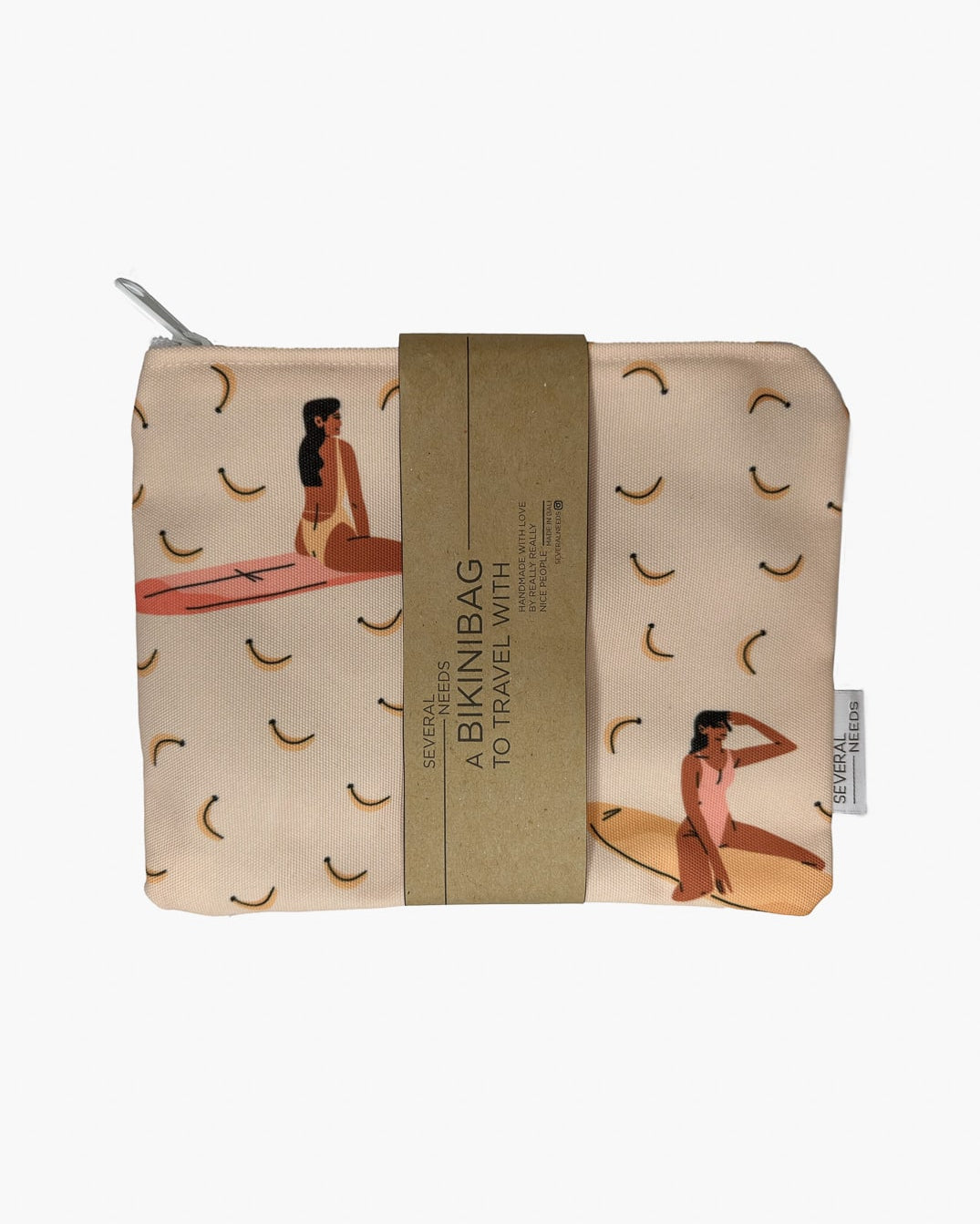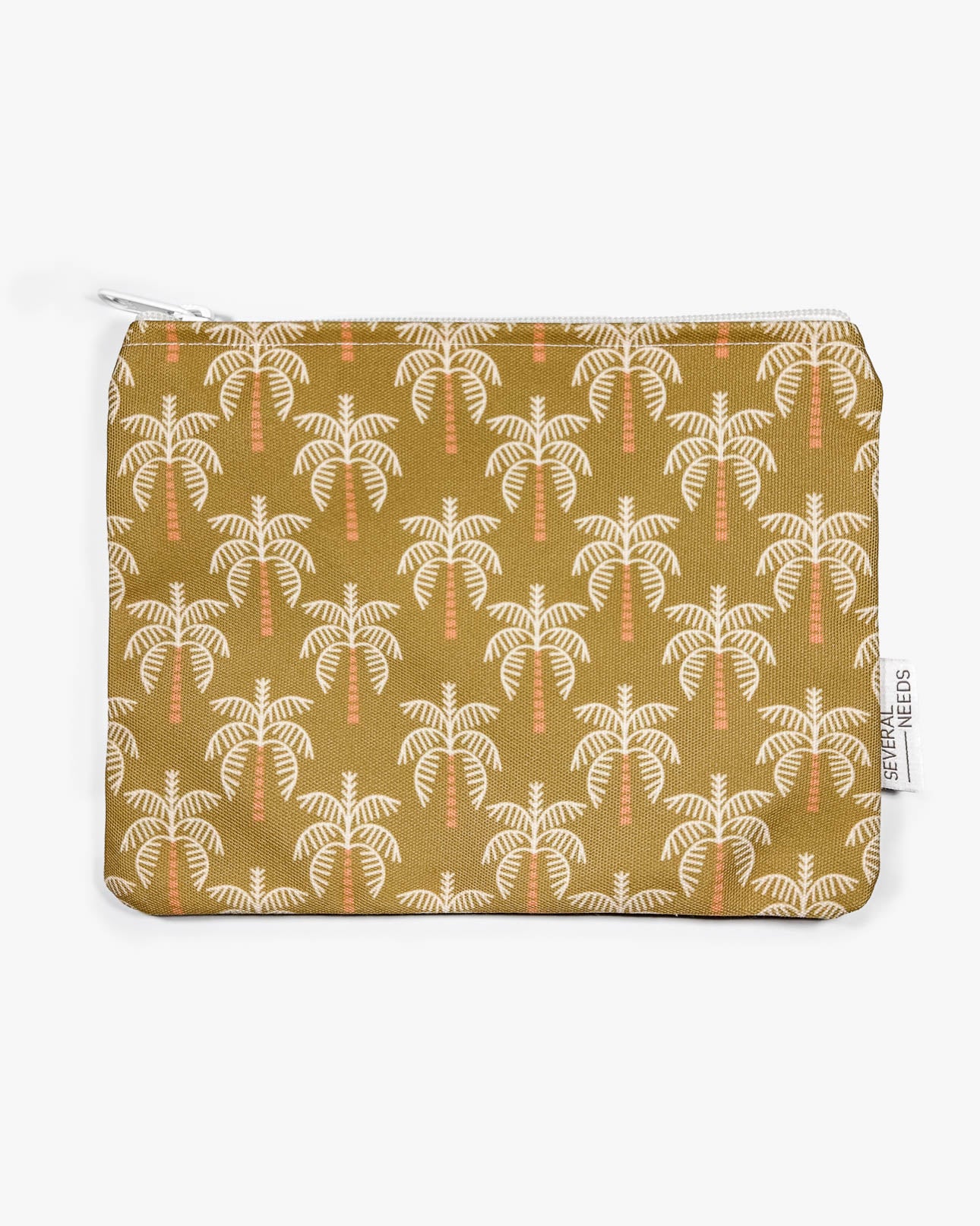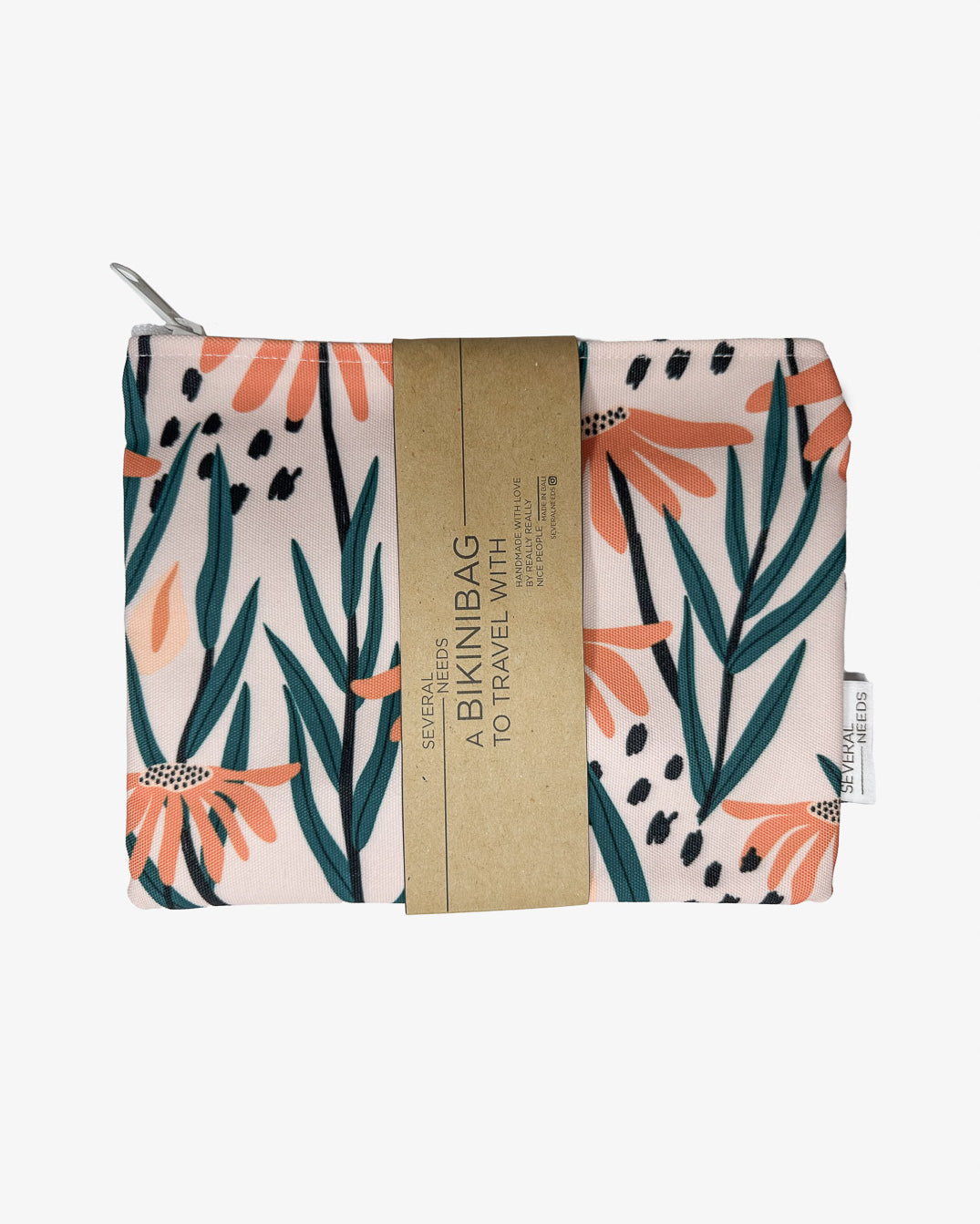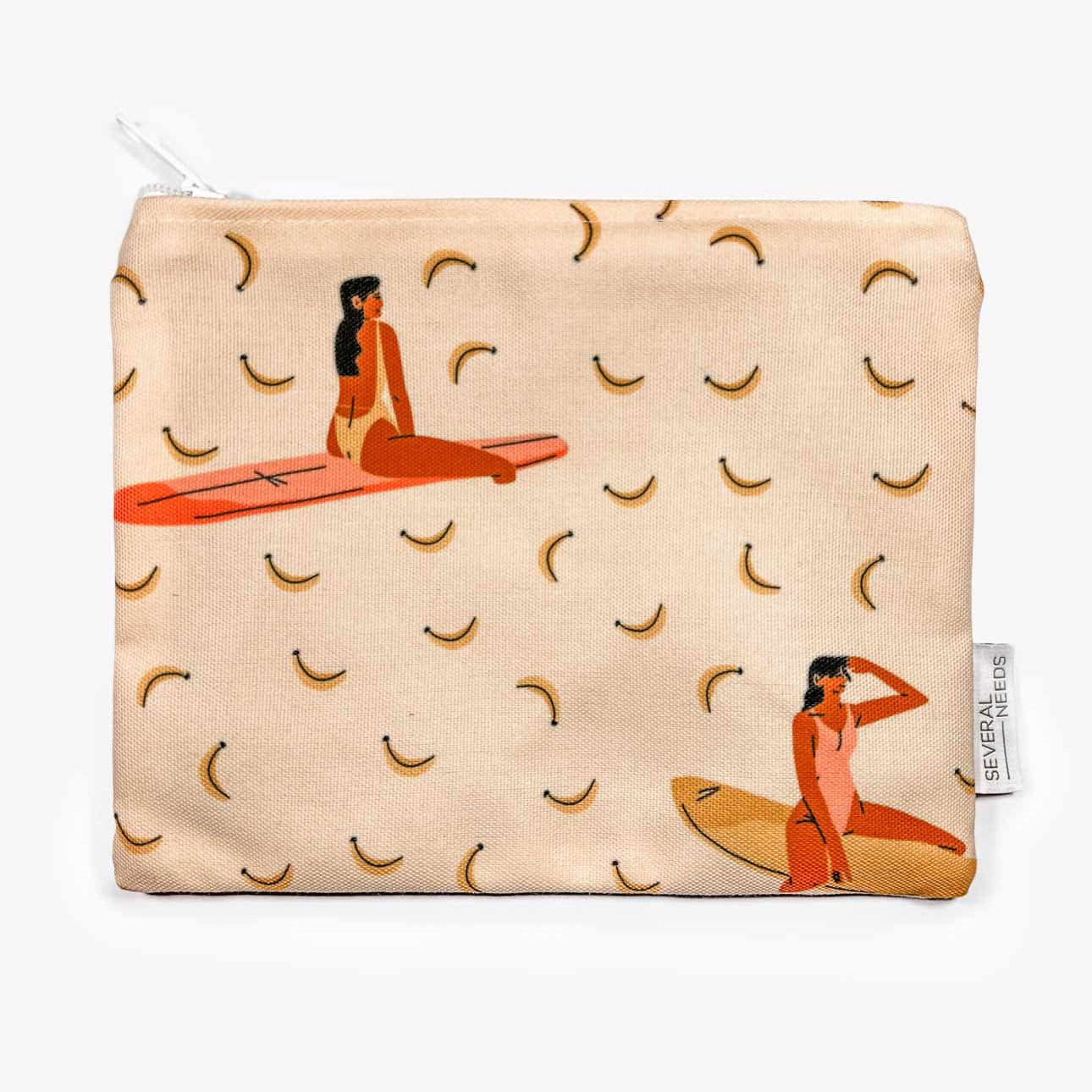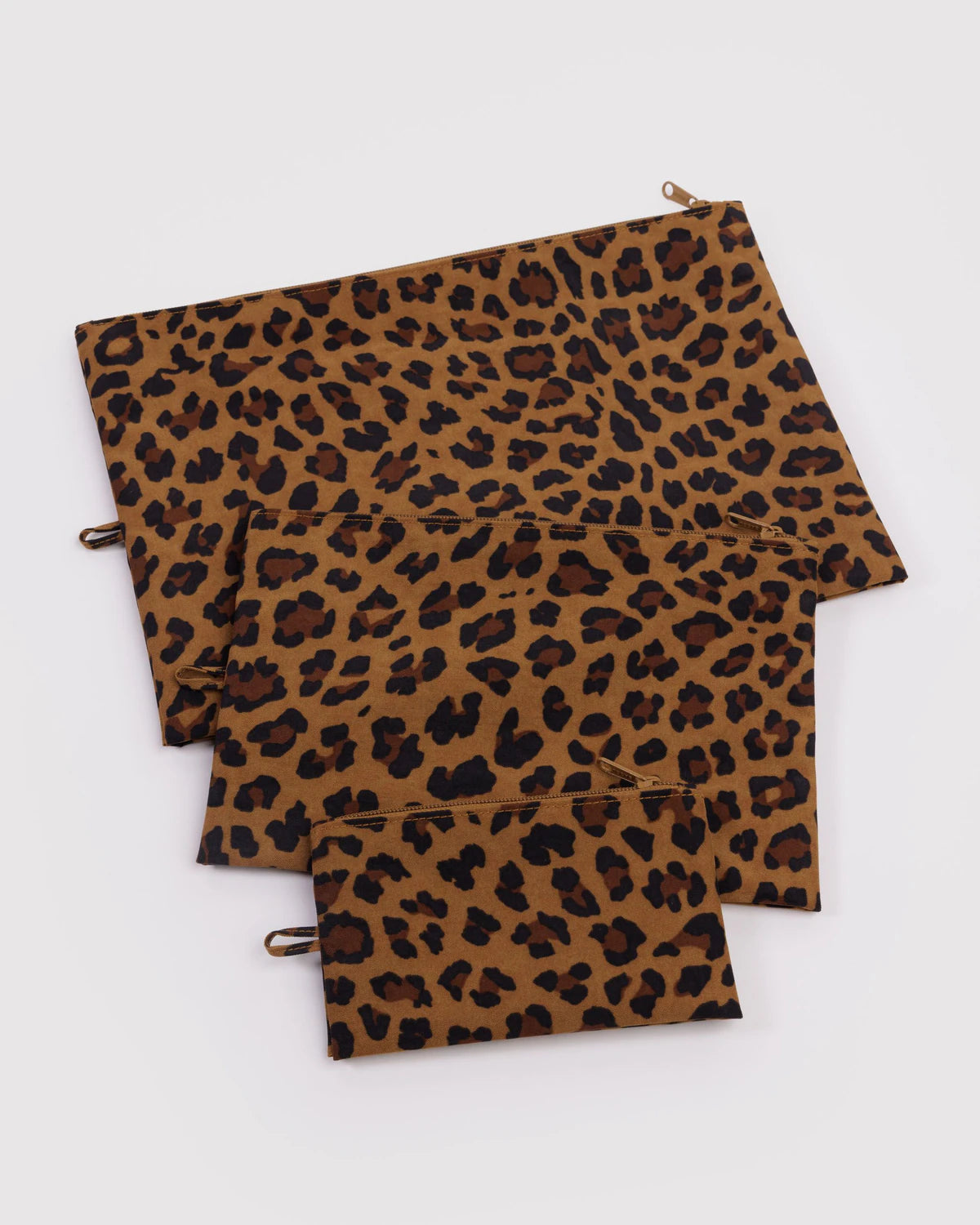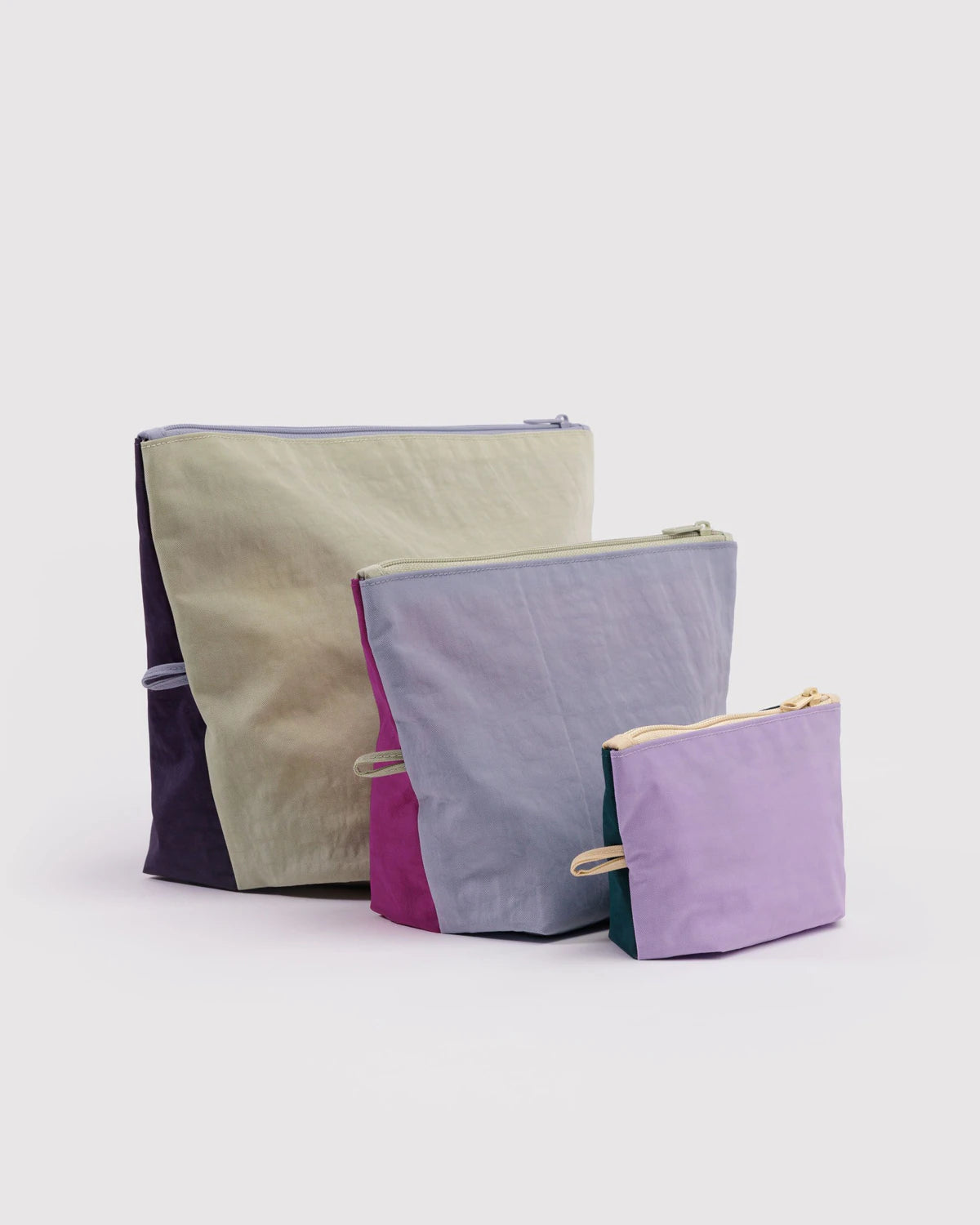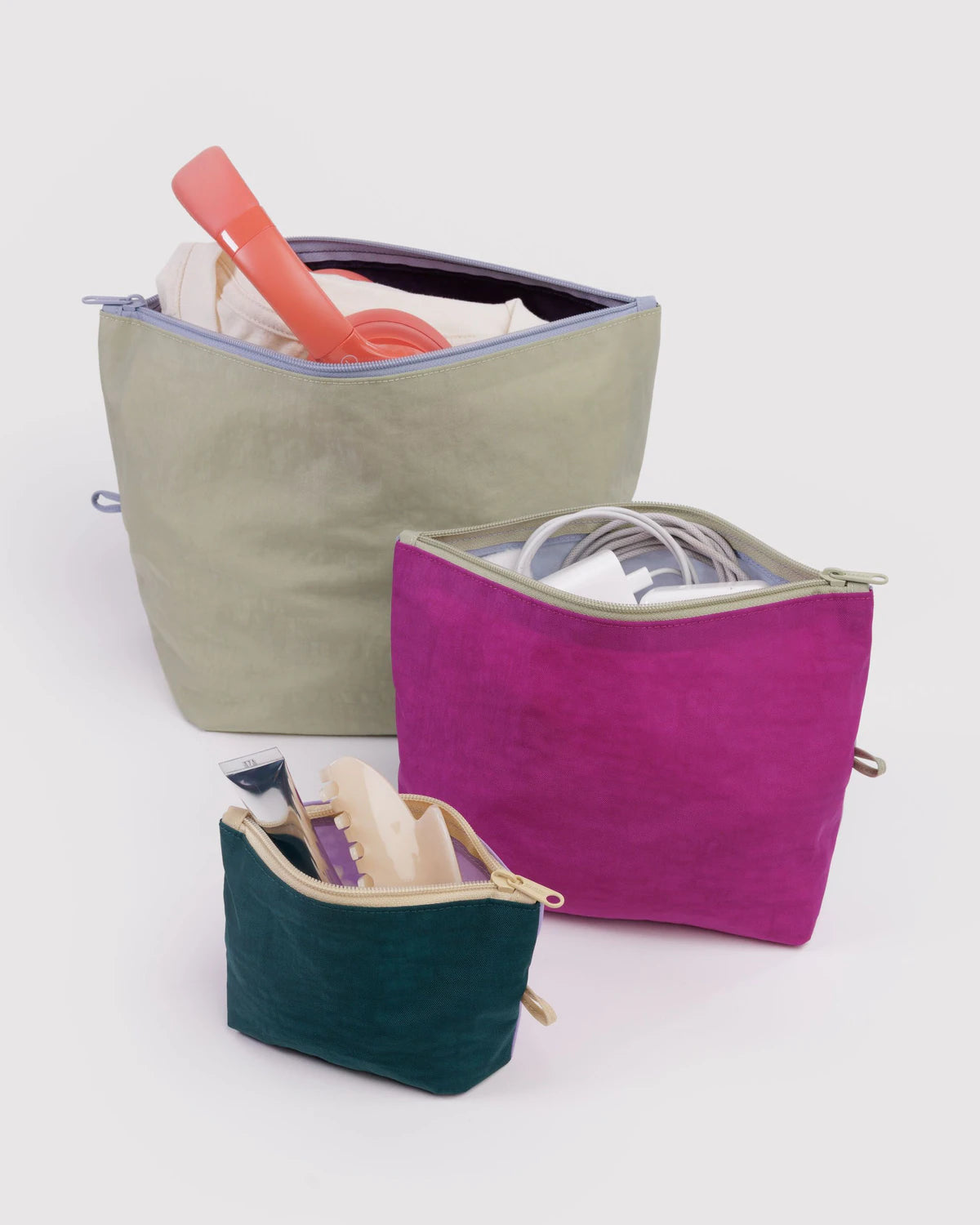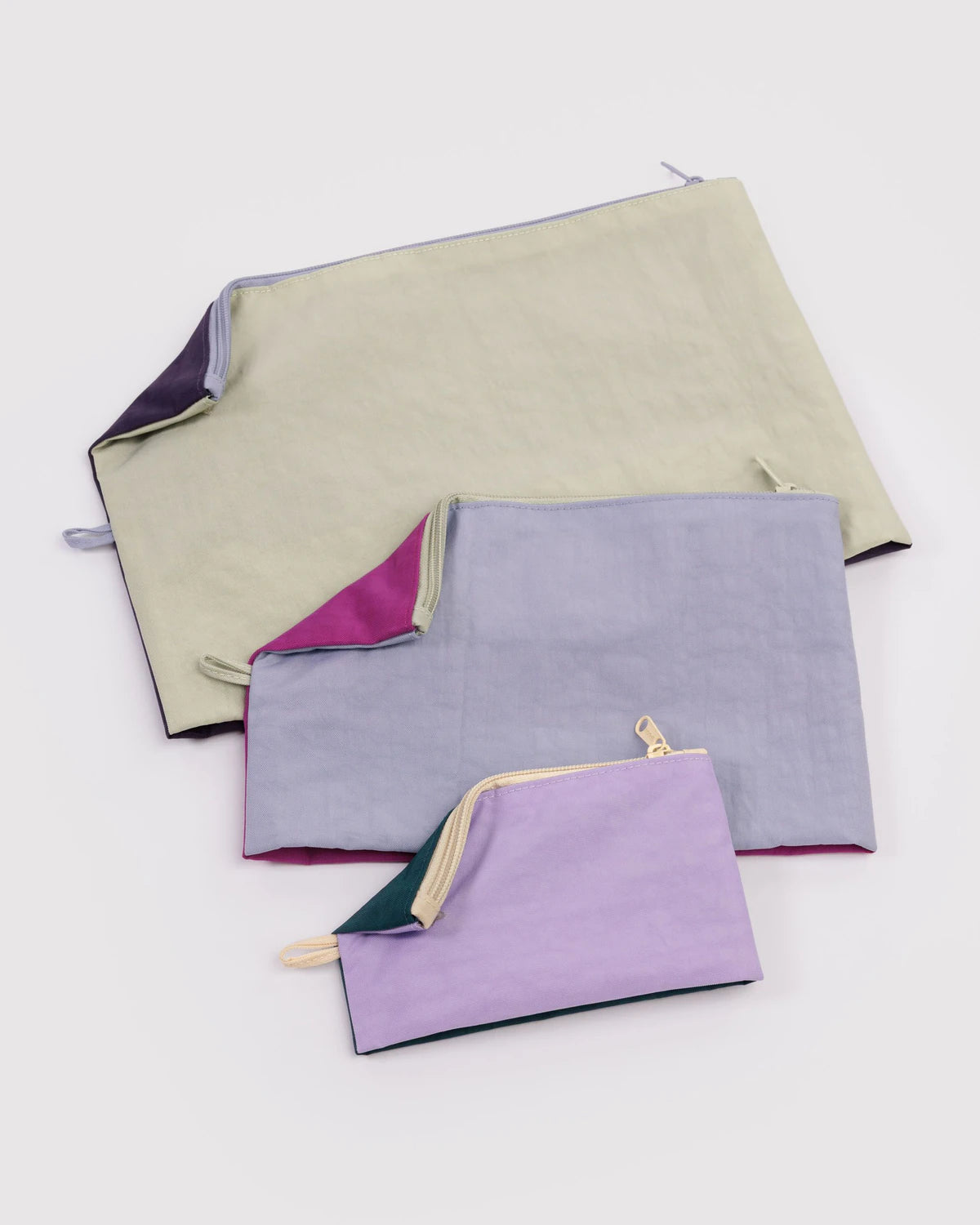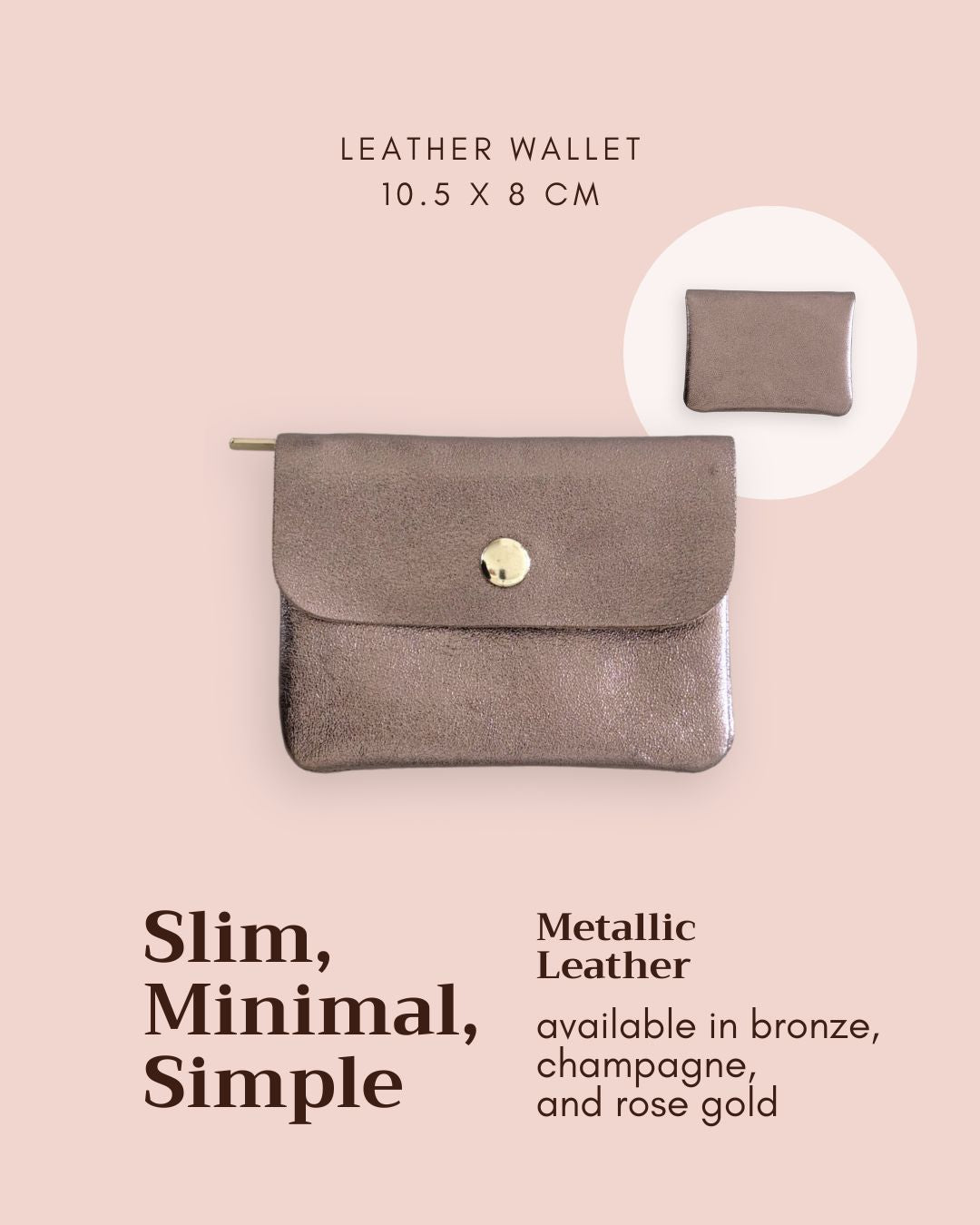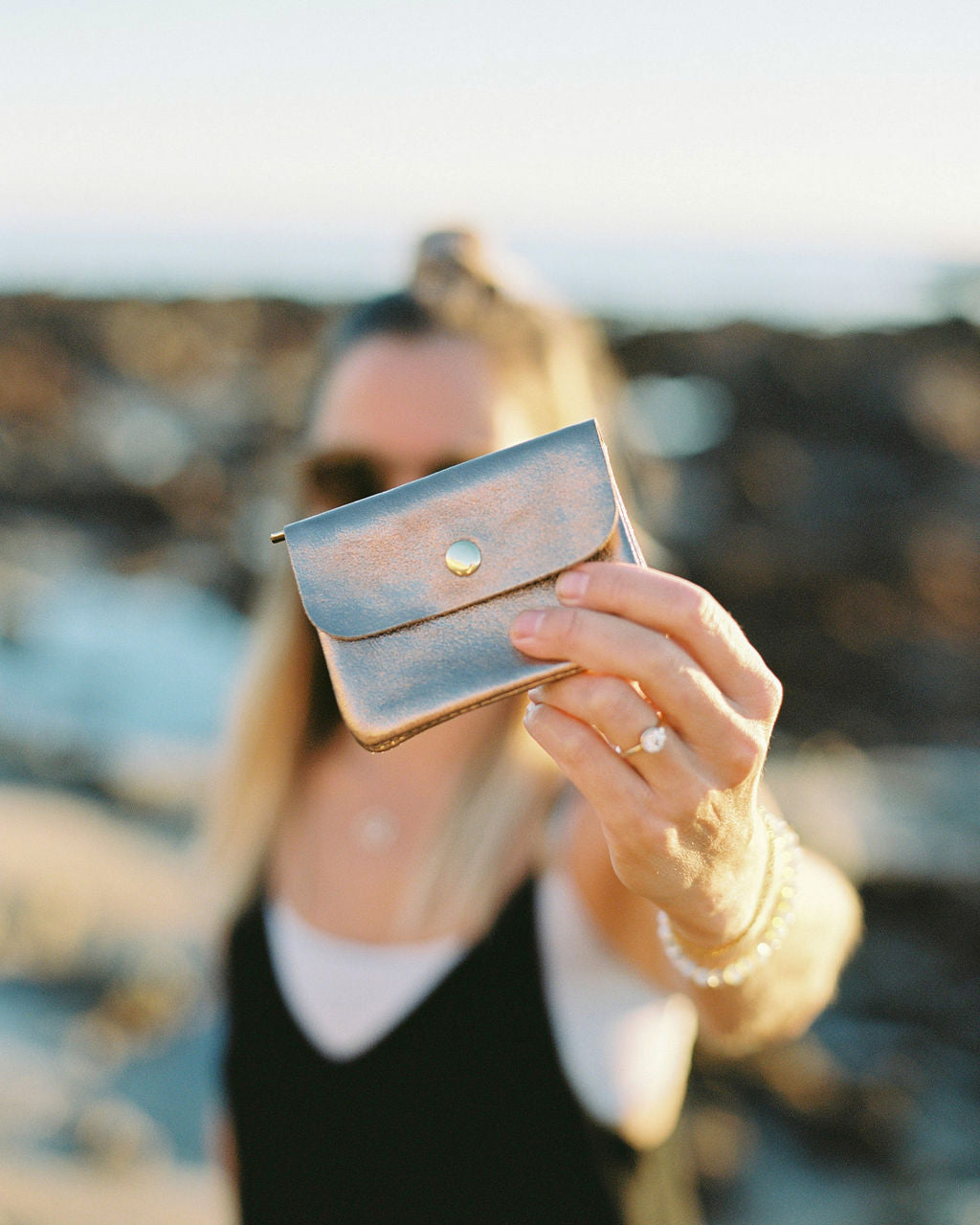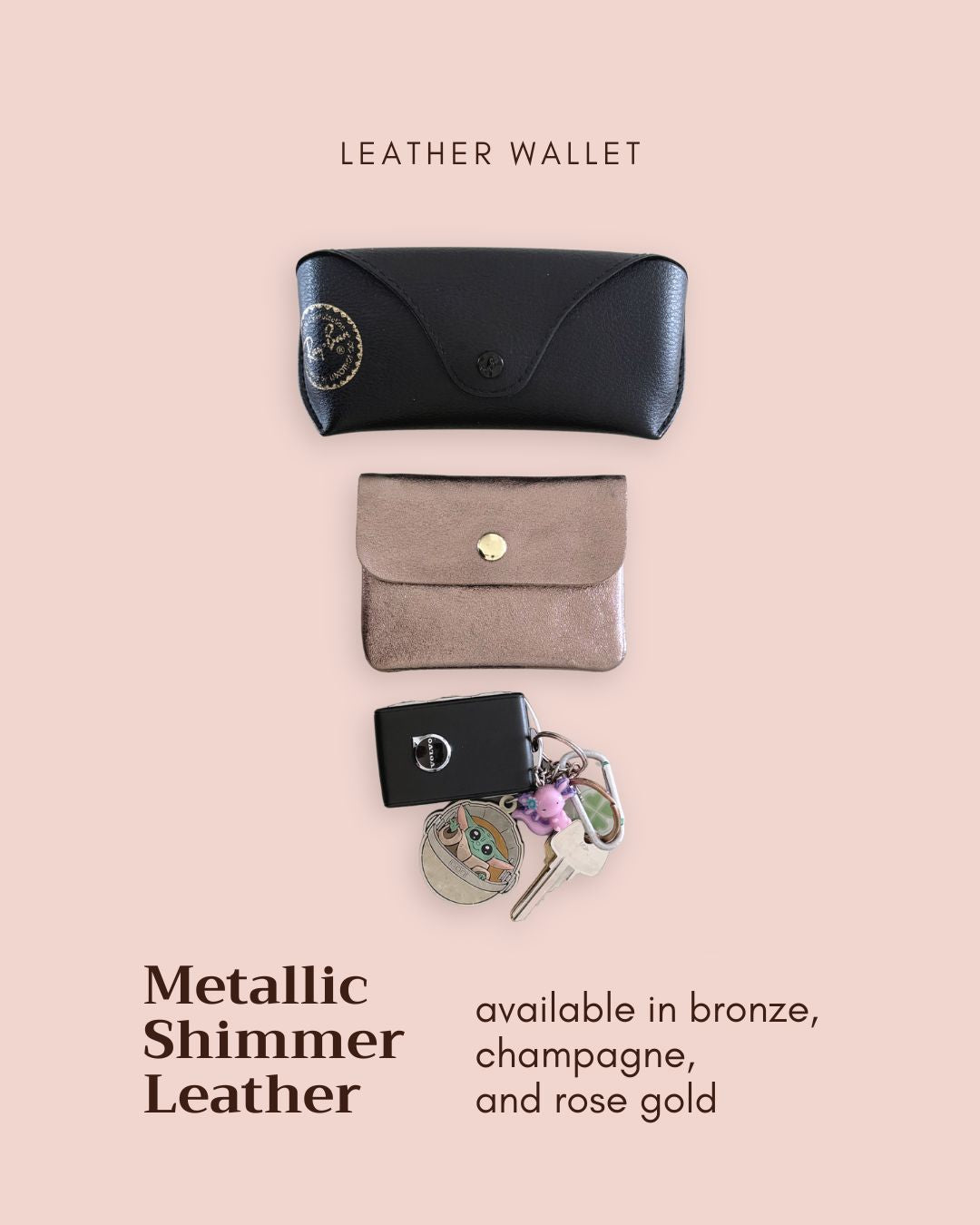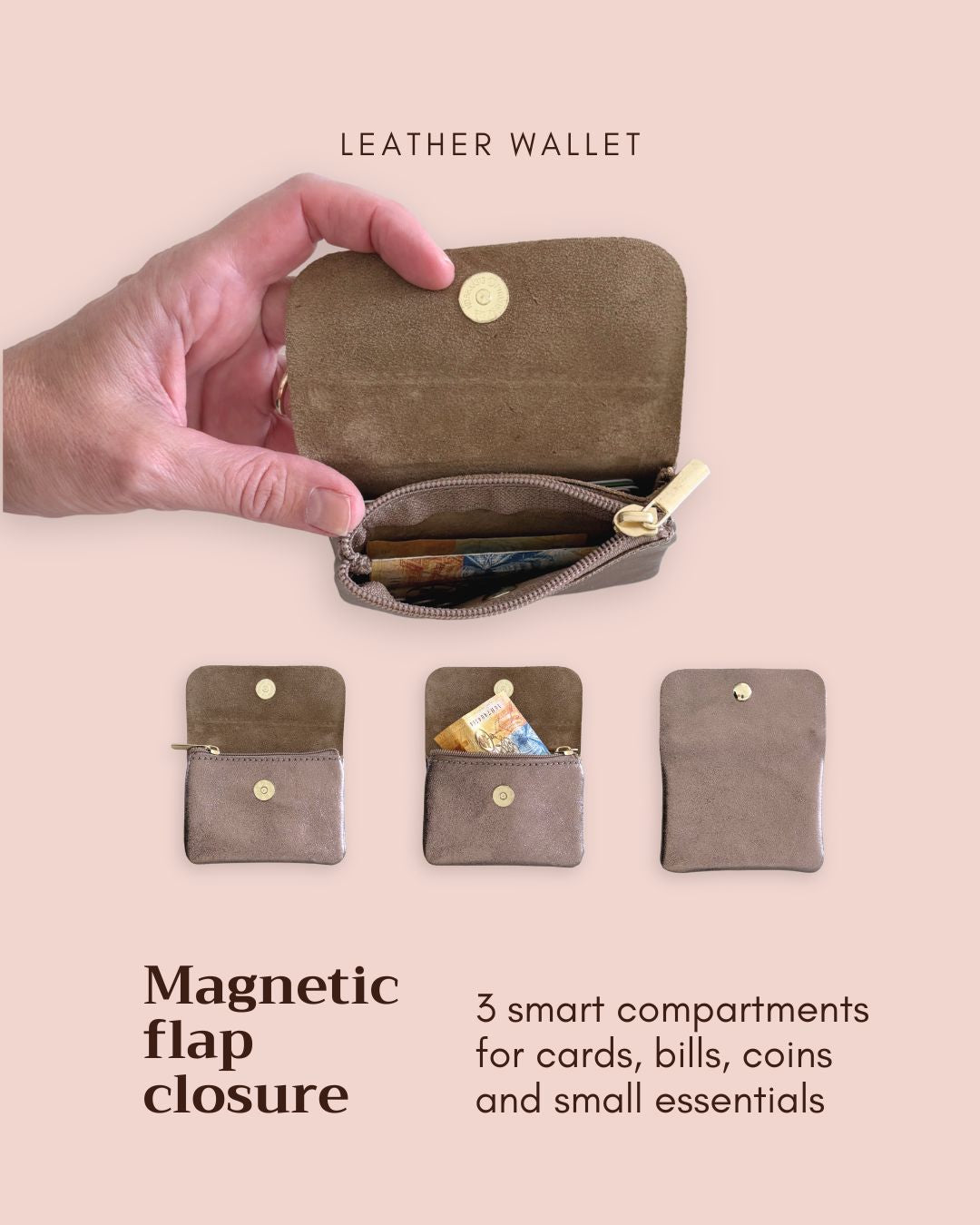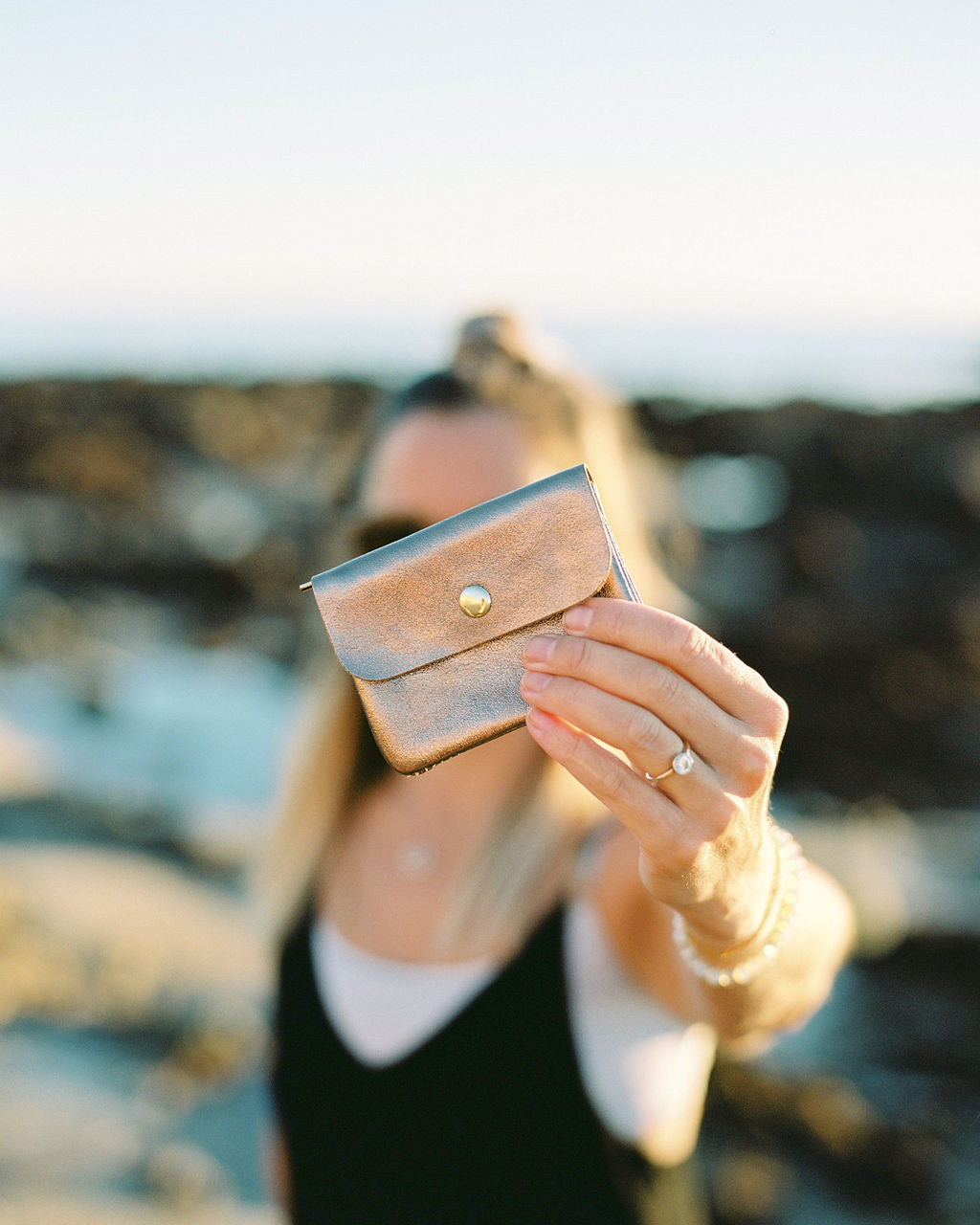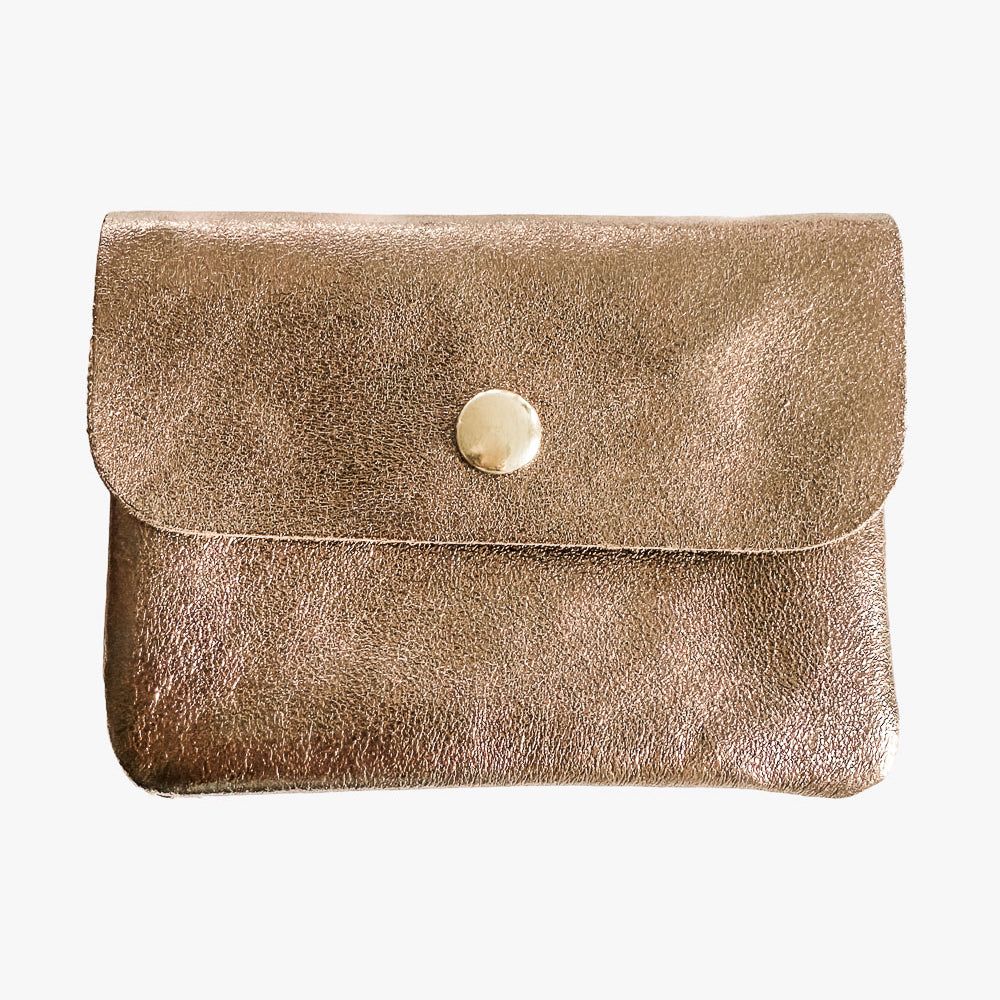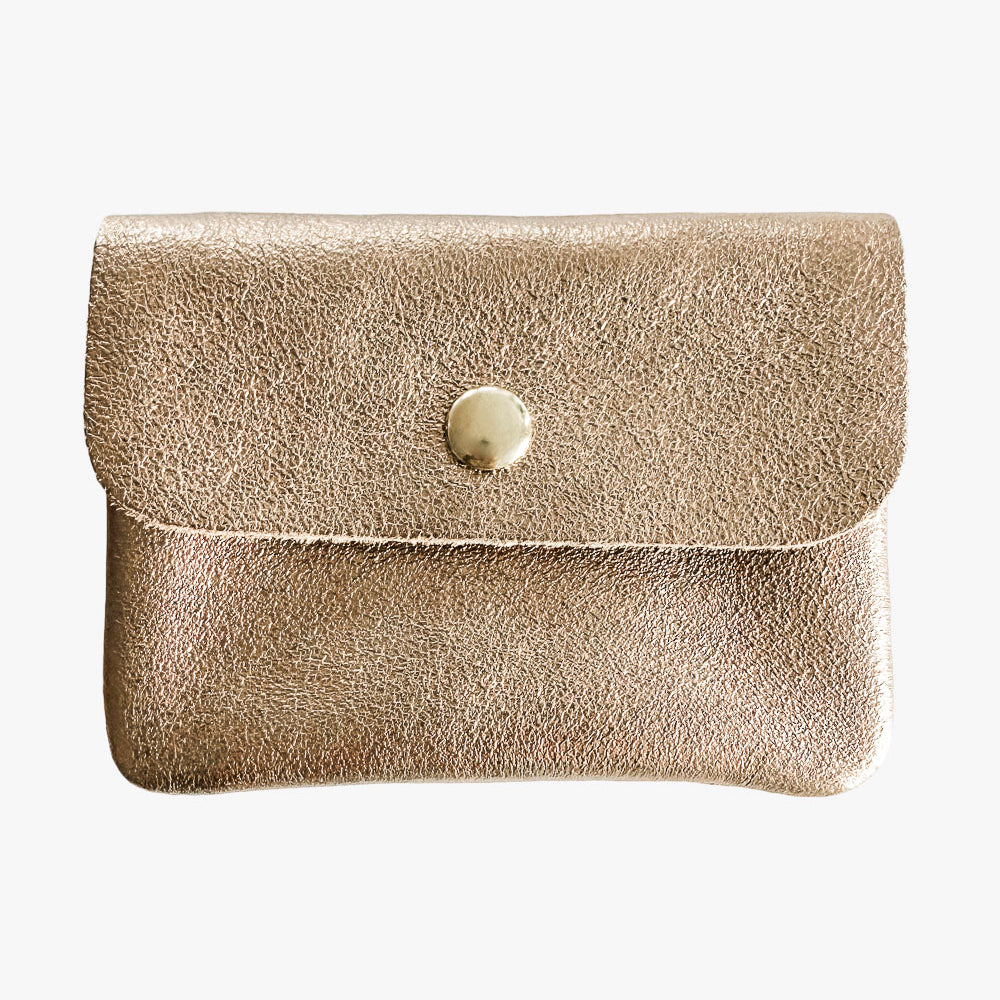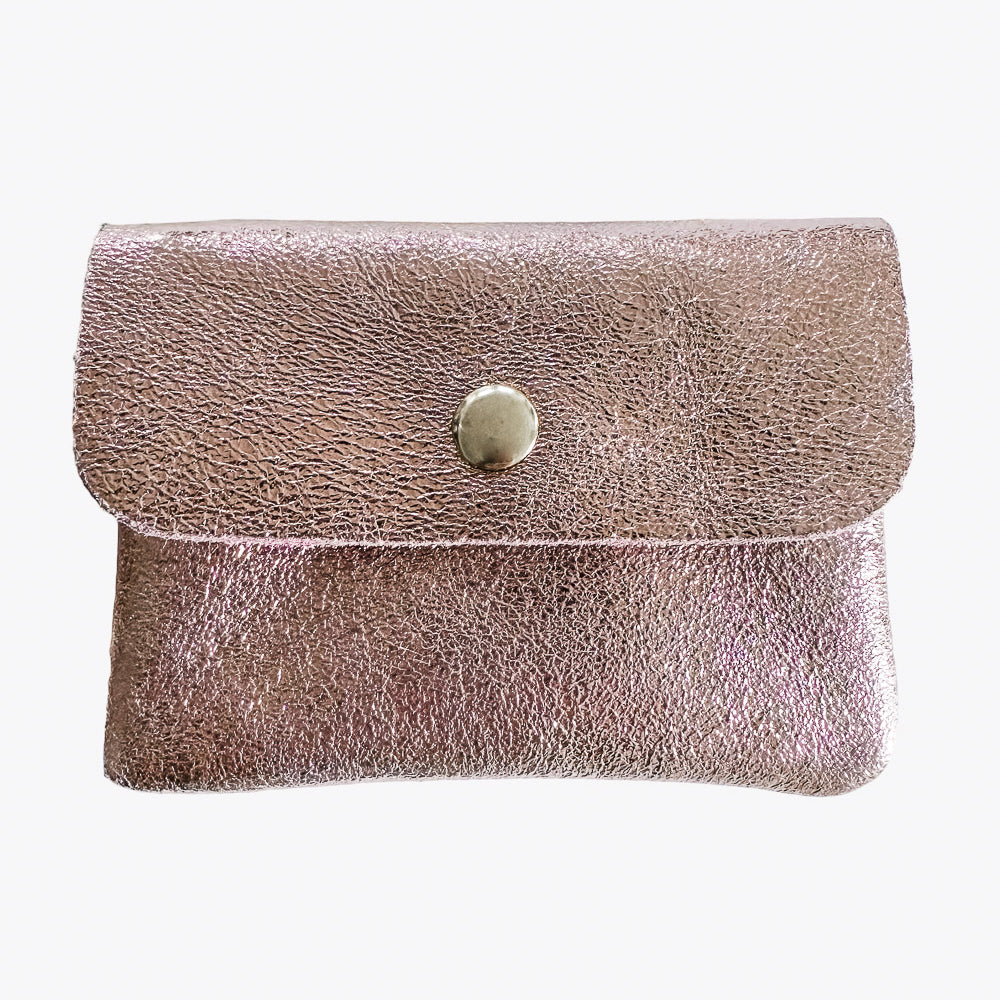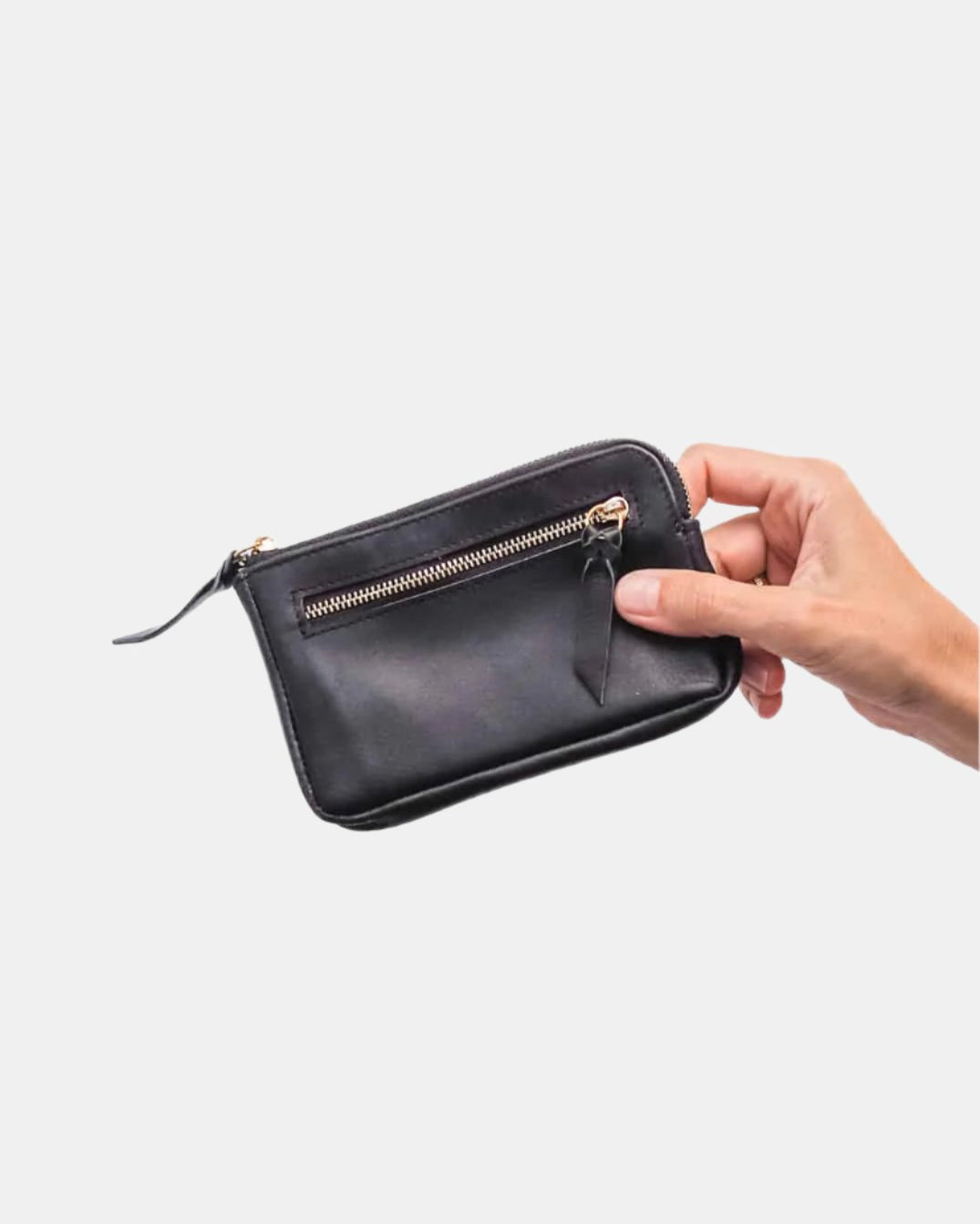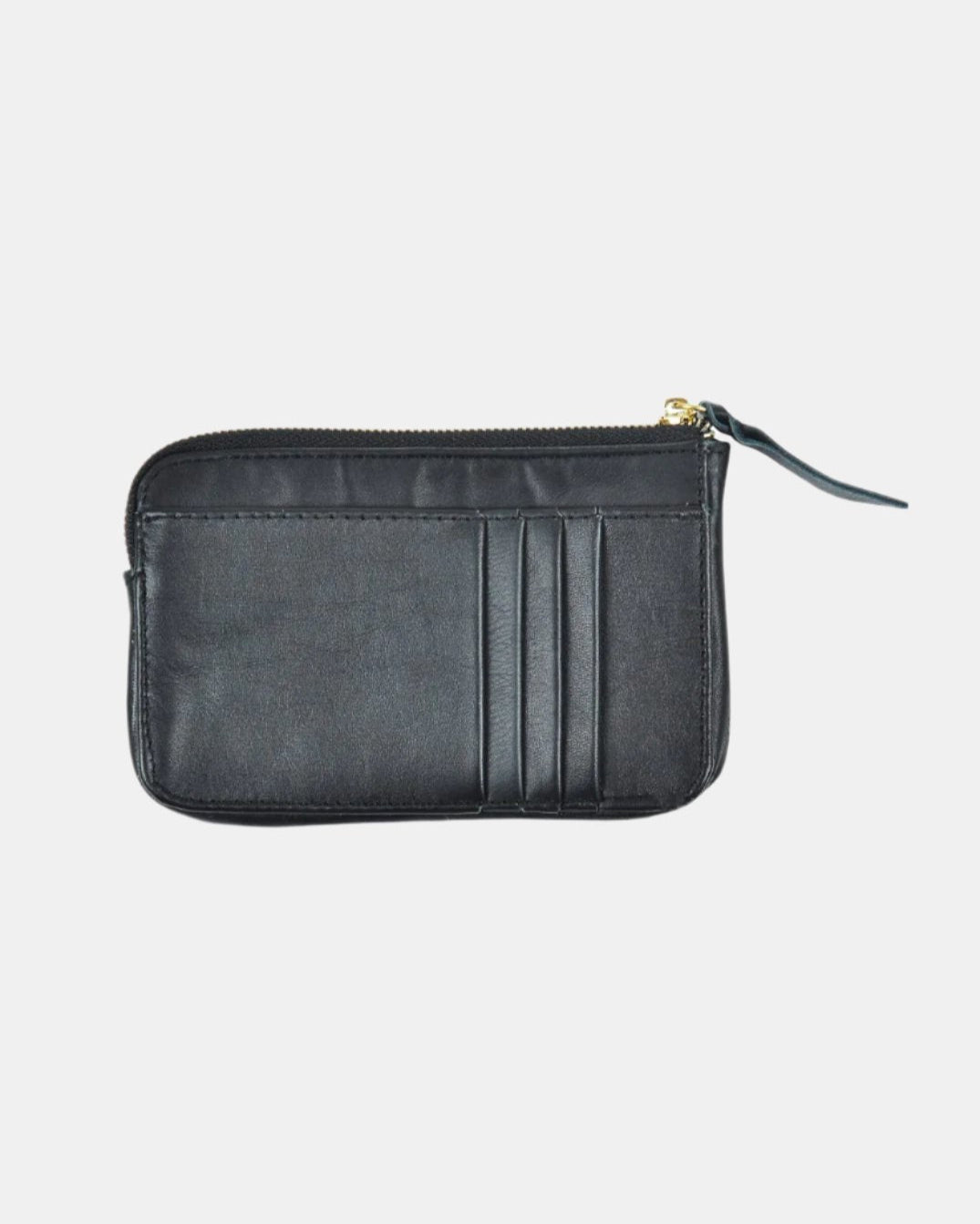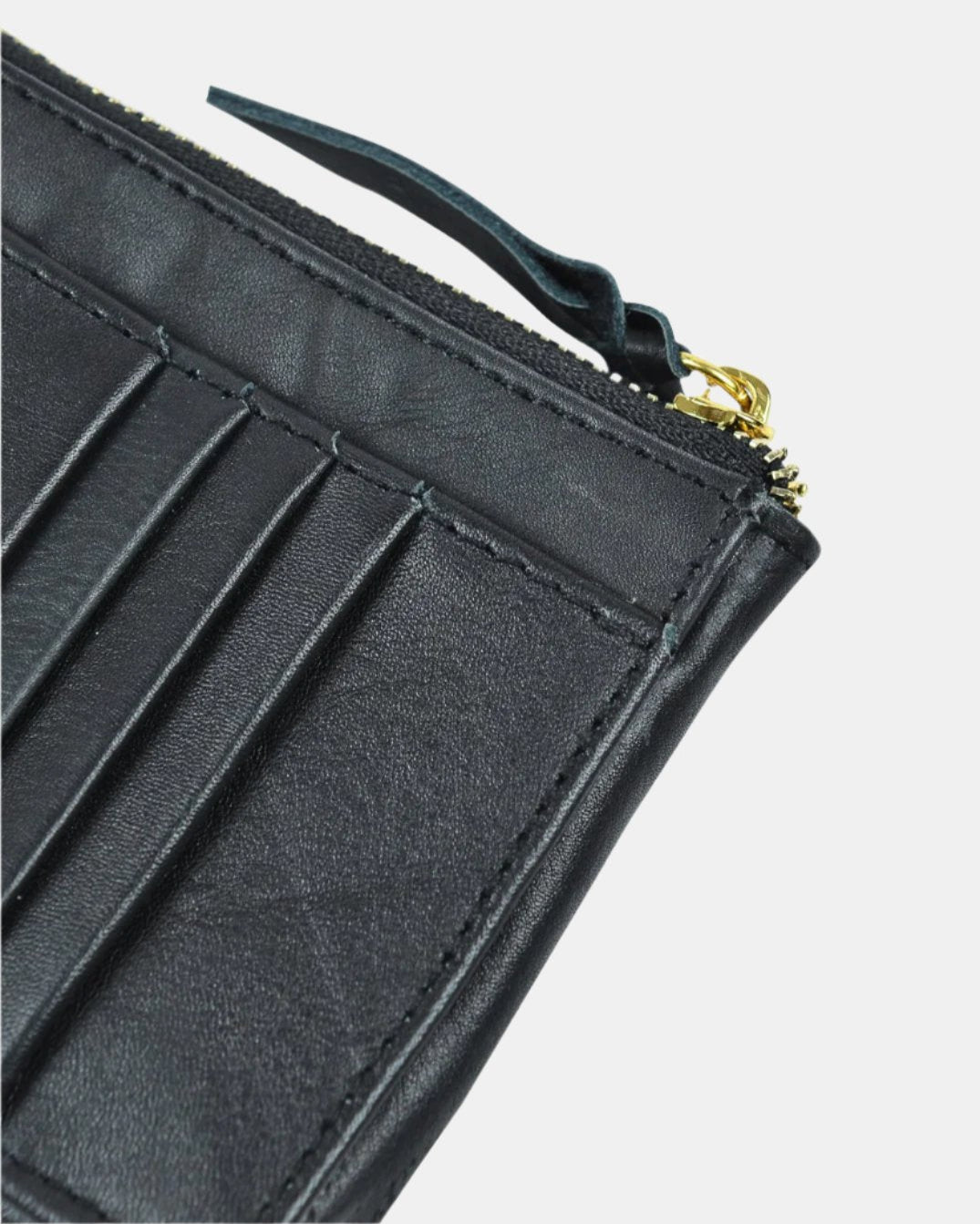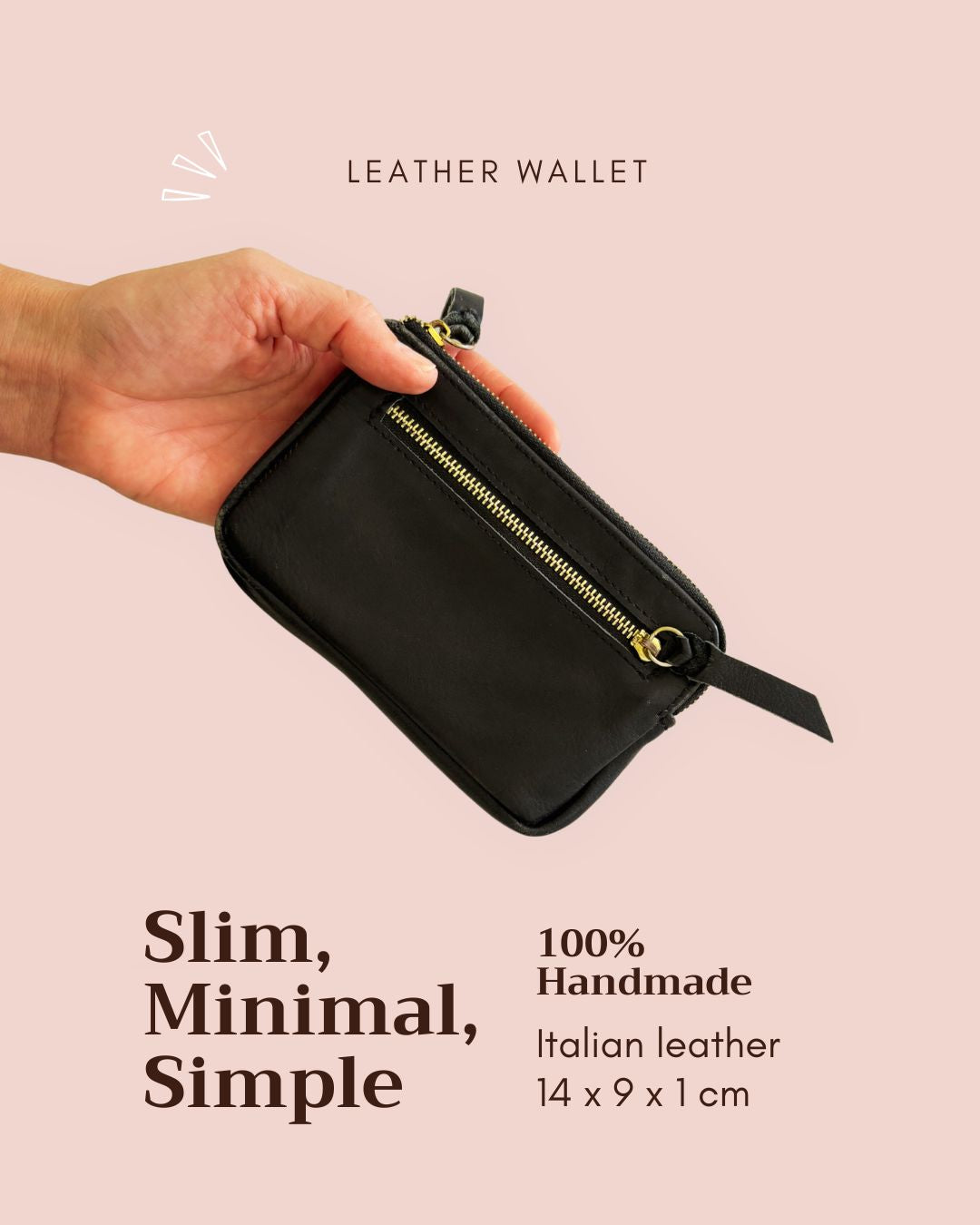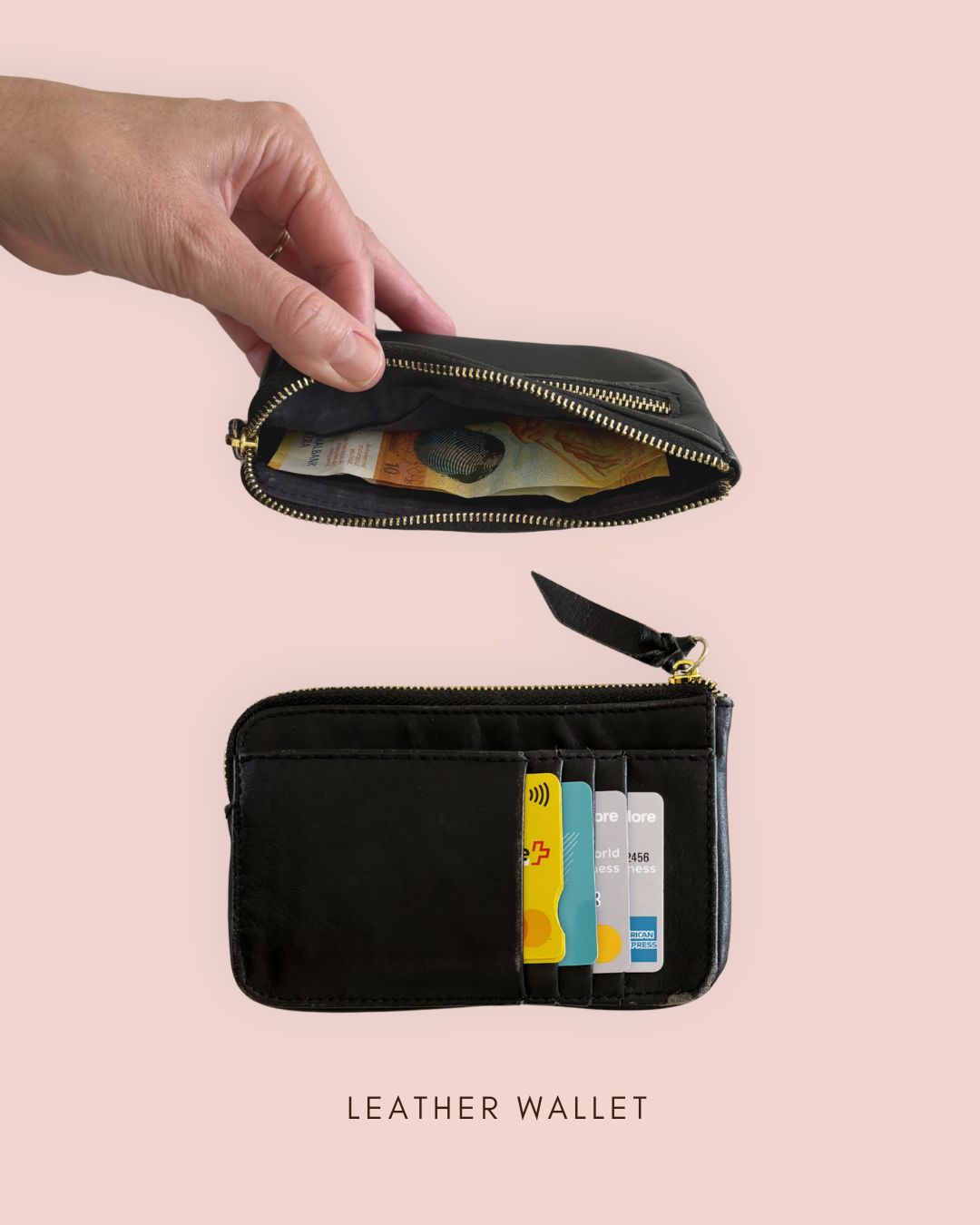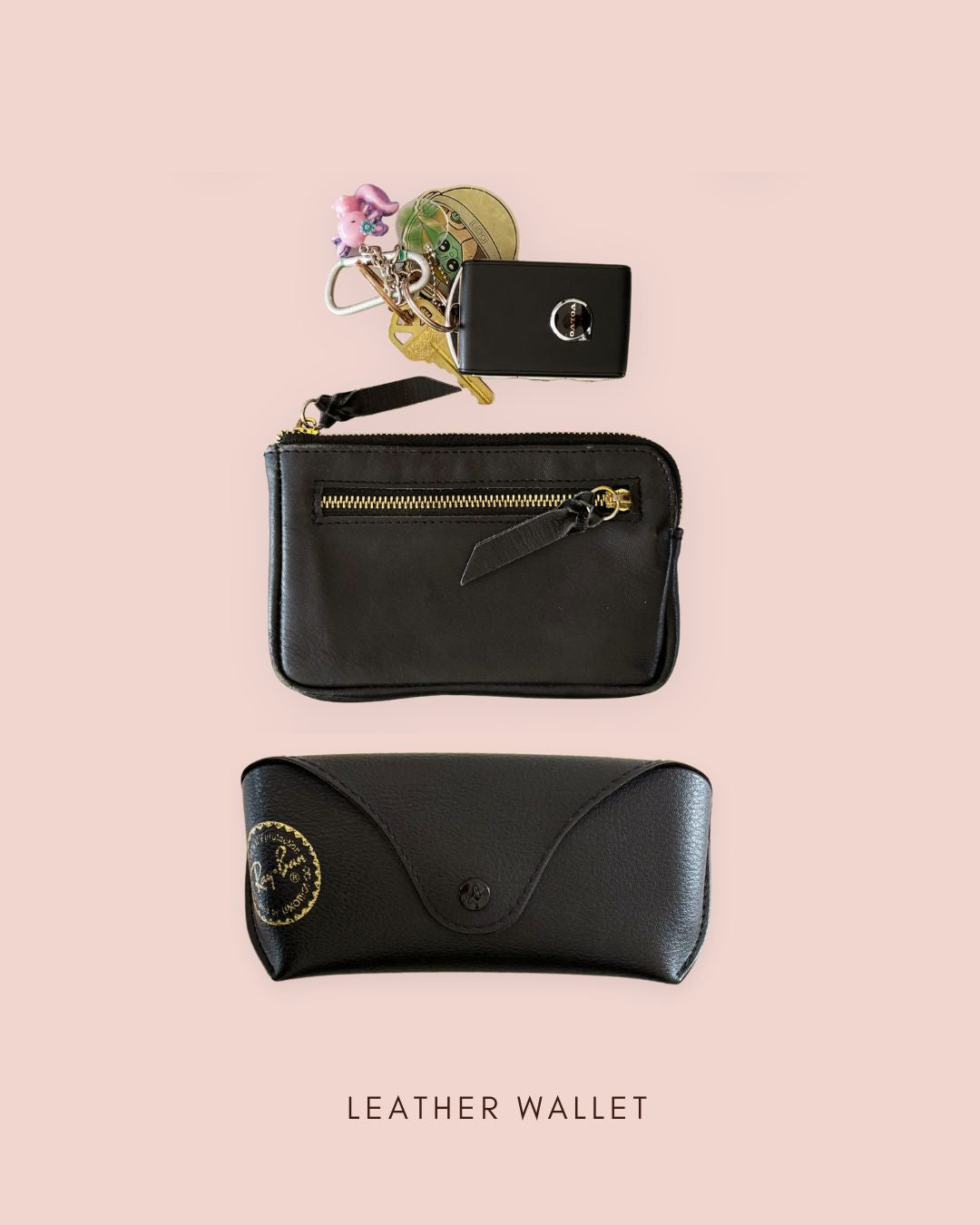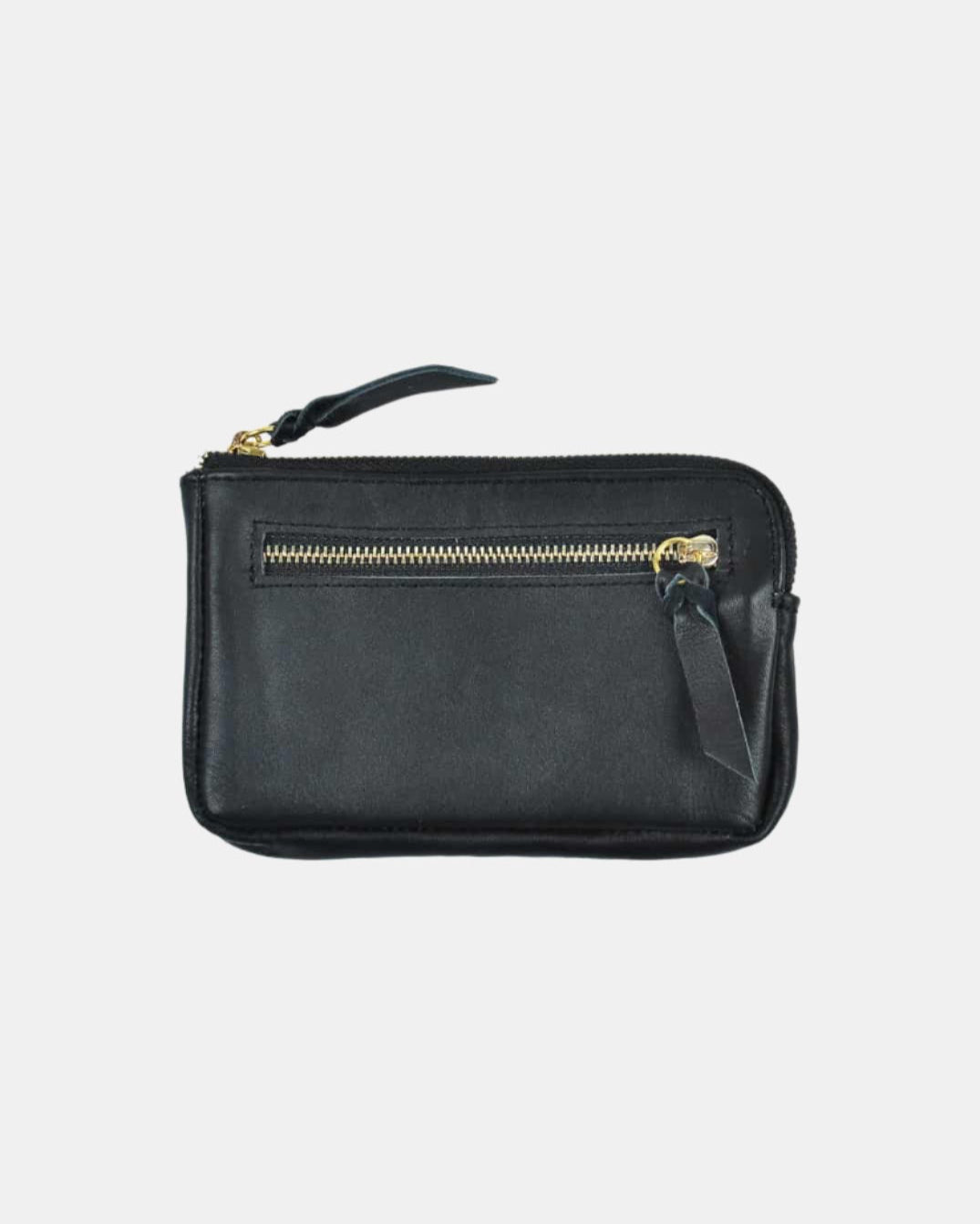


A small wallet is more than just a place for cash and cards. It's a statement. A conscious step away from excess, towards what truly matters. Those who choose a small wallet opt for lightness over burden, clarity over chaos. In an era where minimalism is not just a trend but an attitude, a small wallet perfectly suits a life that takes freedom, movement, and sustainability seriously.
Why a small wallet is the better choice
Less is often more. This is especially true for your daily companions.
A small wallet forces you to focus on the essentials. Which cards do you really need? How much cash makes sense? These questions may sound simple, but they change your relationship with possessions. Instead of ten customer cards and dusty receipts, you only carry what you actually use.
Advantages of a small wallet
- Space-saving: Fits in any jacket pocket, small handbag, or even a trouser pocket
- Lightweight: No extra weight when hiking, at the beach, or traveling
- Organized: You always know what's inside
- Secure: Less bulk means less risk of theft in crowds
The minimalist approach of a small wallet perfectly matches the philosophy that MAIN Design also embodies: reduction to the authentic, without compromising on quality and value.
Materials that matter – sustainable and durable
A small wallet can be made from various materials. The choice of material not only determines the look but also the durability and environmental footprint.
Leather as a classic material
Leather is timeless. A high-quality leather wallet can last for decades if properly cared for. But not all leather is the same. The Leather Working Group sets international standards for environmentally friendly tanning and transparent supply chains. If you choose a small leather wallet, look for certifications like LWG Gold or Silver.
Leather develops a patina over time, a natural change that makes each piece unique. This characteristic makes a small leather wallet not only a utilitarian object but a personal companion.
| Material | Advantages | Disadvantages |
|---|---|---|
| Full-grain leather | Extremely durable, patina, noble | Higher price, requires care |
| Recycled leather | Sustainable, soft | Less robust than full-grain |
| Cork | Vegan, water-repellent, lightweight | Not yet as established |
| Recycled nylon | Very lightweight, weatherproof, sustainable | Less traditional |
Recycled materials for the future
Just like with sustainable swimwear, more and more manufacturers are turning to recycled fabrics. Nylon from old fishing nets, PET bottles, or textile waste is processed into durable, water-repellent wallets. A small wallet made from recycled material is perfect for active people who spend a lot of time outdoors.
The EU Commission is planning stricter regulations for the textile circular economy, which will also affect small leather accessories. Responsible brands are already preparing for this today.
Design philosophy: Form follows function
A good small wallet is intuitive. You reach in and immediately find what you're looking for.
Structure and compartments
The best small wallets use every millimeter cleverly:
- Card slots: Two to four slots for the most important cards (debit card, ID card, health insurance)
- Bill compartment: Often in the middle, sometimes with a flap or clip
- Coin pocket: Optional, ideally with a zipper or snap fastener
- Hidden compartment: For emergency cash or SIM cards
Fewer compartments mean more clarity. A small wallet with too many pockets quickly becomes cluttered and contradicts the idea of minimalism.
Closures and mechanisms
Flap closures are classic and quickly accessible. Zippers offer more security, especially during sports or travel. Magnetic closures look modern and operate silently – ideal if you want to pay discreetly.
The choice depends on your daily life. Are you often by the water, at the beach, or hiking? Then a waterproof small wallet with a zipper is the better choice.
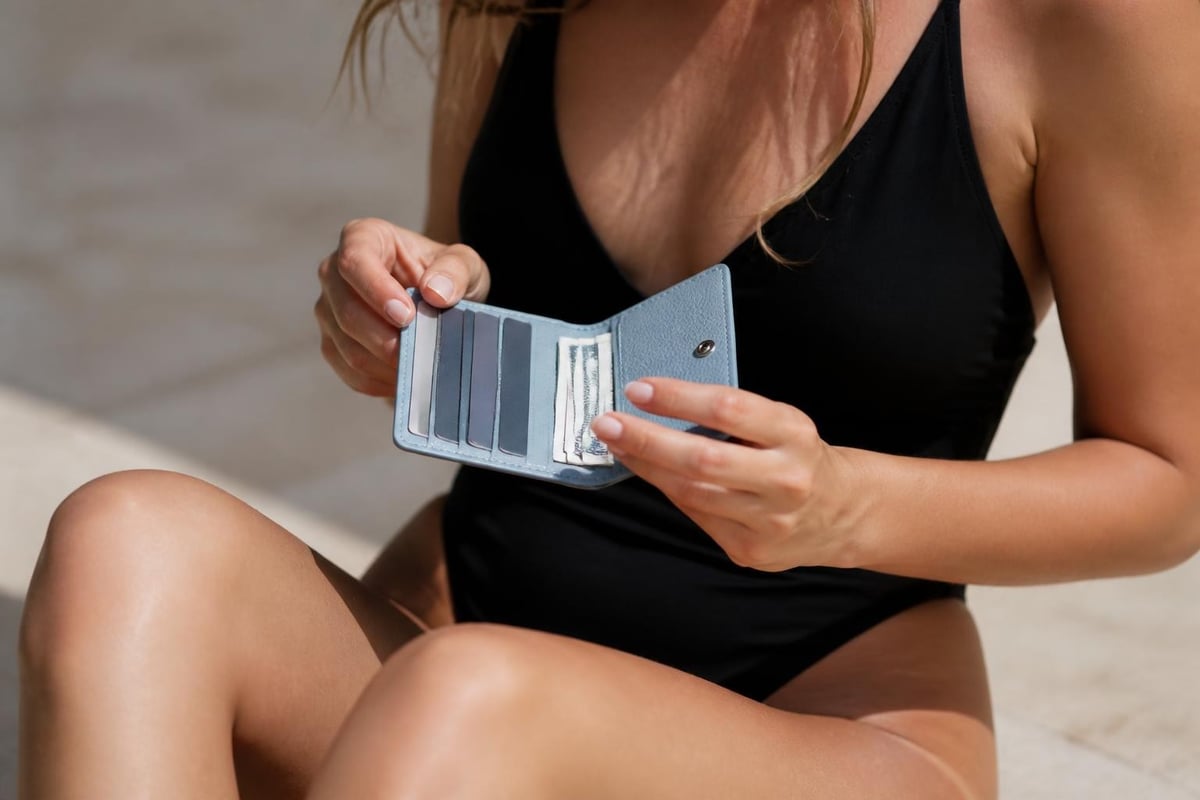
Small wallet in everyday life – practical scenarios
Minimalism shows itself in real life. Here are a few situations where a small wallet shines.
At the beach and while traveling
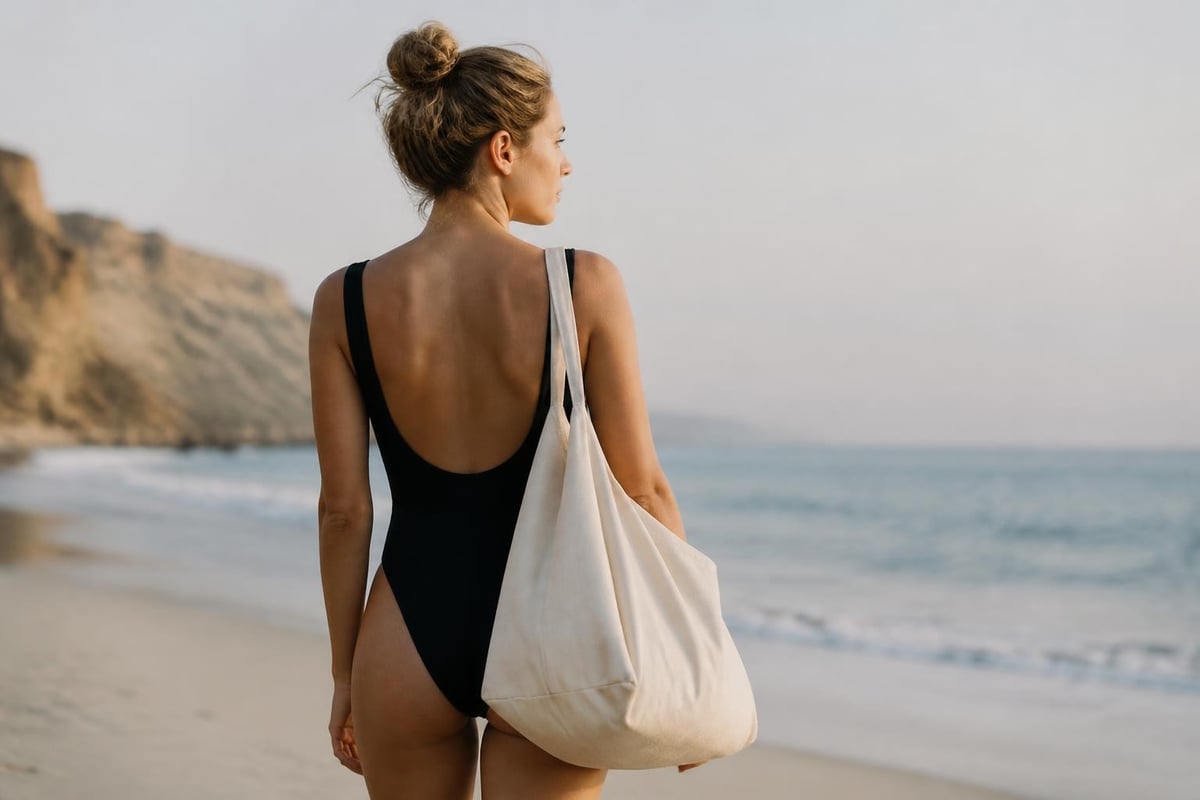
When you're at the beach, you don't need a bulky wallet. A small, flat wallet with banknotes and a debit card is perfectly sufficient. It fits in the pocket of your Shoreline Breeze Poncho or a small beach bag. No burden, no worries about lost cards.
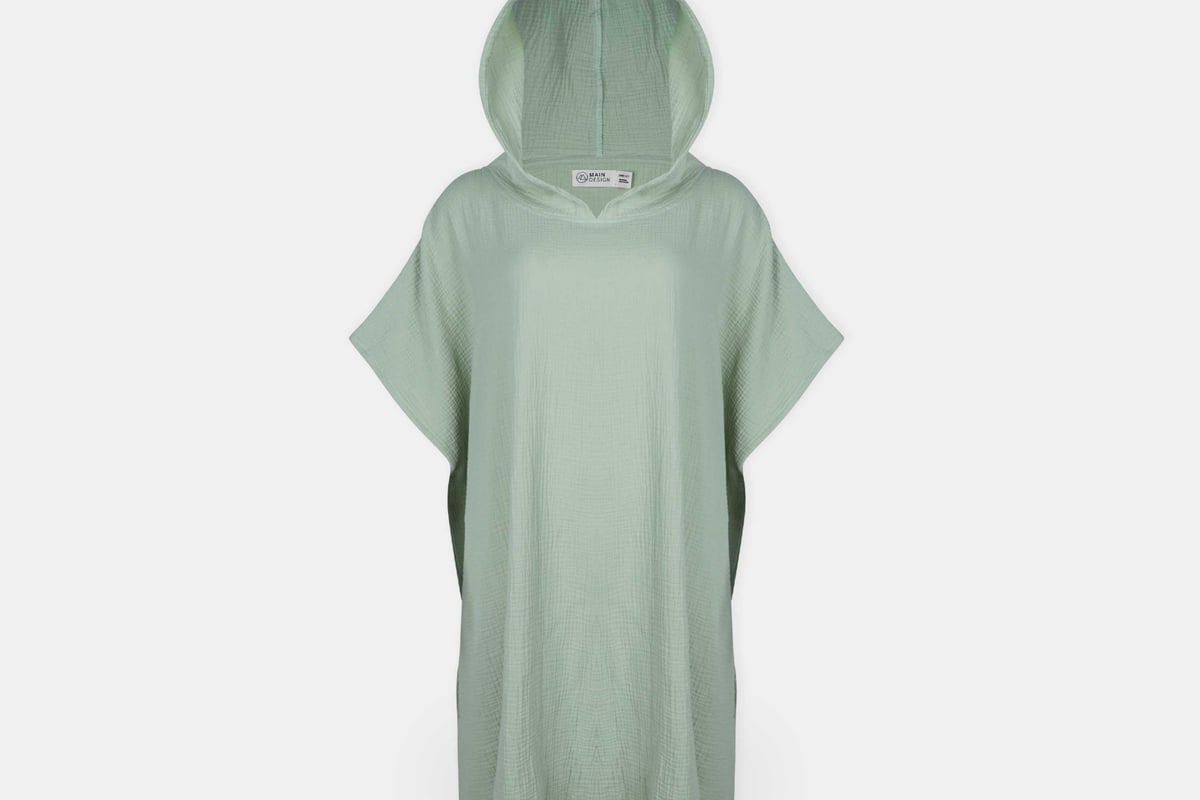
When traveling, less is also more. A small wallet won't be noticed in your pocket, reduces the risk of theft, and can be quickly stowed away. Combined with a small fanny pack or a neck pouch, you'll be perfectly organized.
During sports and outdoors
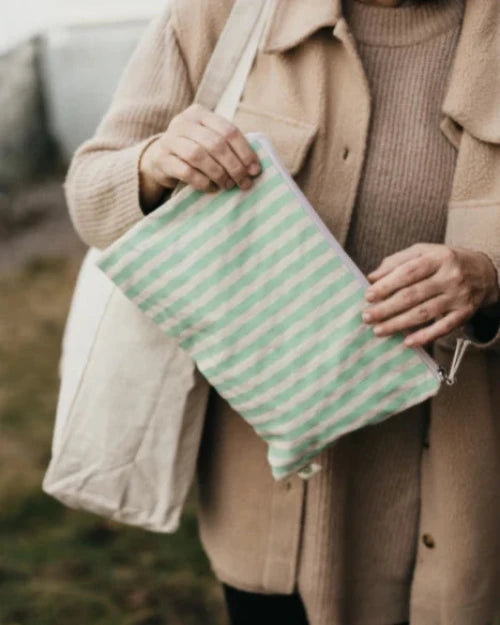
A bulky wallet is annoying when jogging, surfing, or hiking. A small wallet with a key compartment and a card slot is perfect. Waterproof models made from recycled nylon can withstand splashes or rain without any problems.
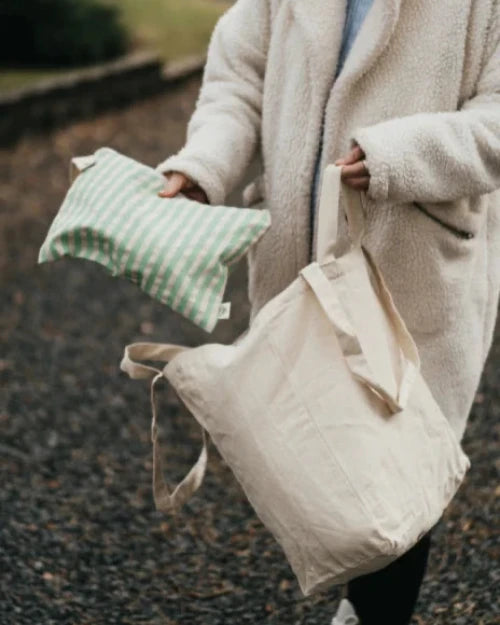
If you want to safely store your valuables while swimming, waterproof dry bags are a good addition. Learn more about sustainable surf and swimwear and how minimalism works even in the water.
In urban everyday life
In the city, speed counts. Whether at the bakery, in a café, or on the tram – a small wallet enables contactless payment and quick access to cards. Most modern wallets have RFID protection, which protects your data from unauthorized scanning.
Care and longevity of a small wallet
Quality shows itself over the years. A well-cared-for small wallet can accompany you for a lifetime.
Leather care: How to keep your wallet beautiful
Leather is a natural material and requires attention. The U.S. National Park Service provides museum-worthy tips for caring for leather items:
- Regular dusting: With a soft, dry cloth
- Leather oil or wax: Apply thinly every few months (never too much)
- Avoid moisture: Do not store leather in damp rooms
- Avoid direct sunlight: It bleaches the material
The Museum Conservation Guidelines also recommend cool, dry storage. For a small wallet, this means: Don't put it on the heater or in the car at 30 degrees.
Caring for recycled materials
Nylon and recycled fabrics are easier to care for. A damp cloth is usually sufficient. For stubborn stains, mild soap helps. Washing machine is taboo – zippers and seams suffer from it.
| Care measure | Leather | Recycled Nylon |
|---|---|---|
| Cleaning | Dry cloth, leather care | Damp cloth, mild soap |
| Frequency | Every 2-3 months | As needed |
| Storage | Dry, cool, airy | Dry, UV-protected |
| Repair | Cobbler, leather glue | Sewing, patching |
Small wallet and circular economy
Sustainability doesn't end with the purchase. A small wallet should be reusable or compostable at the end of its life.
Repair instead of throwing away
Many high-quality manufacturers offer repair services. A torn compartment or a broken zipper are no reason to discard the entire wallet. Local cobblers or seamstresses can often help too.
The EU study on the textile circular economy shows: repair and reuse have the best eco-balance. This approach is also worthwhile for small leather accessories.
Recycling and upcycling
When your small wallet is truly at the end of its life, you can often have it recycled. Leather can be processed into insulation materials or new products. Nylon wallets can be returned to recycling programs.
Some brands take back old products and give you a discount on a new model. This is the circular economy in action.
Trends 2026: What's coming for small wallets?
The market for small wallets is constantly evolving. Here are the most exciting trends.
Smart wallets
Some manufacturers integrate GPS trackers into small wallets. You can locate them via app if they get lost. A practical solution for people who travel a lot or often misplace things.
Modular systems
Wallets that you can expand: A basic module for cards, a clip-on coin pocket, a detachable key chain. You assemble your small wallet according to your needs. Flexible, individual, sustainable.
Bioplastics and innovative materials
Mushroom leather, pineapple fiber, apple leather – material innovation is in full swing. These plant-based alternatives are vegan, biodegradable, and often made from waste products. They are still more expensive, but the trend is clearly in this direction.
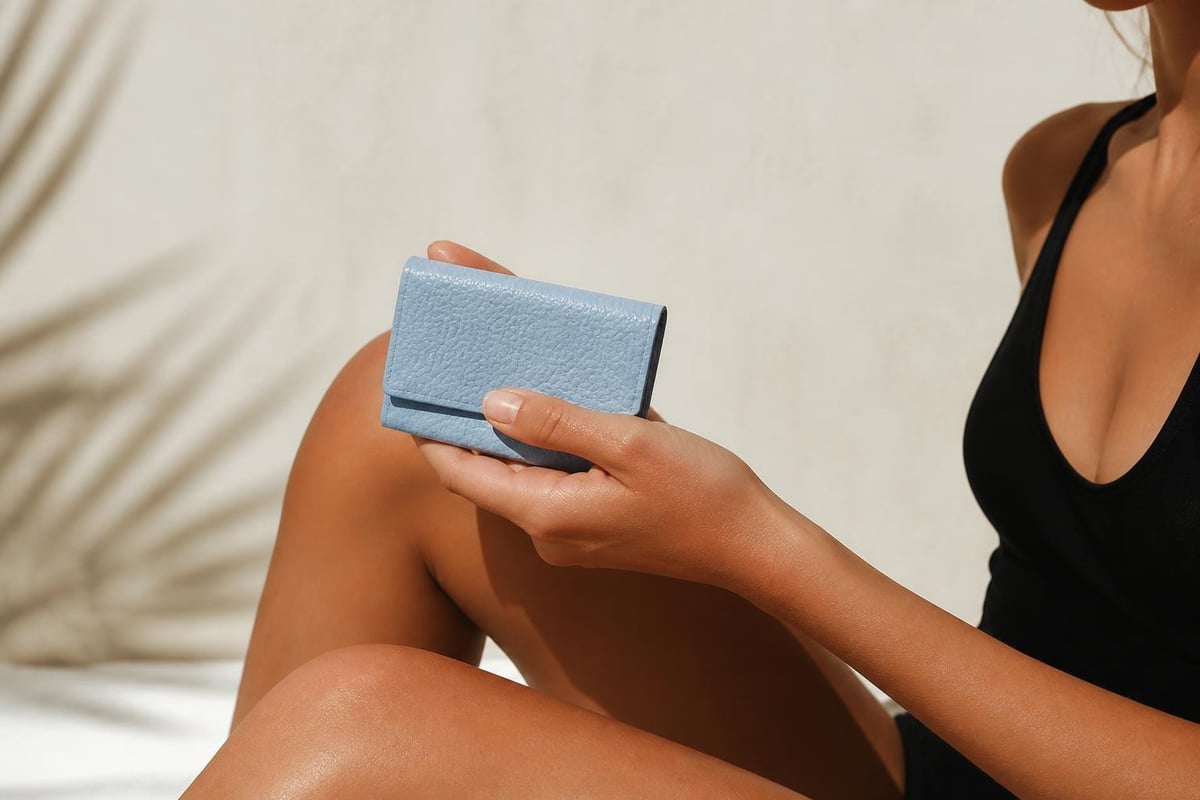
How to find the perfect small wallet
The right wallet is individual. Here are a few questions to help you choose.
Checklist for buying
- How many cards do you carry daily? (2-4 slots are usually enough)
- Do you need a coin pocket? (Contactless payment makes coins less common)
- Which material suits you? (Leather, cork, recycled nylon)
- Where do you carry the wallet? (Trouser pocket, handbag, backpack)
- How important is sustainability? (Certifications, origin, circular economy)
A good orientation is provided by the practical guide to wallet materials, which explains different types of leather and their properties.
Size and format
A small wallet typically measures between 7 and 11 cm in width and 9 to 11 cm in height. The most common formats are bifold (folded once) or cardholder (flat, no folding).
Cardholders are the most minimalist option – perfect if you only carry three to four cards. Bifolds offer more space for bills and a small coin pocket.
Sustainability in detail: What you should know
Sustainability in a small wallet means more than just material. It's about the entire supply chain.
Origin and transparency
Where does the leather come from? How was it tanned? Under what conditions was it sewn? These questions may sound like a lot of effort, but more and more brands are disclosing their production. The Leather Working Group offers detailed reports that show what responsible leather processing looks like.
Social standards
Fair wages, safe working conditions, no child labor – this should be a given. Look for seals such as Fair Trade, SA8000, or B-Corp certification.
MAIN Design also lives by these values: Every purchase supports the cleaning of oceans from ghost nets through the partnership with Healthy Seas.
Living with less – the philosophy behind it
A small wallet is part of a larger picture. Minimalism, zero waste, conscious consumption – these movements are growing because people feel: Less makes you freer.
Digitalization supports minimalism
With digital payment methods, apps for customer cards, and e-tickets, you physically need less and less. A small wallet fits perfectly into this development. You only carry the essentials – and that feels good.
Quality over quantity
Instead of three cheap wallets in five years, you buy one high-quality small wallet that will accompany you for ten years. This saves money, resources, and nerves. As with sustainable children's fashion: Invest in longevity, not in trends.
Small wallet as a gift
A thoughtful, beautiful small wallet is a gift that lasts. Whether for a birthday, graduation, or just because – small wallets suit almost every occasion.
Personalization
Many manufacturers offer engravings or embossments. A name, a date, a saying – that makes the small wallet personal. For more gift ideas, you can also get inspired by our gift guide.
Sustainable packaging
Pay attention to sustainability even when packaging. Fabric bags, recycled paper, or a reusable box are nicer and more environmentally friendly than plastic film.
A small wallet is more than an accessory – it is an expression of an attitude that combines freedom, clarity, and responsibility. Just like with MAIN Design, it's about conscious decisions that look good, feel good, and do good. Discover sustainable essentials for your everyday life, from the beach to the city – minimalist, high-quality, and with a heart for the ocean.