

A white swimsuit is not a compromise. It's a decision. For clarity, for lightness, for the feeling of being just right. In a time when trends are constantly changing, white remains what it always has been: timeless, honest, bold. Those who wear white know what they want. And those who choose a white swimsuit consciously opt for style that knows no season.
Why a white swimsuit will be the top choice in 2026
White is back. Not as a trend, but as an attitude. The color stands for reduction, for the essential. It distracts from nothing, it highlights. In a world full of visual stimuli, a white swimsuit acts like a deep breath. It suits every skin tone, every beach, every mood.

The psychology behind the color white
White reflects light. That's physics. But white also reflects attention, self-confidence, freedom. Studies show that light colors are associated with openness and authenticity. A white swimsuit appears uncomplicated, but never arbitrary.
Wearing white means:
- Coolness on hot days (less heat absorption than dark tones)
- Visual freshness and lightness
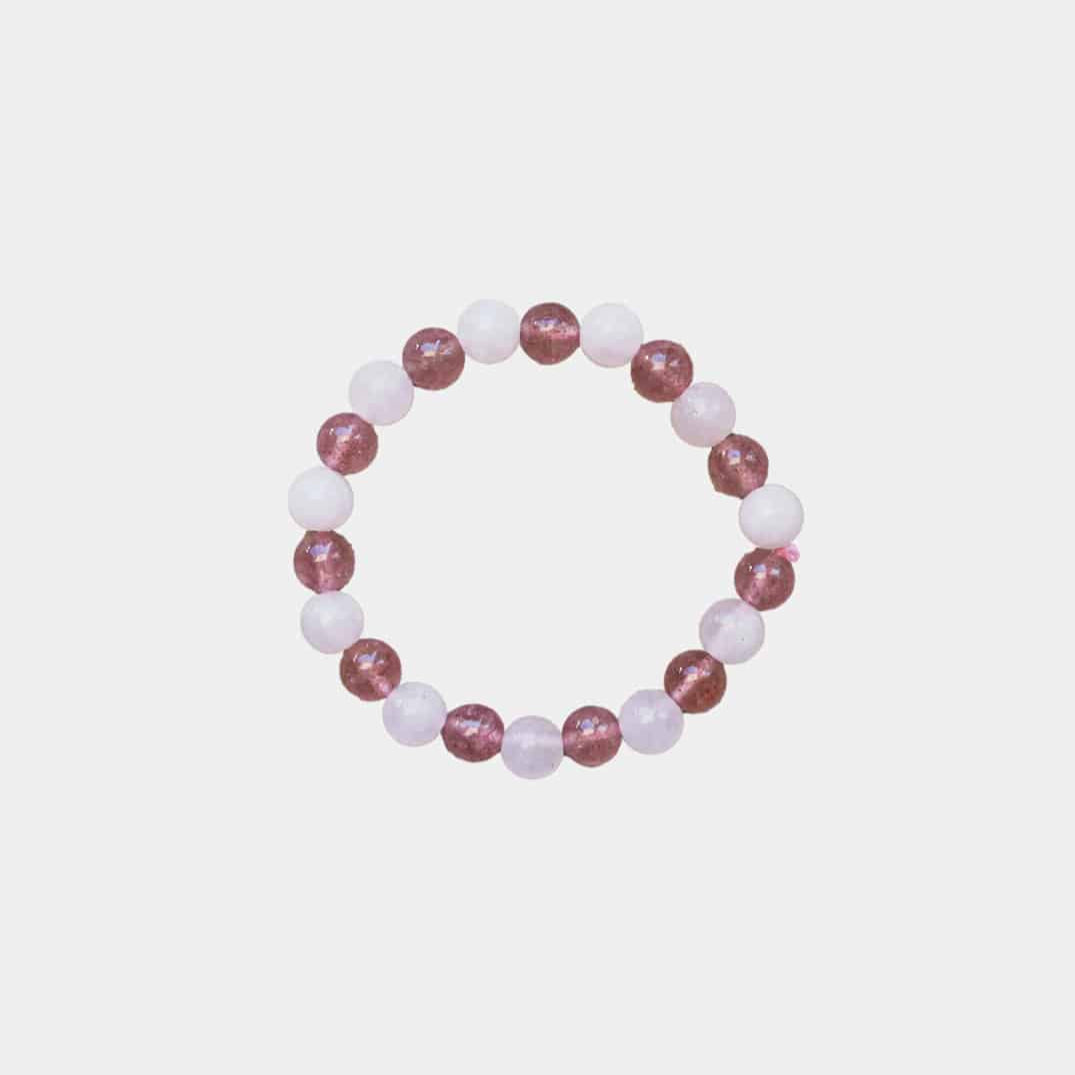
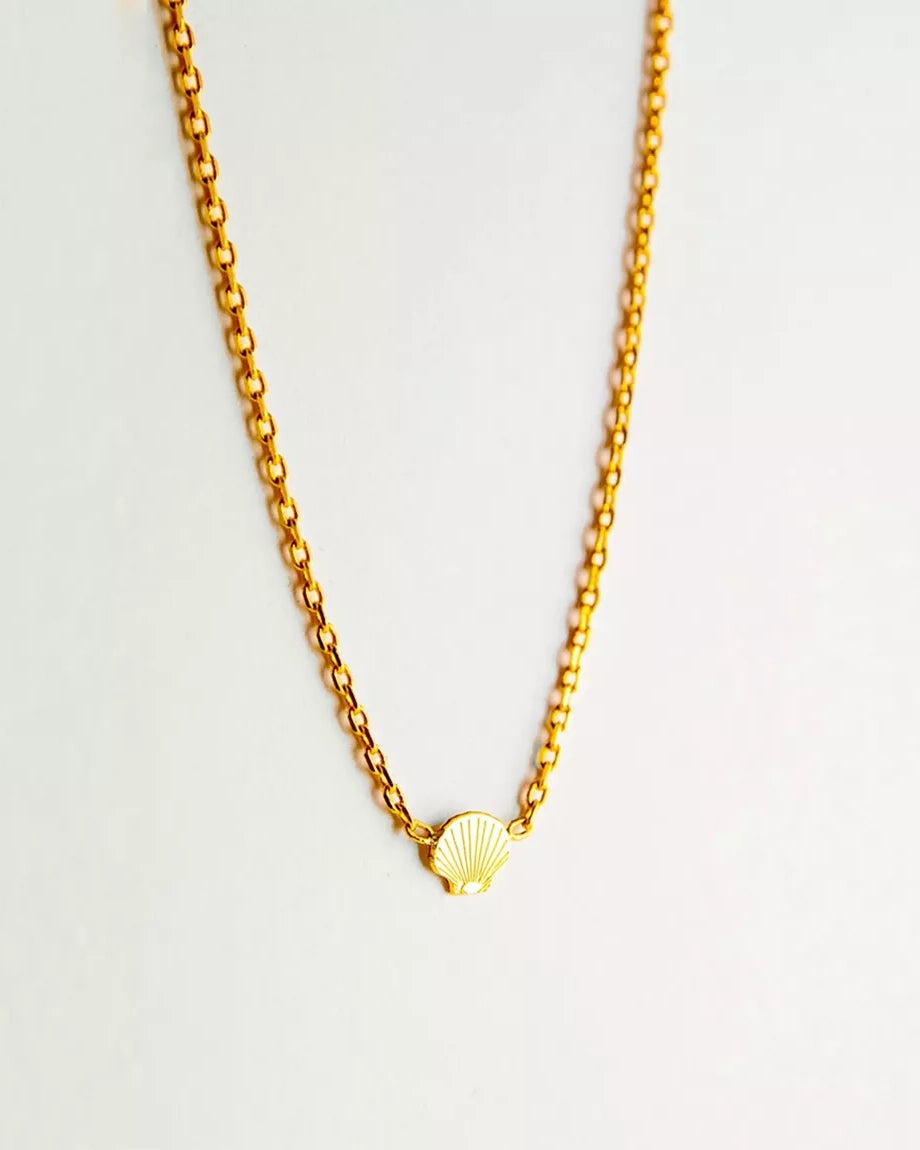
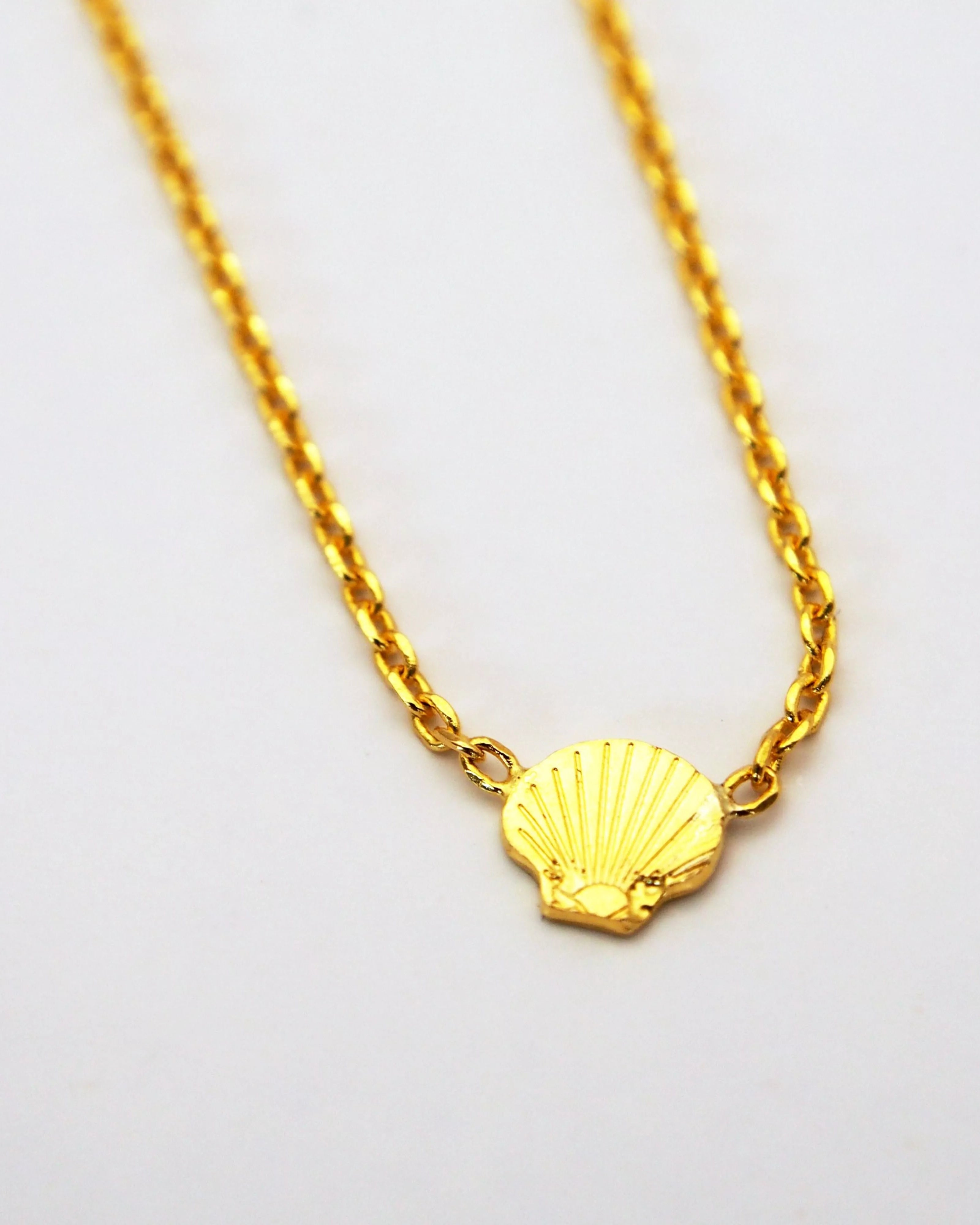
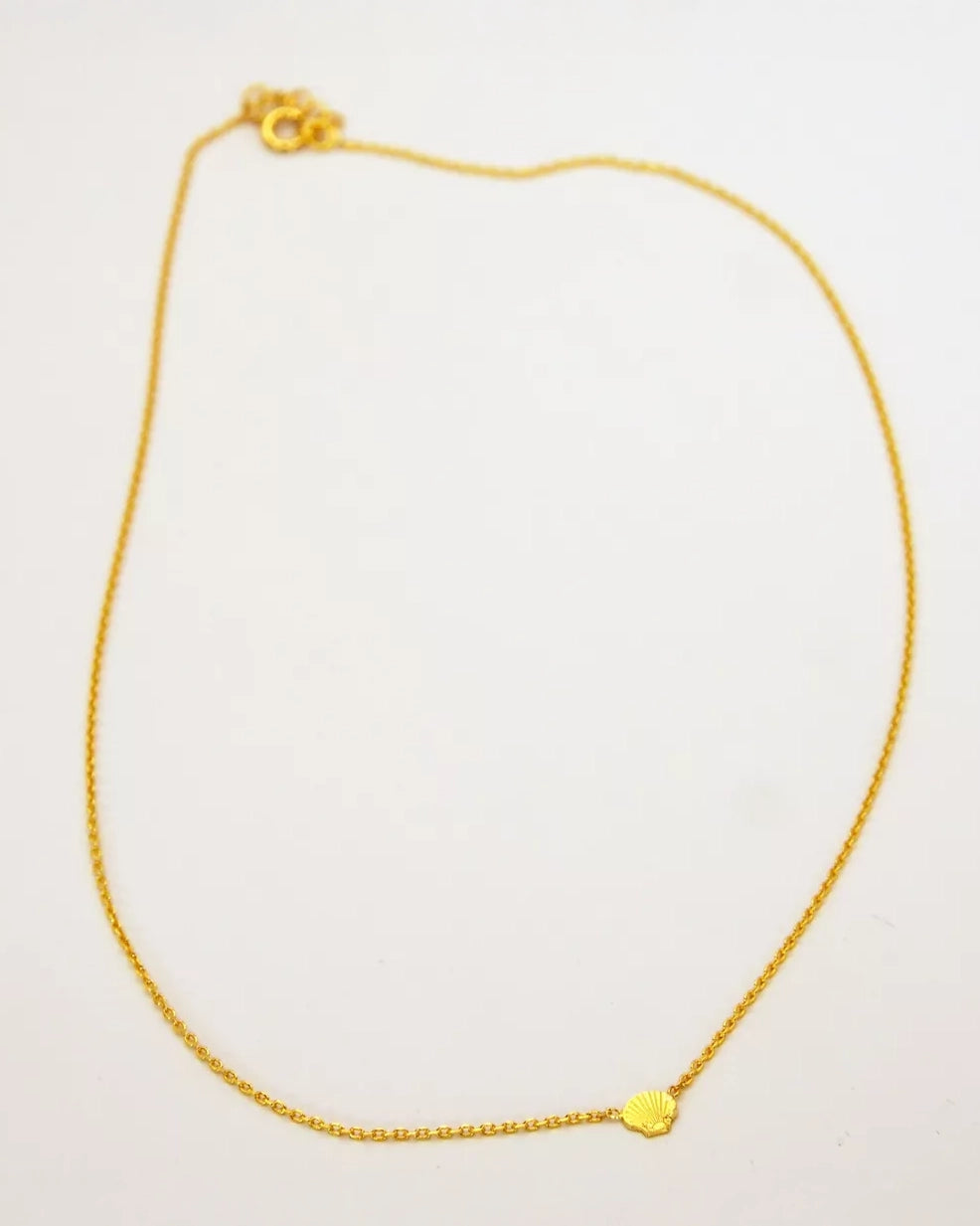
- Versatile combinability with accessories, cover-ups, and jewelry
- A statement without words
Those who choose white say: I don't need distractions. I am enough.
Material and Transparency: What really matters
The biggest concern with a white swimsuit? That it becomes transparent. Legitimate. But solvable. Not all white is the same. The choice of material, the density of the fabric, and the quality of craftsmanship make all the difference.
What you should look for:
| Criterion | Why it's important | Ideal value |
|---|---|---|
| Fabric weight | Higher weight = less transparency | At least 200 g/m² |
| Lining | Double-layered prevents transparency | Fully lined |
| Fiber composition | Recycled polyester dries quickly, retains shape | Min. 80% polyester |
| Stretch content | Elastane ensures fit without stretching out | 10-20% elastane |
A well-constructed white swimsuit made from recycled polyester offers not only opacity but also durability. Research on swimwear materials confirms: High-quality recycled fibers are in no way inferior to conventional ones in terms of colorfastness and abrasion resistance.
Many manufacturers now rely on double-layered constructions and reinforced seams. Glamour has compiled practical tips on how to ensure that the swimsuit remains opaque even when wet.
Care and Preservation: How to keep your white swimsuit white
A white swimsuit is not a disposable product. With proper care, it stays fresh season after season. The most important thing: white forgives nothing. Sunscreen, chlorine, salt water, sweat - everything leaves marks. But everything can also be managed.
The most common enemies of white
- Sunscreen: Avobenzone and oxybenzone react with fabric and leave yellow stains
- Chlorine: Bleaches fibers, but can paradoxically also cause yellowing
- Self-tanner: Dyes penetrate deep into the fabric
- Minerals in water: Iron and copper oxidize and discolor
- Body oils and sweat: Accumulate and create a gray film
Immediate measures after each wear:
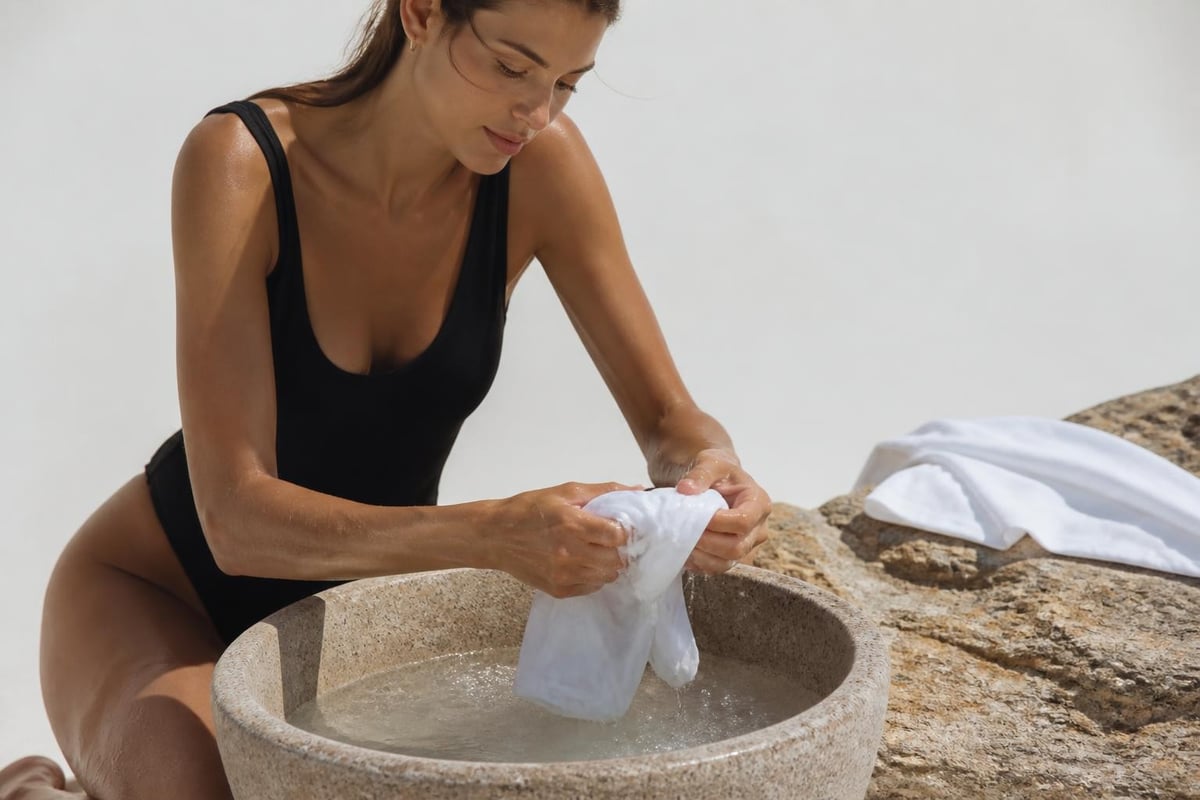
- Cold, clear water (never hot - sets stains)
- Gently squeeze out, never wring
- Dry flat in the shade (direct sun causes yellowing)
- Do not store when damp (risk of mold)
Stiftung Warentest advises rinsing swimwear immediately after wearing and never drying it in direct sunlight. This applies to all swimsuits, but with white, oversights show up faster.
Washing without a gray film
White turns gray over time. That's physics, but not fate. The right washing routine keeps your white swimsuit bright.
Step-by-step guide:
- Pre-treatment: Immediately rub stains with pH-neutral soap (no bar soap - too alkaline)
- Soak: 15-30 minutes in lukewarm water with special delicate detergent
- Hand wash: Gently knead, never rub or scrub
- Rinse: Several times with cold water until no soap residue is visible
- Dry: Squeeze between two towels, then lay flat in the shade
For stubborn gray film, consult Stiftung Warentest's advice: Oxygen bleach based on sodium percarbonate can refresh white without damaging the fibers. Important: Never use chlorine bleach - it destroys elastane.
Removing stains: The emergency kit
| Type of stain | Remedy | Method |
|---|---|---|
| Sunscreen | Gallic soap or dish soap | Let soak, rinse with cold water |
| Self-tanner | Diluted lemon juice | Dab, let soak, rinse |
| Grass/chlorophyll | Alcohol (70%) | Gently blot from outside in |
| Rust/minerals | Citric acid solution | Soak 30 min., rinse thoroughly |
Good Housekeeping has extensively tested which methods really work for sunscreen stains. Conclusion: The sooner you act, the better.
Styling and Combinations: More than just the beach
A white swimsuit is more versatile than you think. It's a canvas, not a painting. It's waiting for you to stage it - by the water, in the city, in everyday life.
From the pool to everyday life
White swimsuits work as bodysuits. Combined with high-waisted jeans, a casual linen shirt, or wide shorts, they create looks that don't need to change between the beach bar and a city cafe.
Must-have combinations:
- Minimalist: Swimsuit + wide linen trousers + leather sandals
- Layered: Swimsuit + open shirt + shorts + straw hat
- Evening: Swimsuit + midi skirt + statement jewelry
Vogue's swimsuit styling overview shows how versatile one-piece swimsuits can be used in an urban context. White works particularly well because it's neutral enough for everything.
Accessories that make white shine
White needs contrast. Or conscious tone-on-tone harmony. Both work, both tell a story.
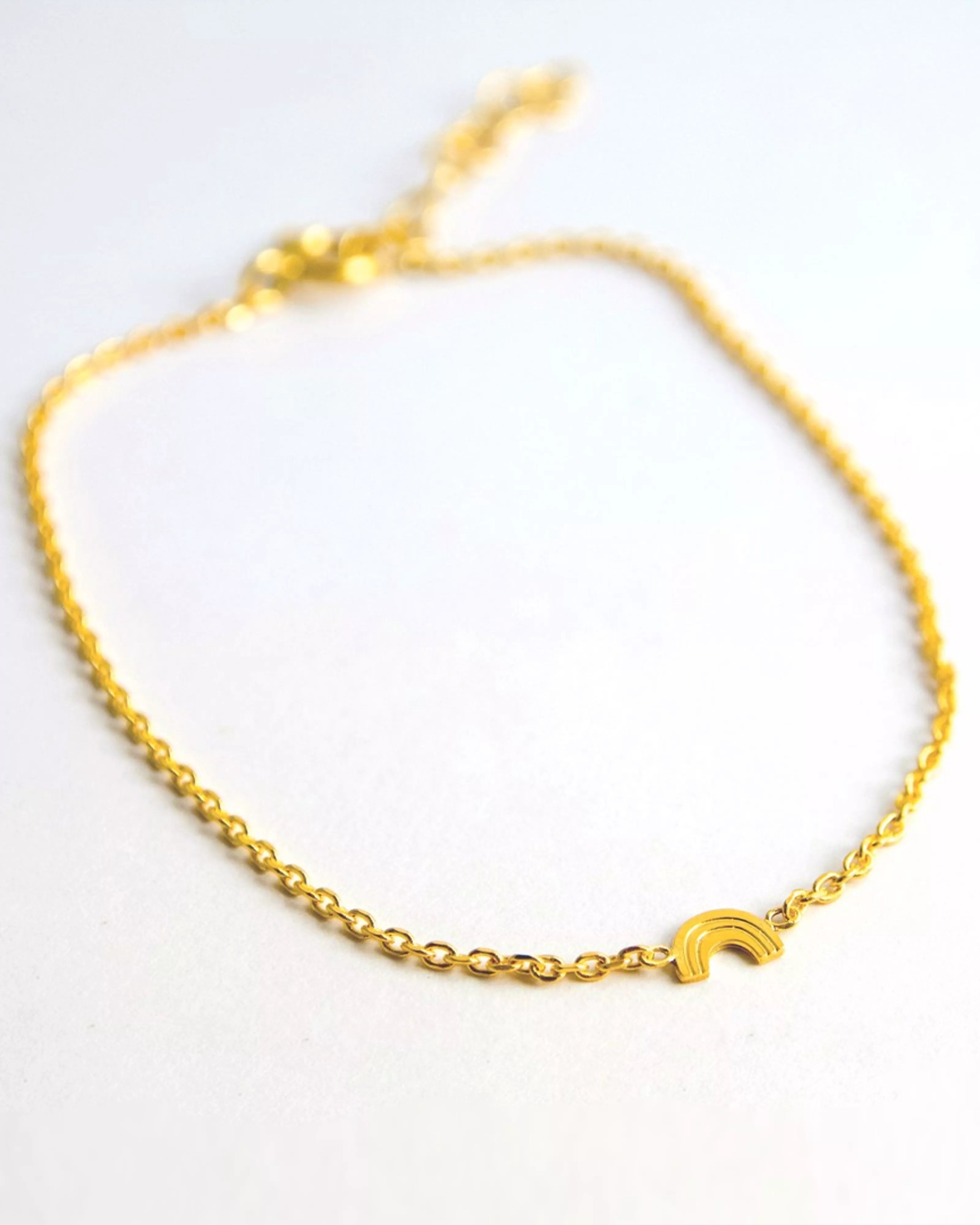
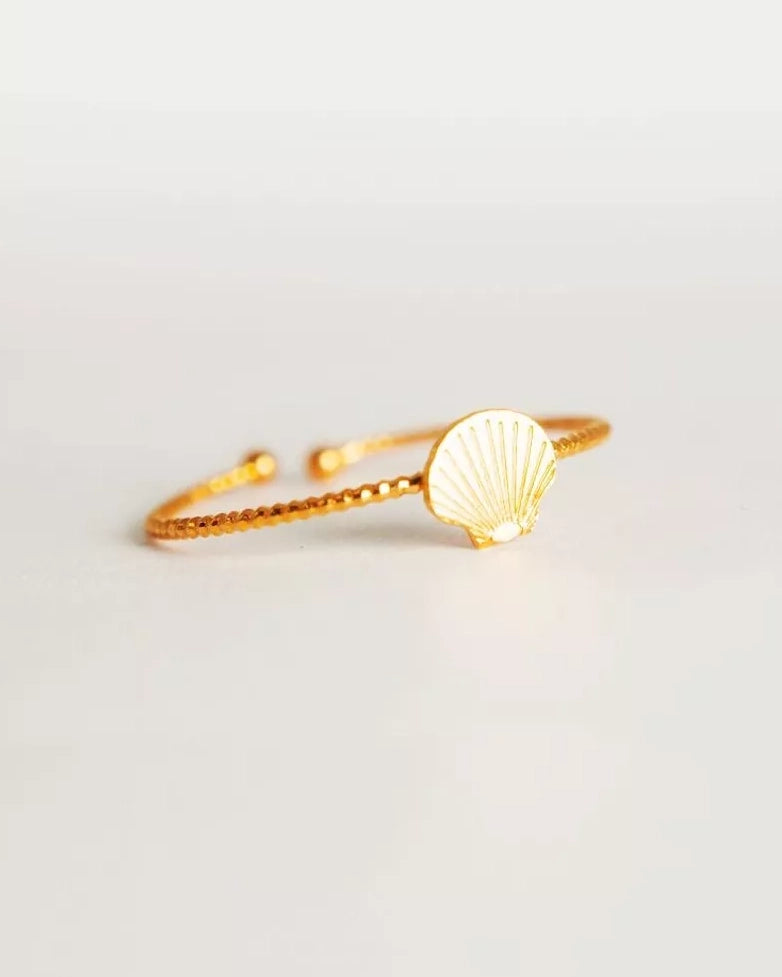
- Gold: Warm, summery, timeless (necklaces, bracelets, earrings)
- Natural materials: Rattan, wood, linen (bags, hats, sandals)
- Earth tones: Terracotta, sand, olive green (scarves, kimonos, ponchos)
- Statement colors: Turquoise, coral, deep blue (used specifically as an accent)
An airy kimono in a natural tone over a white swimsuit creates lightness without overload. For those who prefer a more playful look, colorful scarves or striking sunglasses can be added.

For families who value thoughtful looks, there's the option of coordinating swimwear colors. A white swimsuit for the mother, combined with color-coordinated children's fashion, creates harmonious beach moments without looking costume-like.
Sustainability: White with a clear conscience
White is not automatically sustainable. But it can be. The question is: What is your white swimsuit made of, and who made it under what conditions?
Recycled materials: The new standard
By 2026, recycled polyester will no longer be a niche product. It will be the norm - at least for brands that are seriously committed to sustainability. High-quality fibers that are barely distinguishable from new ones are created from PET bottles, fishing nets, and industrial waste.
Advantages of recycled fibers:
- Up to 60% less CO₂ emissions than virgin polyester
- Reduction of plastic waste in oceans and landfills
- Comparable or better performance (elasticity, chlorine resistance)
- Circularity with appropriate take-back infrastructure
Current research on sustainable textiles shows that the transition to recycled materials is technically mature. The challenge lies in scaling and in Design for Circularity - that is, designing products so that they can be returned to the cycle at the end of their life.
Life cycle analyses confirm that recycled swimwear fibers are significantly more environmentally friendly than conventional ones over their entire lifespan. Especially if they are worn for a long time and properly cared for.
Certifications and transparency
Not all "recycled" is the same. Look for:
- GRS (Global Recycled Standard): Verifies recycled content and social standards
- OEKO-TEX Standard 100: Tested for harmful substances, skin-friendly
- bluesign®: Environmentally friendly production throughout the entire supply chain
- Fair Wear Foundation: Fair working conditions in production
A white swimsuit made from certified materials may cost more. But it's an investment - in quality, in the environment, in people.
The impact of your choice
Every purchase is a vote. For or against fast fashion. For or against transparency. For or against responsibility. Those who choose sustainable swimwear not only support better production conditions but often also direct environmental projects.
Some brands donate a portion of their proceeds to organizations like Healthy Seas, which recover ghost nets from the oceans. These nets are then - in a circular process - processed into new fibers. Waste becomes swimwear. Problem becomes solution.
If you value such initiatives, it's worth looking into the background. Learn more about deadstock and responsible material choices here.
Sun protection and white swimwear: What you need to know
White reflects light. That's good for the eye, but not automatically good for the skin. A common misconception: Light fabrics protect better against UV radiation. The opposite is true.
UPF values: The truth about UV protection
UPF (Ultraviolet Protection Factor) indicates how much UV radiation a fabric lets through. The higher the value, the better the protection. Problem: White, loosely woven fabrics often have low UPF values.
| Fabric color | Typical UPF without treatment | Protective effect |
|---|---|---|
| Black, dark blue | 30-50+ | Very good |
| Medium colors | 15-30 | Good |
| White, pastel tones | 5-15 | Moderate |
Cancer Research UK explains that tightly woven, dark fabrics absorb more UV radiation. Light fabrics reflect visible light but let more UV through.
Solution: When choosing a white swimsuit, look for:
- Dense fabric (at least 200 g/m²)
- Special UV protection treatment (chemical or dense weave)
- UPF certification (at least UPF 30, preferably 50+)
- Additional sun protection with cream, hat, shade
A white swimsuit with UPF 50+ is achievable - through technology, not color. Many high-quality models easily meet this standard today.
Sunscreen and white fabrics: A complicated relationship
White swimsuits and sunscreen don't get along well. The ingredients avobenzone and oxybenzone oxidize when they come into contact with fabric and light - the result: yellow stains that are almost impossible to remove.
Prevention tips:
- Allow sunscreen to absorb completely (at least 15 minutes)
- Prefer mineral sunscreens (zinc oxide, titanium dioxide)
- Apply cream precisely (not broadly over swimsuit areas)
- Rinse immediately after wearing
If you spend a lot of time outdoors, ideally combine: mineral sunscreen on the skin, UV-protected white swimsuit as a first barrier, and additional light cover-ups or hats for extra protection.
White for children: Practical or problematic?
Children and white - that sounds like chaos. And sometimes it is. But it can work. The question is: Is it worth it?
The advantages of white children's swimwear
- Heat reflection: Children overheat faster - white keeps them cooler
- Visibility: At the beach, in the pool, in a crowd, white stands out
- Combinability: Goes with everything, grows with every style
- Timelessness: No rapidly outdated patterns or motifs
Especially for babies and toddlers who spend a lot of time by and in the water, a well-constructed white swimsuit with UV protection is a sensible choice. It protects, is comfortable to wear, and looks uncomplicated.
For the youngest ones, a long-sleeved swimsuit with a continuous zipper is suitable, which makes diaper changes easier and at the same time offers optimal sun protection. The Kai Baby Swimsuit combines exactly these features with sustainable material and UPF 50+, so that even the youngest are stylish and protected.
The challenges
Children are active. They dig, climb, eat ice cream, play in the sand. A white swimsuit shows everything. But:
- High-quality materials are tougher than you think
- Quick rinsing after wearing prevents most stains
- A second swimsuit in your bag provides flexibility
- Stains are not the end of the world - they tell stories
Parents who prioritize sustainability often consciously choose light colors because they can be dyed without aggressive chemicals. And because they know: a well-maintained swimsuit survives several summers - and perhaps several children.
The right cut: Which white swimsuit suits you?
Form follows function. And feeling. A white swimsuit can do a lot - if the cut is right.
Classic cuts and their effect
Athletic Cut:
- Wide straps, sporty neckline
- For: Activity, support, long days in the water
- Effect: Dynamic, confident, uncomplicated
Deep V / Plunge:
- Deep V-neck, often with underwire or reinforcement
- For: Visual lengthening, elegant occasions, pool lounging
- Effect: Feminine, confident, glamorous
High Neck / Halter:
- High neckline, often with a neckband
- For: Sun safety, athletic silhouette, surfing
- Effect: Modern, sporty, protected
Cut-Outs / Strappy Back:
- Cut-outs on sides, back, or stomach
- For: Statement, unexpected tan lines, fashion
- Effect: Playful, daring, trend-conscious
Fit Tips for Every Body
There is no "perfect" body for white. There is only the right cut for your body.
- Small Bust: Ruffles, ruching, halternecks create volume
- Large Bust: Wide straps, underbust band, underwire provide support
- Long Torso: High-cut leg visually lengthens
- Short Torso: Deep necklines create length
- Broad Shoulders: V-necks balance proportions
- Narrow Shoulders: Wide or embellished straps create width
The best white swimsuit is the one you move, breathe, and live in as if it weren't there.
The Investment: What Does Quality Really Cost?
A high-quality white swimsuit costs more. No question. But it also costs less - in the long run.
Price Comparison: Fast Fashion vs. Sustainability
| Criterion | Fast Fashion (15-30 EUR) | Sustainable Quality (80-150 EUR) |
|---|---|---|
| Material | Virgin polyester, thin fabric | Recycled polyester, dense fabric |
| Durability | 1-2 seasons | 5+ seasons with good care |
| UV Protection | Rarely certified | Mostly UPF 50+ |
| Transparency | Often problematic | Opaque even when wet |
| Fit after washing | Stretches out | Retains shape |
| Environmental Impact | High | Significantly reduced |
Calculation over 5 years:
- Fast Fashion: 5 swimsuits × 25 EUR = 125 EUR (+ frustration, + waste)
- Quality: 1 swimsuit × 120 EUR = 120 EUR (+ satisfaction, + impact)
The investment pays off. Not just financially.
How to Recognize Quality
Before you buy:
- Fabric: Firm, elastic, not too thin (should feel taut)
- Seams: Flat, clean, no loose threads
- Lining: Fully lined, no gaps or wrinkles
- Straps: Adjustable or fixed, but high-quality workmanship
- Label: Care instructions, material information, certifications visible
A good white swimsuit feels right the first time you try it on. It fits, it holds, it feels like a second skin.
Trends 2026: White Remains, but Different
White is timeless. But it evolves. In 2026, we'll see new interpretations, new cuts, new contexts.
What's Changing
- Texture: Ribbed, textured fabrics instead of smooth surfaces
- Layering: White swimsuits under transparent mesh tops
- Sport-Luxe: Athletic cuts with elegant details (gold hardware, cut-outs)
- Oversized Cover-ups: White swimsuit as base, with voluminous linen shirts over it
- Monochromatic All-Looks: White on white in different textures
What Remains
- Minimalism: Reduction remains the strongest statement
- Quality: Durability trumps quantity
- Sustainability: Conscious consumption is not a trend, but a standard
- Individuality: The best style is the one that suits you
A white swimsuit won't scream in 2026 either. It will whisper - and that's precisely why it will be heard.
A white swimsuit is more than fabric and cut. It's a decision for clarity, quality, and consciousness. If you're looking for swimwear that is stylish, sustainable, and honest, you'll find exactly that at MAIN Design: Swimwear made from recycled materials, crafted with care and responsibility. With every purchase, you support Healthy Seas and contribute to freeing the oceans from ghost nets. Feel good. Do good.