

Did you know that 60 percent of parents are unsure which color of children's swimwear is best for their child? Choosing the right color is more than just a matter of taste and presents many families with new questions every year.
This guide shows you how to make the best decision in 2026. From the hottest color trends and their psychological impact to safety and sustainability – you'll find all the information you need here.
Let yourself be inspired and discover how color can influence not only style, but also the well-being and safety of your child.
Color trends in children's swimwear 2026
The color that will define children's swimwear in 2026 will be determined equally by trend researchers, designers, and societal trends. Parents will be faced with a colorful palette reflecting innovation, sustainability, and individuality. Current forecasts indicate that not only appearance matters, but also environmental awareness and functionality are gaining in importance.
Trendy colors for boys and girls
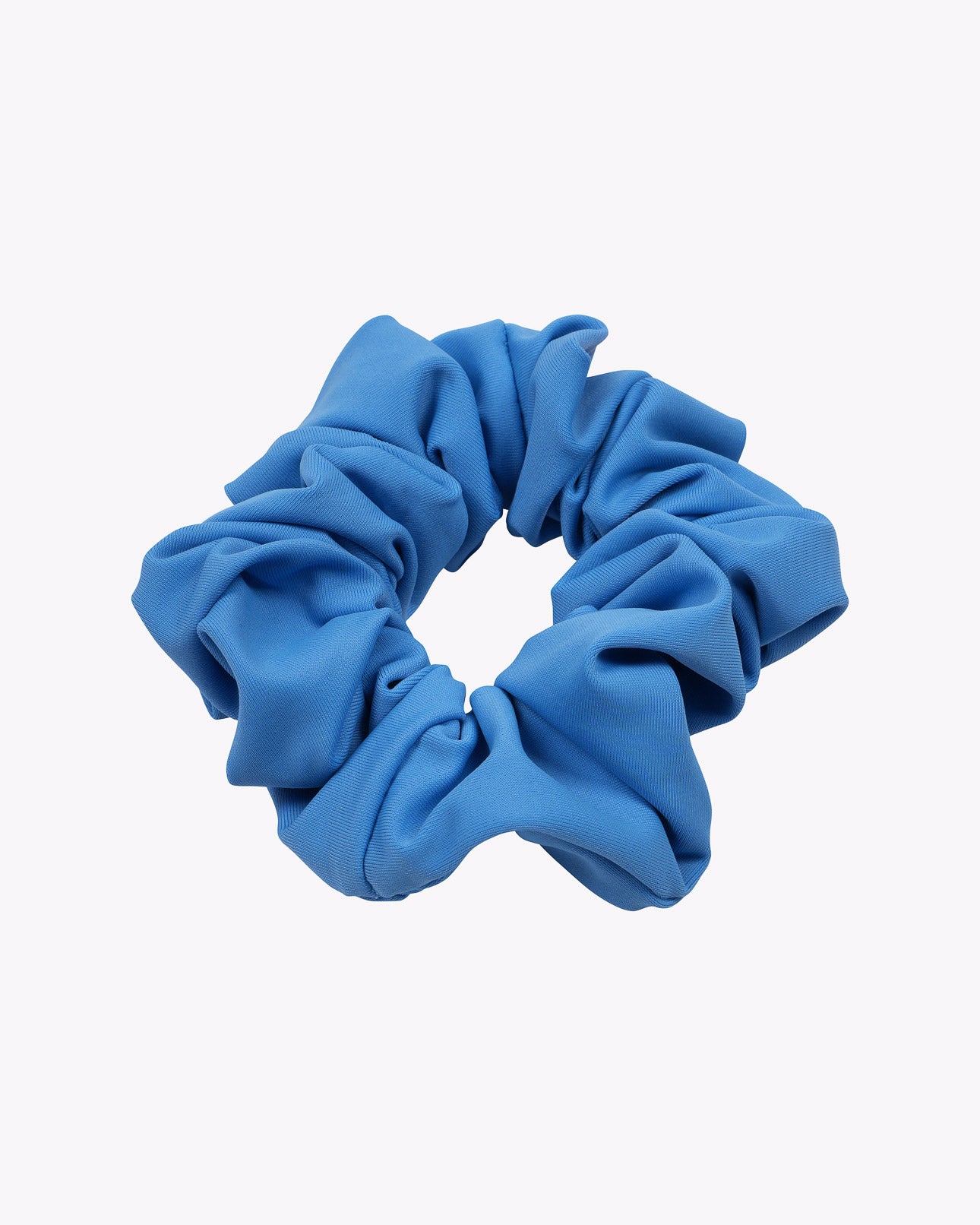
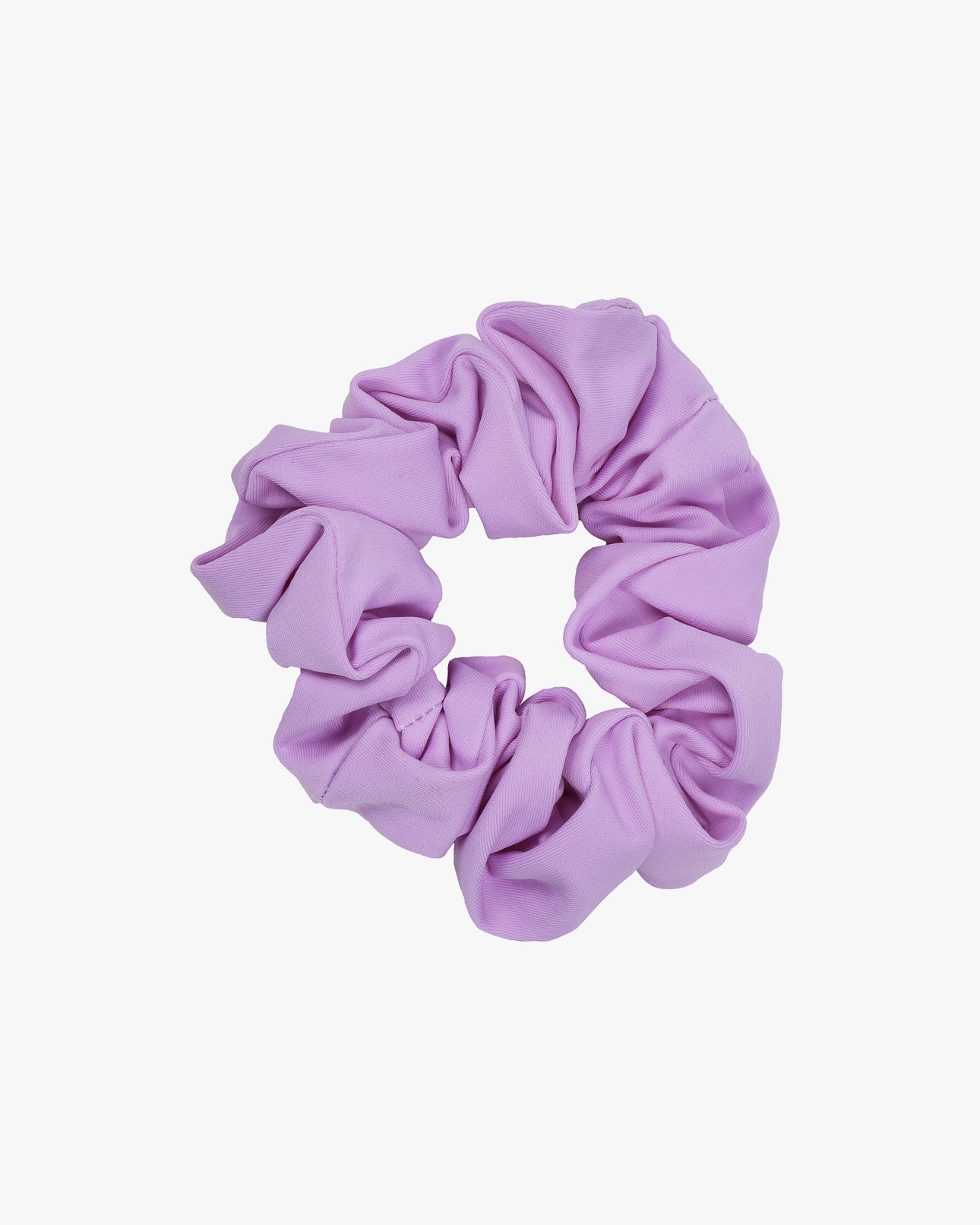
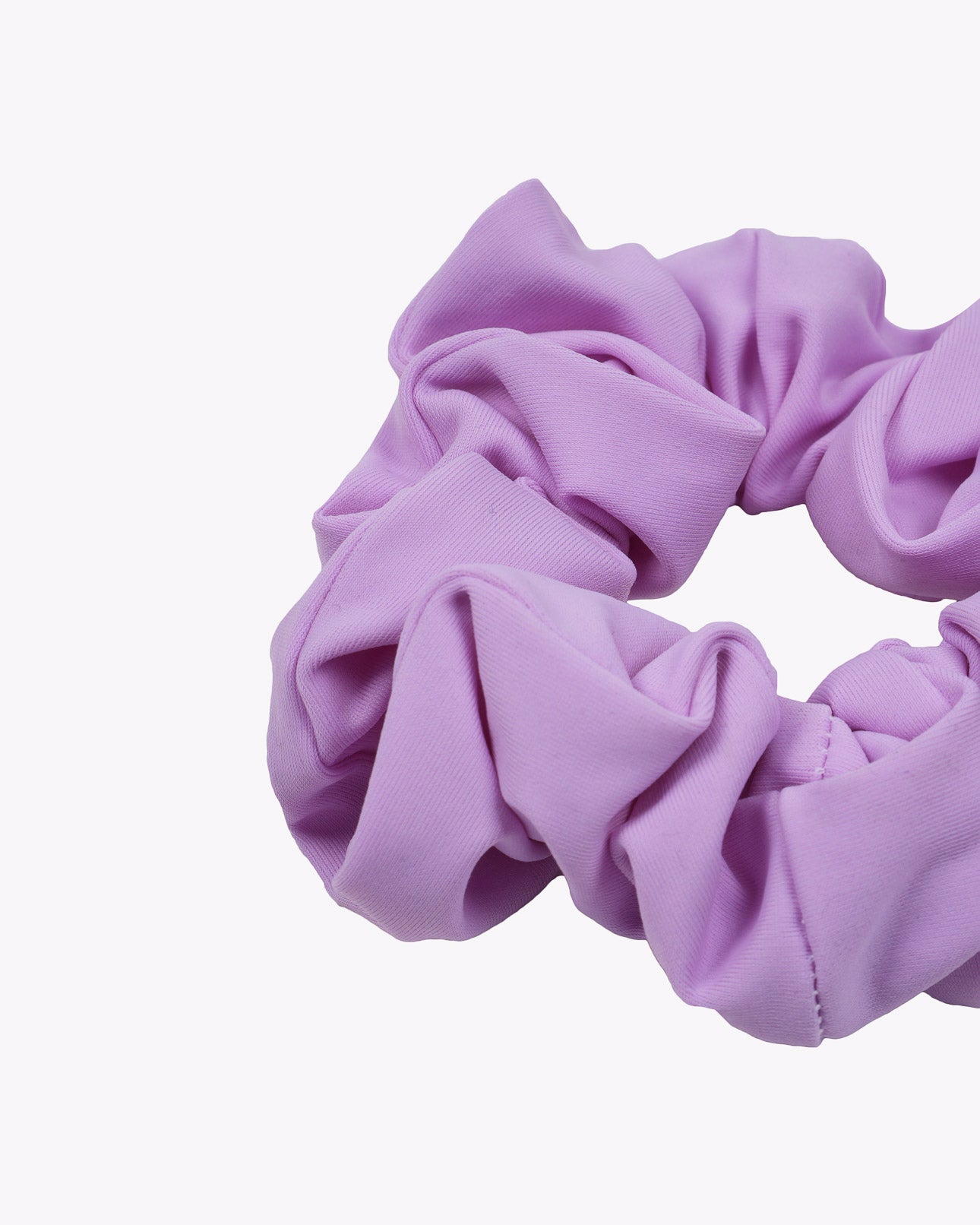
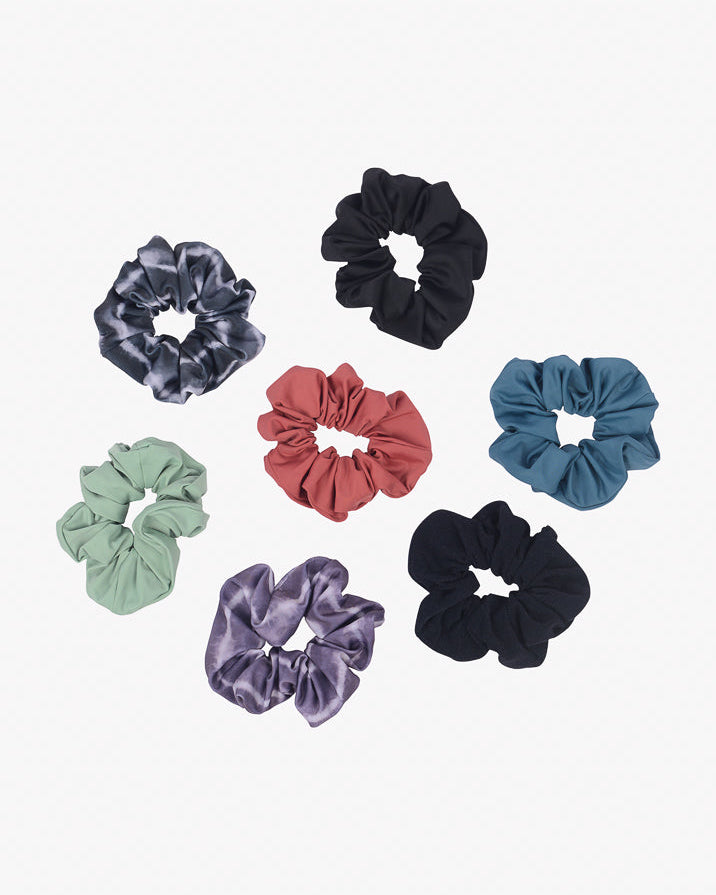
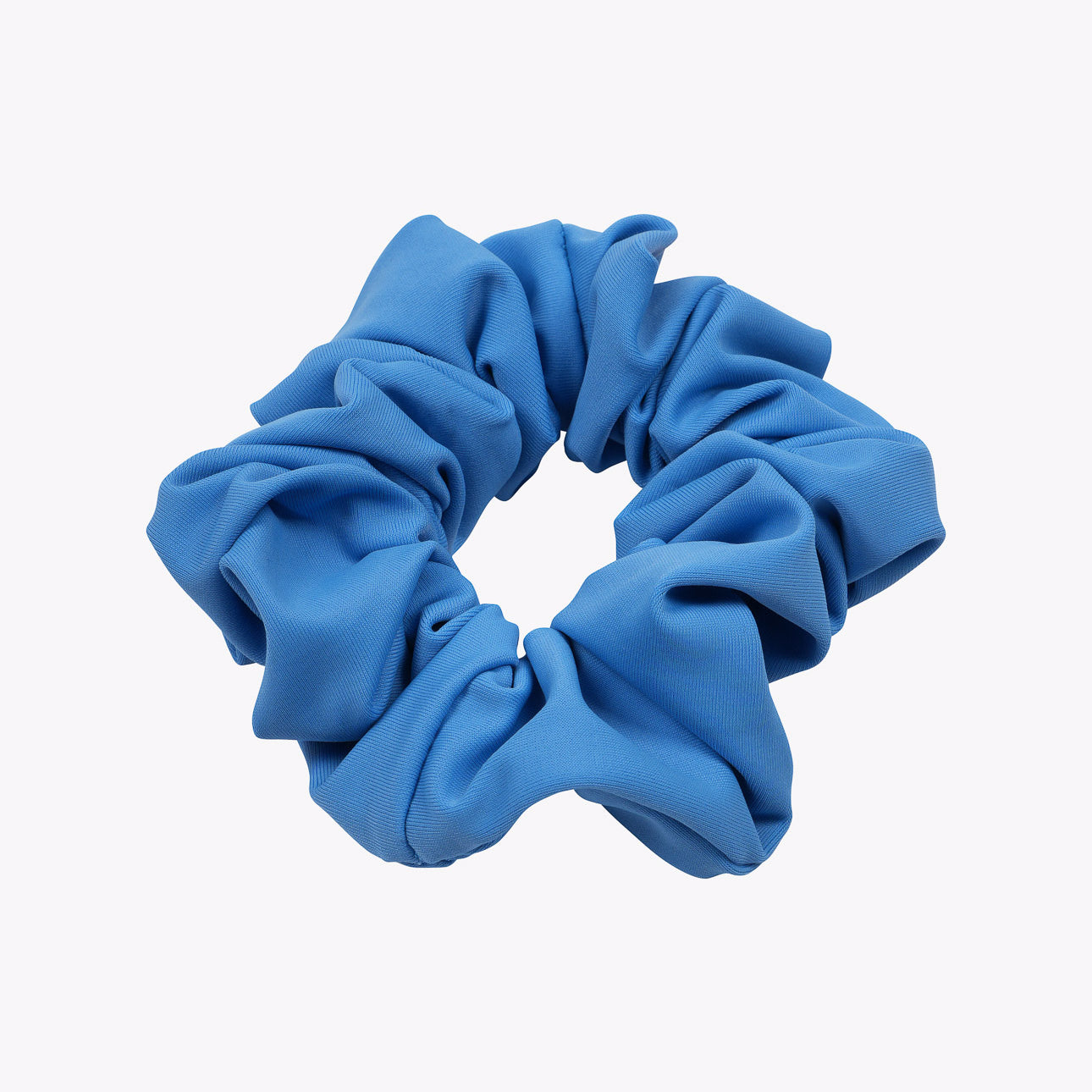
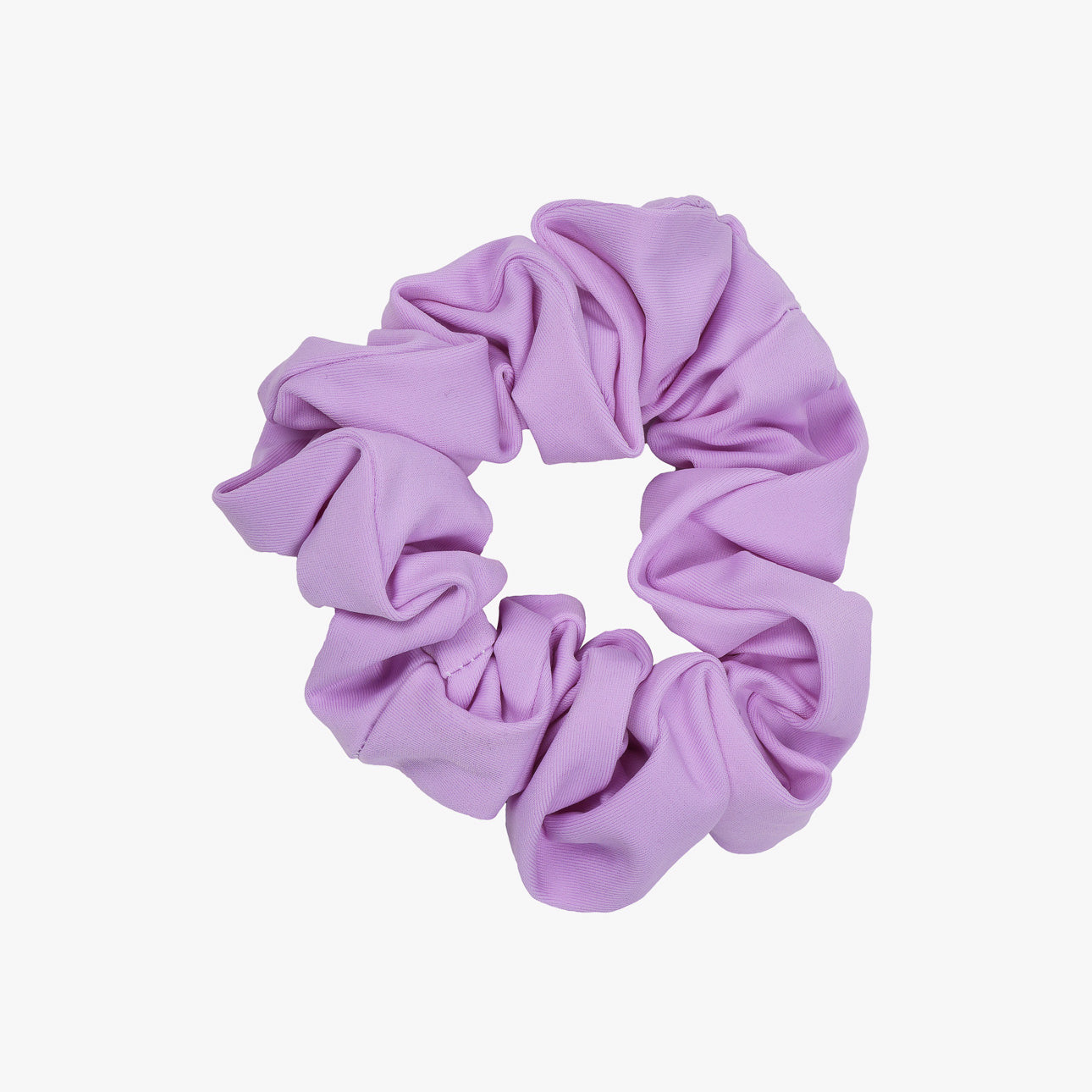
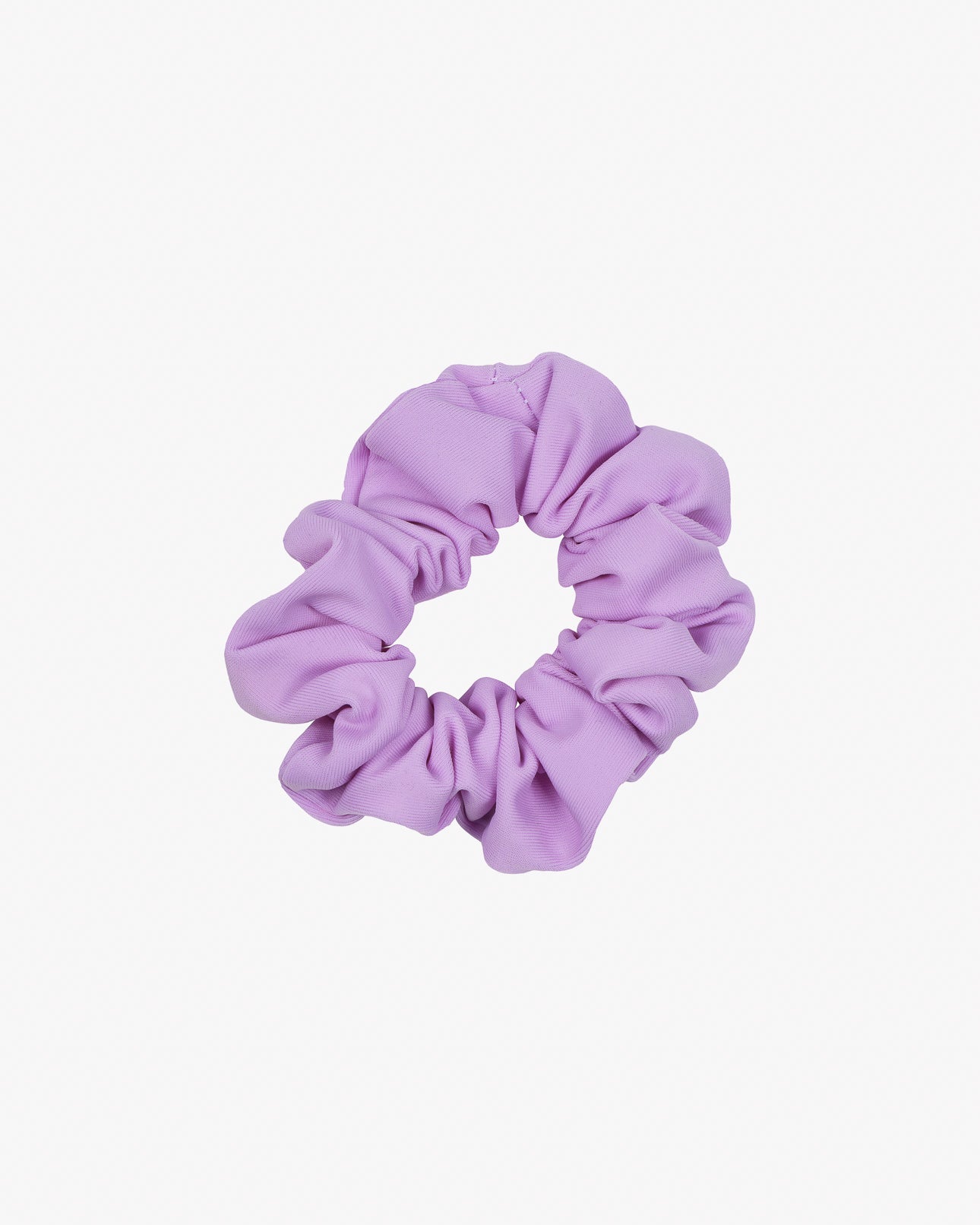
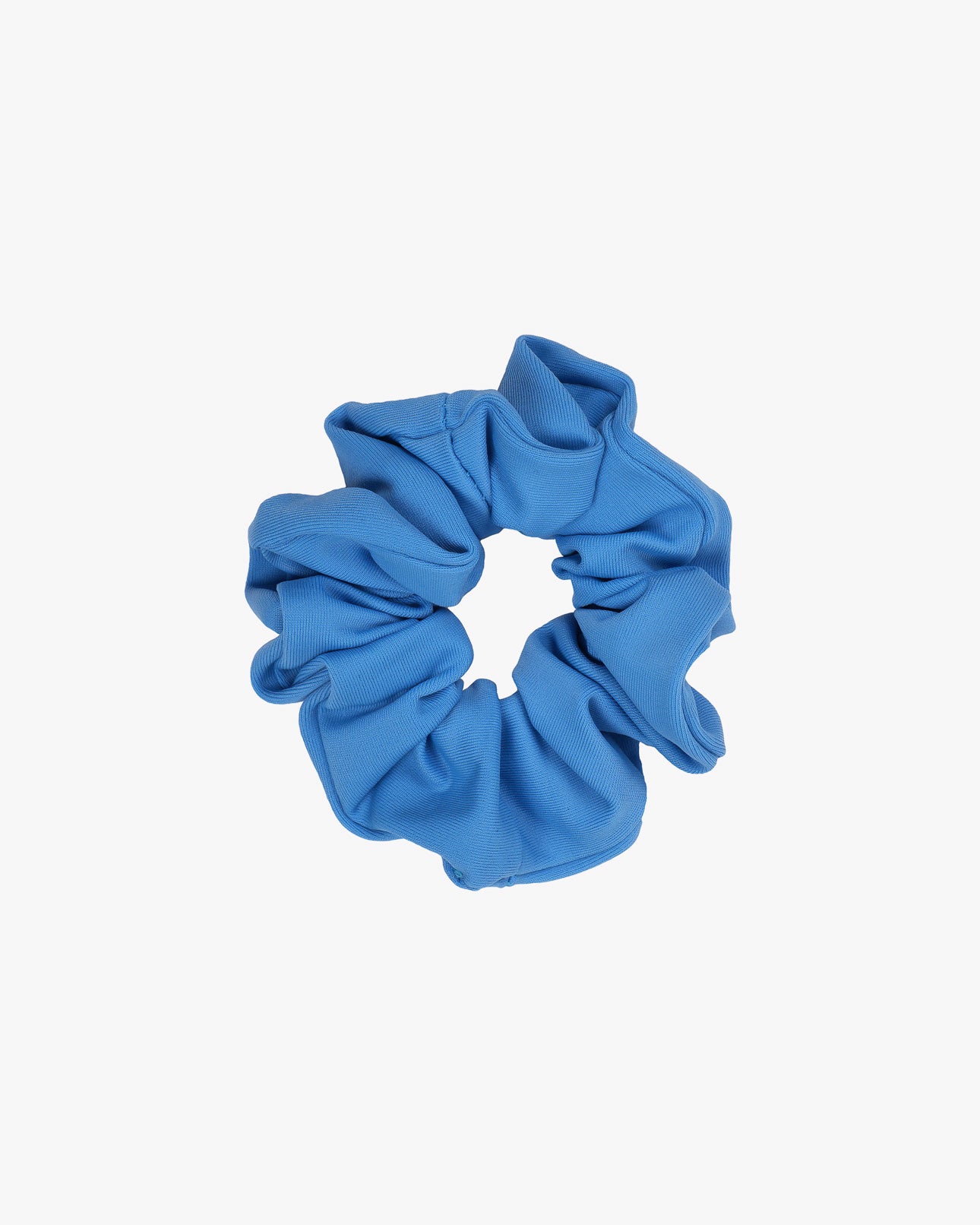
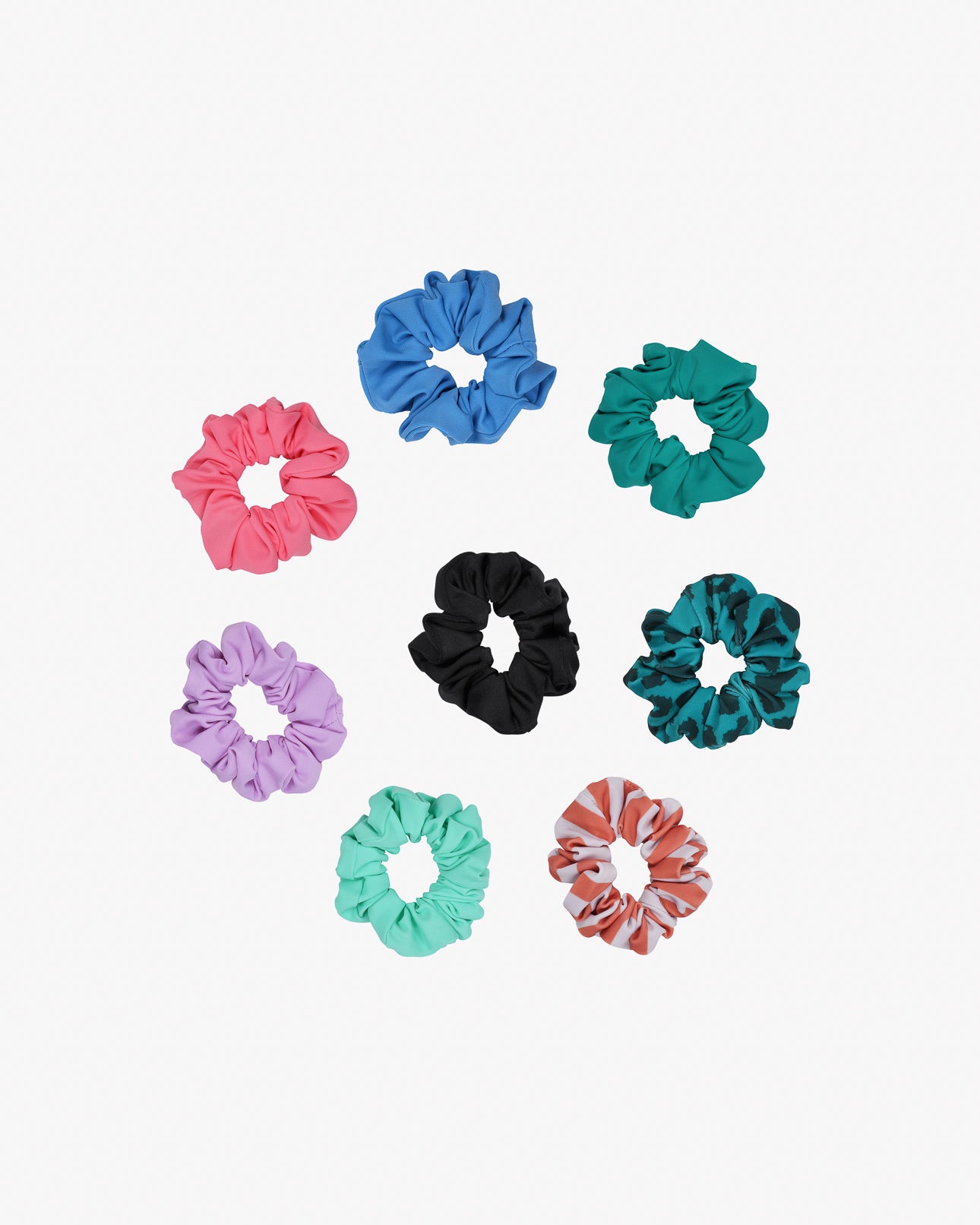
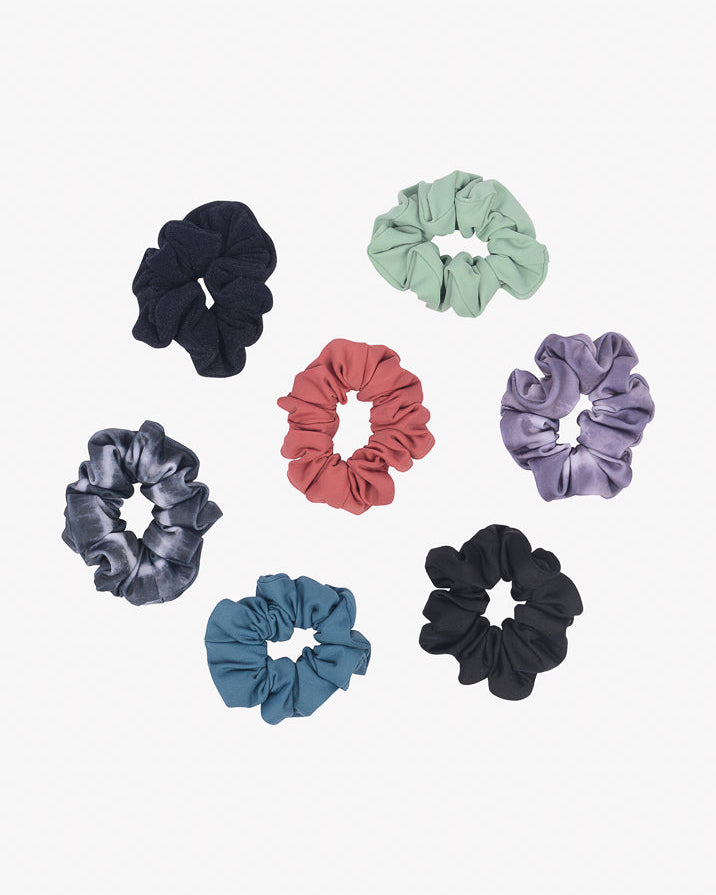
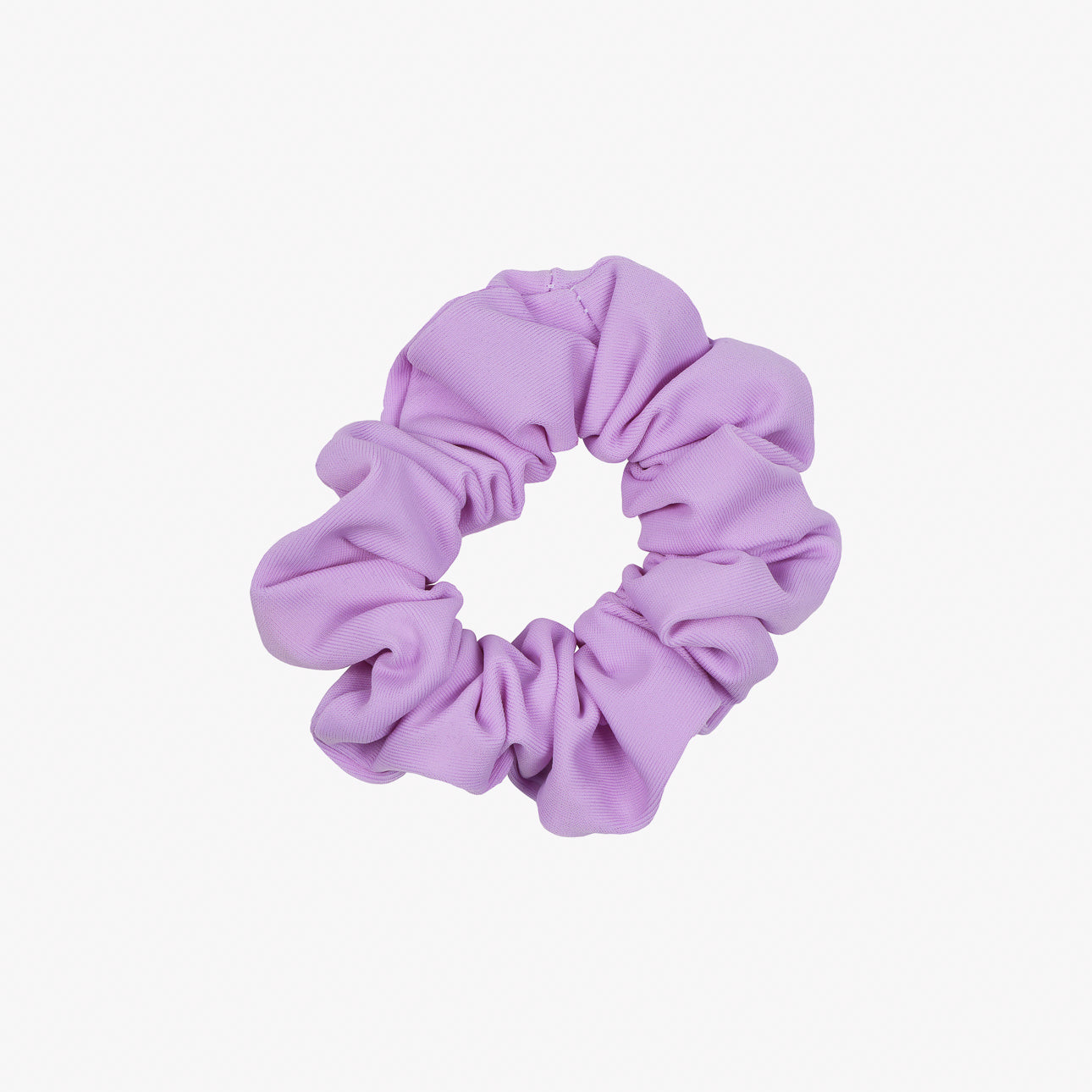
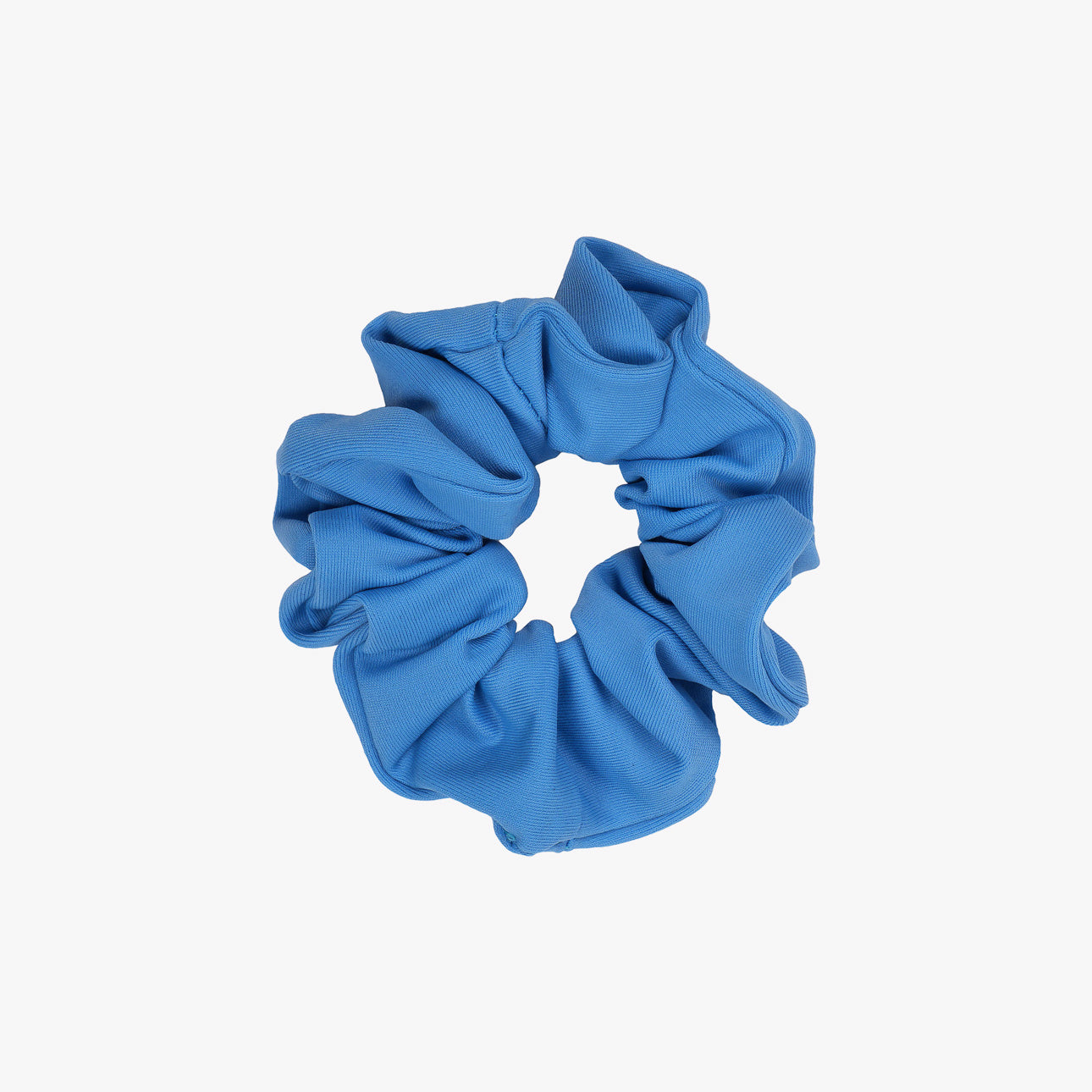
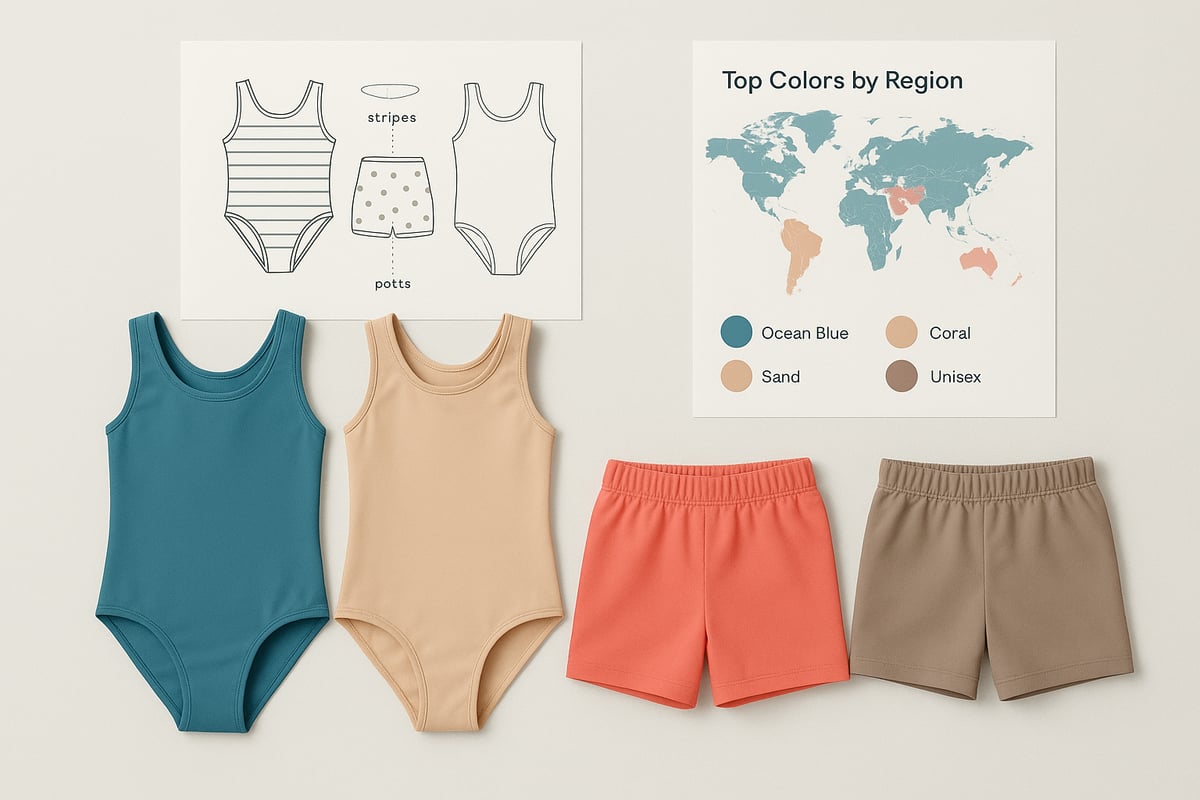
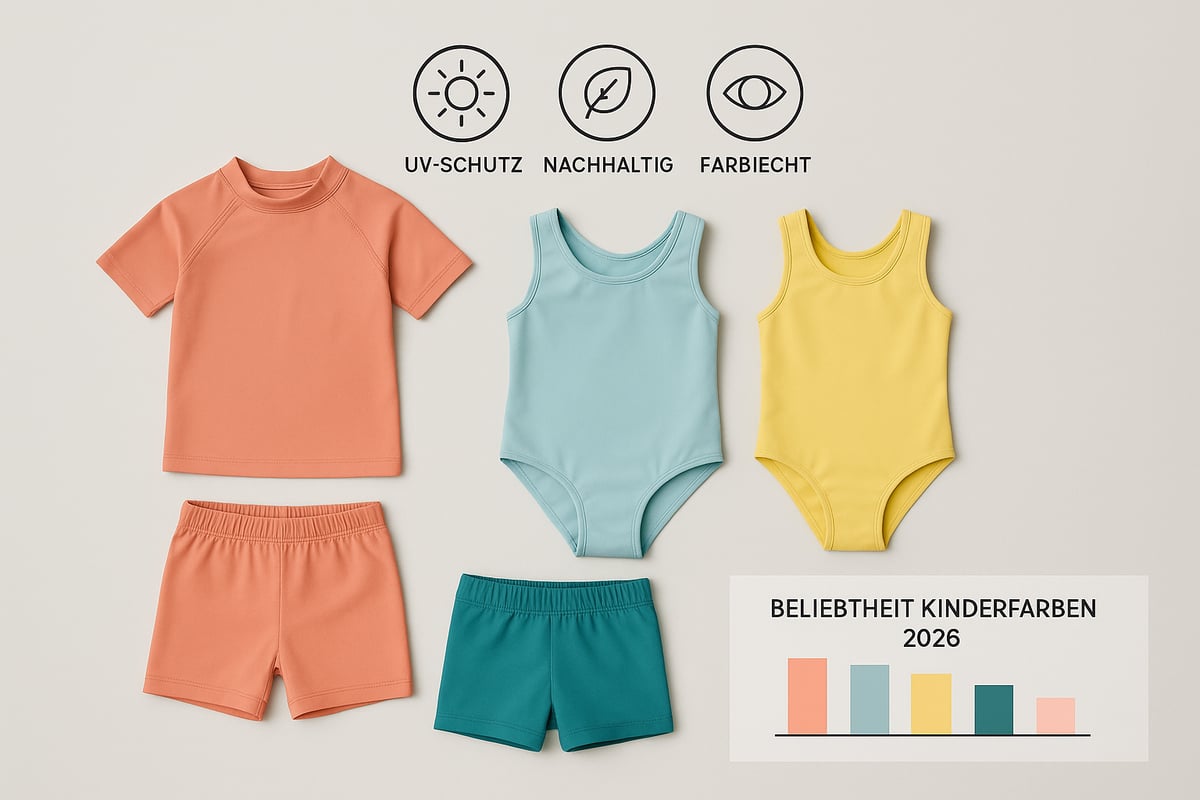
In 2026, the most popular colors for children's swimwear will be ocean blue, sunny yellow, coral red, and soft greens. Fashion fairs and industry forecasts confirm that blue and green tones will dominate for boys, while girls' fashion will increasingly focus on purple, coral, and pastel shades.
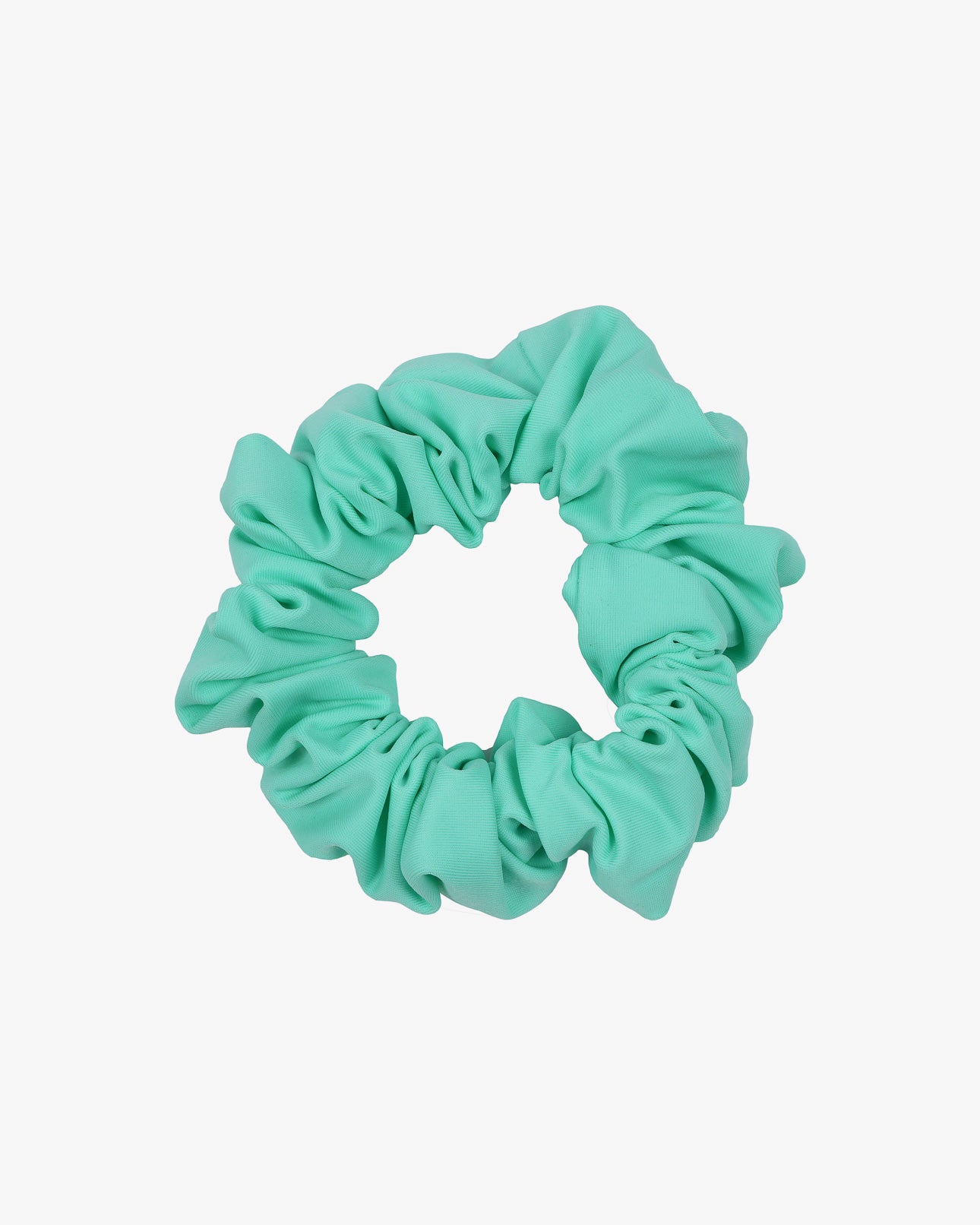
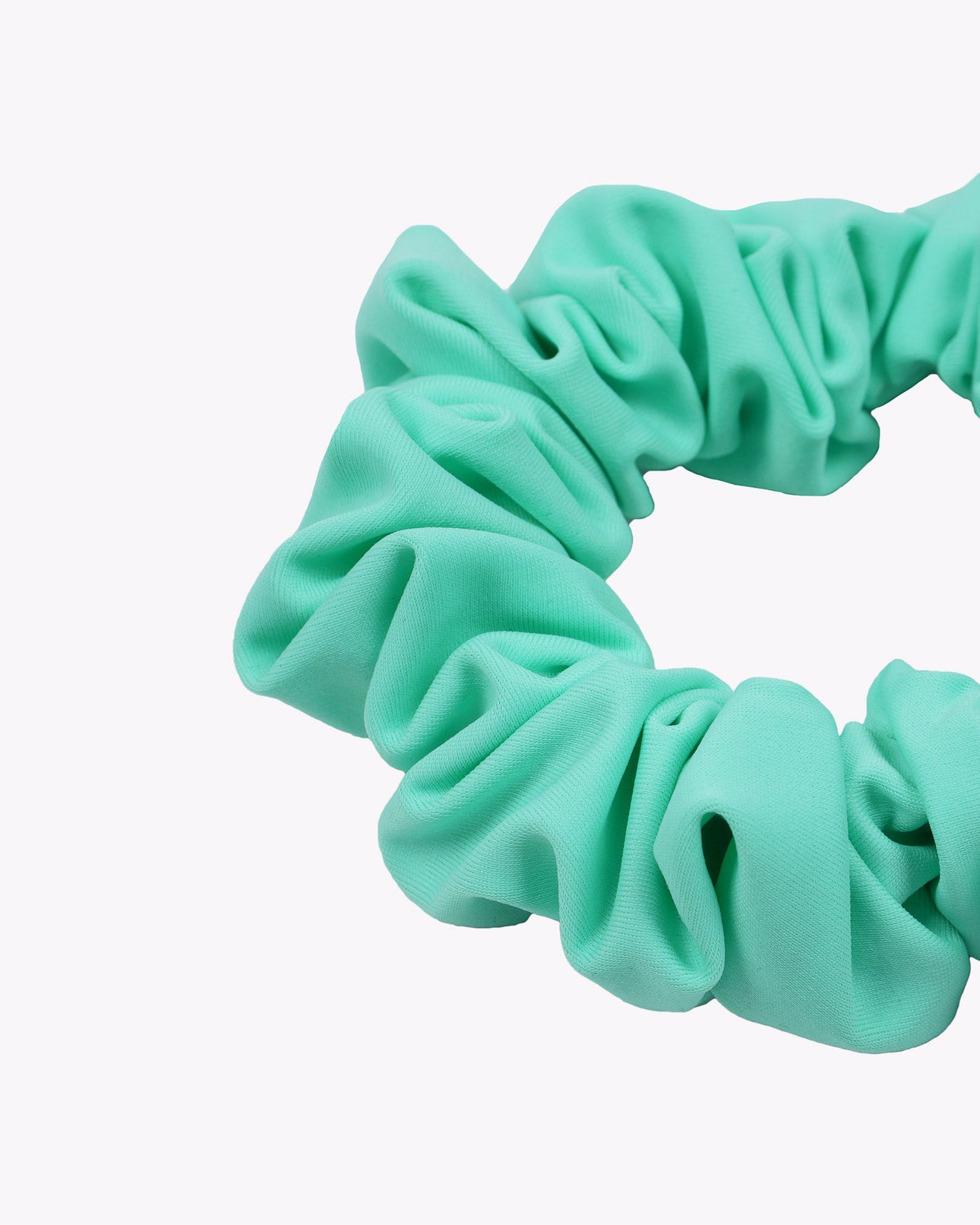
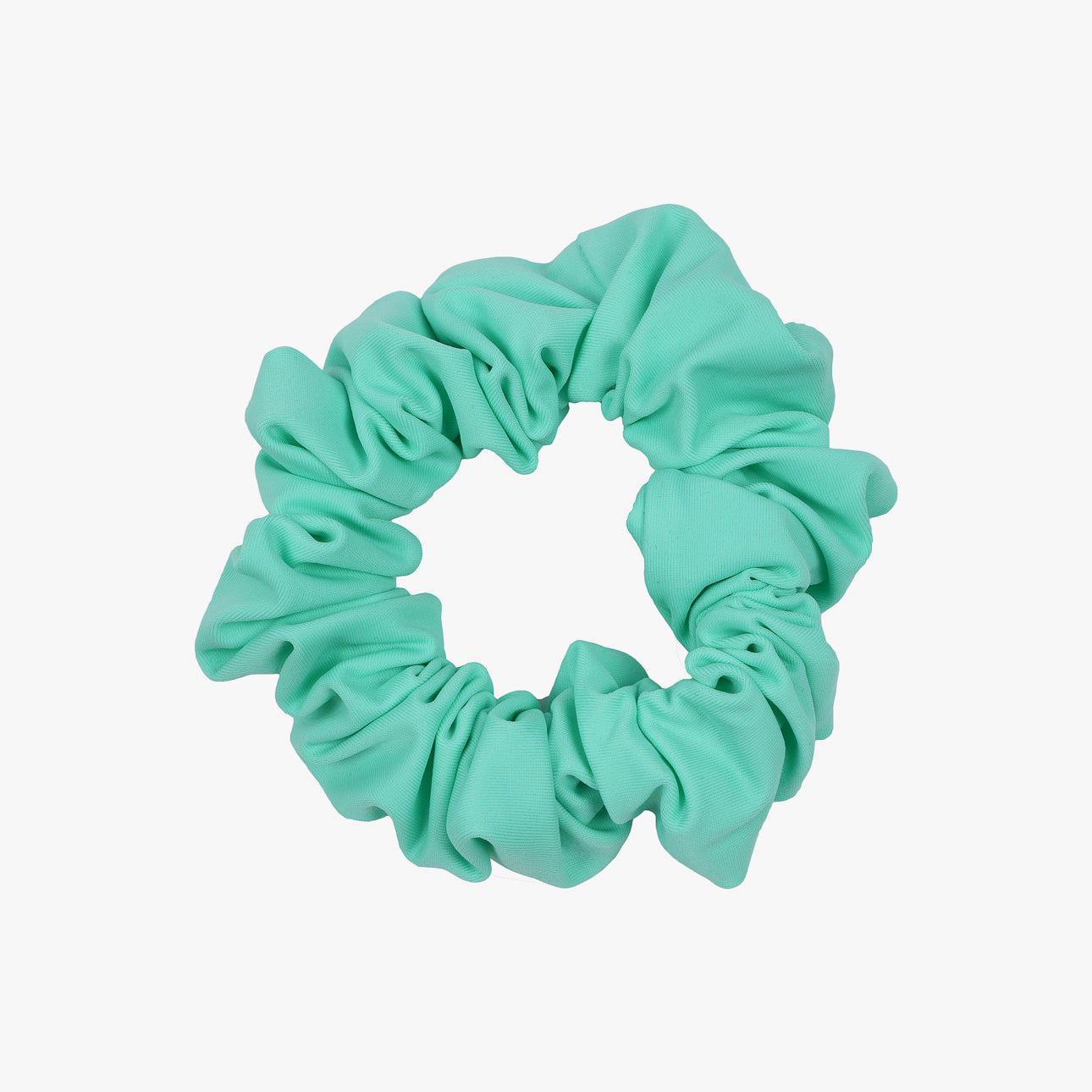
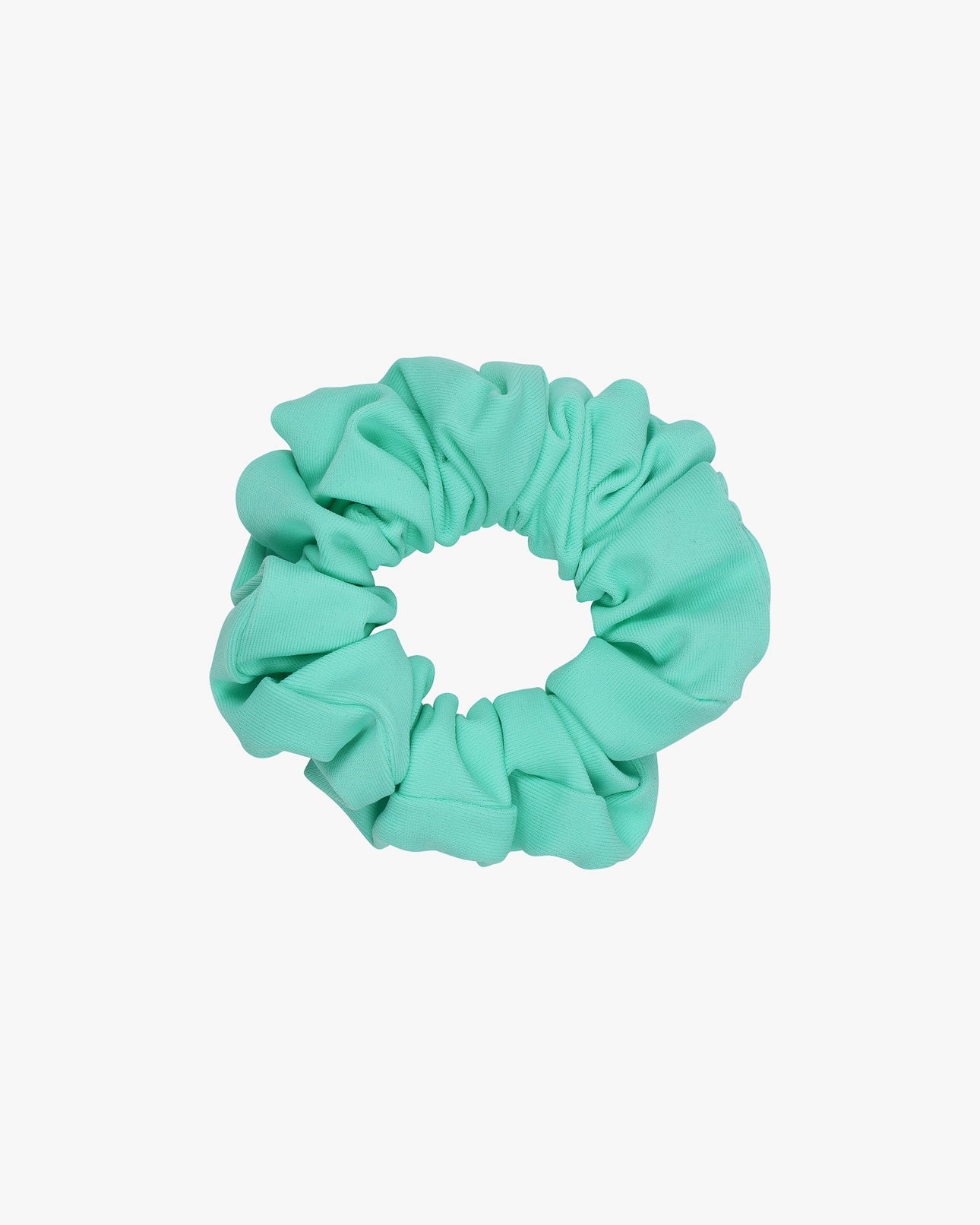
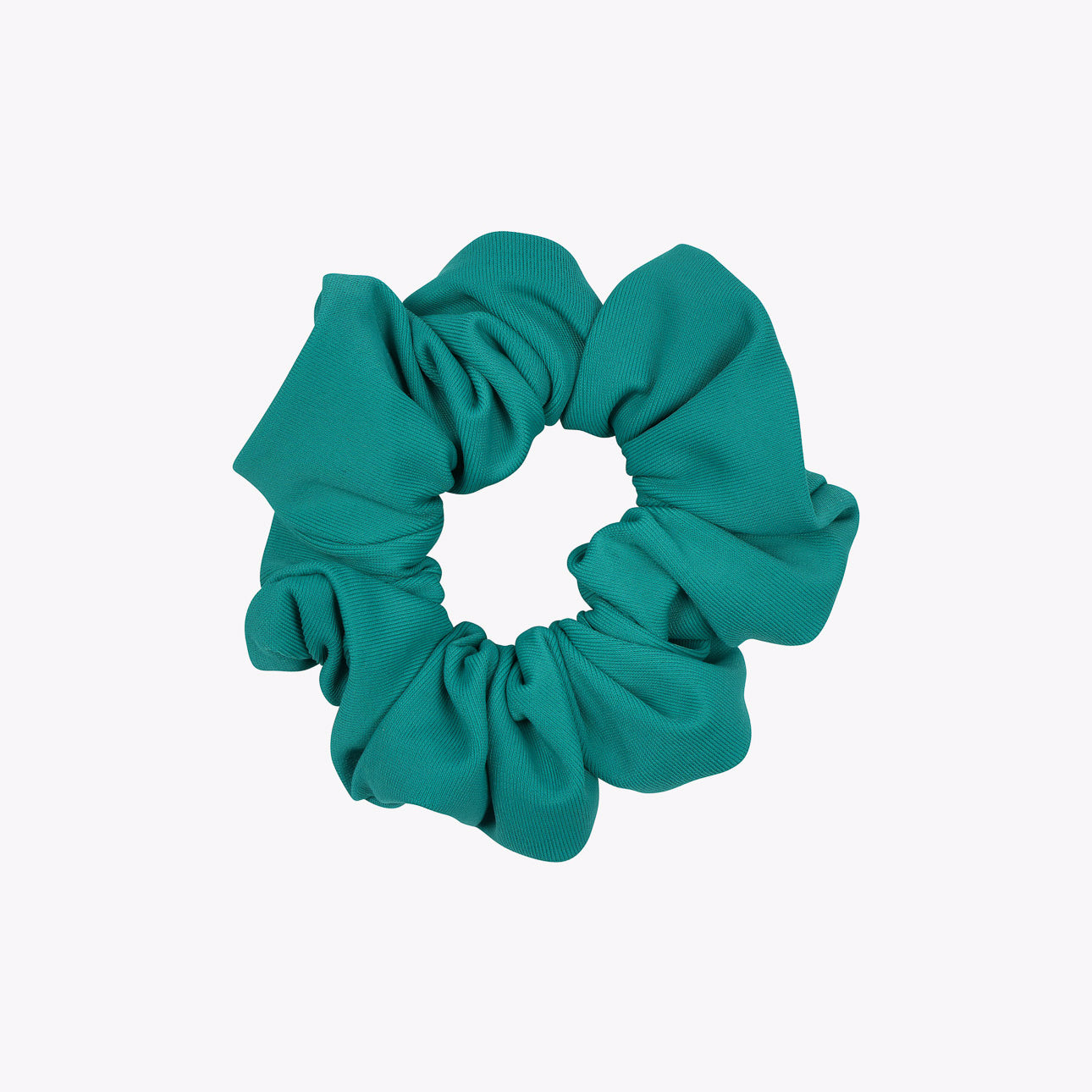
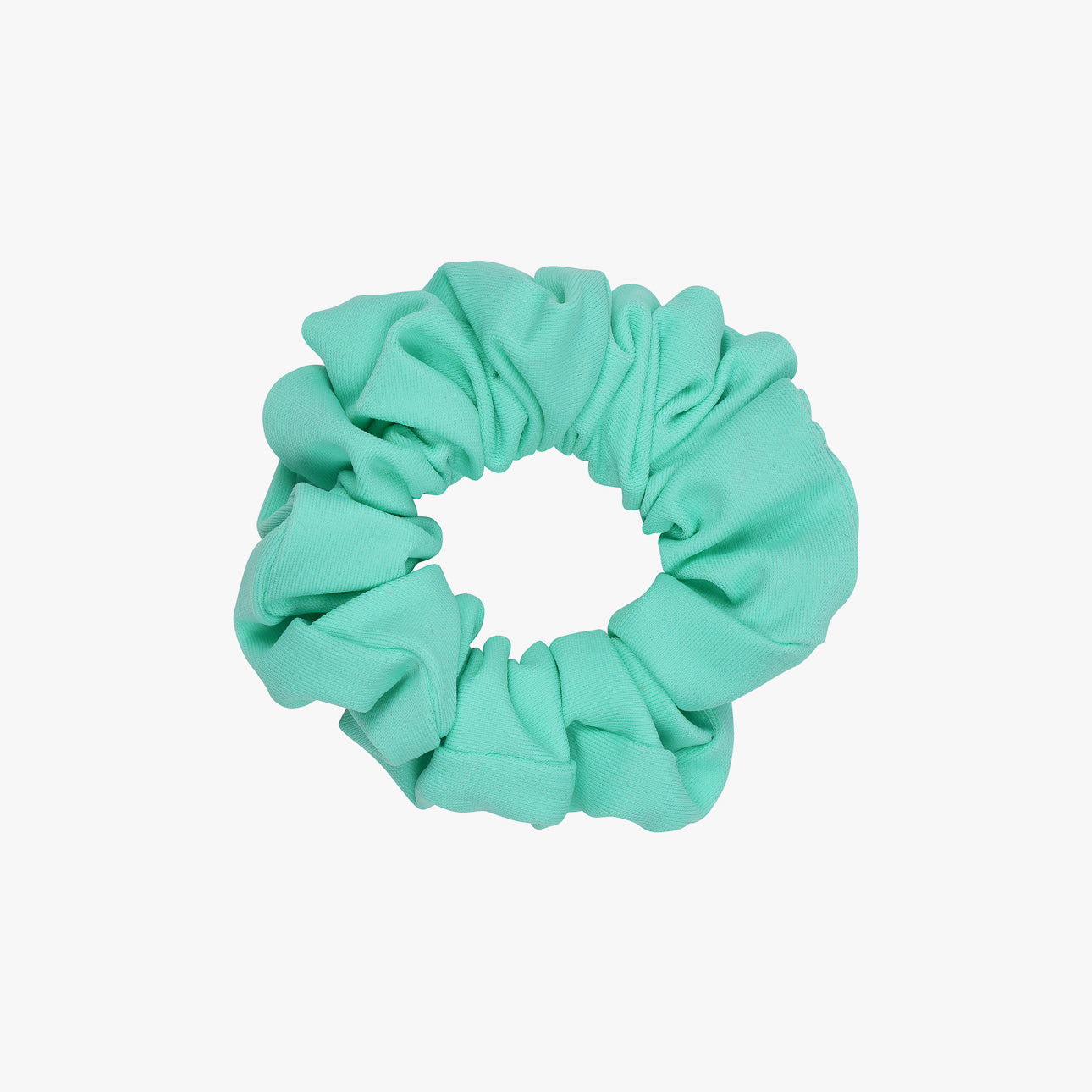
Social media strongly influences color choices, as influencers and child stars often present new collections online first. Data from competitor analyses shows that unisex colors like turquoise and mint are gaining popularity with both genders. The best-selling colors reflect trends that you can find, for example, in the overview of color trends for children's swimwear in 2026 .
Inspiration from nature and sustainability
Color trends are increasingly inspired by nature. Colors that make children's swimwear particularly popular are shades like sand, ocean blue, and coral. These colors represent vacations, the sea, and a connection to the environment.
Sustainable materials and natural dyes are in demand. Many labels are using dyeing processes without harmful chemicals and showcasing collections that reflect environmental awareness. The growing interest in eco-fashion is having a lasting impact on the color palette, making natural shades a must-have.
Patterns and color combinations
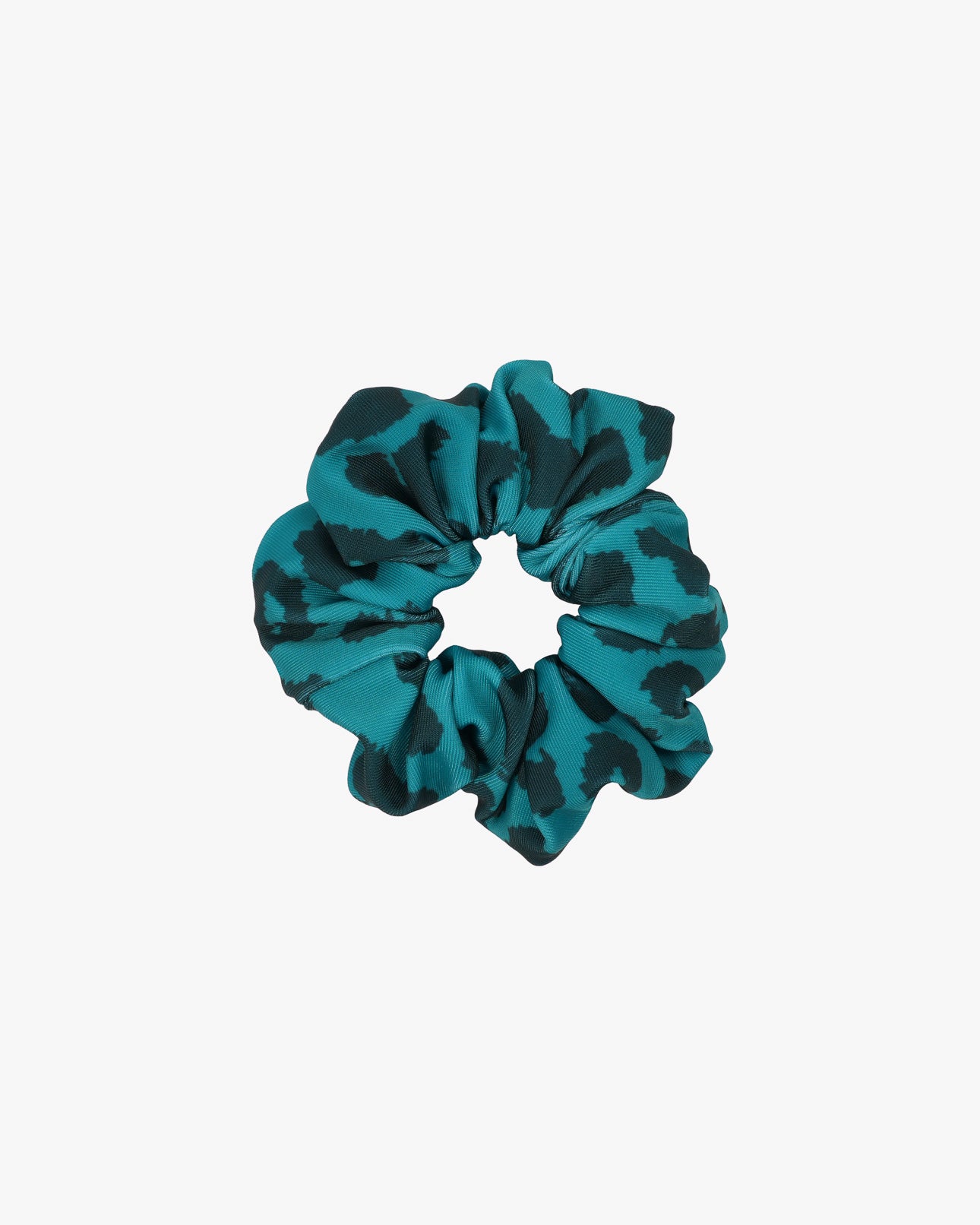
When deciding which color swimwear children will love, patterns and color combinations play a major role. Stripes, polka dots, and floral prints are popular and add a cheerful touch.
Mix-and-match styles allow you to combine pastel and bright colors, creating individual looks that children love to wear. Many current collections offer flexible combination options that encourage creativity and fun when styling.
Influence of celebrities and brands
The color of children's swimwear is often set by well-known brands and celebrity children. Major labels like Stella McCartney Kids or Petit Bateau collaborate with designers to bring trend colors to the market.
Celebrity children set trends that are quickly imitated. Collaborations create exclusive color palettes, while statistics show that brand-driven colors are particularly in demand. Brand presence on social media accelerates the spread of new trends.
Regional differences and cultural influences
Regional preferences influence which colors children wear in swimwear in different countries. In Southern Europe, warm, vibrant tones like red and orange dominate, while in Scandinavia, muted colors like gray or olive are often preferred.
Colors have different meanings in different cultures. In some countries, yellow symbolizes good luck, in others caution. International collections reflect these differences and offer a diverse color spectrum for every region.
Sustainable color trends and environmental awareness
Sustainability remains a key issue when it comes to the question of what color children's swimwear will be in 2026. More and more brands are opting for natural dyes and environmentally friendly dyeing processes.
Real-world examples show that sustainable brands are focusing on pastel and earth tones, which are gentle on both children's skin and the environment. This trend is fostering a long-term shift in thinking among parents and children, making sustainable color trends a lasting success.
The Psychology of Colors: How Colors Affect Children
Colors are much more than just decoration – they influence our well-being, especially in children. Anyone wondering which color best supports children's swimwear will quickly discover that colors shape emotions, development, and a sense of belonging. In the following sections, you'll learn how colors affect children and how you can use this knowledge to choose swimwear.
The effect of colors on mood
Many parents wonder which color of swimwear has a positive effect on their children. Colors like blue have a calming effect and promote concentration, while yellow lifts the mood and is considered energizing. Studies show that children are particularly sensitive to certain colors. According to the psychological effects of colors on children, warm tones like red generate energy and enthusiasm, while cool colors tend to be more relaxing. Observe your child: If they feel more comfortable in a certain color, this can boost their self-esteem.
Color choice and child development
Many parents wonder which colors of children's swimwear best support their development. Colors are more than just a trend – they foster creativity, imagination, and self-confidence. Developmental psychologists recommend allowing children to express their individuality through a colorful selection. Colors offer children the opportunity to express themselves and discover their own preferences. Bright colors, in particular, encourage play and experimentation. Thus, choosing the right colors can contribute to positive development and strengthen a child's personality.
Colors and gender roles
More and more parents are questioning which color swimwear children should wear, regardless of gender. Blue for boys and pink for girls is a thing of the past – today, unisex colors like turquoise, mint, or sunny yellow are trending. These colors promote openness and help break down traditional gender stereotypes. Many collections are based on gender-neutral shades. This opens up new possibilities for children to discover themselves and freely express their identity.
Favorite colors and identification
When deciding which color children like best for their swimwear, their favorite color plays a big role. Children often identify strongly with a particular color. Parents should acknowledge this and take this preference seriously. Incorporate your child's favorite color into their swimwear, perhaps even combining it with current trends. This creates joy and strengthens the bond with the garment. This way, your child will feel safe and confident in the water.
Colors and group affiliation
Even on the playground, the question arises of which color swimwear children should wear as part of a group. Colors can signal belonging or emphasize individuality. In swimming lessons, children often choose similar colors to their friends to fit in. At the same time, a striking color can help them stand out and remain visible. Observe how colors influence your child's interactions with others and use this knowledge for your next swimwear choice.
Safety and visibility: Choosing colors wisely
The question of which color swimwear children should wear isn't just a matter of style. Choosing the right color can be crucial for safety in and around water. Colors influence how visible your child is at the pool or beach. Below, you'll find out what to consider in 2026 to make the best choice for your child.
Visibility in the water and on the beach
Visibility of swimwear is a key safety factor. Especially in the water, the choice of color can mean the difference between life and death. According to the German Lifesaving Association (DLRG), bright colors like neon orange, pink, or yellow are particularly visible, while blue or green tend to blend into the water.
A table shows the difference:
| Color | Visibility in the water |
|---|---|
| Neon orange | Very high |
| Pink | High |
| Yellow | High |
| Blue | Small amount |
| Green | Small amount |
Bright colors also help you keep an eye on your child at the beach. You can find more information and safety tips under " Safety and Visibility of Colors in Water" .
UV protection and color selection
Colors not only affect how visible your child is, but also the level of UV protection. Darker shades like navy blue or black often offer better protection from UV rays than lighter colors. When buying swimwear, make sure it has a specified UPF rating.
For 2026, when considering which color of children's swimwear offers the best protection, it's recommended to opt for certified products with a high UPF rating. This way, you combine stylish color choices with optimal sun protection.
Practical tips for parents
Practical considerations play an important role in choosing colors. Light colors show stains more easily, while darker shades are easier to care for. For everyday use, it's advisable to choose at least two swimwear outfits – one for maximum visibility and one for more relaxed days.
If you're wondering what color swimwear children should wear on vacation or to swimming lessons, these tips will help you:
- Choose eye-catching colors for the beach
- Opt for UV protection with dark colors
- Look for comfortable cuts and child-friendly designs.
Seasonal differences and weather conditions
The optimal color choice also depends on the season and weather conditions. In summer, light colors reflect heat better, while dark colors can provide warmth on cooler days. Bright colors are advantageous in indoor swimming pools, and particularly practical outdoors in sunny, sandy environments.
Consider which color of children's swimwear offers the most comfort and safety in changing weather conditions. Adapt the color choice to the environment and activity to get the best for your child.
Recommendations from experts and organizations
Pediatricians and safety experts emphasize the importance of choosing the right colors. Swimming instructors recommend bright colors so that children can be easily spotted. Organizations like the German Lifesaving Association (DLRG) advise regularly checking which colors currently offer the greatest safety for children's swimwear.
Follow these expert tips:
- Opt for striking colors
- Check the visibility in the water
- Opt for tested quality and UV protection.
This is how you ensure that your child is not only stylish, but also safe in the water.
Tips for choosing the perfect color for your child
Deciding which color swimwear to wear for your child is often more complex than you might think. It's not just about taste, but also about function, sustainability, and your child's well-being. With these tips, you're guaranteed to find the perfect color.
Step 1: Involve the child
If you're wondering which color children prefer for their swimwear, you should actively involve your child in the decision-making process. Children develop their own preferences early on and feel more comfortable when they are allowed to have a say.
Ask specific questions like, "Which color do you like best?" or "Do you feel comfortable in this color?" Use color charts or online collections to look at different options together. This will boost your child's self-confidence and encourage them to identify with their swimwear.
Making decisions together not only makes wearing the product more enjoyable, but also helps to avoid later discussions.
Step 2: Consider functionality and occasion
When choosing which color swimwear your children will wear every day, you should also consider its intended use. Bright colors that remain visible in the water are suitable for the beach. Pastel shades or classic colors are often more practical at the swimming pool, as they show fewer stains.
Darker colors are more forgiving and easier to care for, while lighter shades can be more comfortable in strong sunlight. Consider whether the swimwear is multifunctional, for example, for vacations, outdoor pools, and indoor pools.
Also check how the colors harmonize with other accessories such as towels or sun hats.
Step 3: Combine favorite colors and current trends
Children usually have clear ideas about which color swimwear appeals to them most. At the same time, new color trends emerge every year, which also find their way into children's swimwear.
Combine your child's favorite color with current trend colors by opting for mix-and-match sets or colorful patterns. Influencer collections often offer inspiration on how to stylishly combine personal preferences and fashion trends.
This way your child stays fashionably up-to-date and still feels individually addressed.
Step 4: Choose sustainable and environmentally friendly options
More and more parents are placing importance on choosing children's swimwear that is as sustainable and environmentally friendly as possible. Colors made from natural dyes and swimwear made from recycled materials are trending.
Look for certifications like GOTS or OEKO-TEX, which test both materials and dyeing processes. Another advantage: Sustainable dyes are often particularly skin-friendly and long-lasting. You can find more information about sustainable materials and eco-friendly dye options on our page about sustainability in swimwear .
This way you not only protect your child's skin, but also the environment.
Step 5: Pay attention to quality and durability
If you're wondering which color of children's swimwear will last the longest, you should pay attention to high-quality materials and colorfastness. Colors that remain vibrant after many washes are a sign of good quality.
Check if the swimwear is UV-resistant and colorfast. Manufacturers often specify how wash-resistant the colors are. Opt for products specifically designed for children that retain their color intensity even with frequent wear.
This way you can enjoy your chosen swimwear for longer.
Step 6: Budget and value for money
Budget also plays a role when it comes to choosing the right color for children's swimwear. Colors can influence the price, especially for limited-edition trendy colors or sustainable collections.
Compare premium swimwear with discount swimwear in terms of color quality and durability. Investing in longer-lasting products is often worthwhile, as they are cheaper in the long run. Take advantage of discounts or buy on sale to get high-quality swimwear at a fair price.
This is how you find the perfect balance between price and quality.
Sustainable and stylish children's swimwear: What to look for in 2026?
Sustainability and style will go hand in hand in children's swimwear in 2026. Parents are rightly asking themselves: which color children's swimwear is not only fashionable, but also environmentally friendly and durable? In this section, you'll learn what really matters when choosing swimwear, how you can discover sustainable trends together, and what makes colors long-lasting.
Sustainable materials and colors
More and more labels are relying on recycled fabrics like Econyl or organic cotton and using environmentally friendly dyes. This combination ensures that children's swimwear is not only trendy but also gentle on the skin and conserves resources.
Sustainable color palettes are often inspired by nature: ocean blue, sand beige, and coral red will be particularly popular in 2026. You can find more details about sustainable dyeing methods and materials at the German Federal Environment Agency .
These are the advantages of sustainable options:
- Gentle on children's skin
- Durable and colorfast
- Reduced ecological footprint
Certifications and labels
If you want to know which children's swimwear colors are truly sustainable, look for certifications. The most important seals are:
| Label | Meaning | Focus on colors |
|---|---|---|
| GOTS | Organic materials, fair production | Non-toxic dyes |
| OEKO-TEX | pollutant test | Skin compatibility |
When buying, check if these labels are on the label. They guarantee that the dyes and fabrics meet strict environmental and health standards.
Environmental awareness as a lifestyle
Sustainability doesn't end with the choice of swimwear; it shapes everyday life. Teach your child why it's important to consciously choose the right color for their swimwear.
Parents are role models here: Those who look at collections with sustainable colors together and learn about their origin promote environmental awareness as an integral part of family life.
Practical tip: Talk about your favorite colors and specifically look for environmentally friendly alternatives in those shades.
Stylish designs for children
In 2026, you'll find stylish swimwear in minimalist and colorful styles. The question of which color best suits children's swimwear depends not only on trends but also on personal style and comfort.
Designs range from simple solid colors to colorful accents. You can discover inspiration and current collections in the children's swimwear collection .
Important: Function and design go hand in hand – pay attention to details such as comfortable cuts, UV protection and fresh colors.
Care instructions for long-lasting colors
To ensure that the color of children's swimwear still shines after many summers, proper care is essential. Here are some tips:
- Always wash at a low temperature
- Use sun drying instead of a dryer
- Rinse your swimwear after swimming
Avoid harsh detergents and direct sunlight during storage to ensure colors and materials stay beautiful for a long time.
Future outlook: Color trends and innovations until 2026
The world of children's swimwear is undergoing exciting changes. Parents are increasingly asking: which colors will dominate children's swimwear in the future? Technological innovations, societal shifts, and sustainability will shape the trends up to 2026. Here you'll learn what developments you and your child can expect and how you can benefit from them.
Forecasts for the coming years
Color experts and fashion designers agree: The question of which color children's swimwear will be in 2026 is heavily influenced by digital trends. Bright shades like turquoise, sunny yellow, and lavender are at the top of the list. Technological tools make it possible to identify trending colors more quickly and integrate them into collections.
Innovative apps and AR applications also help parents and children choose the ideal color. Forecasts show that individuality and self-expression are paramount. Those who pay attention to these trends early on will always stay one step ahead in fashion.
New materials and smart swimwear
The next generation of children's swimwear embraces high-tech. Smart textiles that change color in response to UV radiation are no longer a thing of the future. They not only offer protection but also make choosing children's swimwear a fun experience. Recycled fibers and bio-based fabrics round out the selection.
Research teams are developing materials that are particularly durable and skin-friendly. These innovations ensure that colors remain vibrant even after many washes. This provides parents with greater safety and comfort.
Personalization and individualization
Children want to express themselves – and the choice of swimwear for children is becoming increasingly individual. Personalized swimwear with desired colors, names, or custom designs is trending. Thanks to 3D printing and digital manufacturing, truly unique pieces are created.
Unisex designs and gender-neutral colors play a major role. You can find inspiration in unisex swimwear for children , which incorporates current trends in personalization. This allows every child to define their own style and feel comfortable.
Influence of social media and influencers
Platforms like Instagram and TikTok are increasingly dictating which swimwear colors kids consider cool. Influencer children and famous parents set viral trends. Eye-catching color combinations and limited editions are especially popular.
Social media accelerates the changing color trends. What's popular today can be outdated tomorrow. Parents who find inspiration online discover new styles early on and can actively involve their children in the process.
Cultural and social developments
The selection of colors for children's swimwear worldwide is becoming more colorful and diverse. Diversity and inclusion are reflected in international collections. Colors are consciously used as a statement of tolerance and openness.
In some cultures, certain colors symbolize luck or protection. Designers intentionally integrate these meanings into new lines, allowing children to express their heritage and personality.
Sustainability as a lasting trend
Sustainability remains a key issue when it comes to choosing the right color for children's swimwear in the future. Environmentally friendly dyes, recycled materials, and transparent supply chains are gaining ground. Generation Alpha values ethical fashion.
Many brands are investing in innovations that conserve resources while still offering fashionable colors. Awareness of sustainable color trends is growing and is having a lasting impact on purchasing decisions.
Tips for parents: How to stay up to date
Anyone wanting to know which color will be popular for children's swimwear next season should regularly visit fashion magazines, social media, and brand websites. Trend reports and collections also offer inspiration.
Useful resources include online color palettes, trend analyses, and children's influencers. This way, you can quickly find the right swimwear and combine trends with your child's preferences.
Now that you've learned about the key color trends, psychological effects, and sustainable options for children's swimwear in 2026, you know what really matters when choosing colors. Do you want your child to feel comfortable and safe while also doing something good for the environment? Then it's worth taking a look at stylish and responsibly produced swimwear that combines all these aspects. Get inspired and discover which colors and designs best suit your child—and how your choice can actively contribute to protecting the oceans.