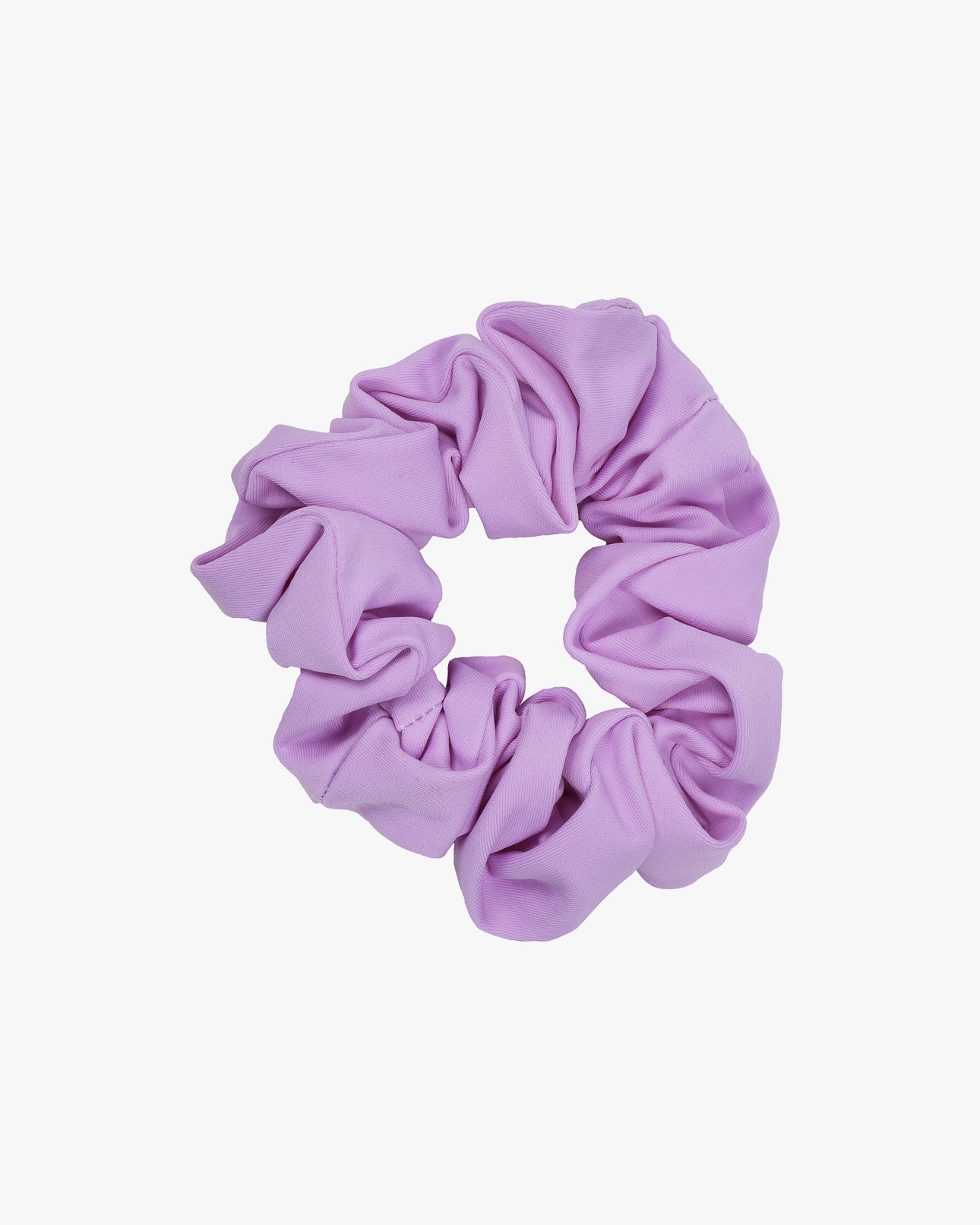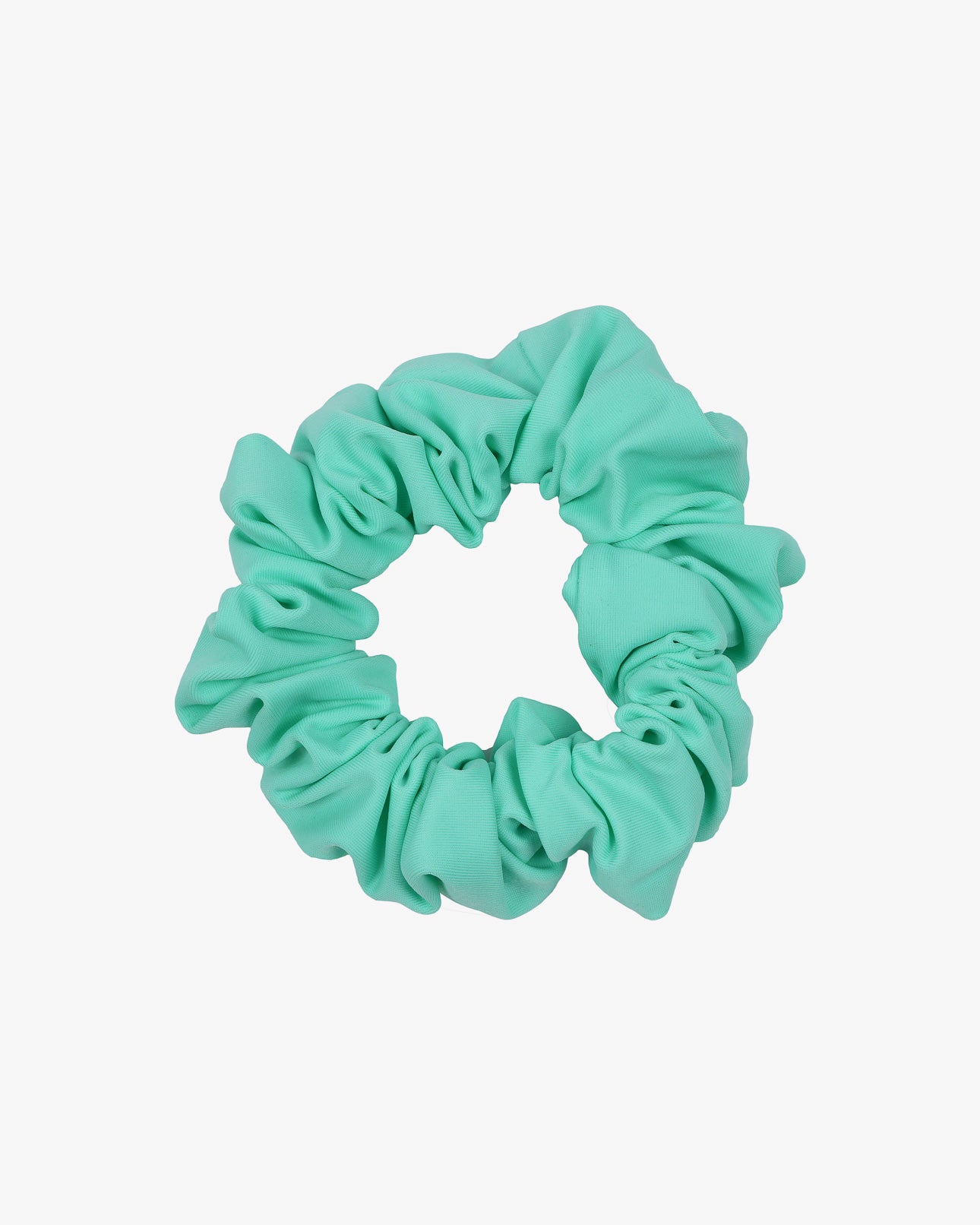


Imagine riding the perfect wave while actively protecting the oceans. That's exactly what sustainable surf fashion makes possible: style and environmental awareness perfectly balanced for everyone who wants more from surfing.
In 2026, more and more surfers are looking for fashionable, durable, and eco-friendly alternatives. But how do you find products that are truly sustainable and meet your demands for performance and design?
This guide will show you how to surf in style and responsibly. We'll show you which materials and brands make a difference and how your consumption can positively impact the future of the oceans.
Get ready for a concise overview of sustainable materials, innovative brands, buying criteria, care, second-hand options, and tips for a conscious surfer lifestyle. Download your comprehensive guide to sustainable surf fashion for 2026 now – for more style, performance, and peace of mind.
What does sustainable surf fashion mean?
Sustainable surf fashion is more than just a trend – it's changing the way we think about clothing and equipment for water sports. But what exactly does sustainable surf fashion mean? Here you'll find an overview of the most important basics, distinctions, and challenges.
Definition & Demarcation
Sustainable surf fashion encompasses all clothing and equipment that is produced in a resource-efficient, socially responsible, and durable manner. Unlike conventional surf brands, sustainable surf fashion focuses on the responsible use of raw materials, chemicals, and energy.
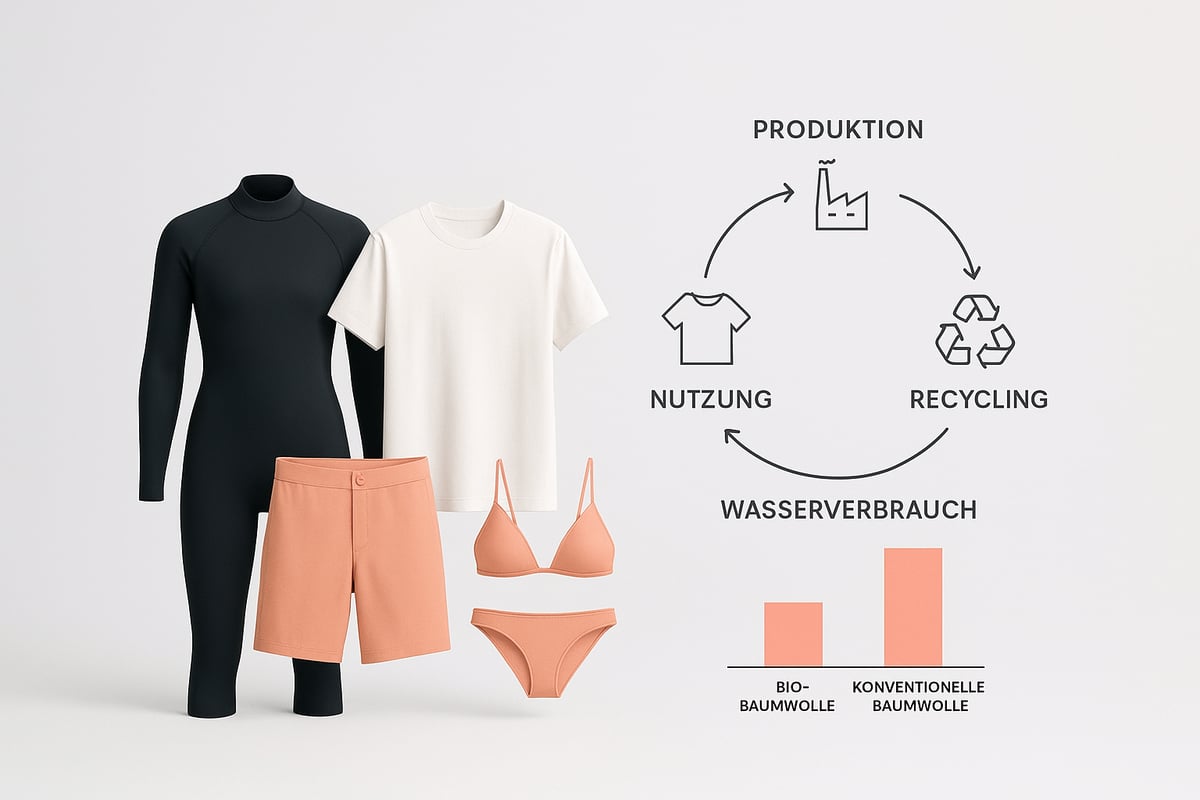
For example, according to TU Berlin, between 1,000 and 5,000 liters of water are used to produce a T-shirt made from organic cotton – that's significantly less than for conventional cotton, but still a considerable amount. Therefore, sustainable surf fashion is never 100% free of environmental impact.
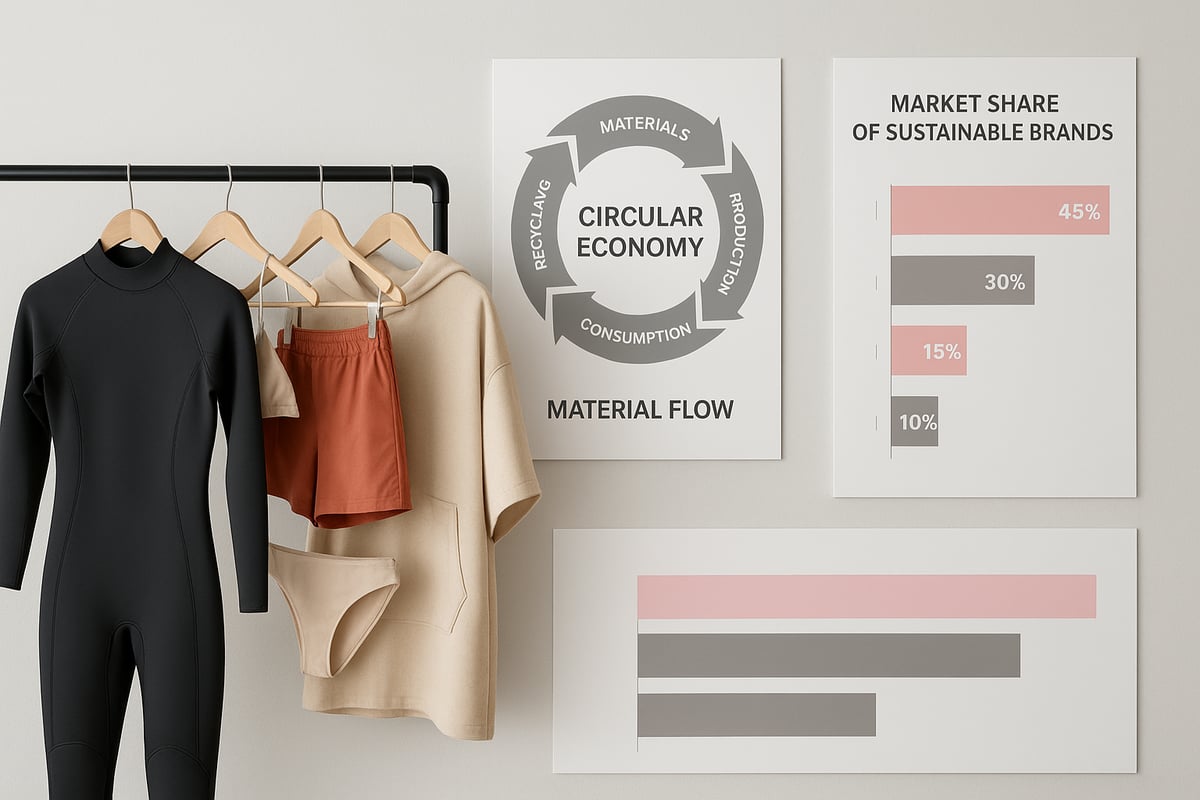
The principle of the circular economy is crucial: materials are used for as long as possible and recycled at the end of their life cycle to reduce waste. Recycling and upcycling play a central role here, as explained in this article on recycling and the circular economy .
Environmental and social aspects
The environmental impact assessment of sustainable surf fashion considers the entire life cycle: from the cultivation of raw materials through production and transport to disposal. A major advantage is certifications such as GOTS, Fairtrade, or Oeko-Tex, which guarantee fair working conditions and the absence of harmful chemicals.
One remaining problem is microplastics, which can be released when washing synthetic fibers such as recycled polyester. Innovative materials like Yulex or recycled natural fibers offer alternatives, but even these are not always completely free of environmental impacts.
Durability is an important aspect: the longer you use sustainable surfwear, the smaller its ecological footprint. Many brands now offer repair services so you can wear your favorite pieces for longer.
Challenges and conflicting objectives
Sustainable surf fashion often exists in a tension between environmental responsibility, price, and performance. Fair fashion is usually more expensive because it is produced under better conditions and uses higher-quality materials. Overproduction and high return rates further exacerbate the environmental problems.
Another topic is consumerism critique: It's not enough to simply switch to sustainable surfwear – it's more important to consume less and more consciously. Patagonia's famous "Don't Buy This Jacket" campaign shows how brands can initiate a dialogue about sustainable consumption.
The goal remains to significantly extend the lifespan of clothing and create genuine alternatives to fast fashion. By choosing sustainable surfwear, you can actively shape the future of our oceans.
Materials & Innovations: What goes into sustainable surf fashion?
Sustainable surfwear relies on innovative materials and technologies to protect the environment and conserve resources. But what's really in the products you'll be wearing on the beach in 2026? Here you'll find a comprehensive overview of the most important materials, developments, and challenges in the field of sustainable surfwear.
Natural and recycled materials
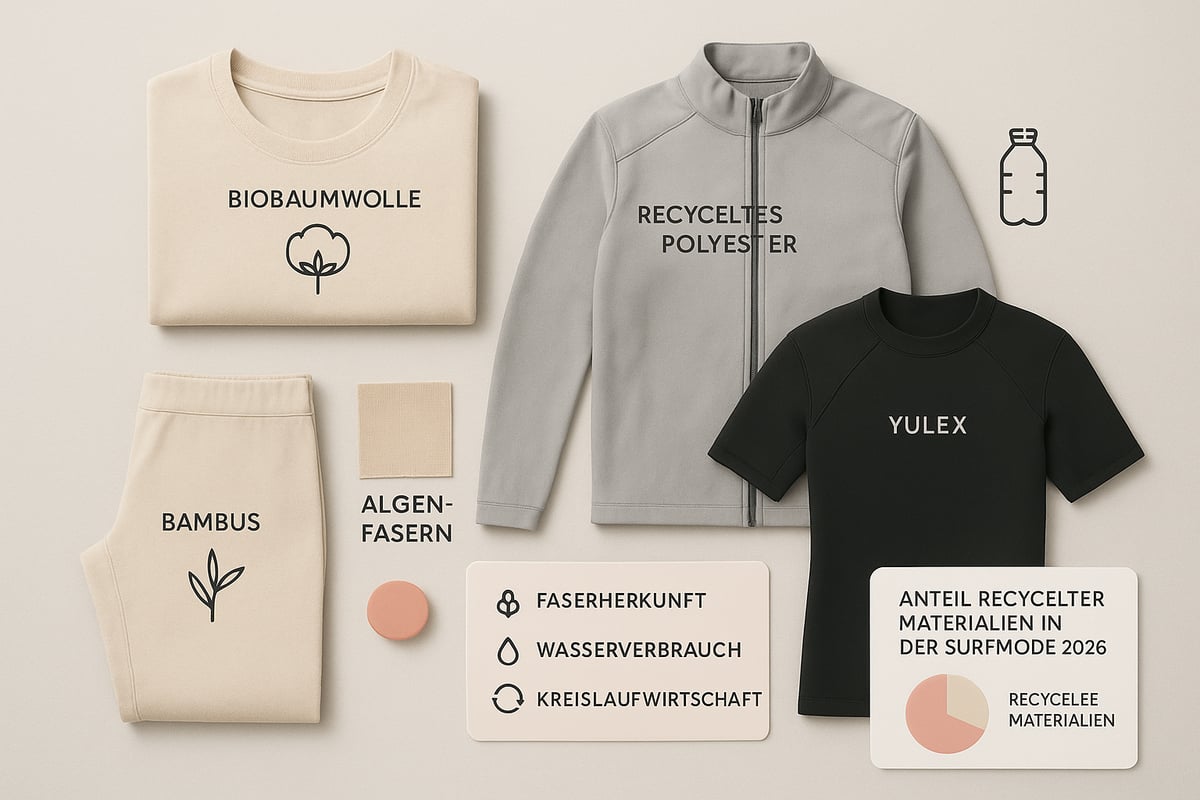
Sustainable surf fashion is based on materials like organic cotton, hemp, and linen. These natural fibers grow without harsh pesticides and often require less water than conventional cotton. Hemp scores points with its robust fiber structure and rapid growth rate, while linen ensures breathability.
Recycled polyester, for example from old PET bottles or fishing nets, has established itself as an alternative to conventional polyester. Upcycling transforms production remnants into new surfwear items, thus reducing waste. Yulex, a natural rubber from FSC-certified plantations, is particularly interesting and is considered a sustainable alternative to neoprene.
If you'd like to learn more about the advantages and challenges of these materials, you can find further information in the article "Sustainable Swimwear Made from Recycled Materials ." This will help you choose sustainable surfwear that meets your specific needs.
Innovative Developments 2026
The future of sustainable surf fashion will be shaped by innovation. Fibers made from algae, bamboo, or cork are gaining importance because they are rapidly renewable and biodegradable. Compostable cellulose-based fabrics will also see increased use by 2026.
New dyeing processes drastically reduce water and chemical consumption. Colors are now often fixed using digital processes or natural pigments. Digitizing the supply chain ensures transparency, allowing you to trace material origins and environmental impact.
All these innovations are making sustainable surf fashion increasingly versatile and high-performing. They demonstrate that environmental awareness and performance don't have to be mutually exclusive.
Environmental impact & care
The environmental impact of sustainable surfwear depends not only on the material, but also on production and care. Lower water and energy consumption during manufacturing is a significant advantage. According to a study by TU Berlin, organic cotton requires up to 80 percent less water than conventional cotton.
When washing clothes, look for microplastic filters, choose cold wash cycles, and wash garments less frequently. This conserves resources and prevents microplastics from entering the ocean. A durable T-shirt is worn an average of 44 times, significantly reducing its ecological footprint.
With conscious care, you can extend the lifespan of your sustainable surf fashion and avoid unnecessary waste.
Certificates & Labels
Certifications help you make the right choice when it comes to sustainable surfwear. GOTS, Fairtrade, and Oeko-Tex guarantee ecological and social standards in cultivation and processing. B Corp, GRS, and FSC stand for transparency, recycling, and sustainable forestry.
Pay attention to verifiable information from brands. Trustworthy labels are regularly audited and offer insight into their entire supply chain. This way, you can ensure that your sustainable surfwear was truly produced in an environmentally friendly and fair manner.
A brief comparison of the most important certificates:
| certificate | focus | Meaning |
|---|---|---|
| GOTS | Organic, social standards | Very high |
| Fairtrade | fair Trade | High |
| OekoTex | pollutant test | Medium to high |
| GRS | Recycled content | High |
| FSC | forestry | High |
Limits & Criticism
As progressive as sustainable surf fashion is, challenges remain. Organic cotton requires less chemicals, but more land for cultivation. Recycled plastics don't completely solve the waste problem, as microplastics are still released during washing.
Furthermore, many surfers have to compromise between performance and sustainability when making purchases. Not every sustainable material offers the same elasticity or durability as classic synthetic fibers.
Nevertheless, it is clear: With every conscious purchase decision, you support the further development of sustainable surf fashion and actively contribute to the protection of the oceans.
The best sustainable surf fashion brands of 2026
Anyone looking for sustainable surfwear today will find a growing selection of brands with different focuses. By 2026, more and more labels will be committed to innovative materials, fair production, and transparency. But which brands are truly making a difference, and how do they differ? Here you'll find an overview of the best sustainable surfwear labels for 2026, including their unique features and challenges.
Patagonia: Pioneer of sustainable surf fashion
Patagonia has stood for sustainable surfwear for decades and sets standards for environmental and social responsibility. The brand uses GOTS-certified cotton, recycled materials, and Yulex natural rubber as an alternative to conventional neoprene. Patagonia offers a repair service and donates 1 percent of its revenue to environmental initiatives. 83 percent of its collection is Fairtrade certified.
Despite this pioneering role, there are also points of criticism, such as the complete transparency of the supply chain. Patagonia's strategy of encouraging consumers to make conscious choices is particularly interesting. Those wishing to delve deeper can find a comprehensive analysis under Patagonia's sustainable business strategy .
Picture Organic Clothing: Innovation from France
Picture Organic Clothing brings a fresh perspective to sustainable surf fashion with youthful designs and affordable eco-fashion. The label is B Corp certified, uses GOTS-certified materials, and produces according to Fair Wear standards. Manufacturing takes place largely outside of Europe, which occasionally leads to criticism regarding transport routes and delivery times.
The collection impresses with its functionality and style. Average durability and a "Good" rating on Good on You make Picture an attractive option for price-conscious surfers.
Vissla: Young brand with eco-lines
Vissla stands for modern, sustainable surf fashion that combines style and environmental awareness. Around 55 percent of their clothing is made from organic or recycled materials. Their eco-wetsuits, made with limestone neoprene and recycled polyester, are particularly noteworthy.
The company has a code of conduct for suppliers, but transparency could be improved. Vissla targets young, progressive surfers who value performance and sustainability.
Twothirds: European production & pre-order
Twothirds focuses on sustainable surfwear made in Europe. Production takes place in France, Italy, and Portugal. A pre-order system prevents overproduction, saving resources and protecting the environment.
Twothirds offsets its carbon footprint and has been climate-neutral since 2021. The collections impress with their timeless design and high quality. Transparent communication and short supply chains make Twothirds particularly attractive to consumers who prefer sustainable surf fashion from the EU.
Saltwater: Ocean engagement from Hamburg
Salzwasser combines sustainable surf fashion with ocean conservation. The label produces in Germany and Portugal, uses GOTS, GRS and OekoTex 100 certified materials and donates a portion of its revenue to ocean protection.
The products impress with their durability and minimalist design. Salzwasser sells directly to end customers and prioritizes transparency throughout its entire value chain. Anyone looking for sustainable surfwear with a social conscience will find it here.
Florence Marine X: Focus on Quality & Sustainability
Florence Marine X stands for high-quality, durable, and sustainable surfwear. The label uses organic and recycled materials but places less emphasis on official certifications. Durability, functionality, and comfort are the main focus.
Members benefit from exclusive bonuses and discounts. Florence Marine X is aimed at discerning surfers who value quality and sustainability but accept flexible certification approaches.
Longboard: "Buy less, but better quality"
Langbrett pursues a consistent approach to sustainable surf fashion. The label produces according to GOTS and KBT standards and uses the closed-loop principle for its shoes. Collaborations with Vaude and Hessnatur strengthen its innovative capacity.
The philosophy: Buy fewer, but durable and versatile products. Langbrett appeals to surfers who want to combine sustainable surf fashion with minimalist consumption.
Salty Concepts: Small series & local production
Salty Concepts offers sustainable surfwear in small batches, produces regionally, and focuses on GOTS-certified basics. The screen prints are made with water-based inks, and the entire collection is designed for durability.
Small-batch production allows for the rapid implementation of new ideas. Salty Concepts is ideal for anyone seeking sustainable surfwear made in local workshops with a personal touch.
Other noteworthy brands
Smaller labels like Oy Surf, Dedicated, and local manufacturers are also enriching the sustainable surf fashion scene. Criteria such as transparency, innovation, and social responsibility are increasingly coming into focus. New brands combining sustainability and surfer lifestyle are emerging, particularly in coastal regions.
Statistics & Insights
Sustainable surfwear continues to gain market share. According to recent industry analyses, 87 percent of the collections of top brands like Patagonia are already made from recycled materials (as of 2020). Demand for sustainable surfwear is growing, especially among younger target groups.
An overview of key performance indicators:
| brand | Percentage of recycled materials | Certifications | Founding country |
|---|---|---|---|
| Patagonia | 87% | GOTS, Fairtrade, B Corp | USA |
| Picture Organic | 60% | GOTS, Fair Wear, B Corp | France |
| Vissla | 55% | Eco Series | USA |
| Twothirds | 75% | GOTS, CO2-neutral | Spain |
| Saltwater | 80% | GOTS, GRS, OekoTex 100 | Germany |
The sustainable surf fashion industry shows that innovation, transparency, and social responsibility are the trends for 2026. Those who are informed can actively contribute to protecting the oceans with every purchase.
MAIN Design: Stylish and sustainable swimwear for surfers and families
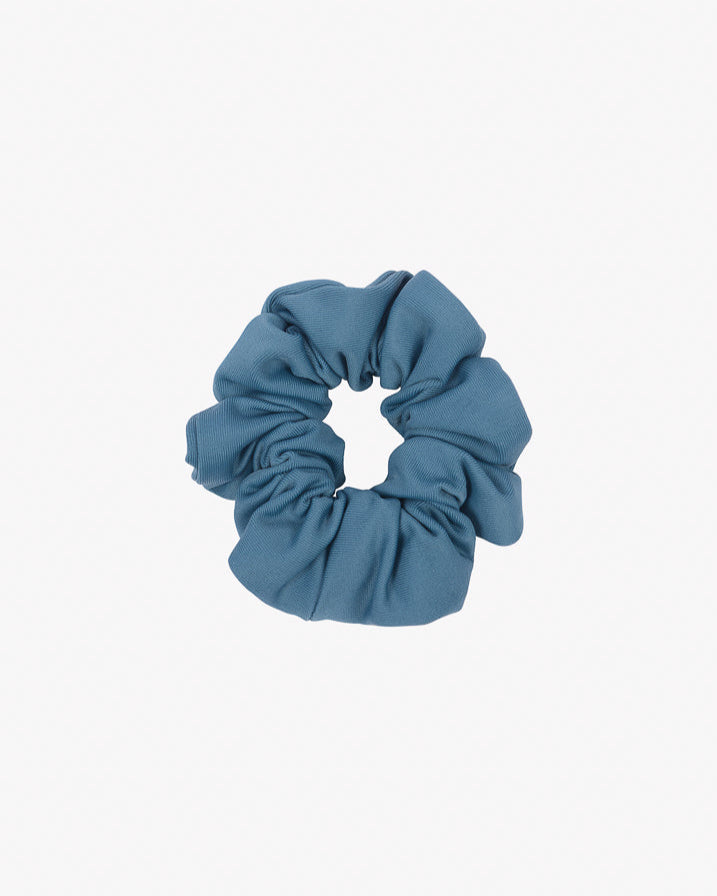
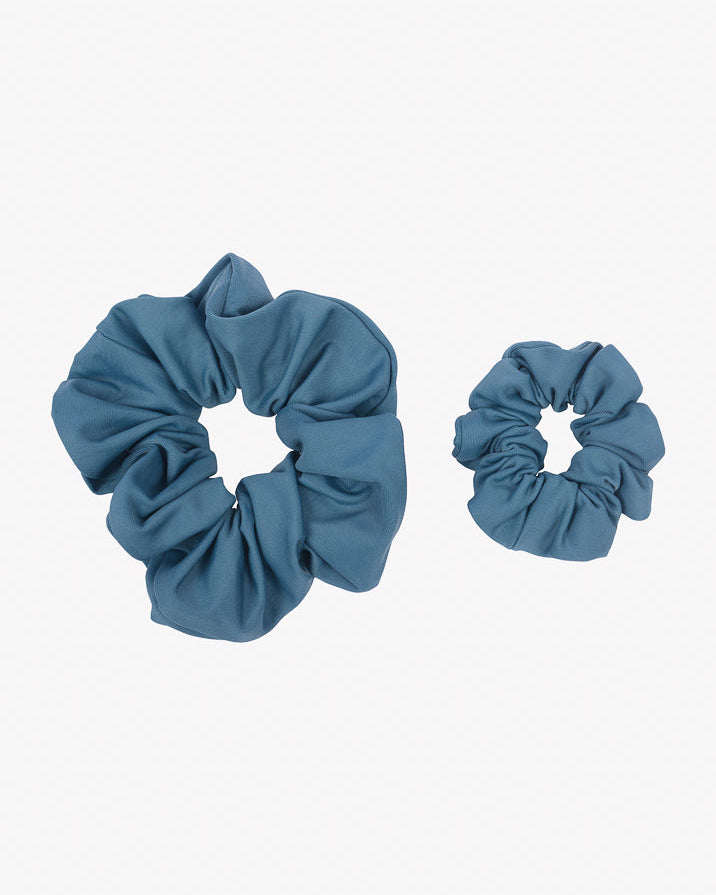
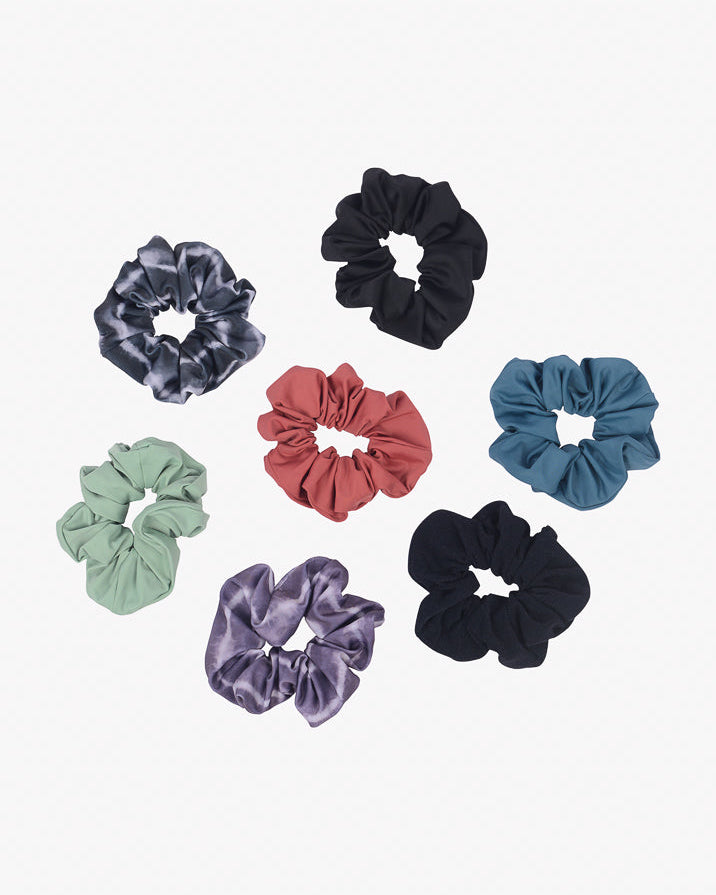
MAIN Design stands for sustainable surf fashion that combines functionality, style, and environmental awareness. The Swiss label consistently uses recycled materials, such as Econyl made from old fishing nets, to actively protect the oceans. With every purchase, you support initiatives like Healthy Seas and contribute to making the seas cleaner.
Of particular note is the extensive collection specifically designed for female surfers and families. It includes:
- Swimwear in modern cuts and vibrant colors
- Kimonos, ponchos and activewear for the beach and everyday life
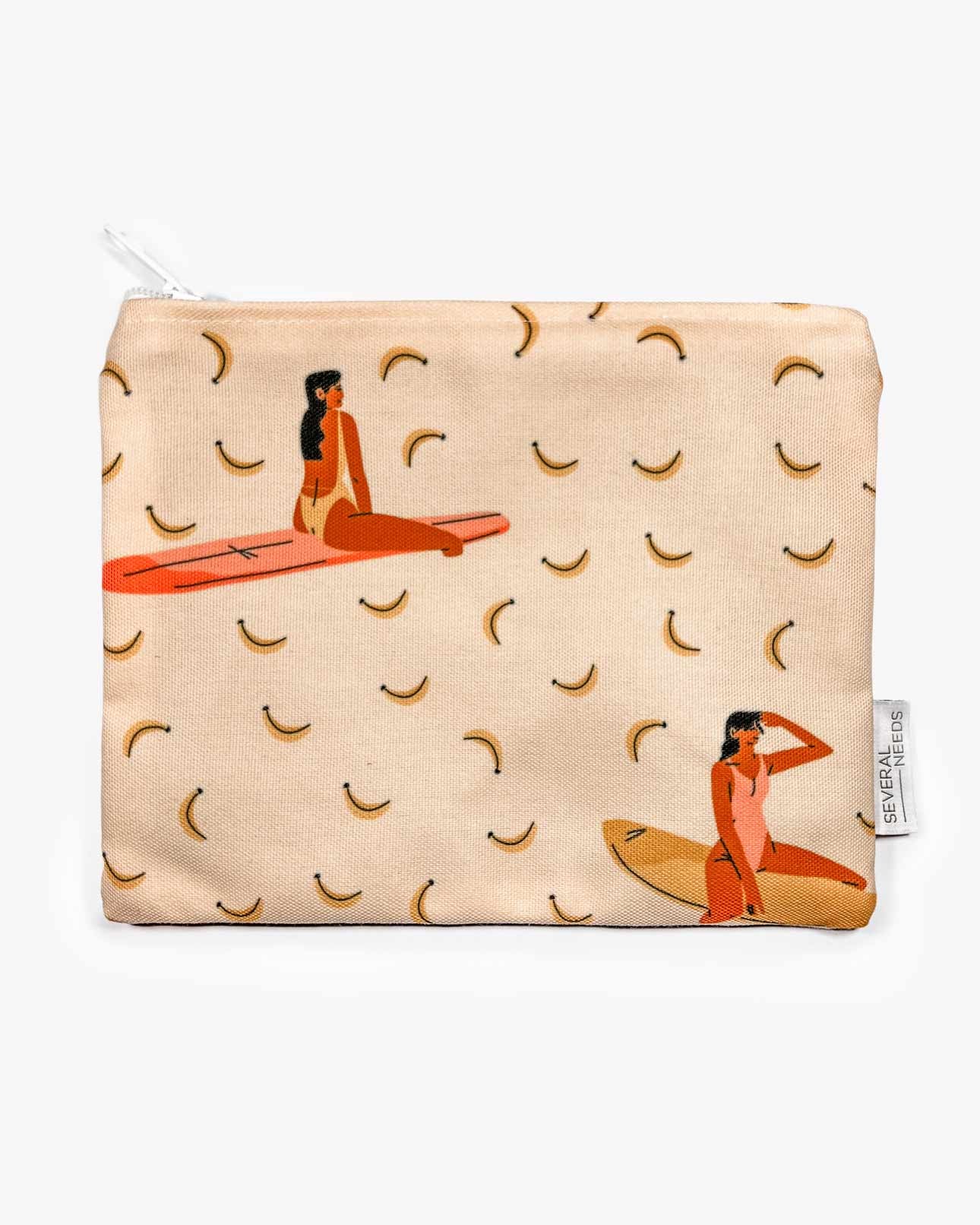
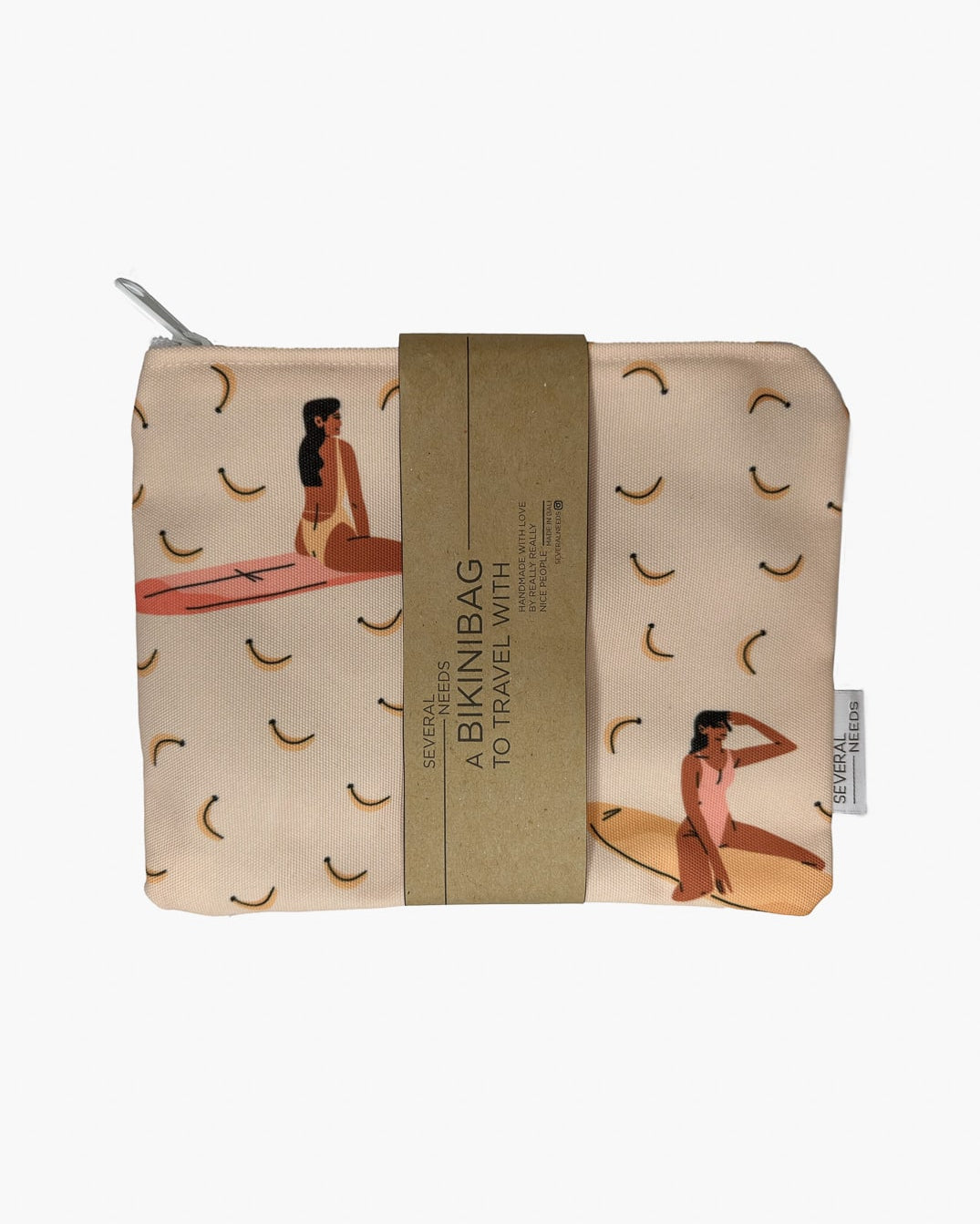
- Accessories with functional design
MAIN Design offers special swimwear for children with UPF 50+ sun protection. This allows little ones to play carefree on the beach, while you opt for sustainable surf fashion. The entire production process is transparent and socially responsible, primarily in Europe, ensuring short supply chains and fast delivery.
Another advantage: MAIN Design offers attractive bundle deals that allow you to combine high-quality, durable products and save money. The materials are robust, easy to care for, and retain their quality even after many uses in water.
If you would like to learn more about the philosophy, the collection and the meaning of sustainable surf fashion, you can find further information in the blog post on sustainable surf fashion and swimwear .
MAIN Design is the perfect choice for anyone looking for sustainable surf fashion that not only looks good but also makes a real contribution to protecting the oceans.
Buying advice: What should you look for in sustainable surfwear?
Choosing the right sustainable surfwear is crucial if you truly want to protect the environment and oceans. More and more surfers are asking themselves: How do you recognize sustainable products, and what should you look for when buying them? With the right strategy, you can find stylish, durable, and responsibly produced surfwear that meets your needs.
The most important criteria when buying
Sustainable surfwear should meet several important criteria. Here's an overview of the key aspects:
- Material selection: Look for organic fibers such as GOTS-certified cotton, hemp, or recycled plastics. These reduce water consumption and pollutants.
- Origin & Transparency: Find out where and how products are manufactured. Reputable brands document production locations and working conditions, and offer certifications such as Fairtrade or Oeko-Tex.
- Durability & Repair: Robustly constructed products last longer. Brands like Patagonia offer repair services, which significantly extends the lifespan of sustainable surfwear.
- Fit & Function: Surfwear must be flexible, comfortable, and UV-protective. Look for ergonomic cuts, good workmanship, and innovative features.
- Value for money: Sustainable products are often more expensive, but offer real added value through quality and durability.
- Packaging & Shipping: We prefer plastic-free packaging, climate-neutral shipping and local production to reduce our ecological footprint.
Use reviews, testimonials, and compare different brands. This way you can find sustainable surfwear that suits your style and values.
Checklist for buying sustainable surfwear
A structured checklist helps you avoid bad purchases and choose truly sustainable surf fashion:
Questions before buying:
- Do I really need this product, or do I already have something comparable?
- What materials is the part made of, and are they certified?
- Where was it produced and under what conditions?
- How long do I expect to use it?
- Are there alternatives, e.g., second-hand or rental models?
Tools and apps for trademark verification:
| Tool/App | function | Special feature |
|---|---|---|
| Good on you | Brand valuation | Environment and Social Issues |
| Rank a Brand | Sustainability ranking | Many fashion brands |
| Fair Fashion App | Seal check | Easy to use |
Don't forget: The most sustainable consumption is often the consumption that doesn't happen at all. Extend the lifespan of your sustainable surfwear through proper care and repair.
Practical examples & experiences
Many female surfers report that sustainable surfwear, while initially an investment, pays off in the long run. Longer wear times and fewer new purchases reduce the ecological footprint.
Statistics show that a T-shirt is worn an average of 44 times. Every time you choose durable, certified products, you protect resources and support fair working conditions.
A well-known example from the industry is Patagonia's "Don't Buy This Jacket" advertising campaign , which encourages consumers to critically examine their consumption and make more conscious decisions.
Refer to user reviews and use the collected tips to choose your next sustainable surf fashion not only out of conviction, but also with a clear conscience.
Care, lifespan & second-hand: How to keep your surfwear truly sustainable
Proper care is crucial for sustainable surfwear to achieve its positive impact. Often, it's the small routines that determine how long your favorite piece will last. By making conscious choices, you can significantly reduce the ecological footprint of your surfwear.
Proper care for greater sustainability
Sustainable surfwear only remains truly sustainable if you care for it properly. Wash your surf clothes as infrequently as possible and always at low temperatures. Cold washes not only protect the fibers but also save energy. Use special microplastic filters in your washing machine to prevent tiny plastic fibers from being released.
Repair minor damage immediately instead of ignoring it. Many brands offer repair services or DIY kits. Patagonia's "Don't Buy This Jacket" campaign takes a stand against the throwaway culture and encourages consumers to use their clothing for as long as possible.
Store your sustainable surfwear in a dry place, protected from direct sunlight. This will prevent material fatigue and color fading.
- Use cold wash cycles and environmentally friendly detergent.
- Use microplastic filters
- Carry out repairs promptly
- Store properly and protect from sunlight
Second-hand & upcycling
Second-hand is a real insider tip for sustainable surf fashion. Platforms like Vinted or local surf shops often offer high-quality pre-owned items. This way, you extend the lifespan of clothing and conserve resources.
Upcycling is also worthwhile: old wetsuits can be turned into bags, keychains, or seat cushions. Creative projects can be carried out together with friends or in workshops.
- Second-hand platforms (Vinted, eBay classifieds, local surf shops)
- Upcycling projects (bags, accessories, seat cushions)
- Repair cafés and DIY workshops
By buying sustainable surf fashion second-hand or upcycling, you are making a statement against fast fashion.
Extend life cycle
The lifespan of sustainable surfwear can be extended even further through clever design. Swap meets and clothing exchange events within the surf scene bring new favorite pieces into circulation without the need for new production.
Sharing models are also gaining importance: Specialized platforms allow users to rent surfwear for specific trips or seasons. This reduces unused clothing in the closet and saves resources.
- Swap meets and clothing swap events
- Sharing models (renting surf gear)
- Sharing in surfing communities
Each additional usage cycle noticeably reduces the ecological footprint of your sustainable surf fashion.
Facts & Figures
Did you know that less than 20 percent of all clothing items are actually recycled? Studies show that the average lifespan of a T-shirt is about 44 washes. The longer you wear sustainable surfwear, the smaller its environmental footprint becomes.
| Key figure | Value |
|---|---|
| Recycling rate | <20% |
| Average usage | 44 wash cycles |
| Water savings per product | up to 50% |
Through consistent care, second-hand and sharing, you can significantly extend the life cycle of your sustainable surf fashion and protect the environment.
Sustainable surfing in everyday life: Tips for a conscious surfer lifestyle
A conscious surfer lifestyle starts with small everyday choices. Wearing sustainable surfwear makes a statement for environmental protection and responsible consumption. With simple changes, you can significantly reduce your ecological footprint while still expressing your own style.
Question consumption & use alternatives
Less is often more: Before you buy something new, ask yourself if you really need it. Sustainable surfwear impresses with its quality and versatility. Wear your surfwear in everyday life, combine it with other clothing items, and thus extend its lifespan.
- Choose quality over quantity
- Use second-hand shops or swap meets.
- Versatile use of products
By consuming more consciously, you reduce resource consumption and make a clear statement for sustainable surf fashion.
Environmentally friendly on the go
How you get to the spot makes a difference. Opt for the train, carpooling, or cycling. At the beach, remember: avoid littering, bring your own water bottle, and participate in clean-ups. You can also find practical tips for sustainable surf fashion and eco-friendly surfing in this article: Environmentally Friendly Surfing in Everyday Life .
- Use CO2 compensation when traveling
- Choose an environmentally friendly sunscreen
- To be a role model for other surfers
This way you actively contribute to the protection of the oceans and authentically live sustainable surf fashion.
Community & Engagement
Exchanging ideas within sustainable surf communities is inspiring and motivating. Support local and global marine conservation projects, get involved in beach clean-ups, or stay informed about new initiatives. Together, the surf scene can make a real difference and raise awareness of sustainable surf fashion.
Future outlook
The development of sustainable surf fashion is progressing rapidly. More and more brands are focusing on innovative materials and fair production. The surf scene is thus becoming a role model for a conscious lifestyle and genuine environmental protection. Stay curious, keep up with the trends, and actively shape the future of the oceans.
Want to surf in style while also making a real difference for the environment? Sustainable surfwear lets you combine both: stylish outfits and active ocean conservation. MAIN Design focuses on this – their collection for women and children stands for quality, minimalist design, and responsible materials like recycled nylon from old fishing nets. Every purchase supports Healthy Seas and helps make our oceans cleaner. If you're curious how sustainable swimwear can enhance your lifestyle, check out the collections and get inspired: discover more