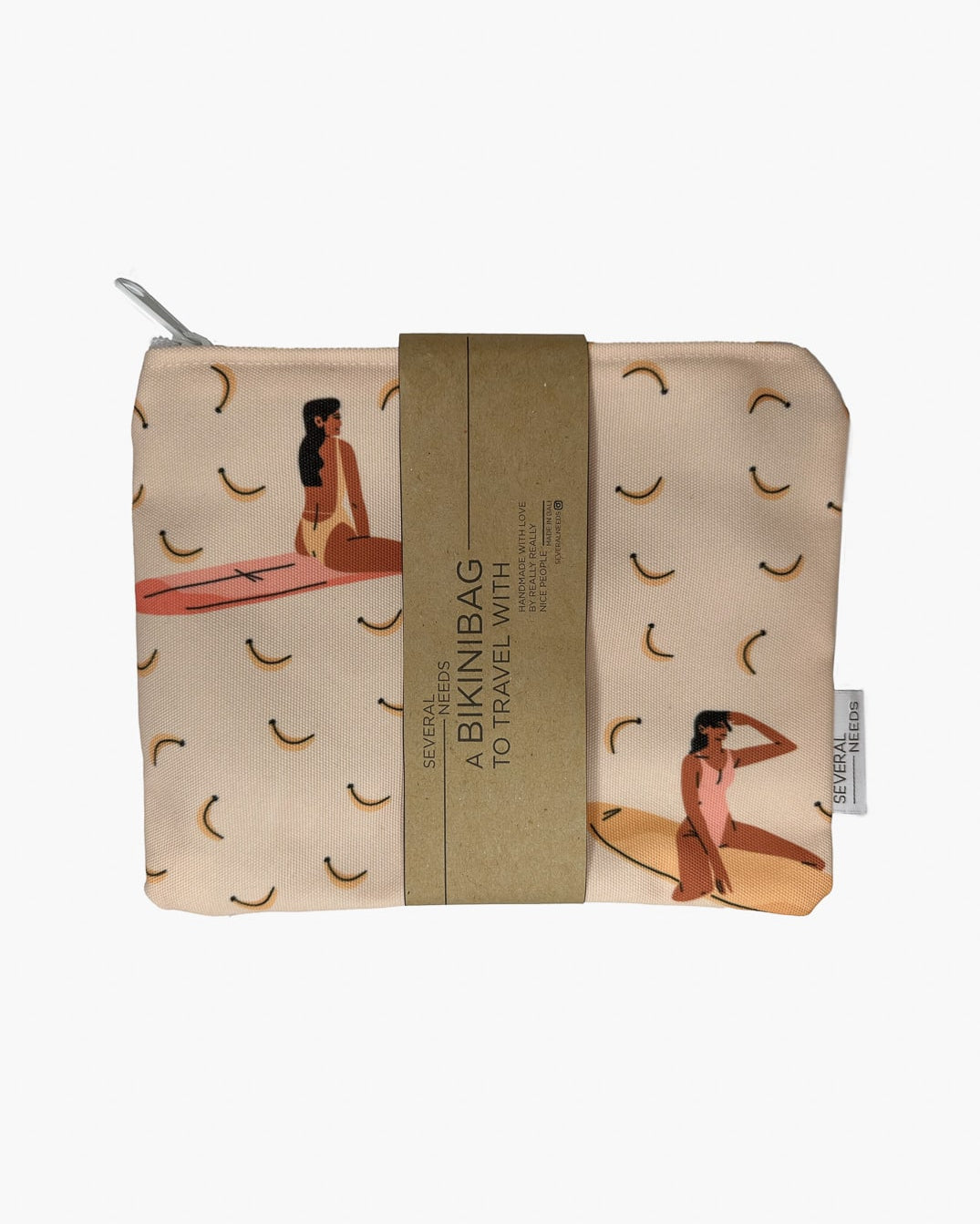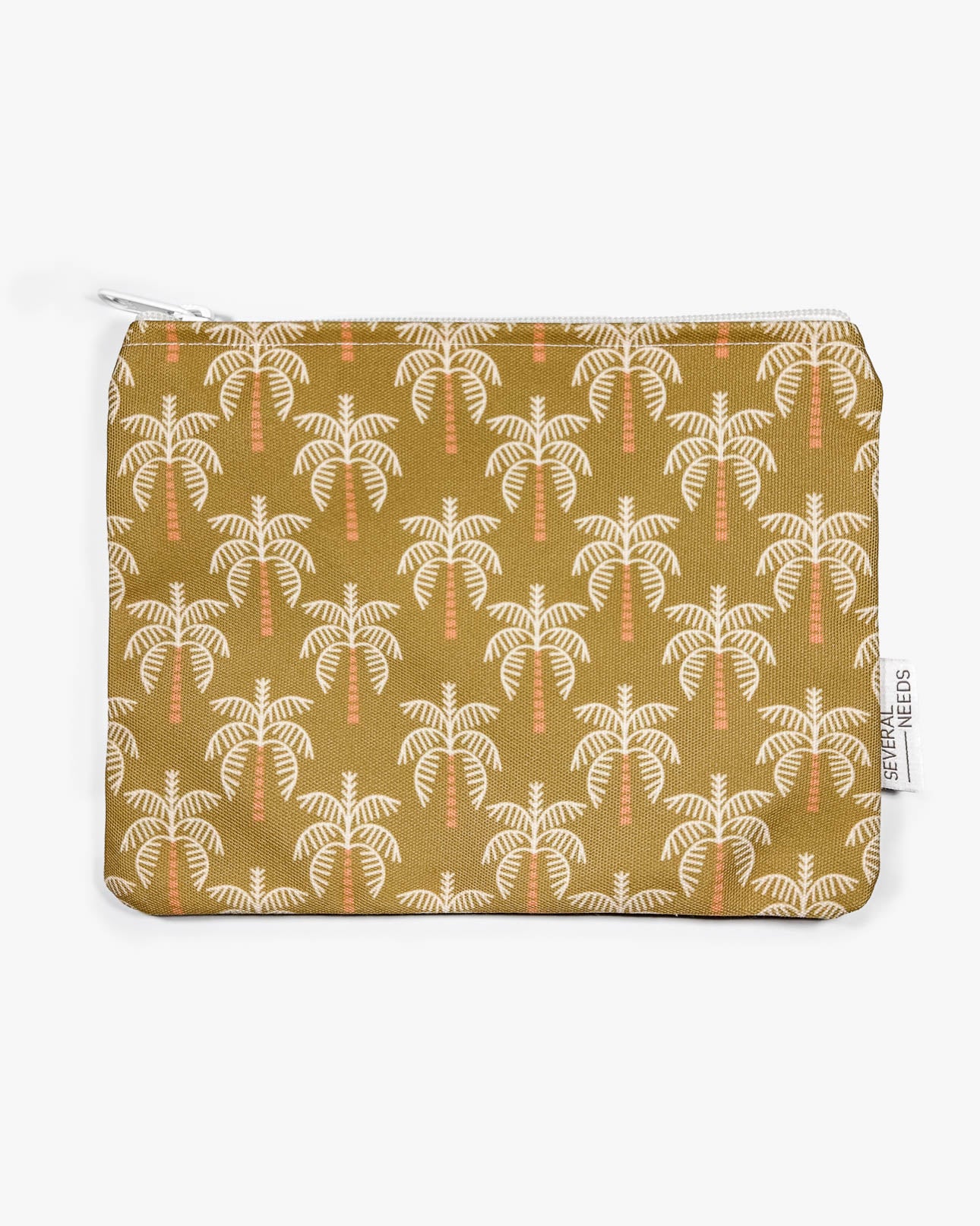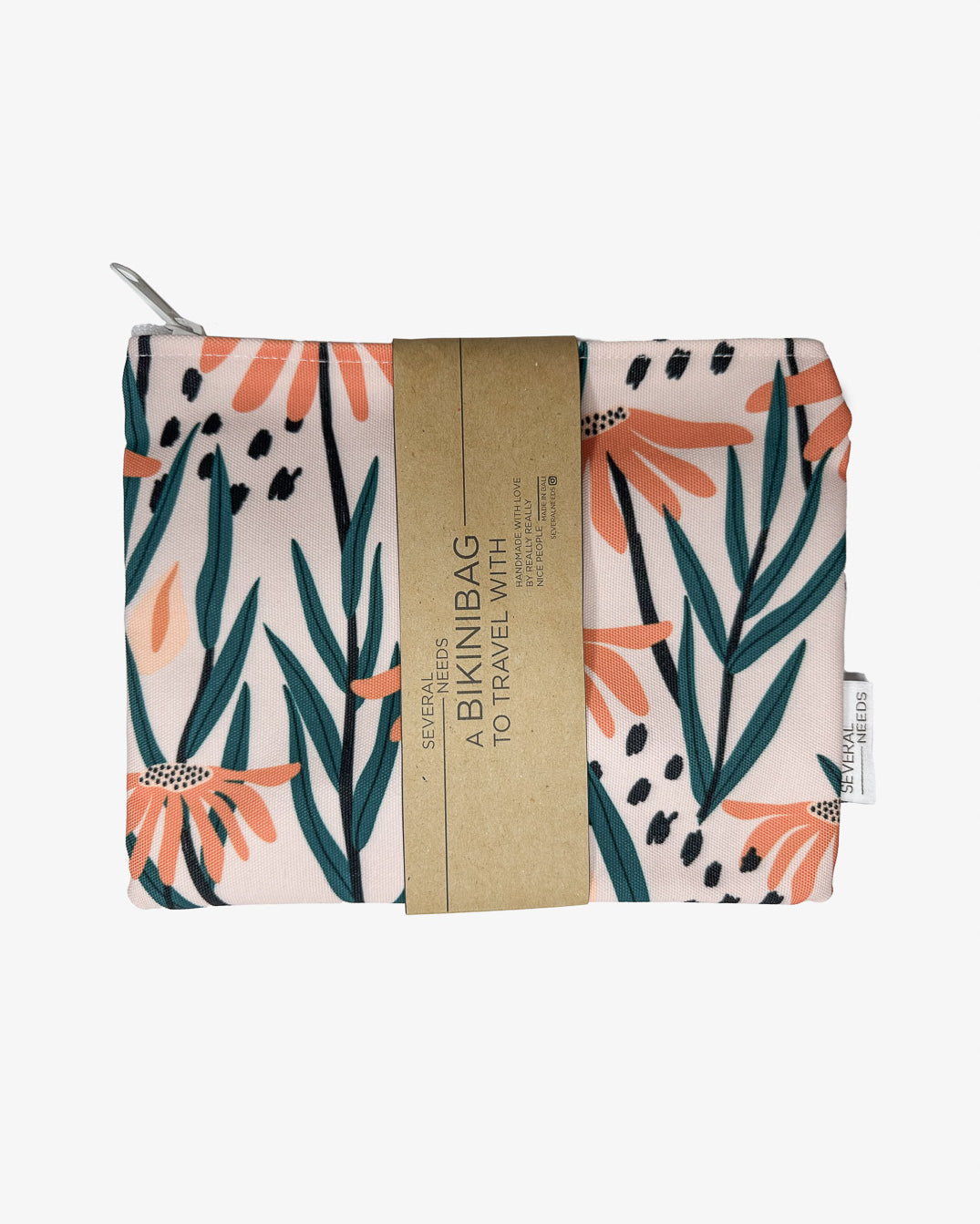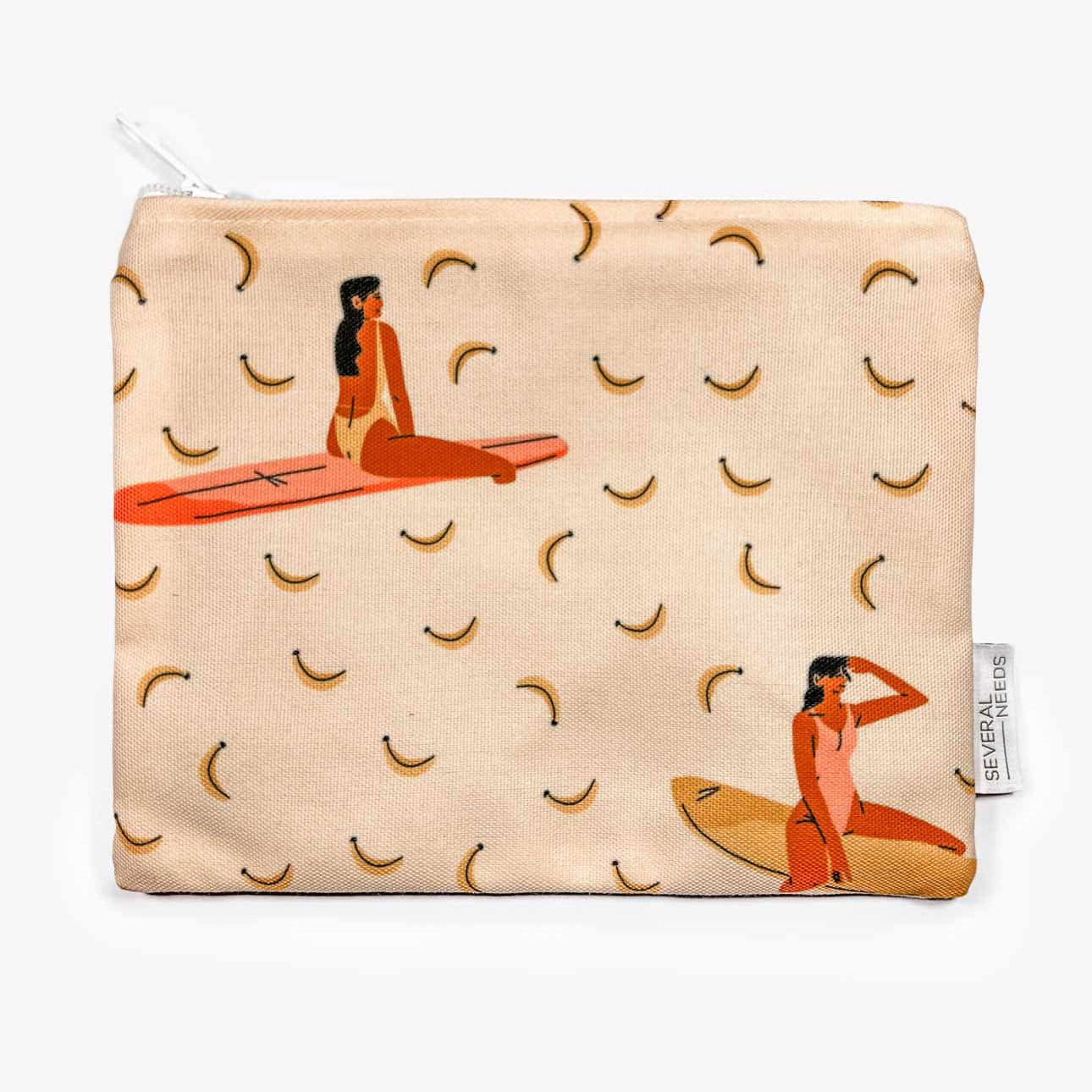


The waves are calling, the saltwater beckons – but what do you wear when you paddle out to the line-up? Surf swimsuits are more than just swimwear. They are your second skin in the water, your trusted companion for every take-off, your protection from the elements. And those who live consciously want to know: What materials, what cut, what responsibility is behind them? The days when a simple bikini or any swimming trunks were enough for surfing are over. Today, functionality, durability, and a clear commitment to sustainability are what count.
What Surf Swimsuits Really Need
When you're on the board, riding a wave, forces act on your body that can quickly overwhelm normal swimwear. A good surf swimsuit must therefore meet very specific requirements.
Hold Without Compromise
The most important feature: Your surf swimsuit stays where it belongs. Wipeouts, duck dives, quick turns – none of these should result in you suddenly having to deal with slipped straps or ruffled bottoms.
- Reinforced seams in critical areas
- Elastic cuffs with sufficient compression
- Adjustable straps or criss-cross back designs
- Secure closures that don't pop open

A loose fit might look relaxed on the beach, but in the water, it becomes a problem. The right fit is not a luxury, but a basic requirement. Too tight cuts in and restricts movement. Too loose feels insecure and hinders paddling.
Materials That Last
Chlorine, saltwater, sand, sun, UV radiation – surf swimsuits have to withstand a lot. That's why well-thought-out designs rely on high-quality, durable fabrics that retain their shape and don't fade or stretch out after three sessions.
| Material | Advantage | Special Feature |
|---|---|---|
| Recycled Polyamide | Shape-retaining, quick-drying | Made from old fishing nets |
| Elastane content | Freedom of movement, recovery power | Ideal in combination with recycled fibers |
| Lycra blends | UV protection, soft feel | Durable with proper care |
Many modern surf swimsuits today use recycled nylon or polyamide. These materials often come from reprocessed ghost nets or plastic waste from the oceans – a cycle that makes sense. Sustainability means not only less waste but also more conscious decisions for high quality instead of fast fashion.
Freedom of Movement and Comfort
Every movement counts on the board. Your surf swimsuit should support it, not hinder it. This means:
- Flat seams that don't chafe or dig in
- Four-way stretch that stretches in all directions
- Lightweight, barely noticeable in the water
- Quick-drying so you don't get cold when you come out of the water
Some designs combine different fabric thicknesses: firmer in the waistband or cups, more elastic where you move a lot. Such details make the difference between "it's okay" and "feels perfect."
Different Styles for Different Waves
Not every surf swimsuit is suitable for every session. Depending on where and how you surf, you need different cuts and features.
Bikinis with Extra Support
A surf bikini is not the same as a beach bikini. The top should be equipped with wide straps, criss-cross bands on the back, or integrated cups that offer real support, like the Sassy Bikini Top. The bottom needs more coverage and a secure fit, ideally with a high-cut leg for freedom of movement or a mid-rise waist for extra security.
Those who are in smaller, gentler waves usually get along well with a well-fitting sports bikini. For more powerful conditions, halterneck variations or bandeau tops with an additional chest band are the better choice.
One-Pieces for Maximum Security
One-piece surf swimsuits are the safest choice if you don't want to worry about slipping parts. They offer all-around coverage and stay in place even during the wildest wipeouts.
Modern designs show that a one-piece doesn't have to be boring:
- Cut-outs at the waist or back for visual accents
- Zippers at the front or back for easy on and off
- Reinforced bustier inserts for additional support
- Longer leg cuts for more coverage
Especially practical: Many one-piece surf swimsuits can also be worn as a bodysuit in everyday life, combined with shorts or jeans. Versatility that makes sense.

Rash Guards and Surf Suits
For longer sessions, cooler waters, or more intense UV radiation, rashies come into play. These long-sleeved tops protect from the sun, prevent chafing from wax, and keep you warm without restricting movement.
A complete surf suit combines top and bottom into a continuous suit. This offers:
- Optimal UV protection for the whole body
- Thermal insulation without neoprene thickness
- Zero slippage, no matter what happens
- Protection from jellyfish and other irritations
Especially for children, such surf swimwear solutions are ideal. Parents don't have to worry about sunburn or lost bikini tops, and the little ones can move freely.
Sustainability: More Than a Marketing Buzzword
Those who are regularly in the ocean feel the connection to the water directly. Plastic on the beach. Trash floating in the current. Coral bleaching that turns once colorful reefs gray. The choice of your surf swimsuits is also a decision about how you treat this habitat.
Recycled Materials as Standard
The best surf swimsuits today are made from Econyl, Repreve, or similar recycled fibers. These materials are made from:
- Discarded fishing nets (so-called ghost nets)
- Plastic bottles from the sea or landfills
- Textile waste from industry
- Old carpets and industrial plastics
The production process cleans, melts, and spins this waste into new, high-quality fibers. The result not only feels good, it is often qualitatively better than conventional nylon. And: The ecological footprint drops dramatically. Slow fashion instead of fast fashion means less resource waste and more appreciation for the individual piece.
Production with Responsibility
Sustainable surf swimsuits don't stop at materials. Production conditions also count:
- Fair wages and safe working conditions
- Local manufacturing or transparent supply chains
- Minimal water consumption during dyeing and processing
- Chemical-free or pollutant-reduced treatments
Some brands go even further and donate a portion of their sales directly to marine conservation organizations. This way, every purchase becomes a small contribution to cleaner oceans.
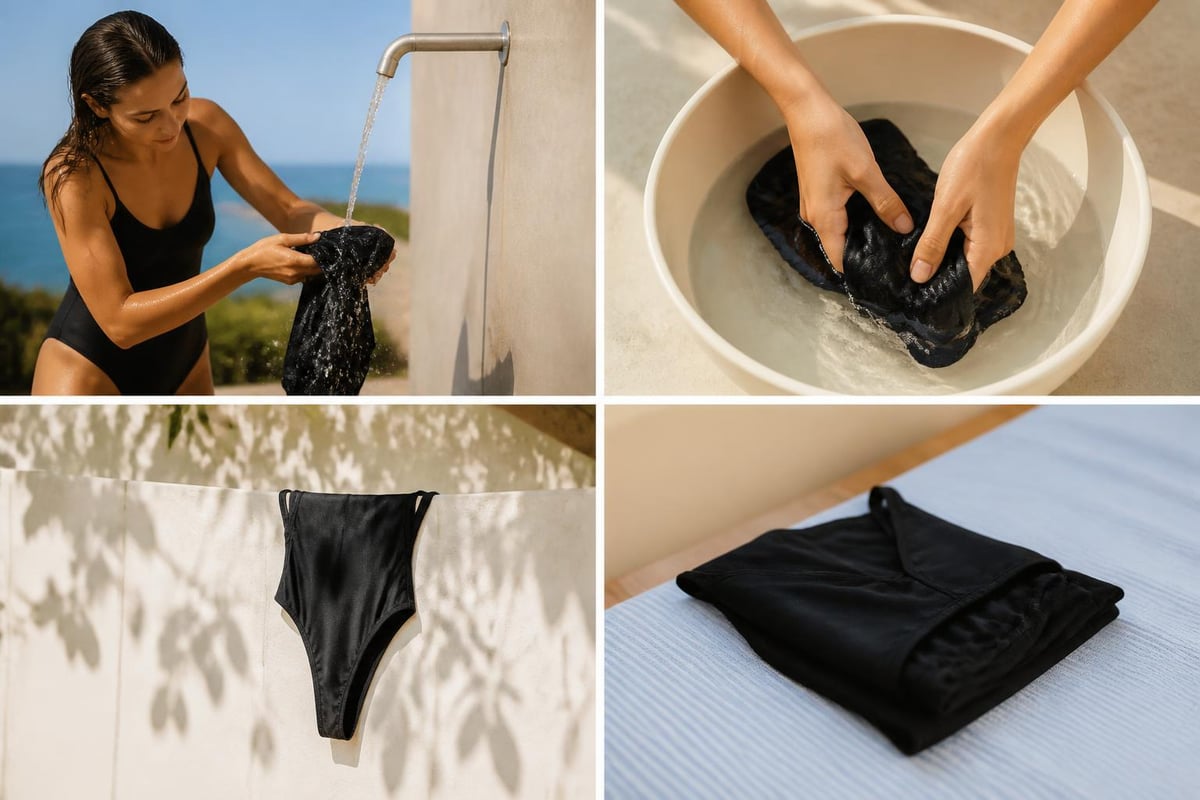
Proper Care Extends Lifespan
Even the best surf swimsuit doesn't last forever – but with proper care, it lasts significantly longer than without.
After the Session
As soon as you come out of the water:
- Rinse your surf swimsuit with cold, clear water
- Remove sand and salt thoroughly, especially from seams
- Do not wring, but gently press out excess water
- Dry in the shade, never in direct sunlight
- Avoid radiators or dryers
Chlorine from pools is particularly aggressive. If you've been in a pool, rinse the suit as quickly as possible.
Washing and Storage
Most surf swimsuits should be washed after 3-4 sessions:
- Hand wash with mild detergent is ideal
- Cold water protects colors and elasticity
- No fabric softeners, they damage the fibers
- Air dry on a towel or drying rack
| Do | Don't |
|---|---|
| Rinse in cold water | Wash in hot water |
| Dry in the shade | Leave in direct sunlight |
| Store flat | Crumpled in a bag |
| Wash with mild soapy water | Use bleach |
Stored correctly – flat or loosely hung – your surf swimsuit will retain its shape. Avoid leaving wet suits in closed bags for extended periods. This promotes mold and odors.
Finding the Right Fit: Tips for the Right Choice
The search for the perfect surf swimsuit is sometimes trial and error. A few basic rules will help you get there faster.
Body Type and Cut
Every body is different, and everyone deserves a surf swimsuit that fits and feels good.
For larger busts:
- Wide, adjustable straps distribute weight better
- Integrated cups or underwire provide additional support
- Halterneck cuts often offer more support than standard straps
For athletic figures:
- Ruffles or cut-outs create visual accents
- High-cut legs elongate the silhouette
- Contrasting patterns draw the eye
For curvy bodies:
- Higher waists offer more coverage and control
- Darker colors or vertical patterns visually lengthen
- Adjustable sides allow for individual customization
In the end, only one thing matters: How do you feel in it? You won't wear a surf swimsuit that you don't feel comfortable in – no matter how perfectly it fits theoretically.
Try On and Test
When in doubt, order two sizes and test them at home. Jump around in the shower, do some squats, move around. Does anything slip? Does the fabric cut in? Does anything feel uncomfortable?
Many brands now offer detailed size charts. Measure yourself beforehand – bust, waist, hips – and compare with the specifications. Sizes can vary greatly between different brands.
For the Little Ones: Surf Swimsuits for Children
Children need surf swimsuits that can withstand even more than adult ones. They move faster, play wilder, and often don't notice in time if something slips.
Safety and Visibility
With children's swimwear, other priorities come to the fore:
- Bright colors make it easier to keep an eye on children in the water
- UV protection UPF 50+ is a must, not an option
- Easy to put on and take off, ideally with zippers
- No small parts that can come loose or be swallowed
Especially for the youngest, one-piece models with a continuous zipper are practical. This also makes changing diapers easier.
Plan for Growth
Children grow quickly. A surf swimsuit should therefore have some leeway without being too baggy. Adjustable straps or elastic cuffs will grow with them for a while.
Nevertheless, invest in quality. A well-made, sustainable surf swimsuit can later be passed on to siblings or friends. That's true slow-fashion thinking – buy, love, pass on, reuse.
Styling and Combinations
Surf swimsuits don't just have to work in the water. The best designs can be combined in many ways and accompany you from the line-up to the beach bar.
From Water to Land
A well-designed surf bikini can be easily combined:
- With denim shorts for a relaxed after-surf look
- Under a kimono or poncho for the walk to the beach
- With a loose linen shirt for sundowners
One-pieces work as a bodysuit under pants or skirts. They thus become a complete piece of clothing, not just swimwear.
Accessories That Make Sense
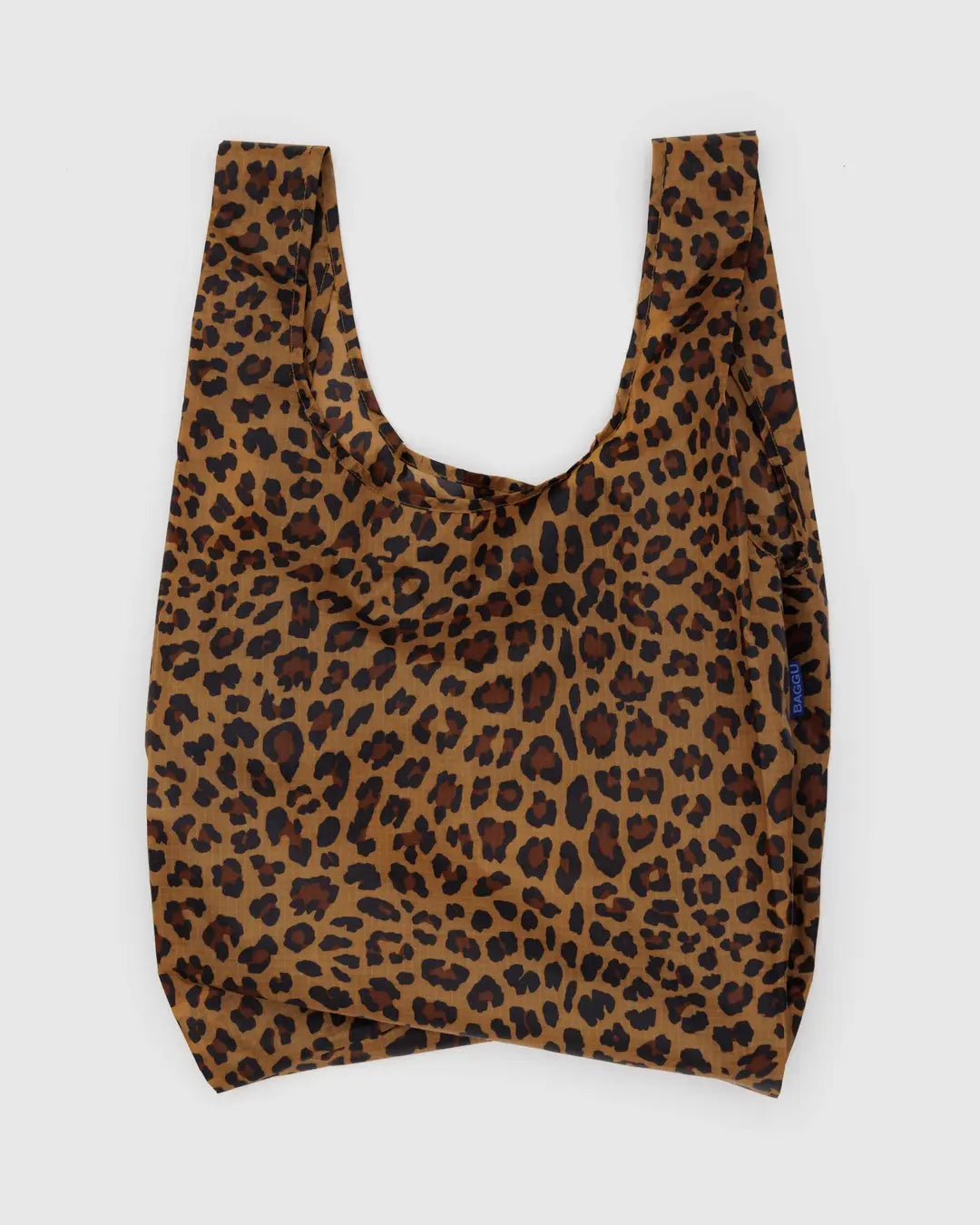
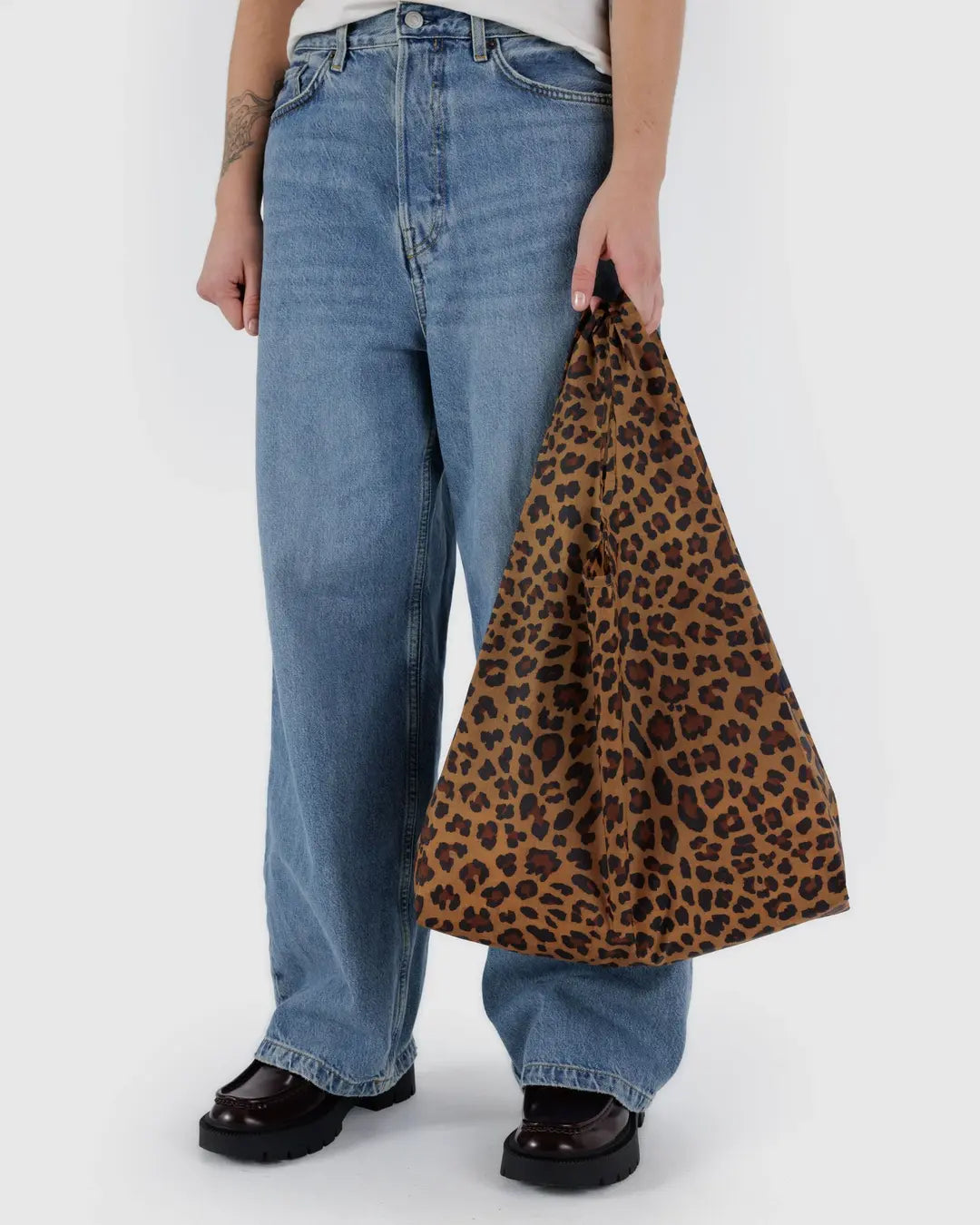
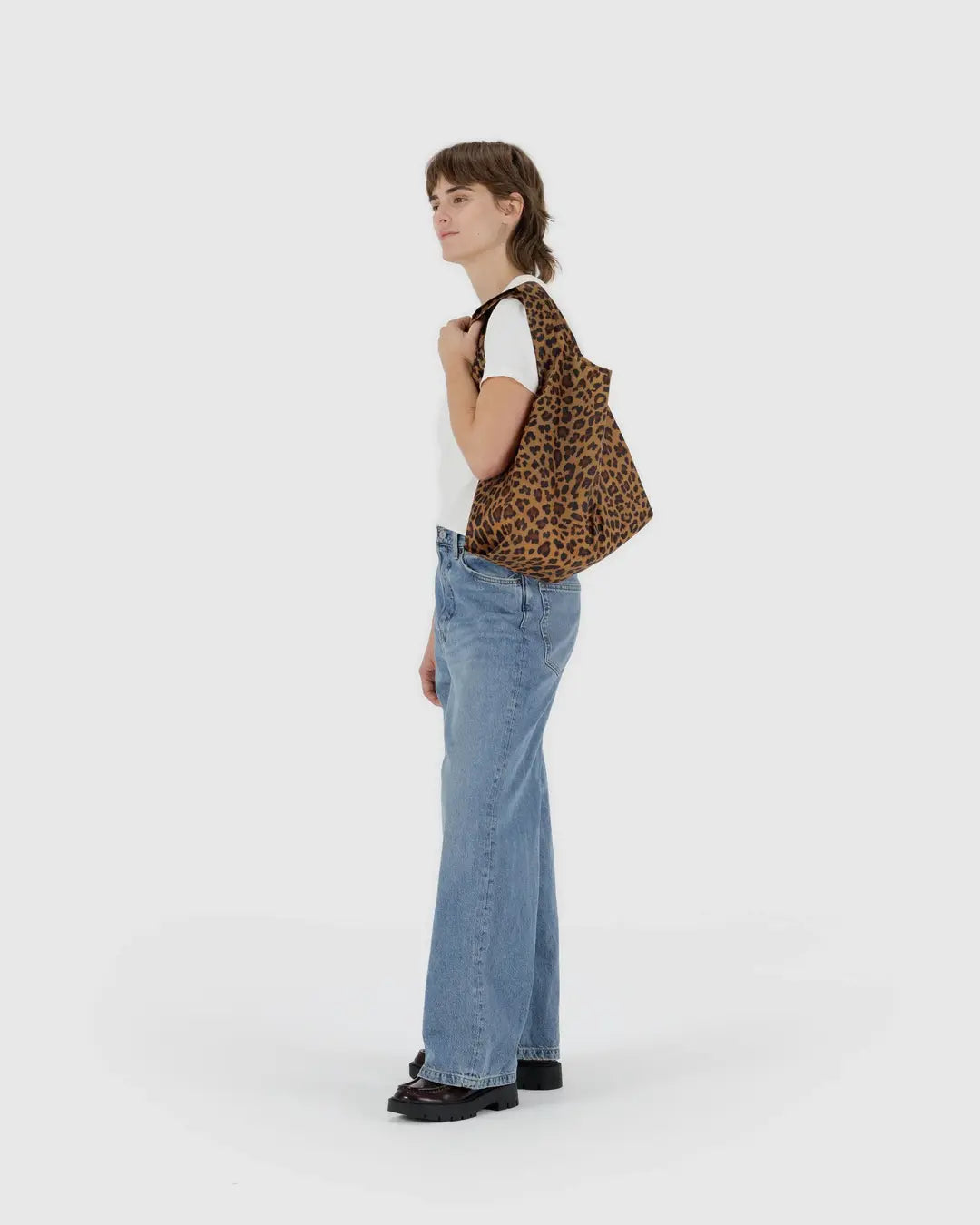
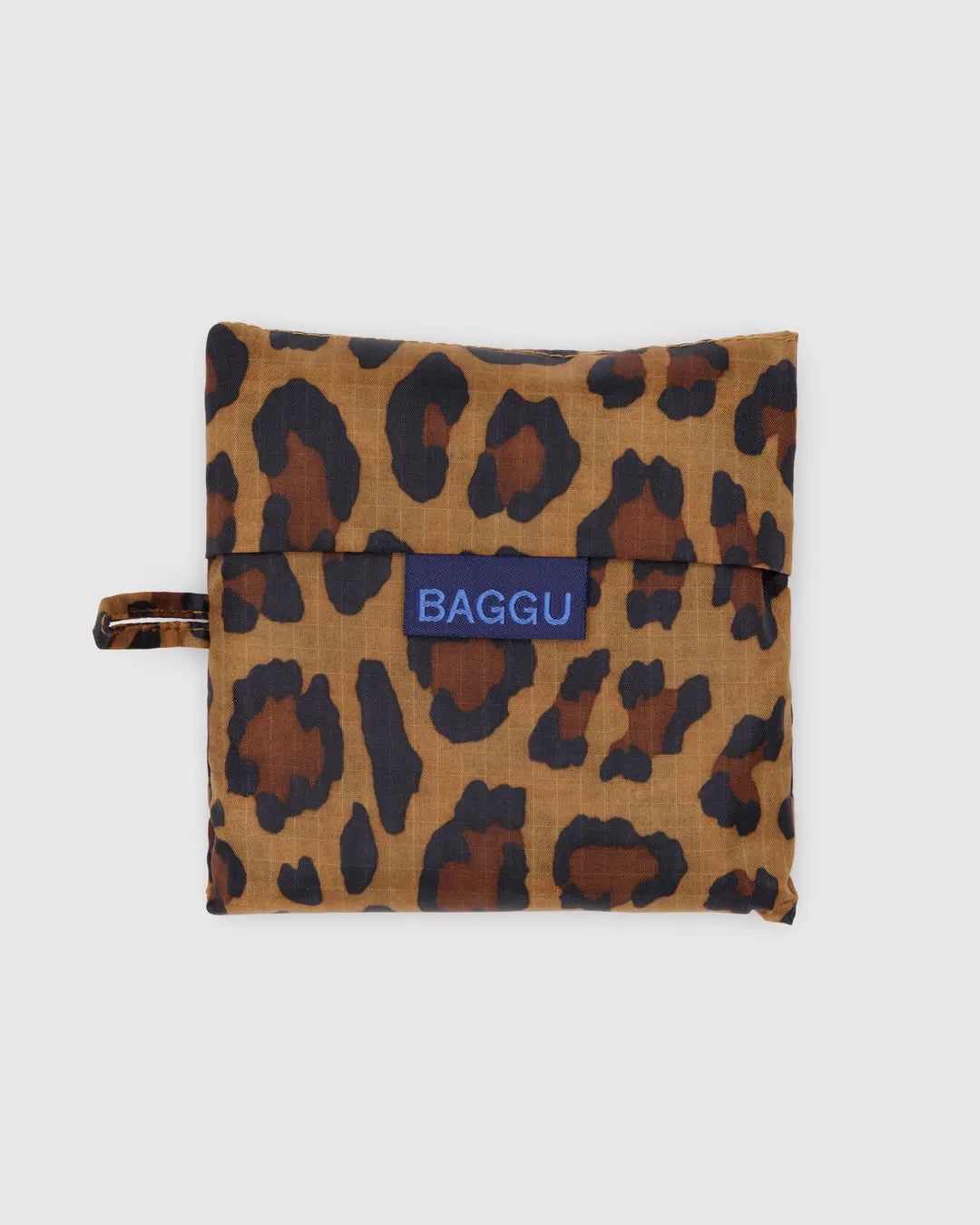
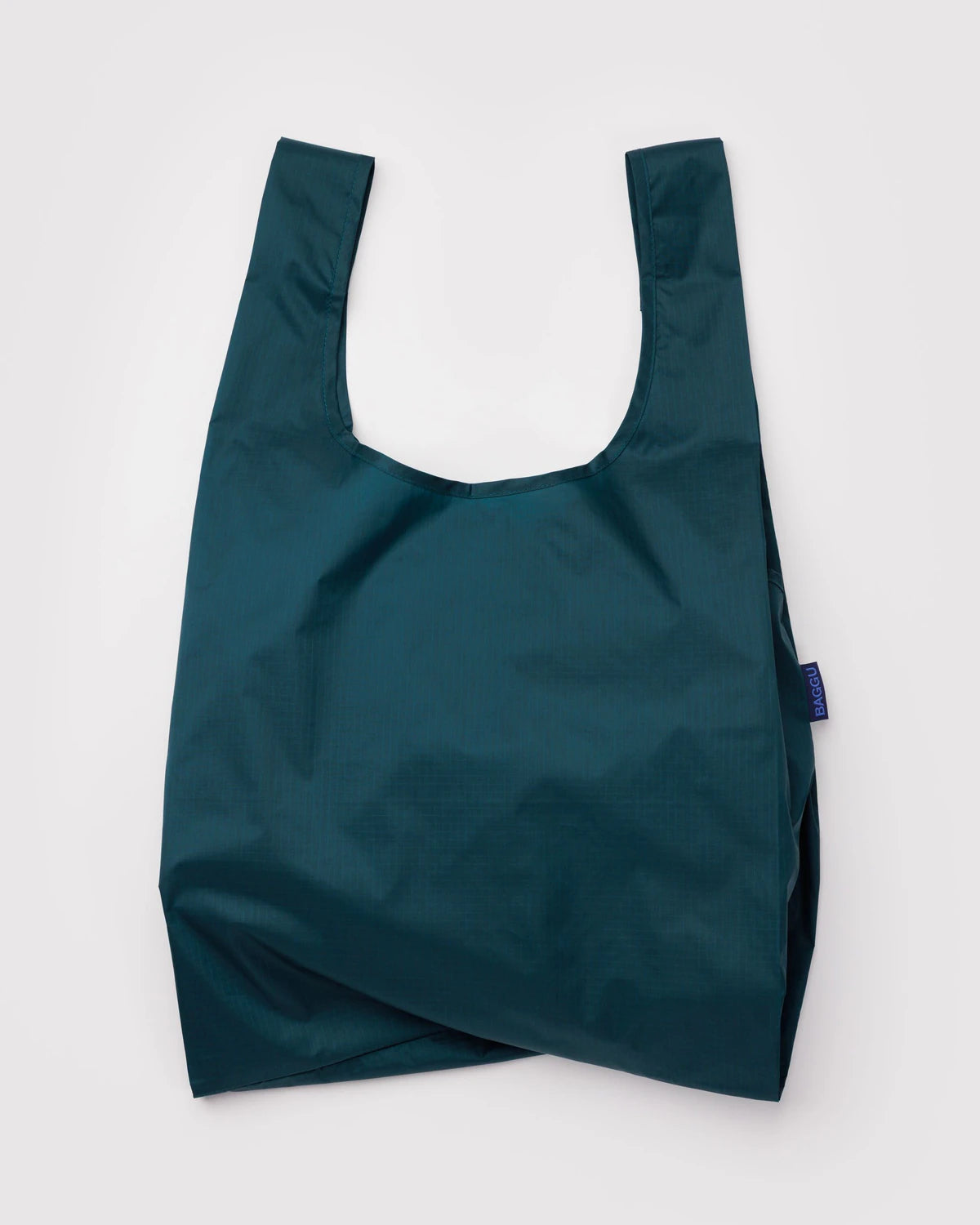
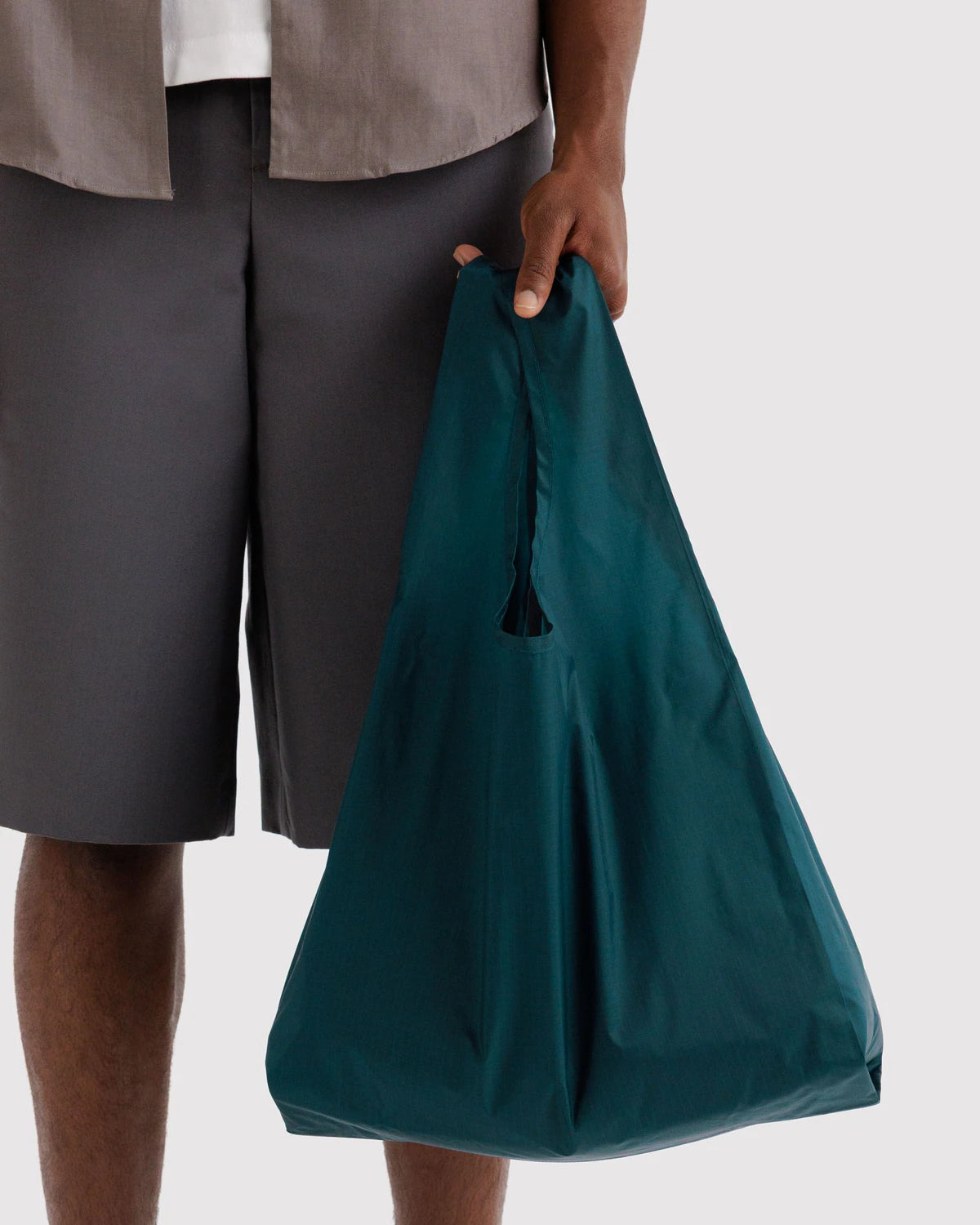
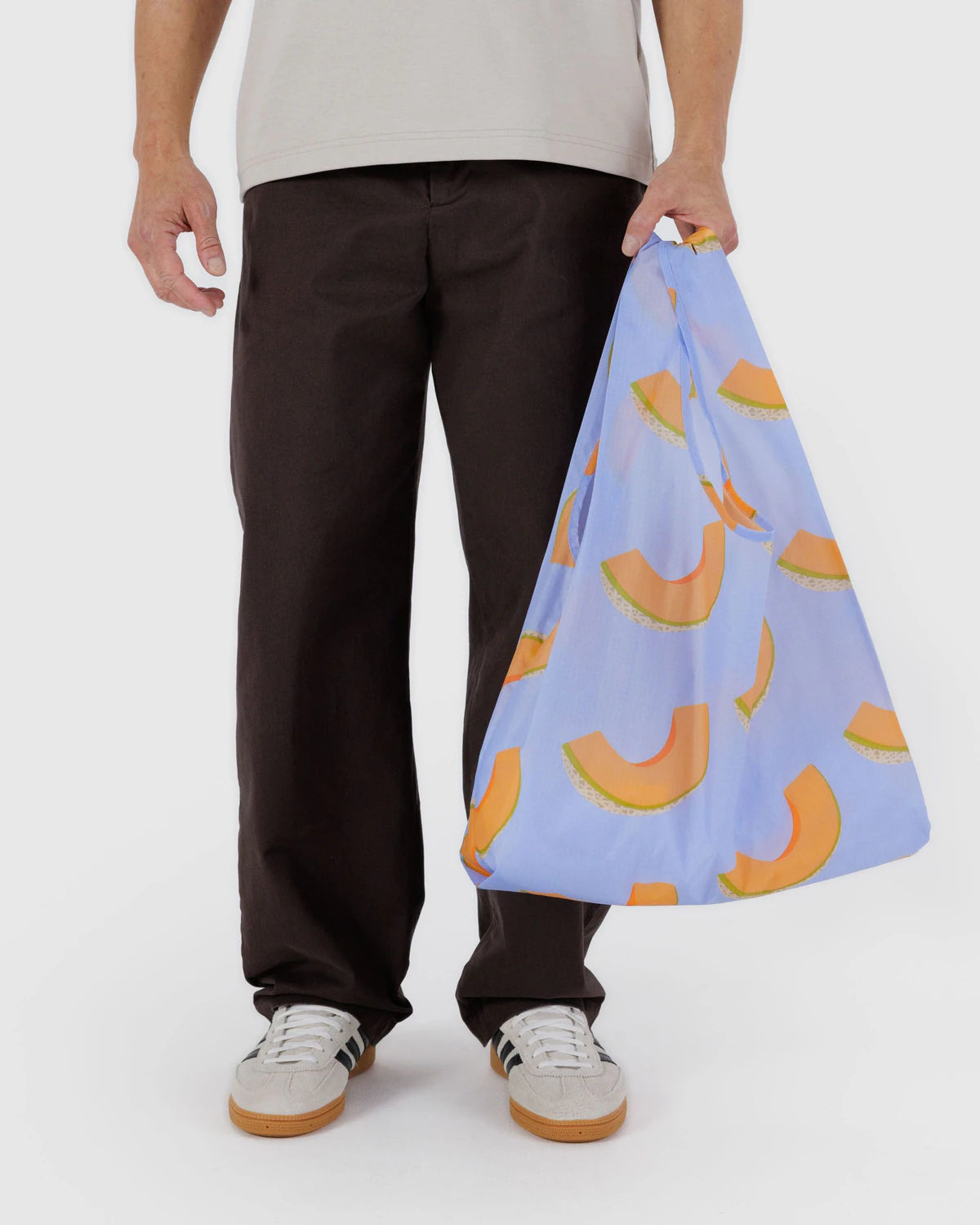
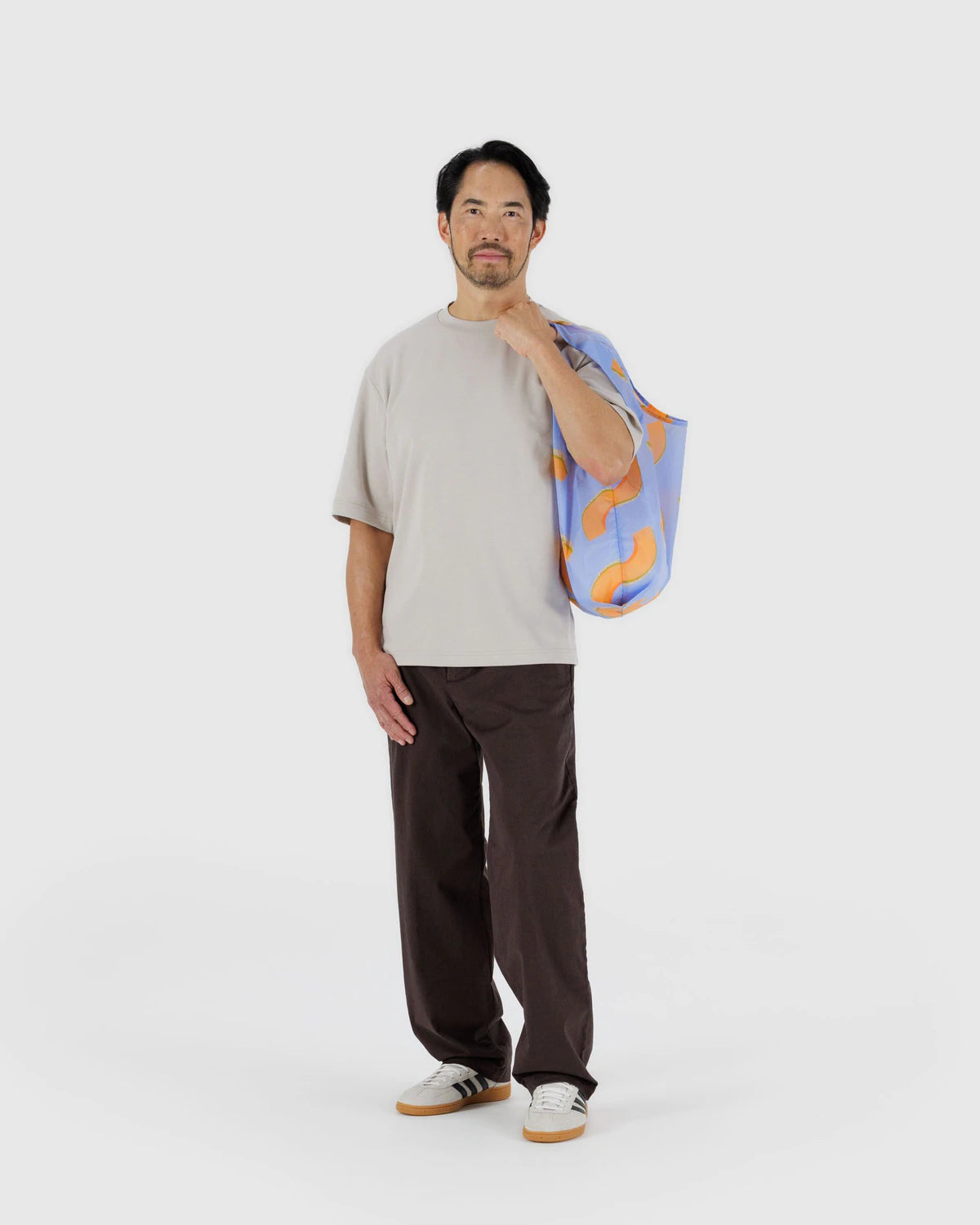
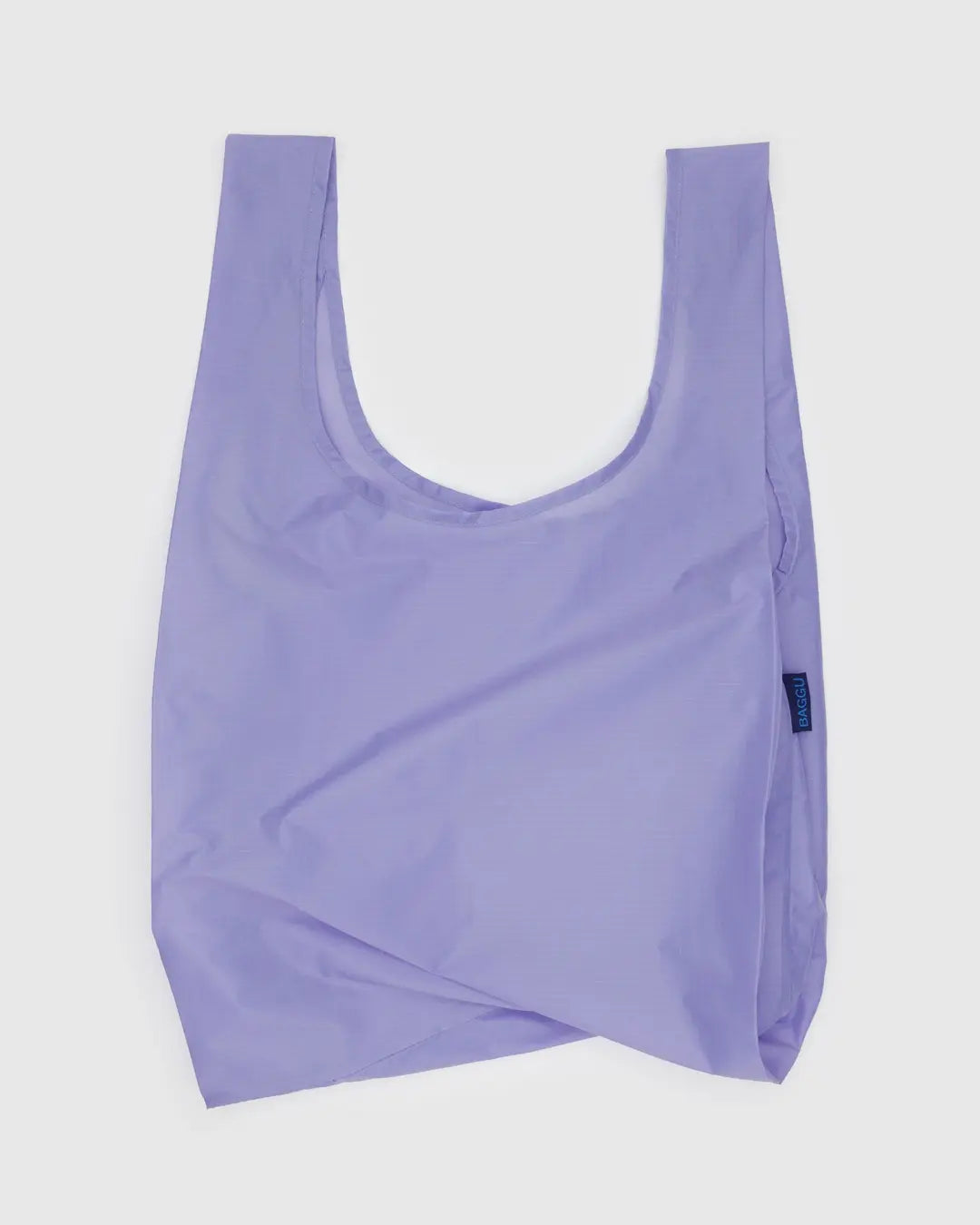
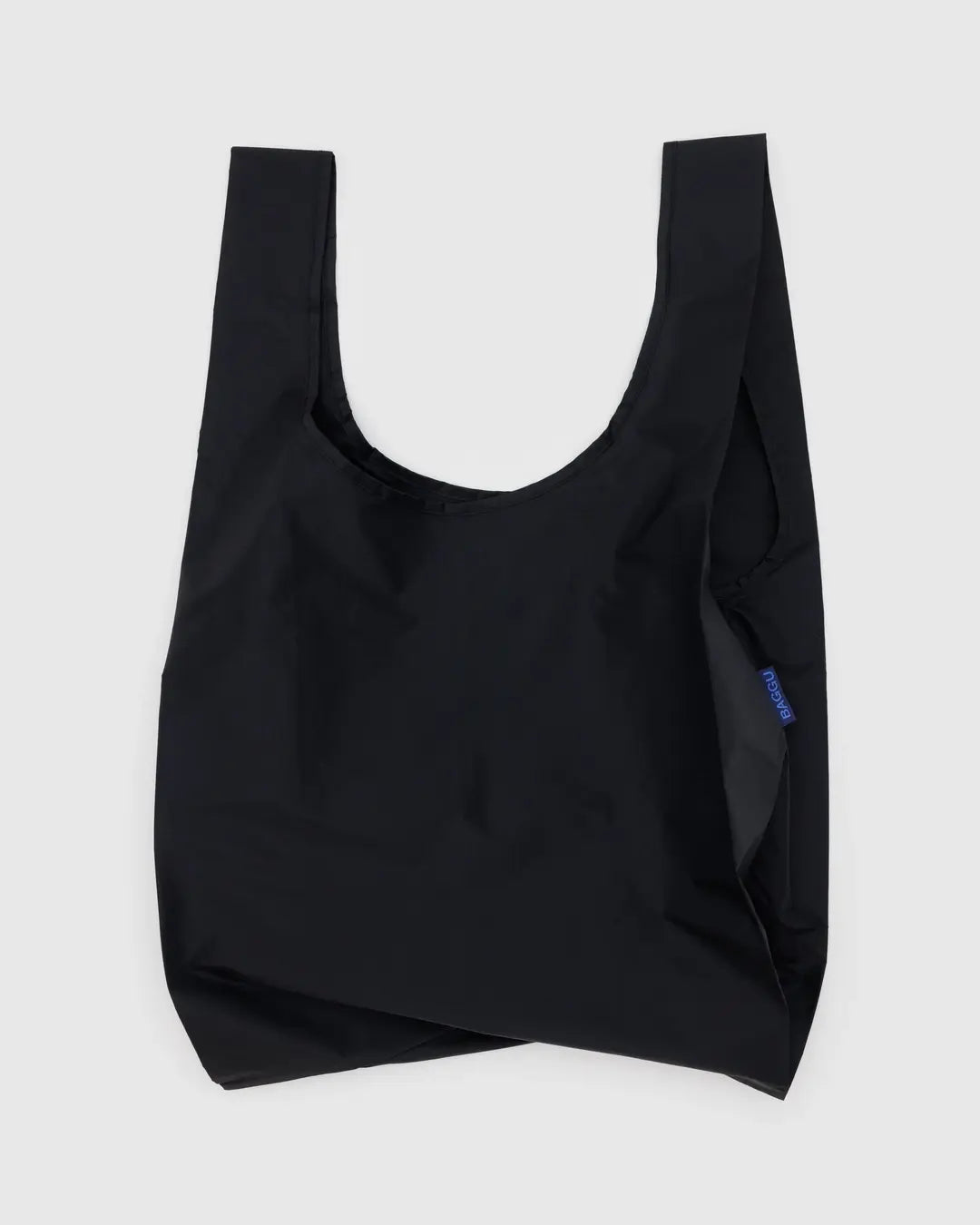
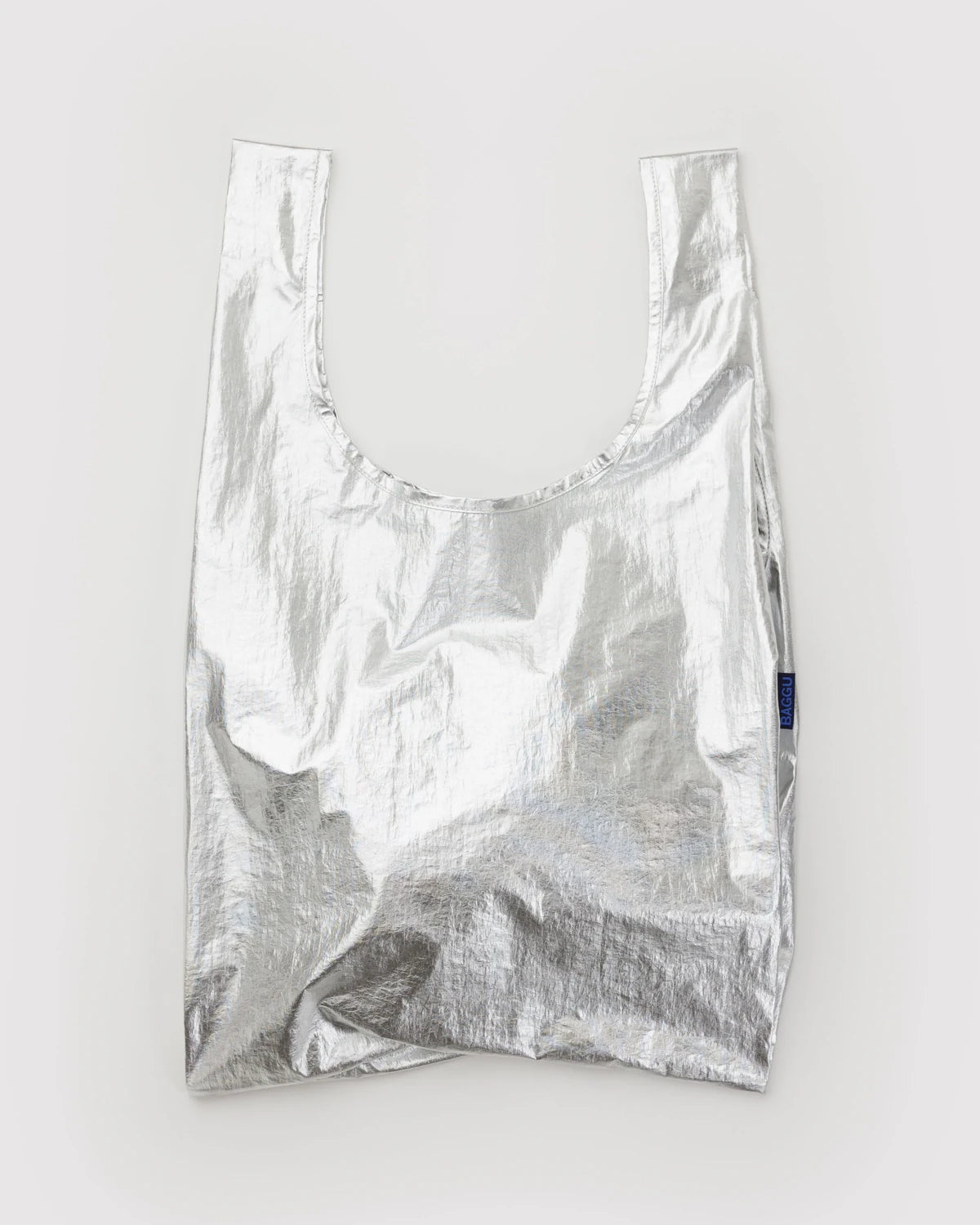
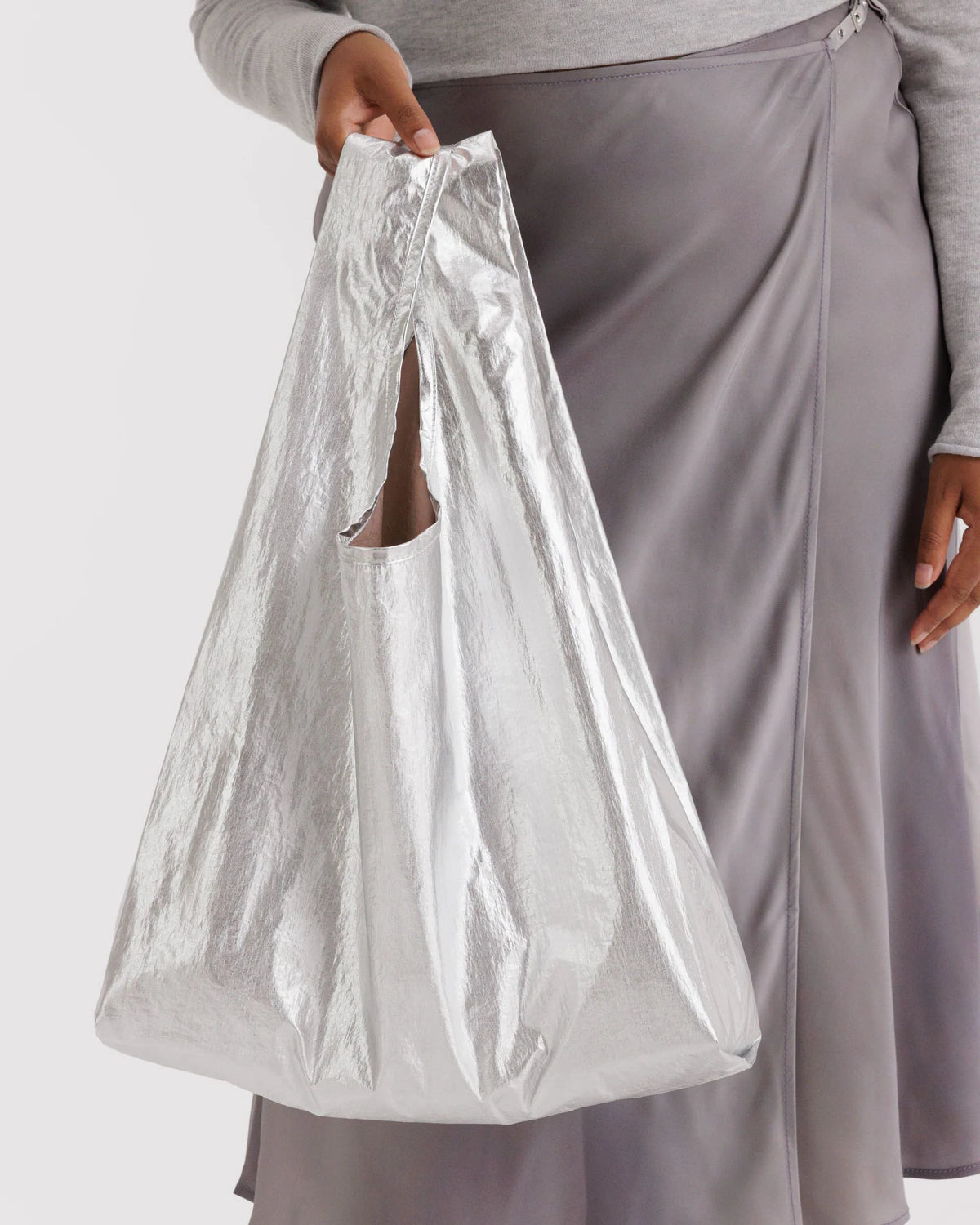
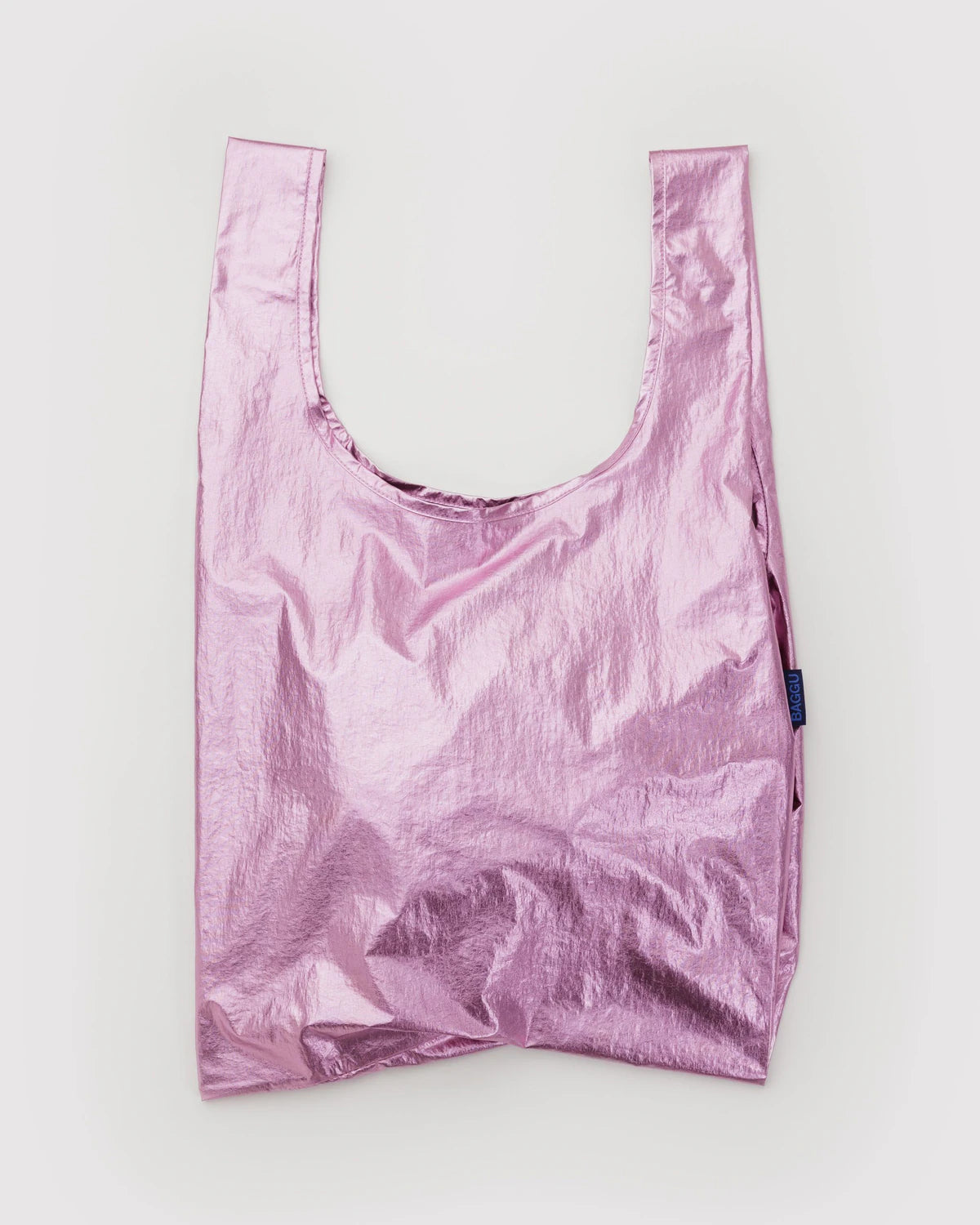
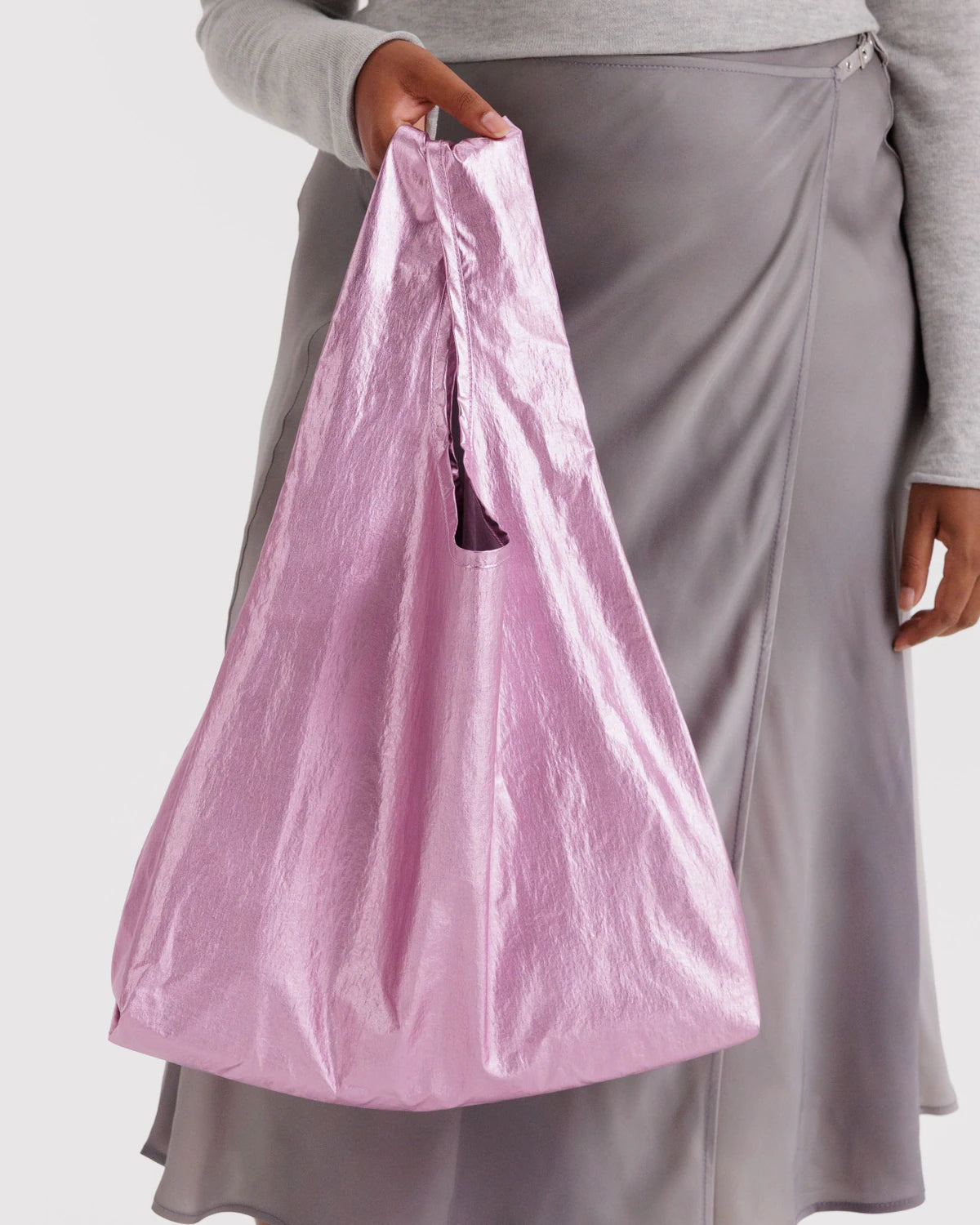
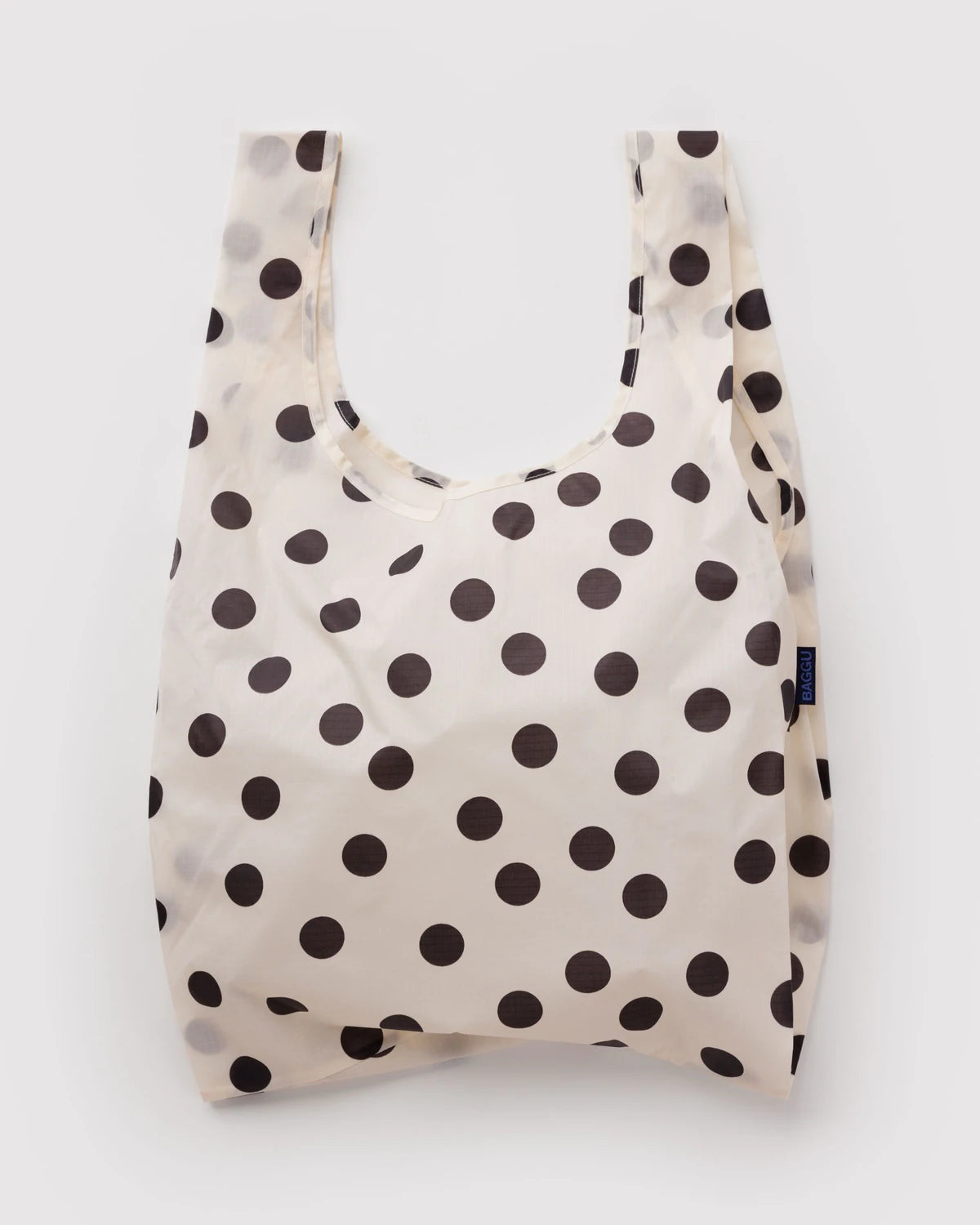
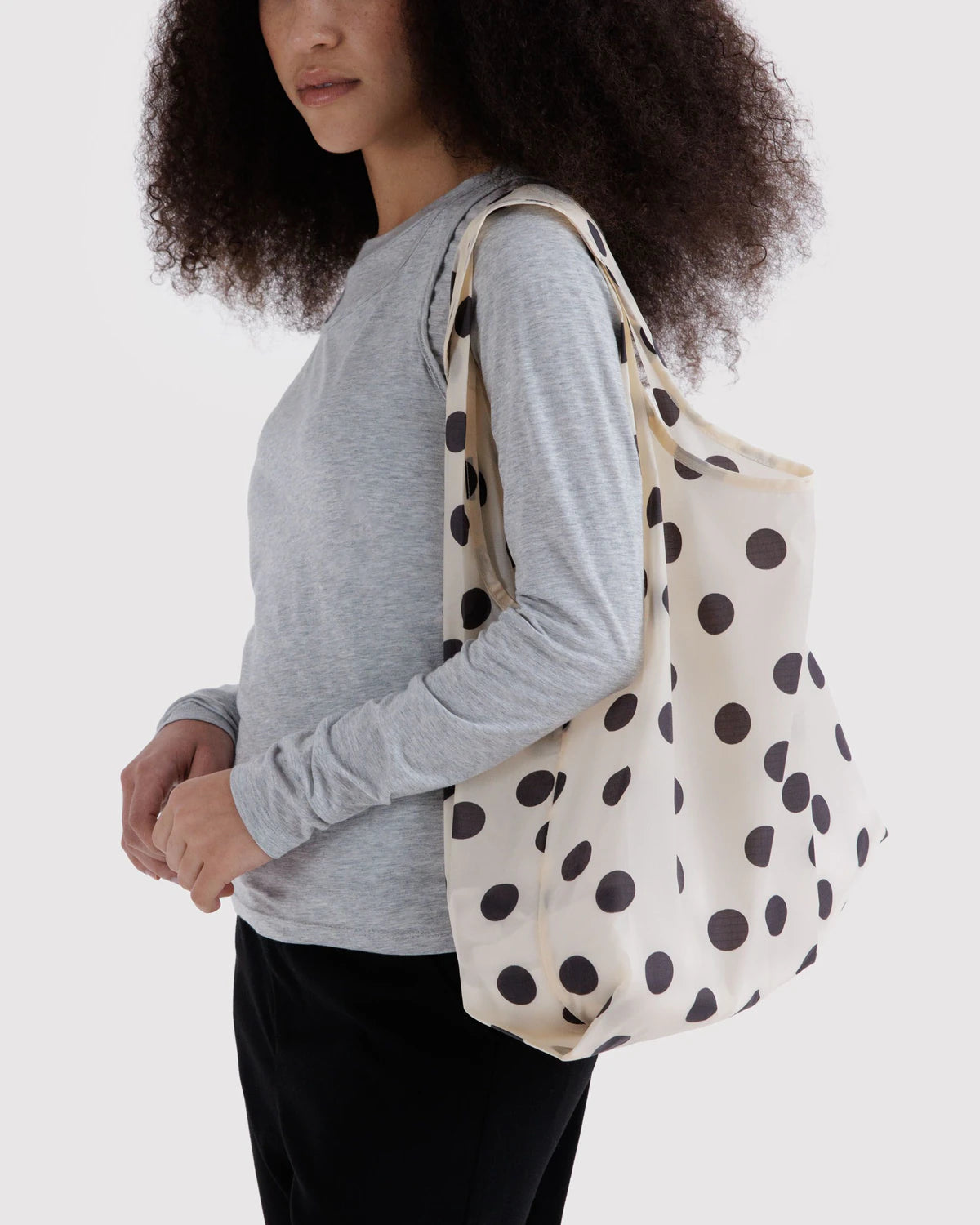
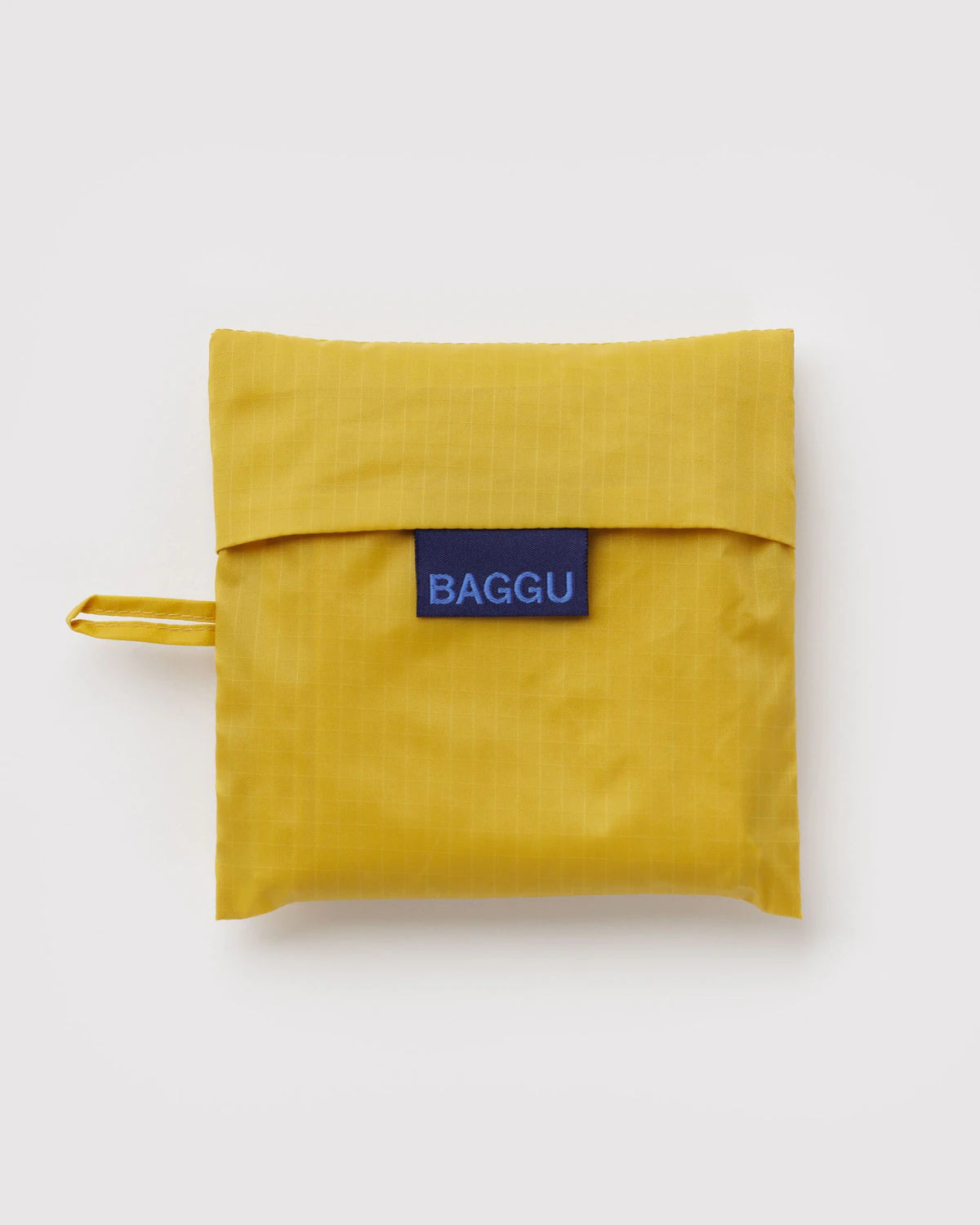
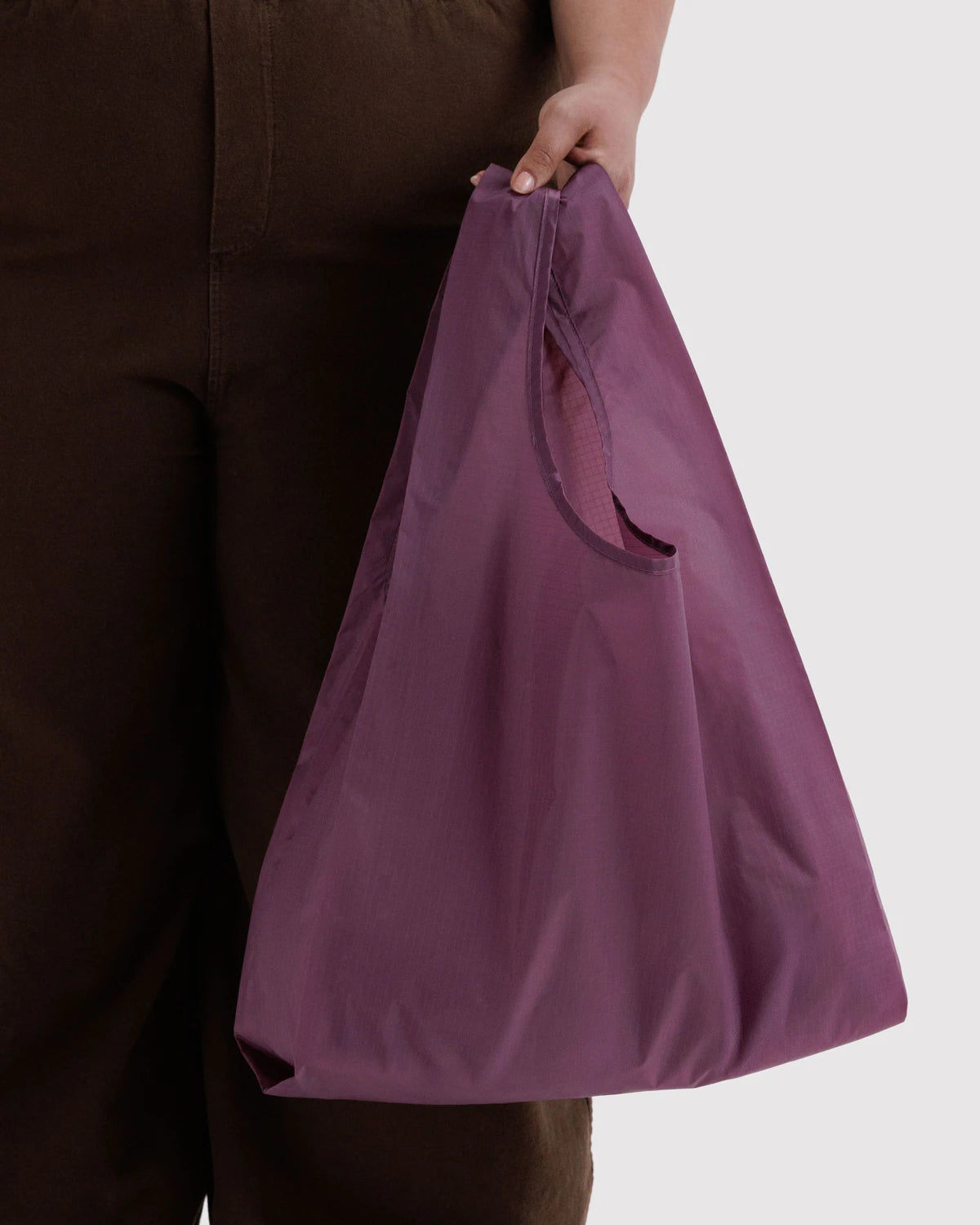
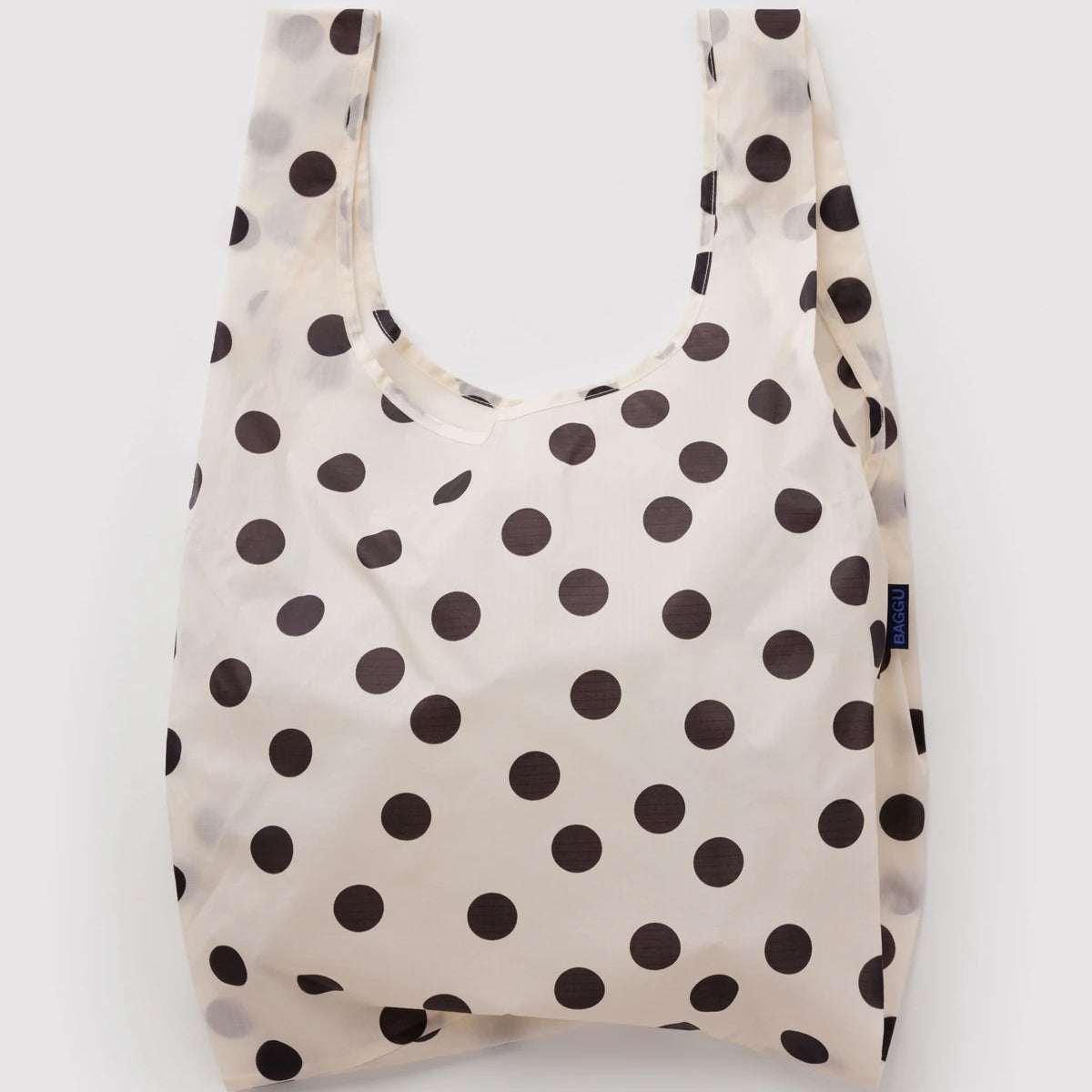
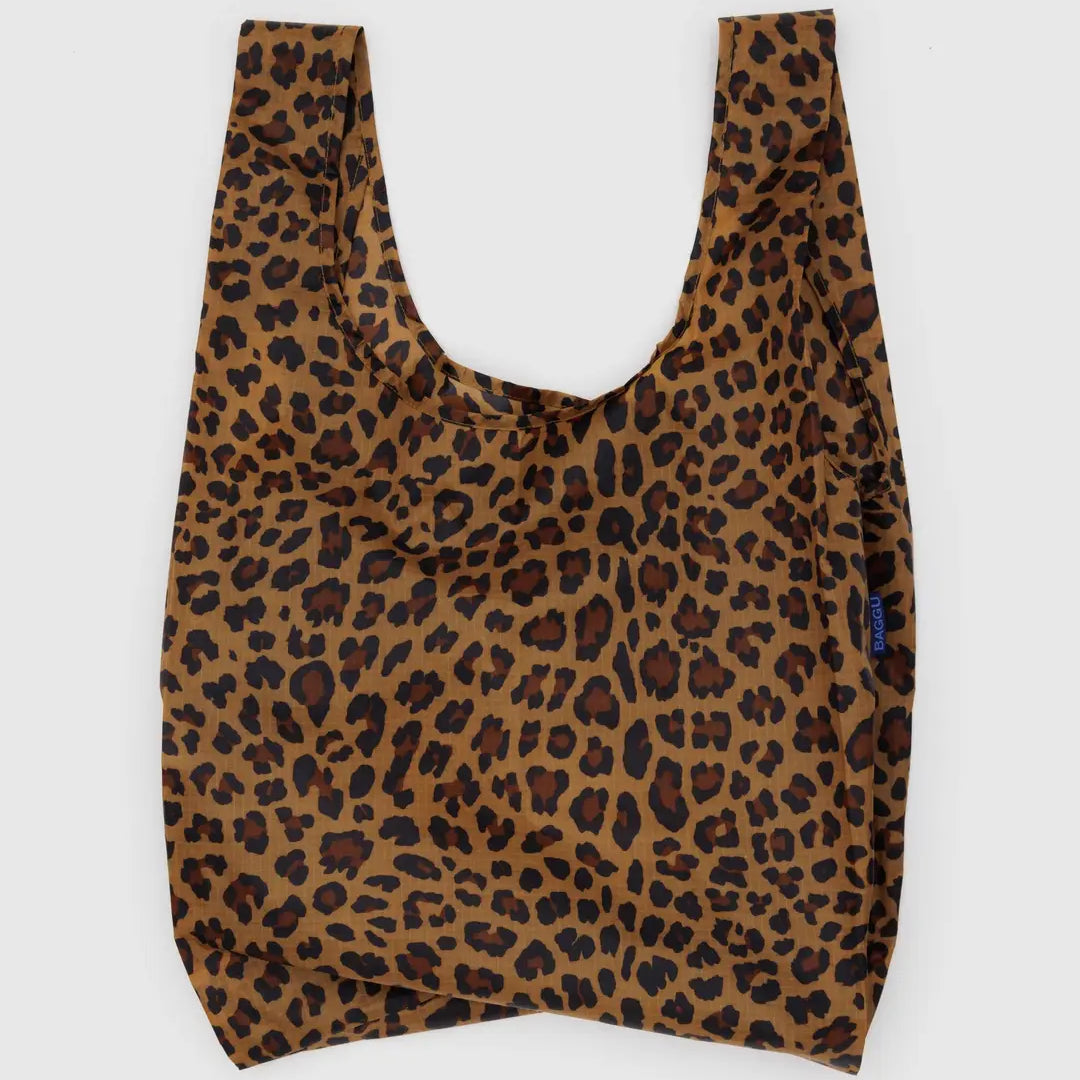
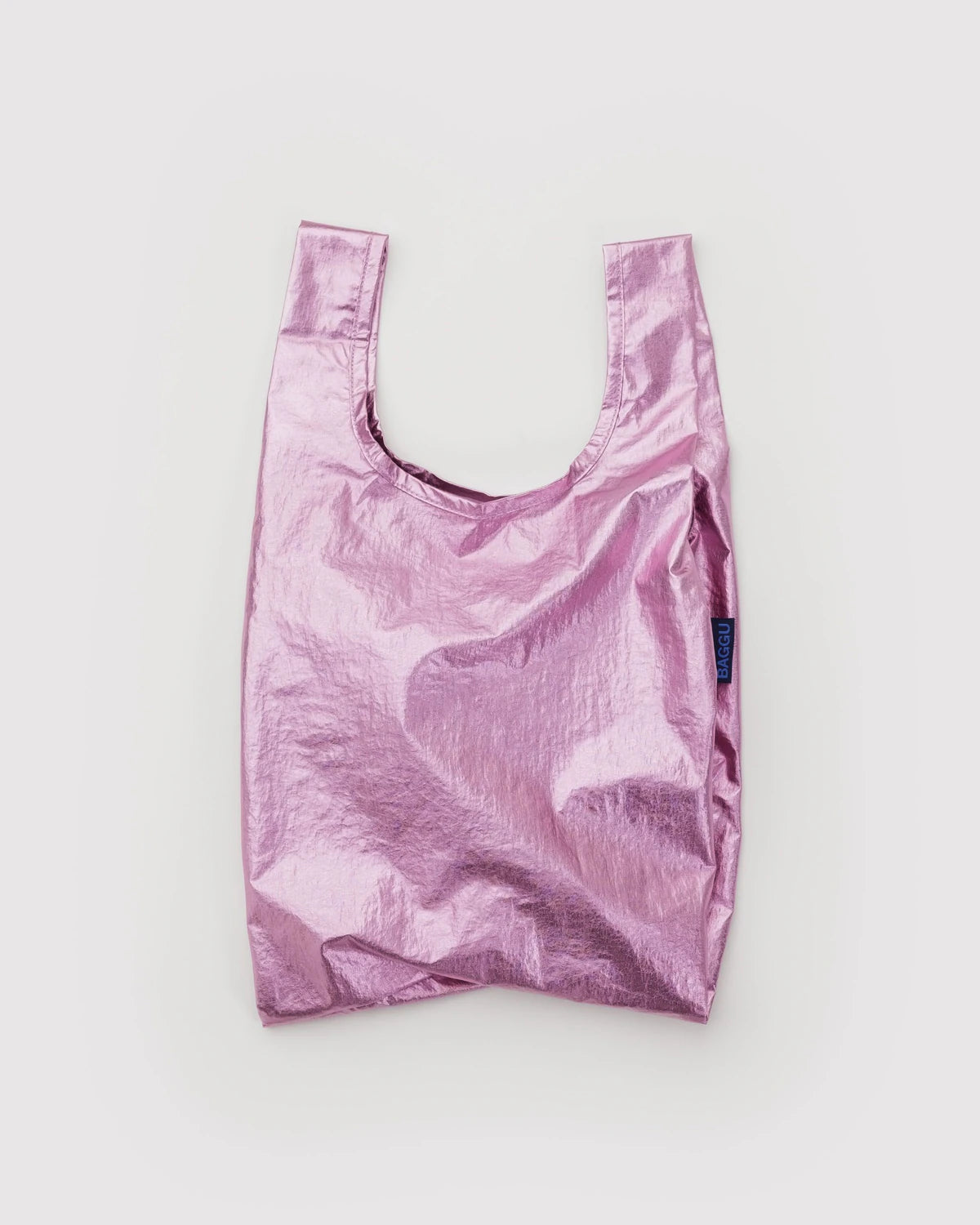
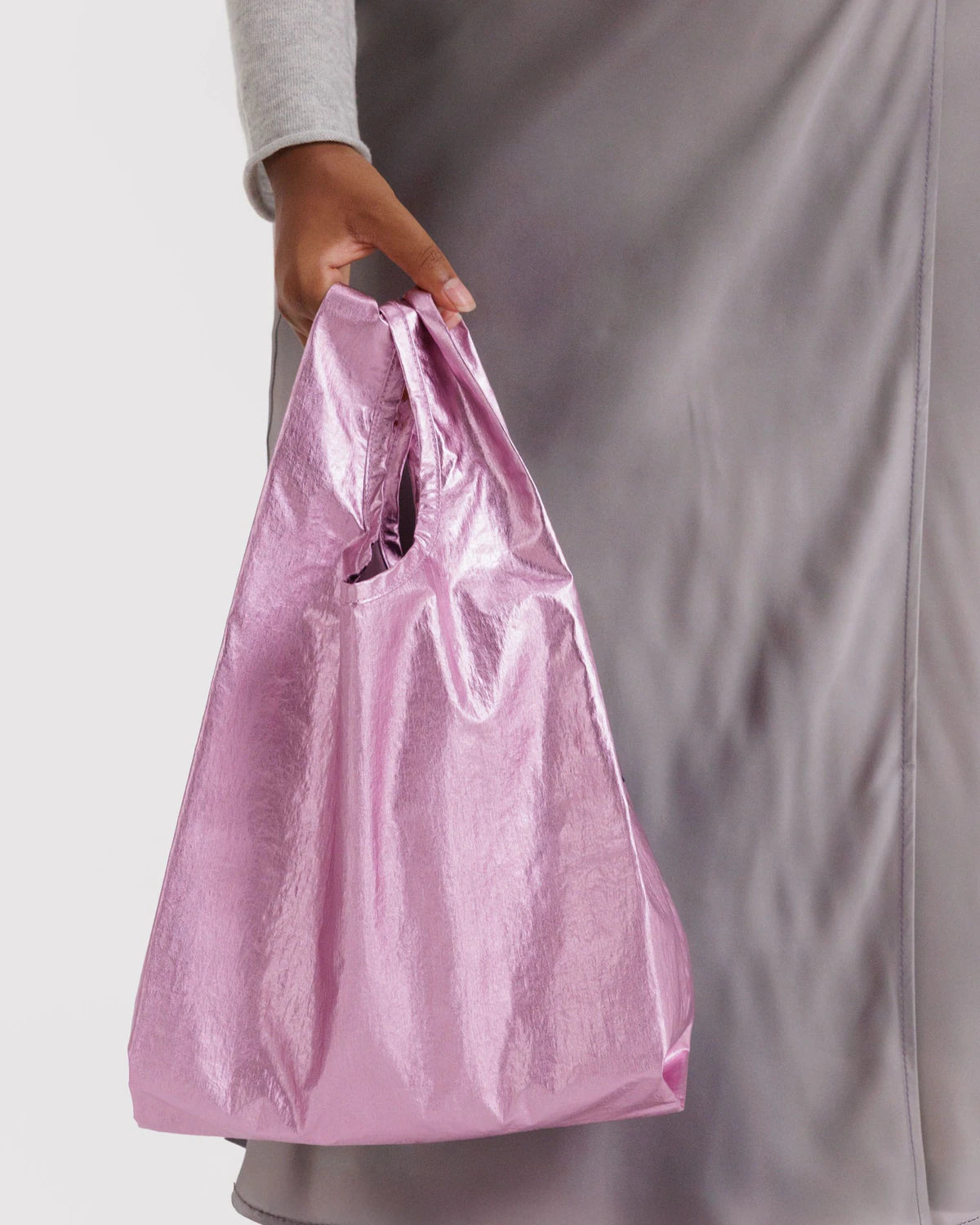
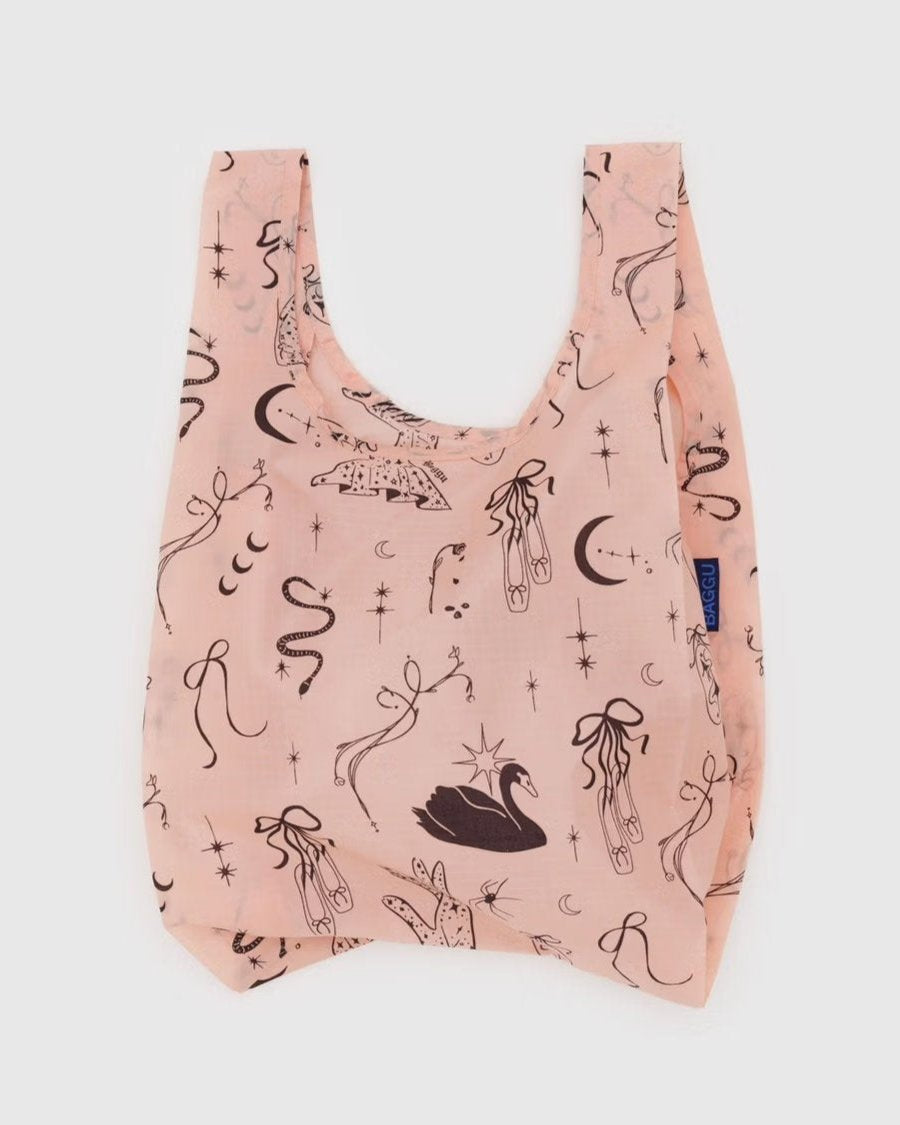
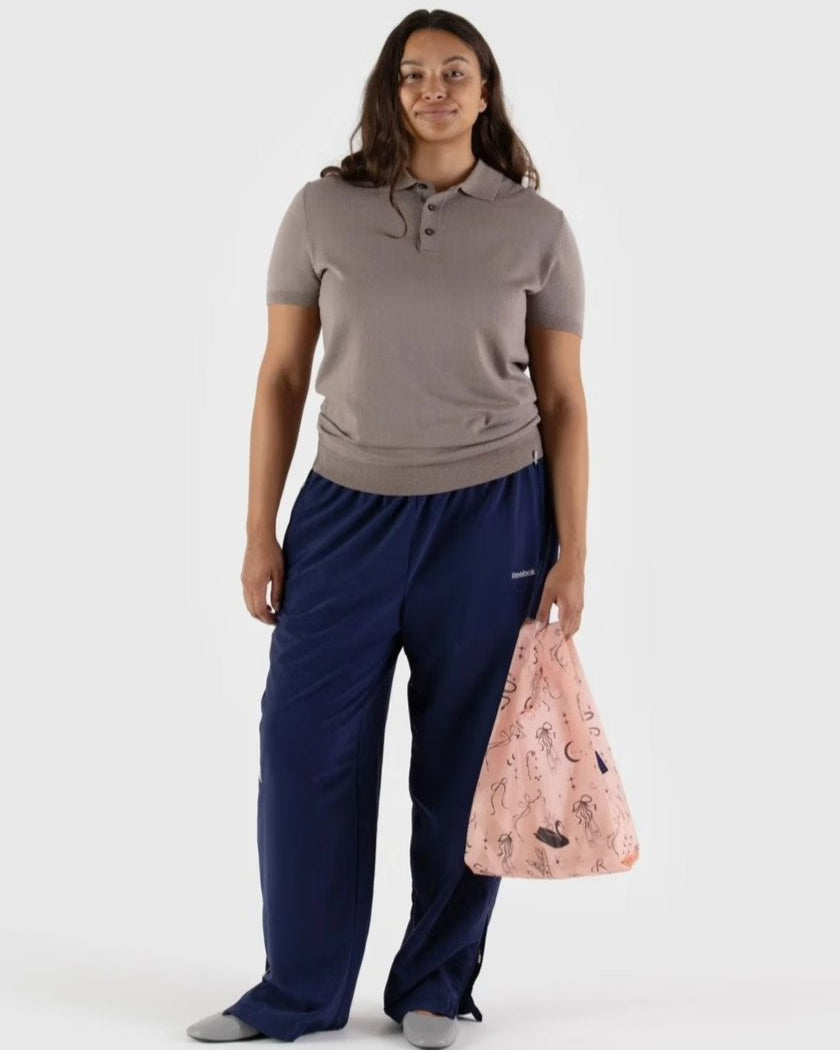
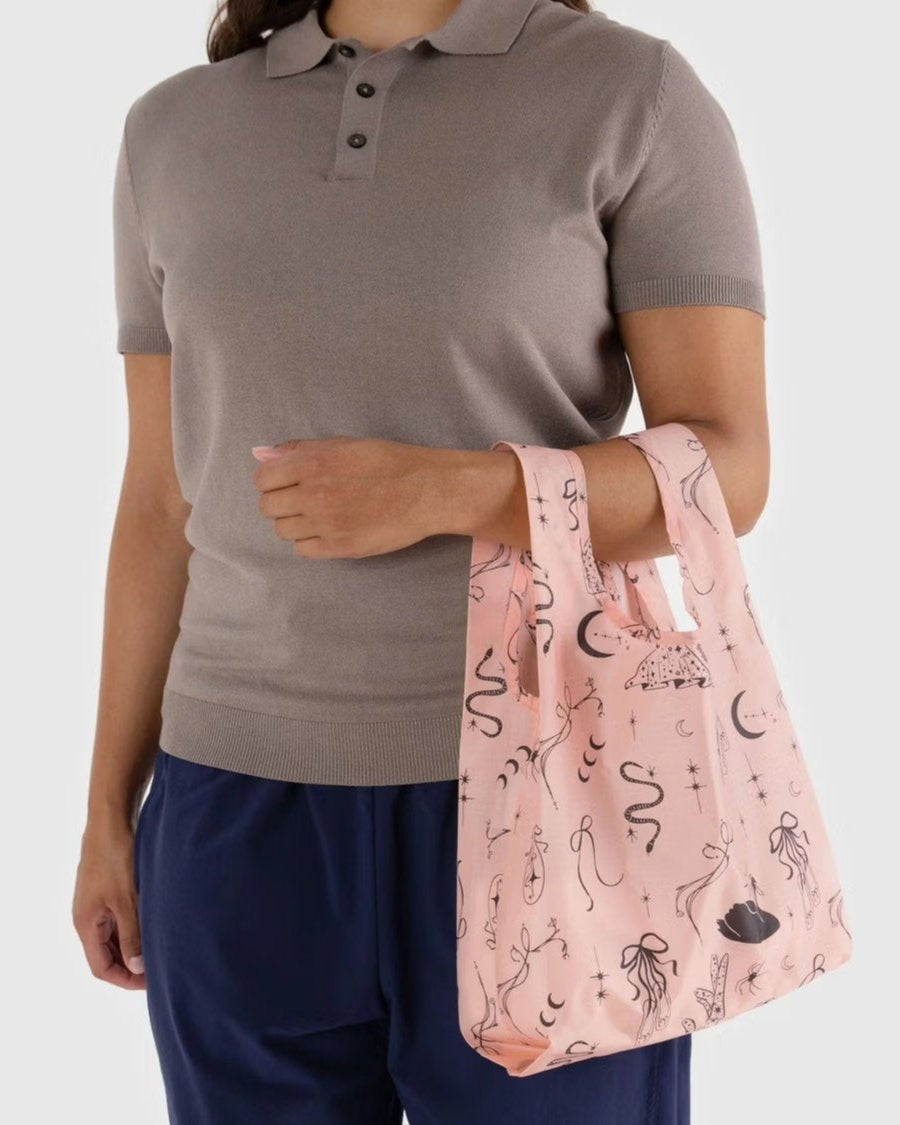
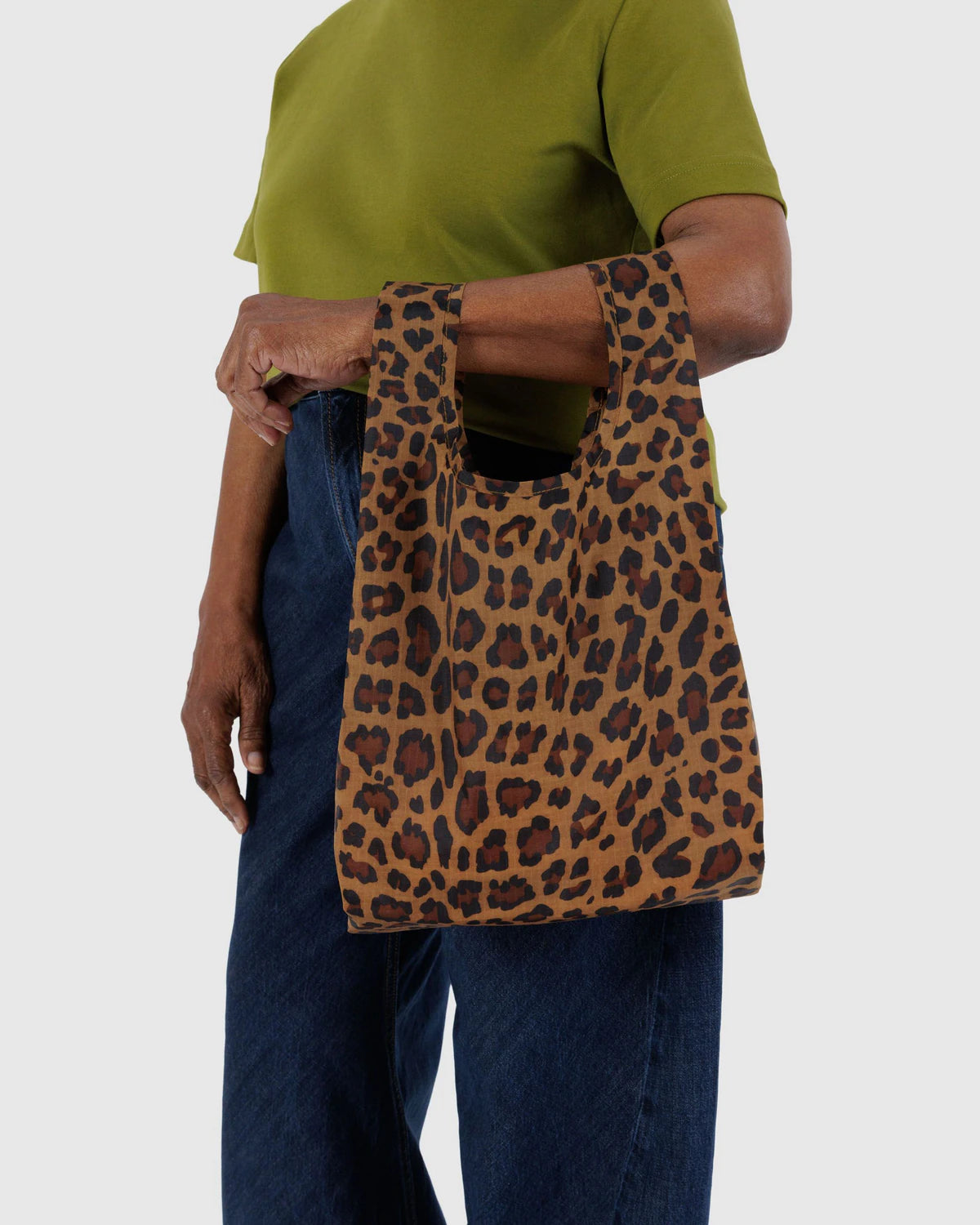
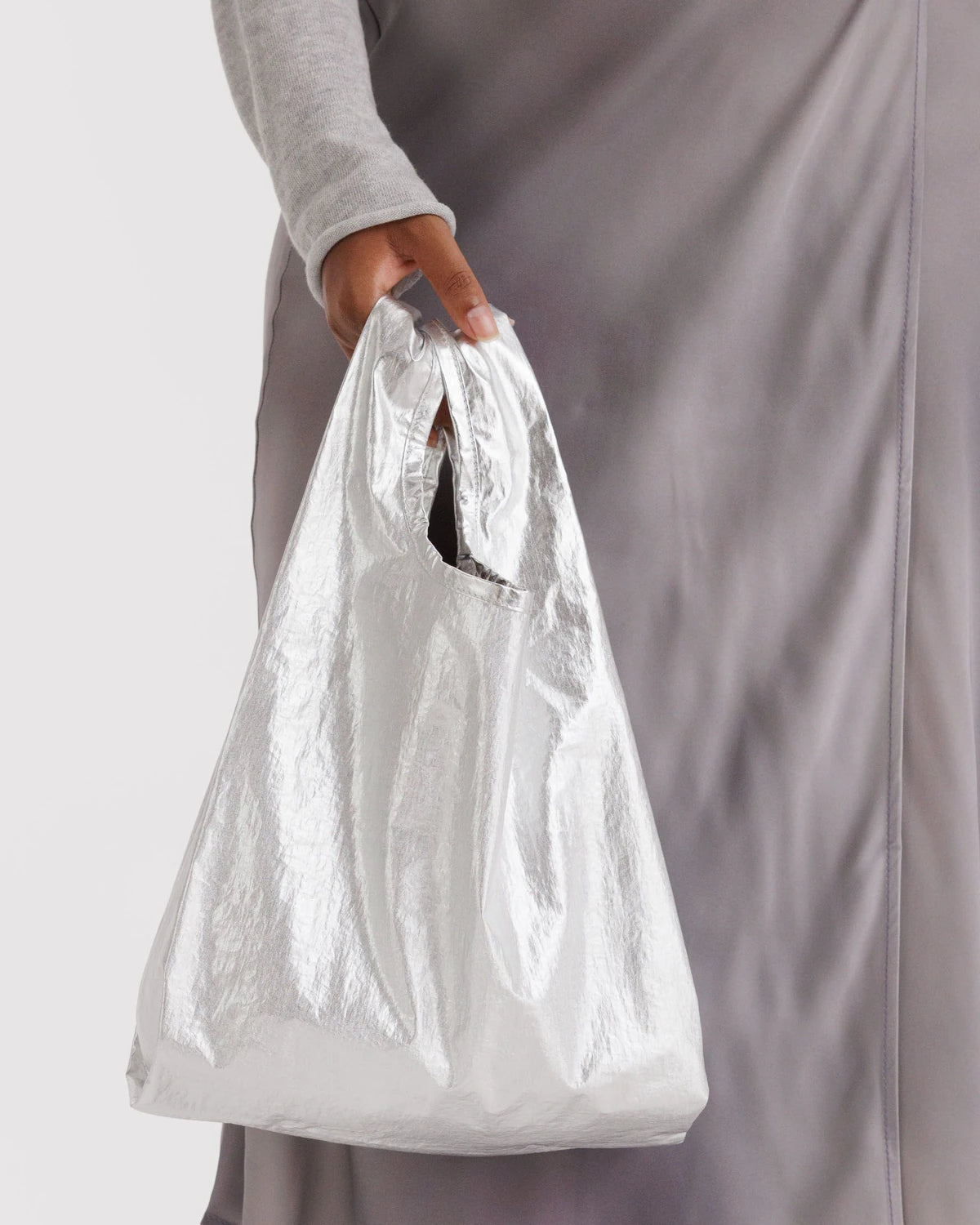
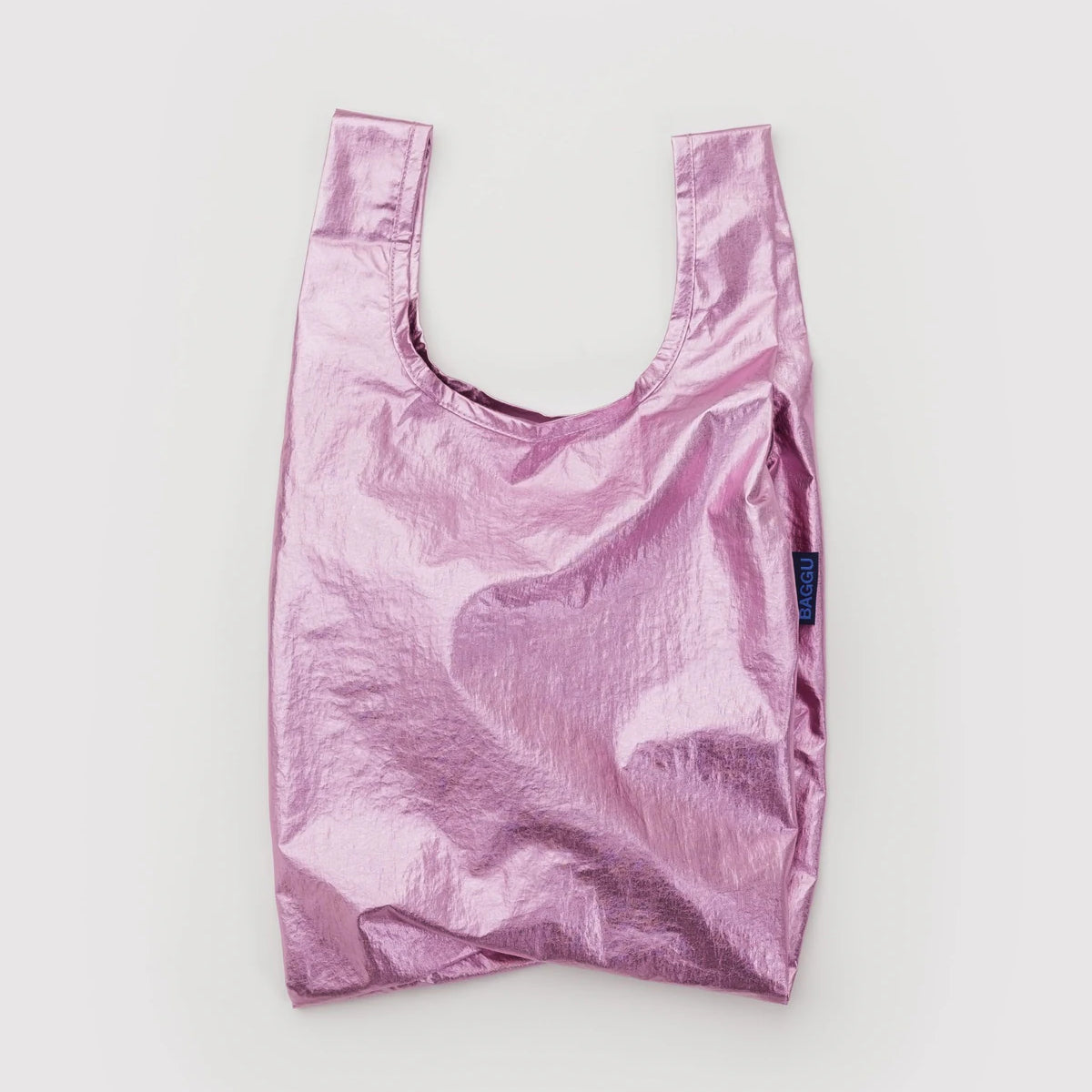
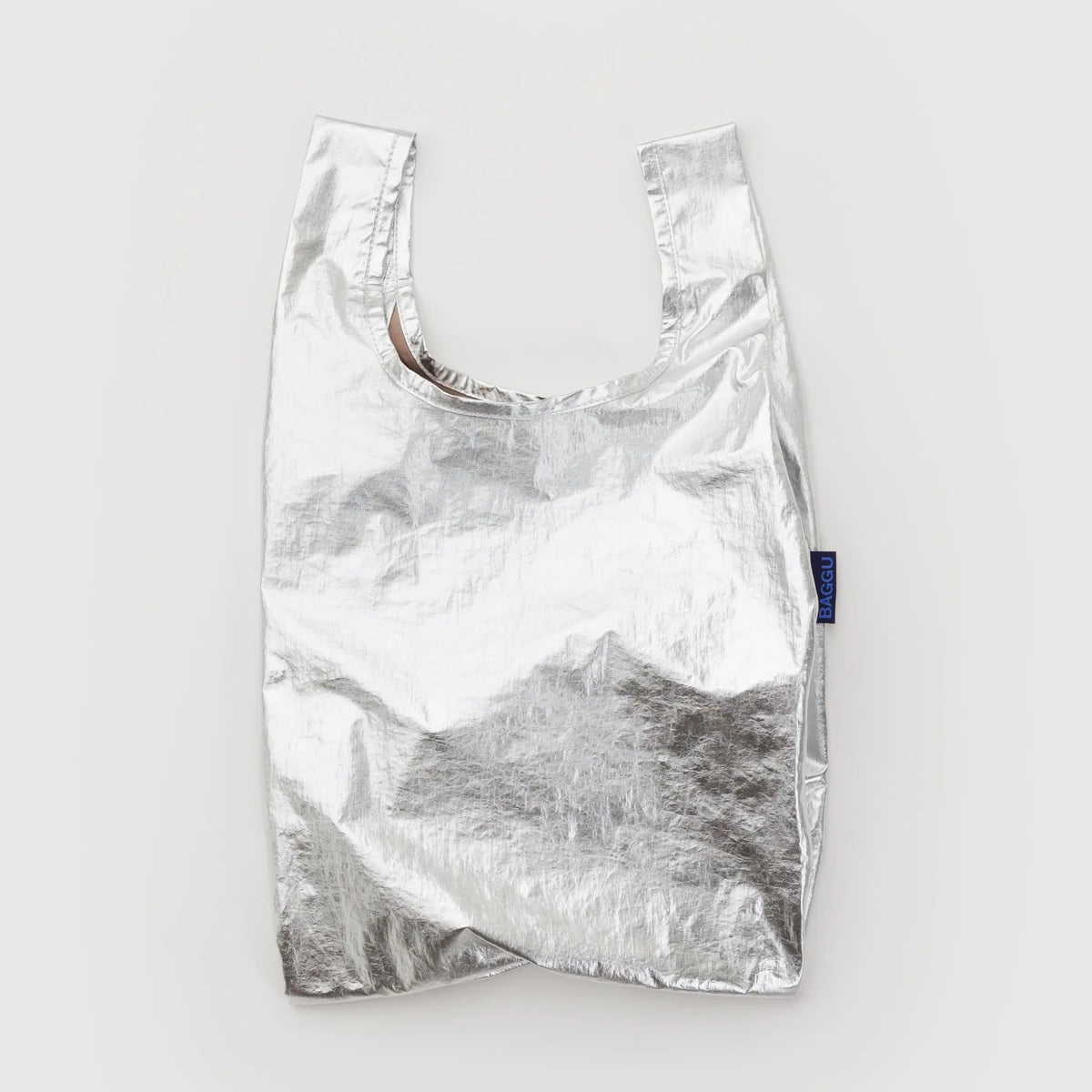
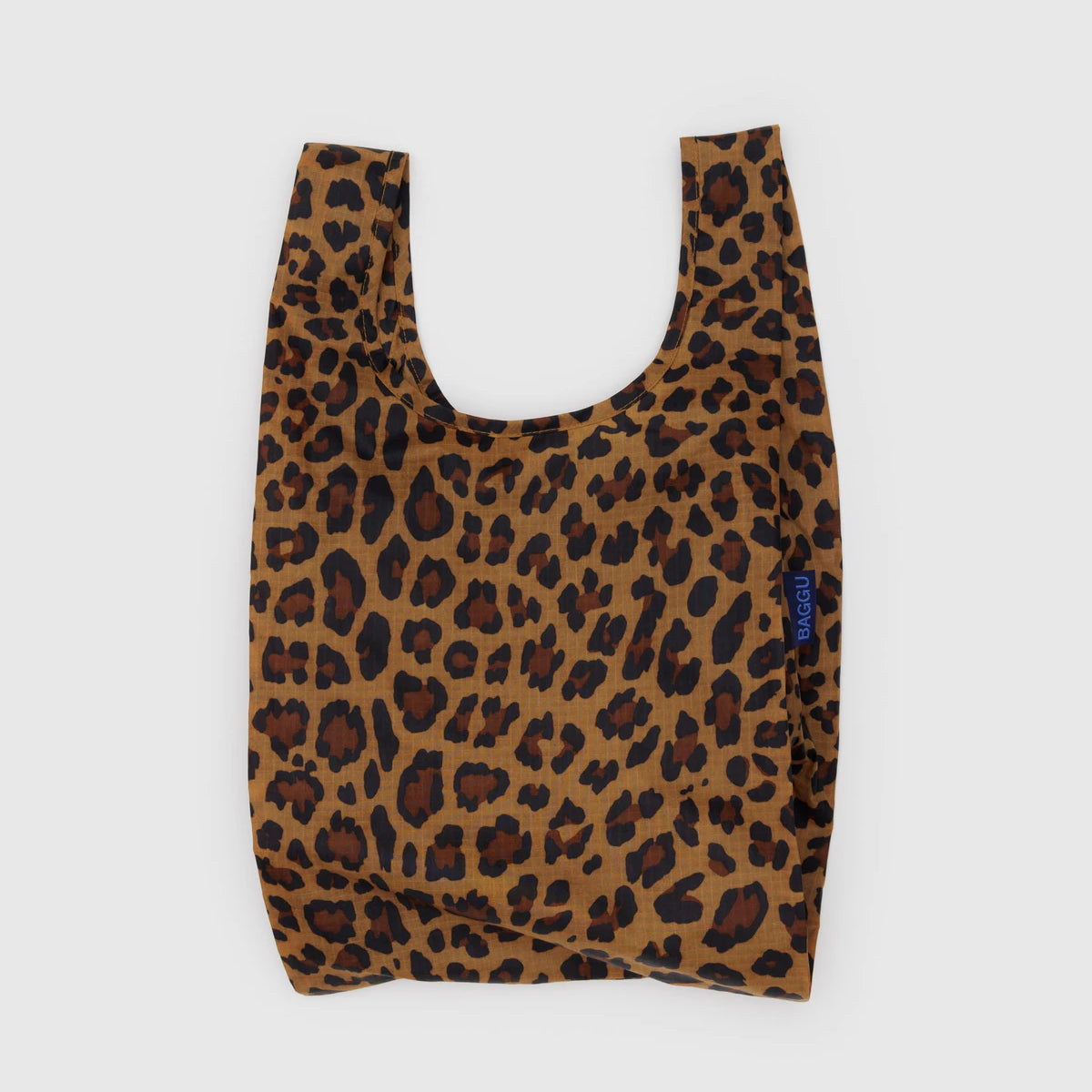
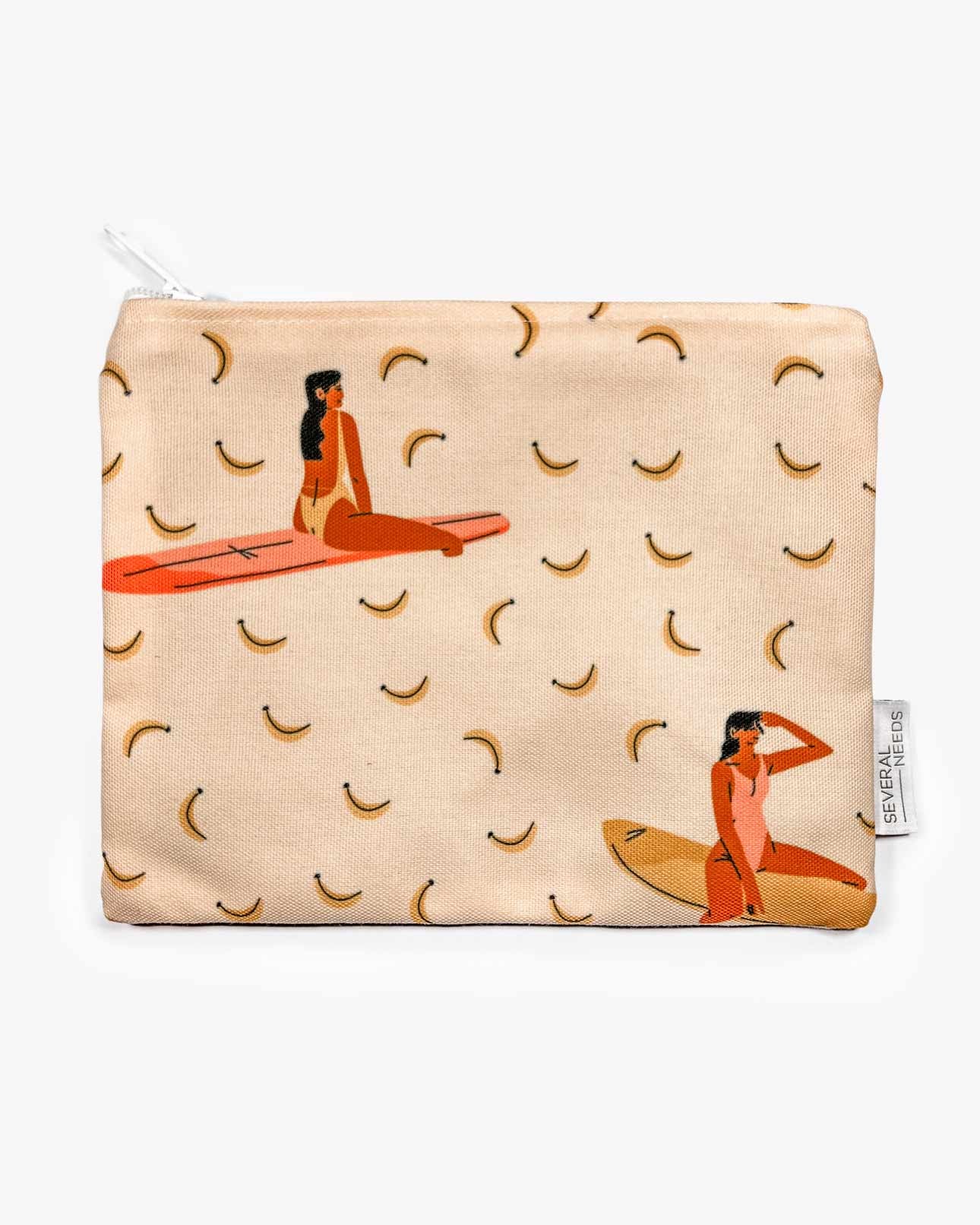
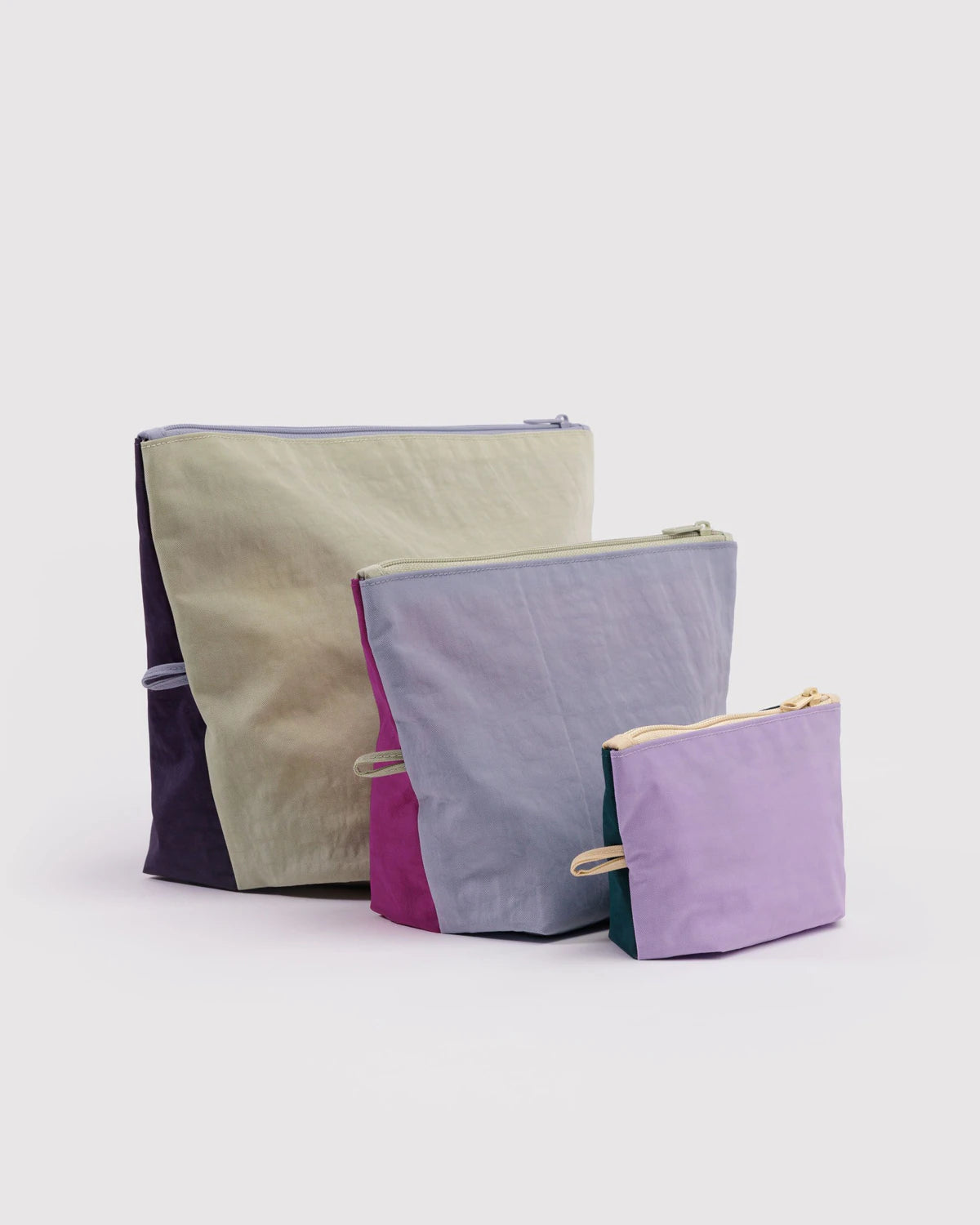
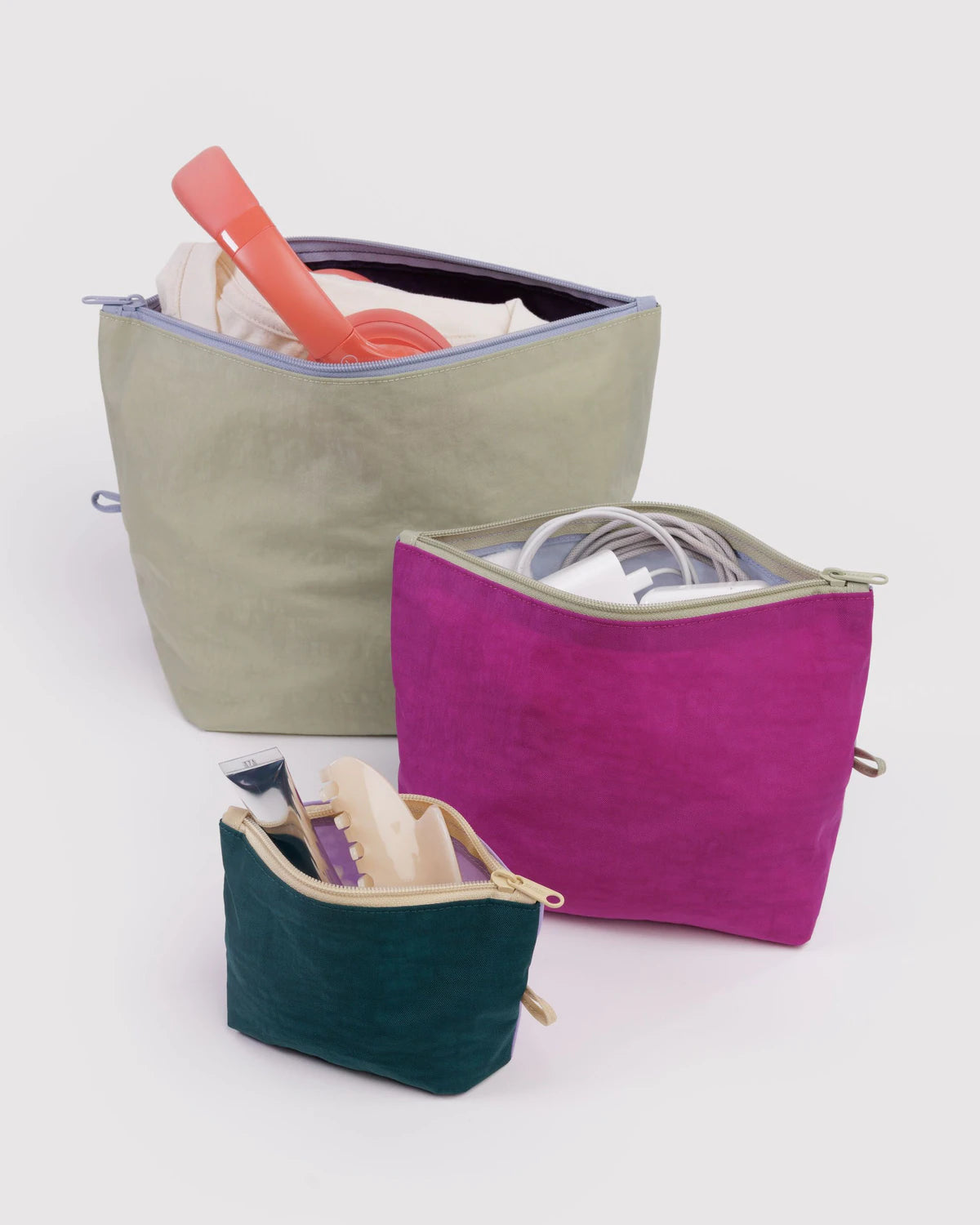
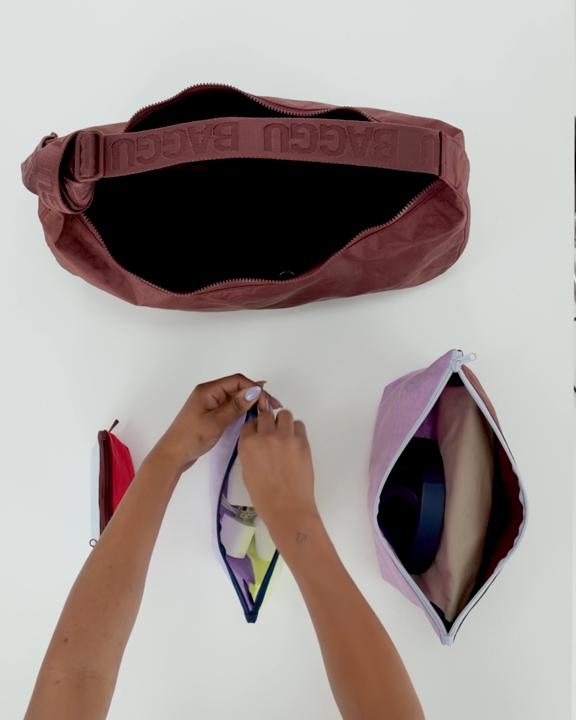
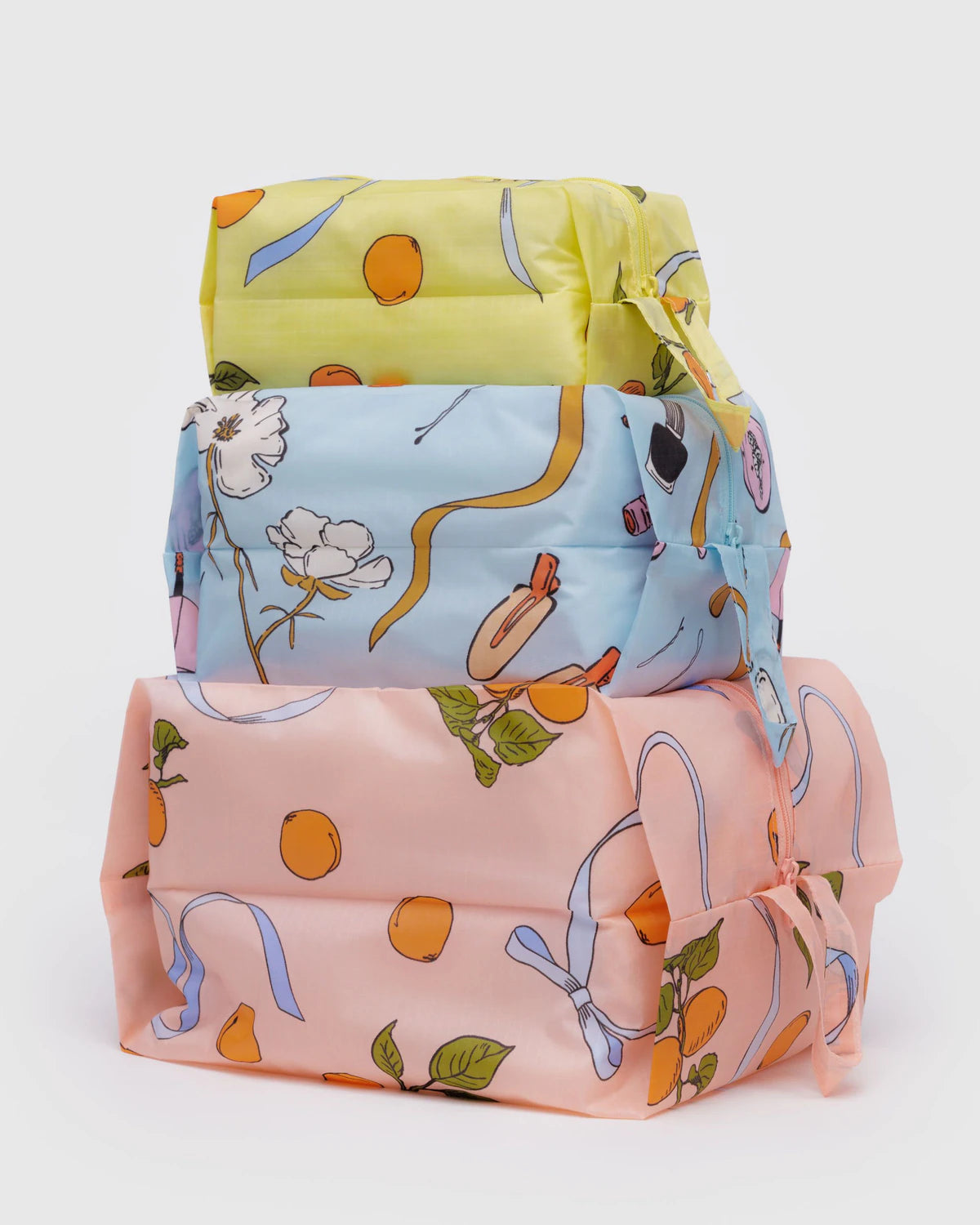
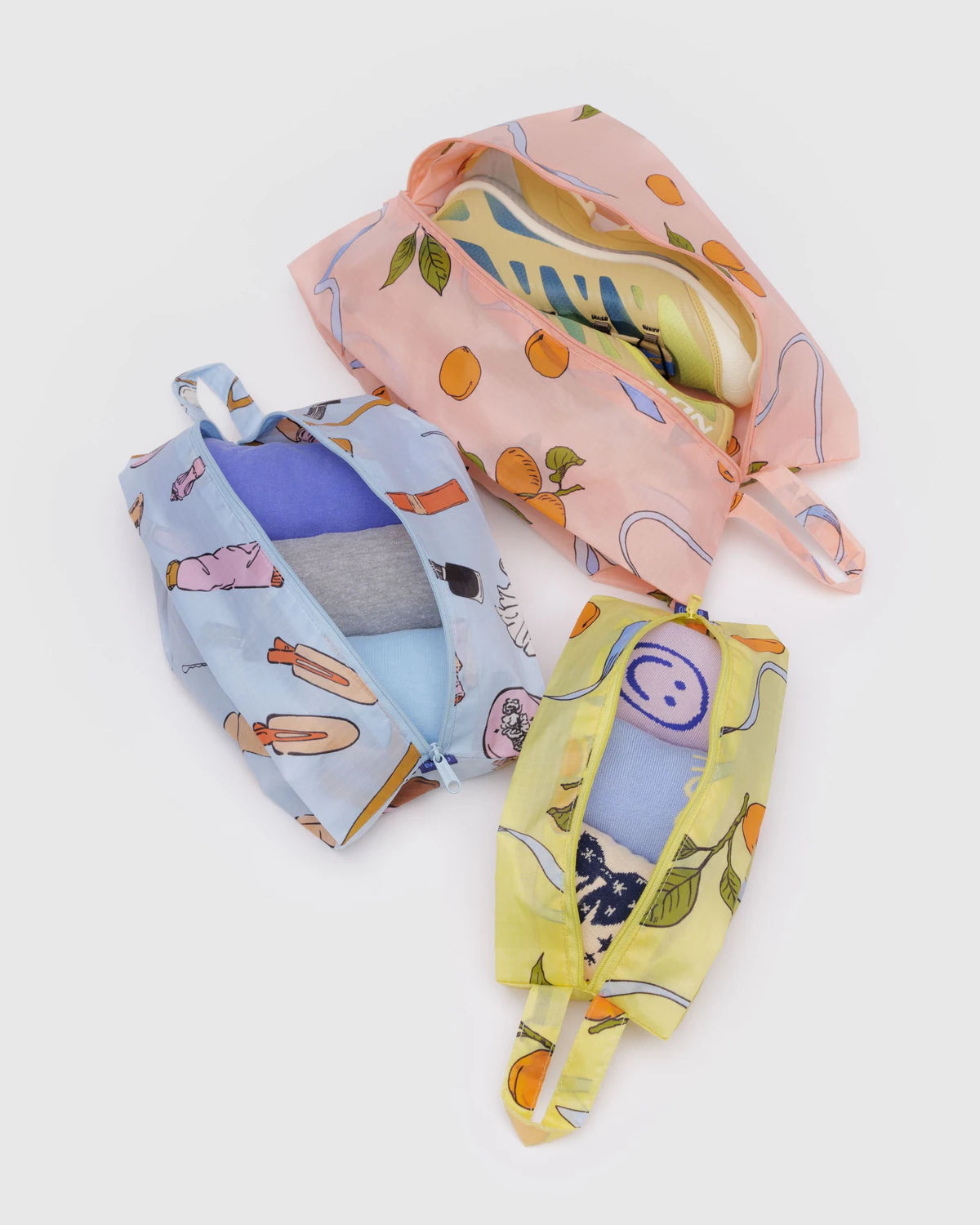
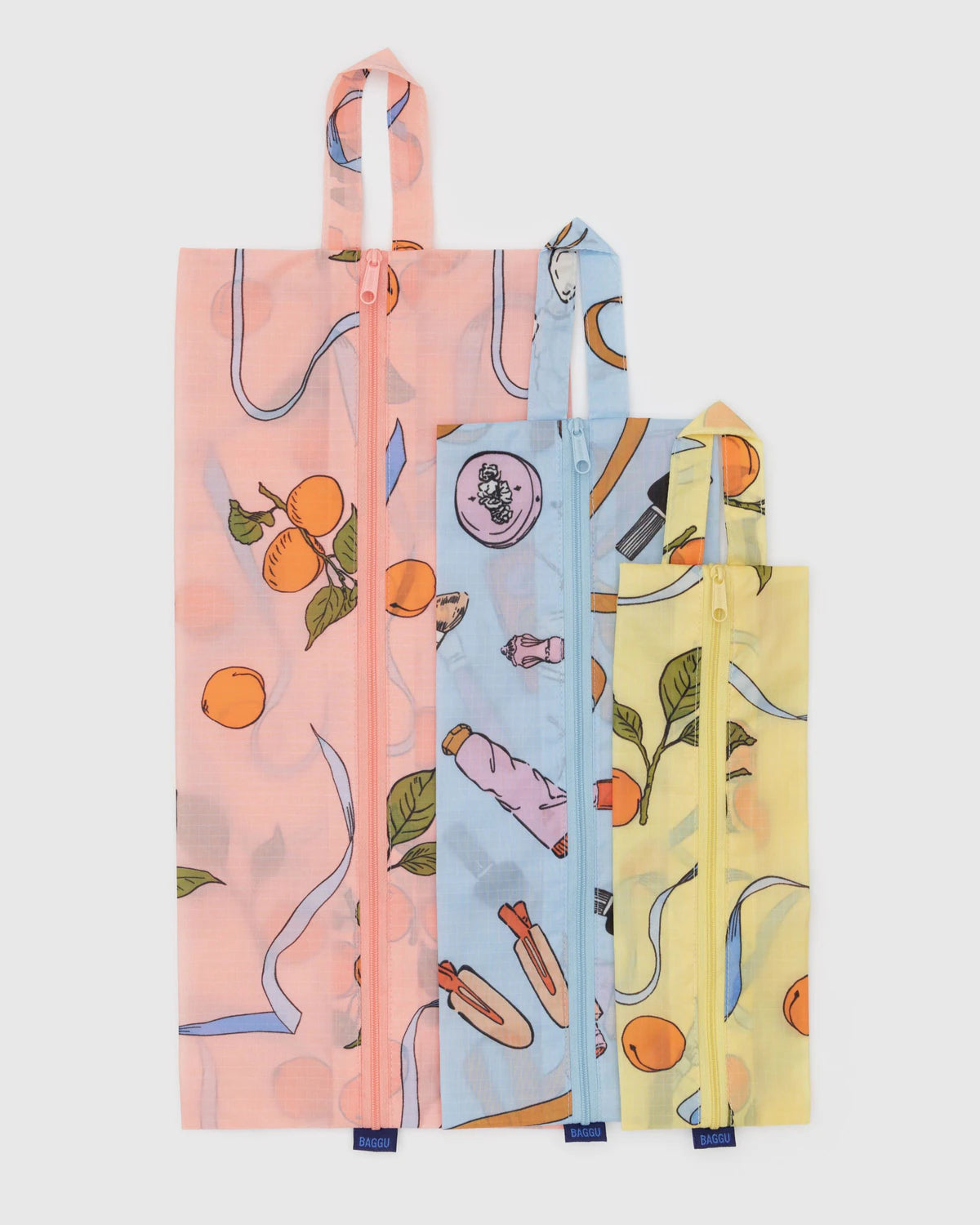
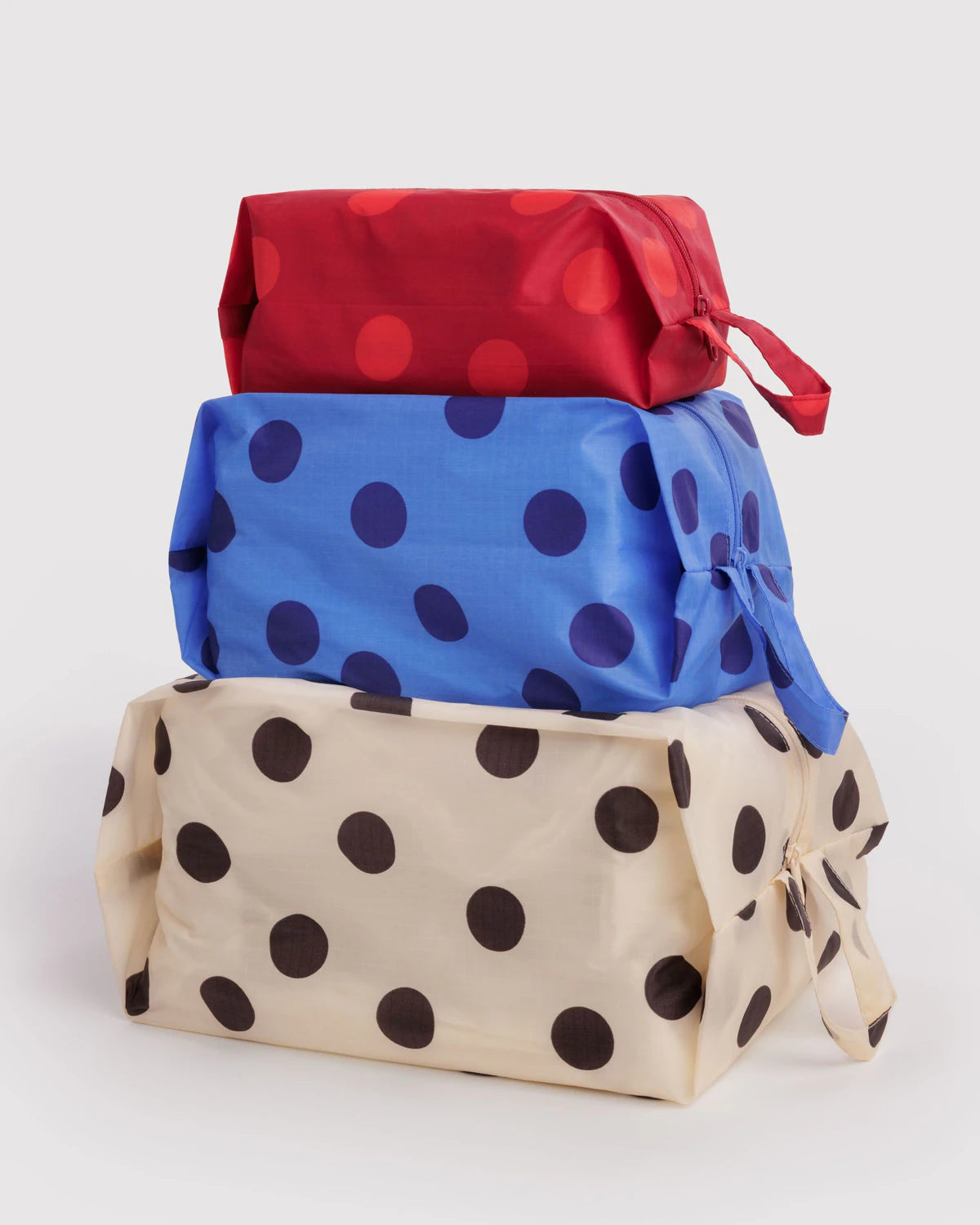
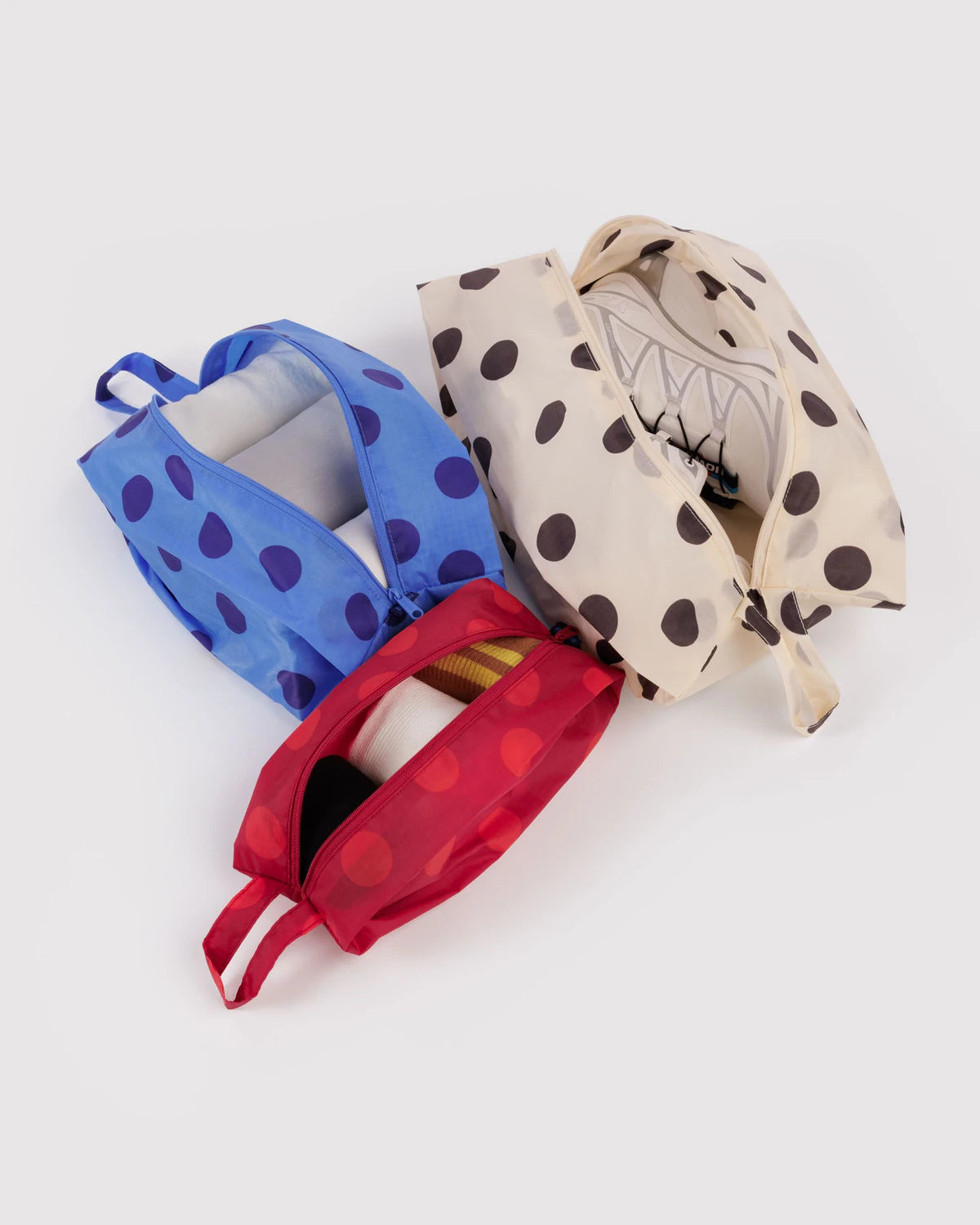
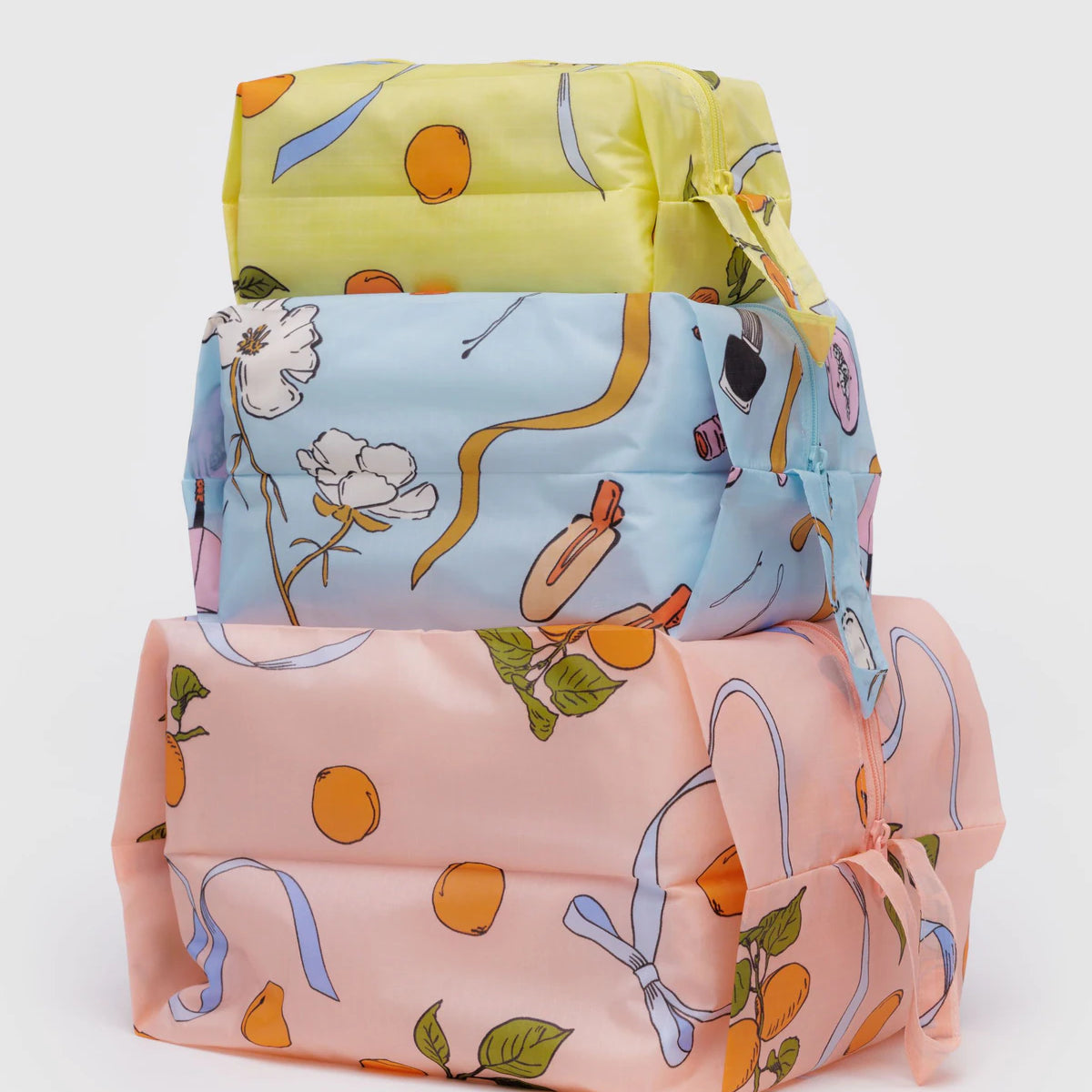
When you carry your belongings to the beach, you need the right bag. A sturdy shoulder bag made from recycled nylon – like the BAGGU Nylon Shoulder Bag – offers space for sunscreen, a towel, water, and even a small laptop. Practical for anyone who wants to go straight from the office to the water or be productive after a session.
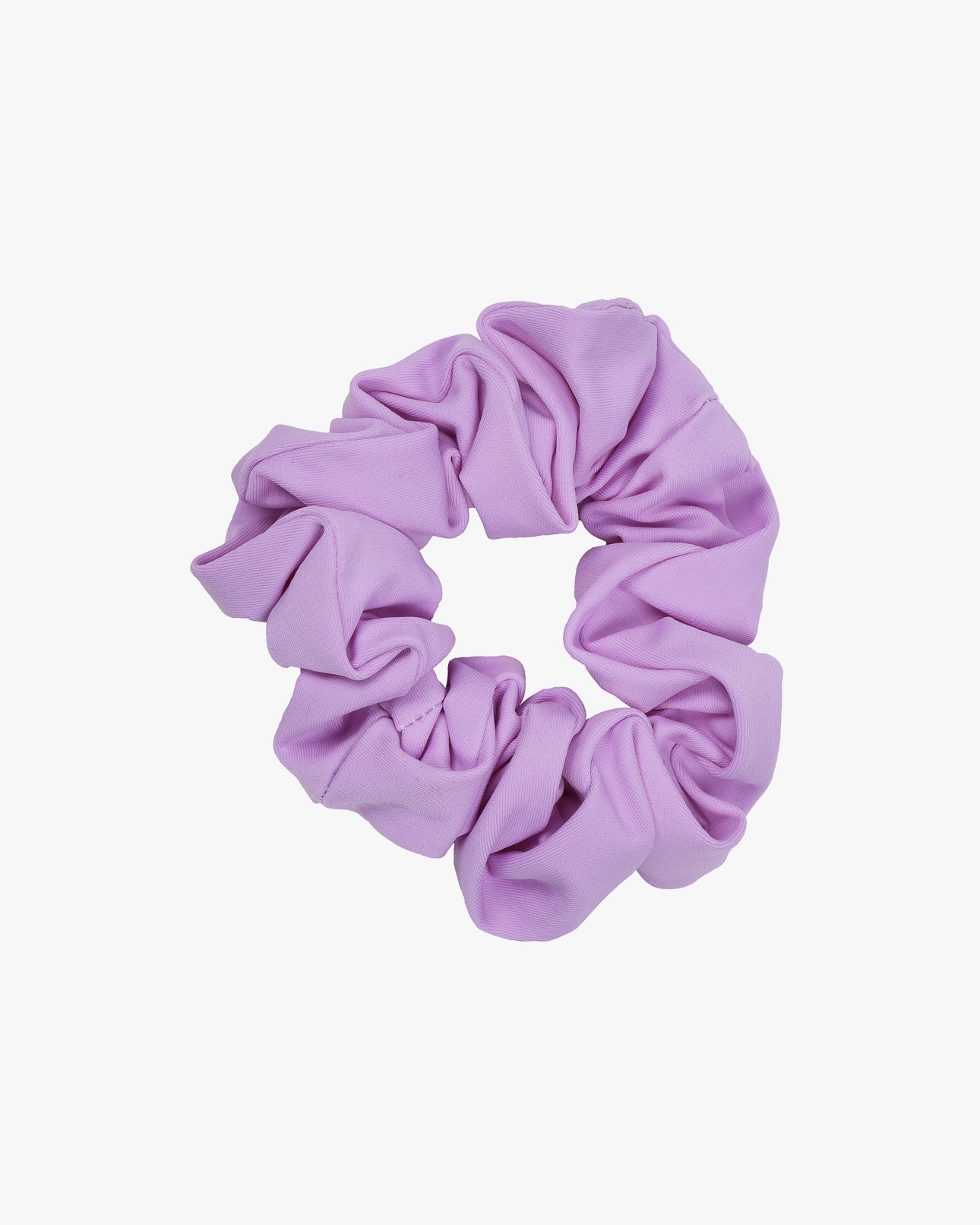
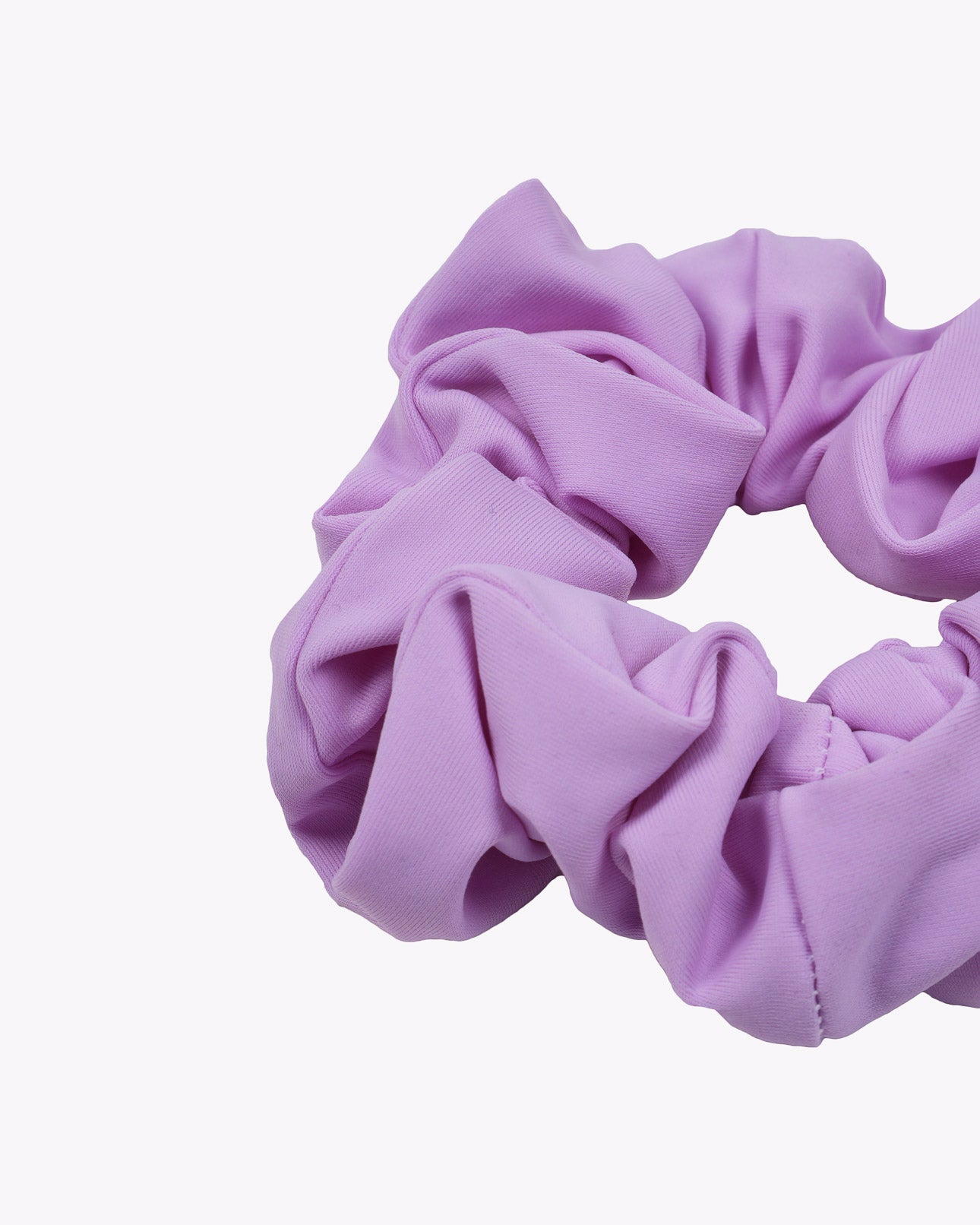
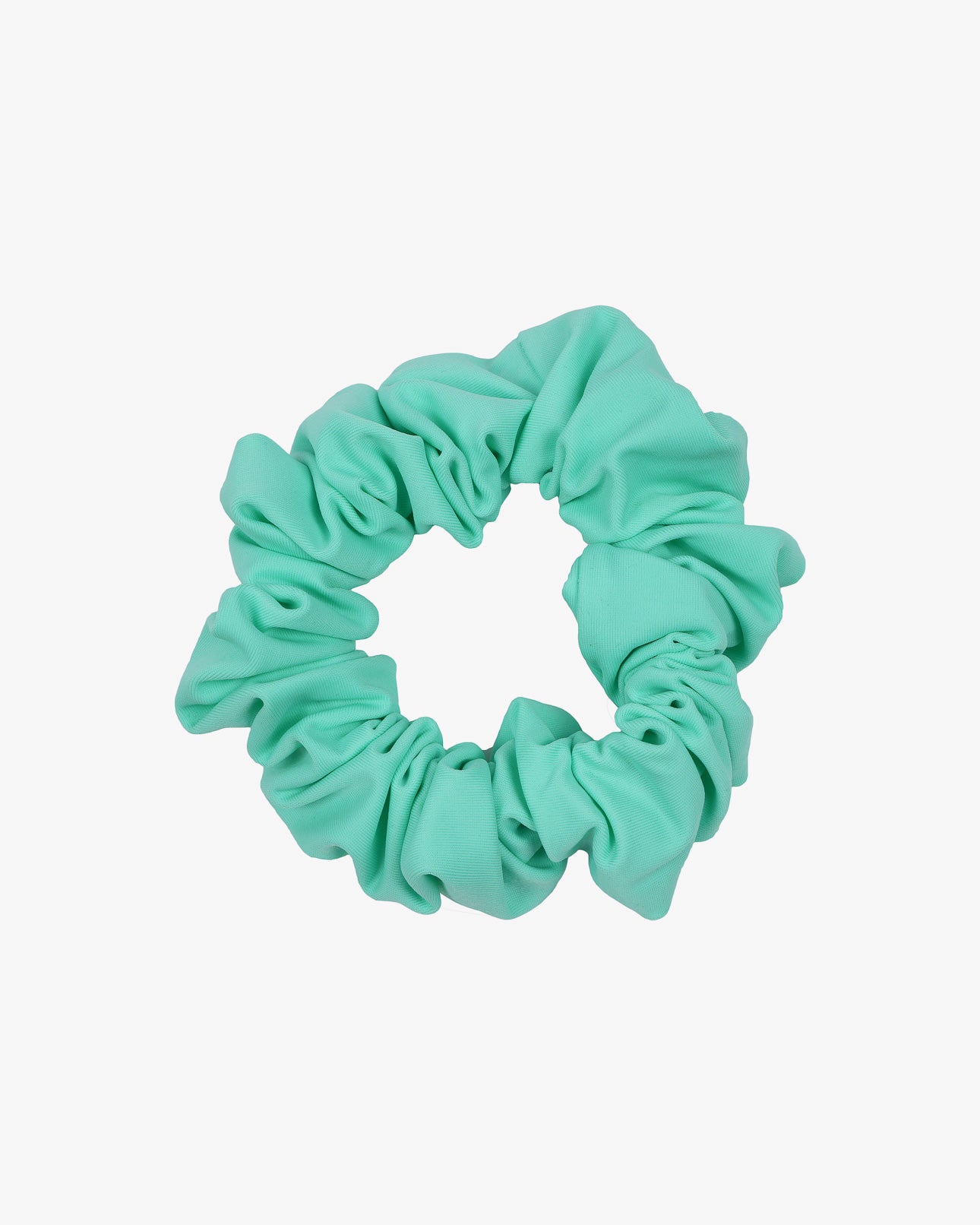
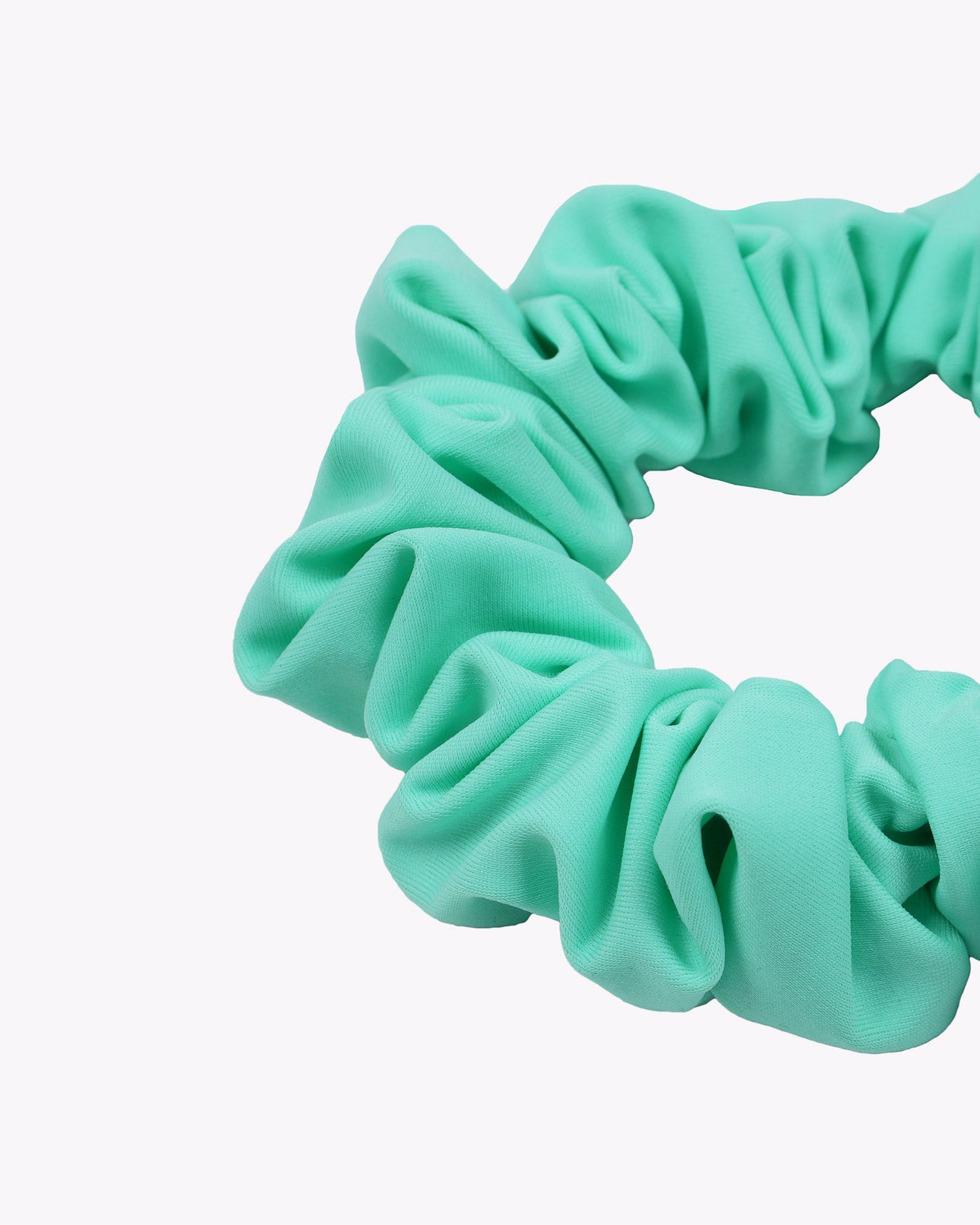
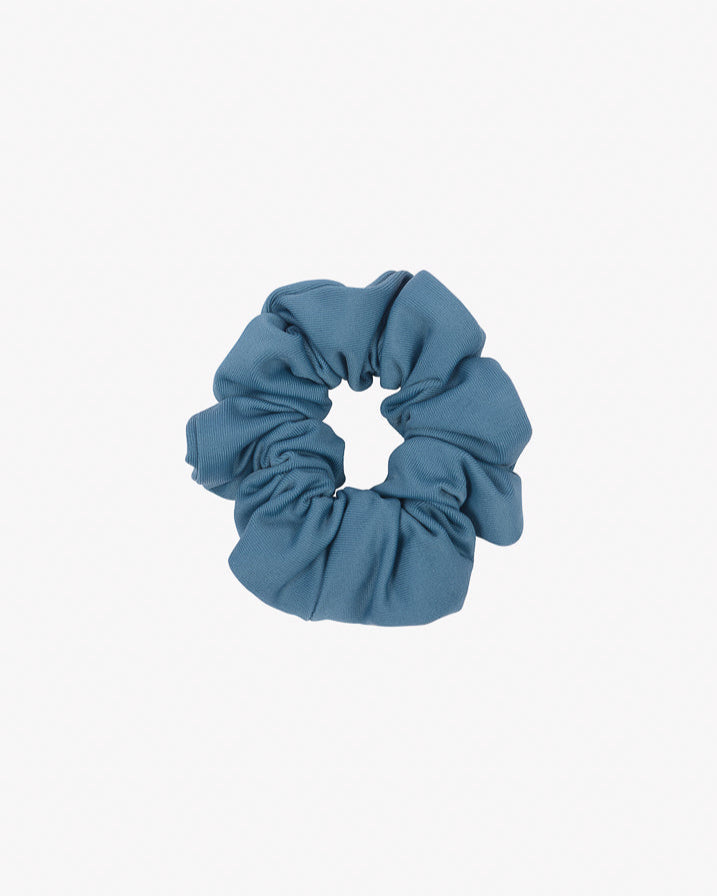
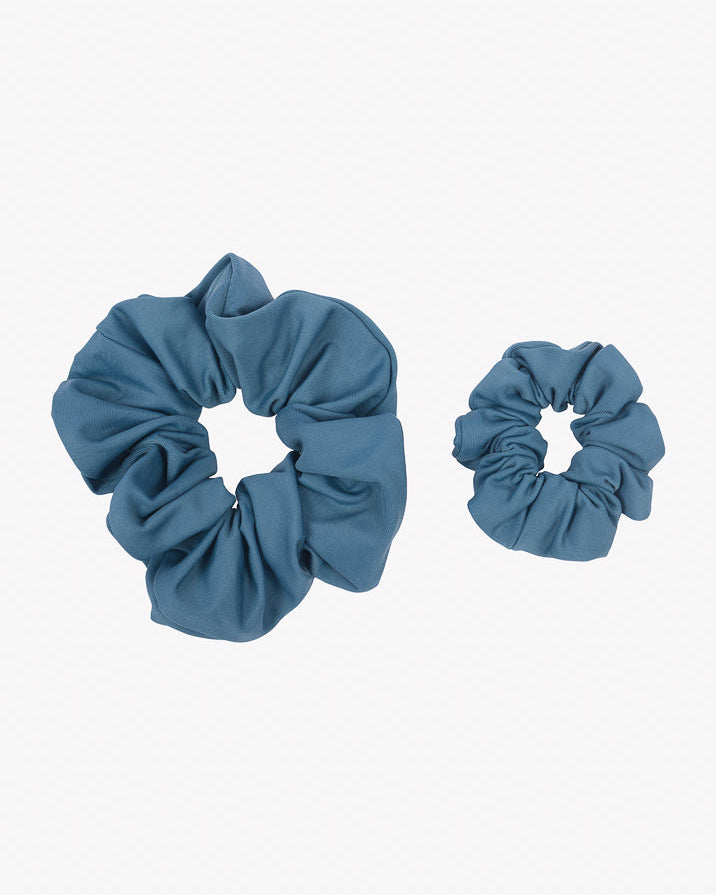
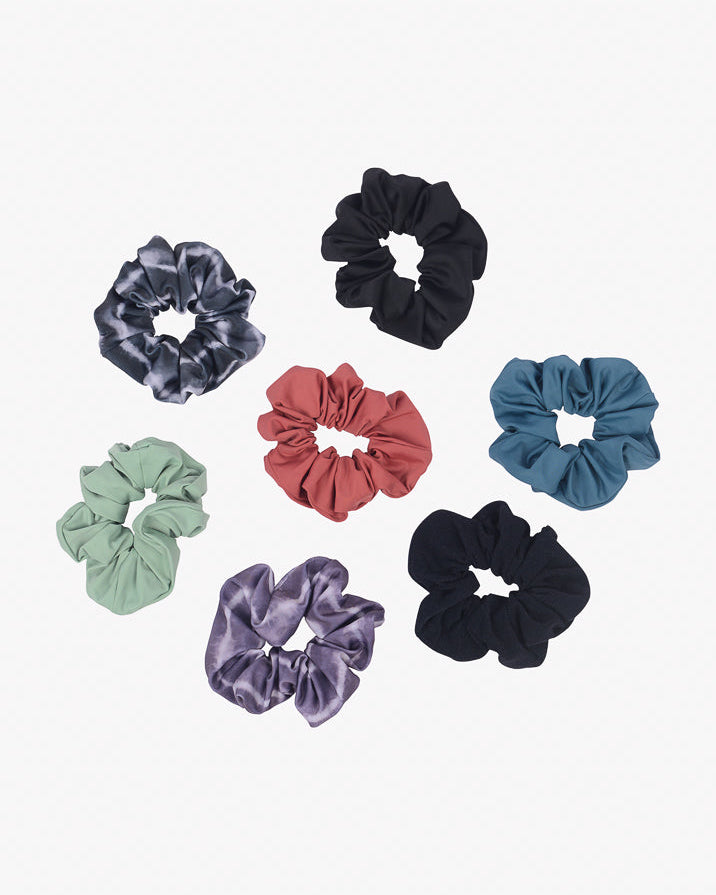
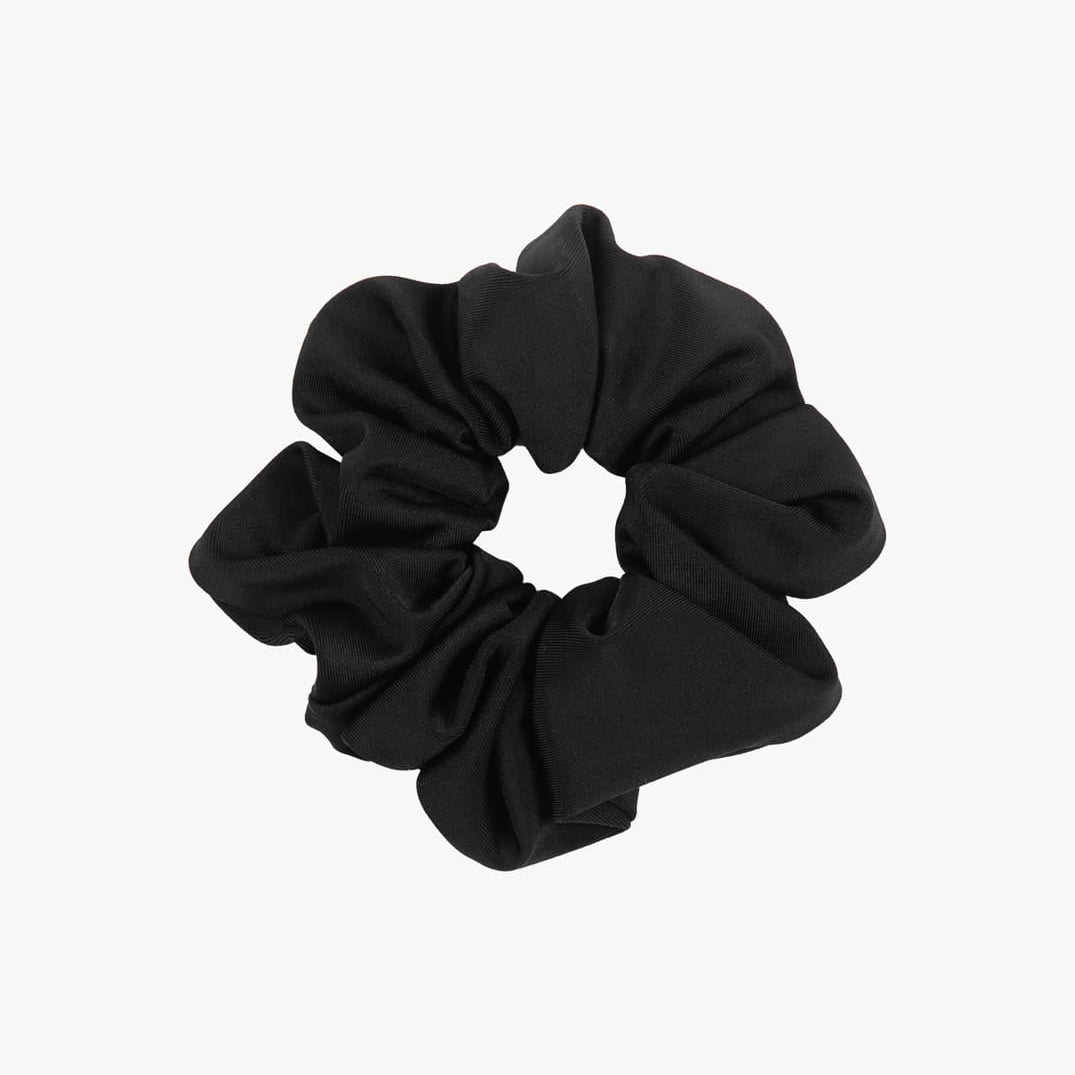
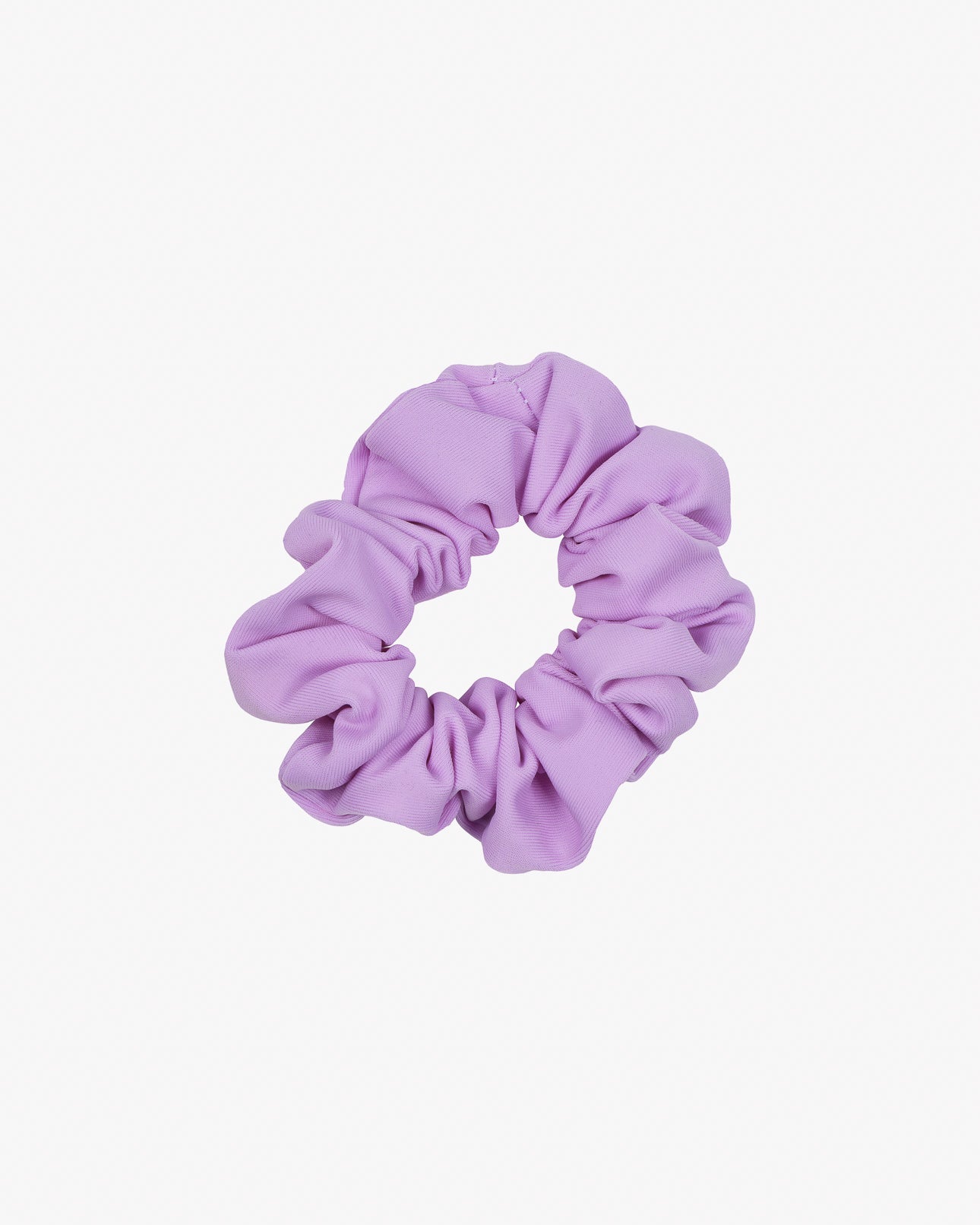
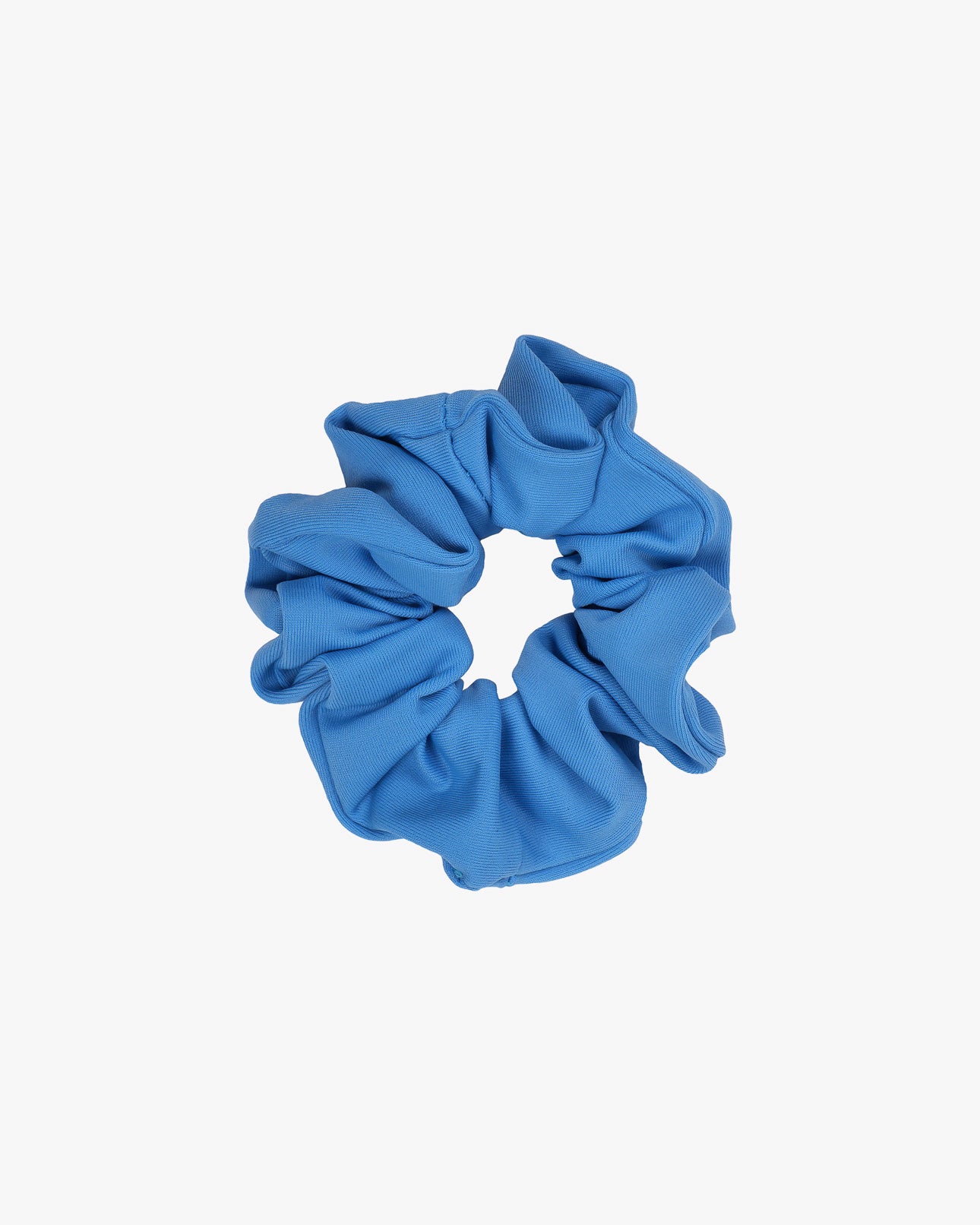
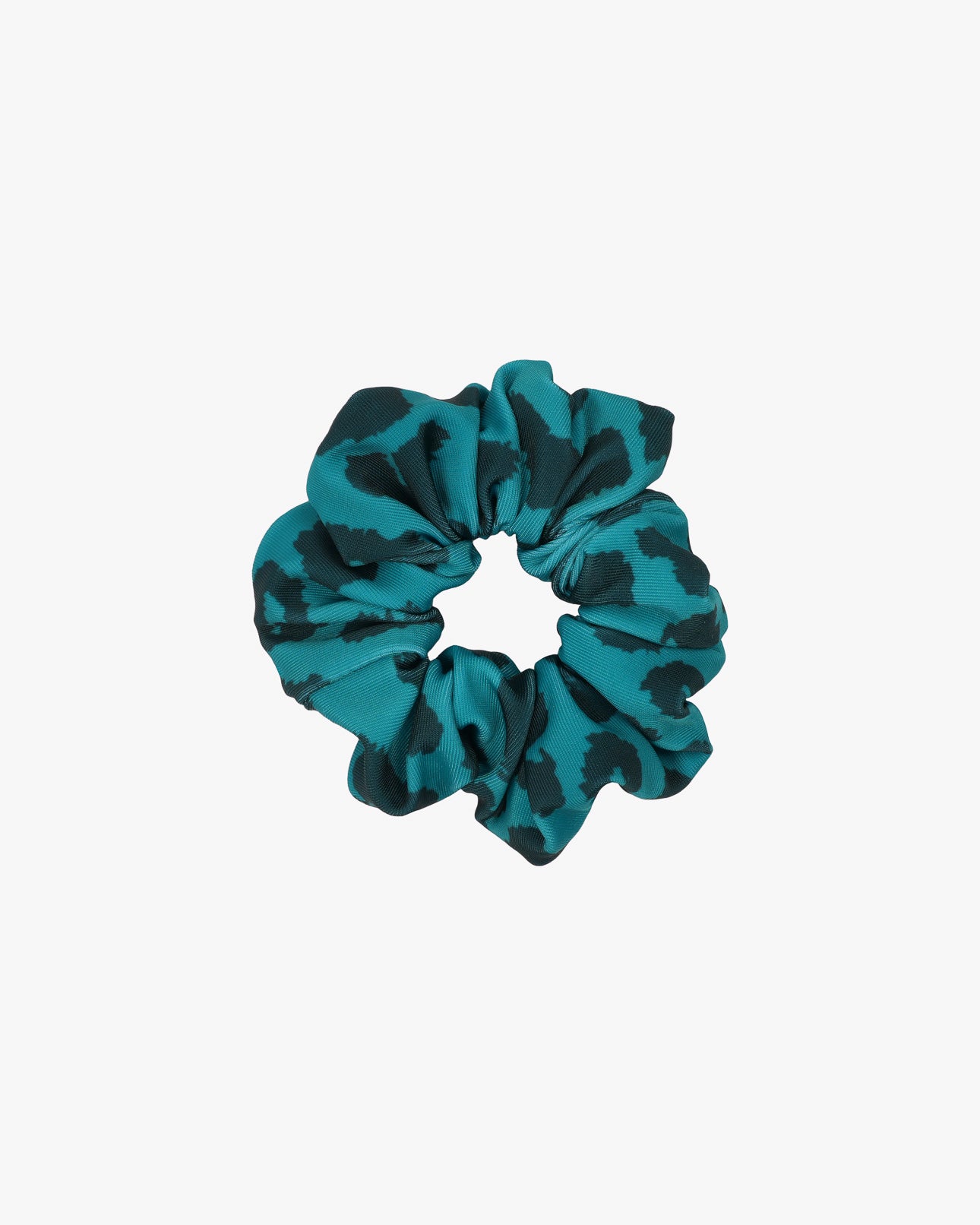
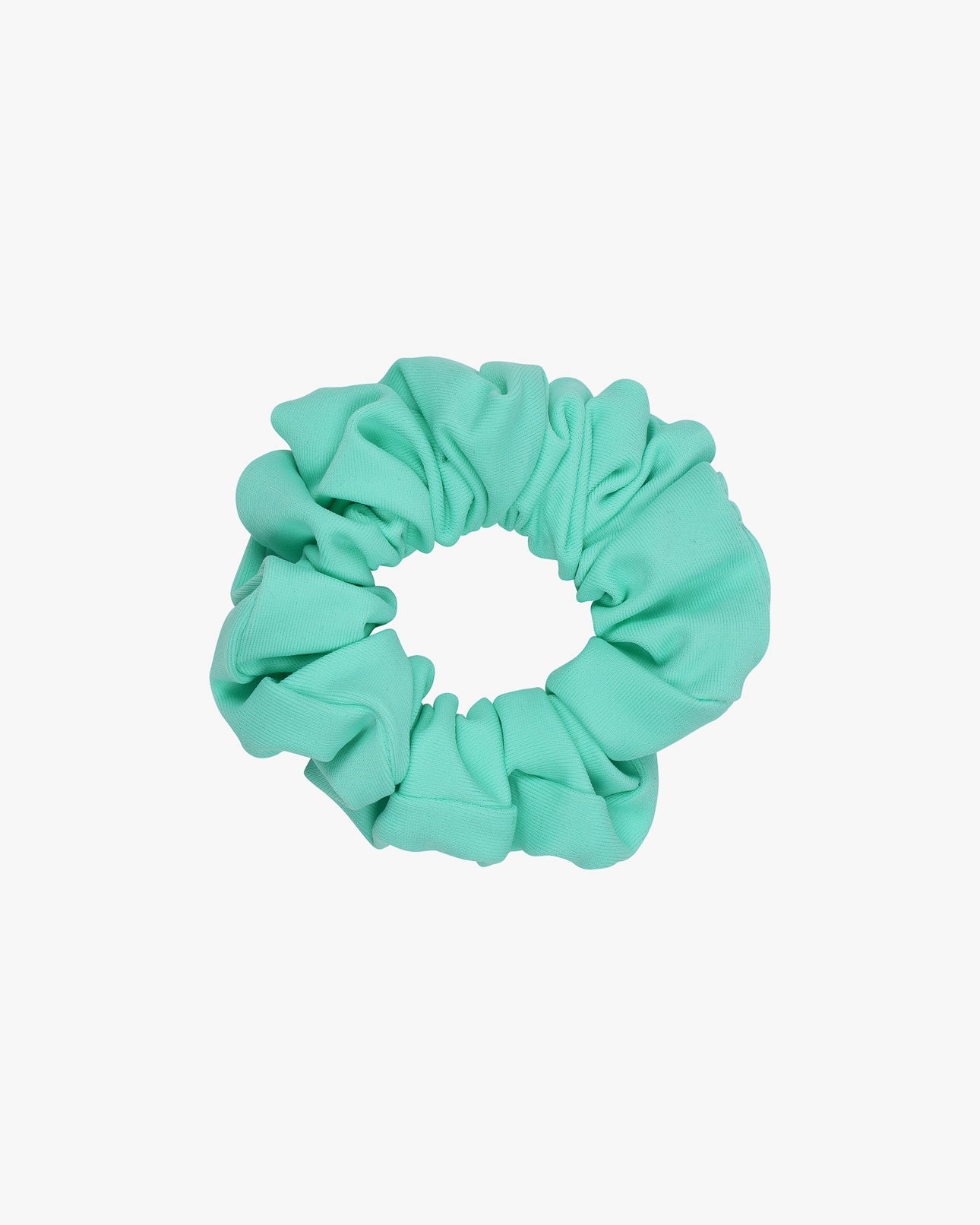
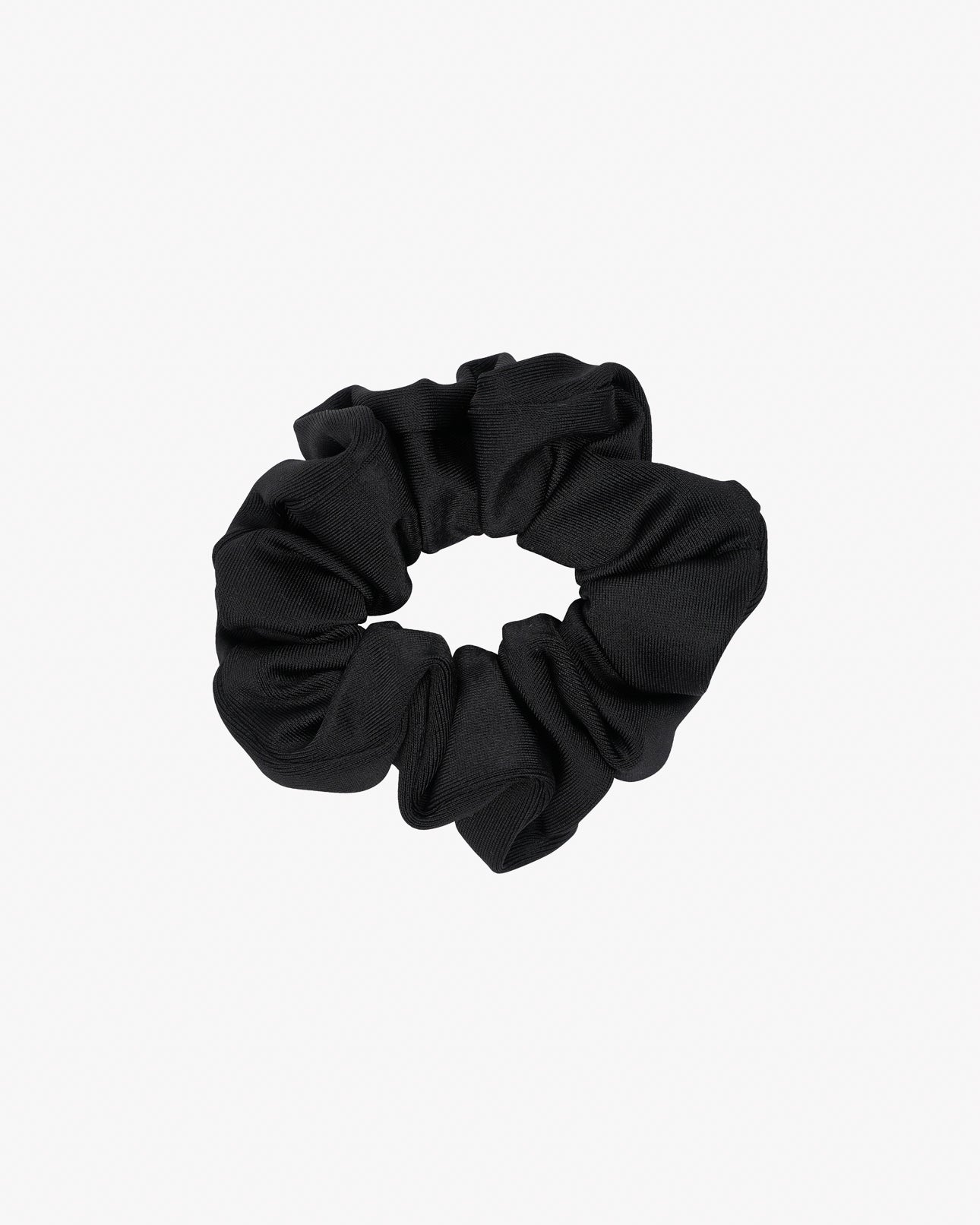
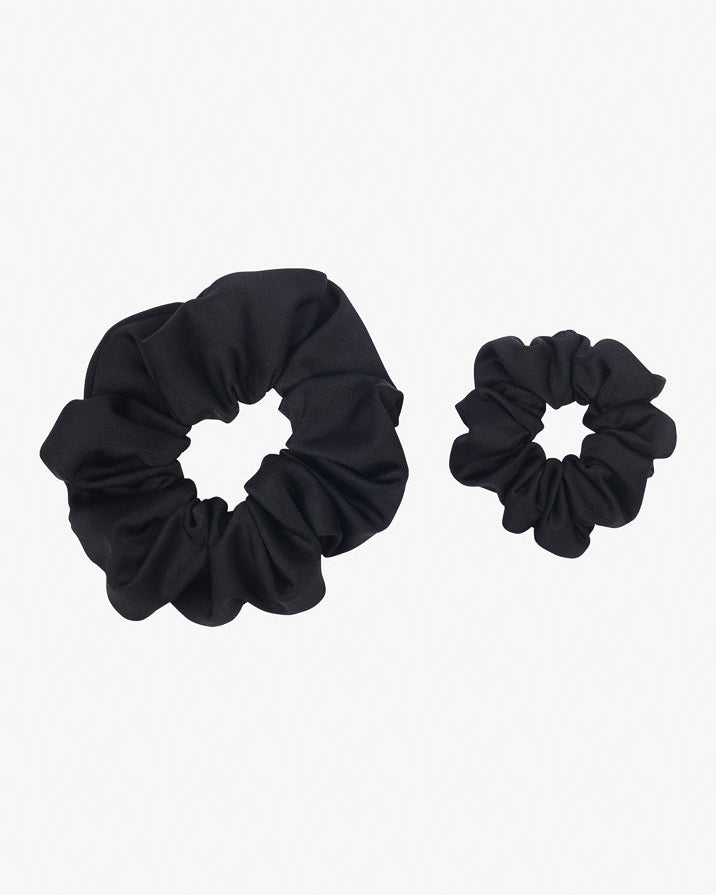
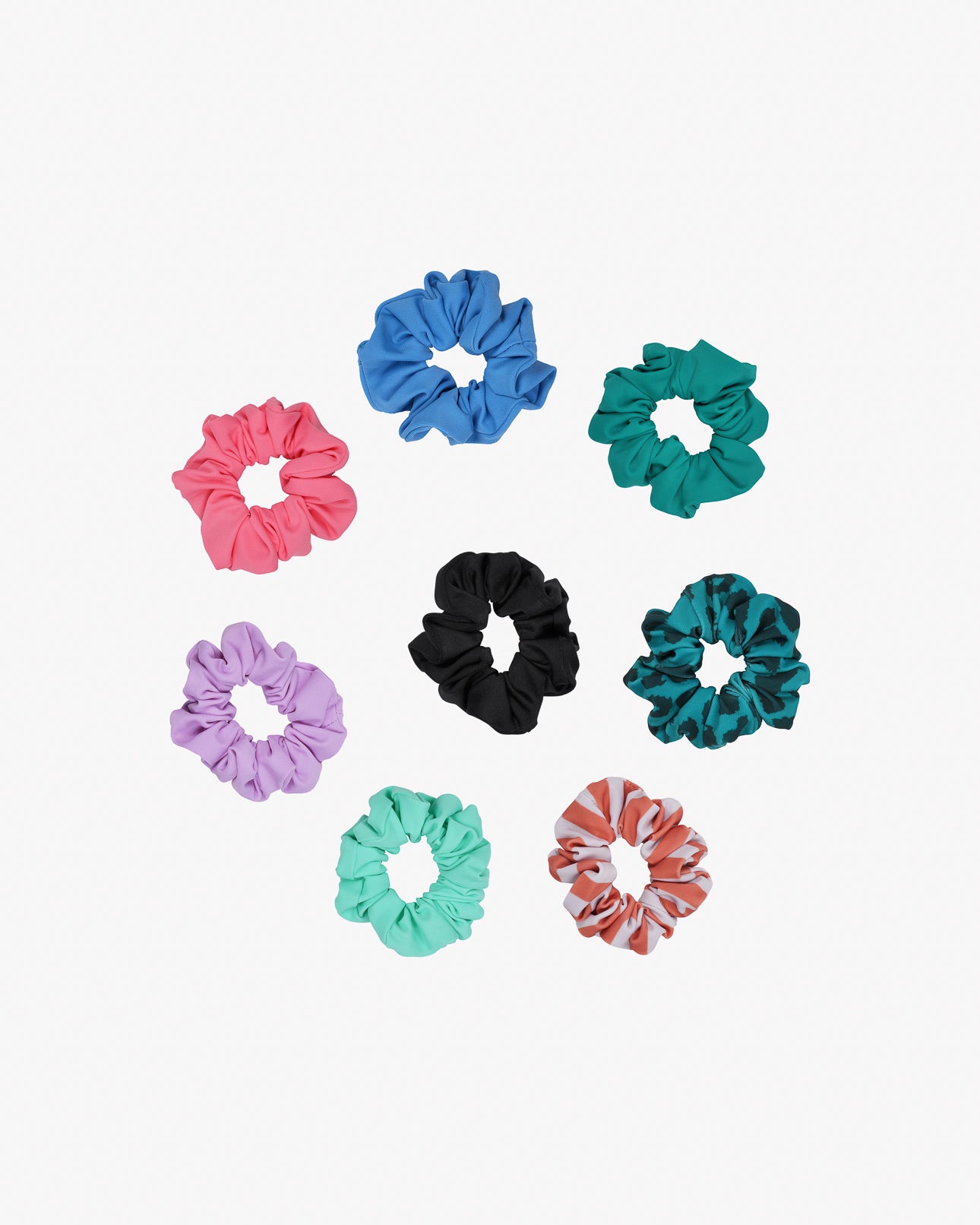
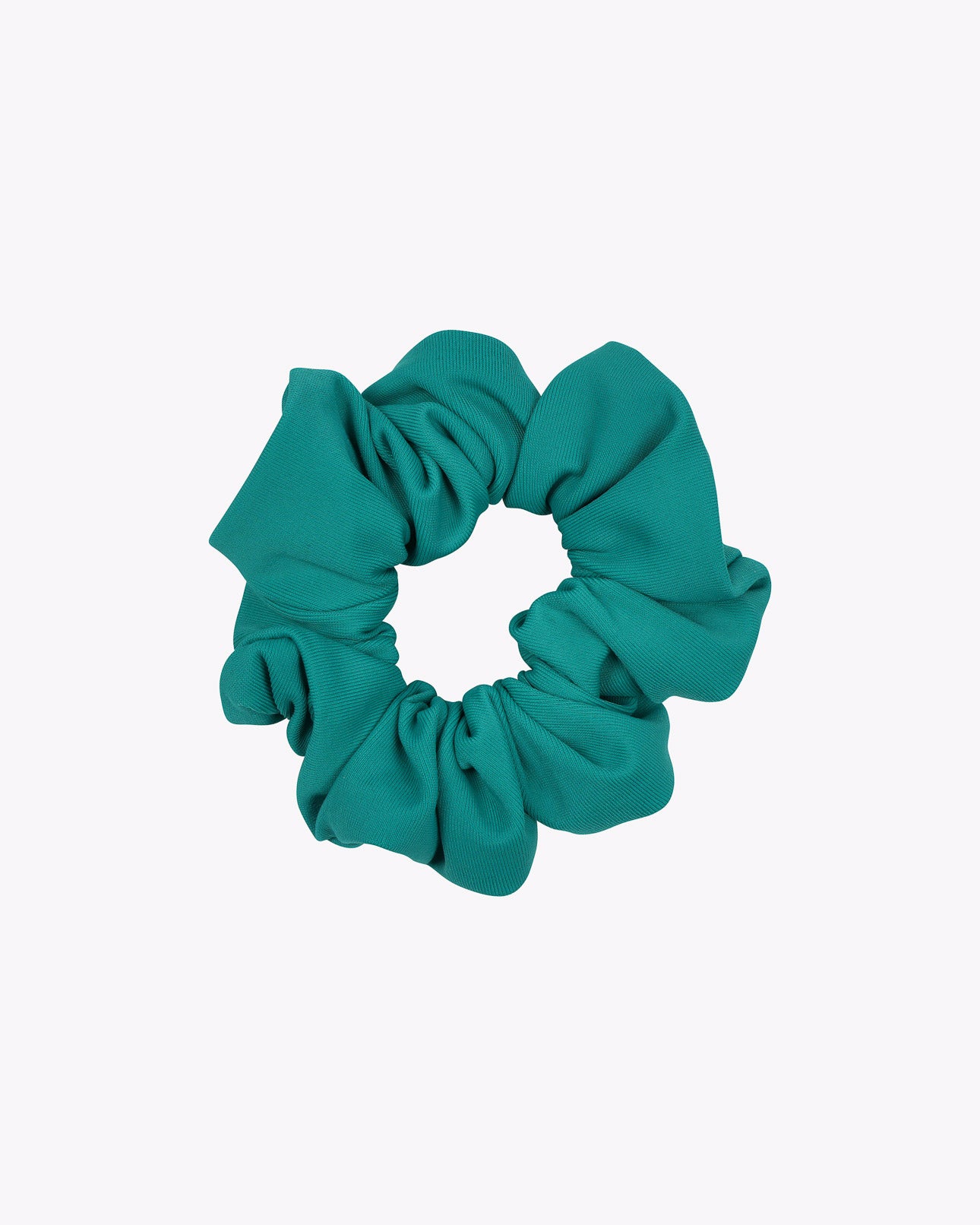
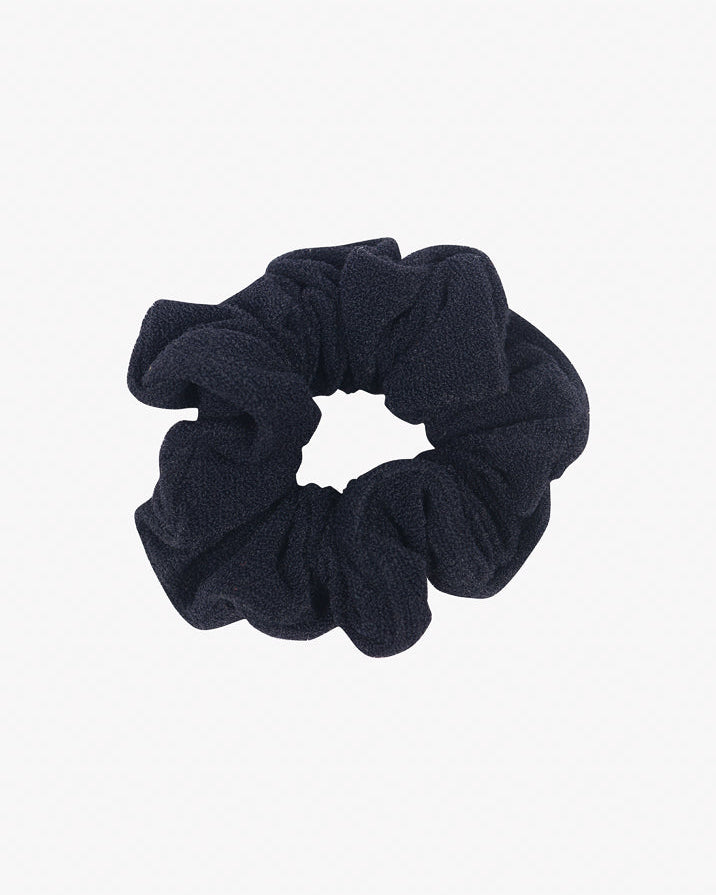
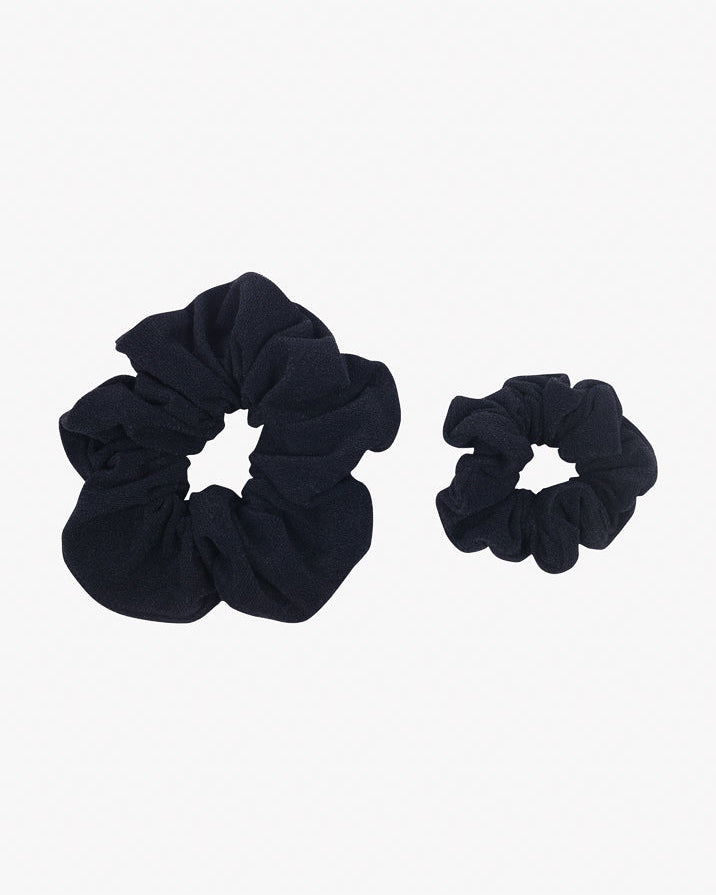
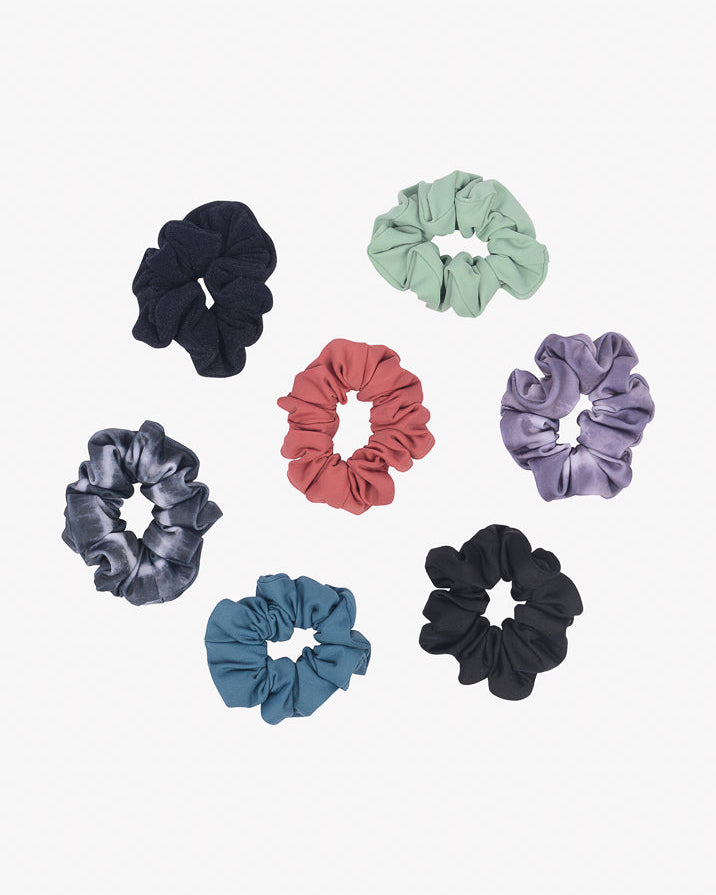
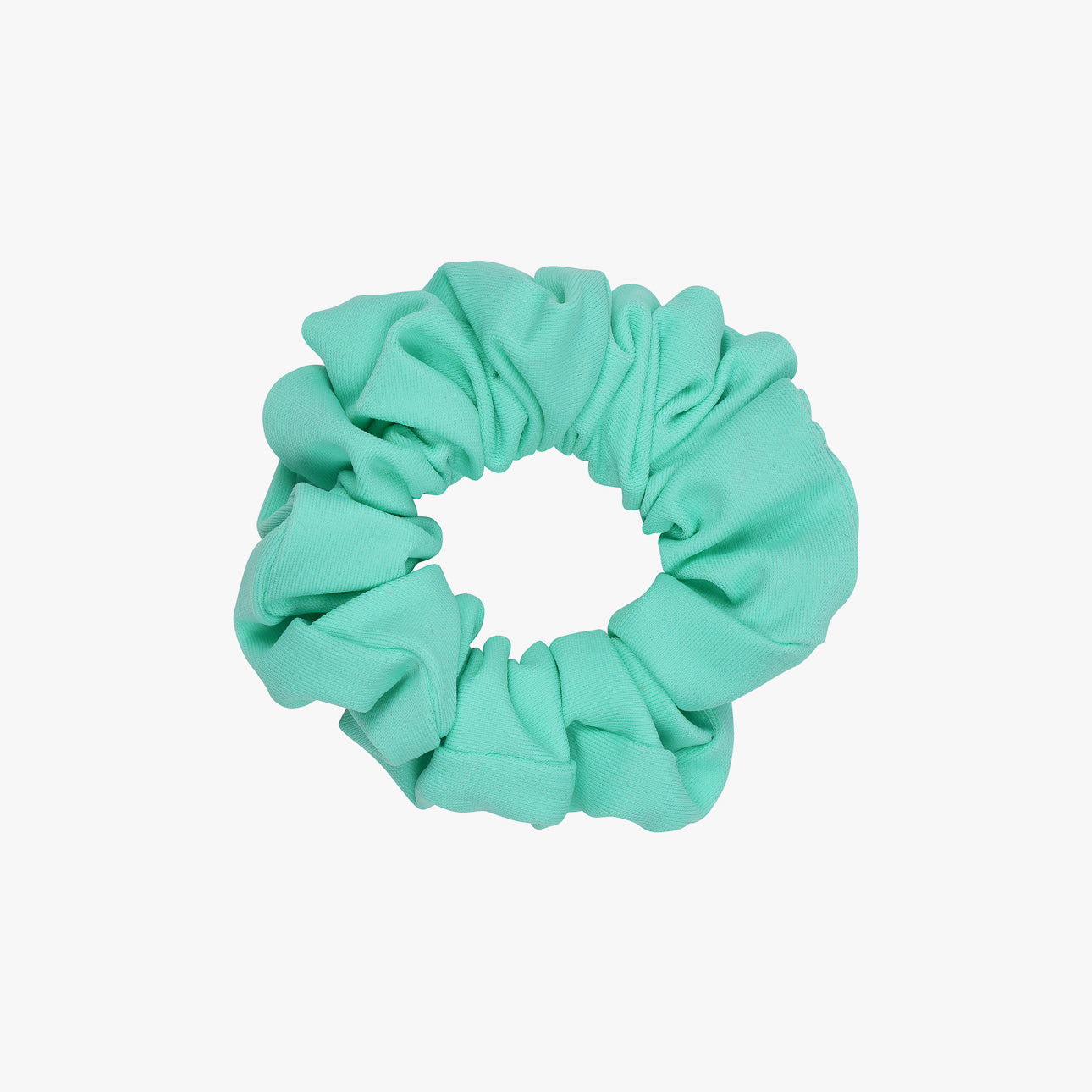
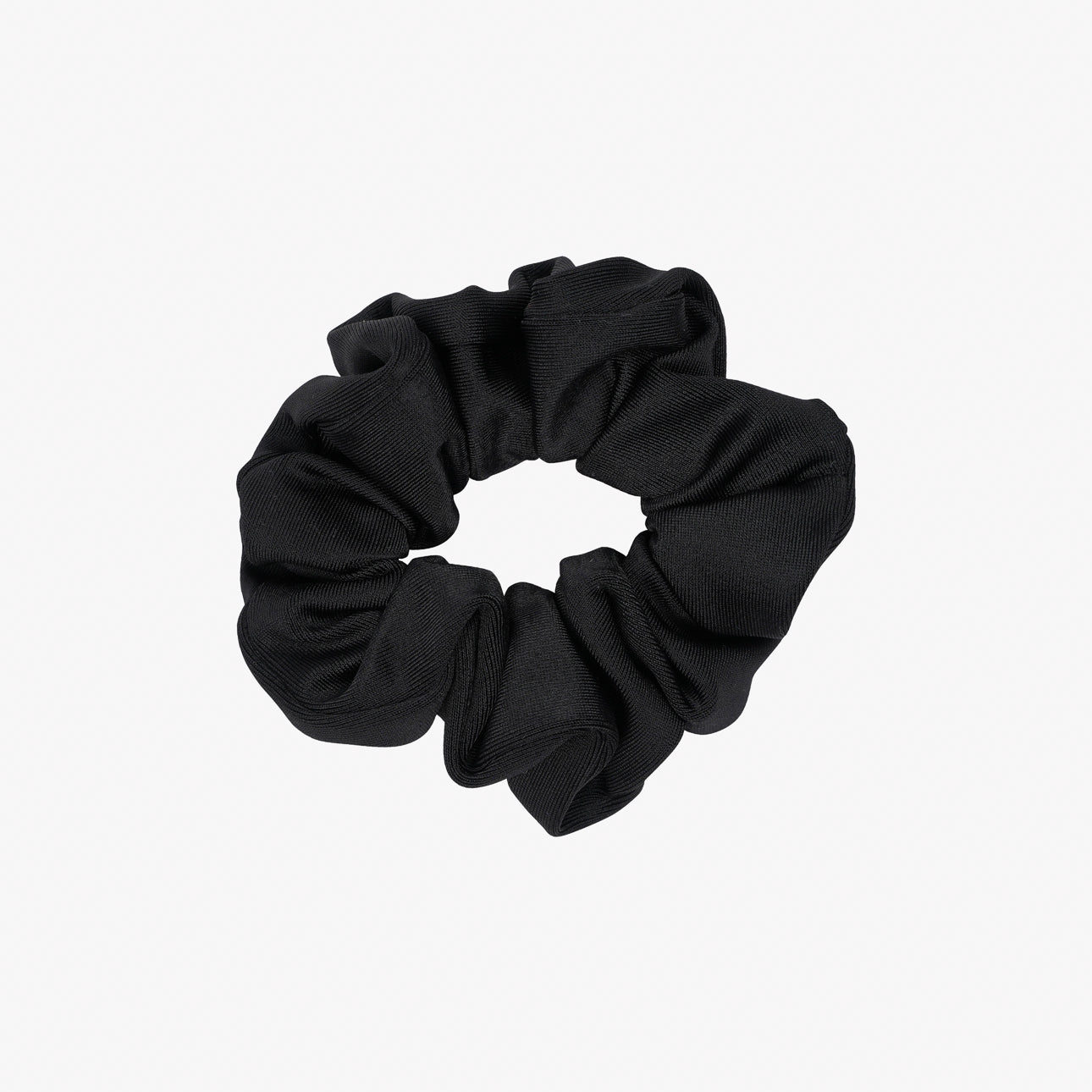
Scrunchies hold wet hair together and leave no marks. Quick-drying beach towels are easier to transport. Less is often more – but the right thing makes all the difference.
What 2026 Brings: Trends and Developments
The surf swimwear industry continues to evolve. What's making waves in 2026:
Even More Sustainable Innovations
- Algae-based fibers as an alternative to synthetic materials
- Circular economy models where old suits are returned and recycled
- Biodegradable coatings for water-repellent properties
- Carbon-negative production through compensation and new processes
Technology makes it possible for surf swimsuits to not only be recycled but to actually become compostable at the end of their life – without compromising quality during use.
Design Meets Function
The boundaries between surf swimwear, activewear, and everyday clothing continue to blur. Many designs are now so versatile that they work from the yoga studio to the beach to the cafe.
Prints are bolder, cuts are more experimental. But functionality is never neglected. New collections show that style and performance don't have to be opposites.
Community and Transparency
More and more brands are opening up, showing their supply chains, introducing their producers. Customers want to know where their surf swimsuits come from and who made them. This transparency builds trust and connection.
Social media platforms are becoming places for exchange: Which cut works for which waves? Which material lasts how long? Real experiences of real surfers count more than glossy advertising.
An Investment That Pays Off
A high-quality surf swimsuit costs more than a no-name bikini from the supermarket. But it also lasts three to four times longer, fits better, and feels better. The math adds up.
Cost Per Wear
Instead of looking at the purchase price in isolation, calculate the cost per session:
- Cheap bikini: 30 CHF, lasts 10 sessions = 3 CHF per session
- Quality surf swimsuit: 120 CHF, lasts 60+ sessions = 2 CHF per session
Then there's the sustainability aspect. Less consumption means less waste, less resource consumption, less environmental impact. That cannot be measured in francs, but it counts just as much.
Think long-term
Once you've experienced the difference between a cheap and a well-designed surf swimsuit, you'll never go back. It's not about status or brand logos. It's about the feeling of wearing exactly the right thing – in harmony with the waves, with nature, with yourself.
Surf swimsuits are more than functional clothing – they are an expression of your attitude towards water, the environment, and yourself. Whether you're looking for maximum performance, sustainably produced materials, or designs that combine beach and everyday life: the right choice makes every session better. At MAIN Design, you'll find swimwear that combines all of this: style, function, and genuine responsibility for the oceans we love so much.