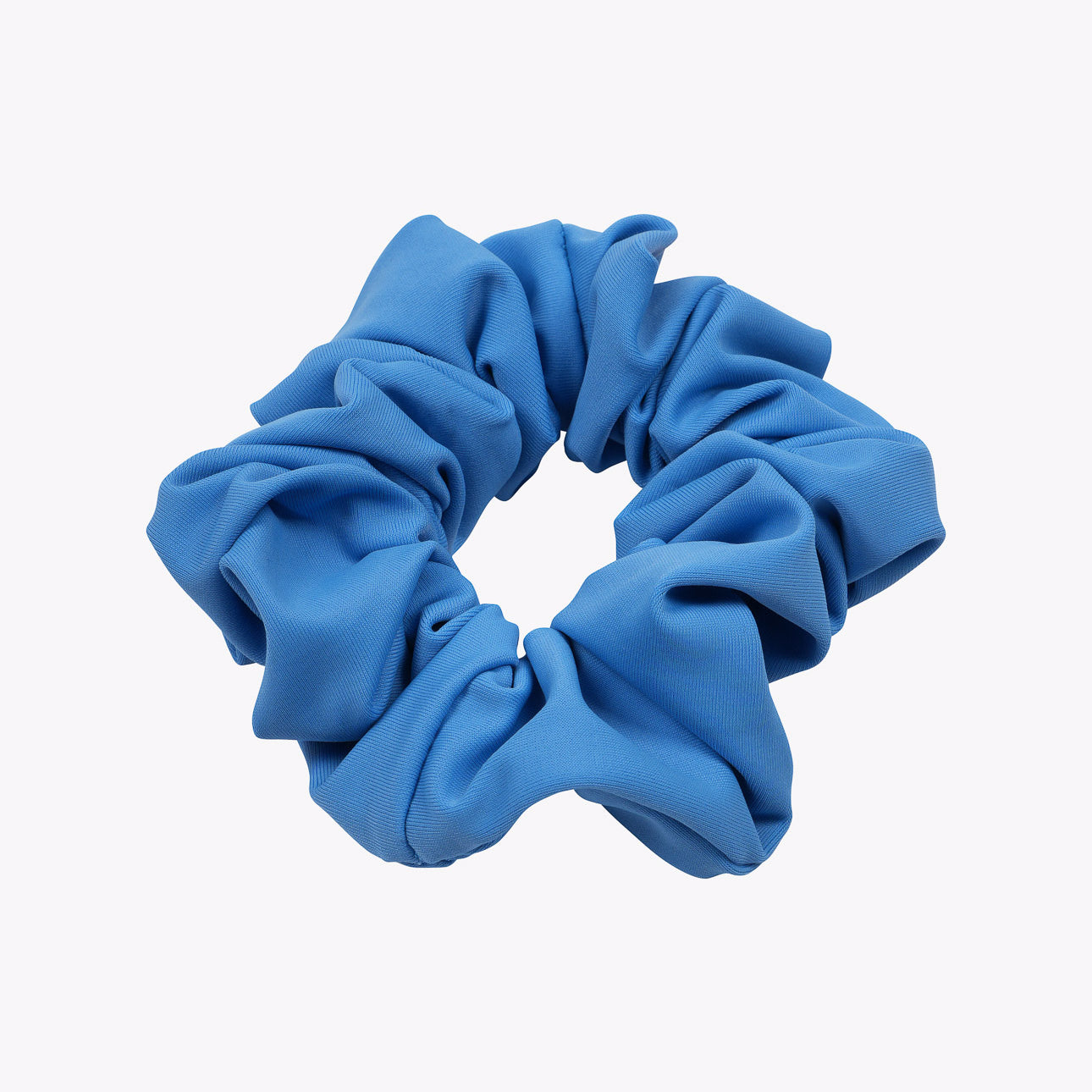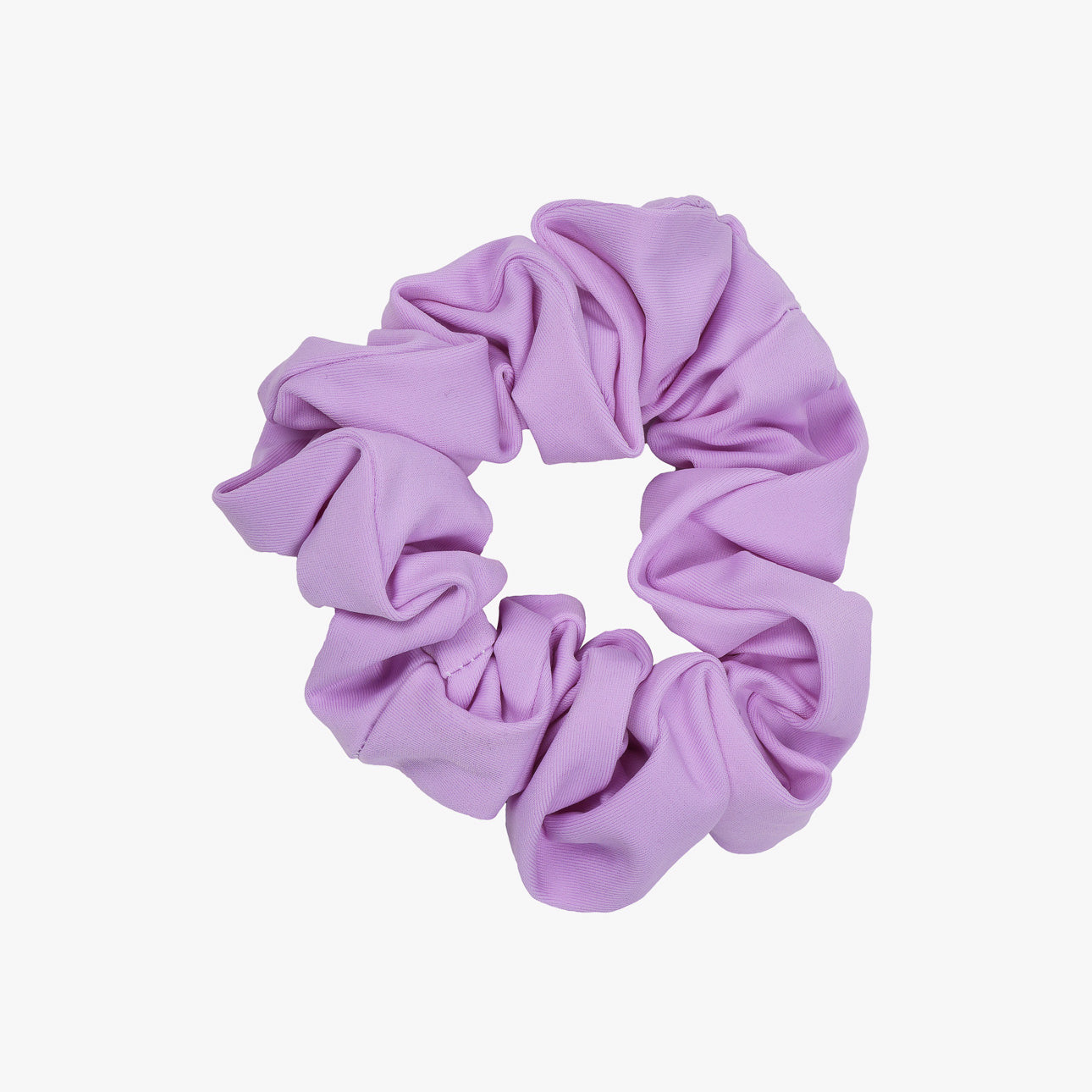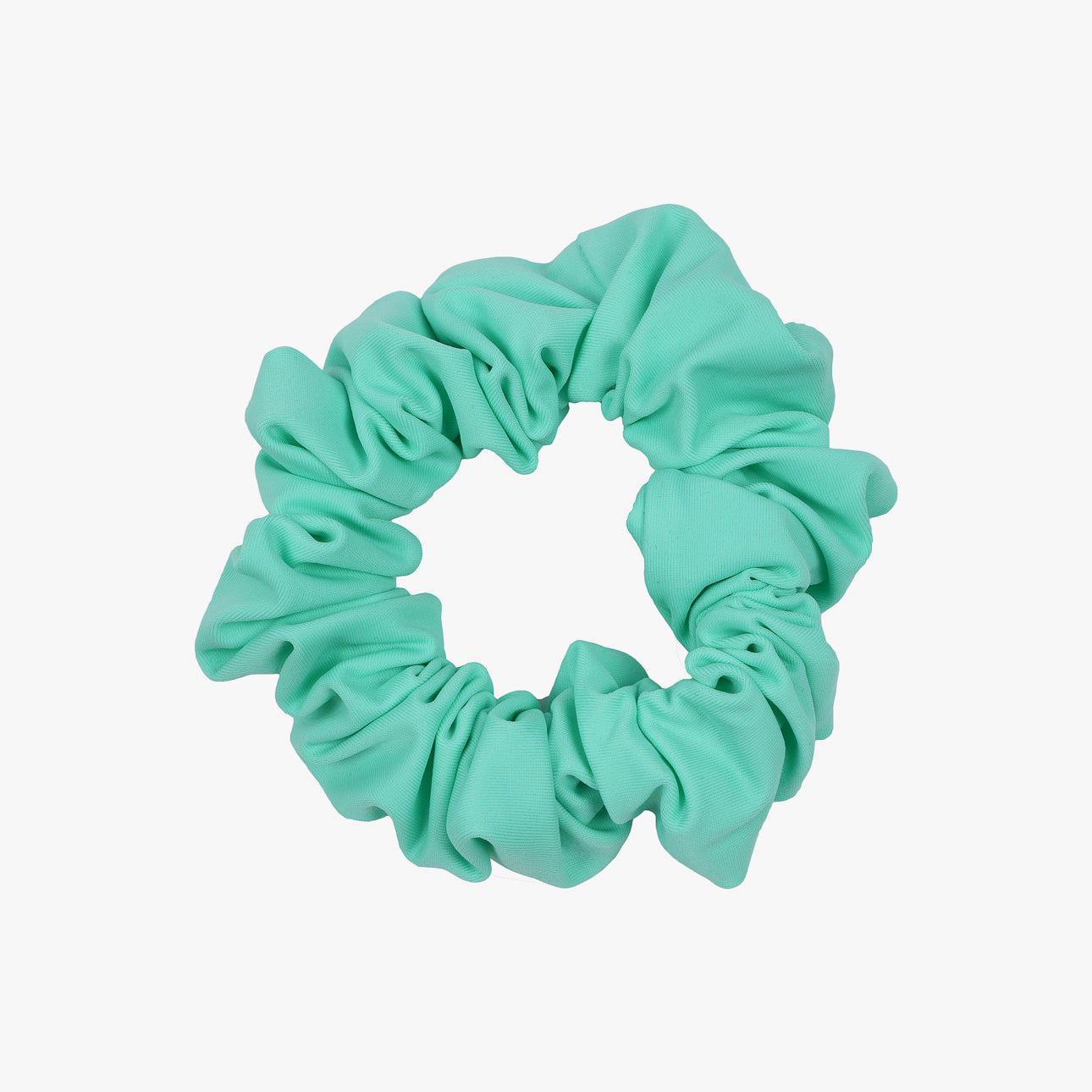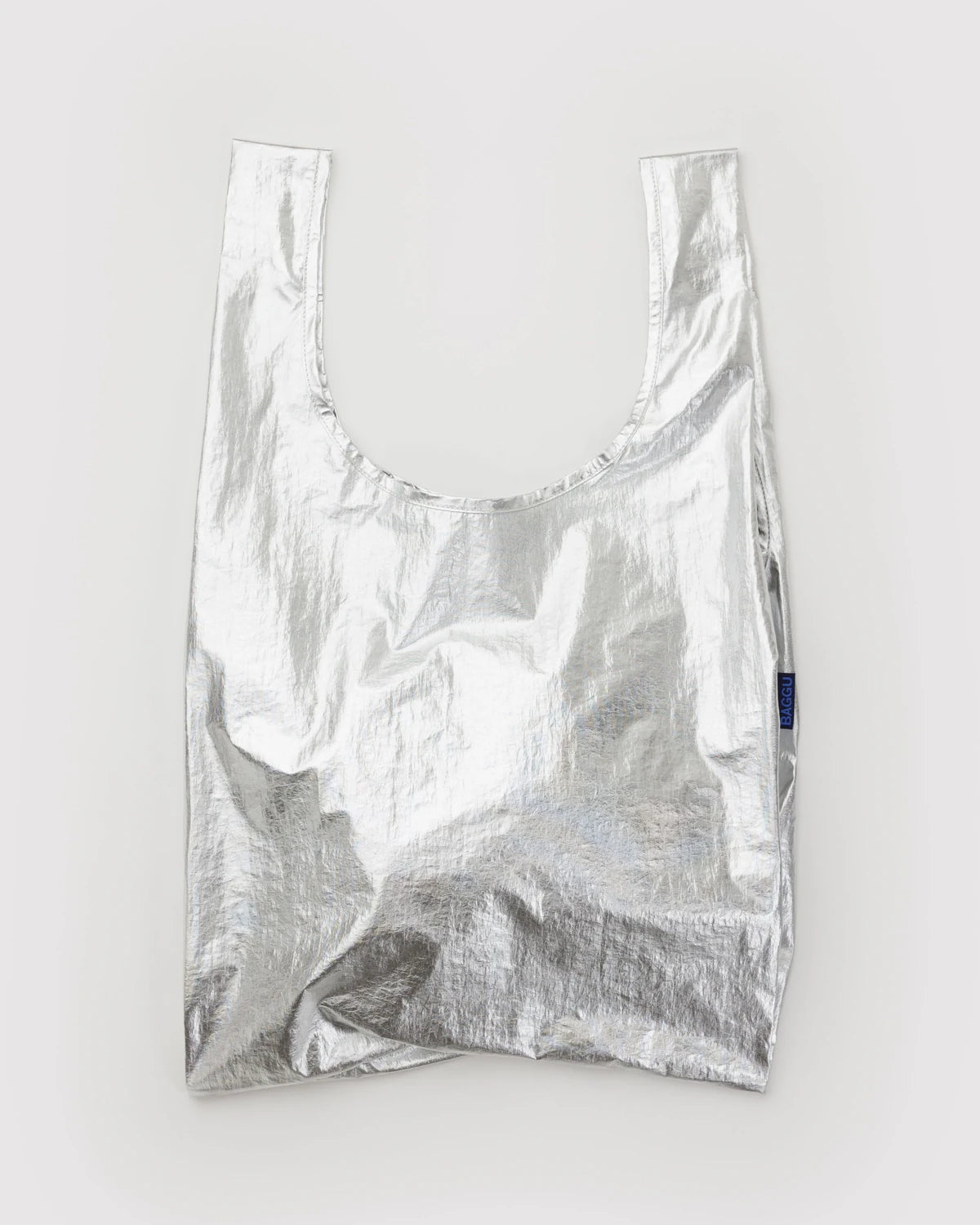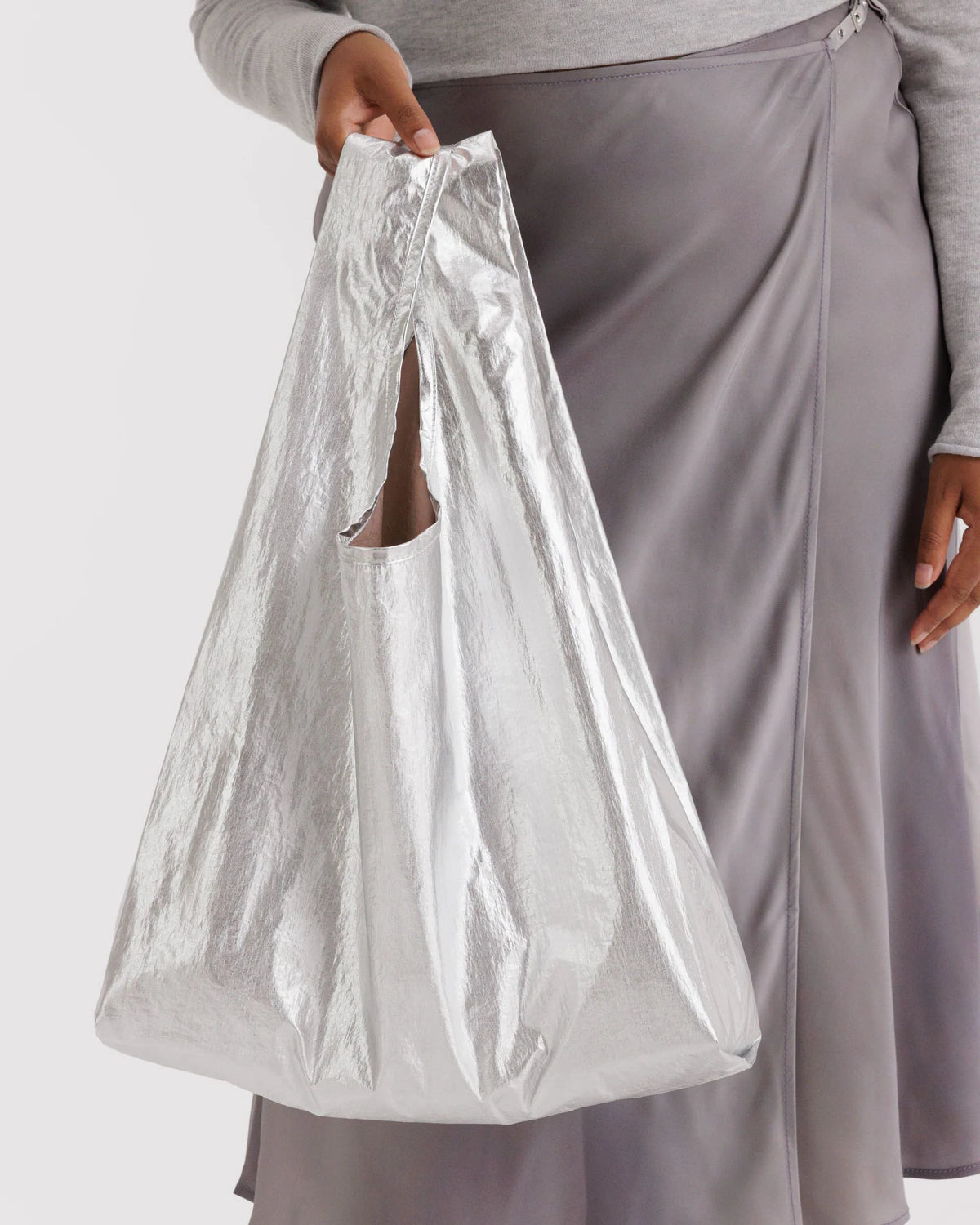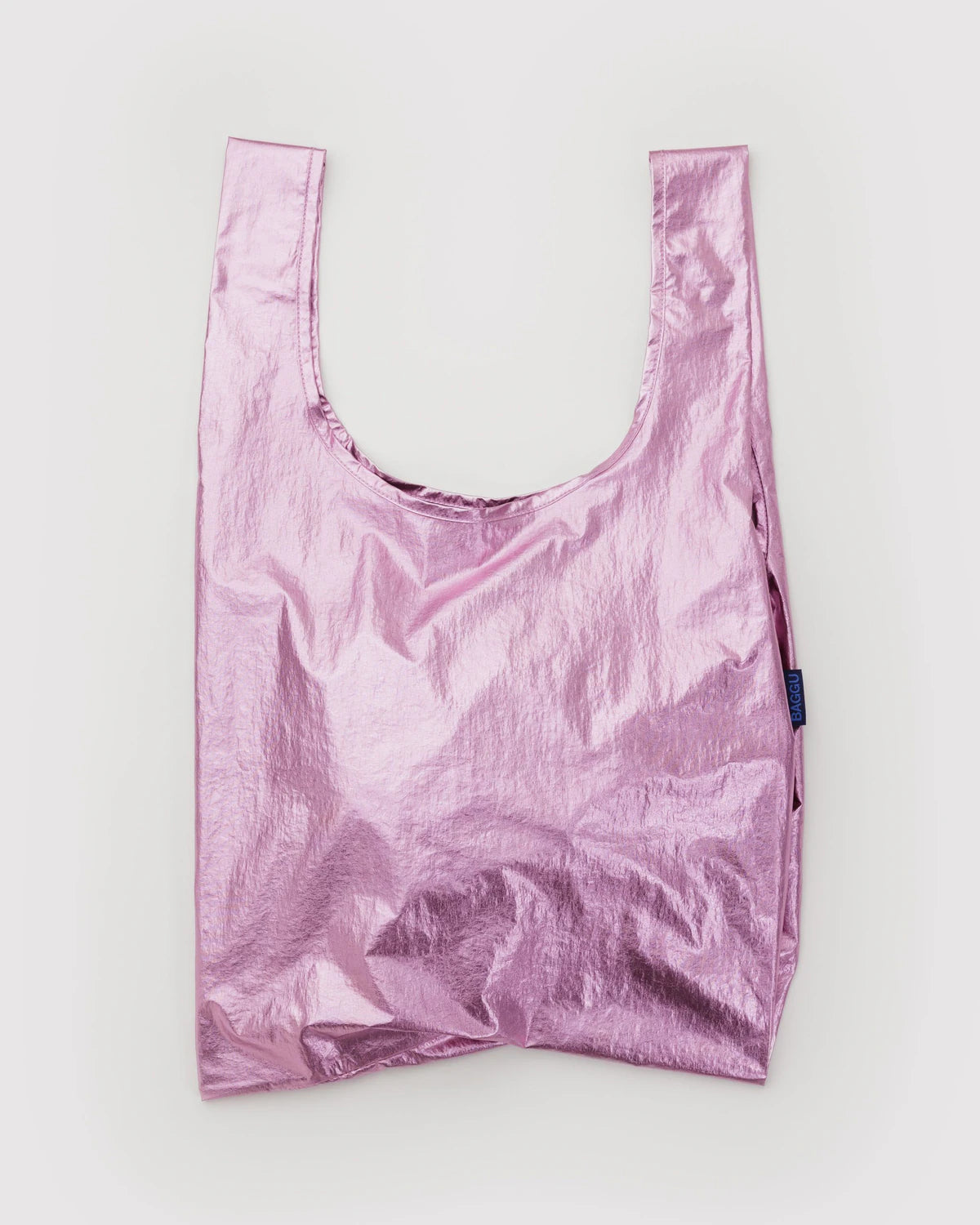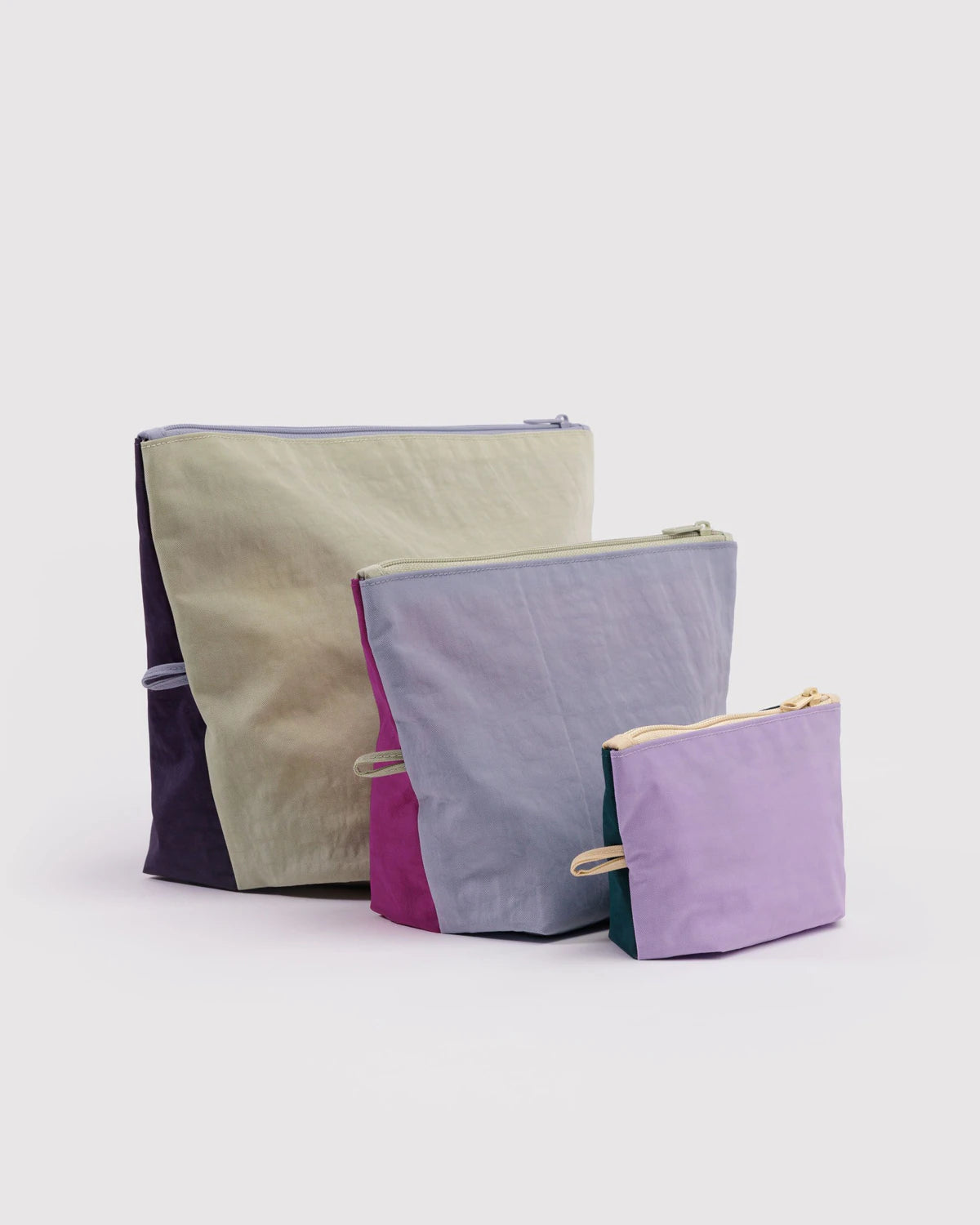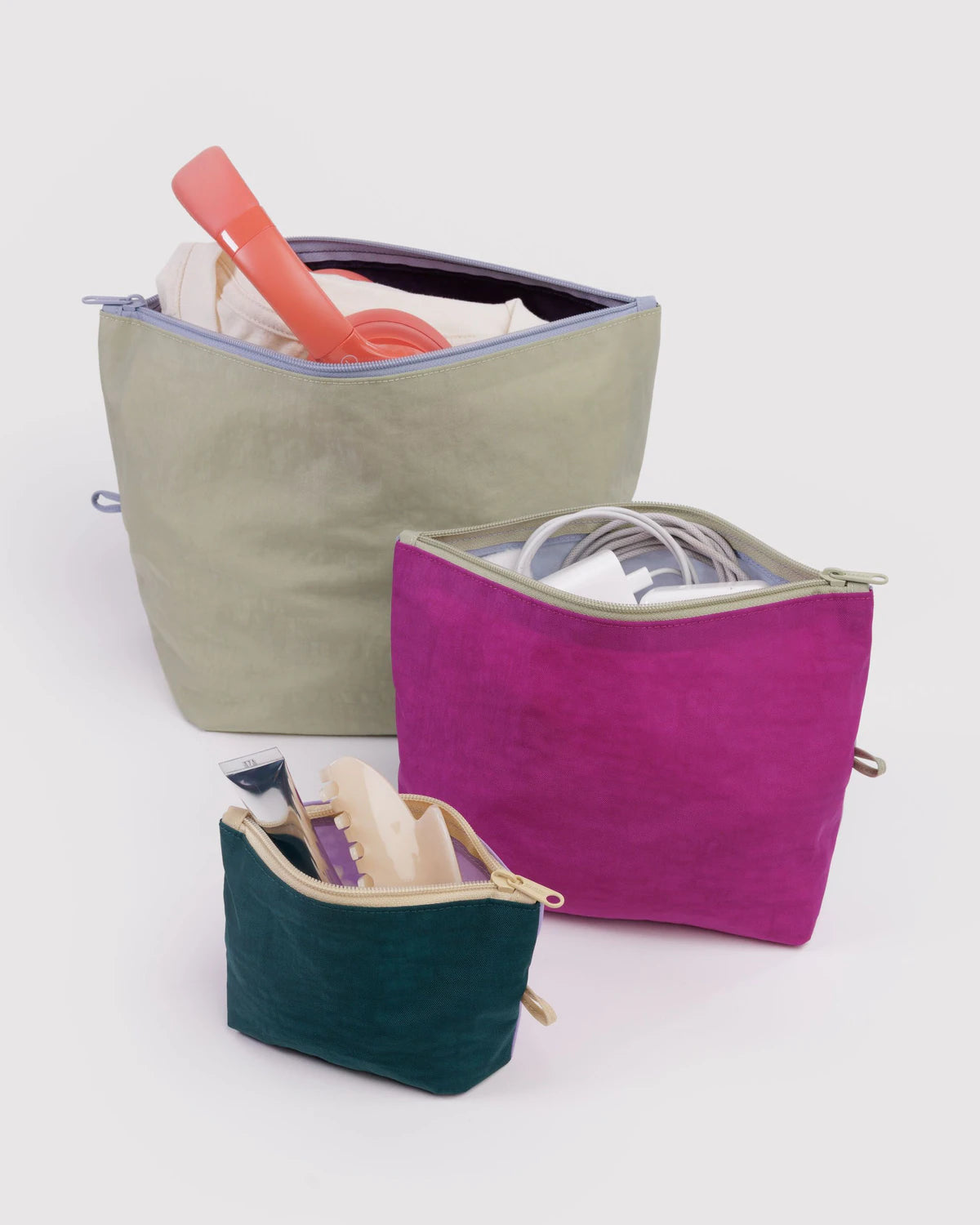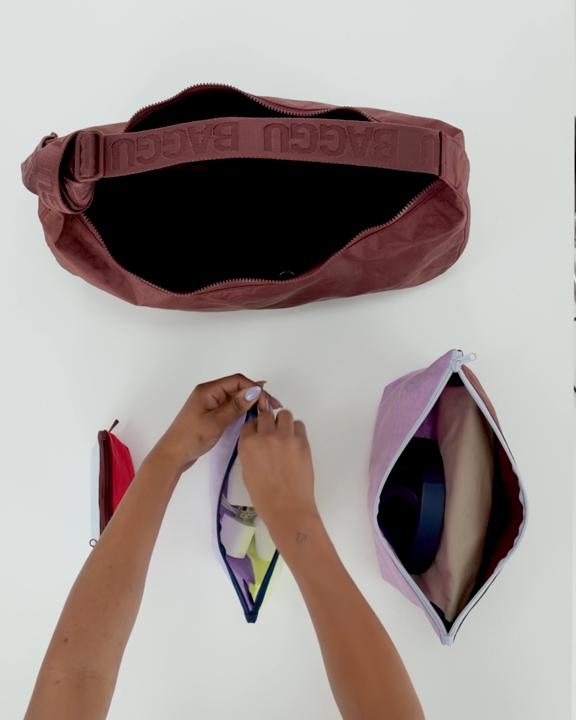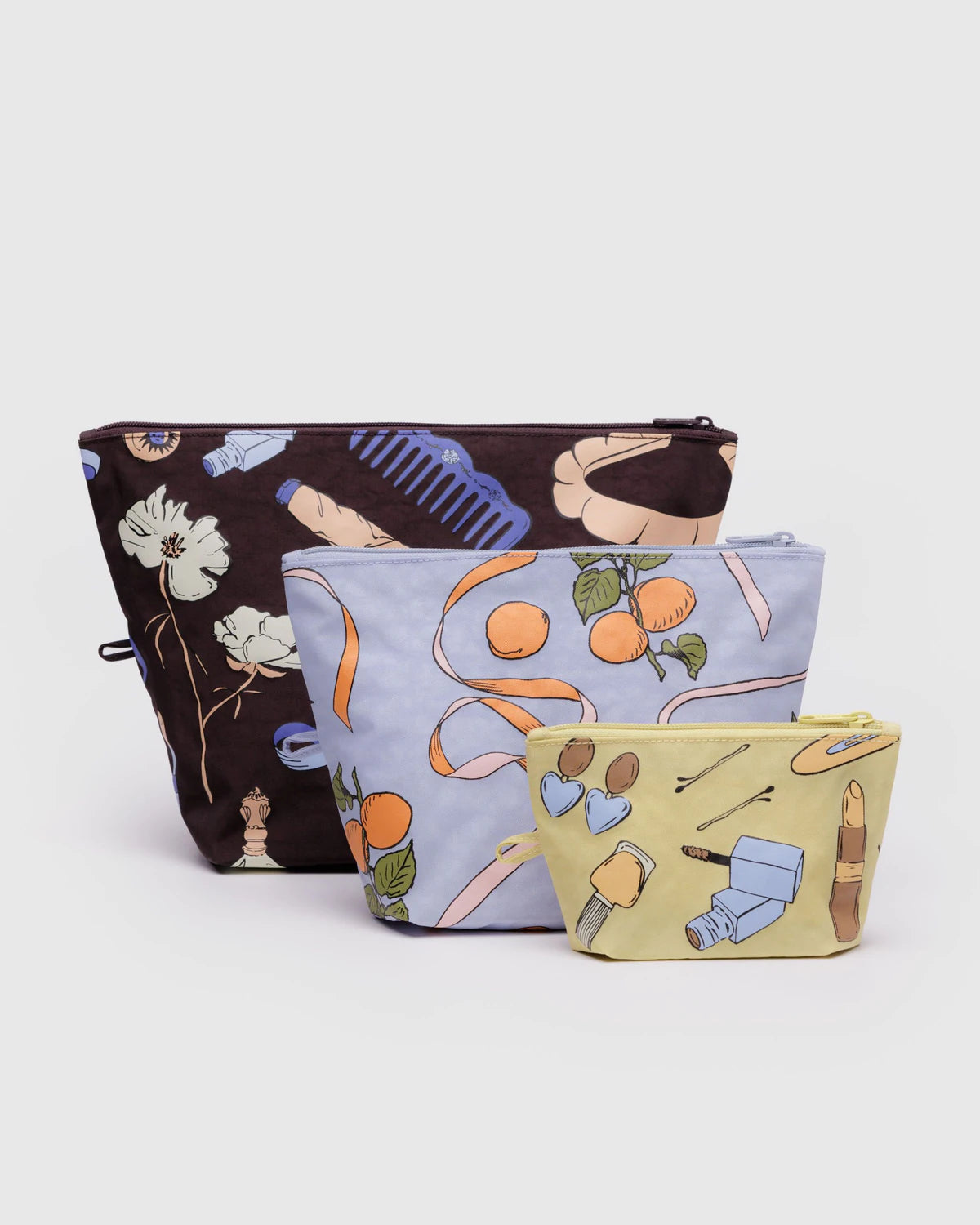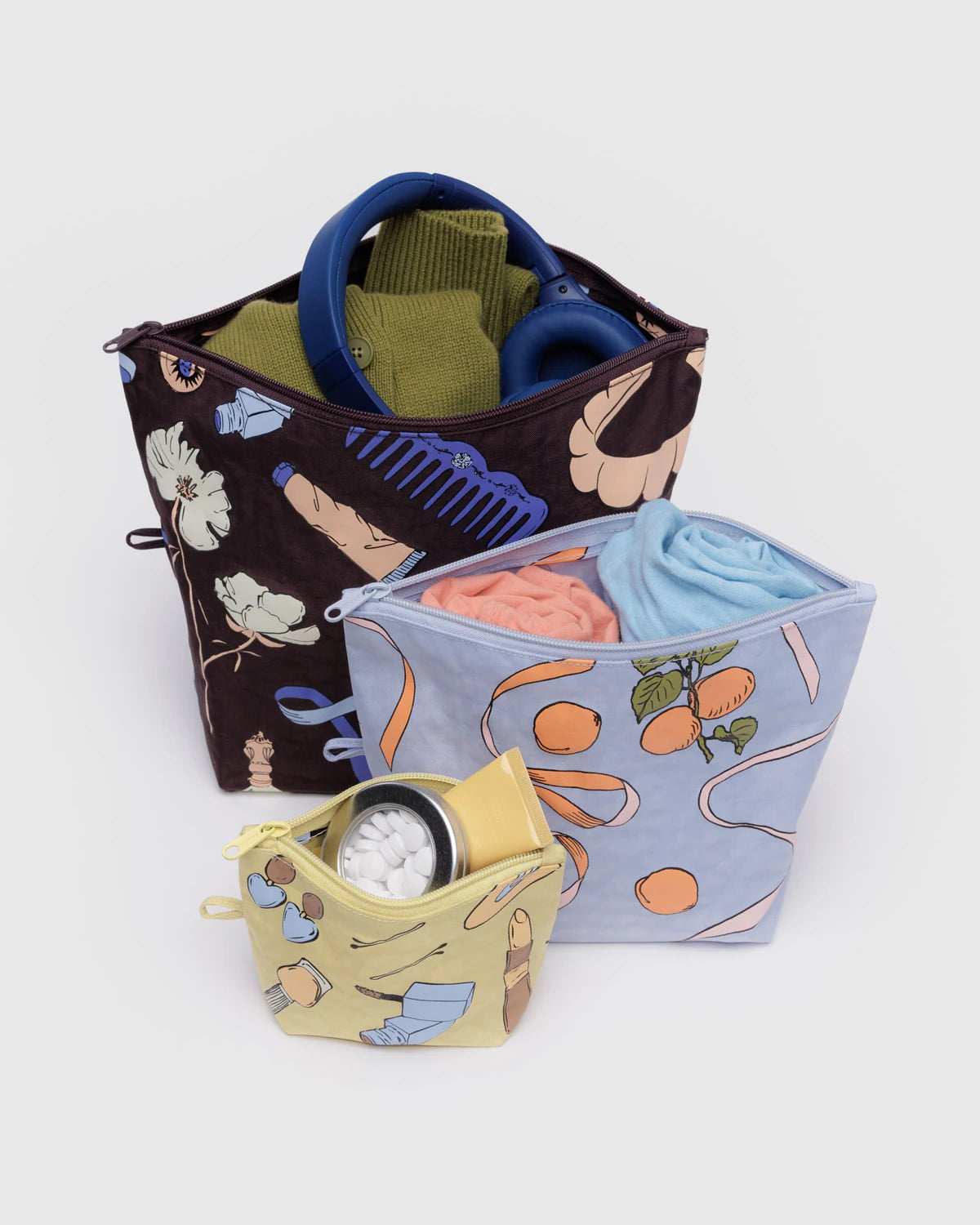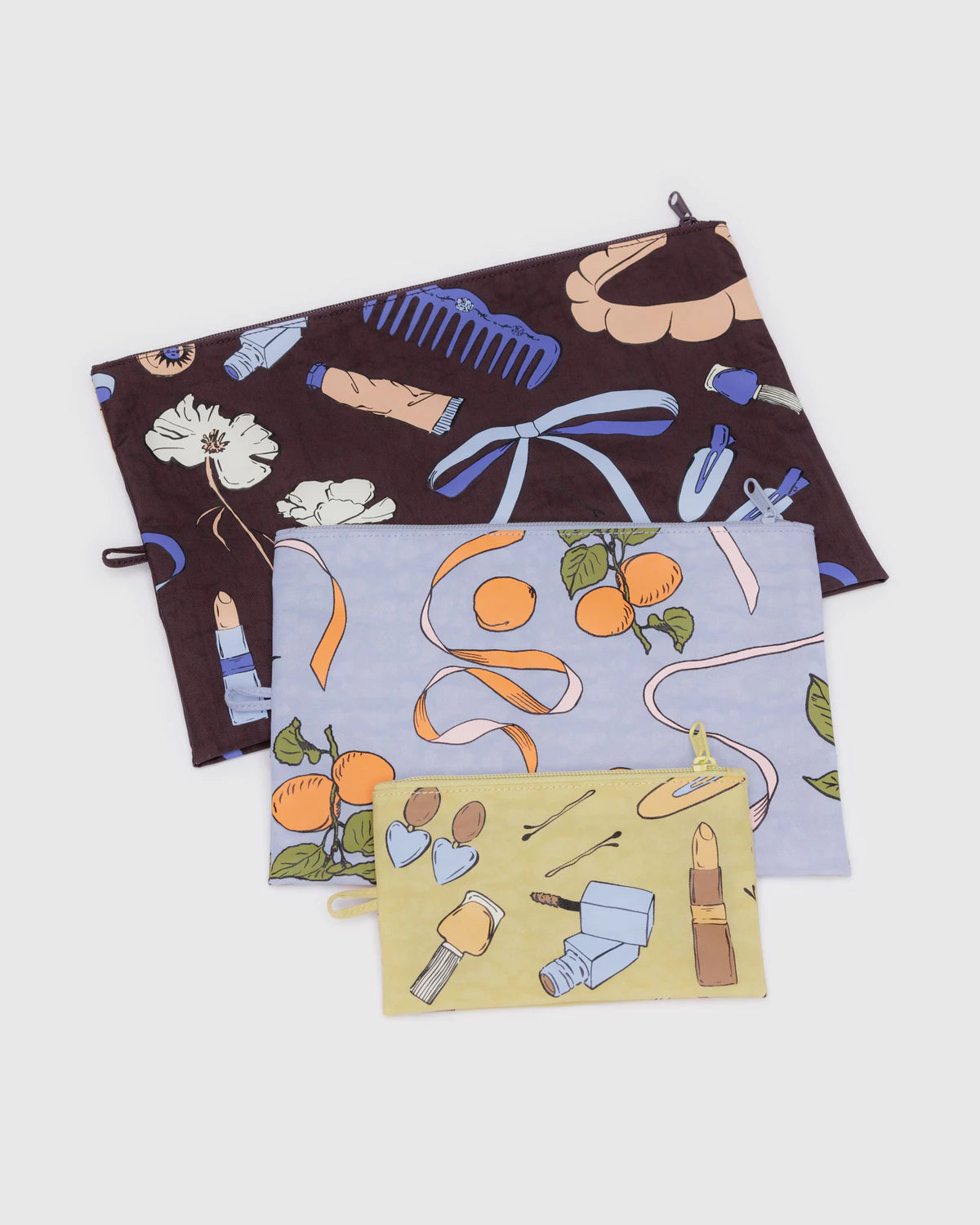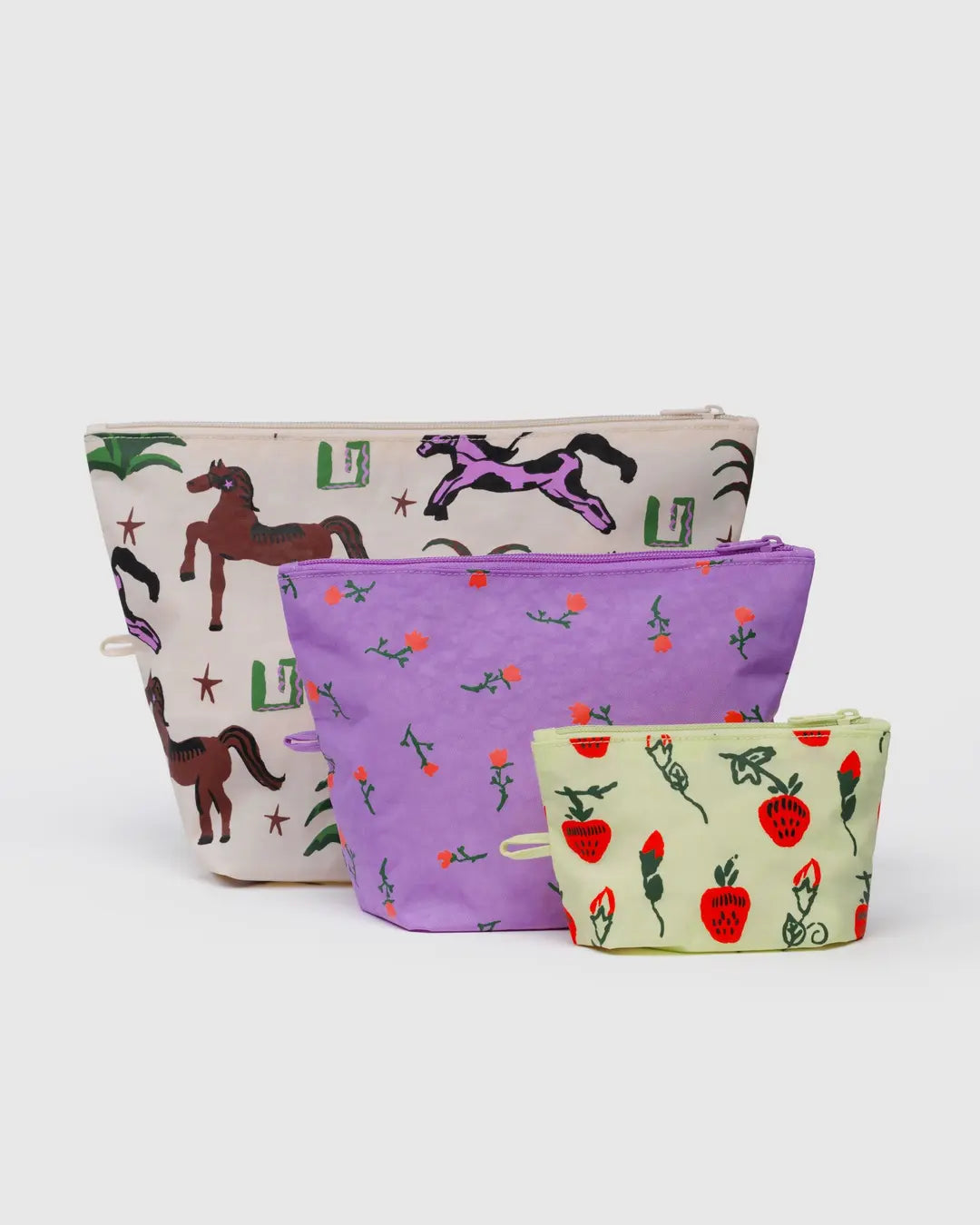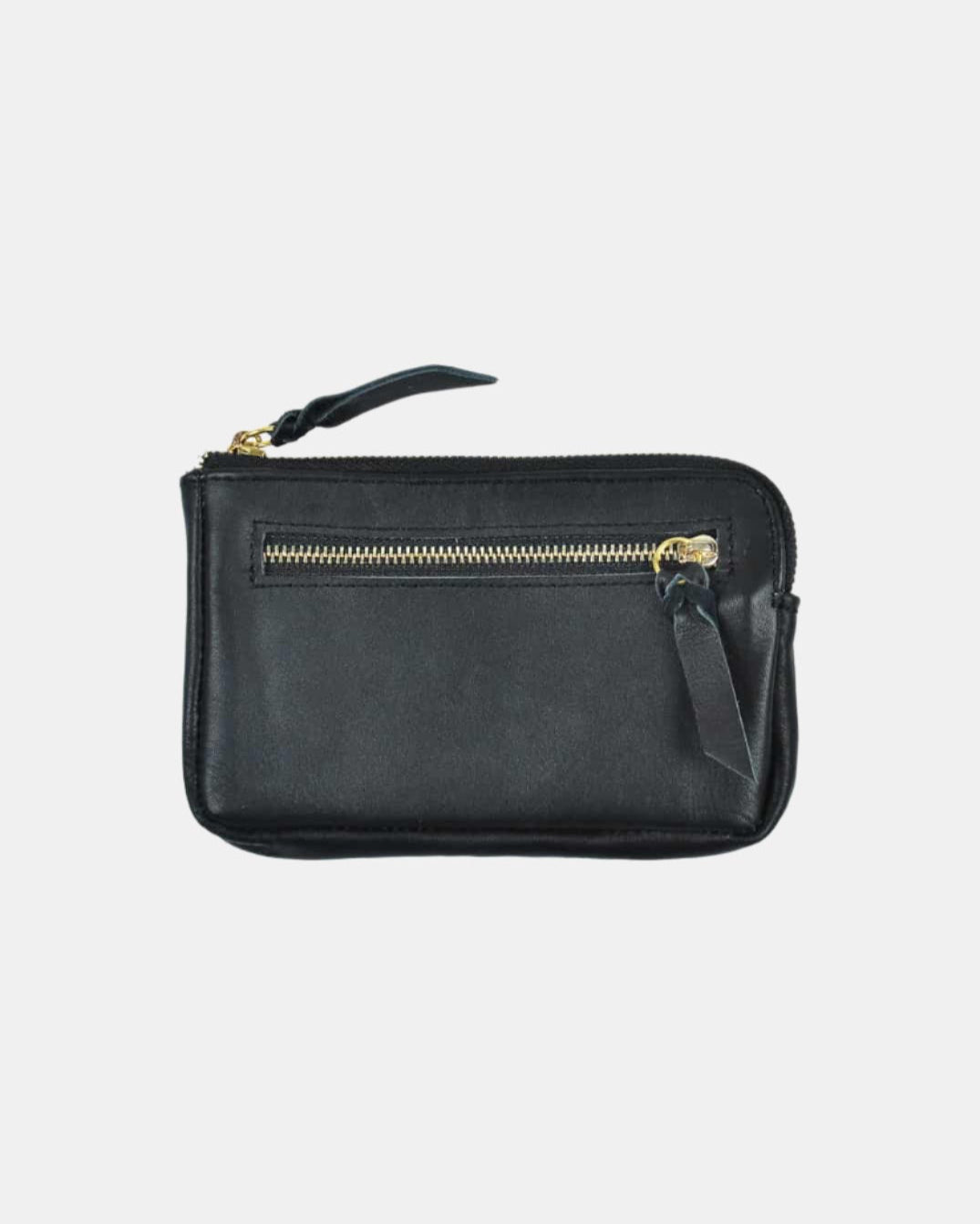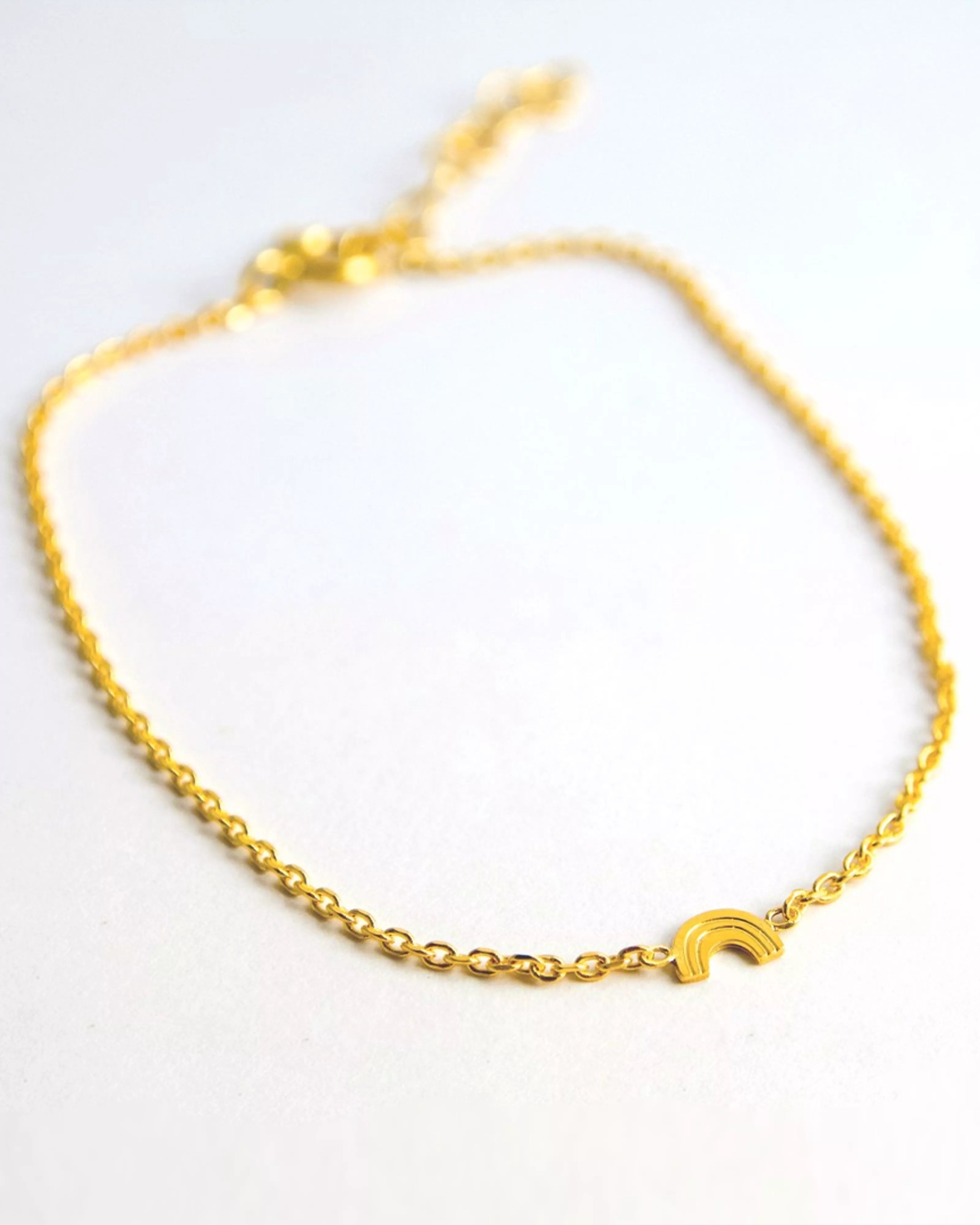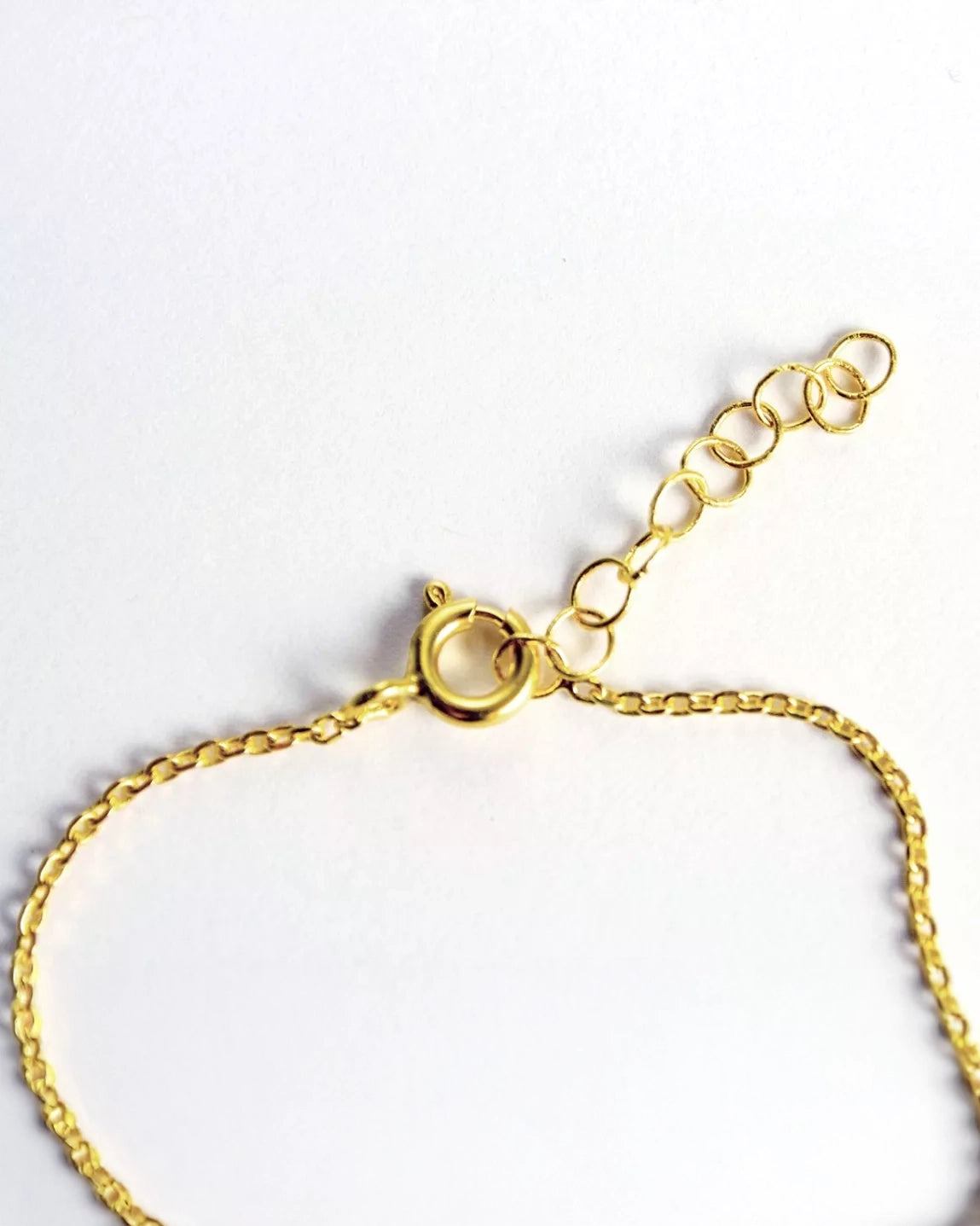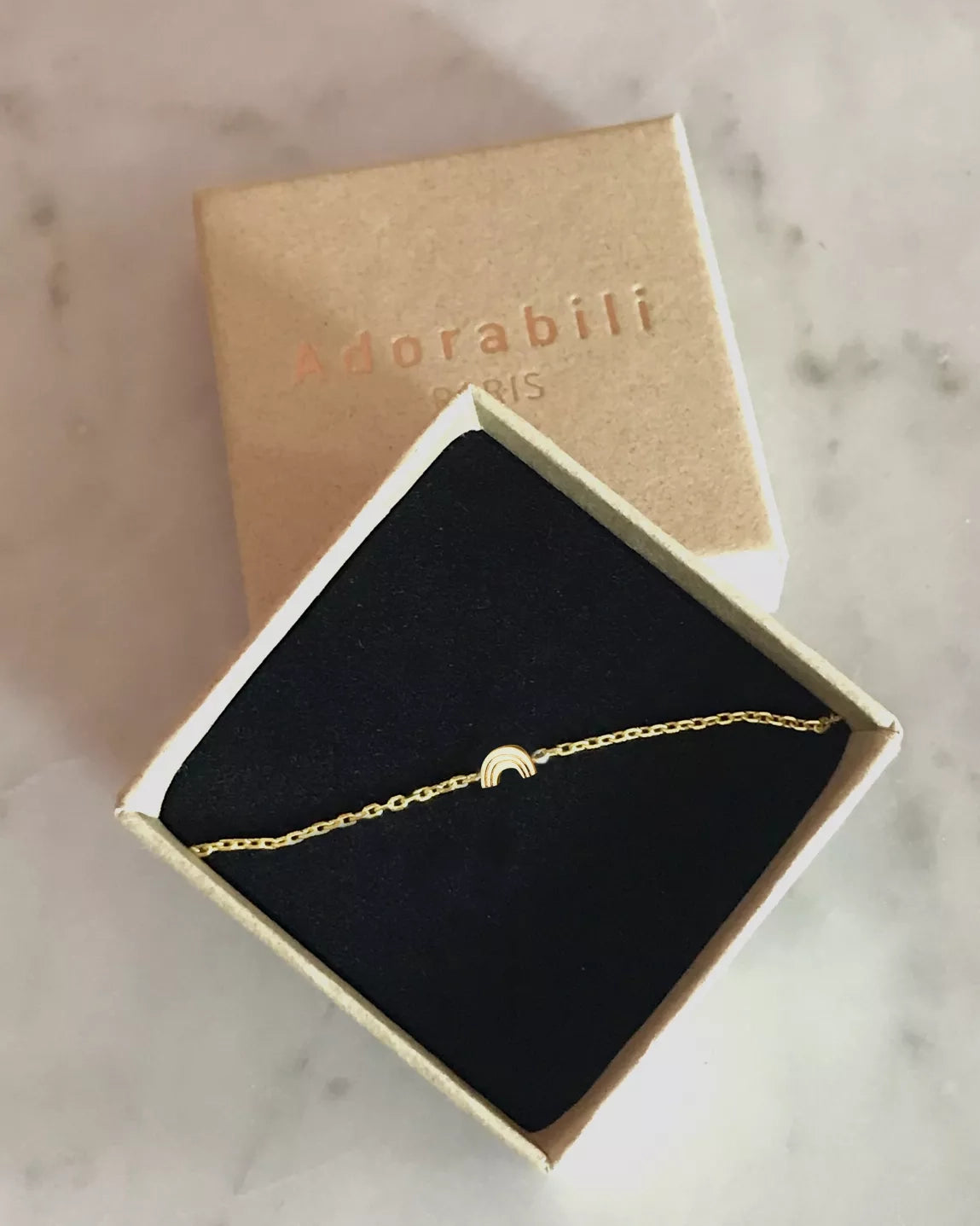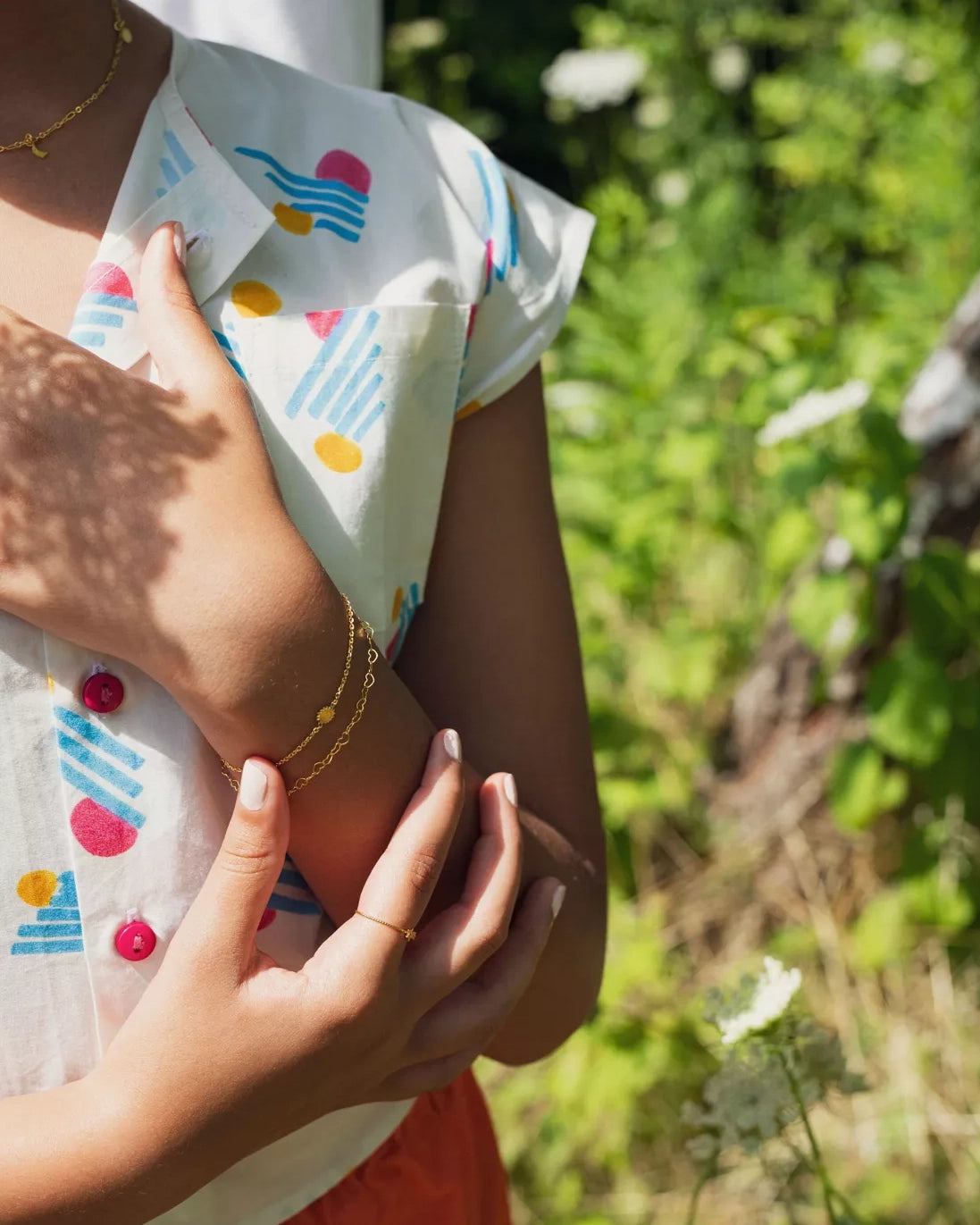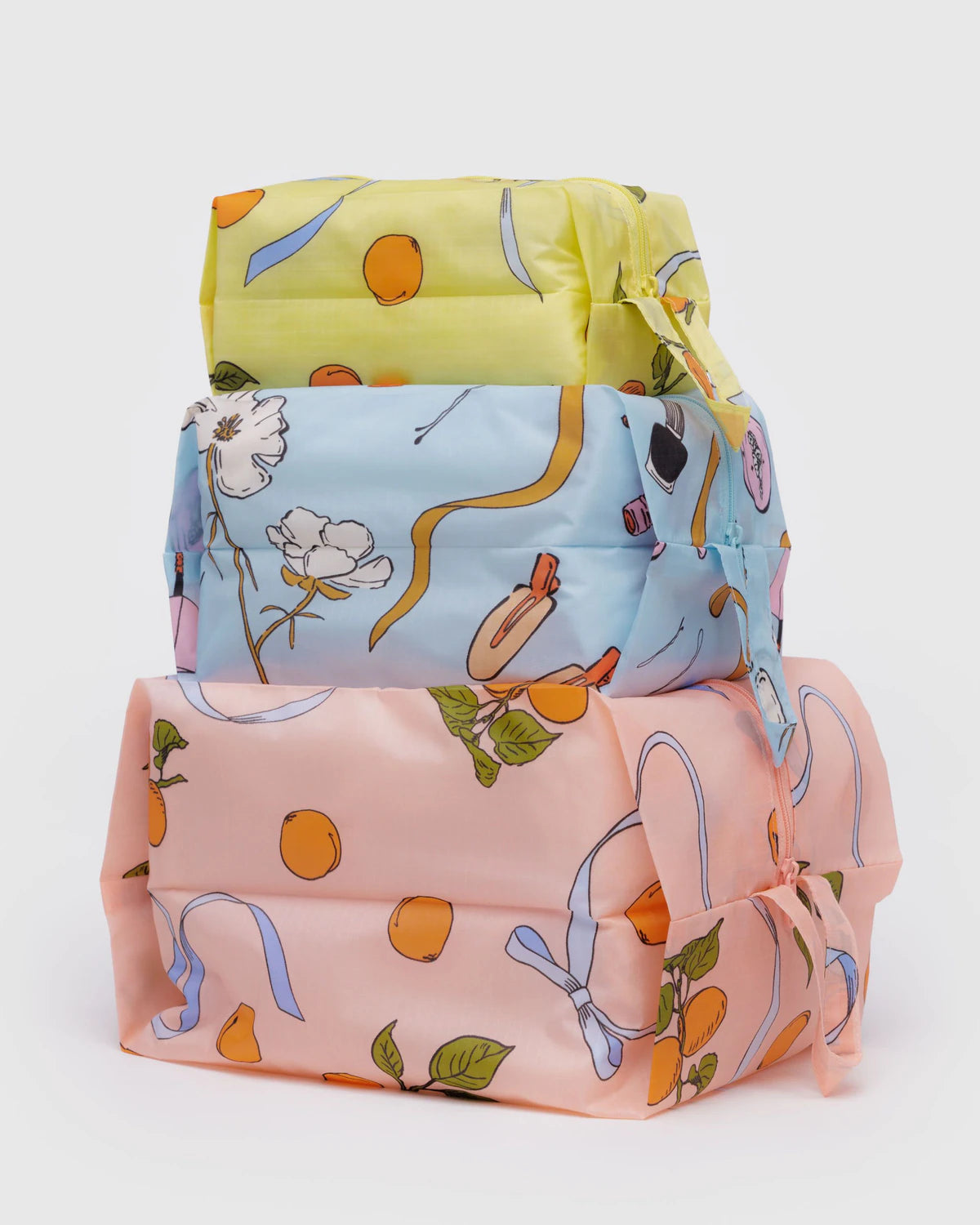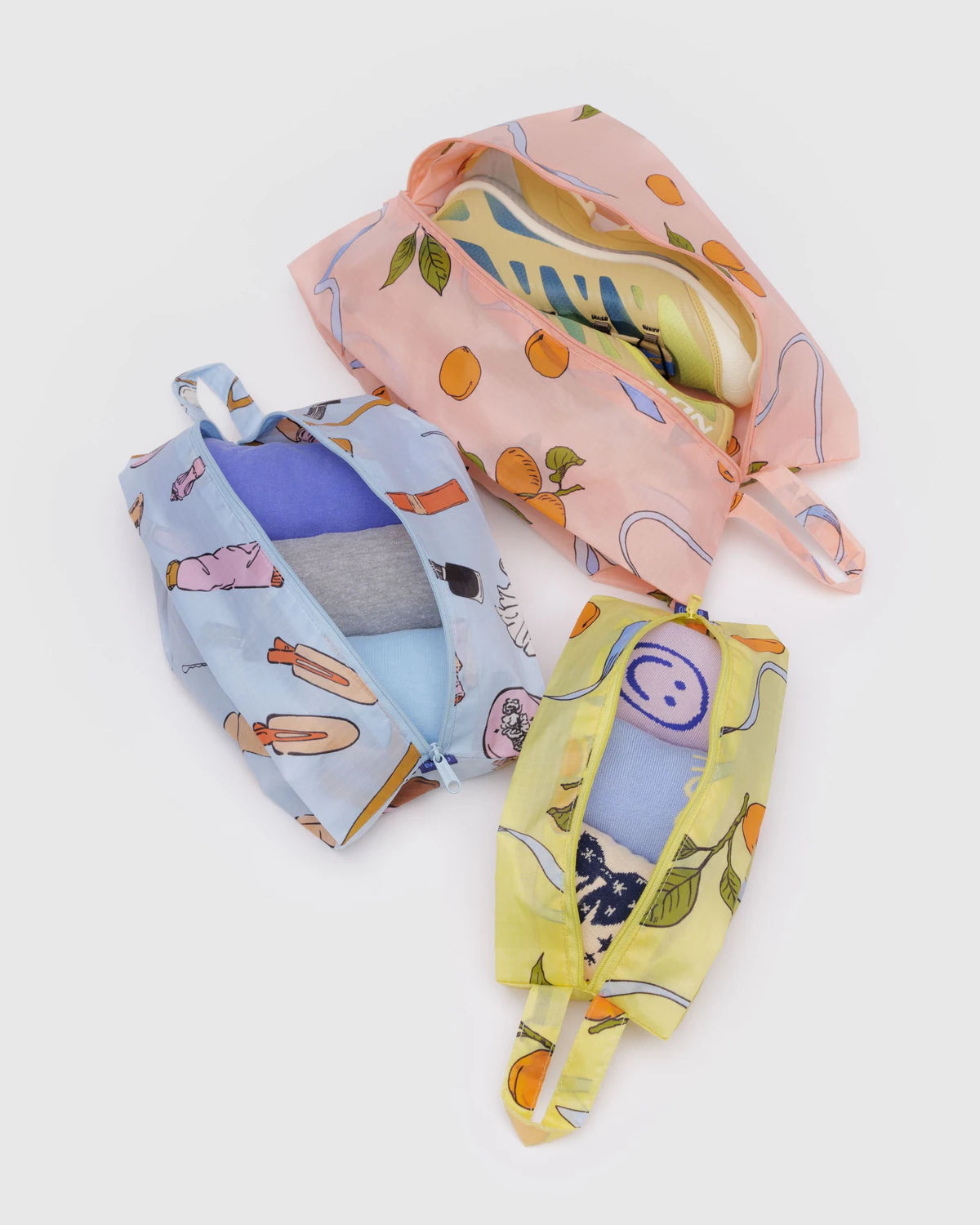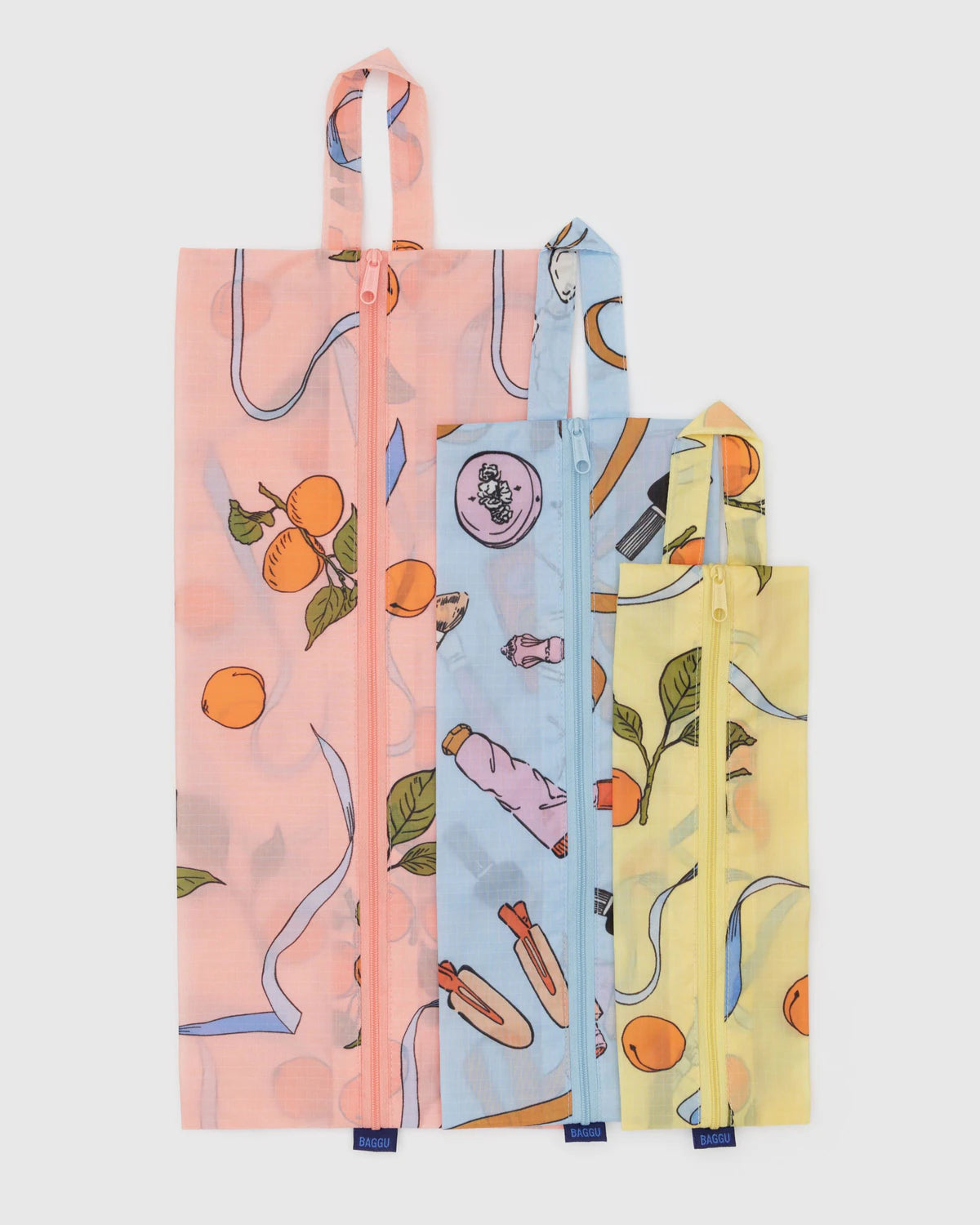
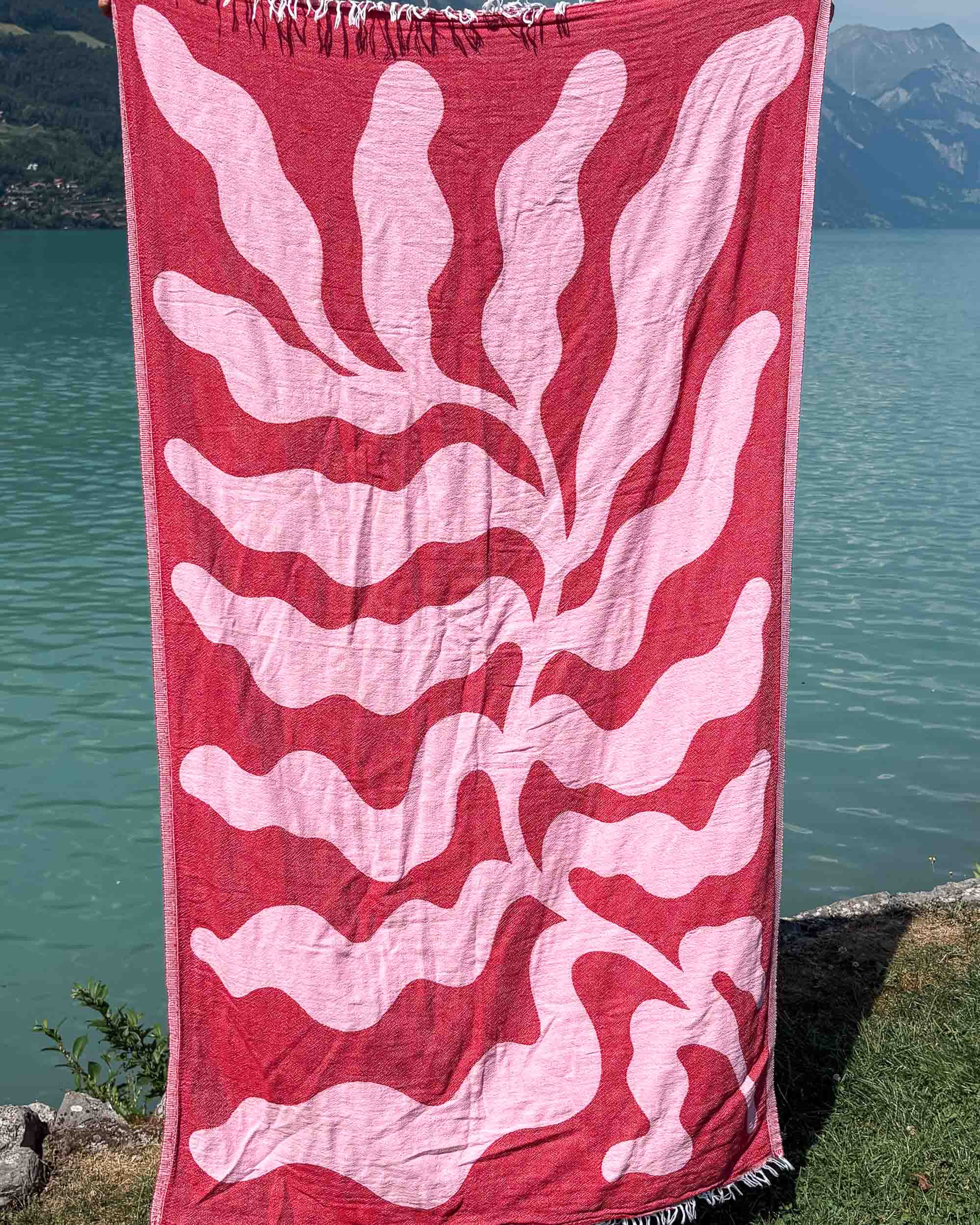


2026 is the year in which modern design sets new standards. The world is changing rapidly, and main design helps you stay on top of things.
Whether it's sustainability, digitalization or lifestyle – innovative concepts are the key to future-proof products, spaces and brands.
This guide shows you how to identify and implement trends from recycled materials to digital innovations with main design.
Look forward to practical tips, inspiring examples and methods that will help you shape 2026 in a stylish and responsible way.
The most important design trends for 2026
2026 will bring a breath of fresh air to the world of design. Never before have sustainability, digitalization, and user focus been so prominent. With main design, you'll stay up-to-date and recognize early on which trends will shape your projects and your everyday life.
Sustainability and circular economy as a must-have
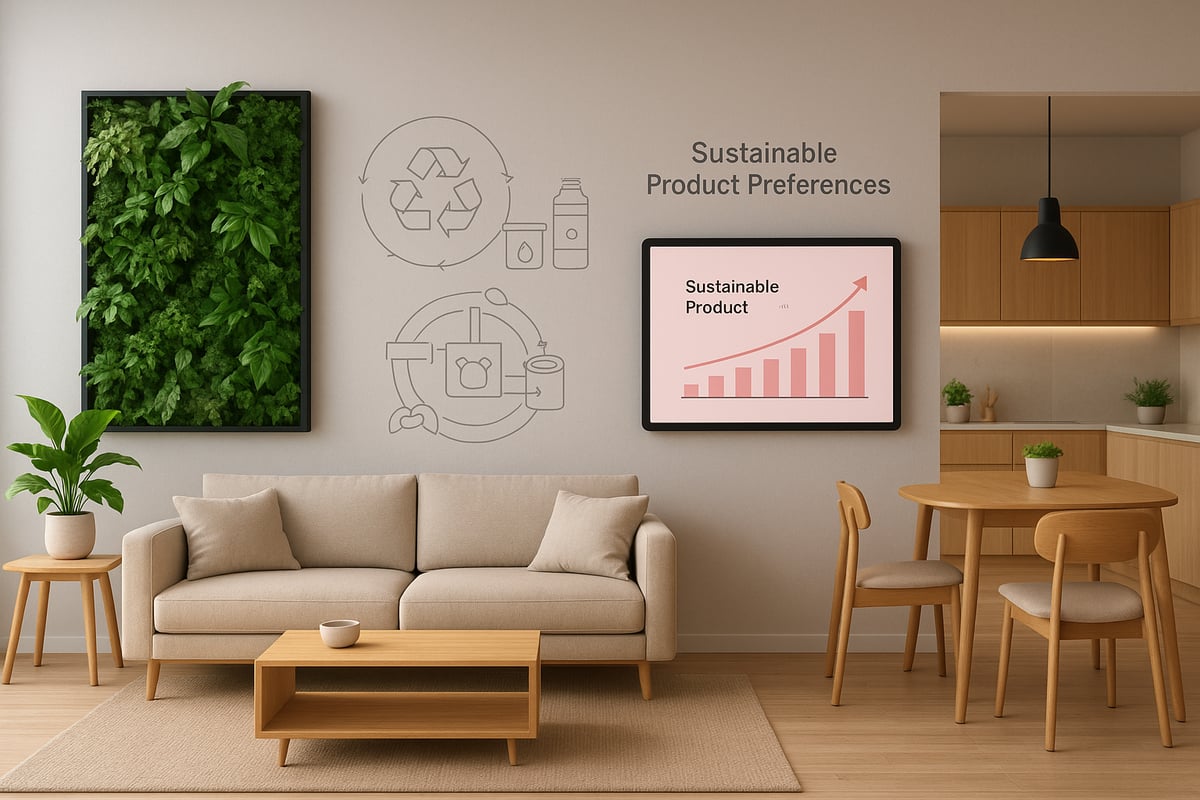
Sustainability in 2026 is no longer a nice-to-have, but a must. More and more brands are relying on recycled and reusable materials. Zero-waste concepts and circular design are integral parts of modern product development. With main design, you'll find solutions that combine responsibility and style.
Many companies are visibly taking responsibility. They are focusing on upcycled collections or modular furniture that can be flexibly adapted to new needs. According to Statista, 70 percent of consumers prefer sustainable products.
Best practices demonstrate how brands create real added value through sustainable innovations. If you'd like to delve deeper, the article on recycling and the circular economy offers valuable insights into the practical implementation of these trends.
Minimalism meets functionality
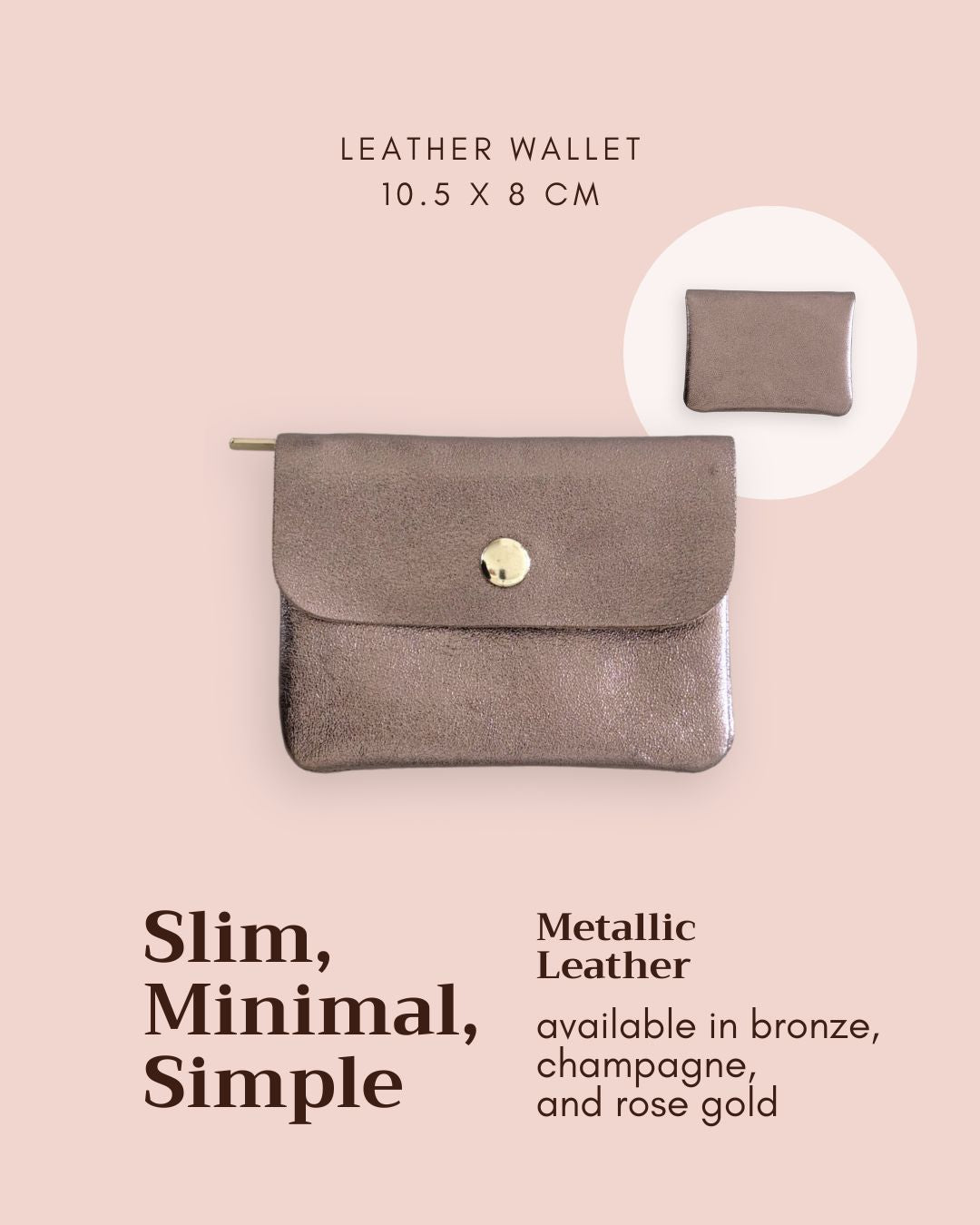
Minimalism will remain a central theme in main design in 2026. Clean lines, reduced color palettes, and multifunctional products will dominate modern spaces. Scandinavian and Japanese design will inspire with their simplicity and focus on the essentials.
The trend is towards conscious consumption: less, but higher quality. Capsule wardrobes and multifunctional furniture are particularly in demand. They offer flexibility and save resources.
Practical examples include modular sofas that can be rearranged as needed, and wardrobes that can be combined in a variety of ways with just a few pieces. In this way, functionality becomes a design statement that simplifies everyday life while remaining stylish.
Digital Integration and Smart Design
The boundaries between the digital and physical worlds are becoming increasingly blurred. In 2026, main design is focusing on smart solutions that make life simpler and more personalized. Smart home technologies, wearables, and AR/VR applications are enriching not only interior design but also product development and fashion.
Artificial intelligence and data analysis are leading to increasingly personalized products and spaces. Smart lighting, adaptive surfaces, and networked devices adjust to your needs.
Examples include smart mirrors with integrated assistants, furniture with built-in charging functions, or AR features that virtually place furniture in the room. These innovations create a new level of comfort and personalization.
Biophilic design and connection to nature
The desire for a connection with nature is a key factor shaping the main design trends of 2026. Plants, organic forms, and natural colors are finding their way into homes, offices, and public spaces. Urban jungles and green walls are no longer just trends, but integral components of modern architecture.
Studies, such as those from Harvard University, show that plants improve indoor air quality and lower stress levels. This noticeably increases well-being and productivity.
Organic silhouettes, natural materials, and earthy tones create a relaxed atmosphere. With carefully chosen biophilic elements, you can create spaces that are not only contemporary but also healthy and inspiring.
Materials of the future: Innovation meets environmental awareness
New materials are revolutionizing the world of design and setting new standards in 2026. main design stands for a combination of innovation and environmental awareness. Anyone designing products, spaces, or fashion can no longer ignore sustainable material concepts.
Whether in everyday life or in visionary projects, the choice of materials contributes significantly to impact and longevity. main design demonstrates how new materials not only protect the climate but also enable entirely new aesthetics and functions.
New sustainable material innovations
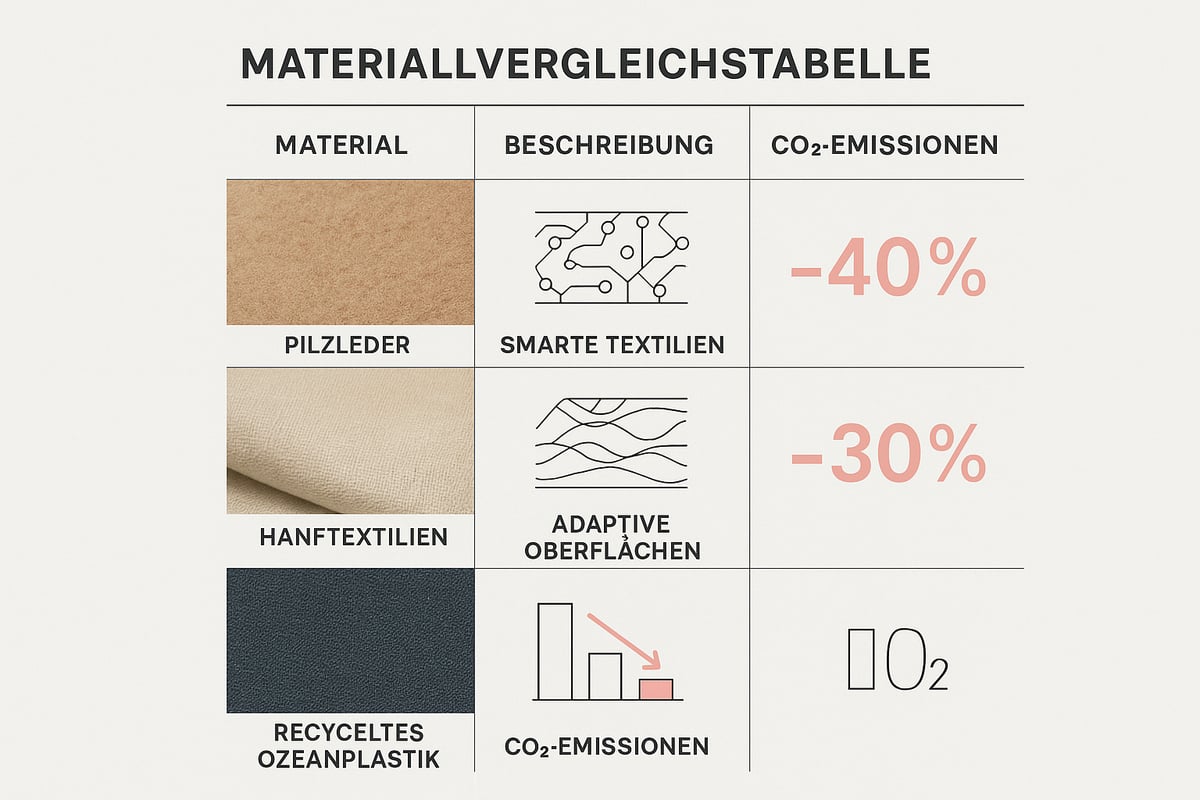
Sustainable material innovations will be at the heart of modern design in 2026. main design focuses on bio-based plastics, mushroom leather, and hemp textiles that conserve natural resources and open up new possibilities.
Materials that are compostable or biodegradable are particularly in demand. For example, sneakers are made from mycelium, the root-like network of fungi, and furniture is made from recycled ocean plastic. These developments not only reduce the CO2 footprint but also lead to less microplastic in everyday life.
An overview of current projects and efficient materials is provided in the article "Fraunhofer Innovations for Sustainable Materials" . There you will find exciting insights into the circular economy, recycling solutions and new material trends that are also relevant for main design.
More and more brands are taking responsibility and focusing on upcycled collections or modular furniture that can be easily repaired and adapted. With main design, you're at the forefront of these developments.
Smart and adaptive materials
Technological innovation will bring smart and adaptive materials into focus in 2026. main design integrates these materials into fashion, architecture, and technology to offer maximum comfort and functionality.
Temperature-regulating textiles react to environmental conditions and always provide the optimal climate. Self-healing surfaces repair minor scratches on their own, thus extending the lifespan of products. Photovoltaic fabrics transform outdoor clothing into mobile energy sources for on the go.
Main Design uses these technologies to develop multifunctional products that flexibly adapt to new requirements. Whether smart furniture for the home office or adaptive clothing for everyday life, the combination of high-tech and sustainability makes all the difference.
Aesthetics and feel as a quality feature
In 2026, in addition to functionality, the sensory experience of materials will be paramount. main design emphasizes natural textures, tactile surfaces, and a high-quality feel that immediately impresses.
The combination of traditional craftsmanship and state-of-the-art technology creates unique pieces with character. Limited editions and individual material combinations are more in demand than ever because they convey uniqueness and value.
Wood with visible grain, glass with tactile textures, or innovative textiles with a natural feel – main design combines these qualities to create products that not only look good but also feel special. The demand for authentic and durable materials is constantly growing, and main design is setting new standards in this area.
Worlds of color and form: This is what modern design will look like in 2026
Colors and shapes are at the heart of main design and will shape how products, spaces, and brands are perceived in 2026. The right choice of color and form determines whether a design appears contemporary, inspiring, and user-oriented. Anyone who engages with main design quickly realizes that trends don't arise by chance, but rather respond specifically to needs and values. Let's explore together how the world of color and form will change in the coming year and how main design will contribute to this development.
Trend colors and their effect
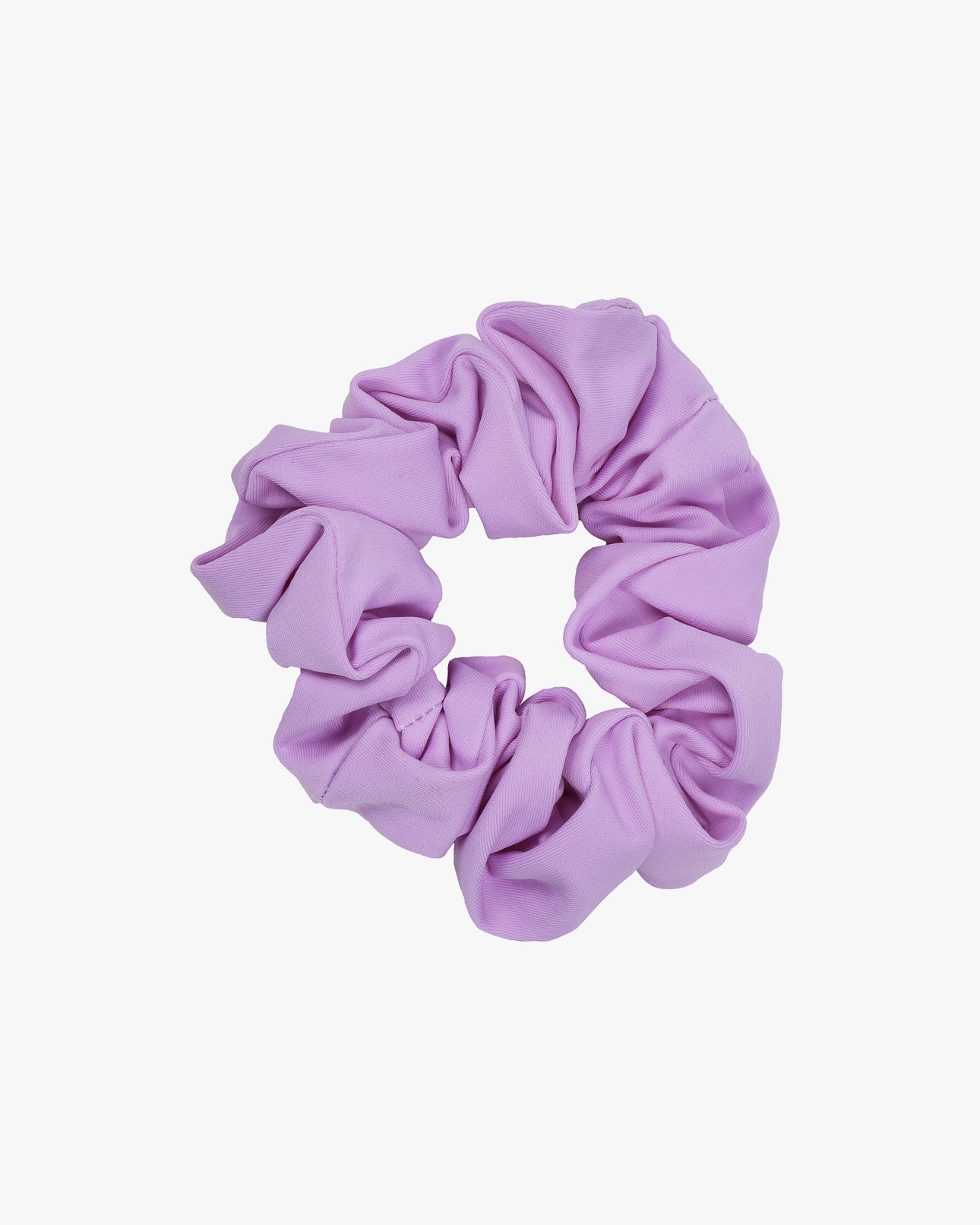
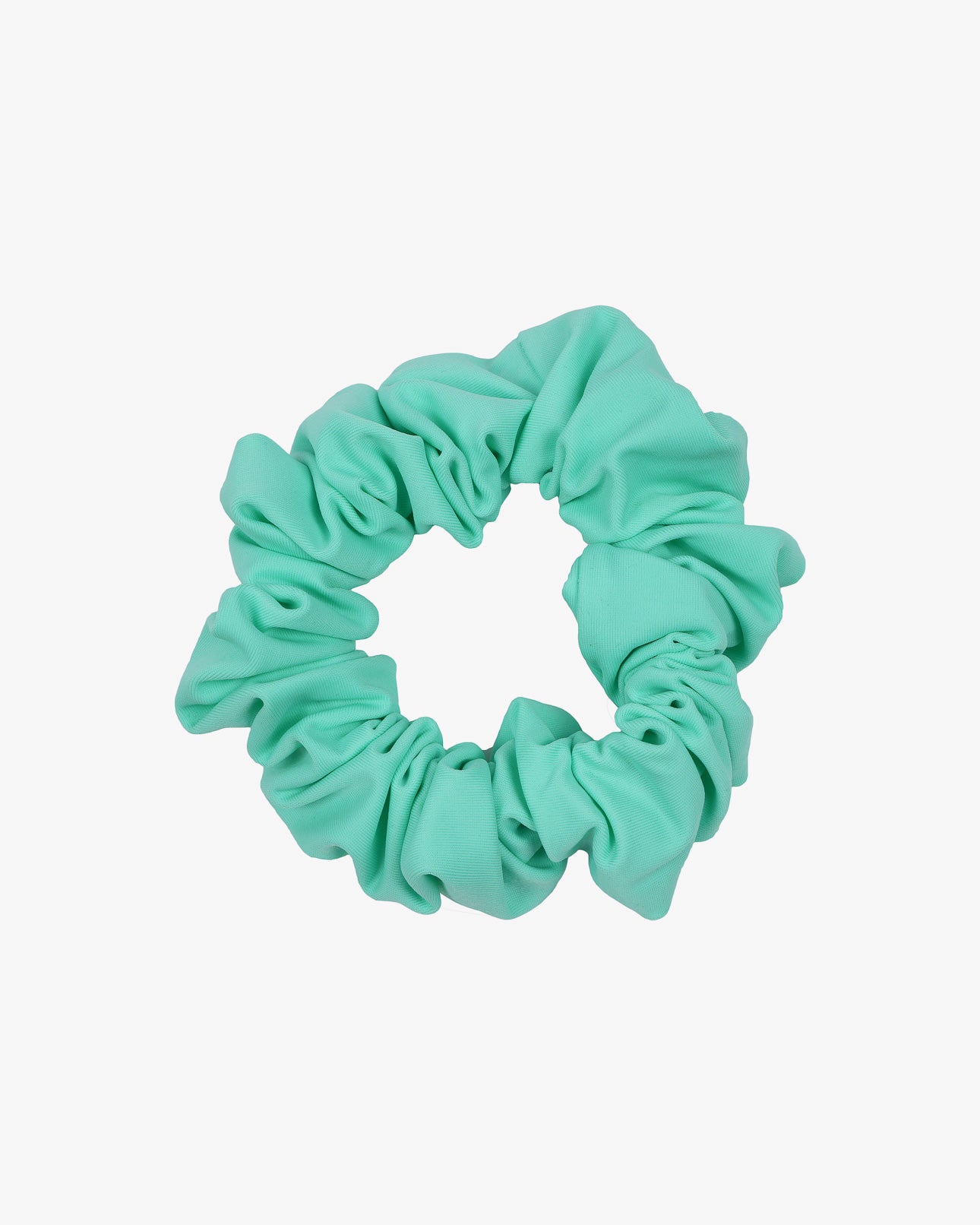
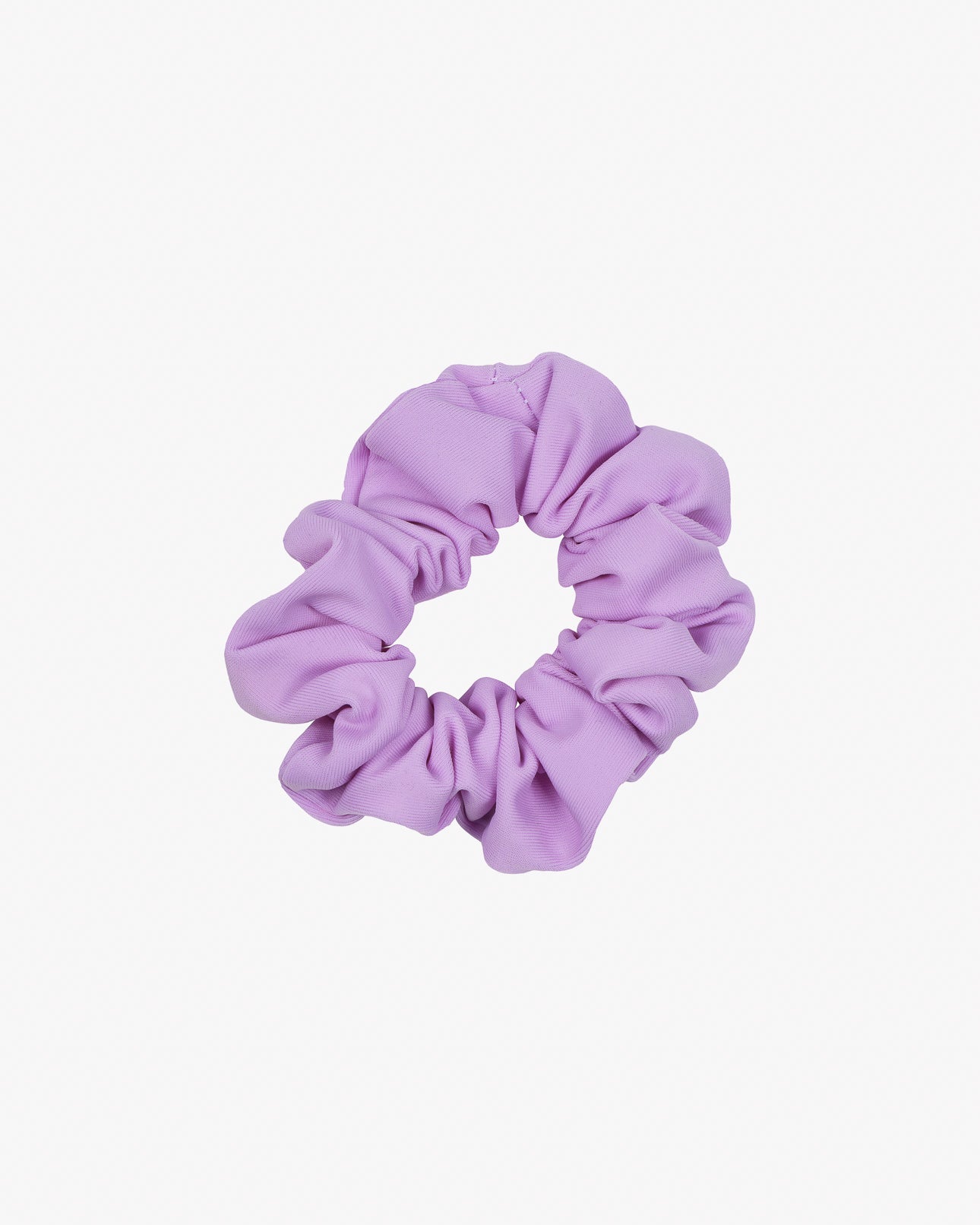
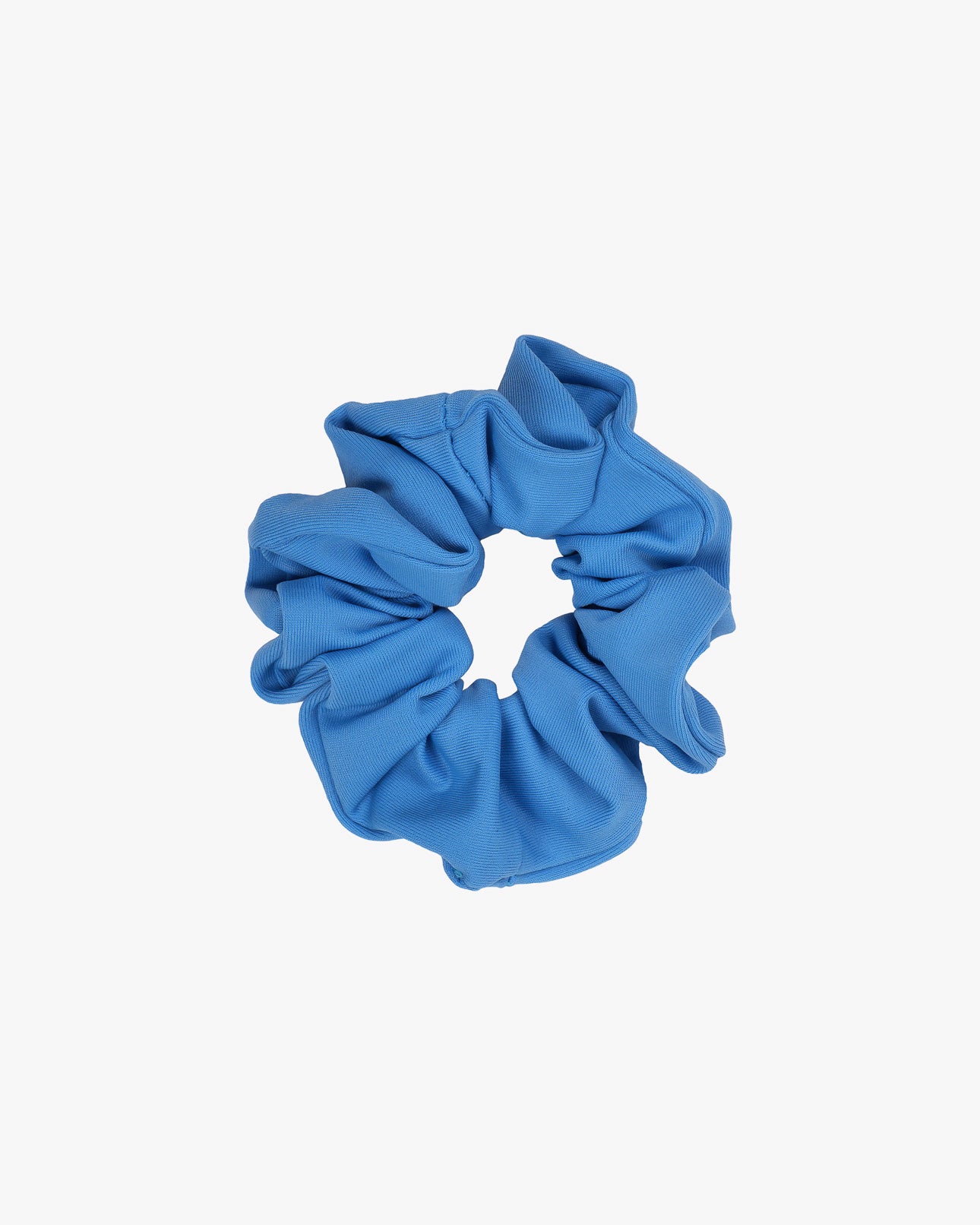
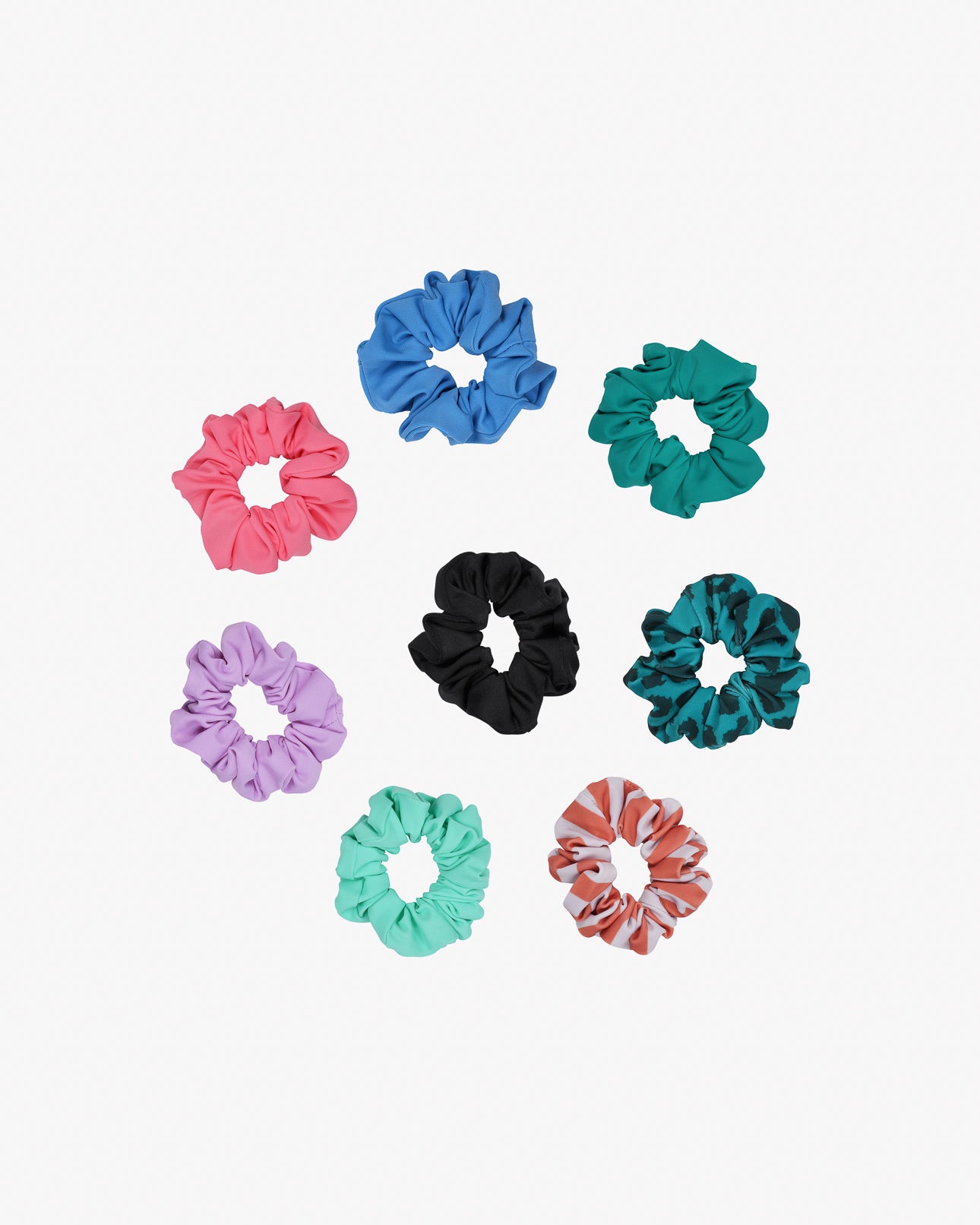
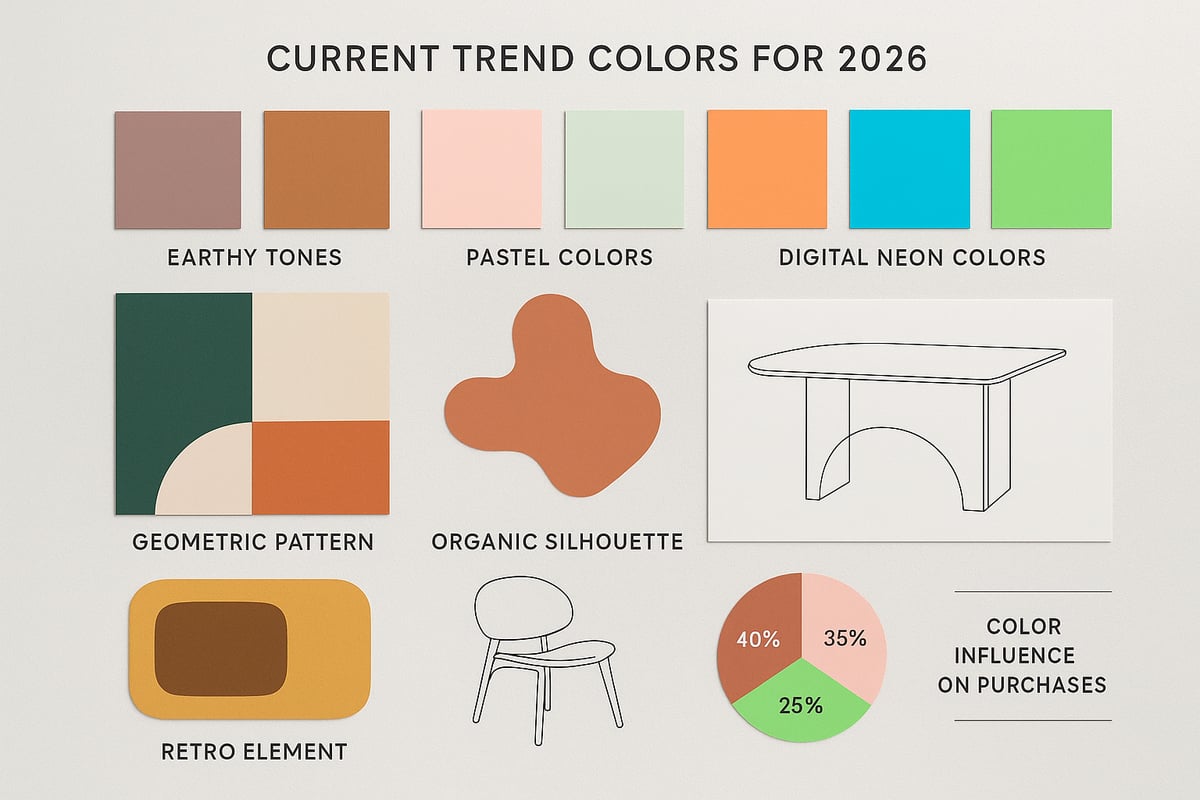
In 2026, earthy tones, soft pastels, and digital neon colors will dominate main design. These color palettes reflect the desire for naturalness, optimism, and digital technology. Earthy colors like terracotta, ochre, and moss green, in particular, convey calm and groundedness. Pastel shades bring lightness and a friendly feel, while neon colors are used strategically as eye-catching accents in main design.
The impact of color extends far beyond aesthetics. Studies show that color influences well-being, productivity, and even purchasing decisions. According to IFH Cologne, 62 percent of consumers are guided by color when making purchases. This makes a conscious choice of color in main design a genuine competitive advantage.
An overview of trending colors and their effects:
| Color | Effect | Area of application |
|---|---|---|
| earth tones | calming, warm | Interior, Fashion |
| Pastel colors | friendly, light | Accessories, children's products |
| Neon colors | dynamic, modern | Accents, branding |
With targeted color accents, you can make a statement and give the main design an individual character.
Forms between Retro and Futurism
Forms in main design 2026 exist in the tension between nostalgia and innovation. Geometric patterns, such as circles, diamonds, or waves, create structure and clarity. At the same time, organic silhouettes and flowing lines are making a comeback. They create harmony and reflect the connection to nature that is becoming increasingly important in main design.
Retro elements, such as the kidney shape from the 1970s or parametric architecture, are reinterpreted and combined with futuristic approaches. This creates an exciting mix that evokes both familiarity and curiosity.
Examples from the main design:
- Sofas and armchairs with organic curves
- Lamps in a 70s revival style
- Architecture with parametric facades
The fusion of retro and futurism creates a distinctive style that shapes the main design of 2026 and ensures recognition value.
Material and color combinations
The combination of different materials and colors is central to main design. Wood and metal, glass and textiles – harmonious contrasts create visual interest and depth. Individual color accents are particularly popular, as they express personality and set main design apart from the crowd.
A willingness to individualize is a key characteristic of modern design. Designers deliberately focus on limited editions and unique pieces to emphasize exclusivity. Minimalism plays a major role here: fewer colors, but carefully chosen accents, create clarity and a sense of quality. Those interested in learning more about this approach will find inspiring insights in the article "Minimalism as a Design Philosophy ."
In conclusion: Material and color combinations are key to a modern, sustainable, and unique main design. With bold choices and creative ideas, you'll design spaces and products that inspire in 2026.
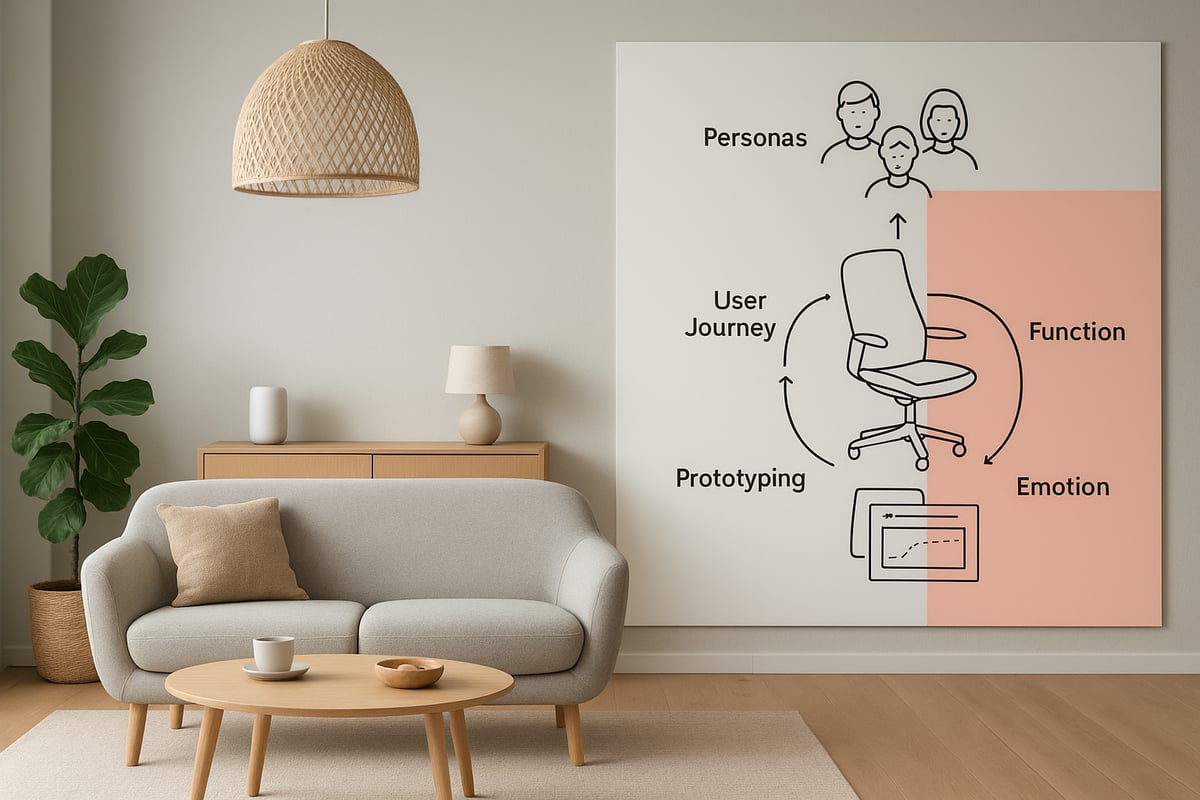
User-centered design: Function, comfort and emotion
In 2026, modern design stands more than ever for user-centricity, comfort, and emotional connection. main design shows you how to develop functional, individual, and inspiring solutions that put your needs and values first.
Human-centered design as standard
At main design, human-centered design has long been standard practice. User needs are the focus of every development from the very beginning. The team uses methods such as:
- Personas : Fictional user profiles used to understand real needs.
- User Journeys : Visualization of the user's path, from the initial idea to the finished product.
- Co-creation : Joint development with real users to create relevant solutions.
These approaches lead to the creation of products such as ergonomic furniture, intuitive apps, and accessible everyday aids. main design places great importance on ensuring that every solution is not only aesthetically pleasing but also practical and inclusive.
Emotional connection through storytelling
Design thrives on stories. main design uses storytelling strategically to imbue products and spaces with emotion. Every product tells a story, inspired by local influences, sustainability, or personal values.
This fosters identification and strengthens the bond between user and brand. Limited editions or collections that reinterpret regional traditions are particularly popular. Discover how main design combines storytelling and sustainable innovation in the design process, from idea to product .
Emotions play a major role in purchasing decisions. Targeted design conveys memories, values, and a sense of belonging – making products unique and distinctive.
Comfort and well-being
Comfort is a key quality criterion for main design. Studies show that 80% of users cite comfort as the most important factor in their purchasing decision.
Therefore, main design pays attention to:
- Comfort zones : Flexible, adaptable areas for different needs.
- Acoustics and light : Optimal conditions for concentration and relaxation.
- Material selection : Skin-friendly, sustainable materials for a pleasant living environment.
The result is spaces and products that promote well-being and adapt individually to you. main design stands for solutions that seamlessly combine function, comfort, and emotion.
Sustainable swimwear & lifestyle designs: MAIN Design as a pioneer
Modern, sustainable product design will be a must in 2026 – and main design shows how it's done. The brand stands for innovative swimwear and lifestyle essentials that combine style, quality, and environmental awareness. Instead of focusing on short-lived trends, main design pursues a holistic approach where every detail counts.
Swimwear made from recycled materials and a commitment to the oceans
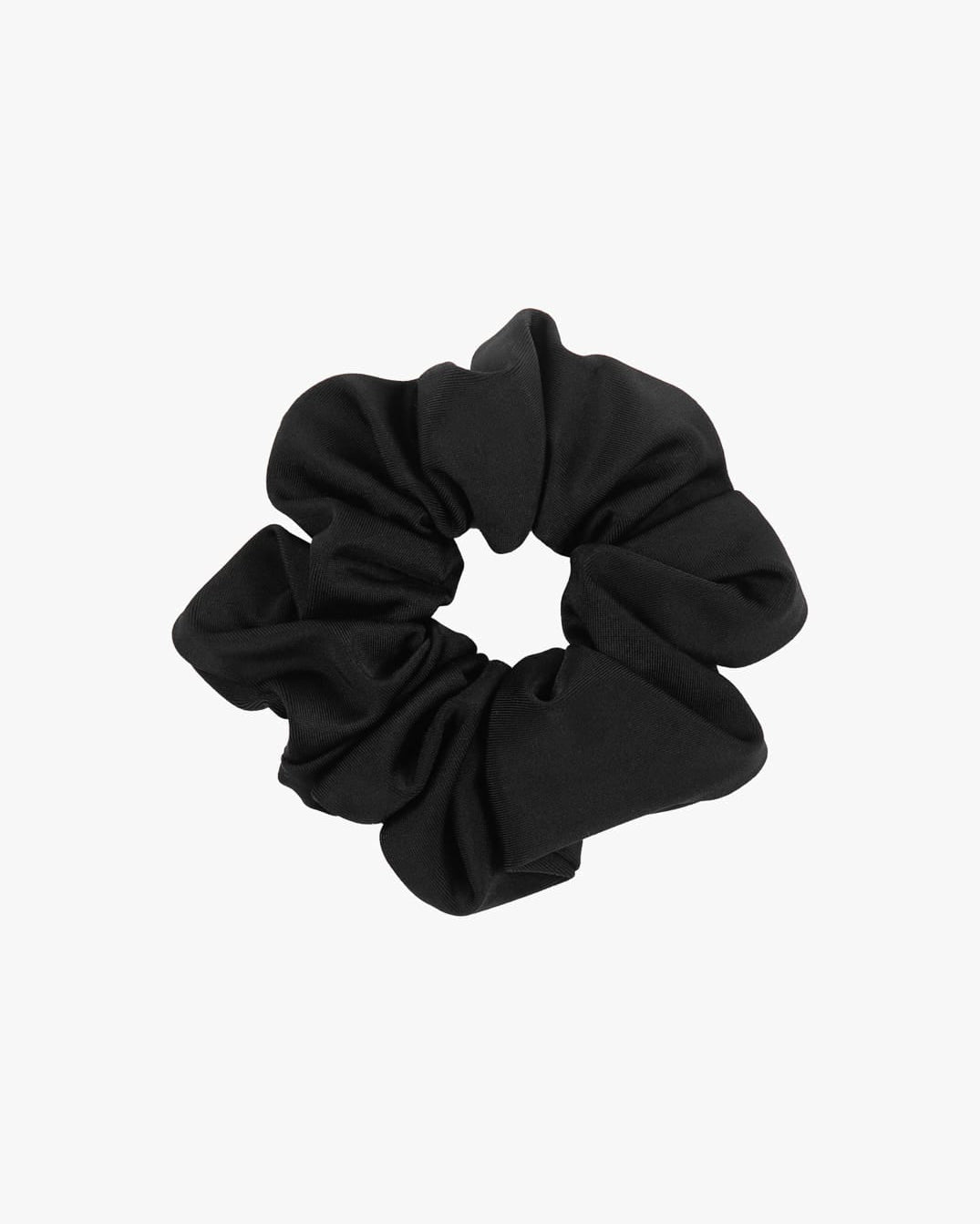
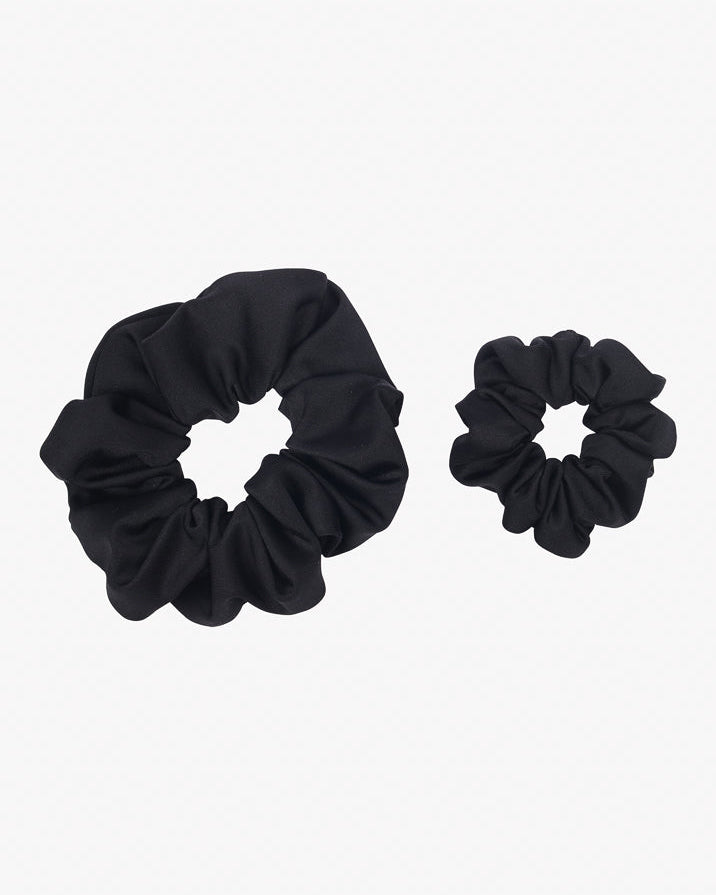
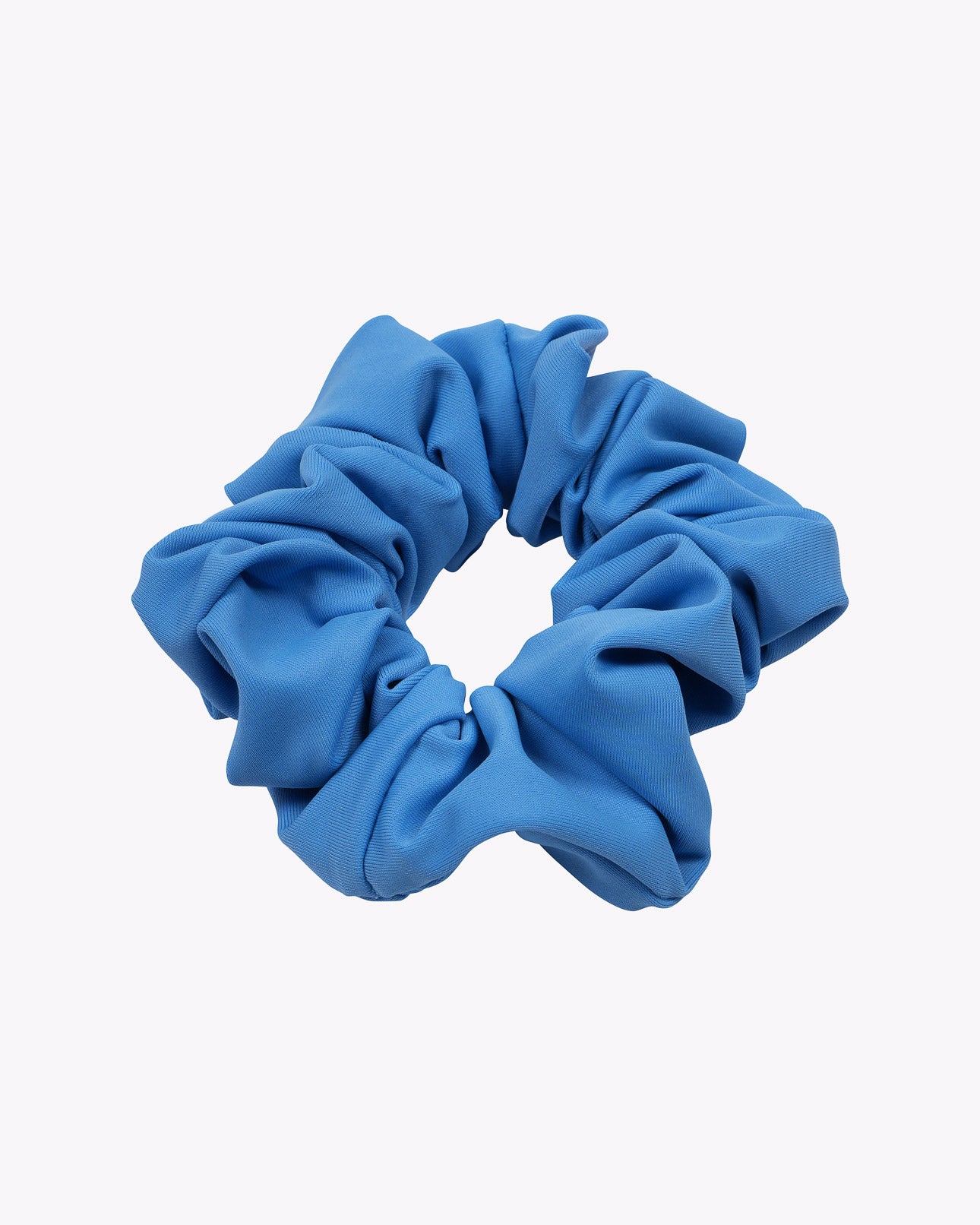
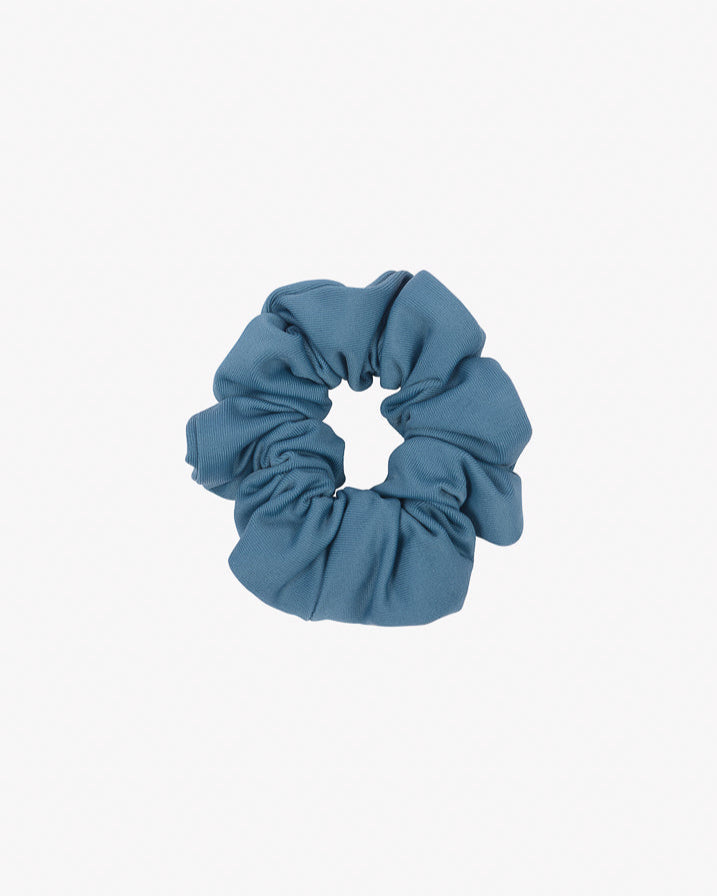
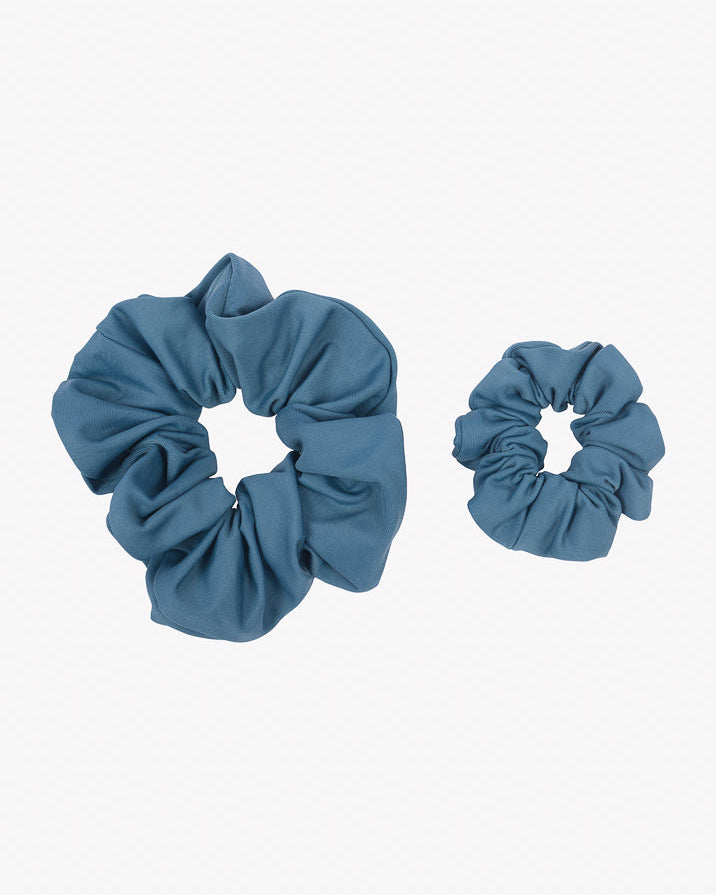
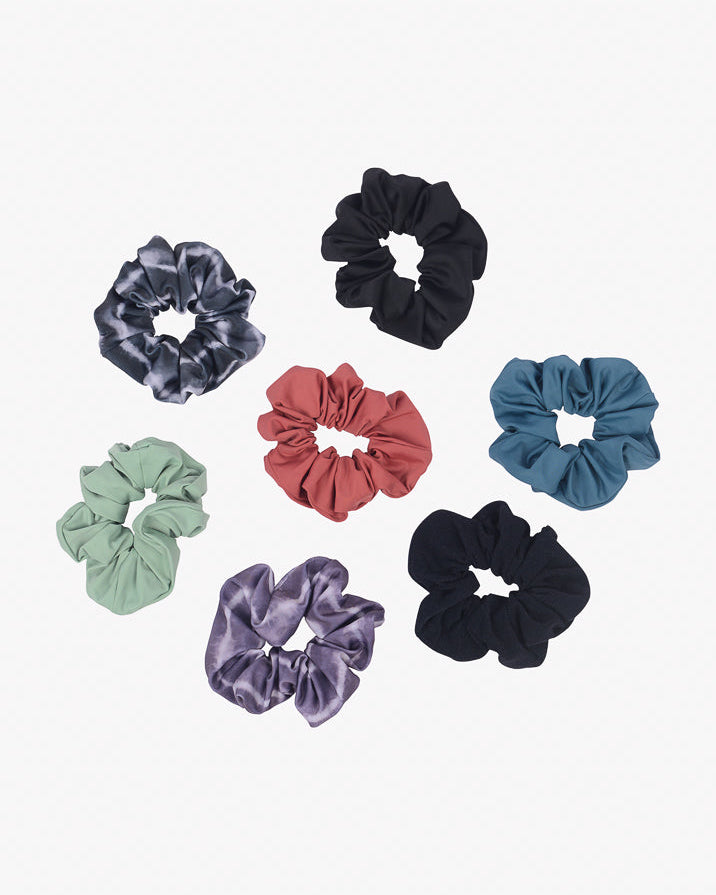
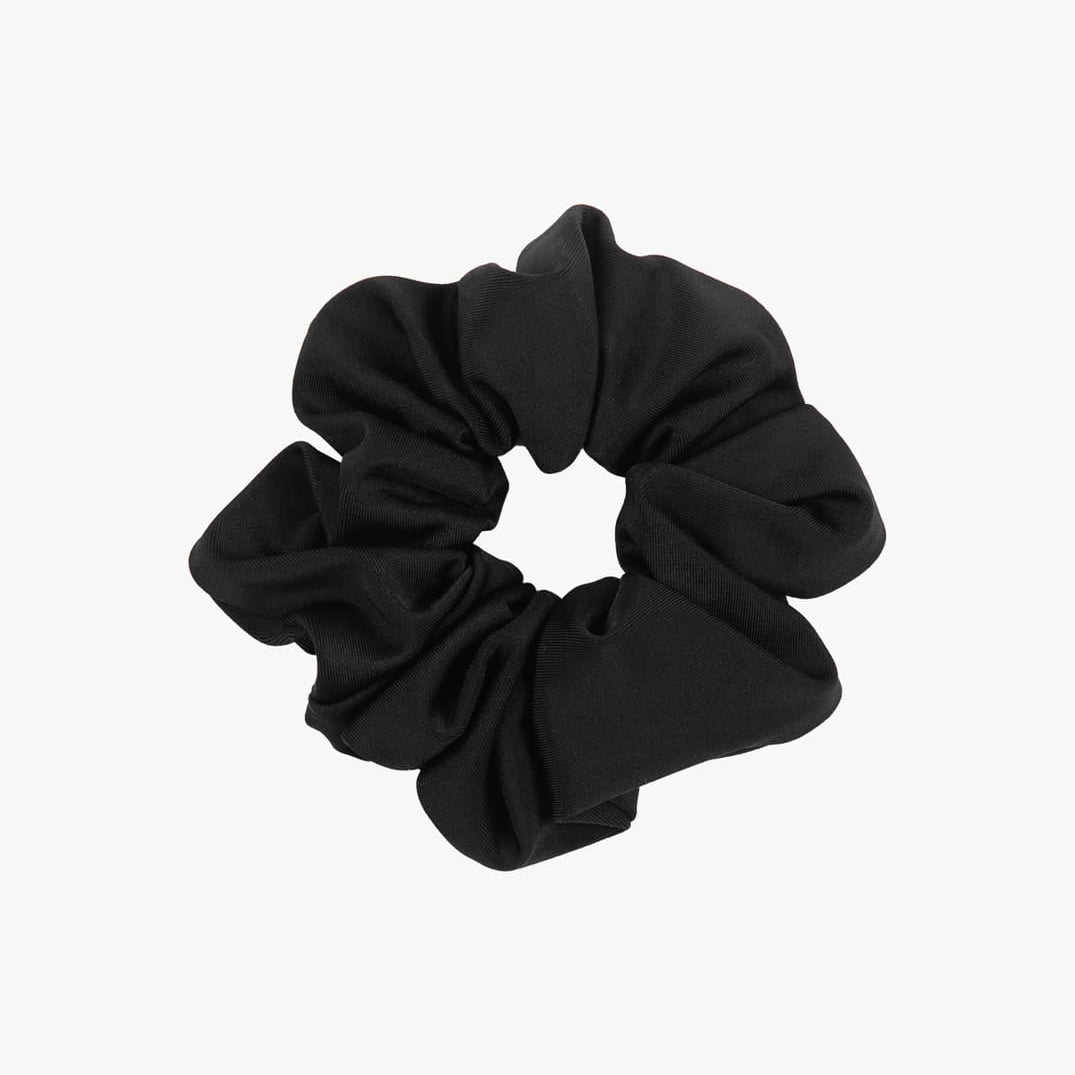
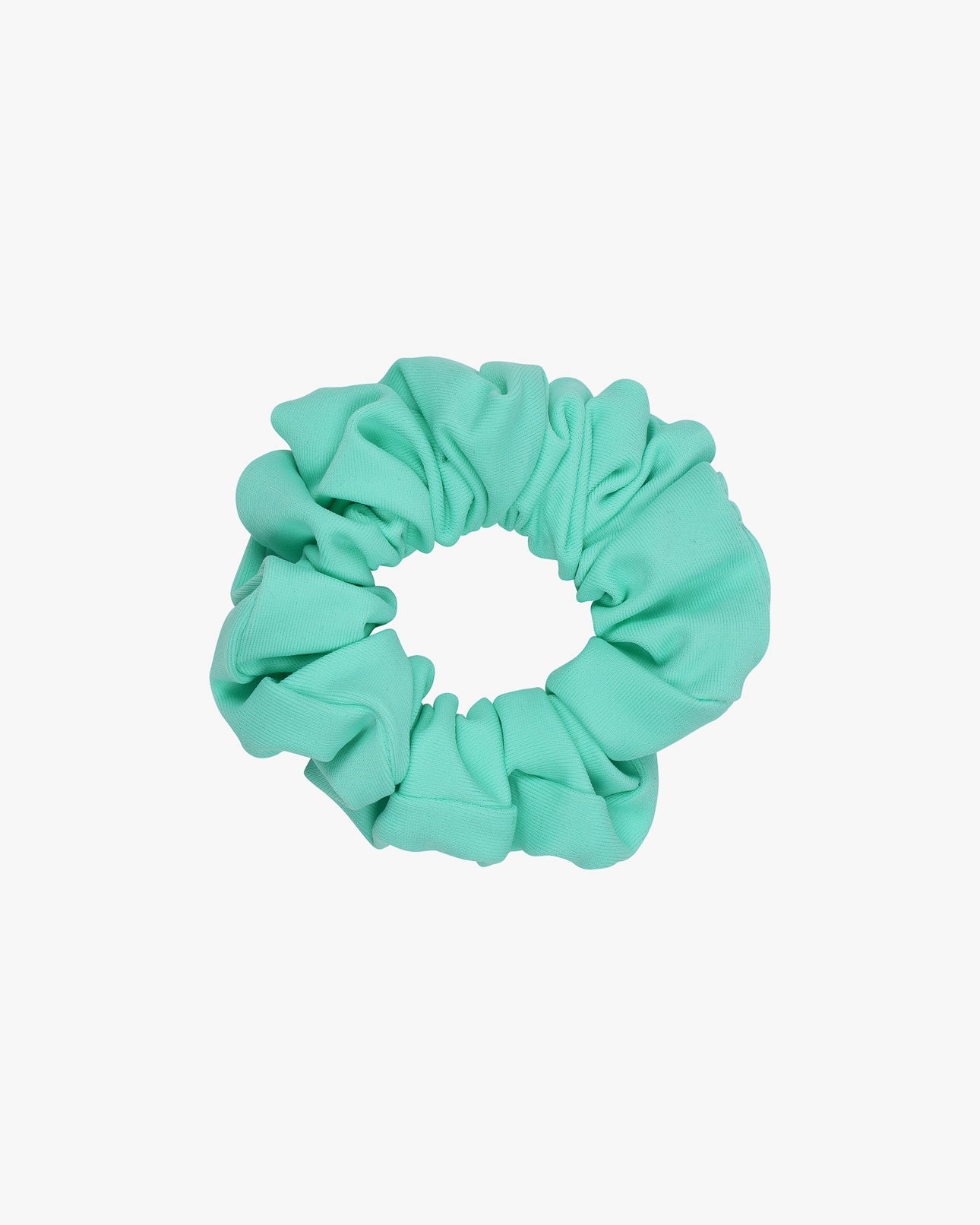
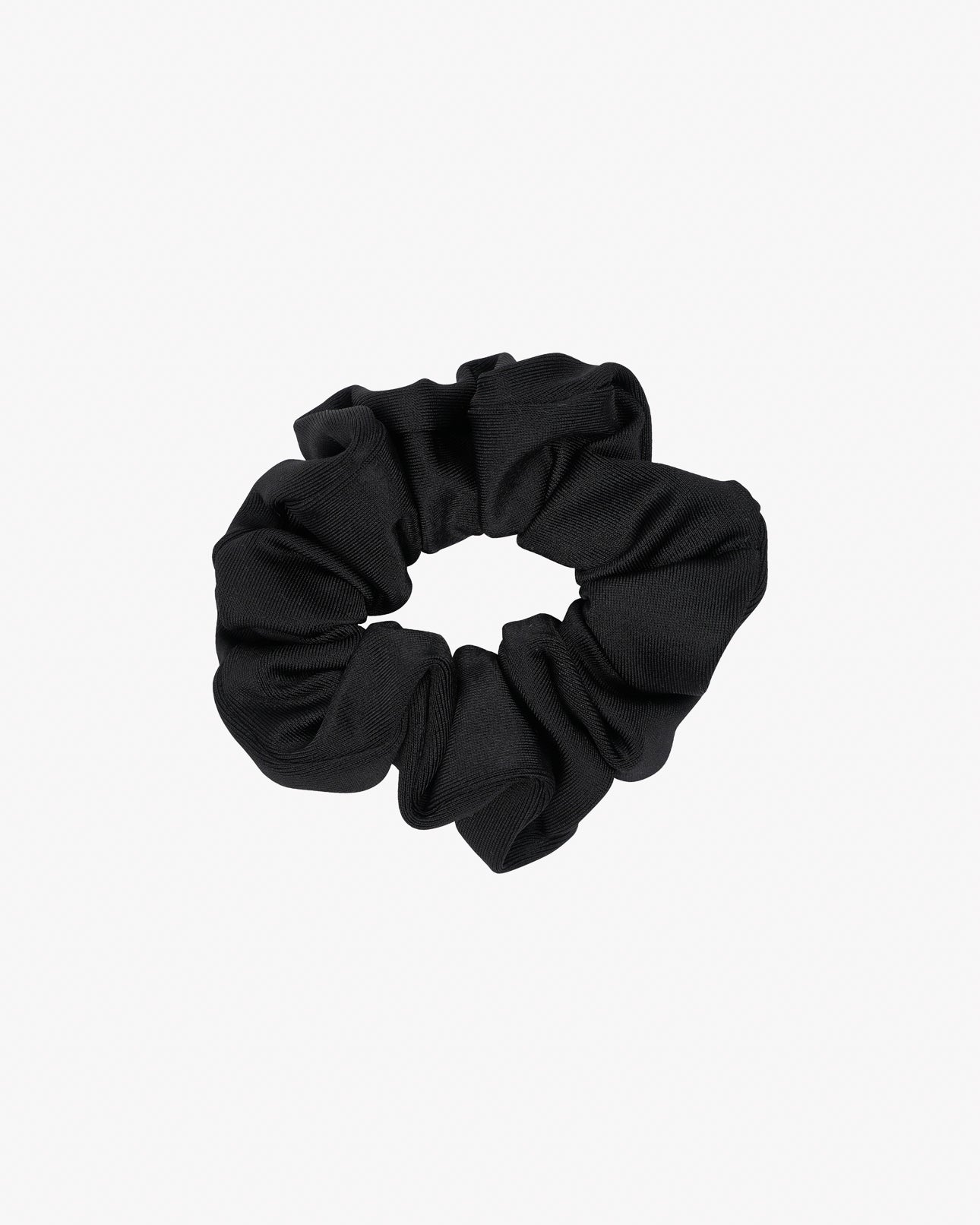
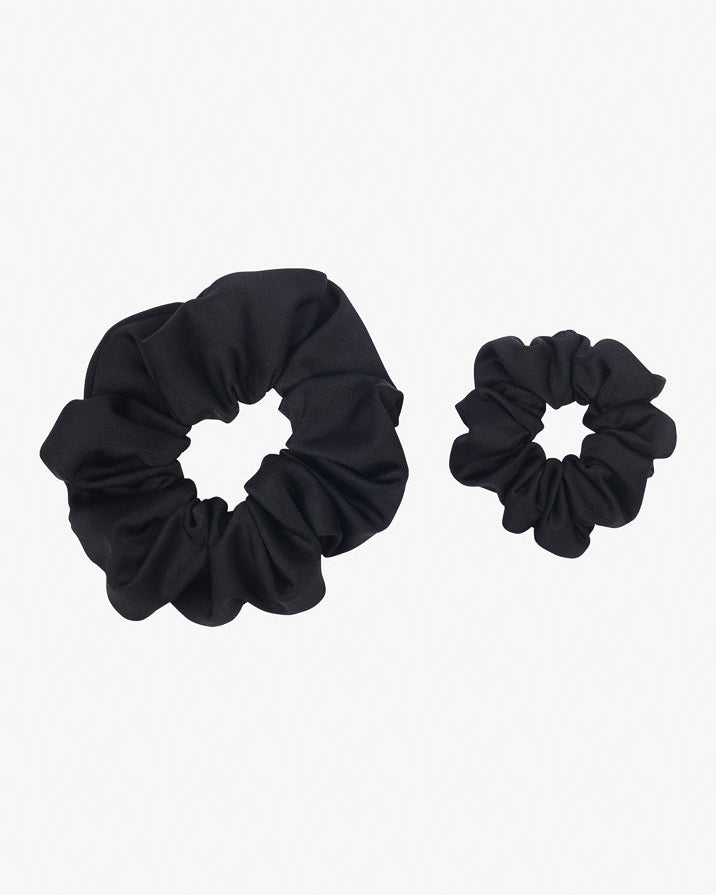
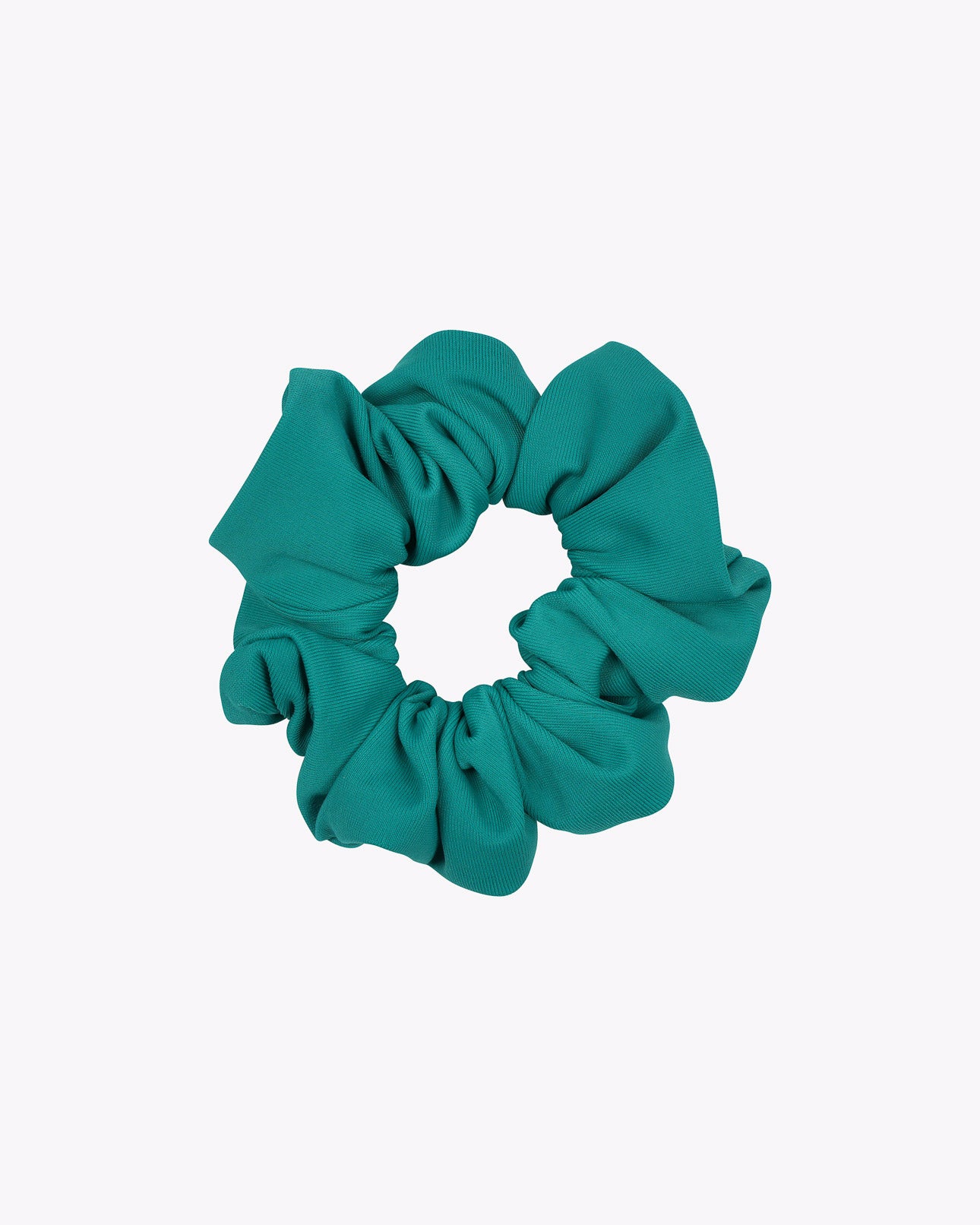
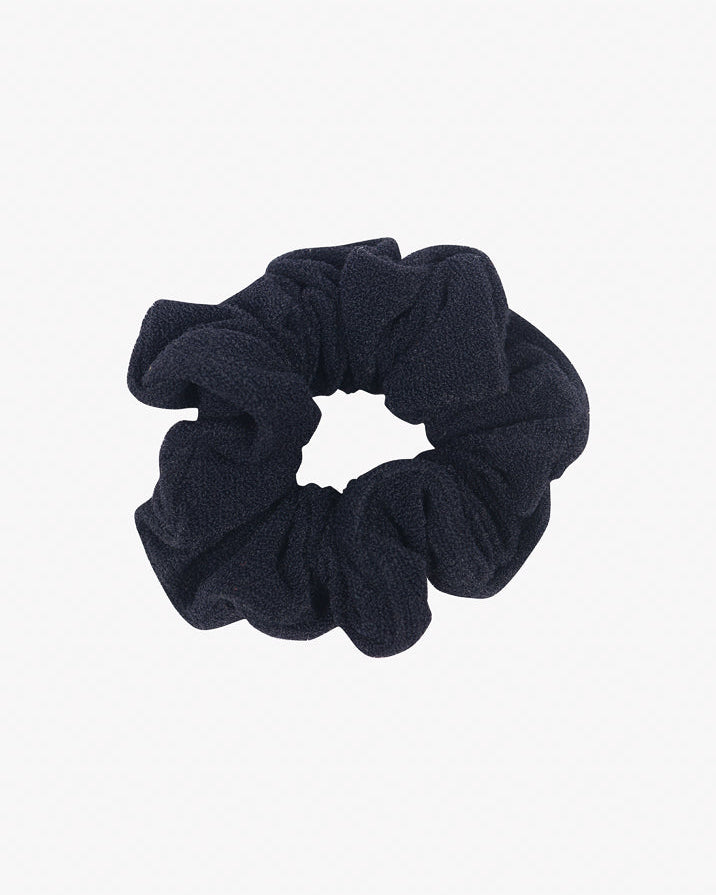
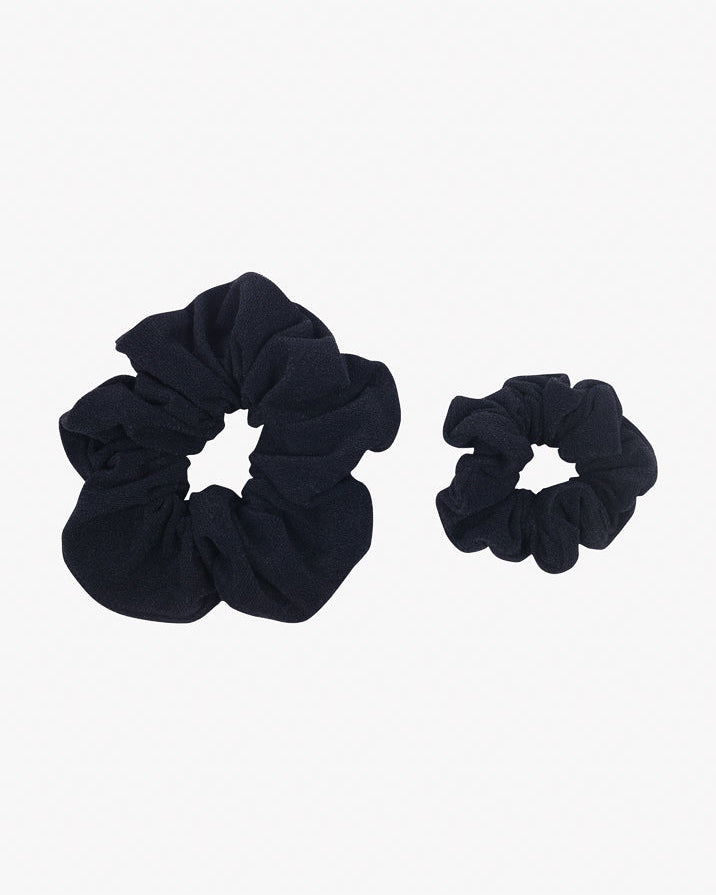
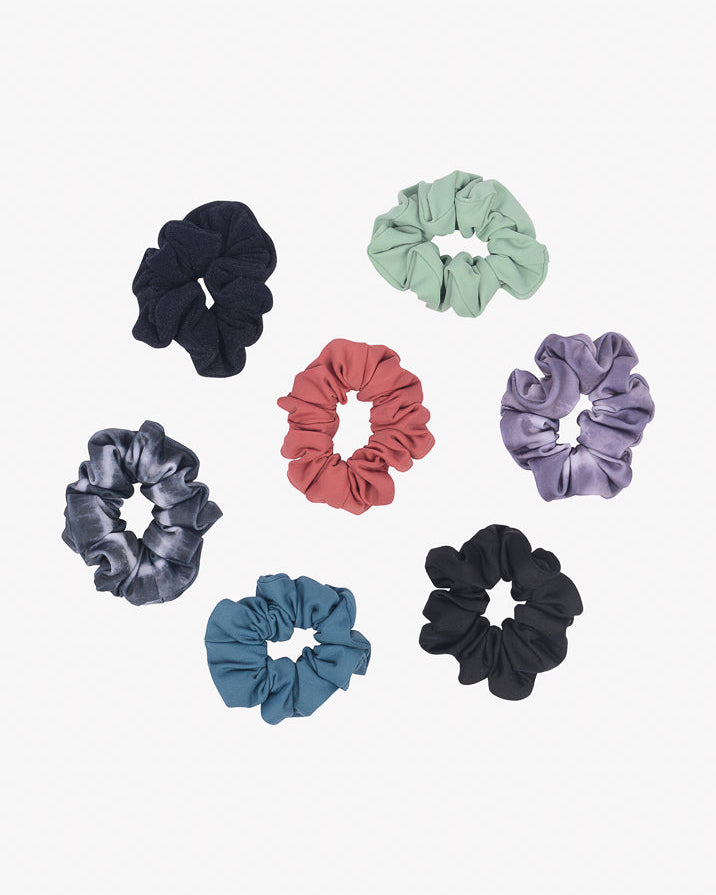
Main Design primarily uses recycled materials for its swimwear and essentials. This results in bikinis, swim trunks, and accessories that are not only fashionable but also responsibly produced. Of particular note is their support for Healthy Seas: with every purchase, you contribute to removing plastic waste from the oceans and protecting marine habitats.
A look at sustainable swimwear trends shows how main design consistently focuses on innovative fabrics and environmentally friendly manufacturing processes. The goal: zero waste and the lowest possible CO2 footprint.
Family-friendly collections and maximum protection
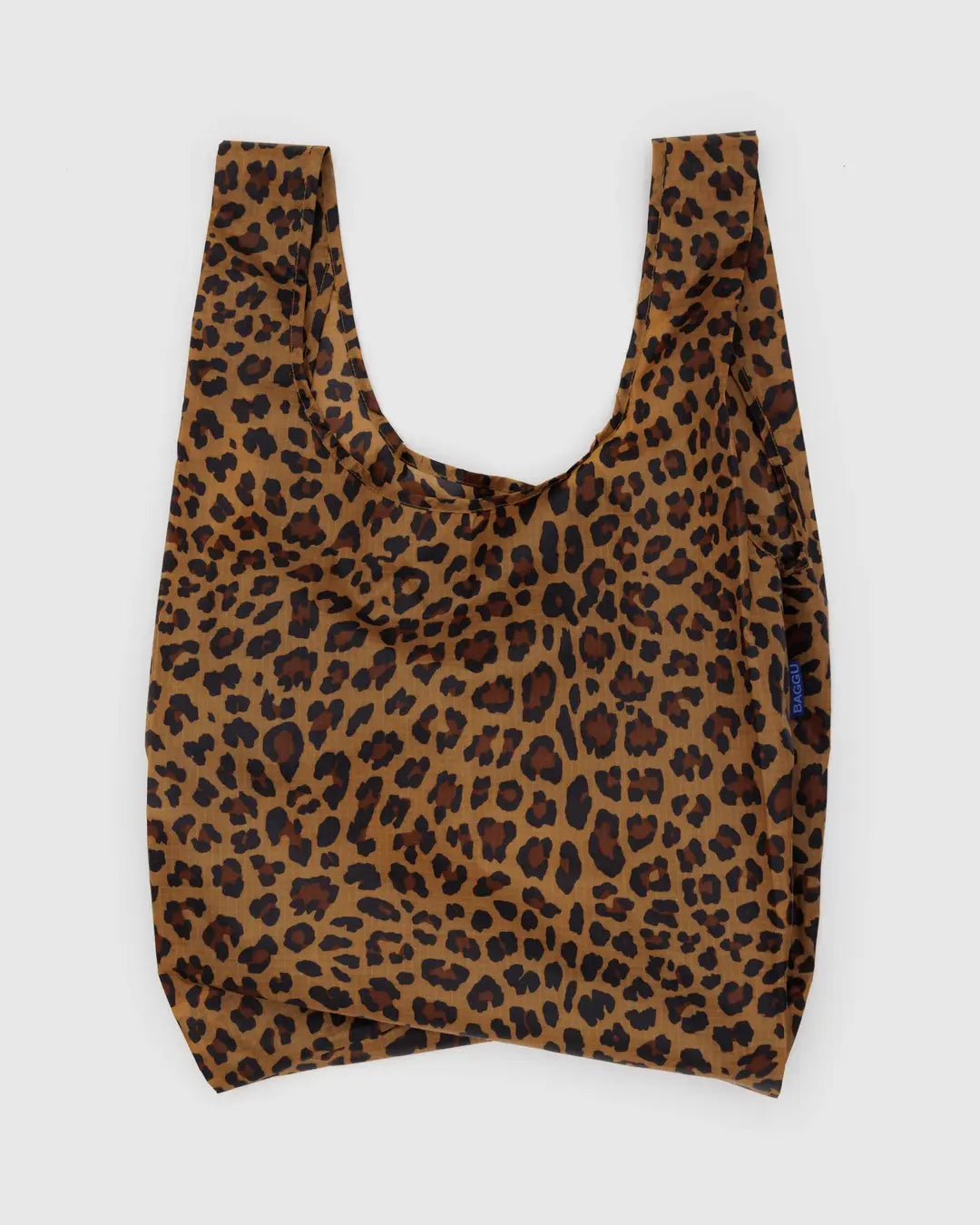
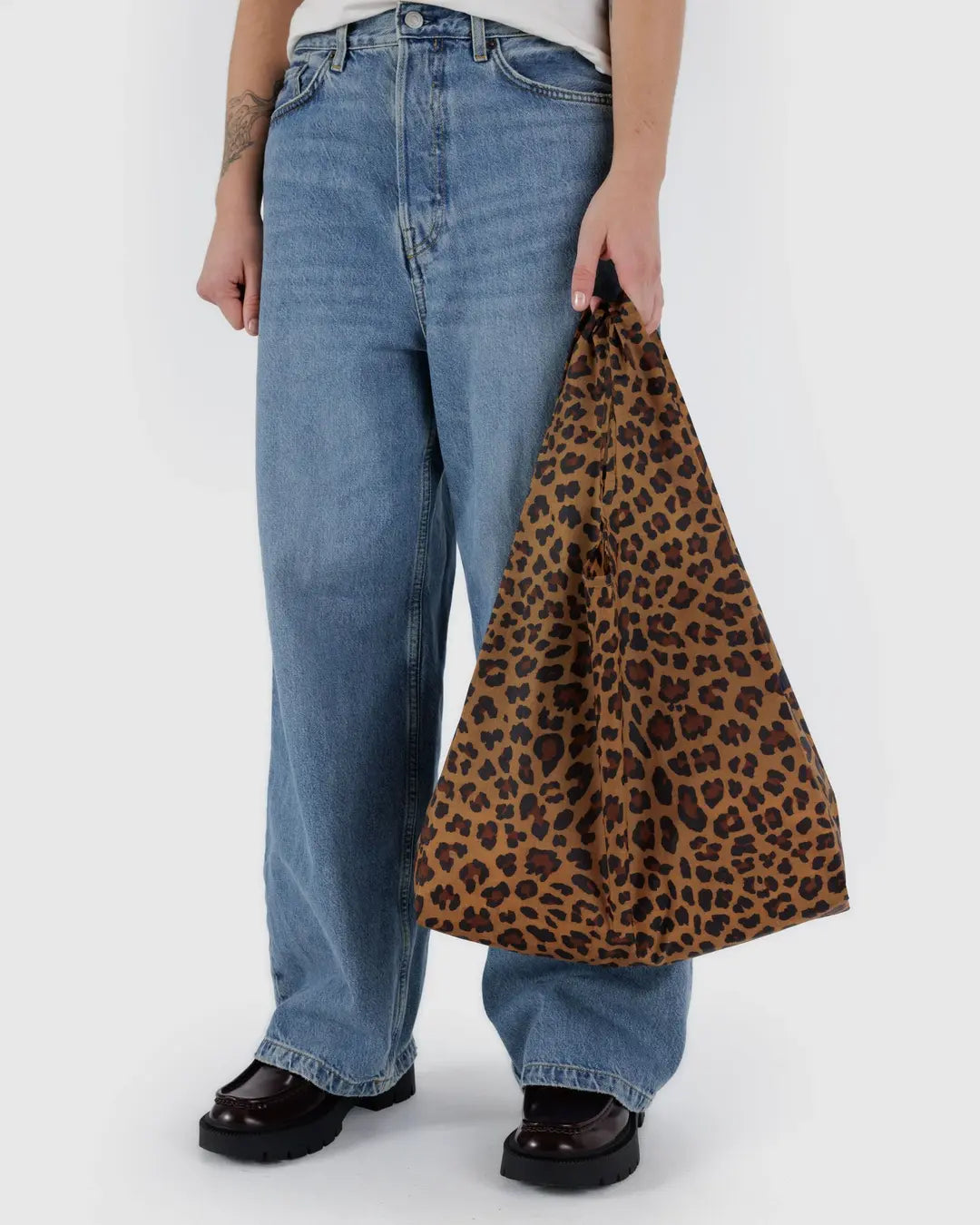
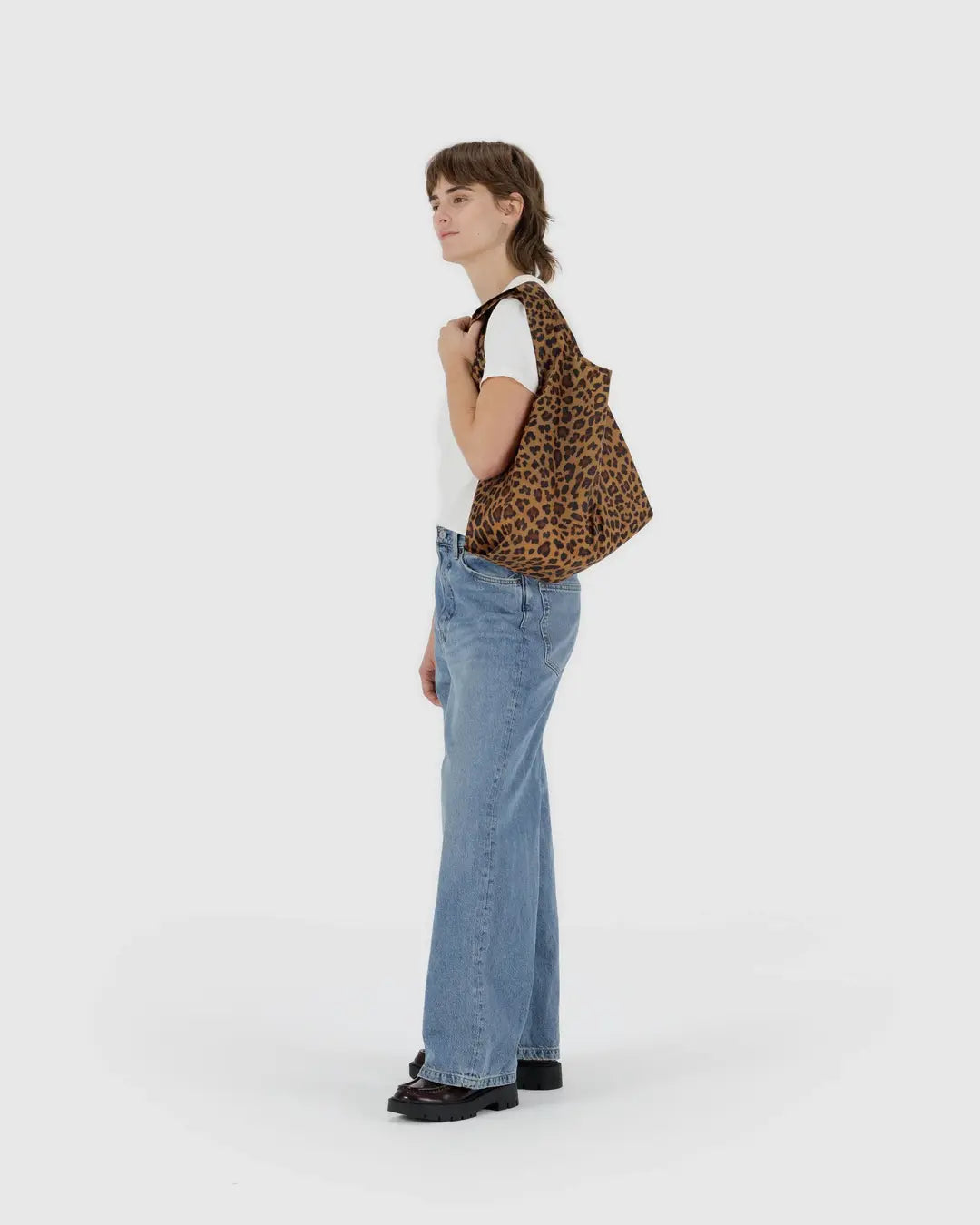
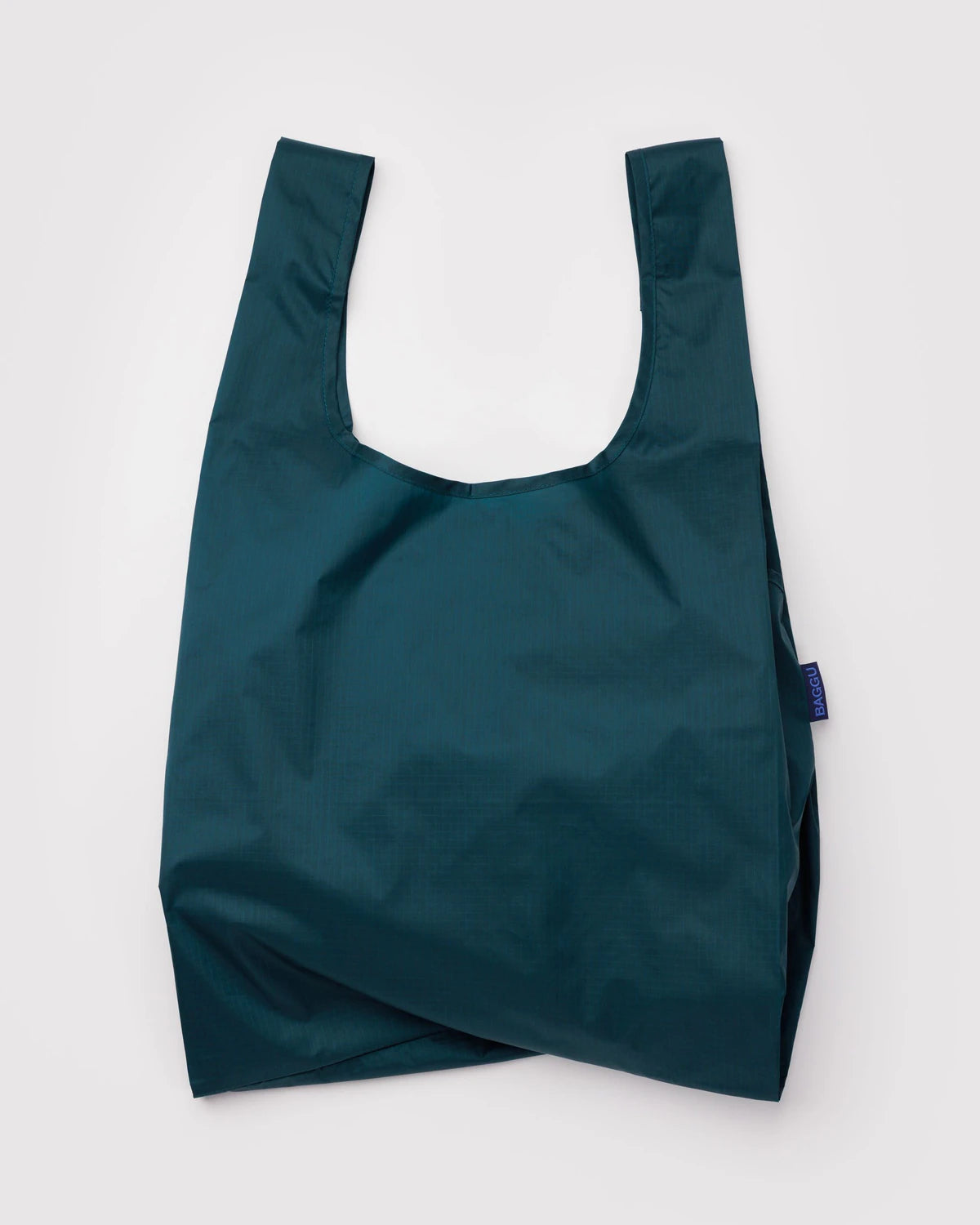
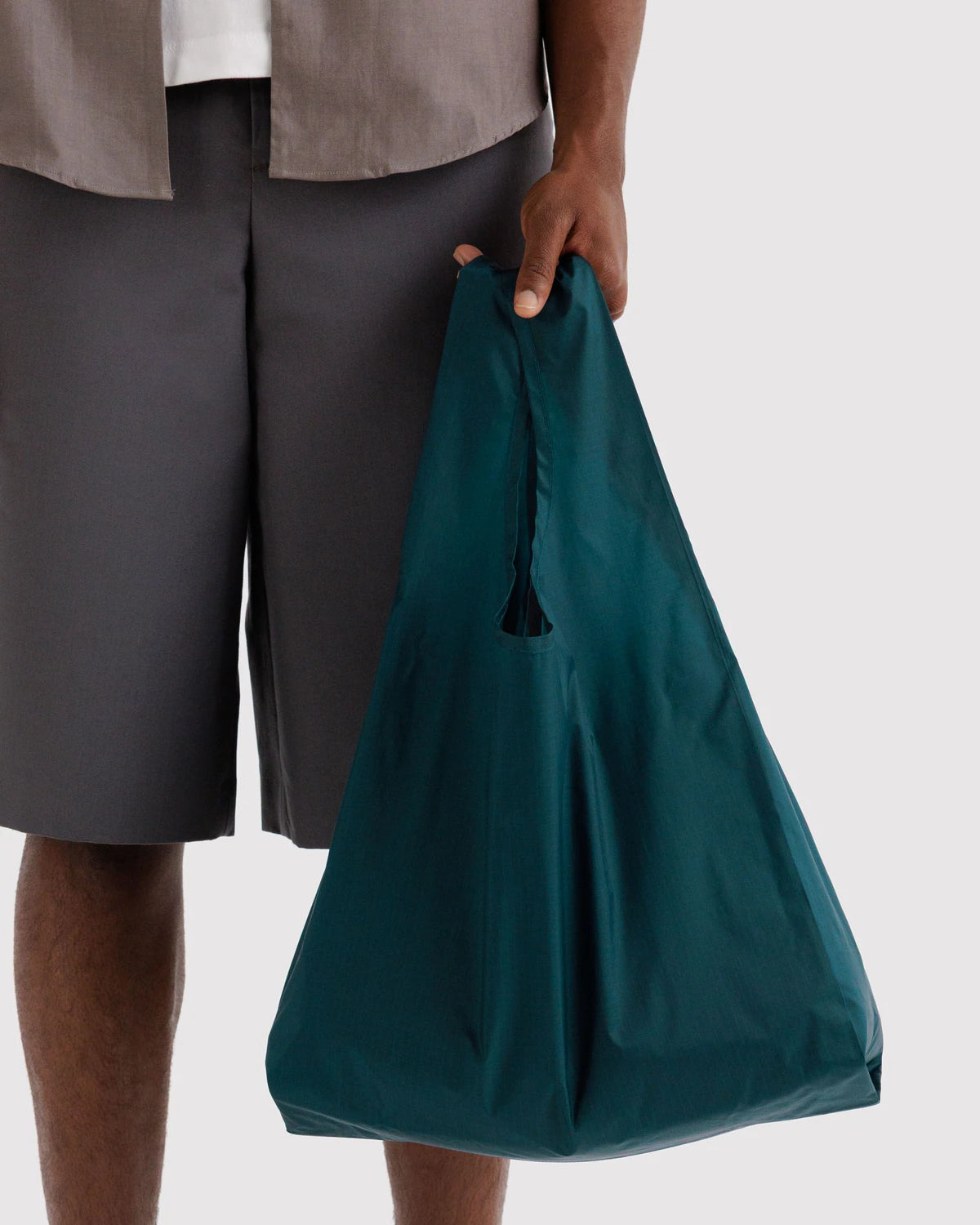
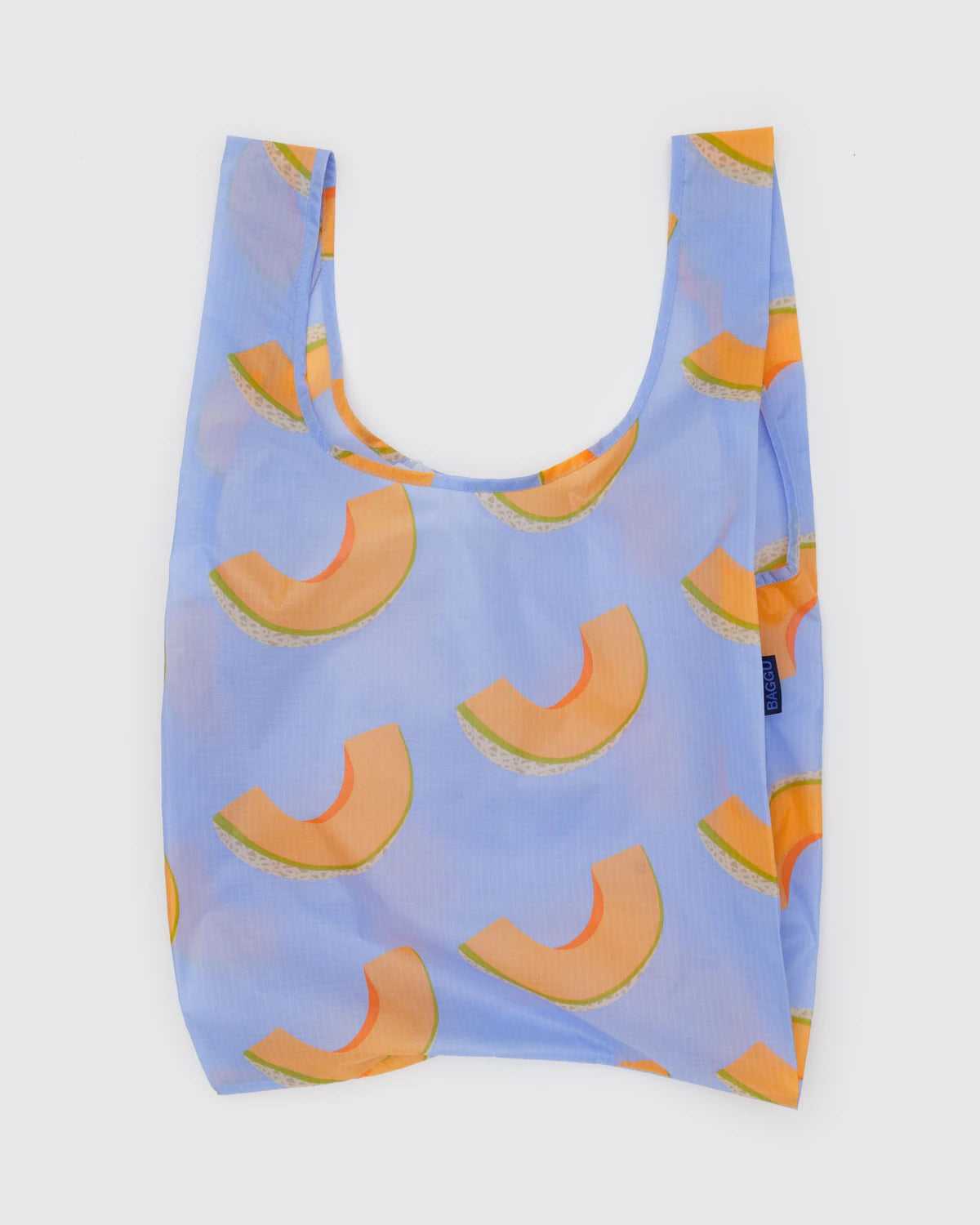
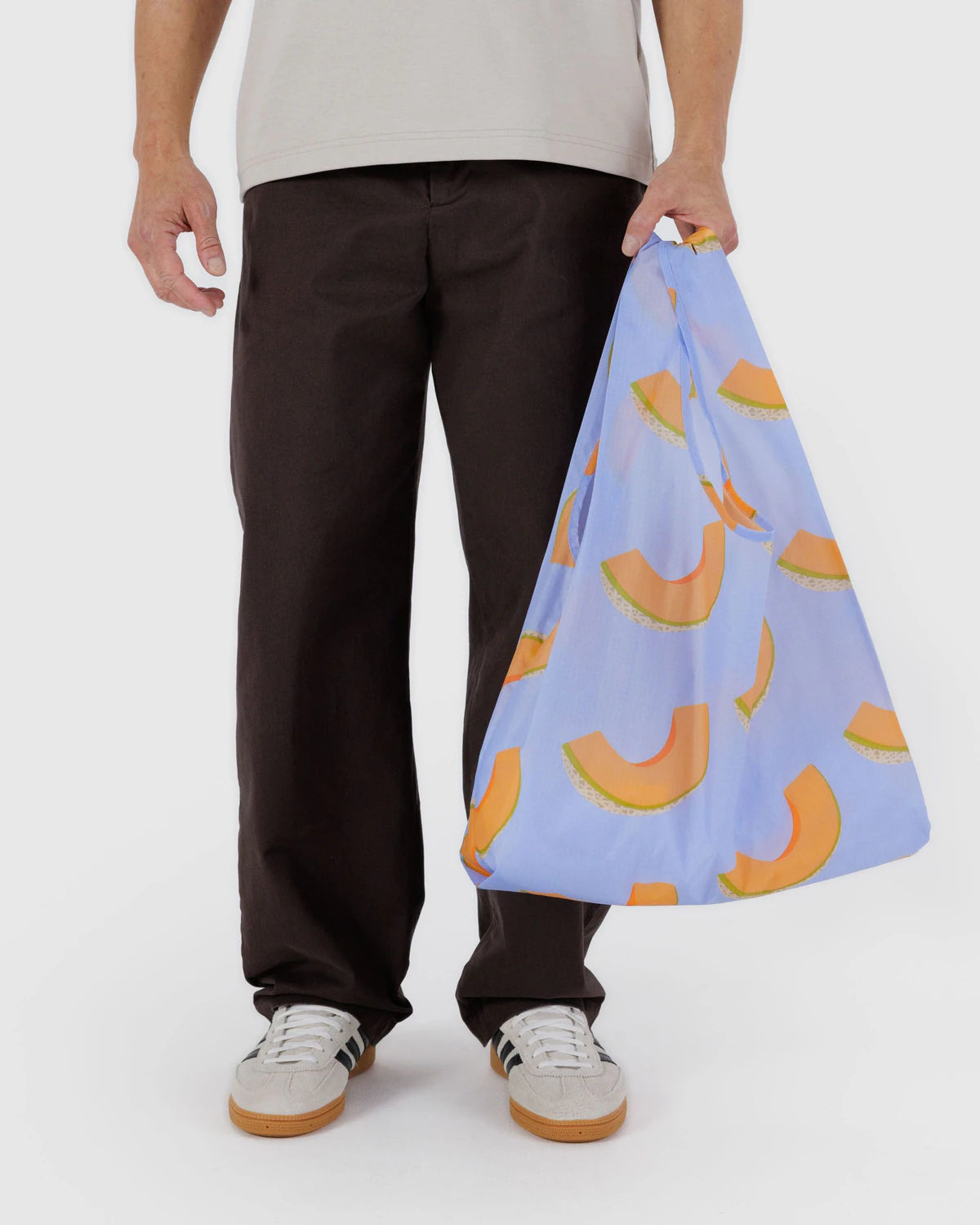
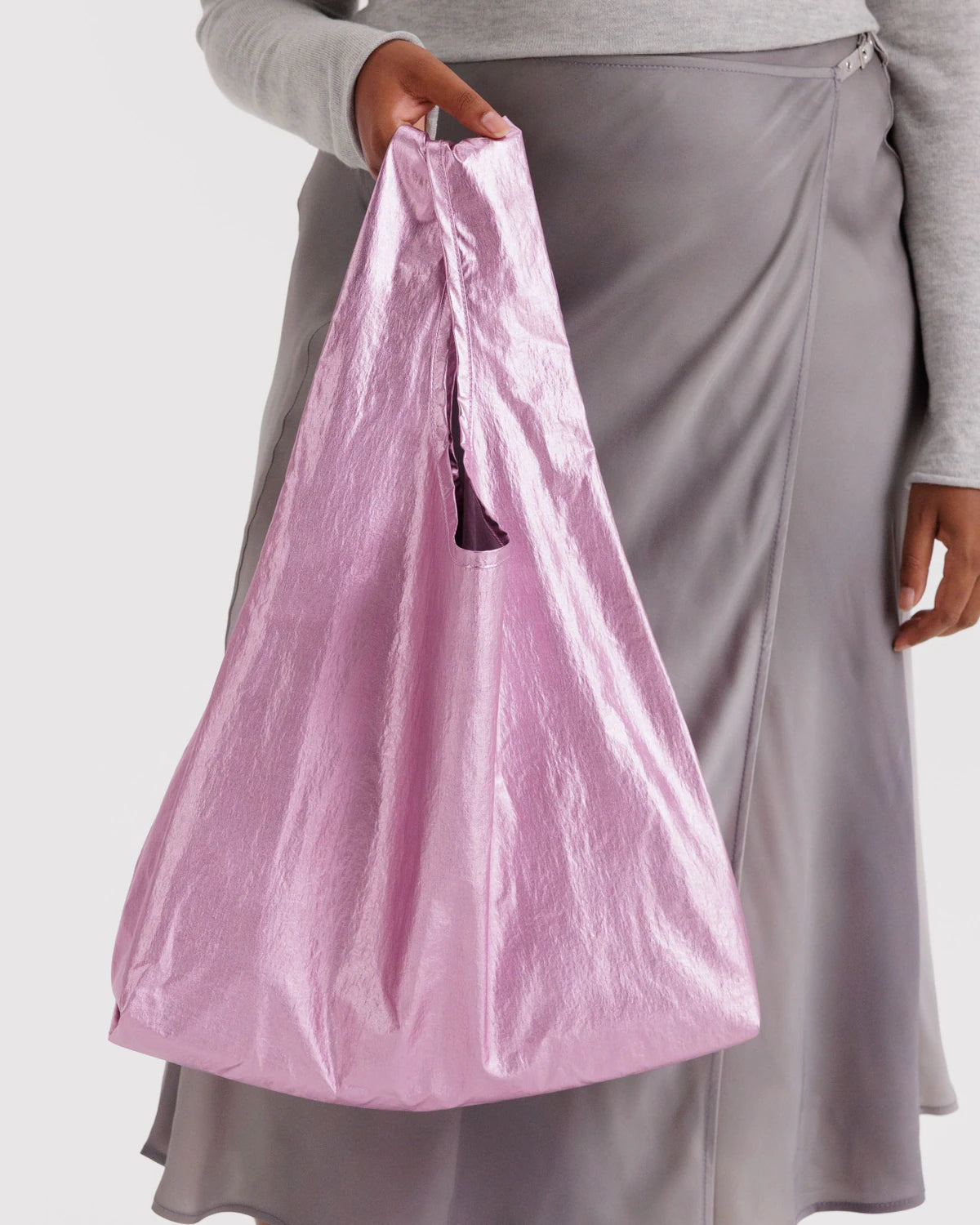
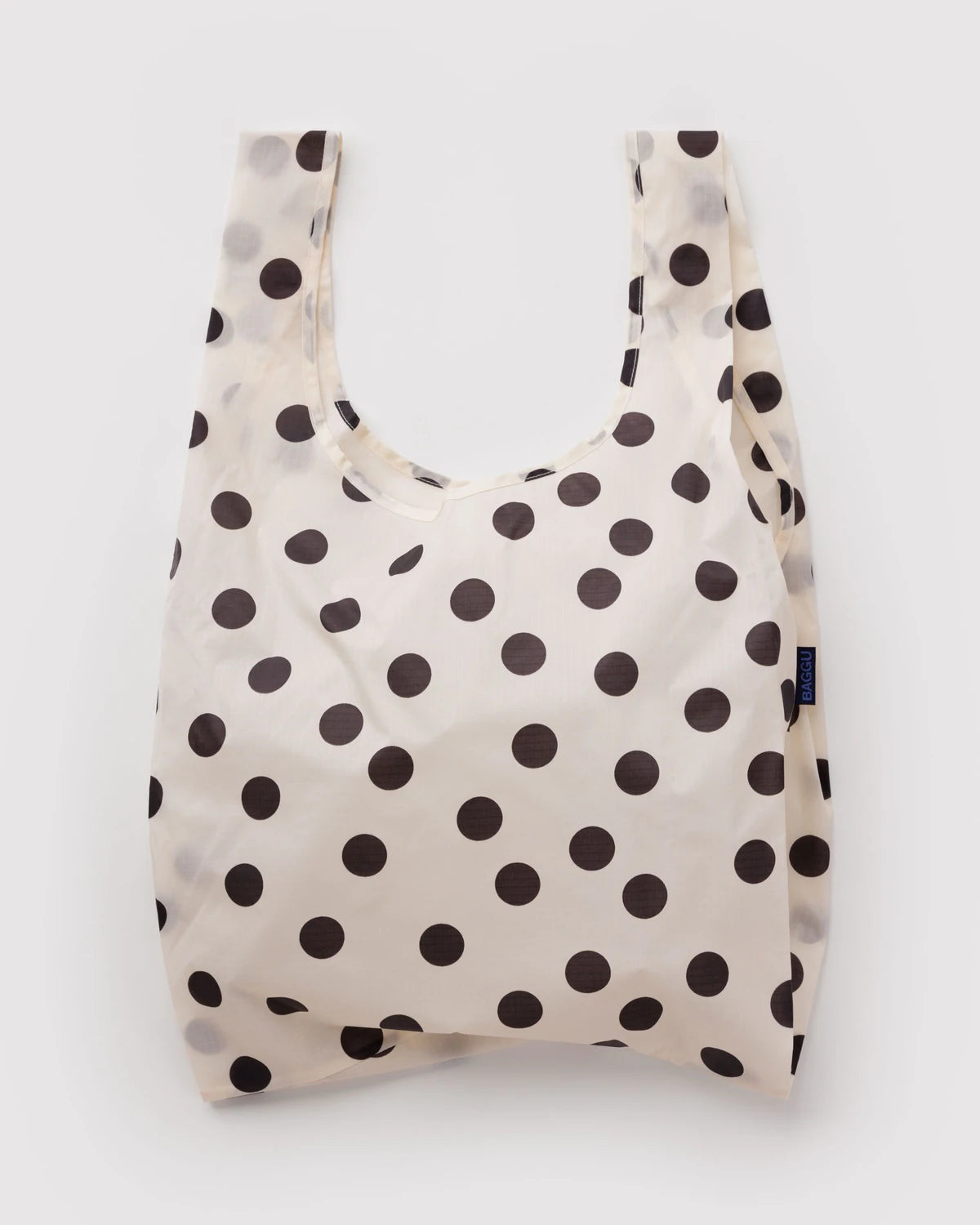
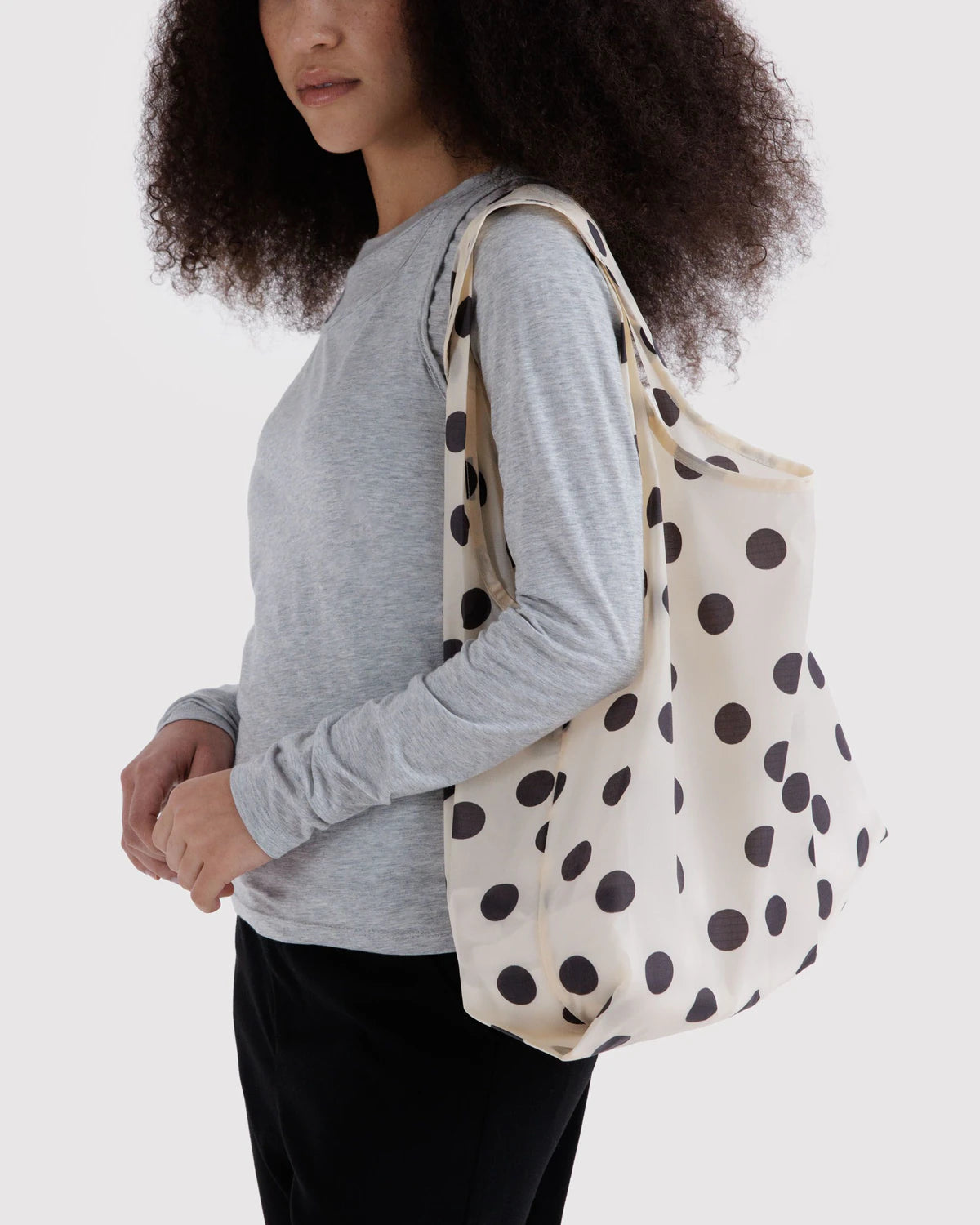
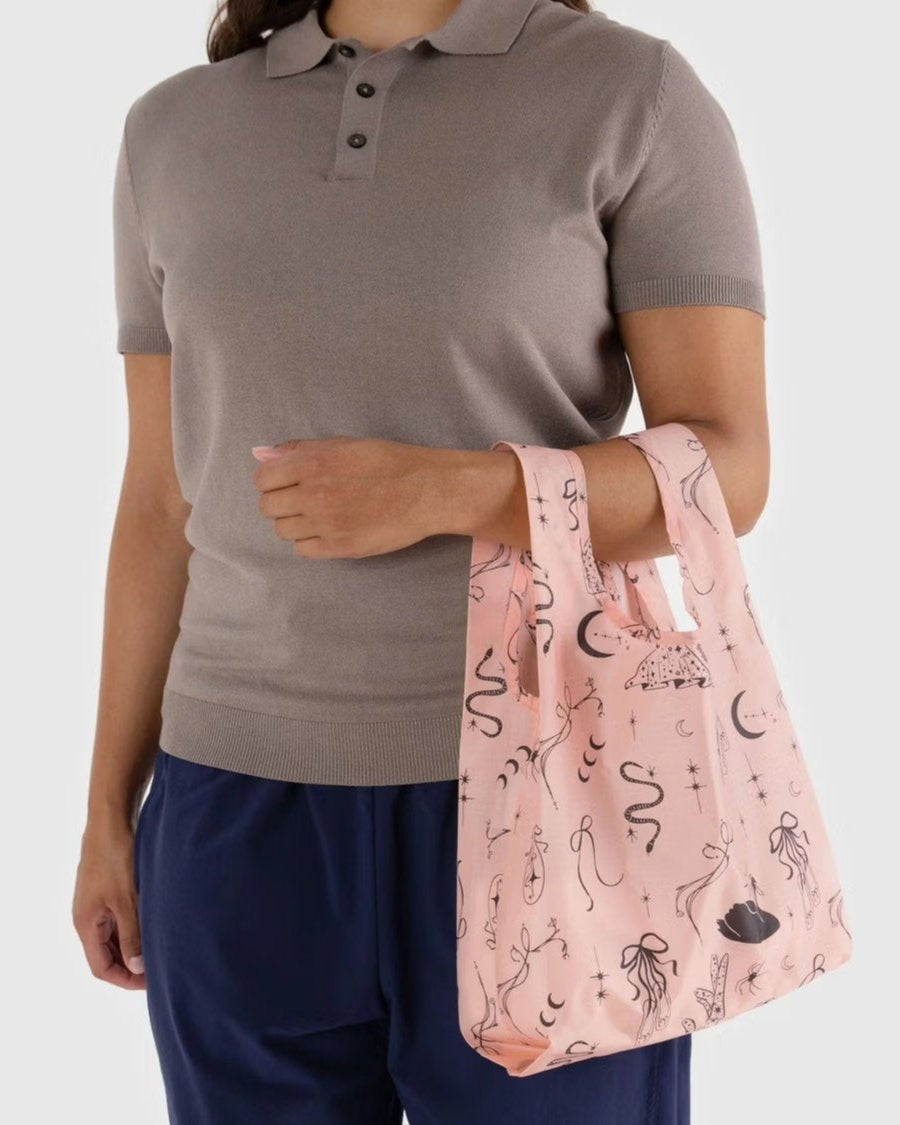
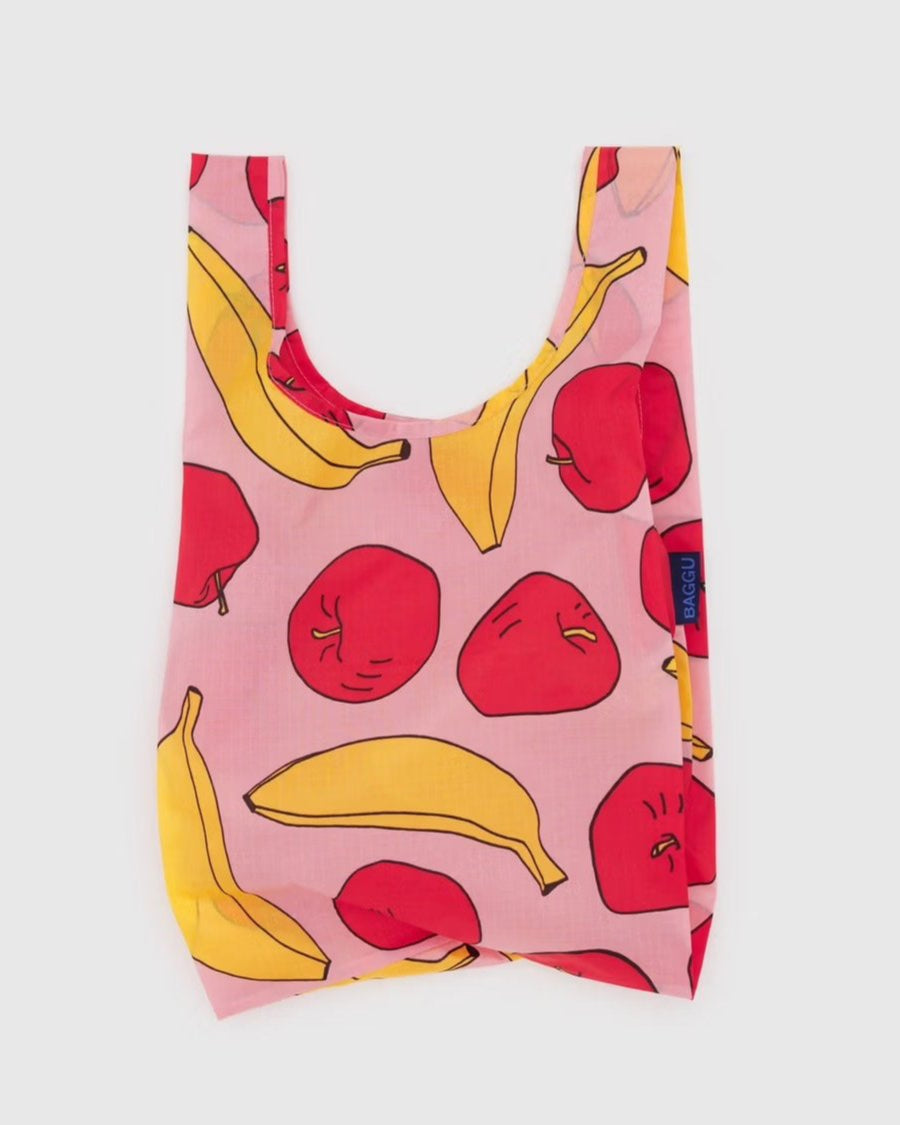
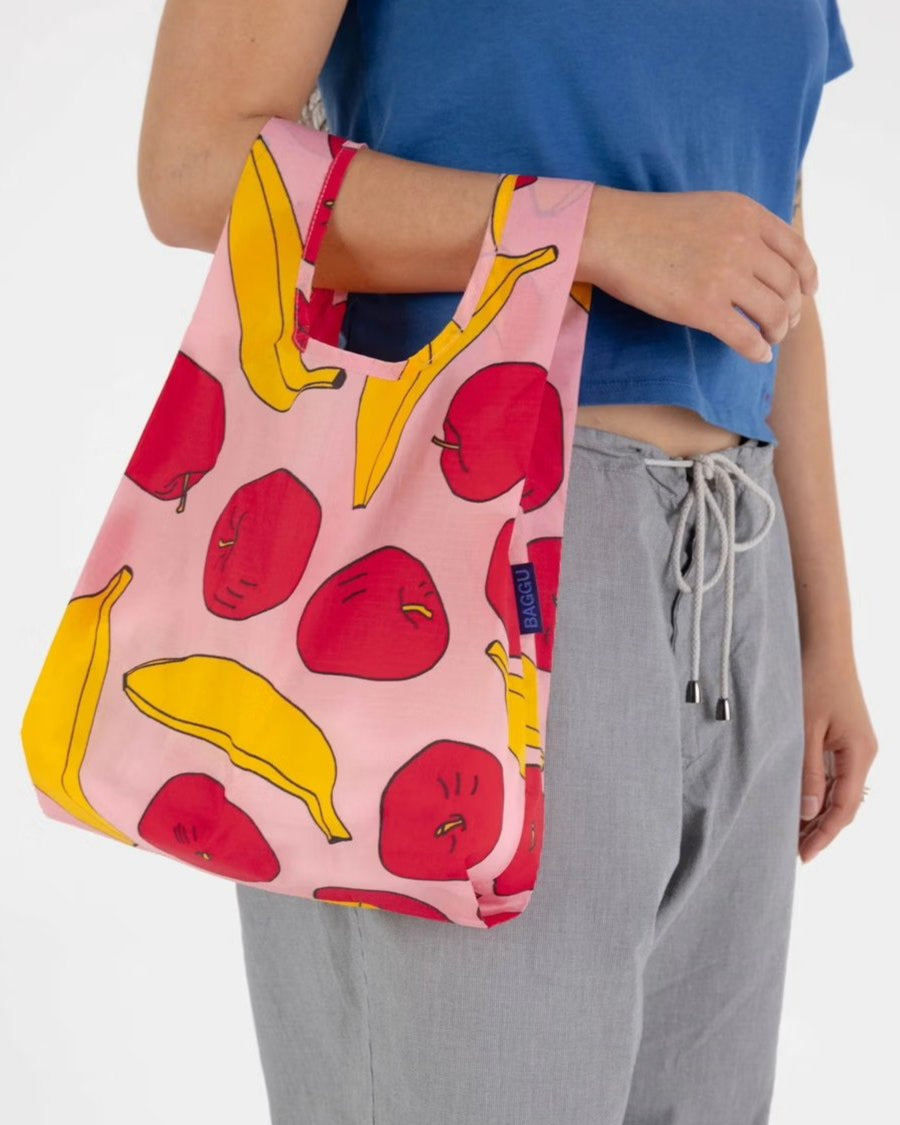
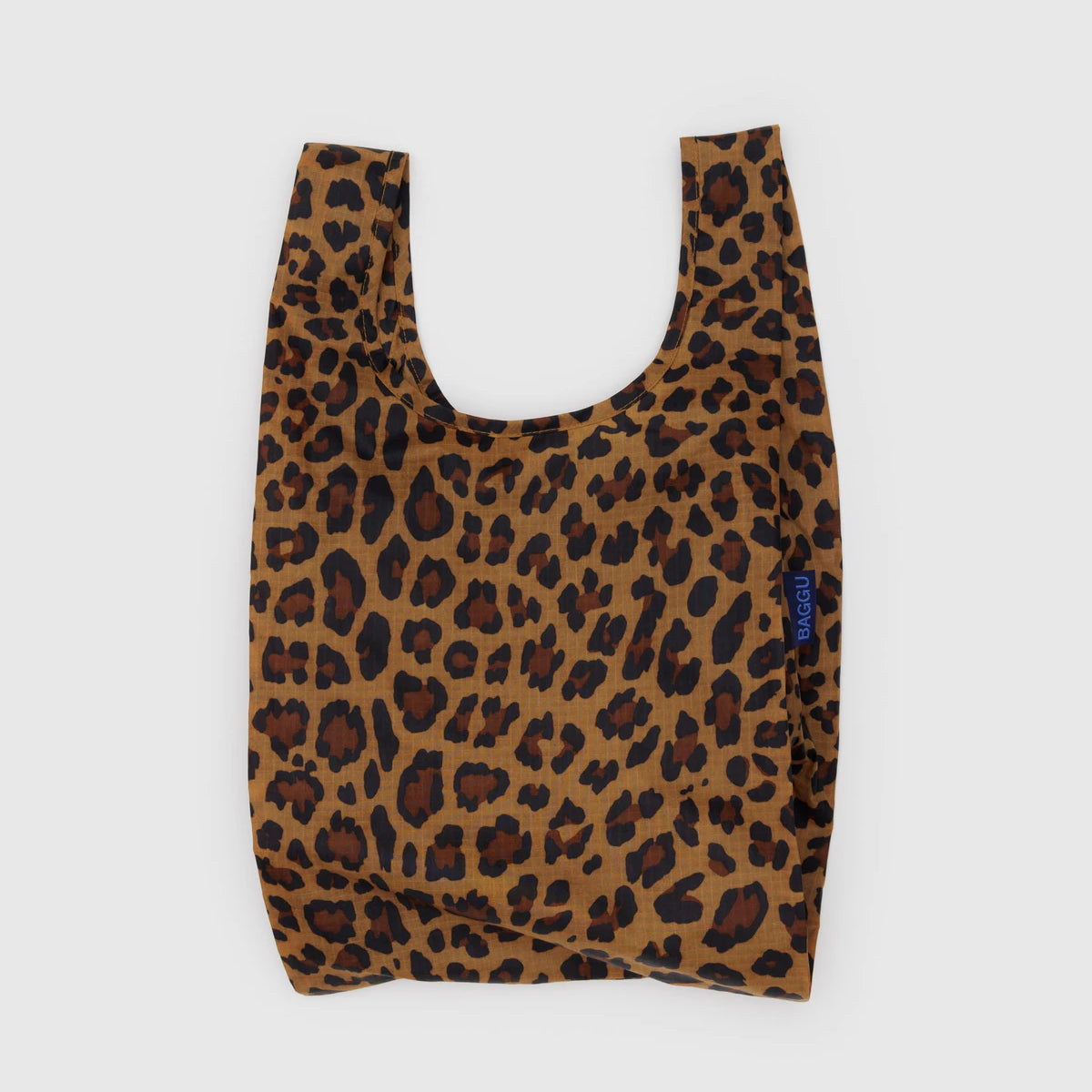
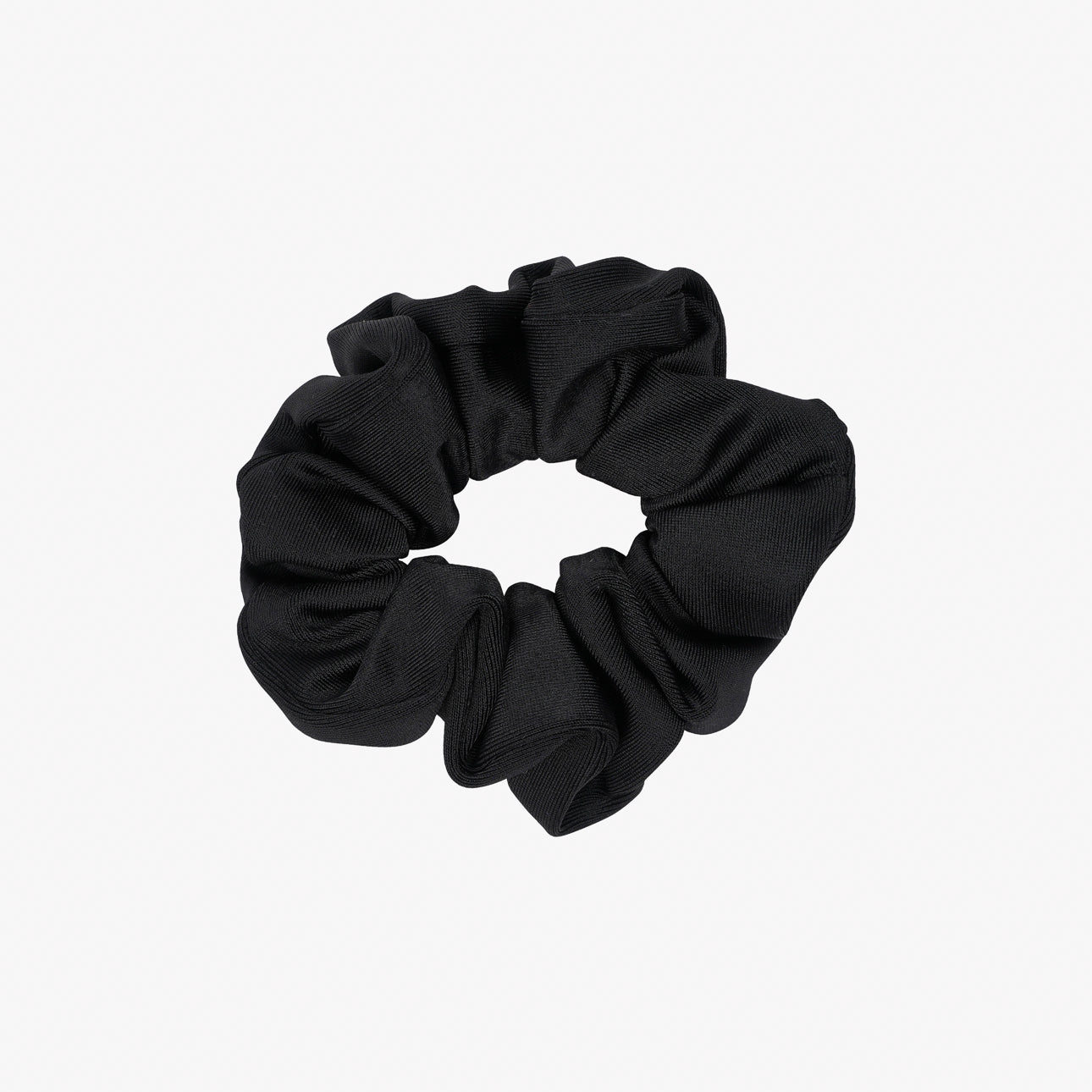
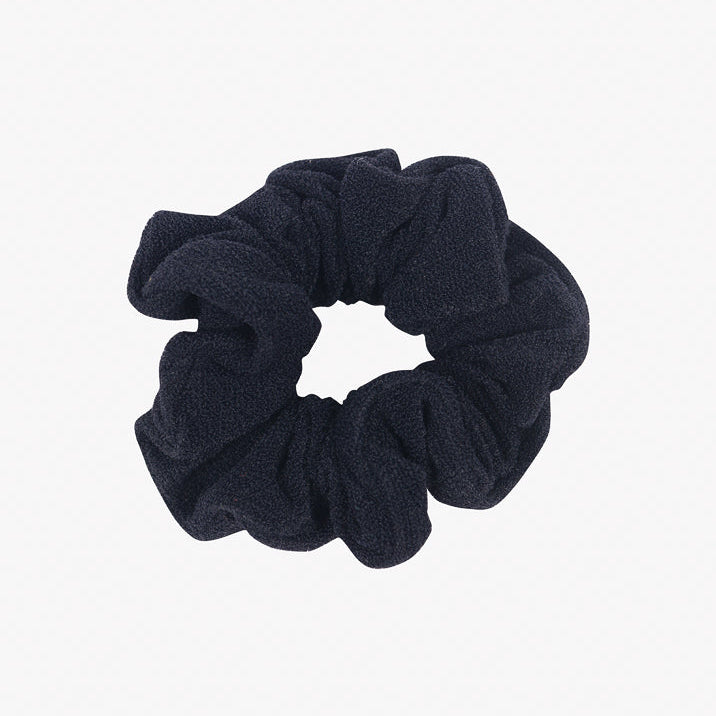
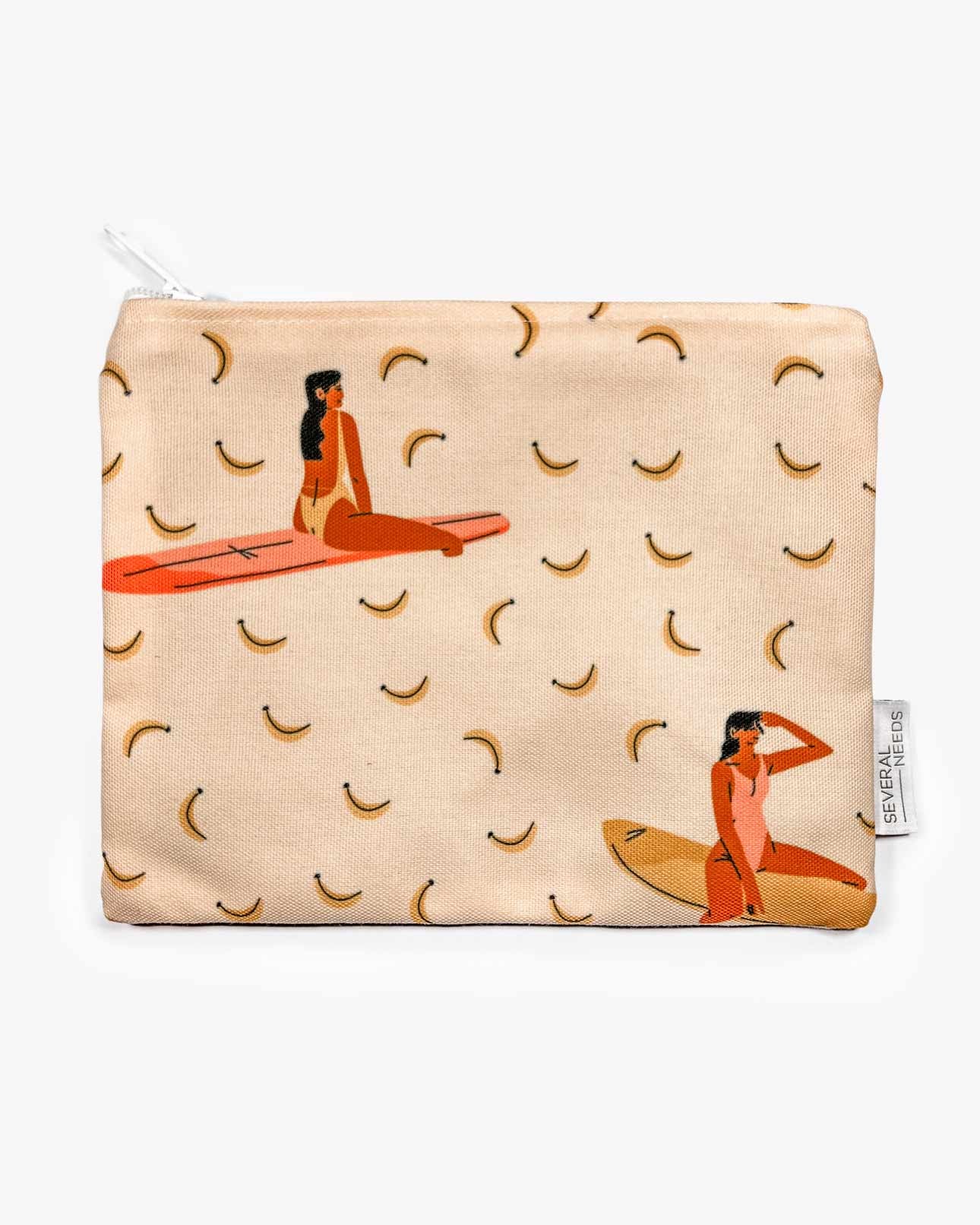
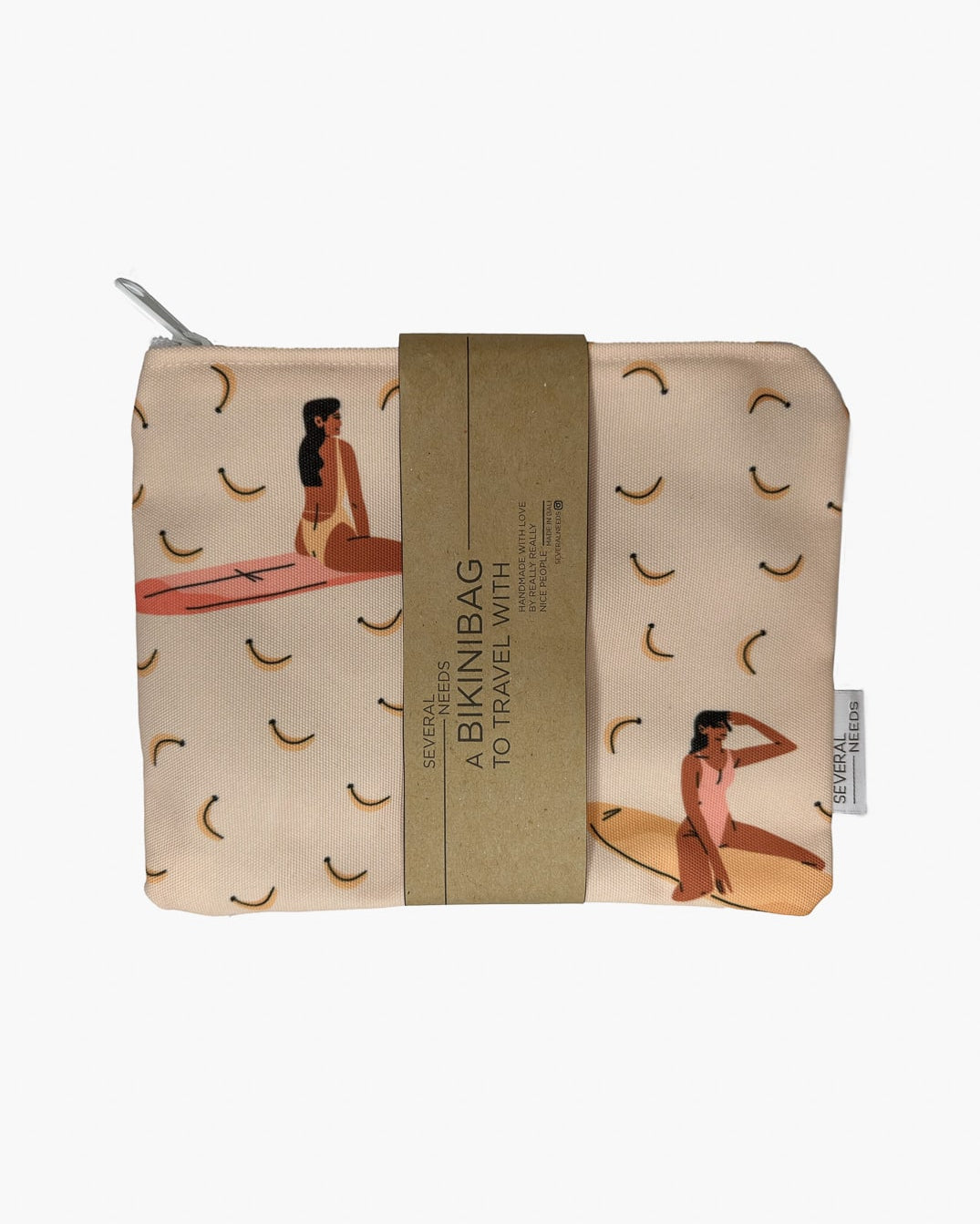
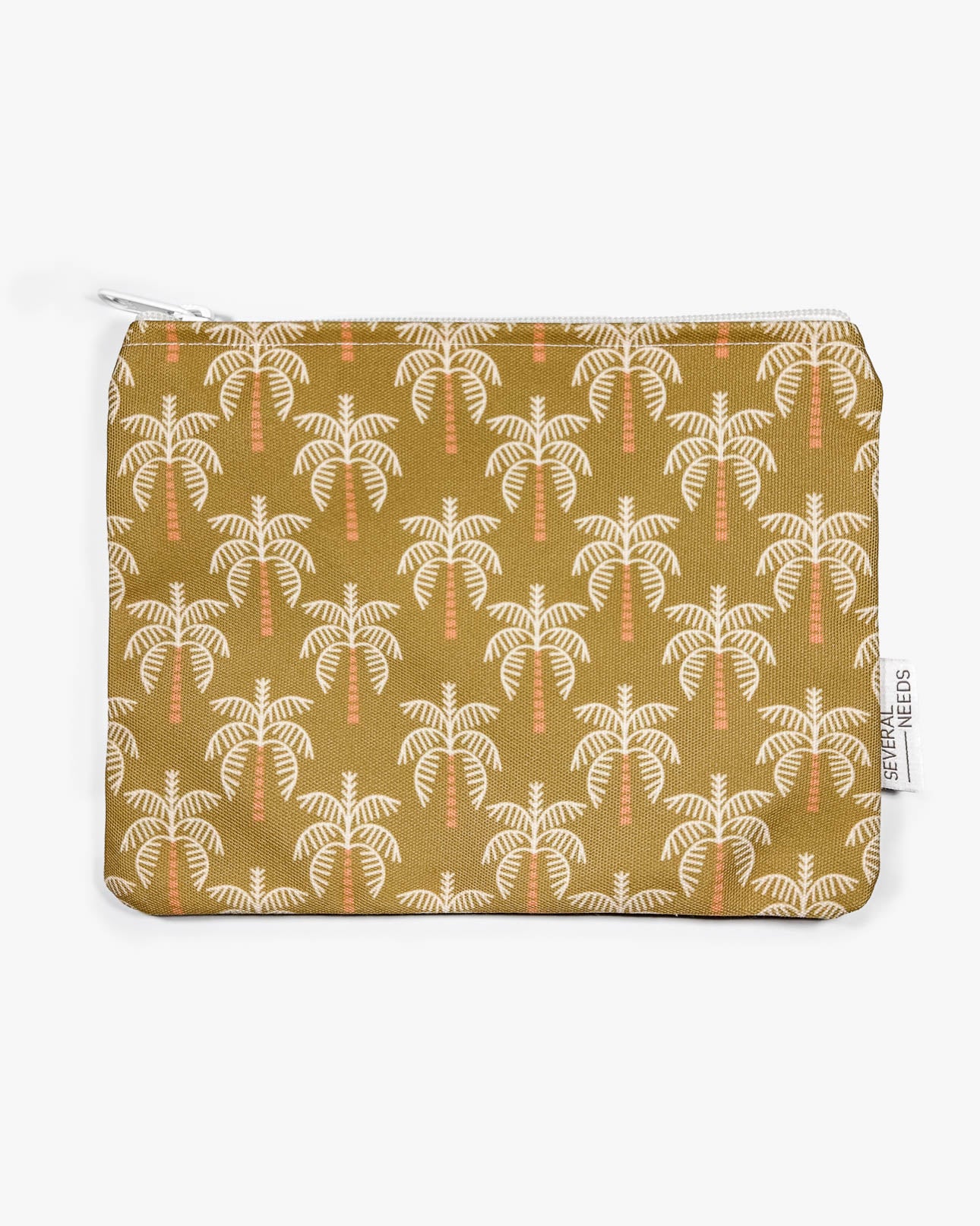
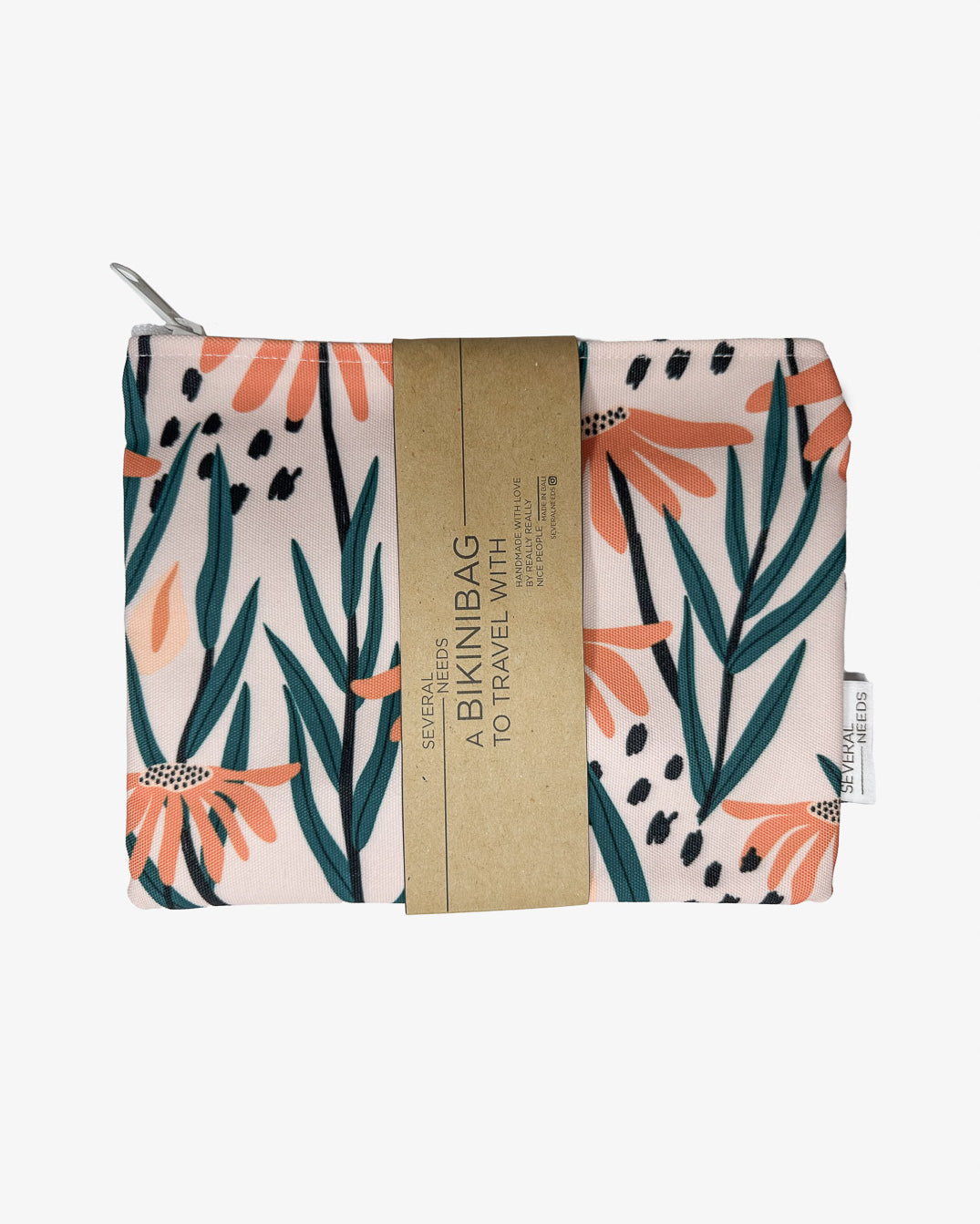
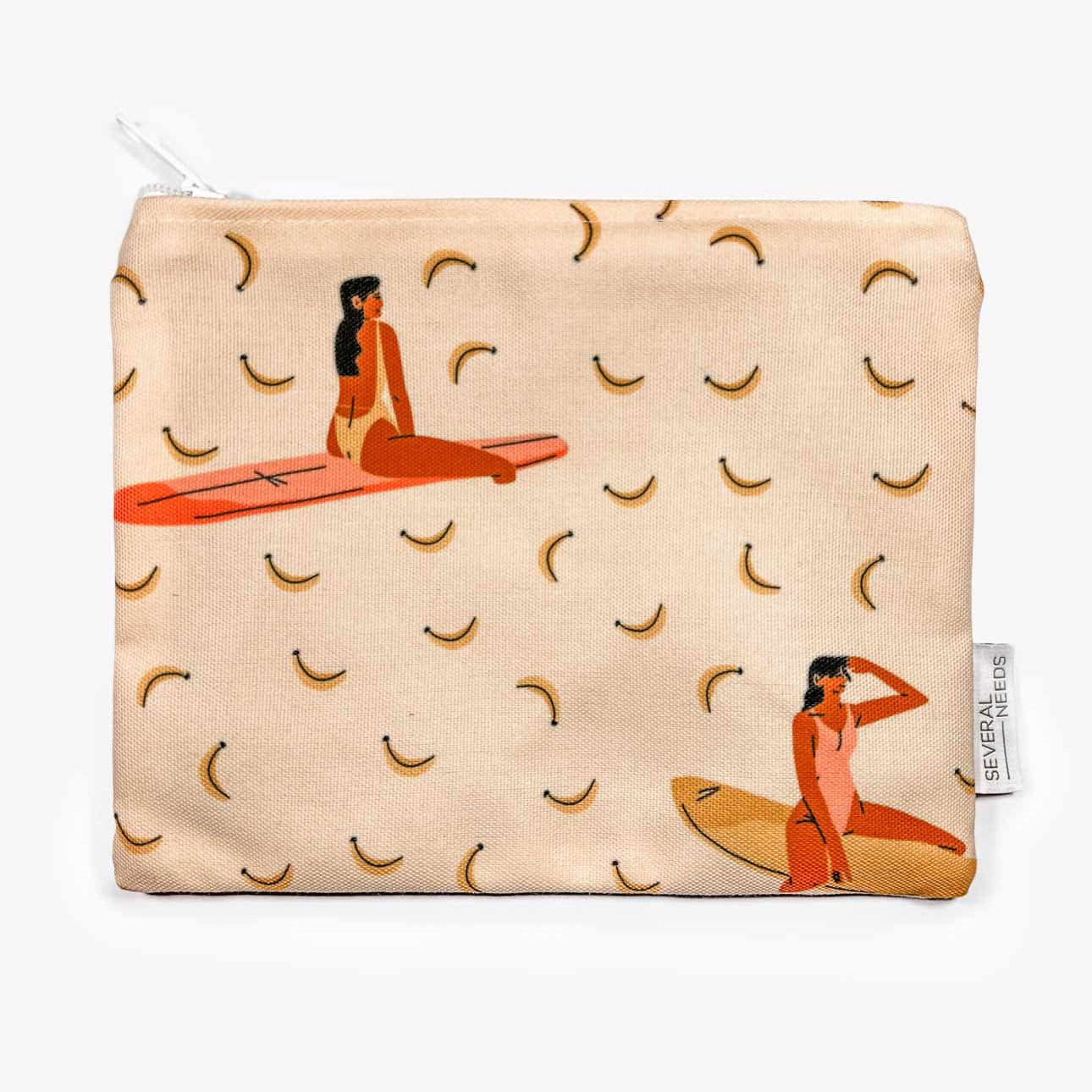
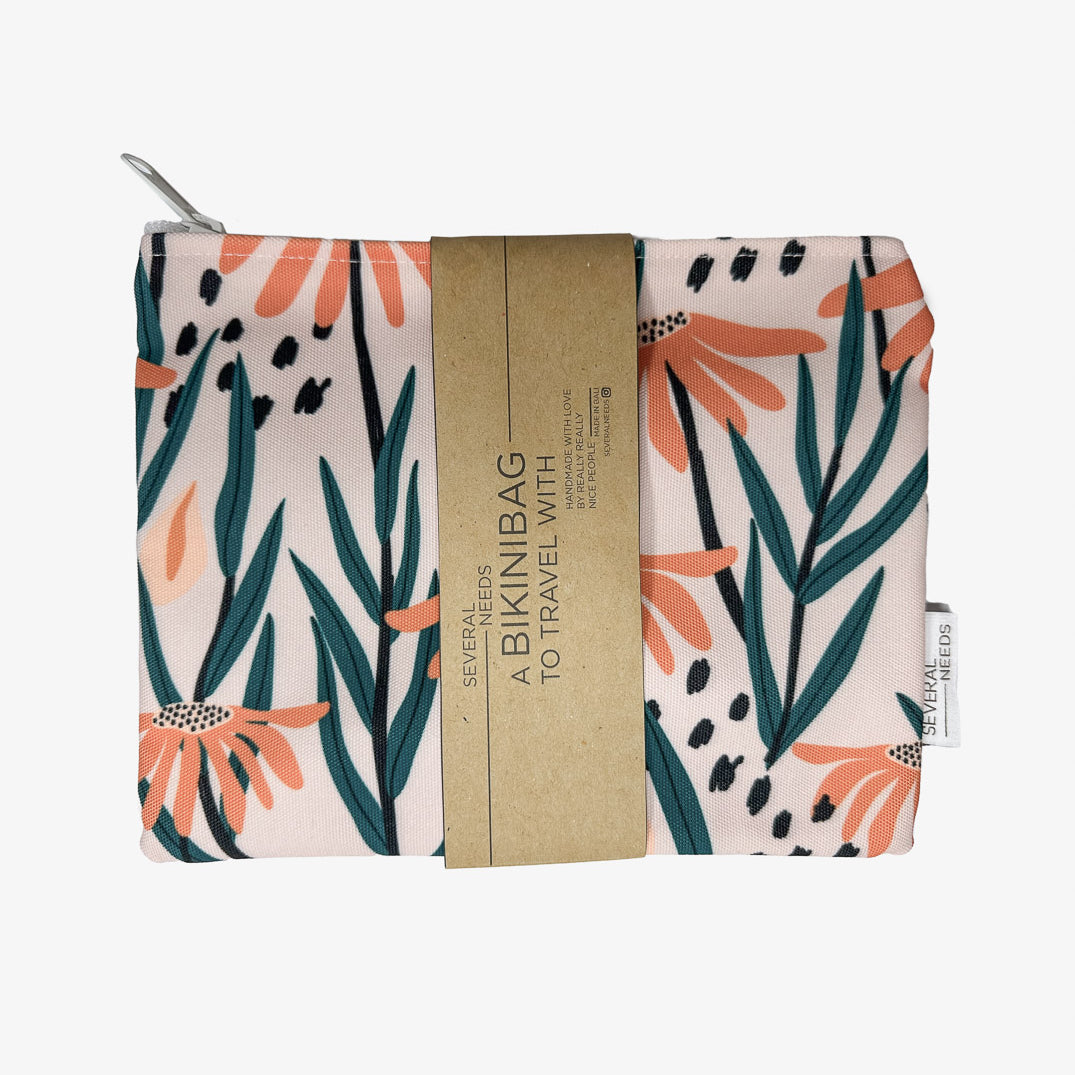
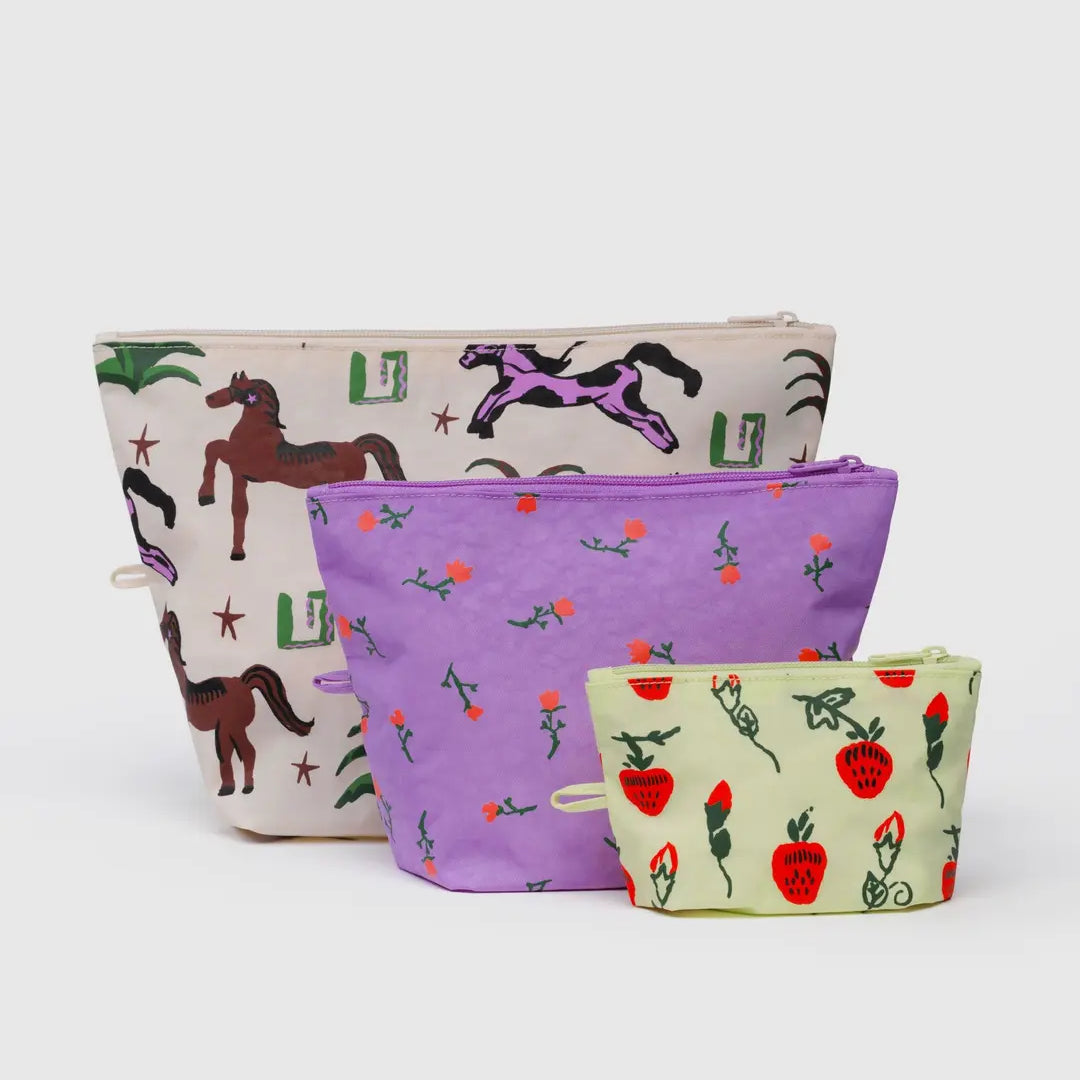
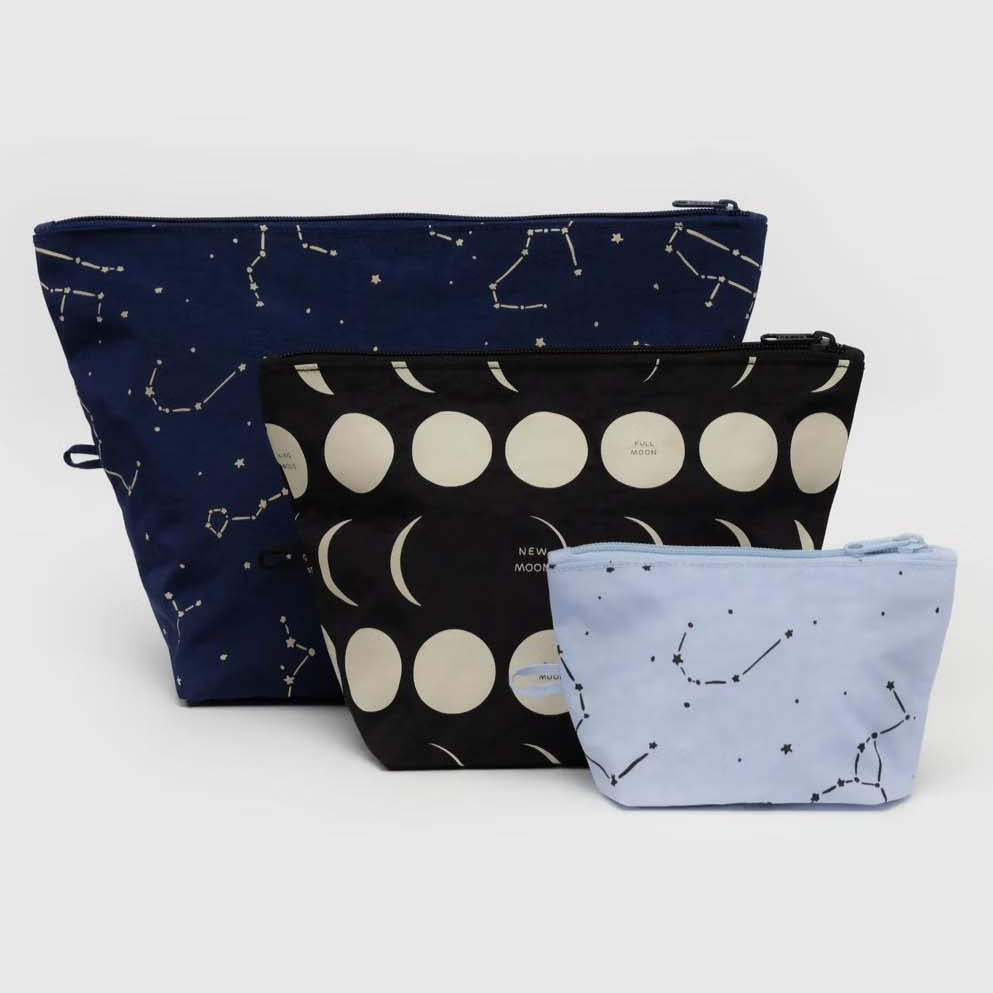
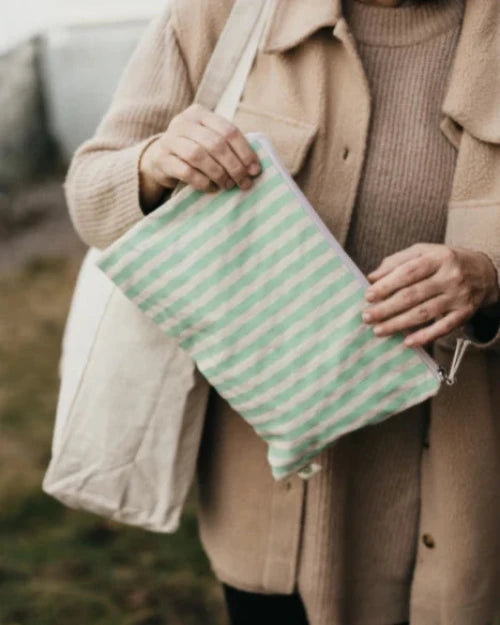
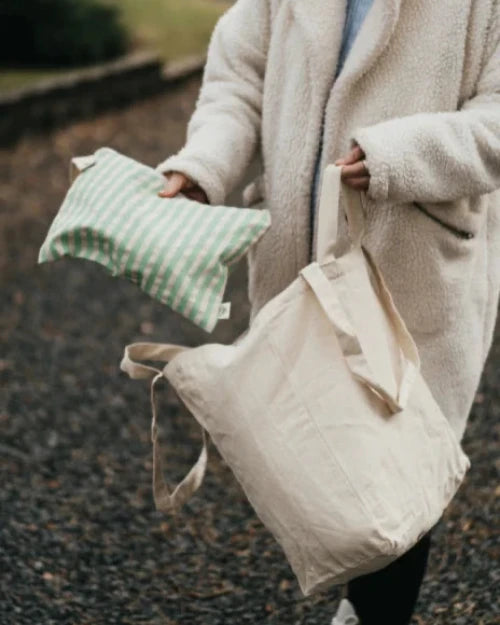
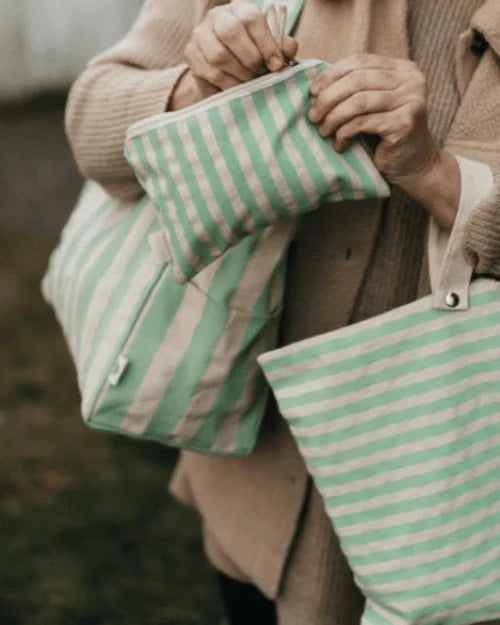
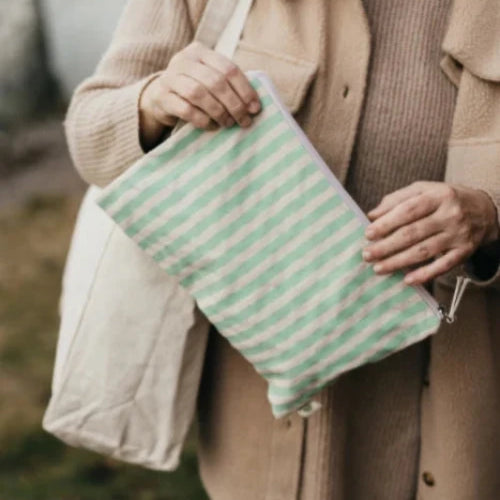
Main Design thinks of everyone: The collections offer swimwear for children with UPF 50+, ensuring optimal protection from UV rays. Adults also benefit from comfortable cuts, skin-friendly materials, and timeless designs. The range is complemented by practical accessories such as beach bags and sustainable towels that make everyday life easier.
The clear design language of main design makes each piece versatile and easy to combine – perfect for family holidays or spontaneous breaks by the water.
Quality, style and responsibility as guiding principles
Swiss quality standards, fair prices, and fast shipping are the hallmarks of main design. The brand proves that sustainable swimwear doesn't require compromising on fit or aesthetics. Those who value durability will find products here that are equally impressive in everyday life and at the beach.
Main design stands for minimalism and timelessness. This creates a conscious counter-movement to fast fashion and short-lived trends.
Inspiration for design trends 2026
Sustainable brands like main design are shaping the design landscape of tomorrow. They demonstrate that responsible business practices and modern design can go hand in hand. Be inspired and discover how main design is already implementing the key trends for 2026 – from innovative materials to a functional, family-friendly lifestyle.
With main design, you not only create a sustainable look, but also make a statement for a better future.
Design processes & practical tips for implementing modern concepts
A successful main design requires a clear, structured process. Modern concepts focus on innovation, sustainability, and user-centricity. But how do you successfully implement these concepts from the initial idea to a market-ready product? In the following sections, you'll find practical tips, methods, and tools to help you design for the future in 2026 in a future-oriented and responsible way.
Step-by-step: From idea to implementation
Every main design project begins with thorough research. Analyze current trends, such as sustainable materials or digital innovations. Use market research and user insights to identify relevant user needs.
In the next step, you will develop a sustainable design concept that is both aesthetically pleasing and functionally sound. The selection of innovative materials is crucial here. Current projects, such as the SmartMat project at the University of Siegen, demonstrate how intelligent and adaptive materials can revolutionize main design.
Create prototypes and test them early with real users. This will give you valuable feedback that you can incorporate. When scaling and producing, you should consider environmental standards and an efficient supply chain. This will ensure that main design solutions are brought to market sustainably and with a future-proof approach.
Collaboration and co-creation
In the main design process, teamwork is key to success. Interdisciplinary teams – designers, engineers, marketing, and end users – contribute diverse perspectives. This fosters innovation and prevents blind spots.
Use methods like design thinking, agile development, or digital prototyping to quickly visualize and develop ideas. Co-creation workshops strengthen user-centricity in the main design and ensure practical, marketable results.
Practical examples from interior design, fashion, and product design demonstrate that collaborative processes lead to creative, sustainable solutions. These often result in new approaches that can significantly shape the main design of 2026.
Avoiding Mistakes & Best Practices
An authentic main design avoids greenwashing and focuses on genuine sustainability. Ensure your brand communicates transparently and doesn't make empty promises. More and more consumers recognize greenwashing and are turning away.
Focus on user-centricity and involve users early in the development process. Practical tips for main design projects:
- Clearly define goals and users
- Align material selection with environmental standards, e.g. with BASF innovations for a sustainable future.
- Actively solicit and implement feedback
- Regularly evaluate processes
This is how you ensure long-term success and strong brand loyalty for your main design.
Future outlook: What comes after 2026?
The main design landscape remains dynamic. New technologies, adaptive materials, and societal trends will continue to shape the industry beyond 2026. Forecasts indicate that smart and sustainable solutions will continue to gain importance.
Stay open to change and continuously develop your main design. Utilize training, networks, and innovation platforms to stay ahead of the curve. This will secure you a decisive competitive advantage and allow you to actively shape the future.
If you're now inspired to actively integrate modern design and sustainable materials into your everyday life, MAIN Design is the perfect place for you. Here, we combine minimalist style with genuine responsibility – for you, your family, and our oceans. Discover timeless swimwear and versatile essentials that not only look good but also do good. Let our collections inspire you and learn how modern design can be lived today, just like in 2026.
Discover more