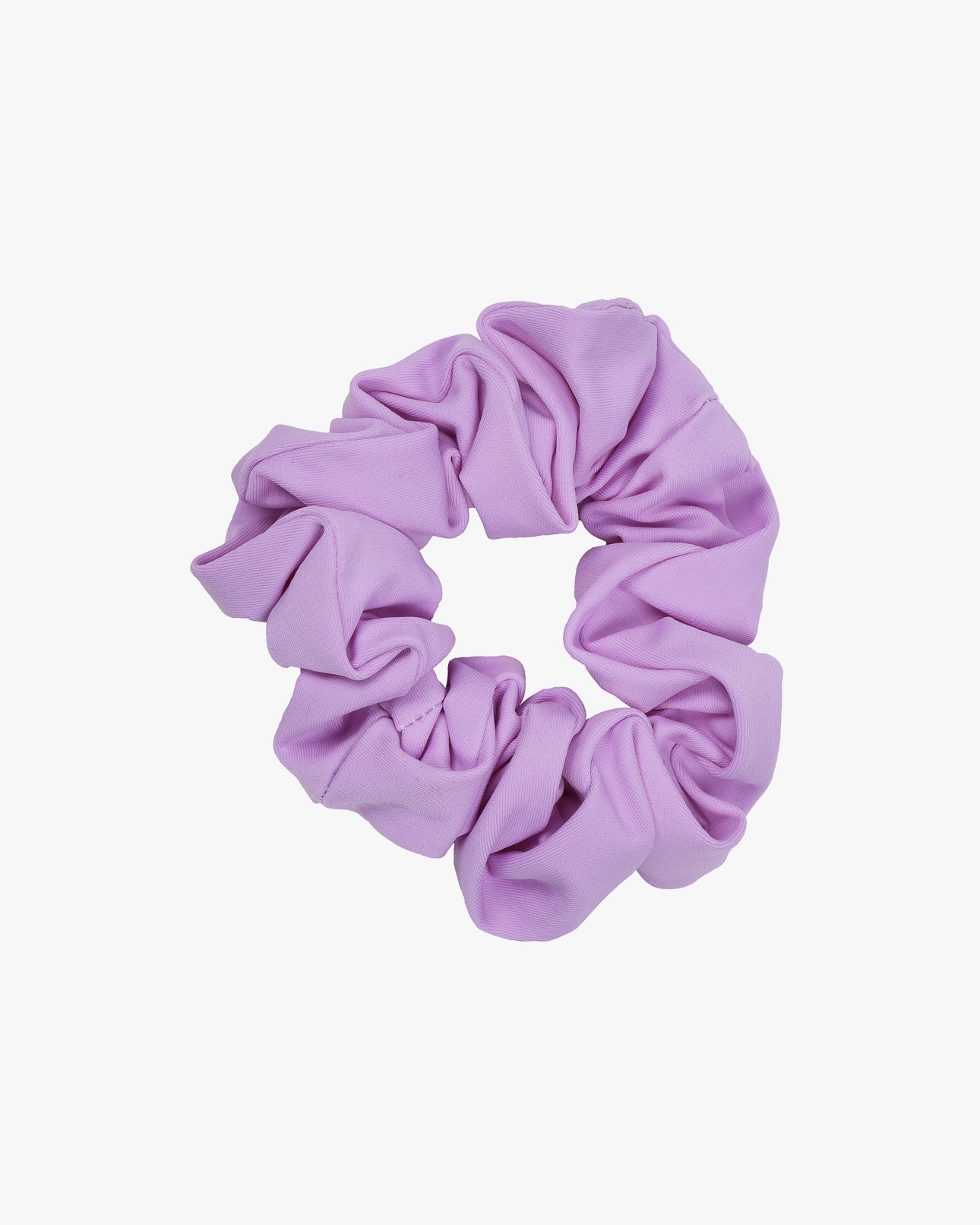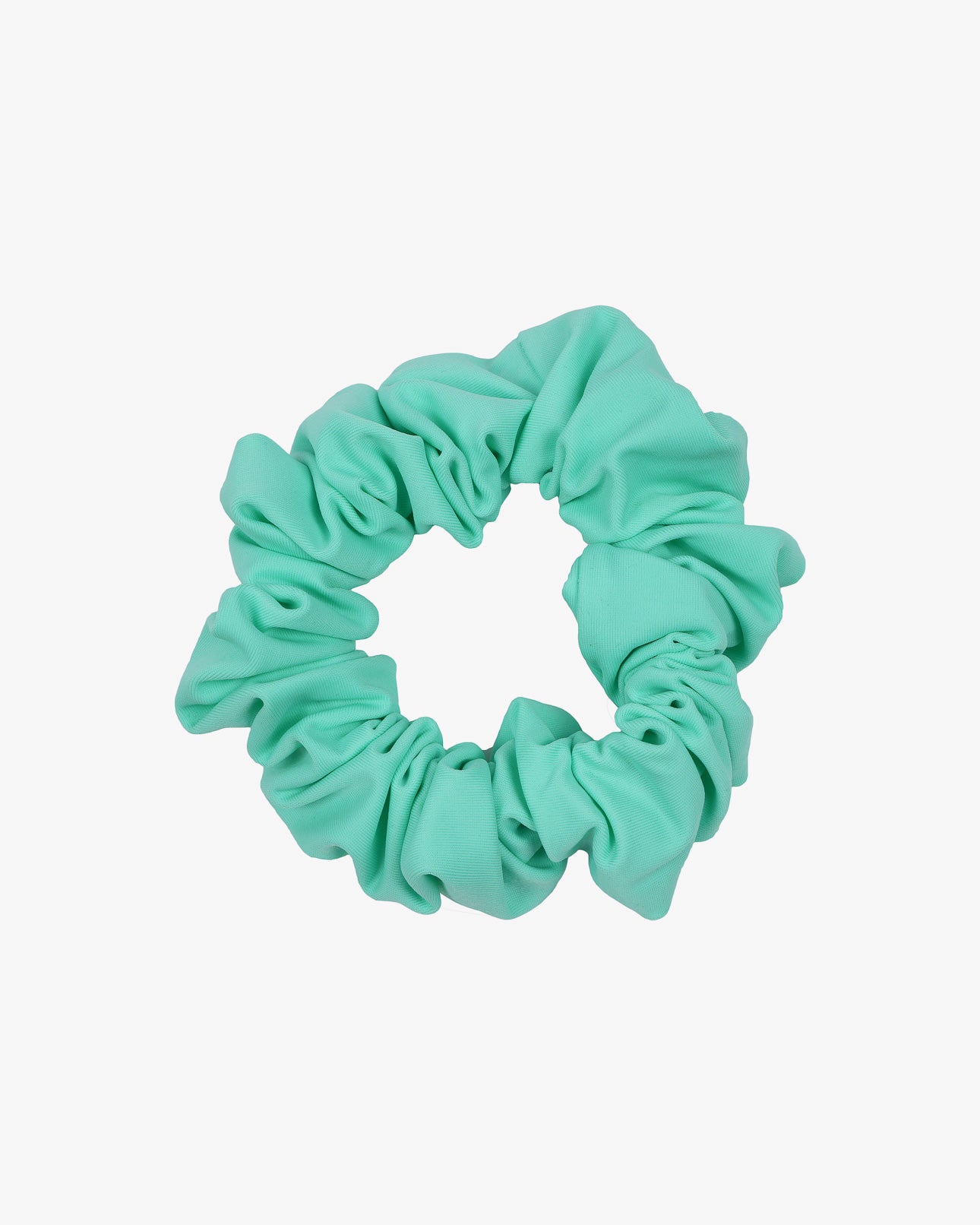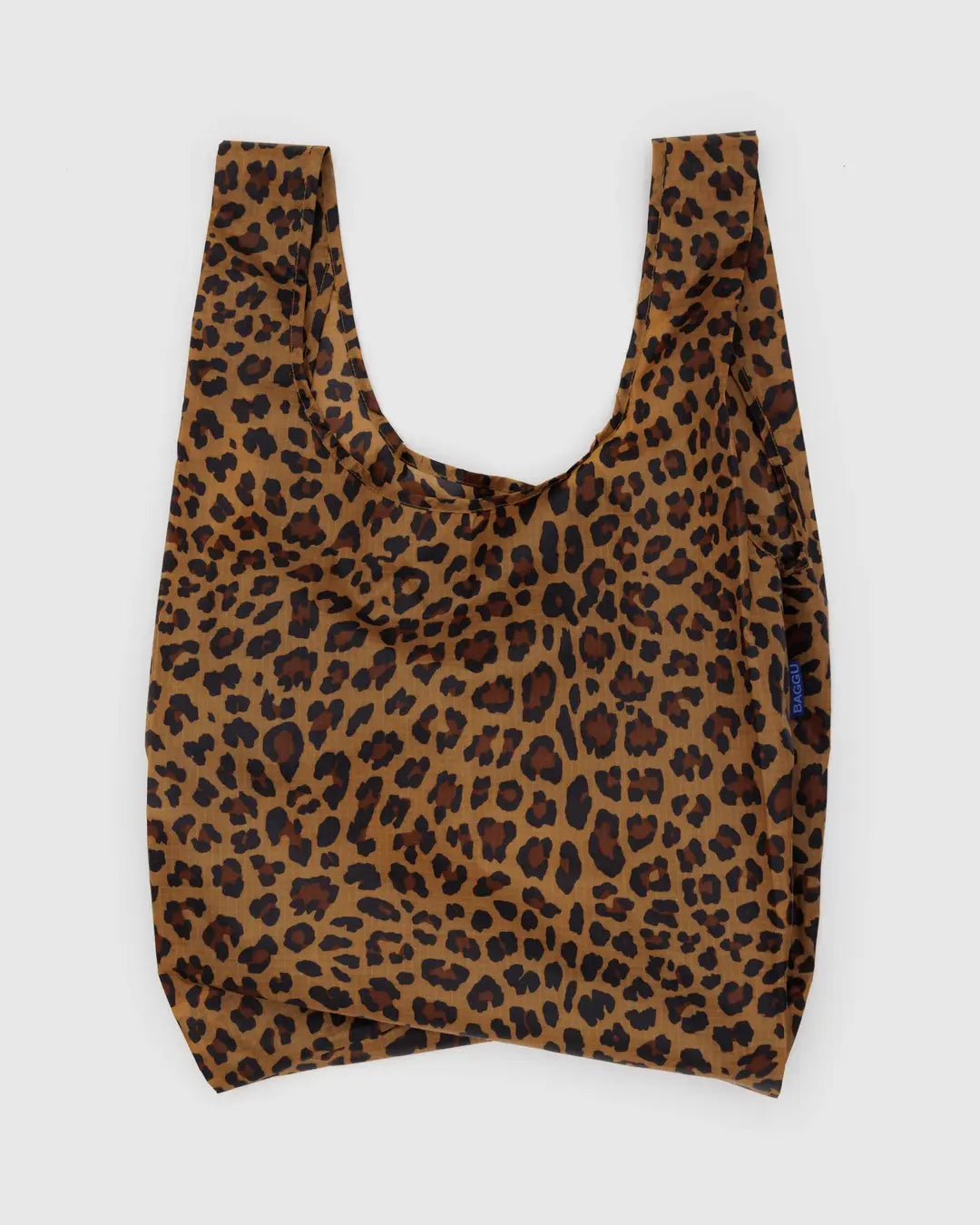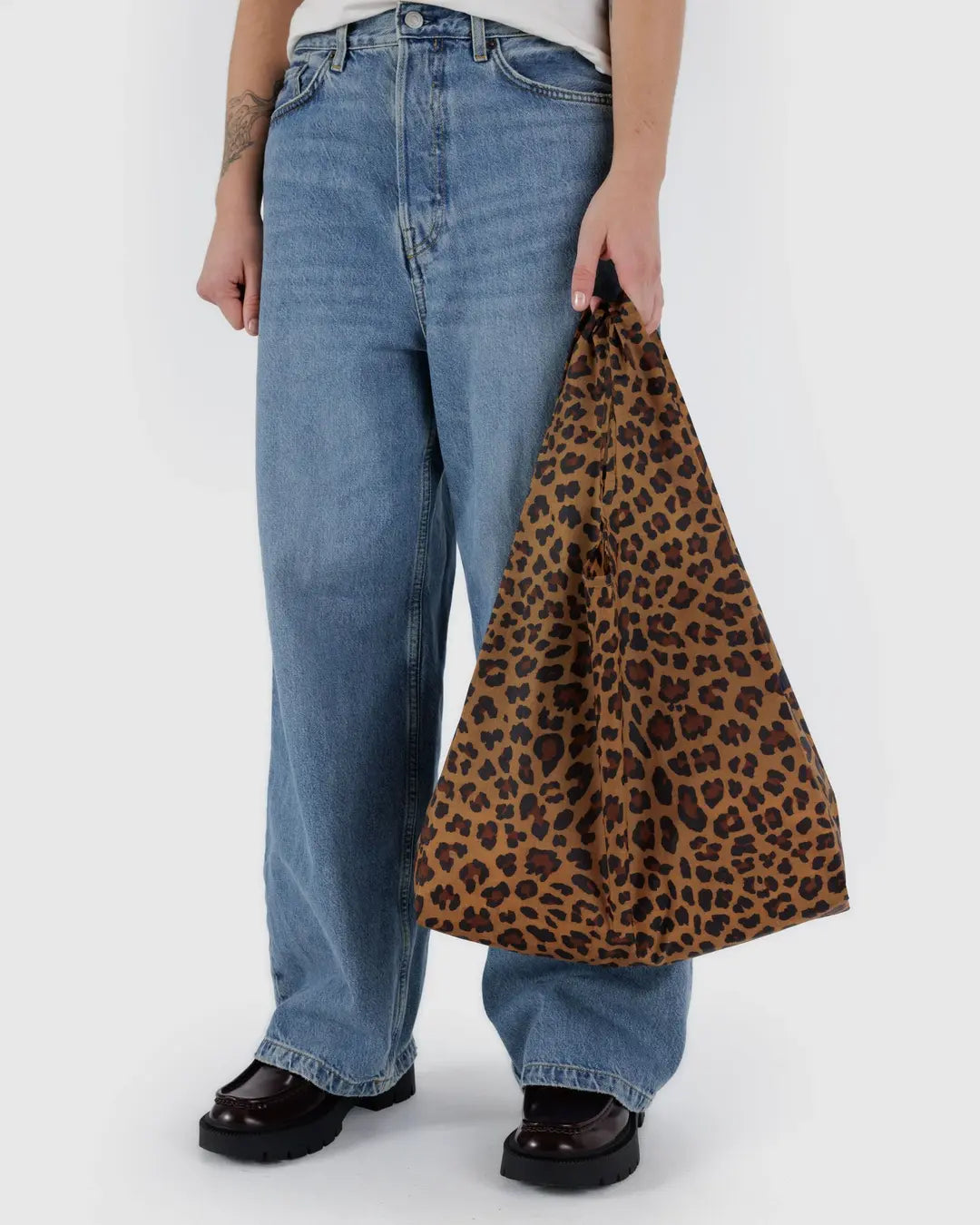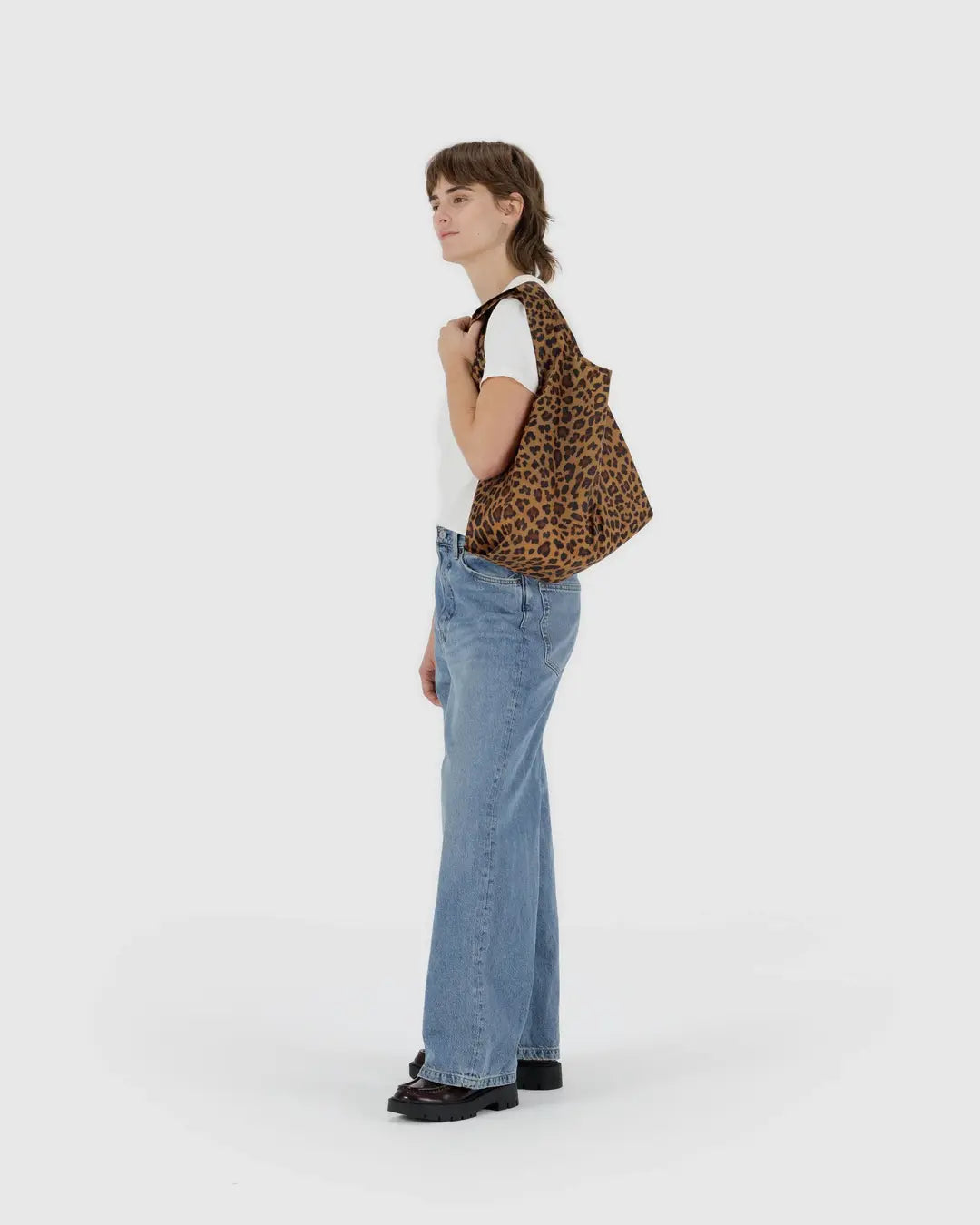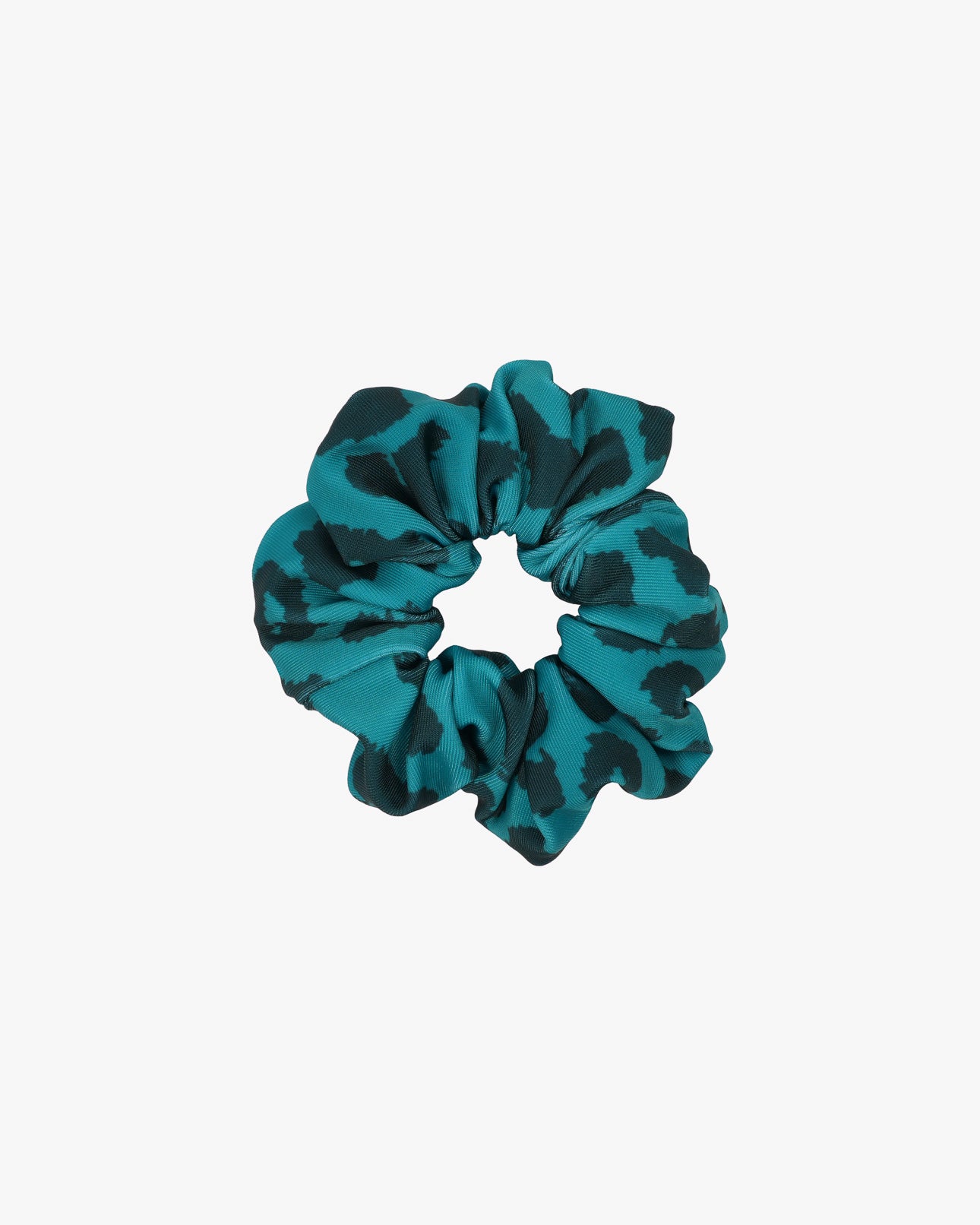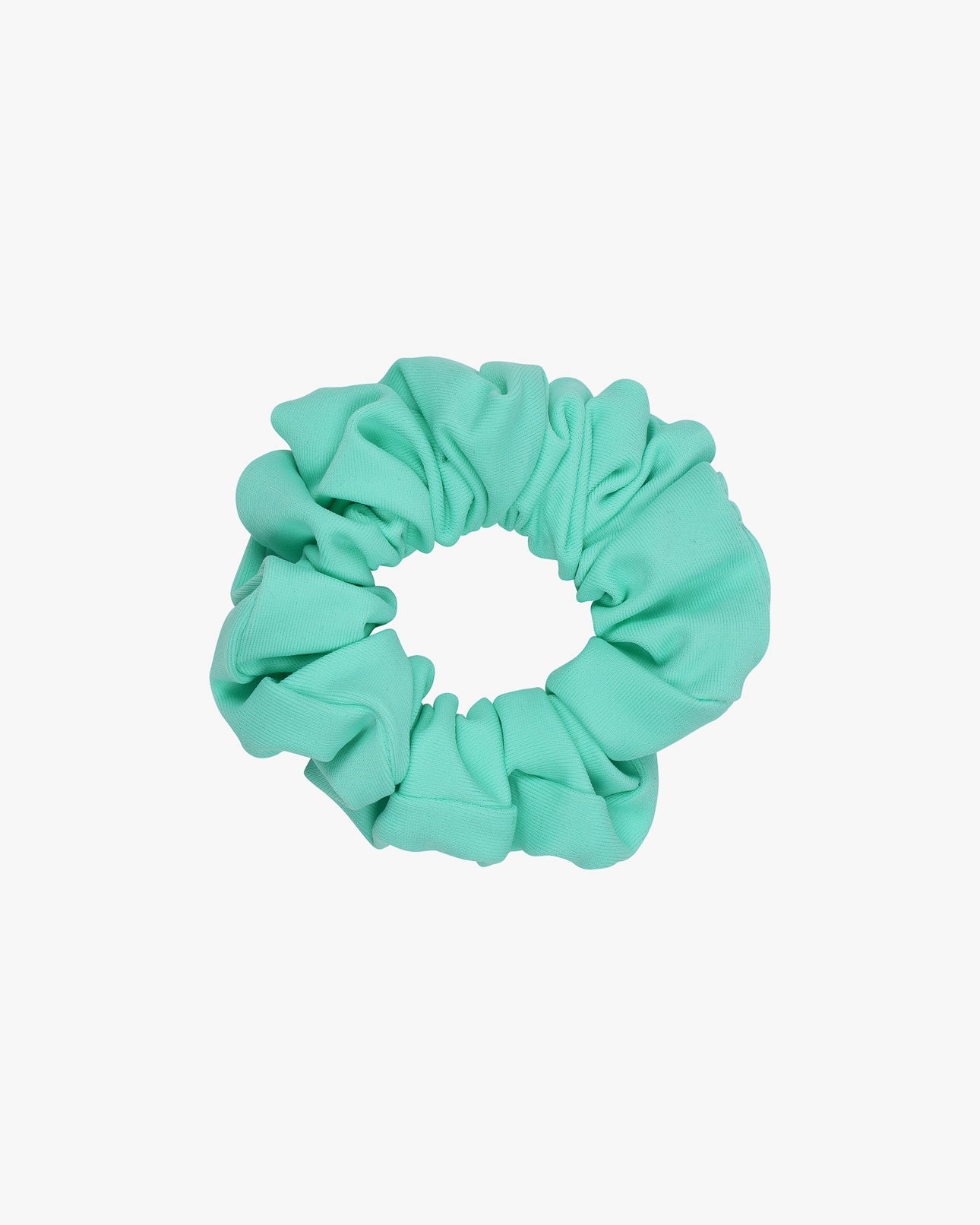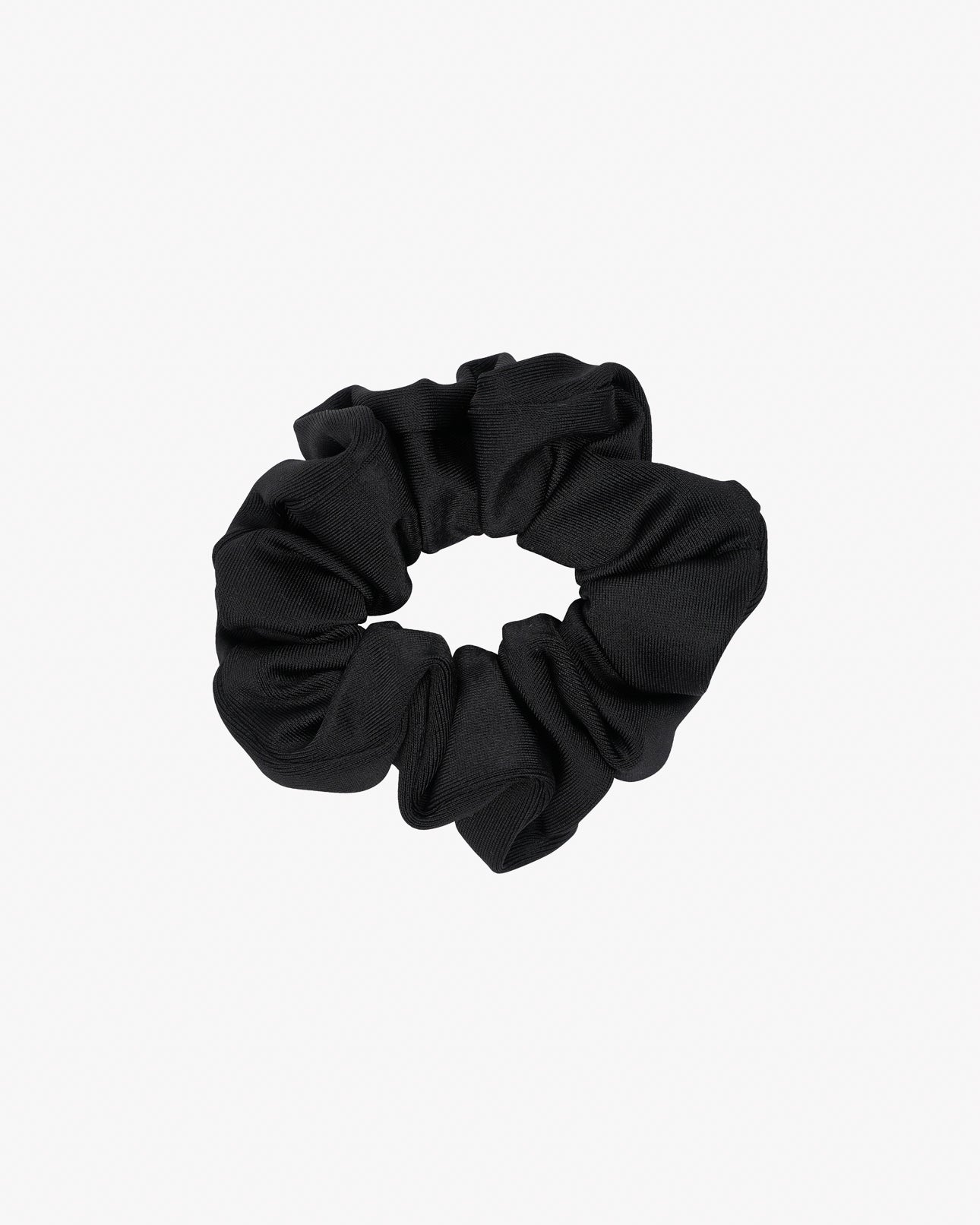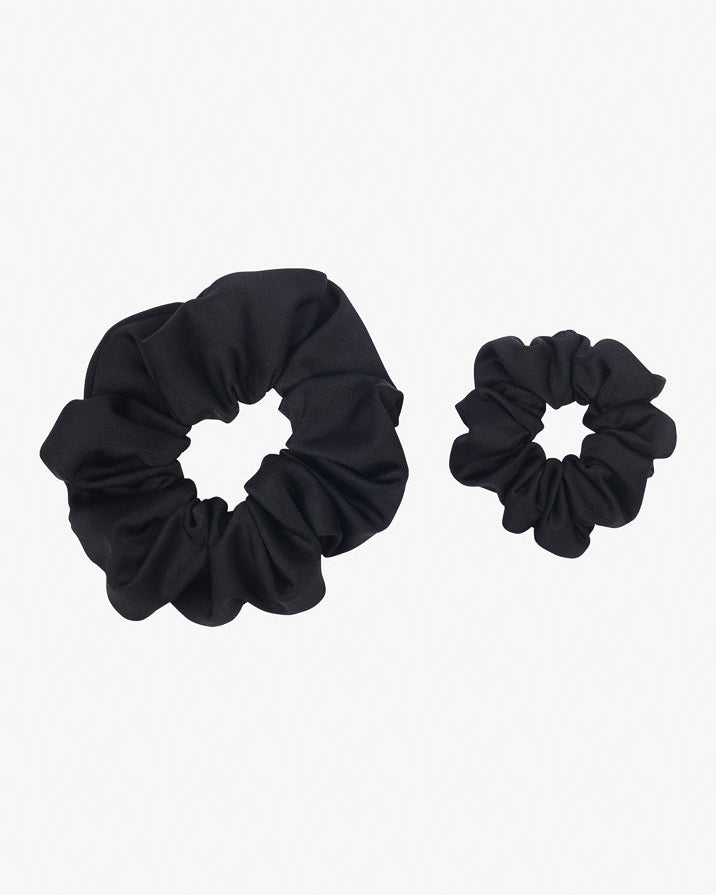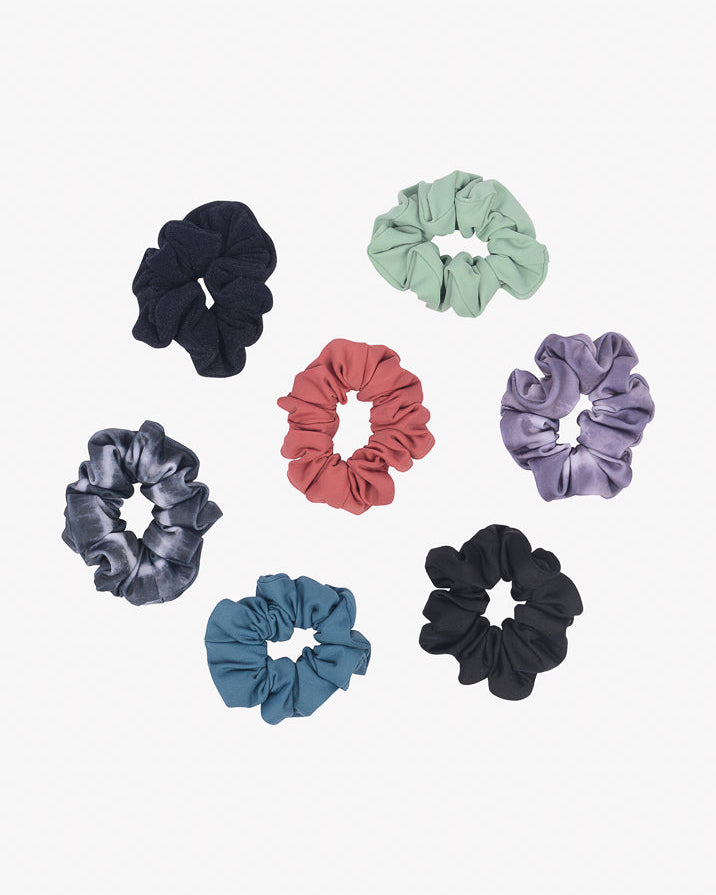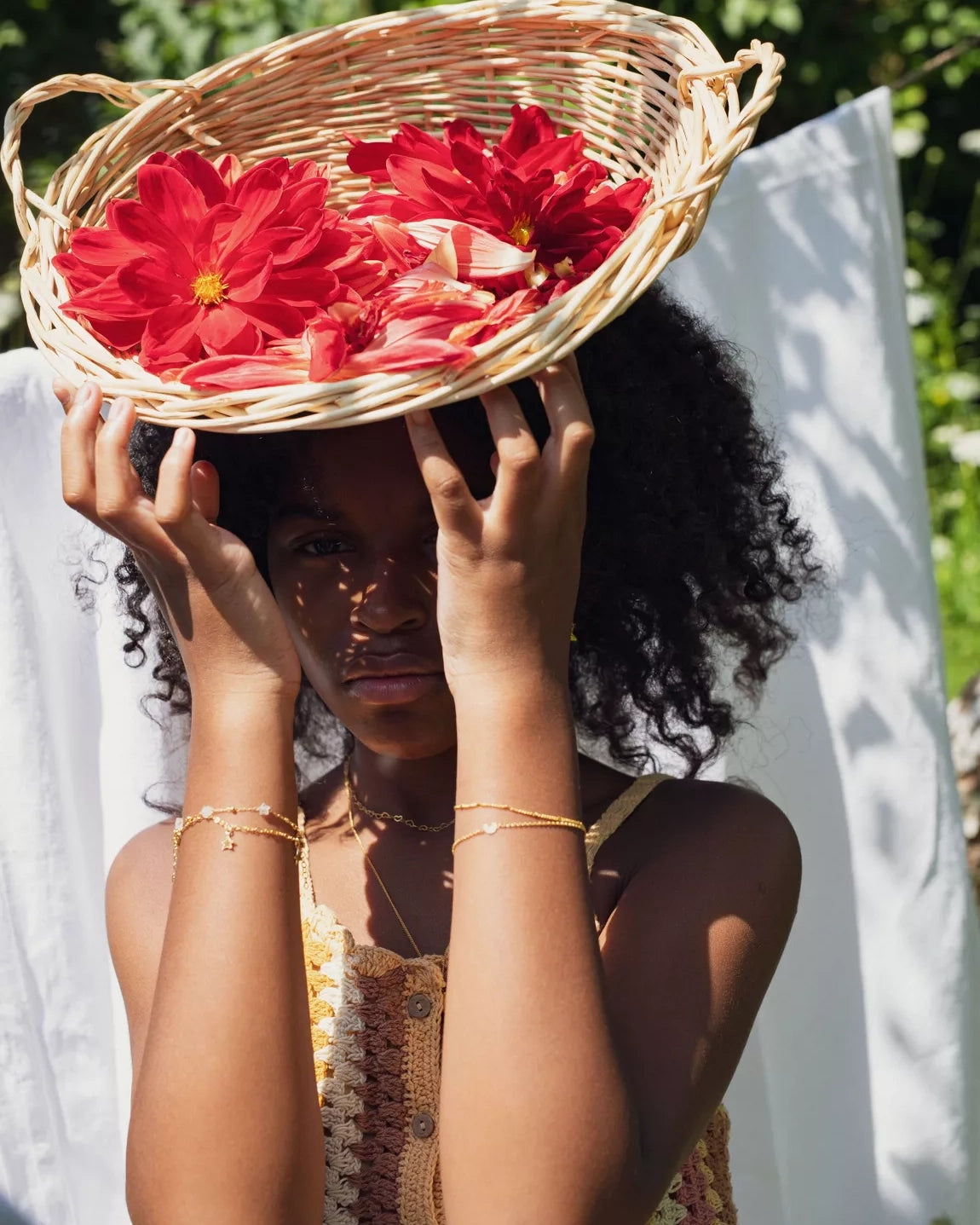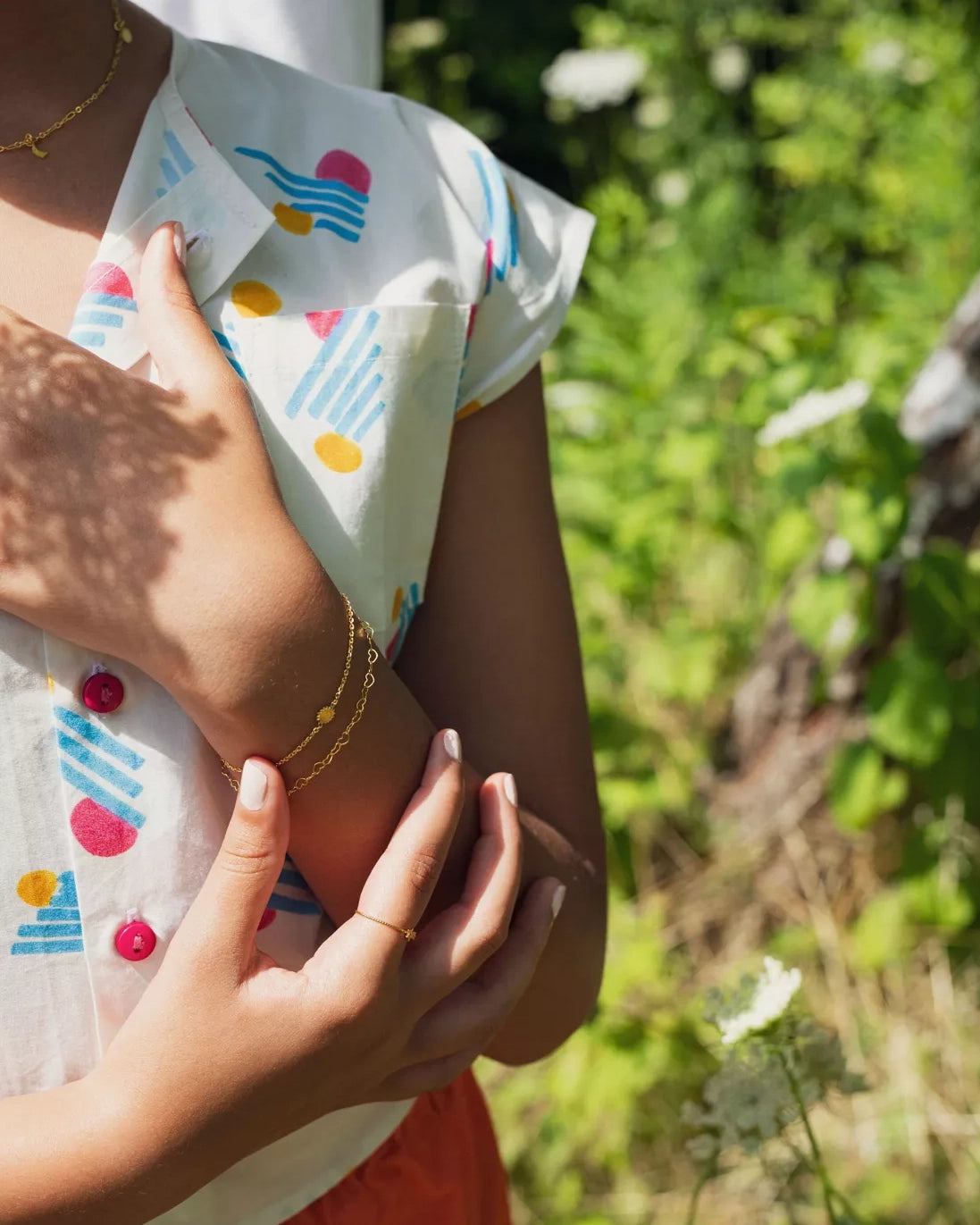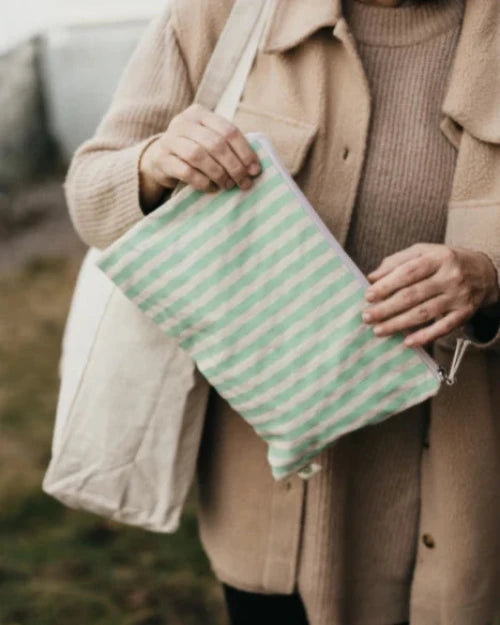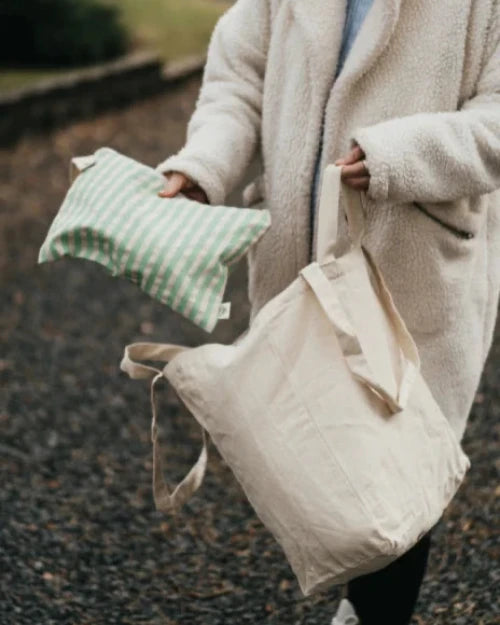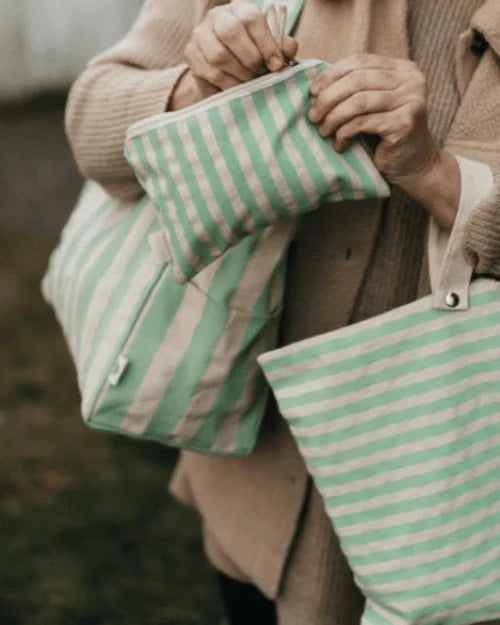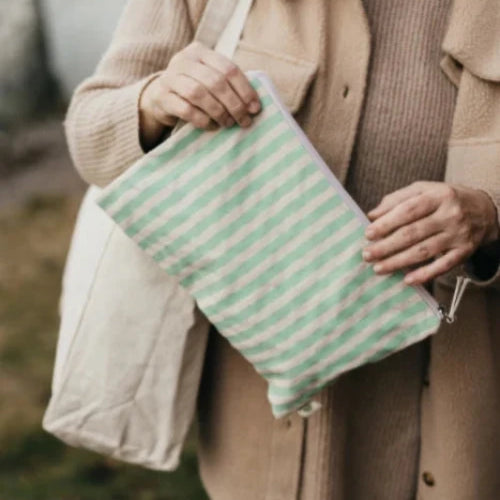


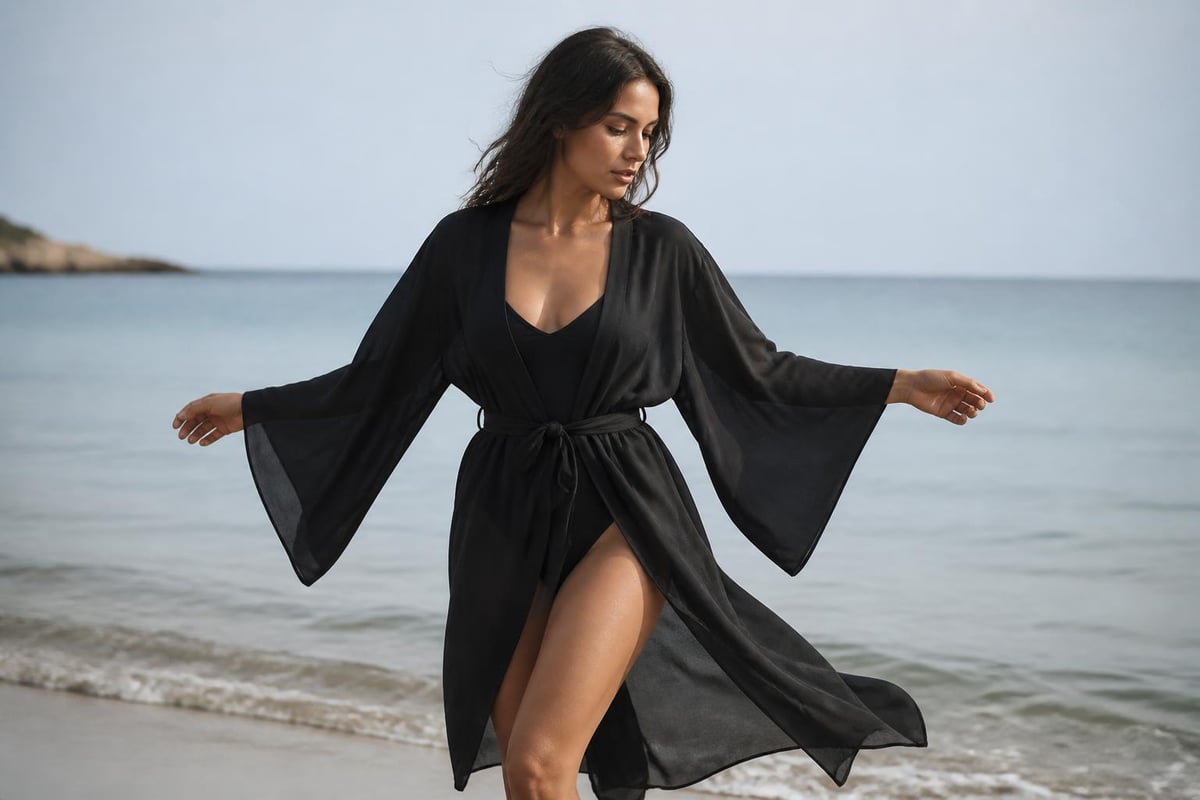
A kimono bathrobe combines Japanese aesthetics with practical functionality, becoming an indispensable companion for all who love water. Unlike heavy terrycloth robes, it caresses the body with light elegance and dries in minutes. It fits into any beach bag, takes up hardly any space, and transforms the post-swim moment into a small ritual of mindfulness. Whether by the pool, after surfing, or as an airy layer for warm evenings – this versatile companion makes every day a little more summery.
Why a Kimono Bathrobe Is Different
The classic terrycloth bathrobe has its place, but for active people, it quickly shows its limitations. It's heavy, takes forever to dry, and fills half your suitcase.
A kimono bathrobe, on the other hand, rethinks functionality. It is made from light, breathable materials like linen, cotton, or innovative recycled fibers. Its open cut allows maximum air circulation, while the fabric gently absorbs moisture without becoming saturated.
The Special Cut
The name already gives it away: the inspiration comes from traditional Japanese clothing. Wide sleeves, a loose drape, and the characteristic wrap closure define the design.
What makes the cut so special:
- Freedom of movement: No restrictive seams or rigid fits
- Universal size: One model fits various body shapes
- Gender-neutral: Clean lines that anyone can wear
- Layerable: Works over a bikini, swimsuit, or on its own
The loose silhouette flatters every body without hiding it. It emphasizes the natural form while providing room to breathe.
Materials That Make Sense
Sustainability begins with the choice of fabric. A good kimono bathrobe relies on fibers that respect the environment and still perform.
Natural Fibers Versus Synthetics
| Material | Advantages | Disadvantages | Sustainability |
|---|---|---|---|
| Organic Cotton | Soft, absorbent, skin-friendly | Slow drying | High with organic certificate |
| Linen | Robust, antibacterial, quick-drying | Wrinkles easily | Very high, low water usage |
| Recycled Polyester | Ultralight, quick-drying | Microplastic issue | Medium, uses waste |
| Tencel/Lyocell | Silky, breathable, biodegradable | Higher price | High, closed loop |
The choice depends on the area of use. For frequent beach visits, quick-drying material is ideal. Those who wear the kimono bathrobe at home might appreciate the softness of organic cotton.
At MAIN Design, recycled materials are central. Each garment uses resources that already exist, giving them a second life. This significantly reduces the ecological footprint.
Weight and Packability
An ideal travel companion weighs less than 300 grams and can be rolled up to the size of a T-shirt. This makes the difference between "just fits" and "I'll take two."
Practical Guidelines:
- Ultralight: 150-200g – perfect for backpacking and minimal packers
- Standard: 200-300g – balanced comfort and weight
- Comfort: 300-400g – more substance, still travel-friendly
Styling for Every Occasion
The kimono bathrobe shows its true strength in its versatility. It is not just functional coverage, but a statement piece for the entire summer day.
From the Pool to the City
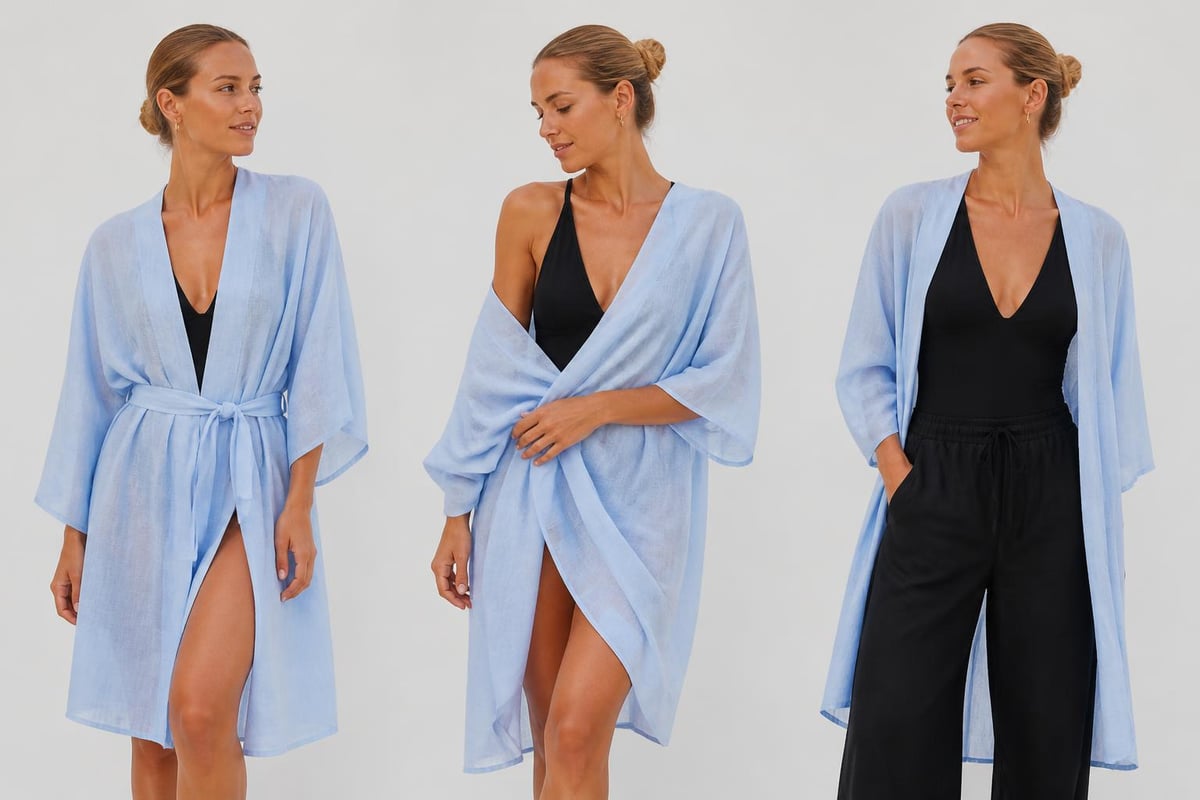
By the water in the morning, at the cafe in the afternoon, during sundowners in the evening – a well-chosen kimono handles every transition. Over a bikini, it becomes a casual cover-up; over shorts and a top, it's an urban layer.
The open front allows for endless styling variations. Let it hang loose for maximum lightness. Cinch it with a belt for more definition. Drape it asymmetrically for an unconventional touch.
Thoughtful Color Choice
Light natural tones reflect sunlight and keep you cooler. Earthy shades suit any setting and hide small stains. Deep colors like indigo or forest green appear more elegant and suitable for evenings.
Color strategies for different types:
- The Purist: White, sand, linen – timeless and combinable
- The Nature Lover: Terracotta, olive green, ocean blue
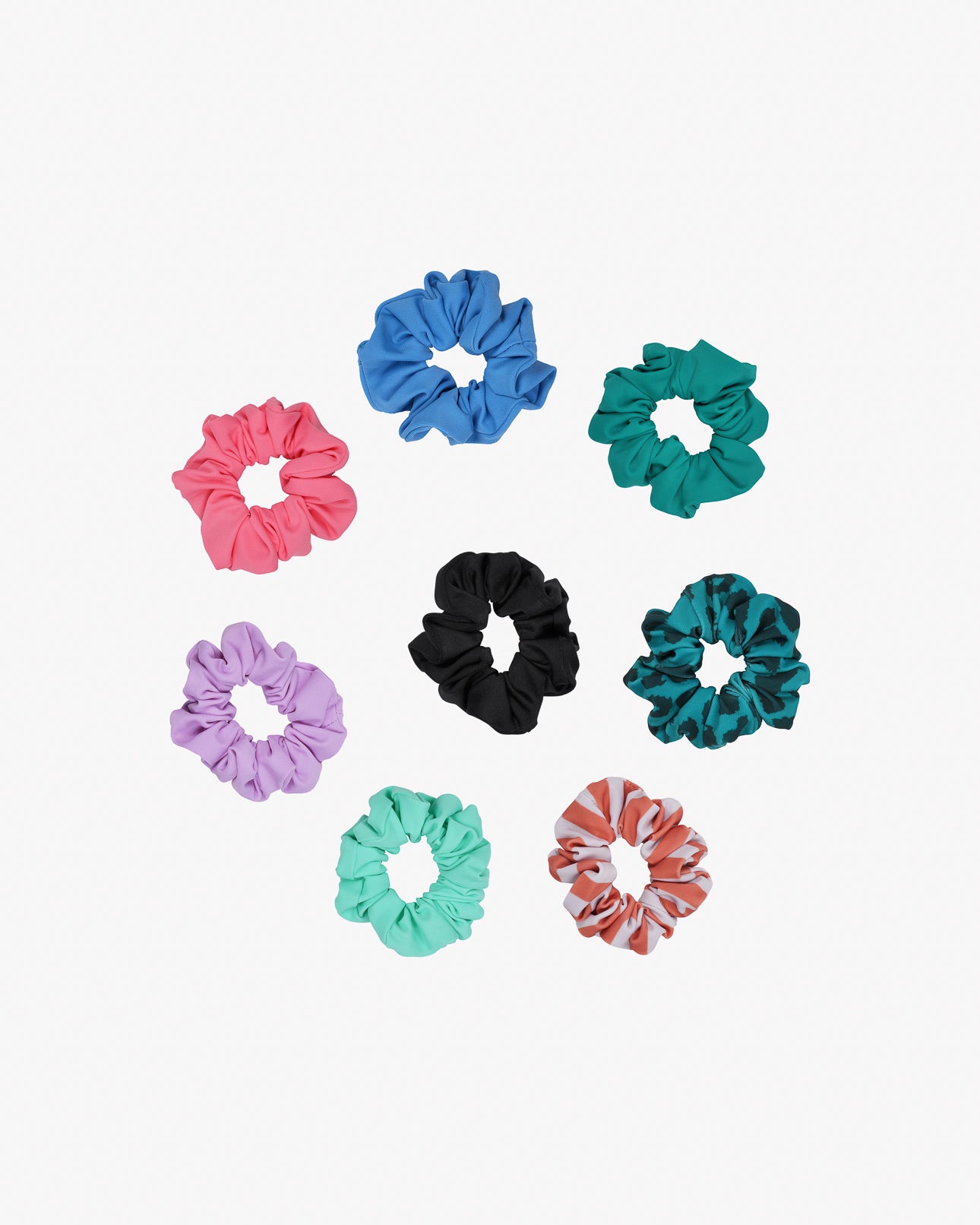
- The Brave: Coral, turquoise, saffron
- The Classic: Navy, black, grey
Patterns add personality. Geometric prints look modern, floral designs romantic, stripes maritime-classic.
Care Extends Lifespan
A high-quality kimono bathrobe lasts for years if you give it the right attention. Care is uncomplicated and aligns with a sustainable approach.
Washing Without the Fuss
Most models can be machine washed at 30 degrees. Natural fibers will thank you with longer durability. Avoid fabric softener – it clogs the fibers and reduces absorbency.
After a beach day, rinsing with clear water is often enough. Salt and chlorine lose their aggressive effect this way. Hang it to dry, don't tumble dry – this saves energy and protects the fibers.
Care Calendar:
- After each use: Shake out, air out
- Every 3-5 days with intensive use: Wash
- Monthly: Let it dry thoroughly
- Seasonally: Check for small damages, repair if needed
Storage Between Seasons
When summer ends, your kimono bathrobe deserves a worthy place. Let it dry completely, fold it loosely, or hang it. Lavender sachets keep moths away and leave a subtle scent.
Avoid plastic bags – they trap moisture. Cotton fabric bags let it breathe. Next spring, it will be ready for new adventures.
For Children and Families
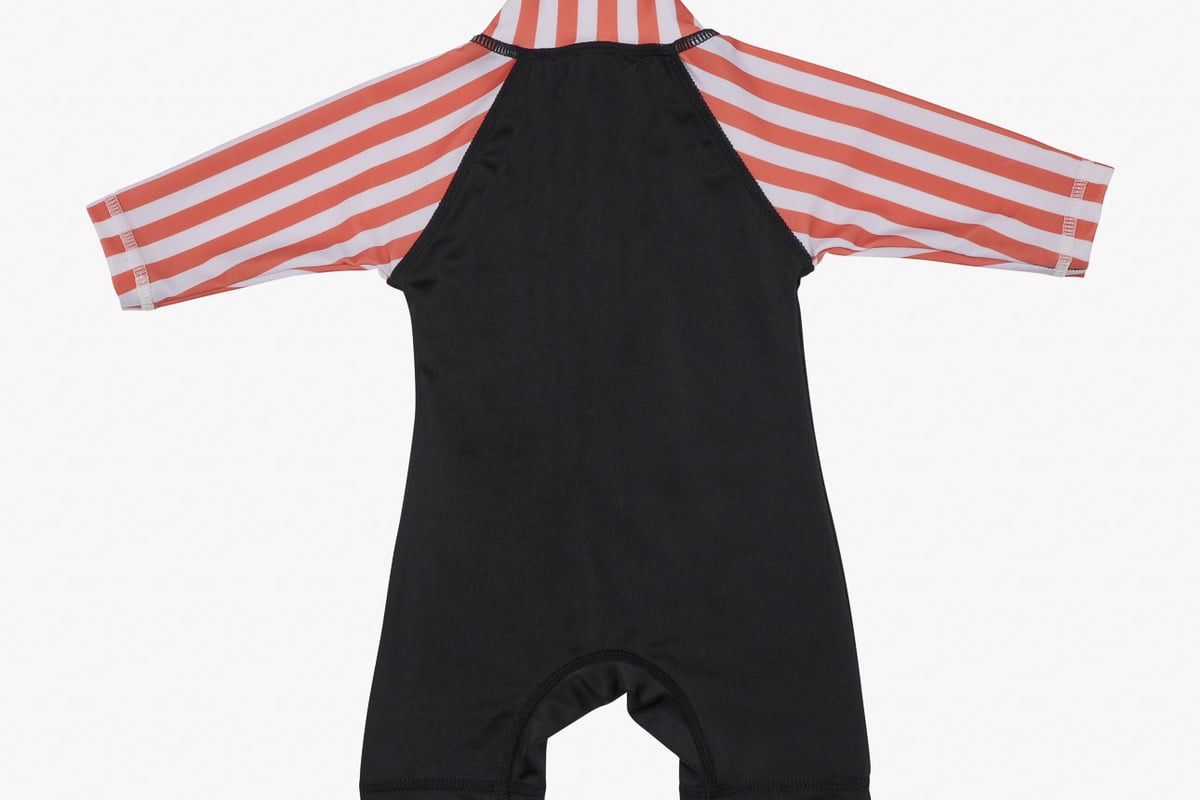
Little ones need great freedom of movement. A kimono-style cover-up grows with them, can withstand wild play, and dries faster than any child can sit still.
The children's swimwear shows how sustainable materials can accompany even the most active youngsters. Soft fabrics that don't scratch. Cuts that don't hinder digging, splashing, and climbing.
Practical Details for Family Life
- Hoods: Protect sensitive children's ears from wind
- Pockets: For shells, stones, and other treasures
- Contrasting colors: Make it easier to find on a crowded beach
- Name tags: Prevent mix-ups in swimming classes
A children's kimono often weighs less than 100 grams. This means they can carry it themselves, instead of mom or dad having to lug it around.
The Kimono as a Life Companion
Some clothes are just there. Others become stories. A good kimono bathrobe falls into the second category.
It reminds you of the surf trip to Portugal, where the waves were perfect and the sun shone forever. Of the mountain lake, whose water was so cold it made your skin tingle. Of the pool in your own garden, where you finally had time to finish a book.
Feel Quality, Not Just See It
When you hold a kimono bathrobe in your hands, the feel tells its story. Are the seams neatly finished? Do the seams lie flat? Does the fabric feel pleasant, or does it scratch?
Quality features in detail:
| Feature | Good | Better | Best Choice |
|---|---|---|---|
| Seams | Simple | Double-stitched | French seam |
| Ties | Attached | Double reinforced | Removable/washable |
| Hems | Machine-made | Hand-finished | Rolled hem |
| Colorfastness | 3-5 washes | 10+ washes | Stable for years |
Investing in quality pays off. A cheap kimono costs 20 Euros and lasts one season. A high-quality one costs 80 Euros and accompanies you for five summers. The math clearly works out.
Making Sustainable Choices
Every purchase is a vote for the world you want to live in. A kimono bathrobe made from recycled materials reduces plastic waste in the oceans. Organic cotton protects soil and water resources. Fair production provides dignified working conditions for people.
The kimonos and cover-ups at MAIN Design consistently follow this principle. Every item is created with respect for nature and the people who work with it.
Transparency as Standard
Where does the fabric come from? Who sewed it? How much water was used? These questions should not be secrets. Brands that take sustainability seriously share their supply chains openly.
What to look for:
- Certificates: GOTS, OEKO-TEX, Fair Trade, bluesign
- Traceability: From yarn to finished product
- Transparent pricing: What do materials, labor, and transport cost?
- Repair service: Shows long-term thinking
With every purchase from MAIN Design, you support Healthy Seas, an initiative that removes ghost nets from the oceans. These are abandoned fishing nets that become deadly traps for marine life.
Versatility in Everyday Life
A kimono bathrobe doesn't just belong by the water. It becomes a light jacket for cool summer evenings, a morning robe while camping, an elegant cover over your yoga outfit.
Beyond Swimwear
After swimming, you slip into your kimono. The moisture evaporates as you walk barefoot through the sand. Later at the cafe, you sit relaxed, as if you had always planned this outfit.
Combining it with activewear works effortlessly. Over a sports bra and leggings, the kimono becomes an urban layer. The flowing silhouette perfectly contrasts structured sports pieces.
Traveling Light
Minimalist packing is an art. The kimono bathrobe is your multi-tool in your suitcase: bathrobe, jacket, beach dress, pajama substitute. One item, four functions, zero compromises.
The essentials for two weeks:
- One versatile kimono bathrobe
- Two bikini sets or swimsuits
- Three basics (shirt, shorts, dress)
- One pair of comfortable shoes
- Sun protection and accessories
Everything fits into a small backpack. You are mobile, flexible, and always well-dressed.
The Future of Bathing
Fashion evolves. What is innovative today will be standard tomorrow. The kimono bathrobe represents this development: away from the throwaway mentality, towards conscious choices.
Trends That Stay
Fast-paced fashion cycles lose importance. People are looking for items that last. That they can repair. That tell a story. The kimono bathrobe fulfills this longing for durability.
What the next few years will bring:
- Modularity: Changeable belts, detachable hoods
- Plant-based innovations: Fibers from algae, fungi, fruit waste
- Circular economy: Take-back programs, upcycling, compostability
- Personalization: Custom-made instead of standard sizes
The lines between swimwear, beachwear, and everyday wear are blurring. A good item works for everything.
Investment in Well-being
A kimono bathrobe costs more than a standard model from a department store. This difference is not a waste, but an investment in your daily experience.
It feels better on your skin. It looks better when you look in the mirror. It lasts longer and develops a patina over time instead of wear and tear. Most importantly, it aligns with your values.
The True Price
Bargains have hidden costs. Underpaid workers. Polluted rivers. Mountains of trash in landfills. This bill doesn't appear on the receipt, but someone still pays it.
When you choose consciously, you make an honest deal. You pay fairly for fair work, clean processes, and durable quality. This is not moral superiority, but simply respect.
A kimono bathrobe combines functionality with aesthetics, making every moment by the water a little more special. It shows that sustainable choices don't mean sacrifice, but rather a gain in quality and consciousness. If you're ready for swimwear and essentials that share your values, discover the collections from MAIN Design - Your Daily Dose Of Summer – where every item is made from recycled materials and a portion of the proceeds goes directly to protecting our oceans.