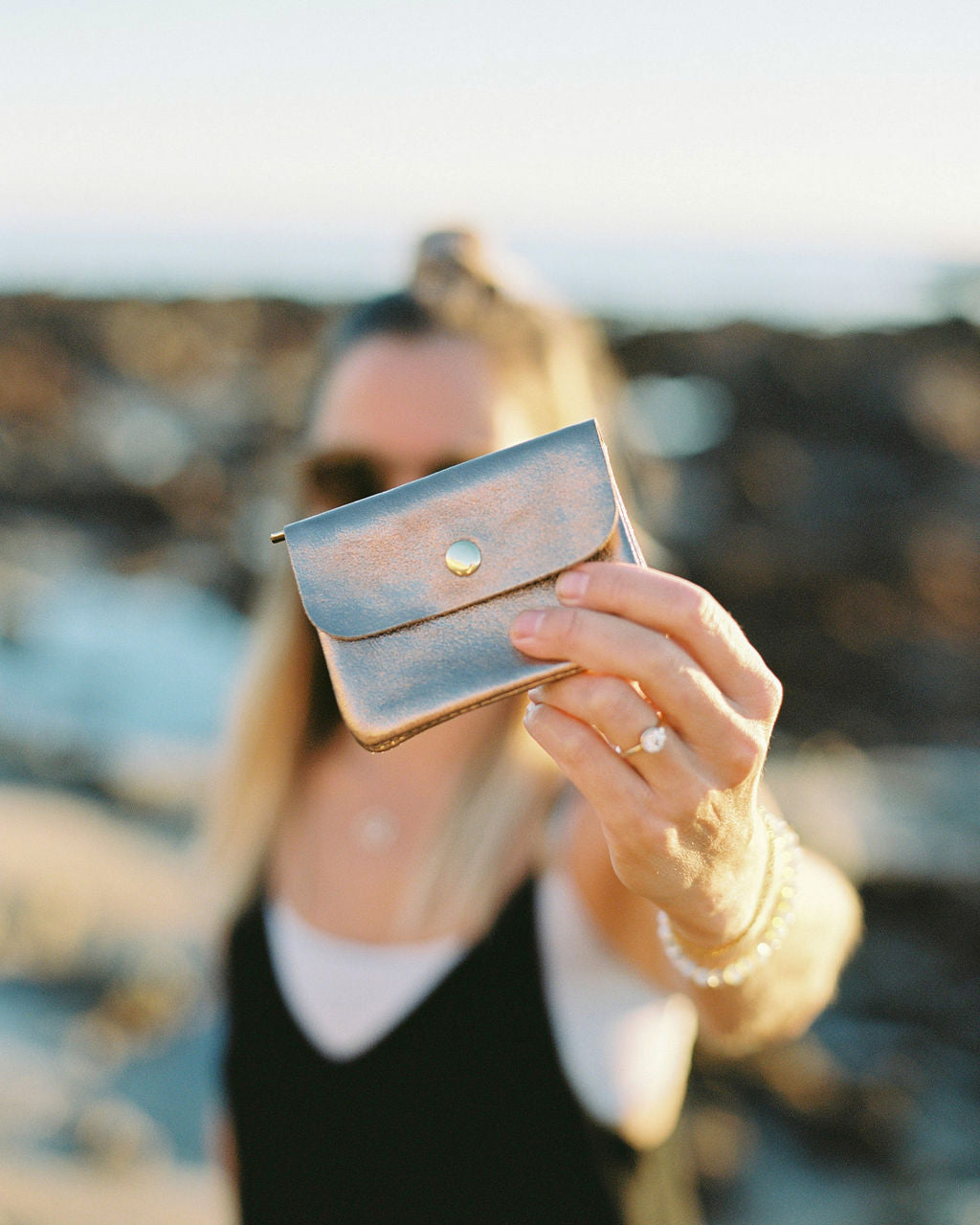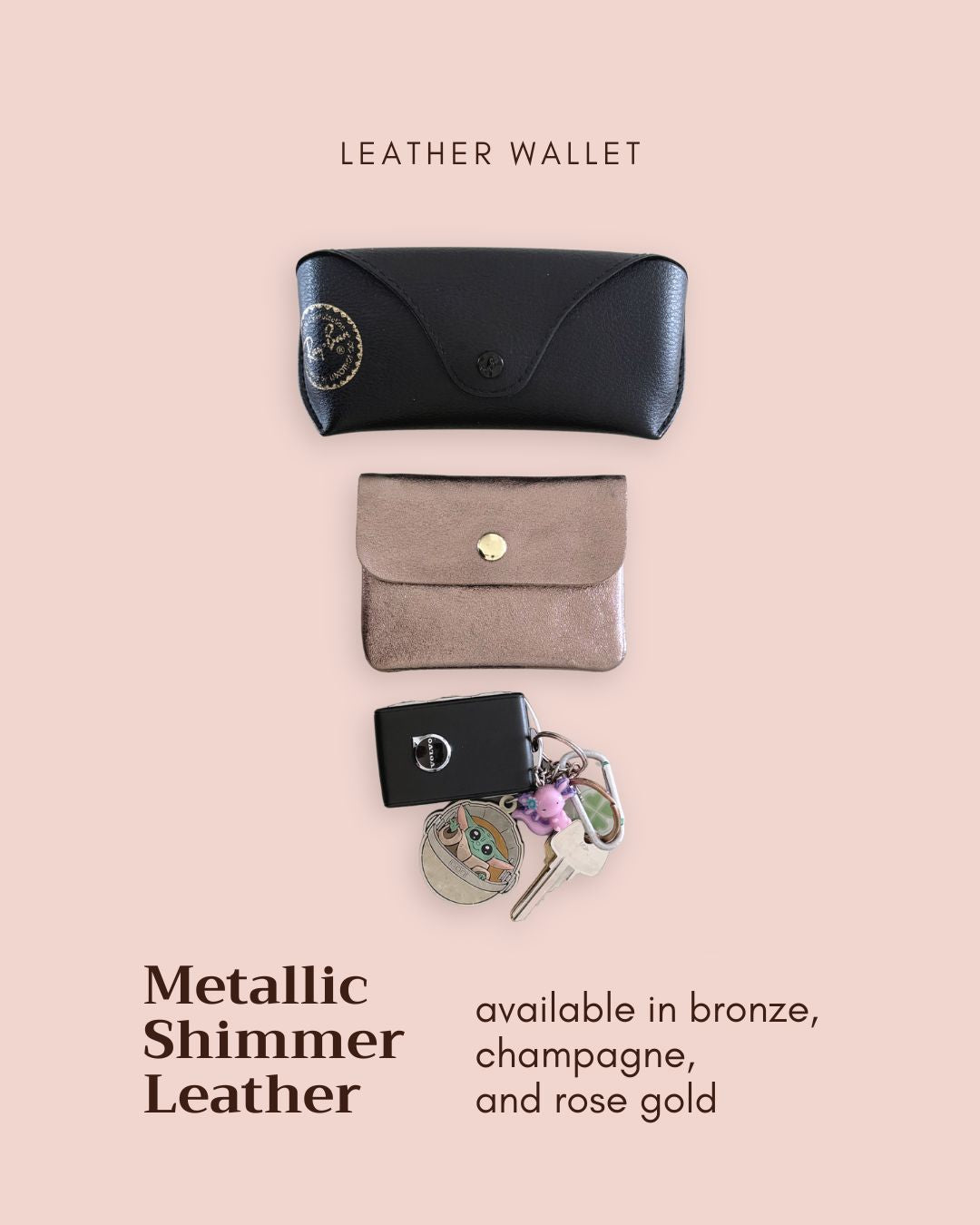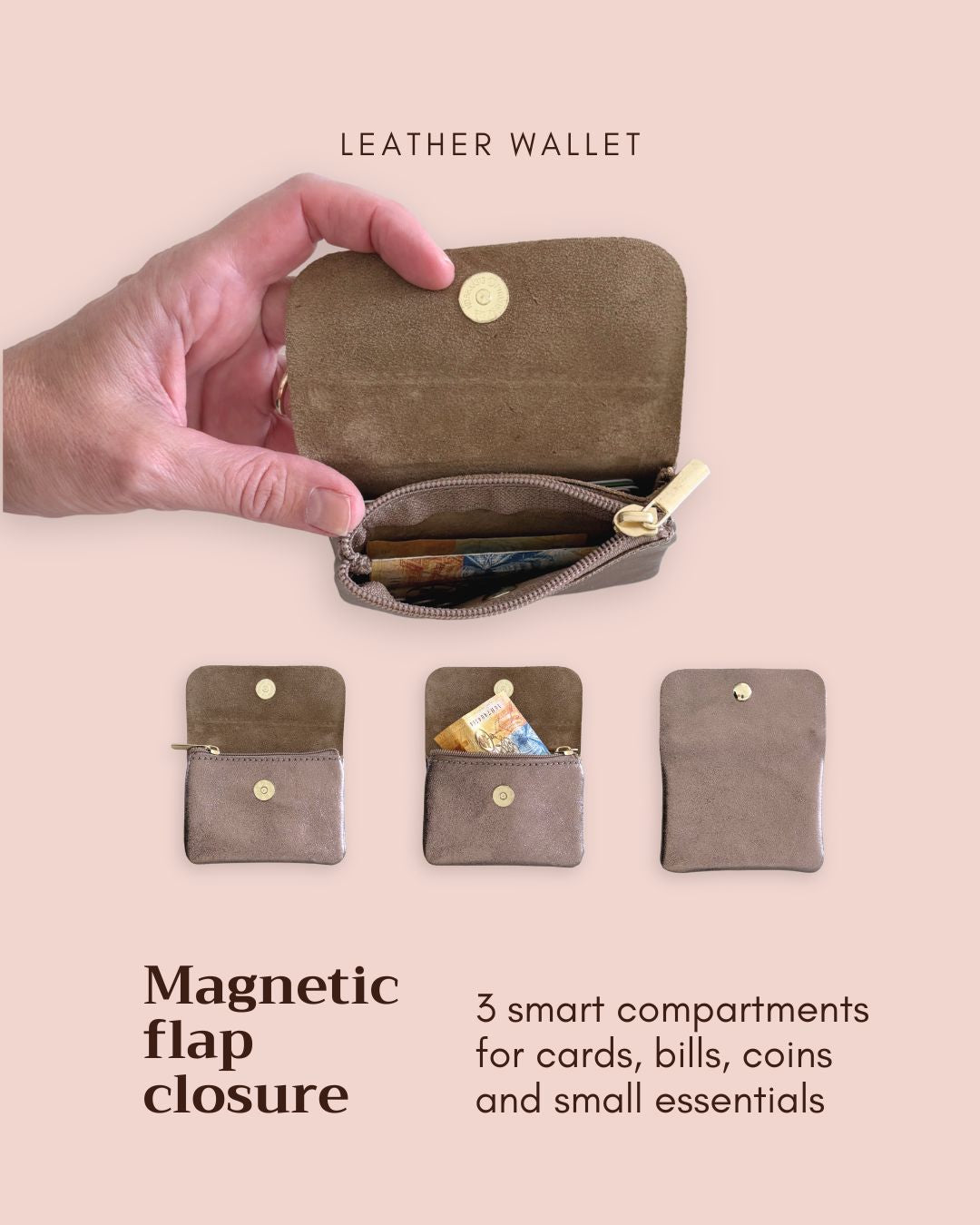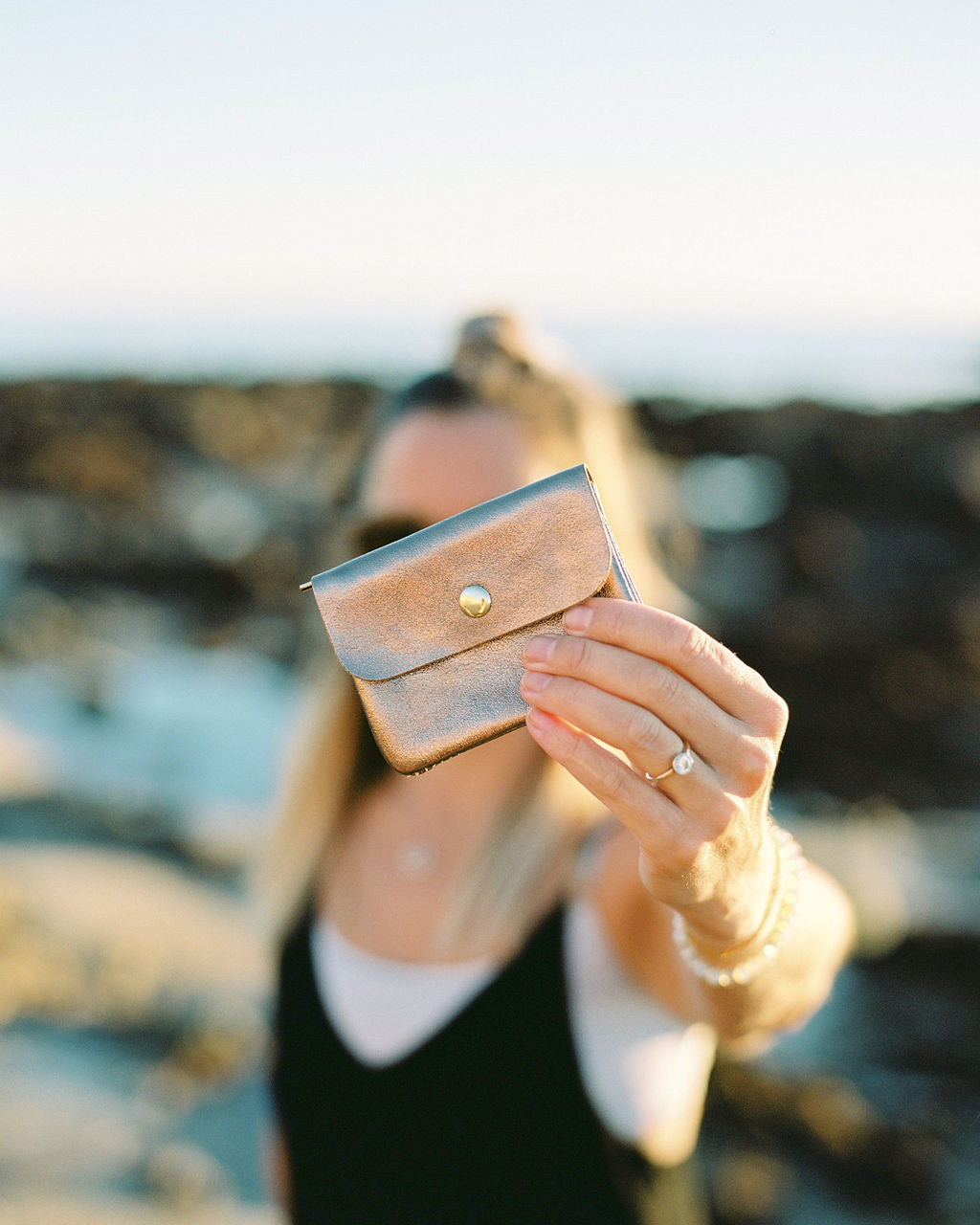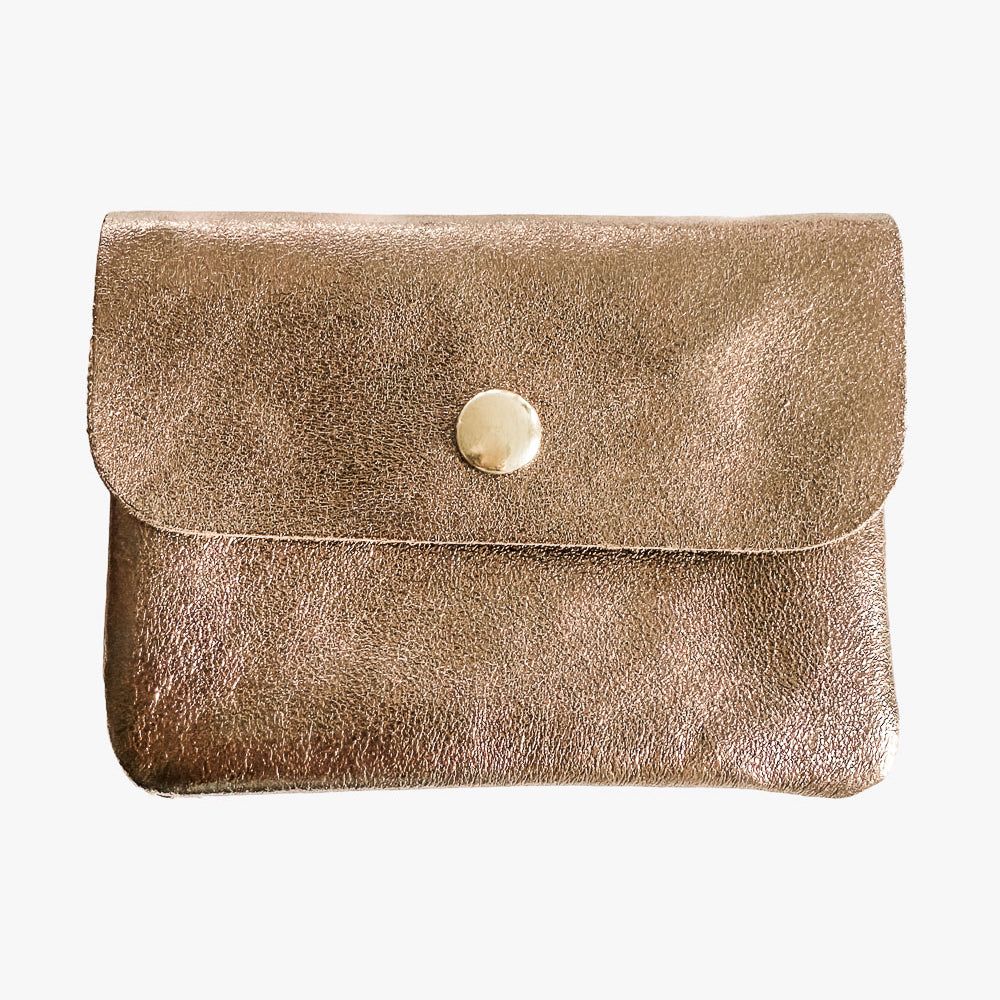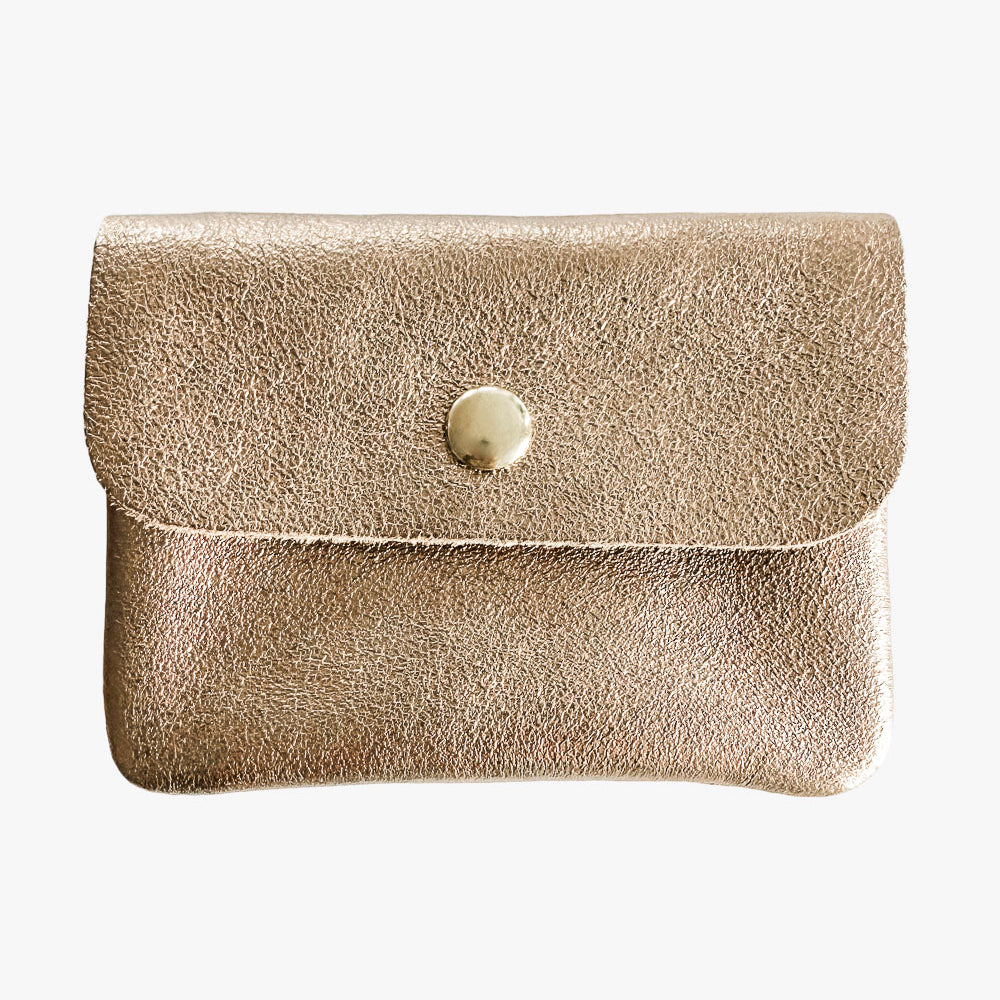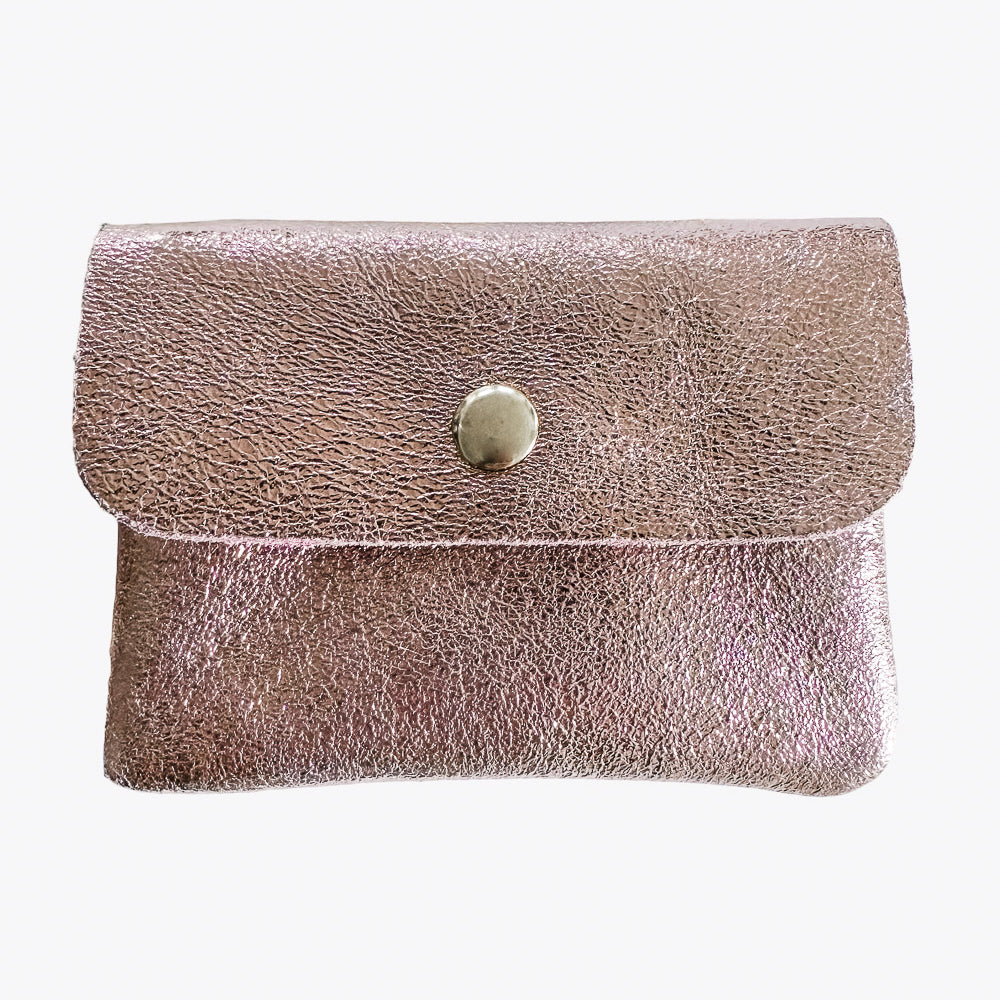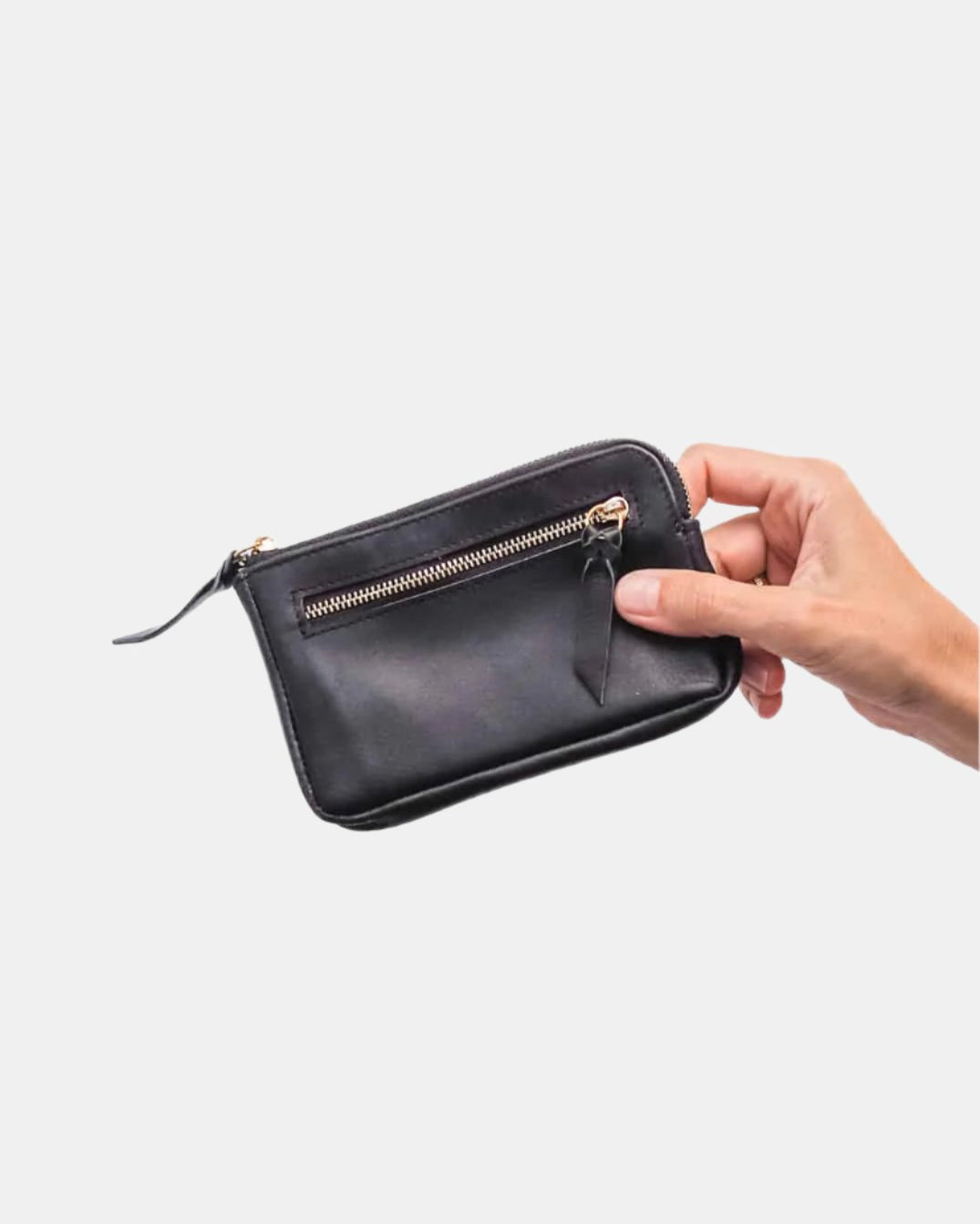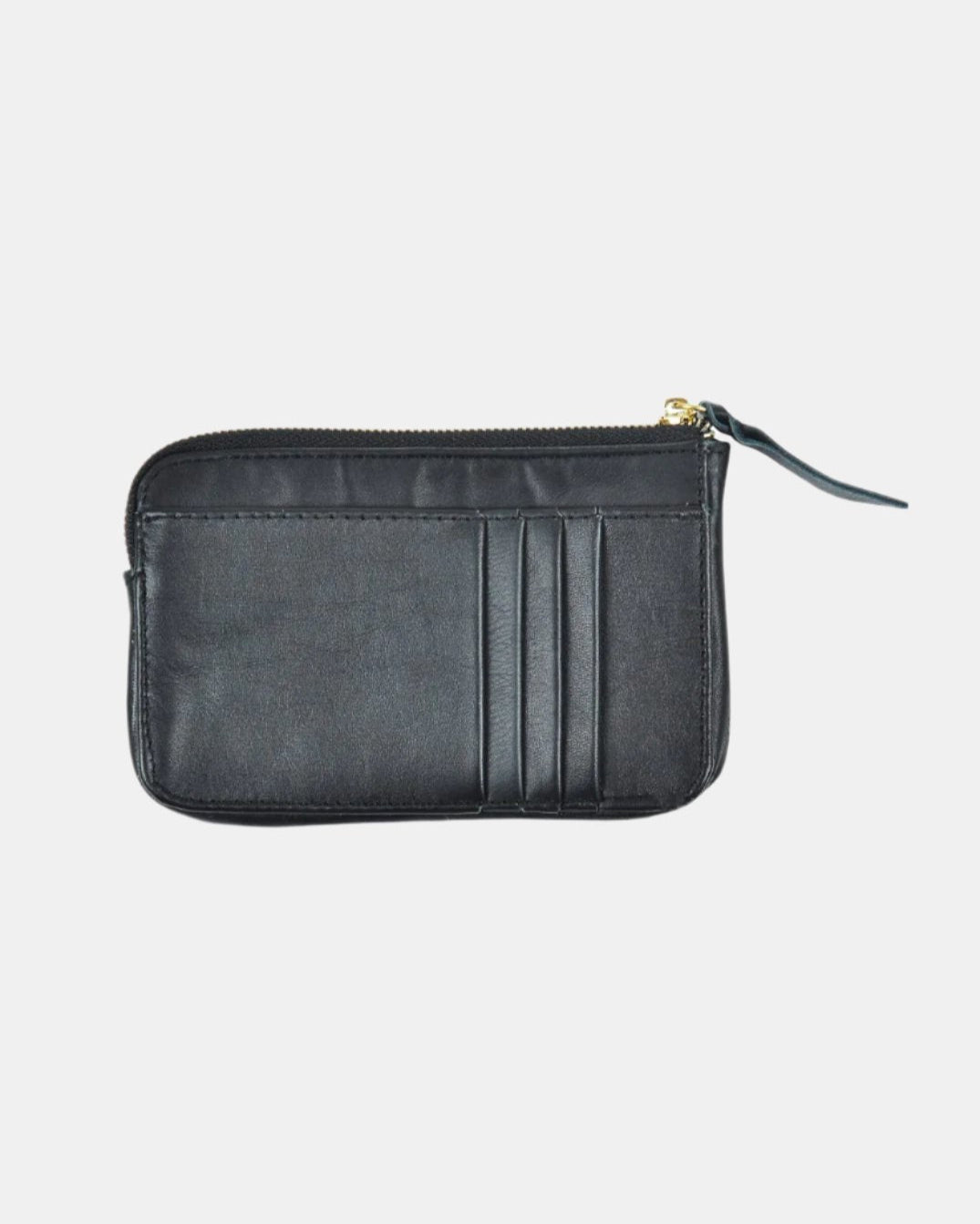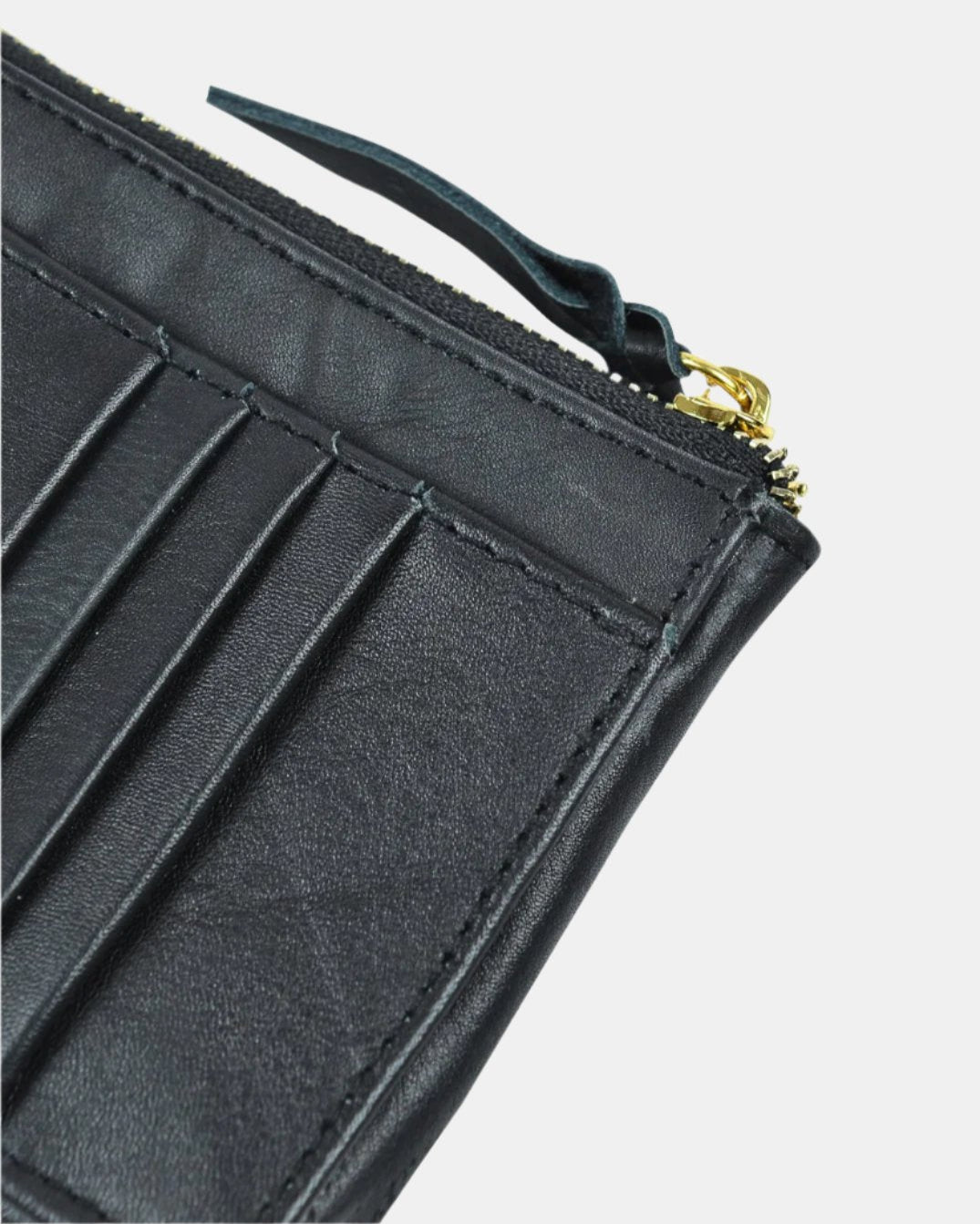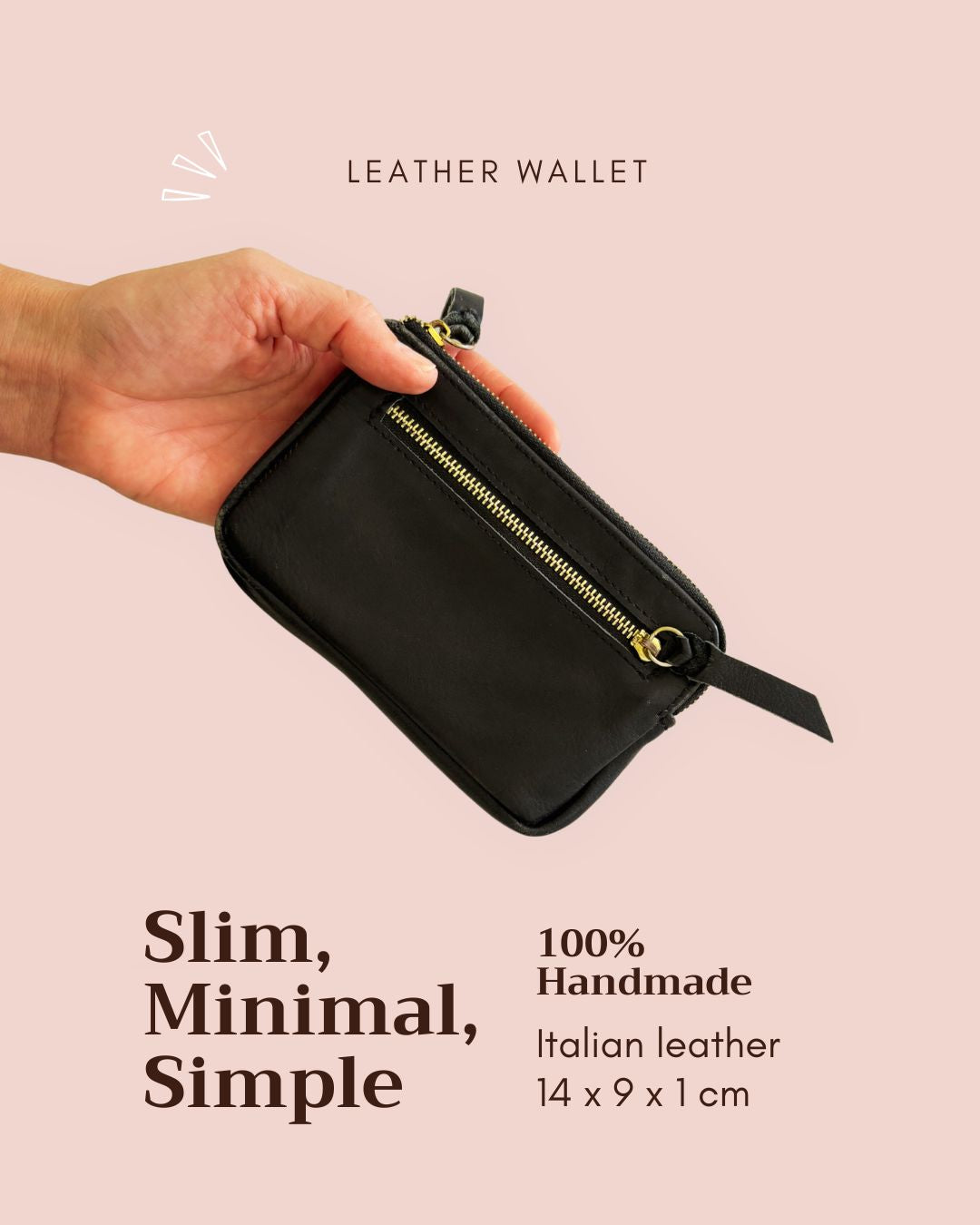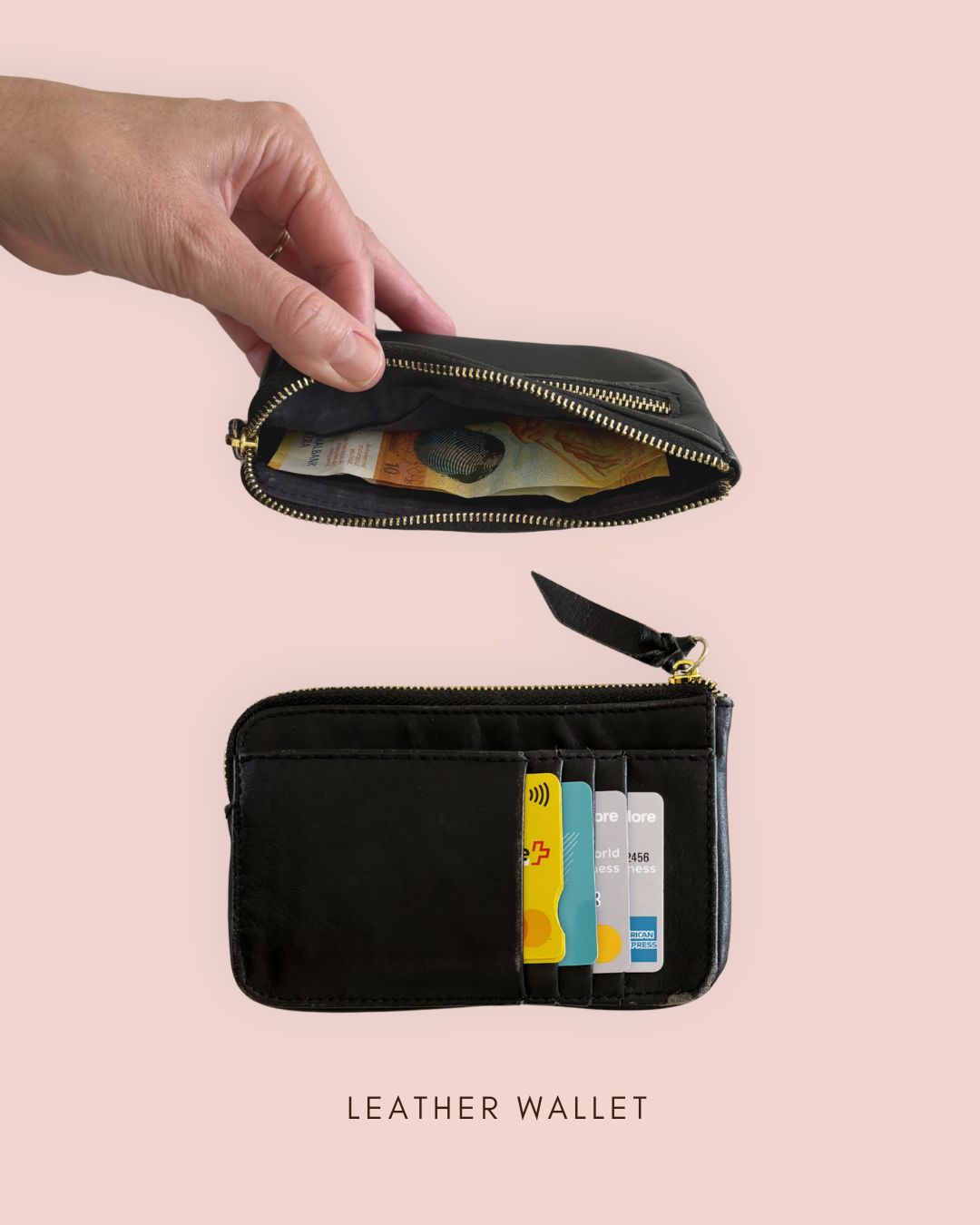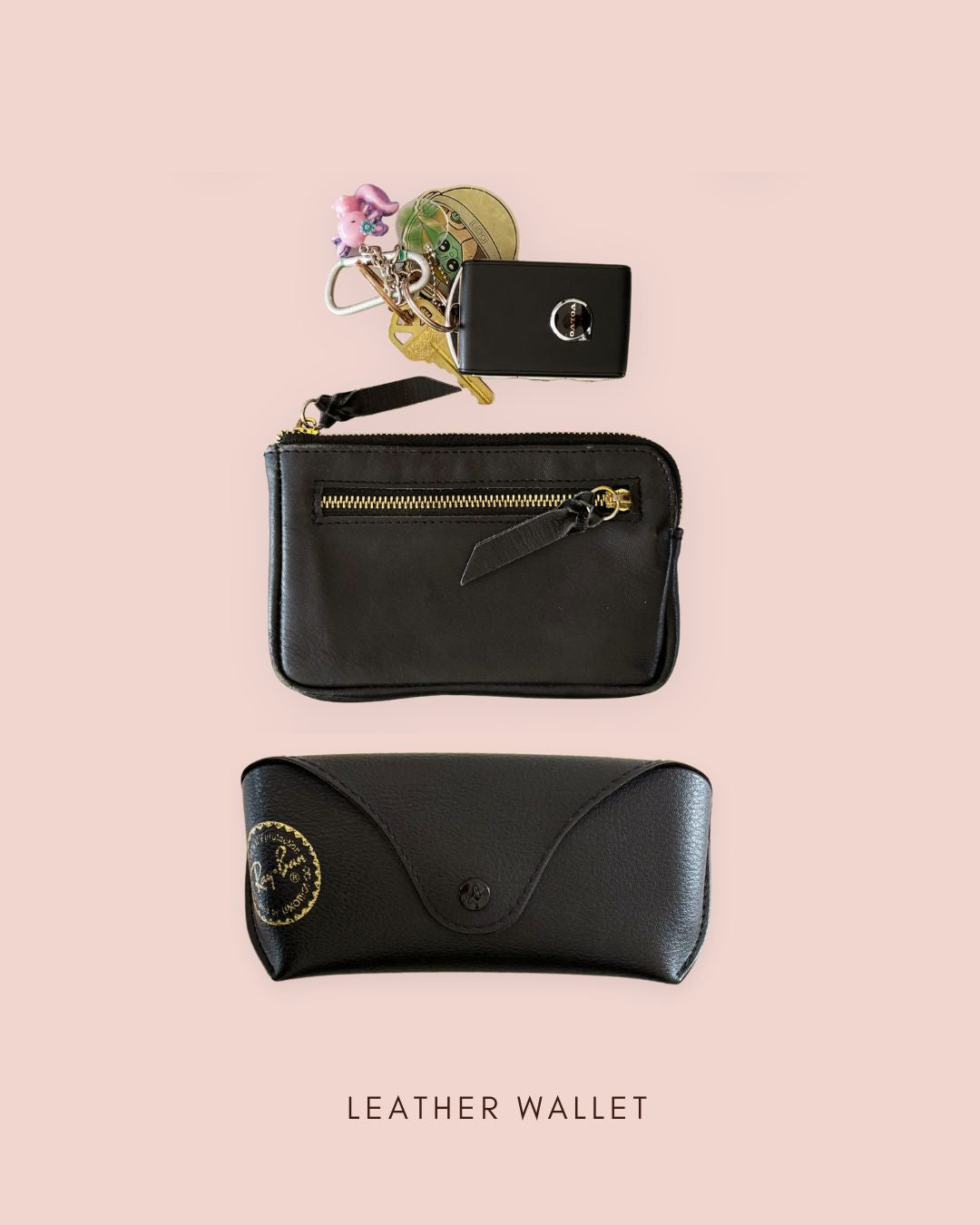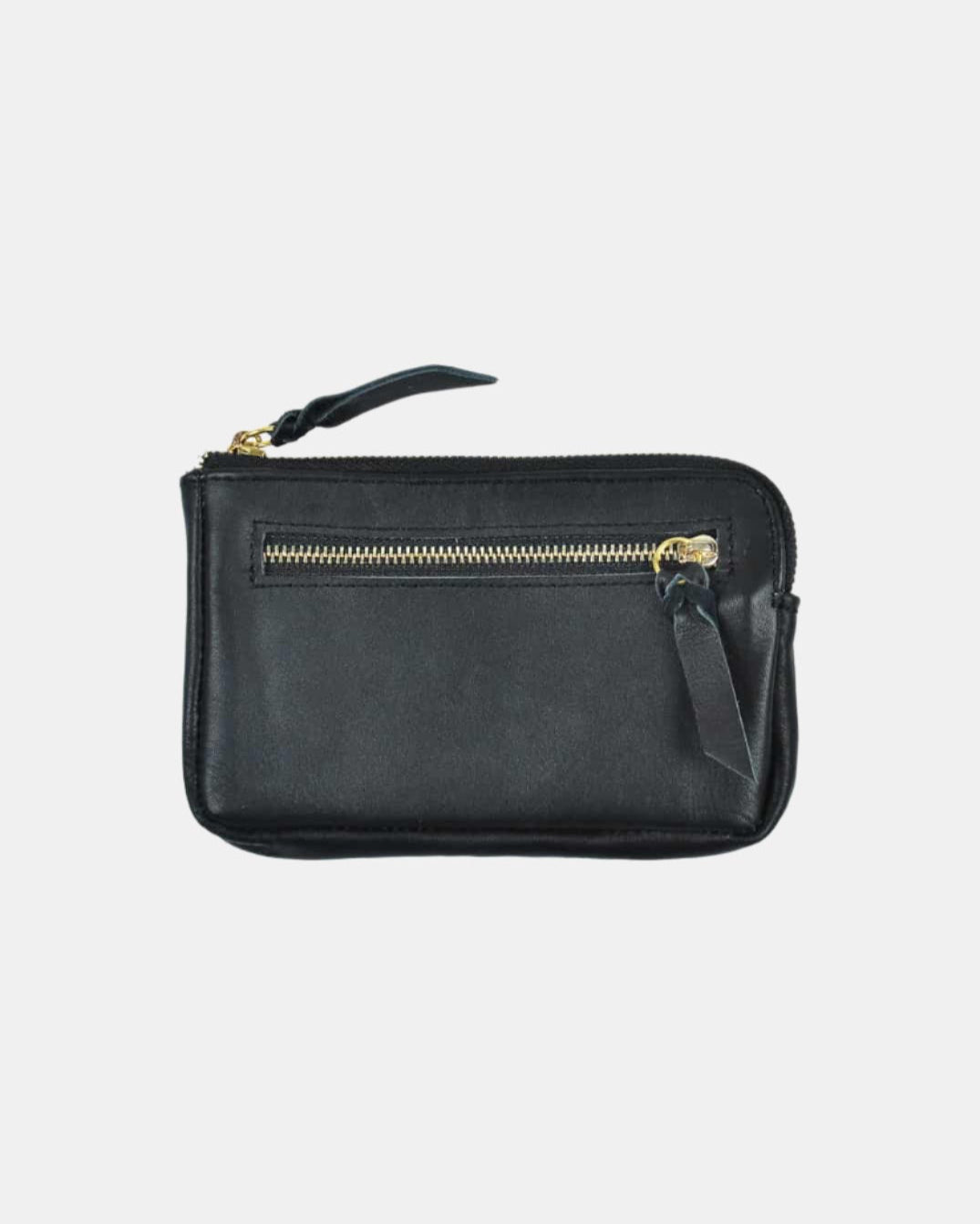


A women's leather wallet is more than just an accessory. It accompanies you daily, carrying cards, cash, and sometimes small mementos. And when you choose leather, you are opting for a material that can last for decades – or one that burdens the environment and people. The difference lies not in the material itself, but in how it was sourced, tanned, and processed. In an age where sustainability should no longer be an exception, it is worth taking a closer look behind the scenes. This article shows you what makes a high-quality, responsible women's leather wallet and what you can look out for.
Why leather – and why not?
Leather is one of humanity’s oldest materials. It is robust, supple, and develops a patina. A well-made women's leather wallet ages with dignity, becoming softer and more personal. That is the appeal.
But leather also has a dark side:
- Origin is often opaque – many hides come from industrial factory farming
- Tanning processes can be highly toxic (chromium, formaldehyde, heavy metals)
- High water consumption in conventional tanneries
- Risks for workers in low-wage countries
At the same time, there is leather that is produced responsibly. It is a by-product of the meat industry – no cow is kept solely for a wallet. Since we already eat meat, using the hide is more resource-efficient than disposing of it. The decisive factor is how transparent and gentle the further processing is.
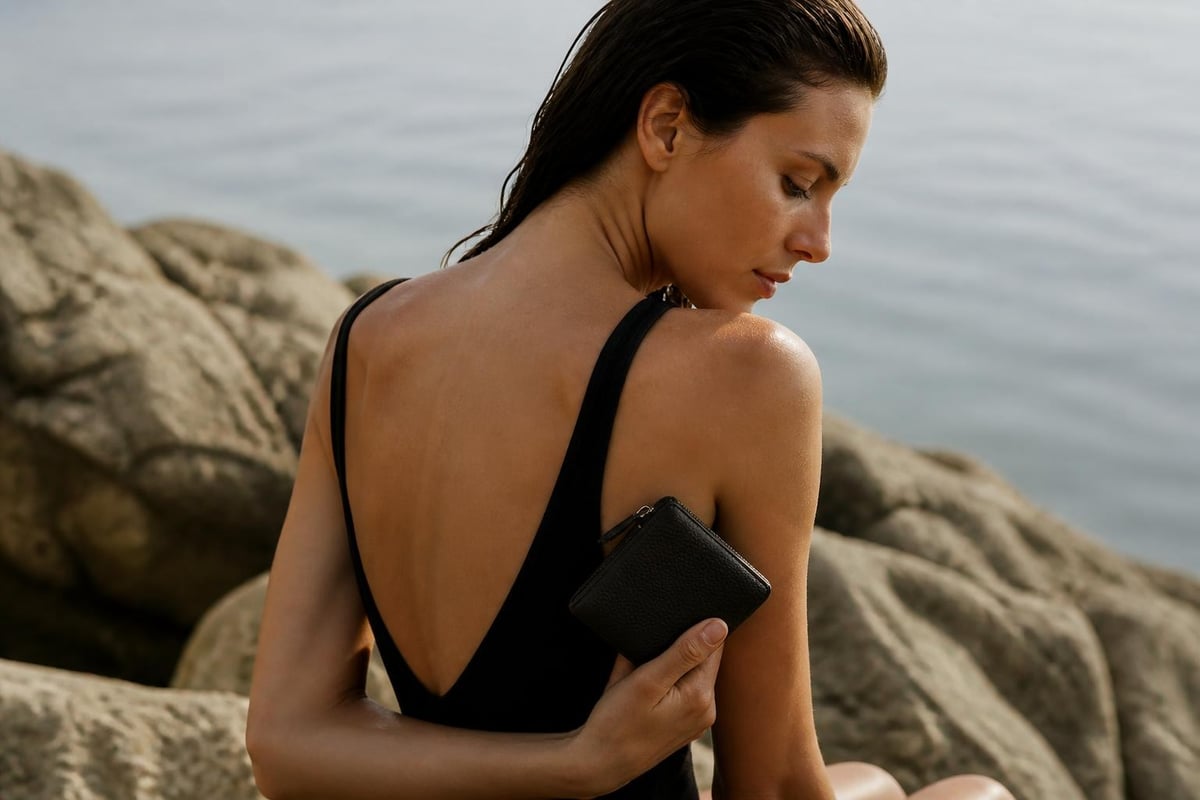
Conventional vs. sustainable leather
Conventionally tanned leather is usually treated with chromium – it's fast, cheap, and efficient. The problem: Chromium(III) can oxidize into toxic chromium(VI) under certain conditions, which irritates the skin and respiratory tract. Studies show that chromium(VI) is detectable in inferior leather products – a risk for users and the environment.
Sustainable alternatives rely on:
- Vegetable tanning: using bark, leaves, tannins – slow, elaborate, gentle
- Synthetic tanning agents with a better environmental footprint (e.g., zirconium, titanium)
- Chromium-free processes according to strict certifications
| Tanning process | Advantages | Disadvantages |
|---|---|---|
| Chrome tanning | Fast, cheap, widespread | Toxic residues, environmental impact |
| Vegetable tanning | Natural, biodegradable, characteristic patina | More expensive, time-consuming, more sensitive |
| Chrome-free synthetic | Fewer harmful substances, good durability | Still rare, higher price |
Certifications and standards: What you can look for
Not every leather that calls itself "sustainable" actually is. Labels and certificates help provide orientation – if you know which ones really count.
Leather Working Group (LWG)
The Leather Working Group is the world's leading standard for environmentally responsible tanneries. LWG assesses energy and water consumption, chemical use, wastewater management, and traceability. Tanneries are certified Gold, Silver, or Bronze. A women's leather wallet made from LWG-certified material is produced more transparently and under stricter control.
Blauer Engel (Blue Angel)
The German eco-label Blue Angel stands for low-pollutant leather. It excludes chromium(VI), PCP, formaldehyde, and problematic azo dyes. A good indicator for health-conscious products.
IVN Naturleder
The IVN NATURLEDER standard is one of the strictest in the world. It exclusively allows vegetable tanning, bans synthetic dyes, and mandates animal welfare criteria. Products with this seal are rare – and priced accordingly.
Other indicators:
- OEKO-TEX Leather Standard (testing for harmful substances)
- ISO 14001 (environmental management in tanneries)
- Cradle to Cradle (circular economy)
Transparency in the supply chain
One of the biggest challenges with leather is traceability. Hides are traded globally, tanneries are often located in Asia or South America, and end products are created elsewhere. Investigations show that leather from Brazil can be linked to deforestation and illegal land grabbing – even when it ends up in European products later.
What transparency specifically means:
- Traceability to the tannery, ideally to the herd
- Public information regarding countries of origin and certifications
- Independent audits and publication of environmental reports
- Direct partnerships between brands and tanneries
Research on consumer perception shows: Consumers are willing to pay more if supply chains are disclosed. Transparency is not a marketing trick, but a necessity.
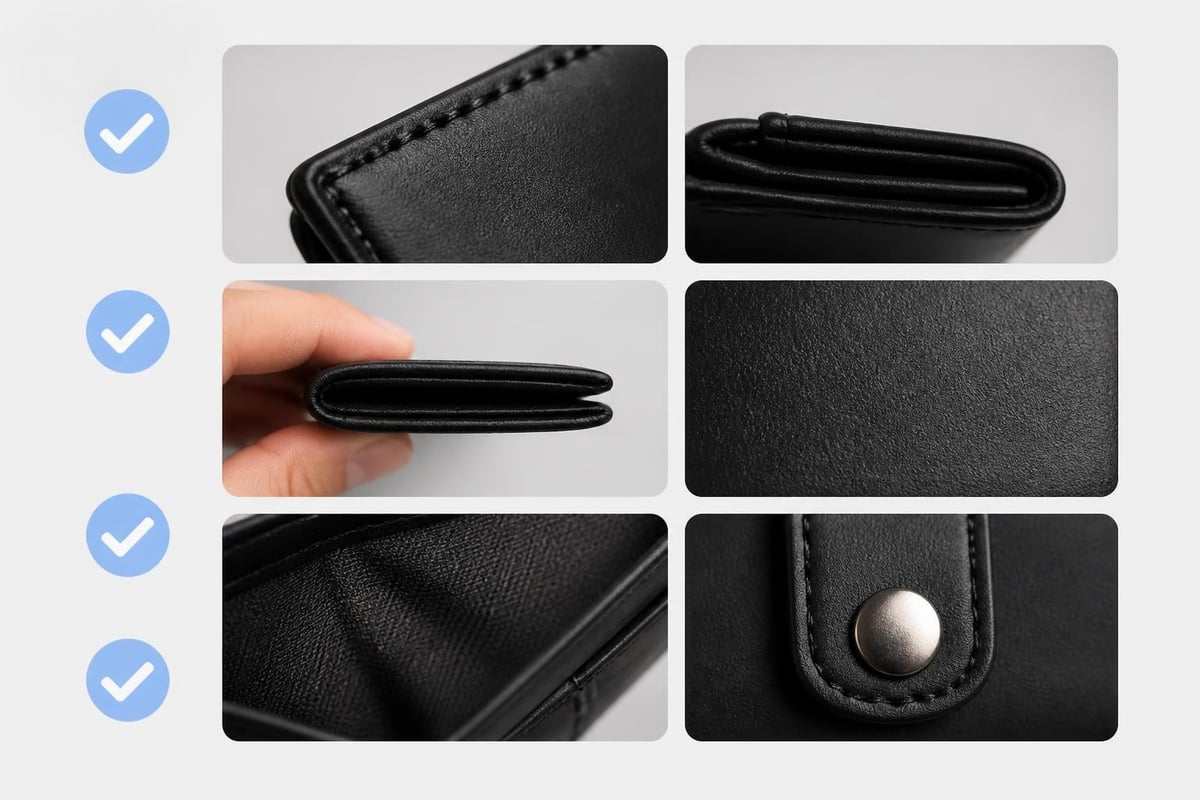
Recognizing quality: Material thickness, workmanship, details
A women's leather wallet that lasts 20 years saves resources – and looks better than any fast-fashion alternative. But how do you recognize quality?
Material thickness and leather type
- Full-grain leather: made entirely from one layer of leather, robust, natural texture visible
- Split leather: thinner layer, often with a coating – less durable
- Grained leather: top skin layer with natural grain, high quality
- Corrected grain leather: sanded and artificially embossed – hides flaws
Rule of thumb: The more natural the surface, the better the initial quality. Small scars or color variations are not defects, but signs of authenticity.
Workmanship details
| Detail | High quality | Inferior quality |
|---|---|---|
| Stitching | Even, straight, reinforced | Irregular, loose threads |
| Edges | Sealed, polished, or dyed | Rough, fraying |
| Lining | Leather, cotton, or linen | Polyester, thin, tears easily |
| Fasteners | Metal (brass, stainless steel), stable | Plastic, jamming |
Scent and feel
Real, well-tanned leather smells pleasant – earthy, warm, never chemical or pungent. If a women's leather wallet smells like plastic or solvents, stay away. This indicates inferior tanning agents or synthetic coatings.
The feel should be soft but firm. Too stiff = over-treated. Too soft and spongy = thin split leather or poor tanning.
Care and durability: How your wallet lasts for decades
Leather is a living material. It breathes and reacts to moisture, light, and heat. With the right care, a women's leather wallet develops a unique patina – and remains functional.
Care tips:
- Apply cream regularly: with leather grease or balm (use sparingly!), 2-3 times a year
- Store in a dry place: leather dislikes moisture – risk of mold
- Avoid direct sunlight: UV radiation bleaches color and makes leather brittle
- Dab stains immediately: do not rub, otherwise the stain will penetrate deeper
- Let dry slowly if wet: never put it on a heater or in a dryer
Repair instead of throwing away
A torn thread, a broken snap – no reason to discard a wallet. Local cobblers or saddlers can sew leather, replace fasteners, and trim edges. Studies on leather quality show: Well-tanned leather can be reworked multiple times without losing its structure.
Repairing is more sustainable than buying new. And a mended wallet with a history is often more valuable than a factory-new one.
Alternatives to animal leather: When do they make sense?
Not everyone wants to use animal products – even if they are a by-product. There are now alternatives that call themselves "leather" but are not. Here is an overview:
Synthetic leather (PU, PVC)
- Pros: cheap, diverse designs, vegan
- Cons: petroleum-based, non-biodegradable, short-lived, releases microplastics
Synthetic leather is not a sustainable alternative. It rarely lasts longer than two years, ends up in the trash, and does not decompose.
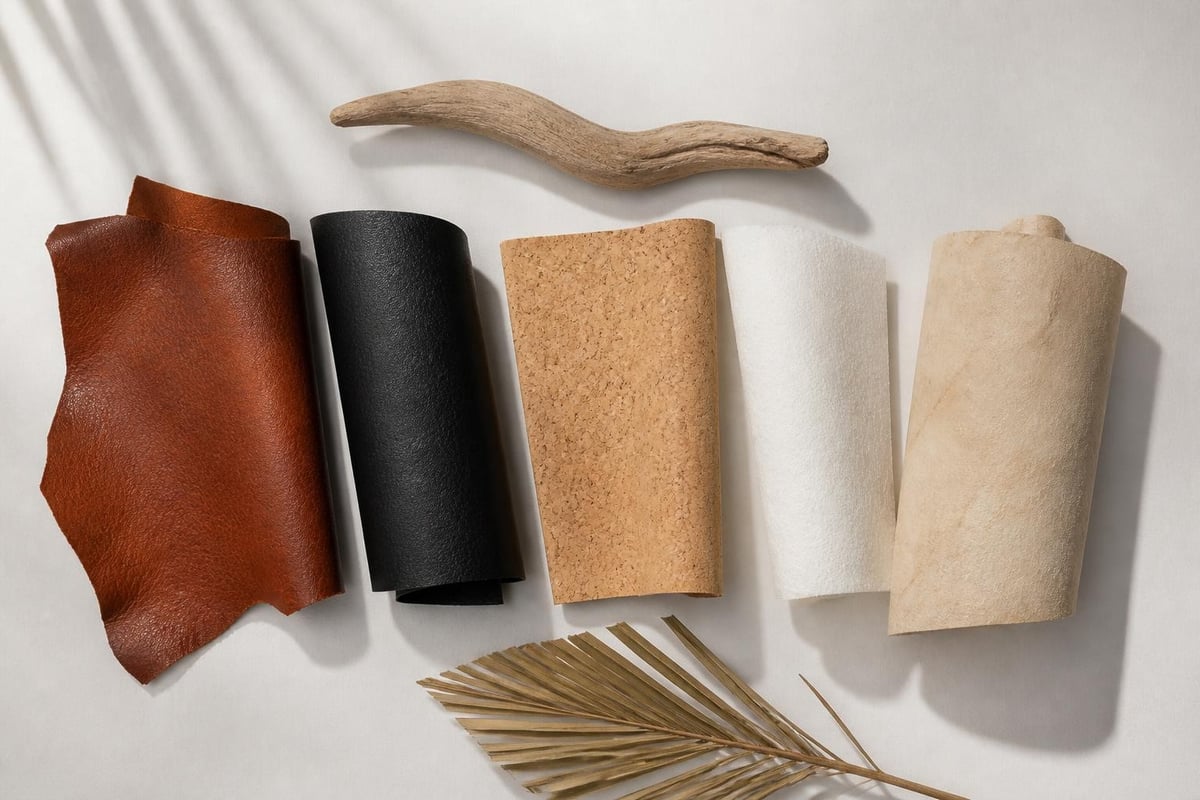
Plant-based "leathers"
- Apple leather, mushroom leather, cactus leather: exciting innovations, often used as a coating on a backing material
- Cork: durable, water-repellent, natural
- Piñatex (pineapple leaf): robust, but still expensive
These materials are interesting, but (as of now) not widely available. Furthermore, many use a polyurethane binder – making them plastic-based after all. The eco-balance is complex and not always better than responsible animal leather.
Our assessment:
If you want to live a vegan lifestyle, plant-based alternatives are an option – but pay attention to durability and material composition. If sustainability is more important to you than veganism, certified leather is often the more honest choice.
Minimalism and functionality: What do you really need?
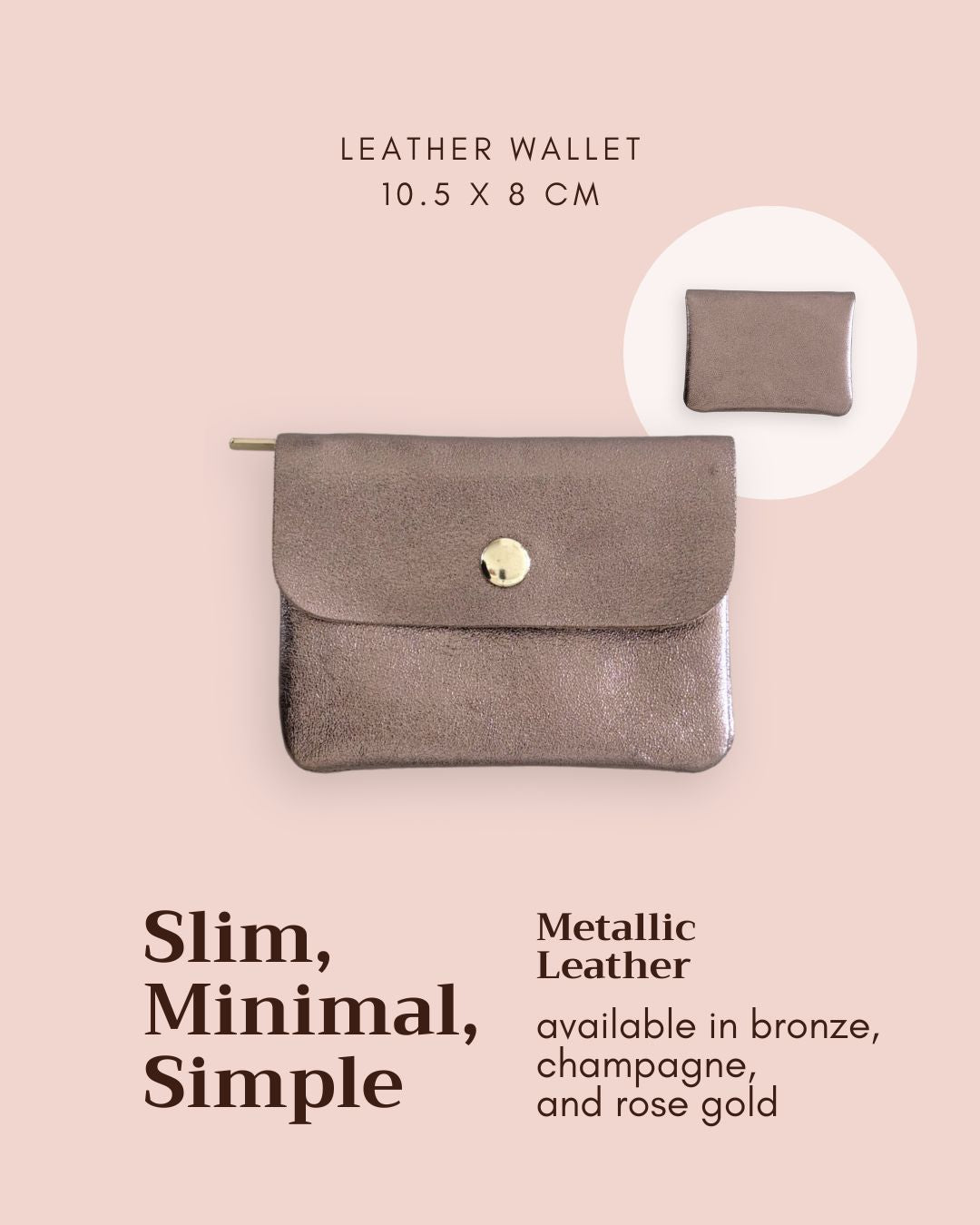
A women's leather wallet can be small and slim – or a packed organization miracle. Both are fine. But minimalism pays off: less weight, less material, fewer distractions.
Questions you can ask yourself:
- How many cards do you carry daily? (Smartphone cases often replace wallets)
- Do you use cash – or pay digitally?
- Do you need a coin compartment, or is it just extra baggage?
- Does the wallet fit in your pocket – or only in your handbag?
Small wallets (card holders, slim wallets) are trendy – and often the more sustainable choice because they consume less leather. However, if you need family IDs, bonus cards, and loose change, a larger model makes more sense. The key is: Buy what you actually use.
A high-quality wallet made of responsible leather will accompany you through many seasons. Much like a timeless piece of clothing, it is worth focusing on quality and origin – instead of fast trends. Those who shop consciously carry that decision with them every day.
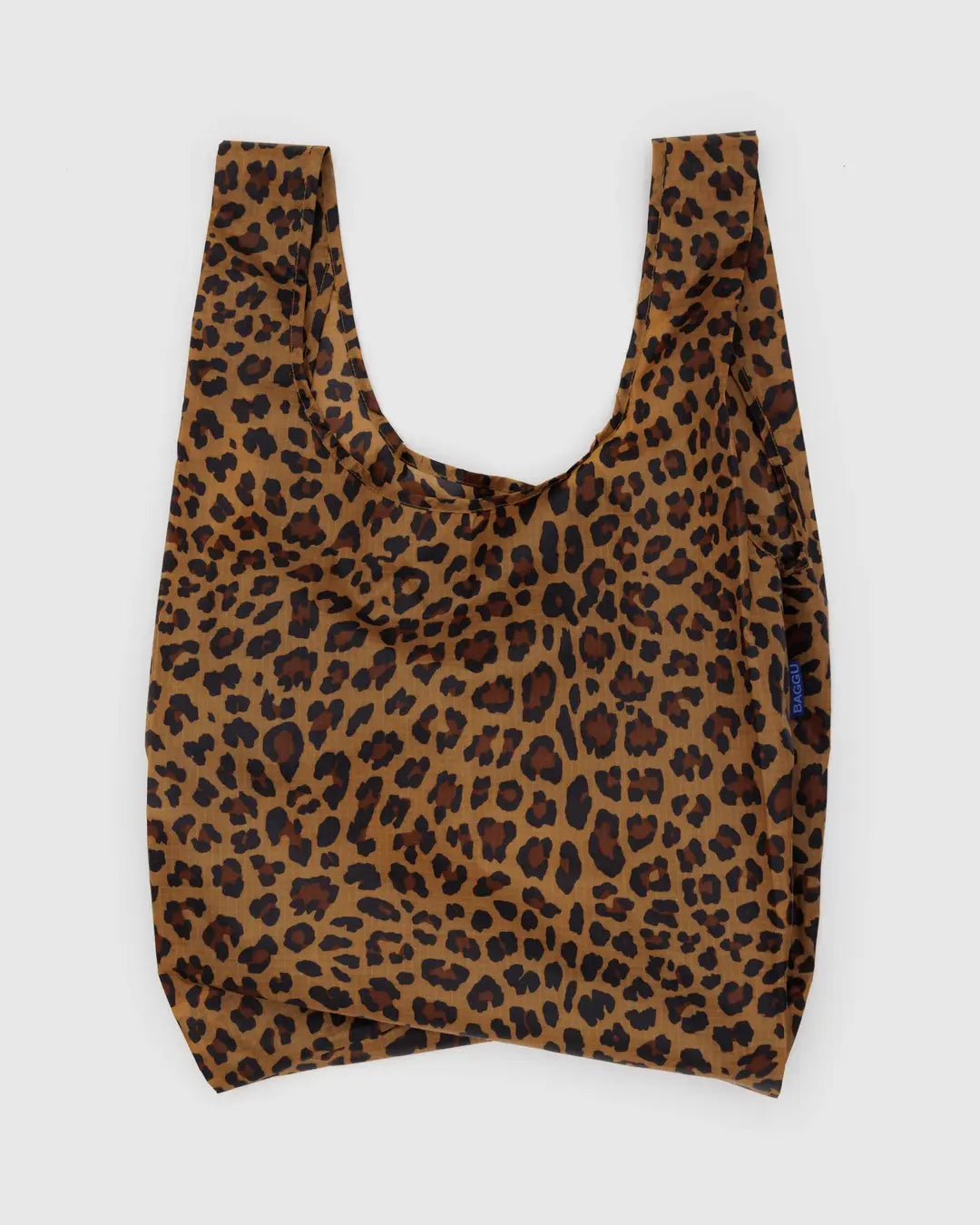
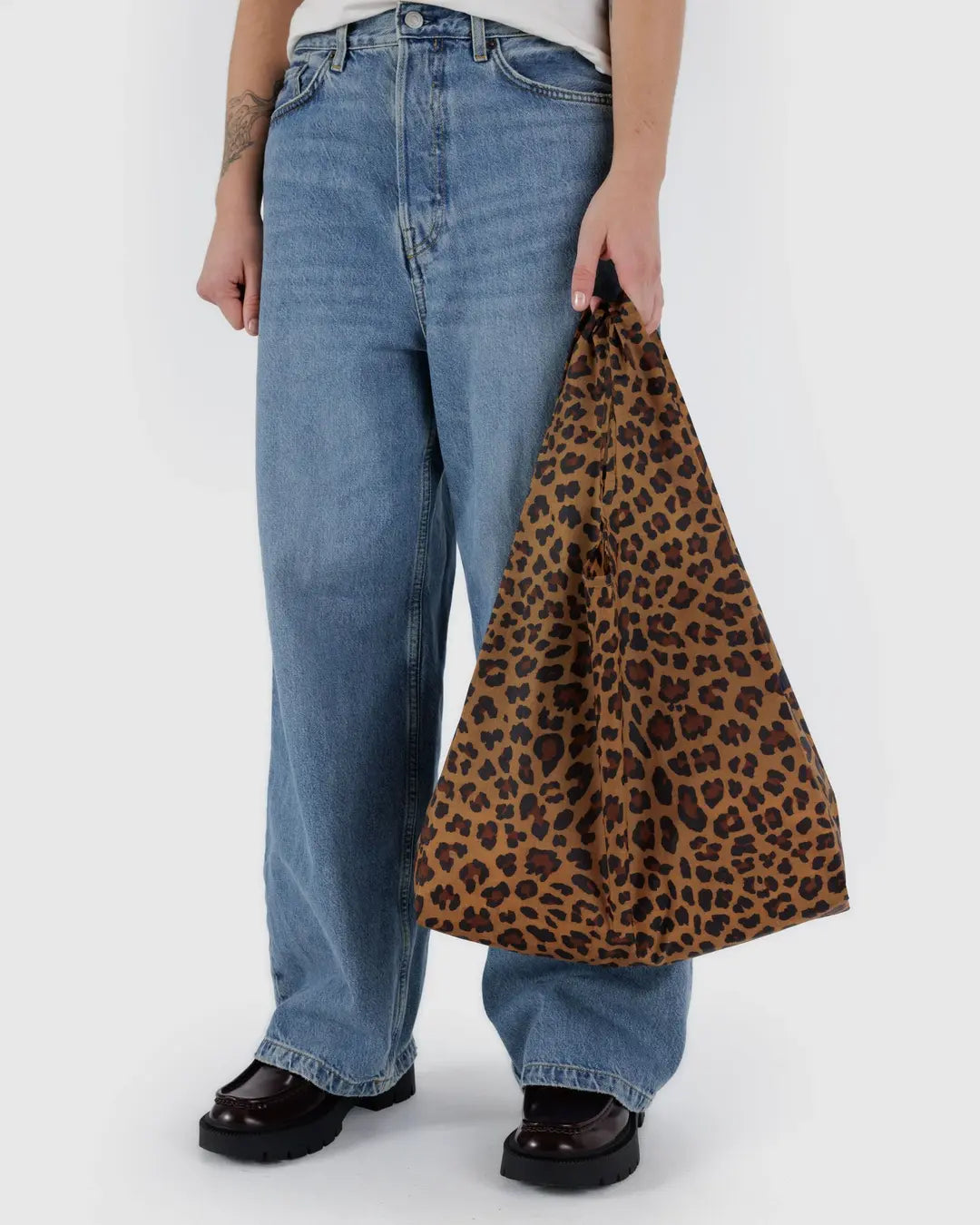
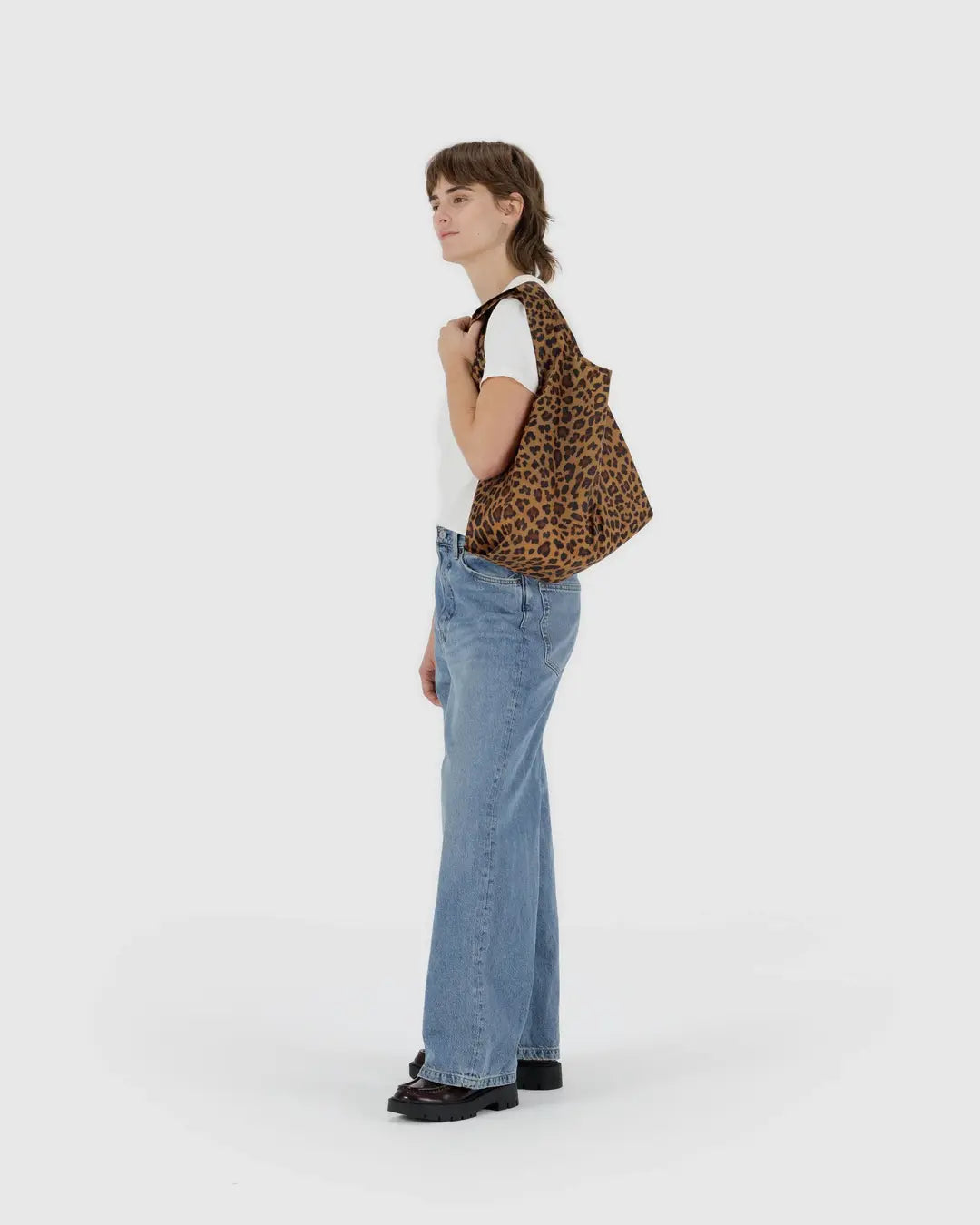
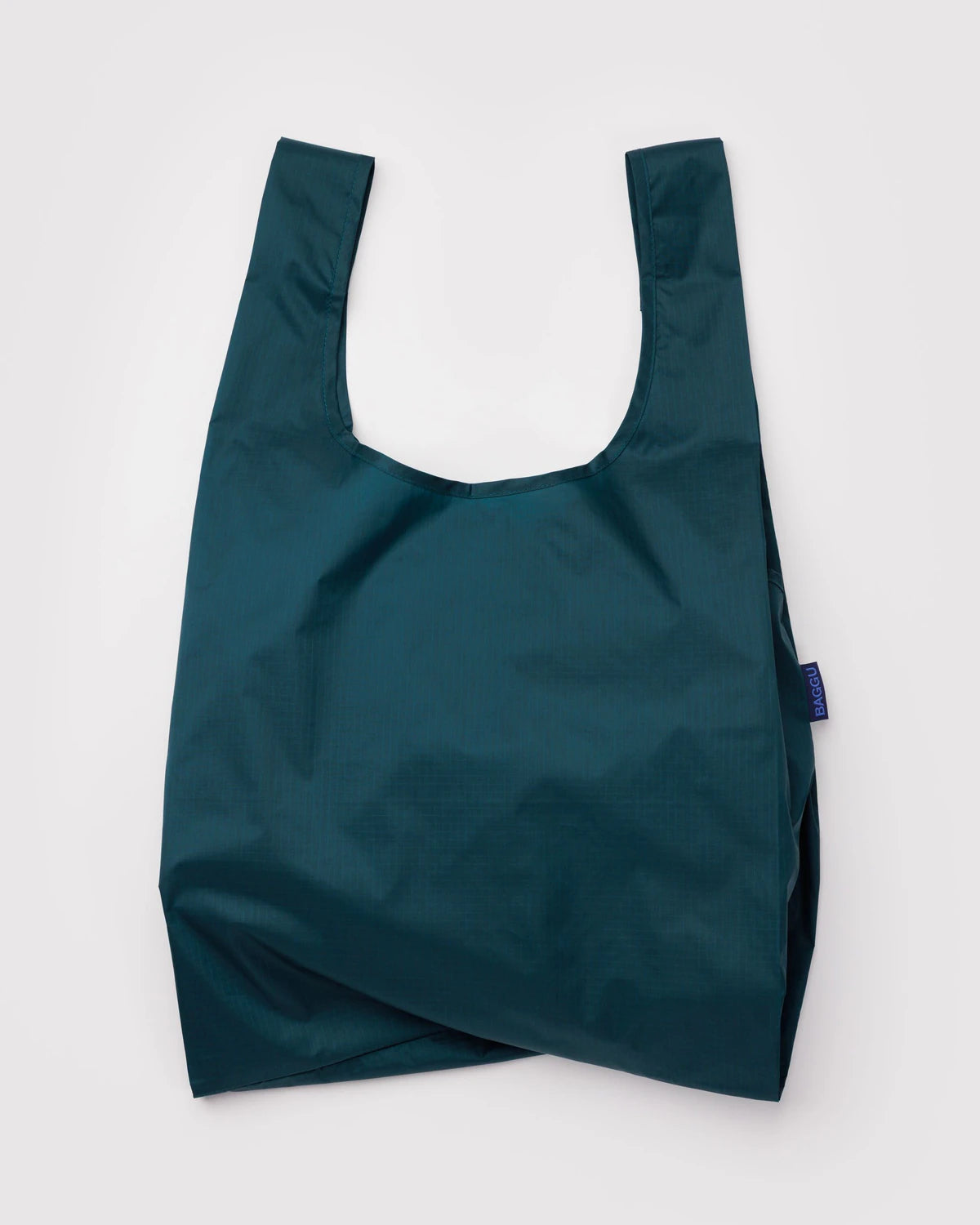
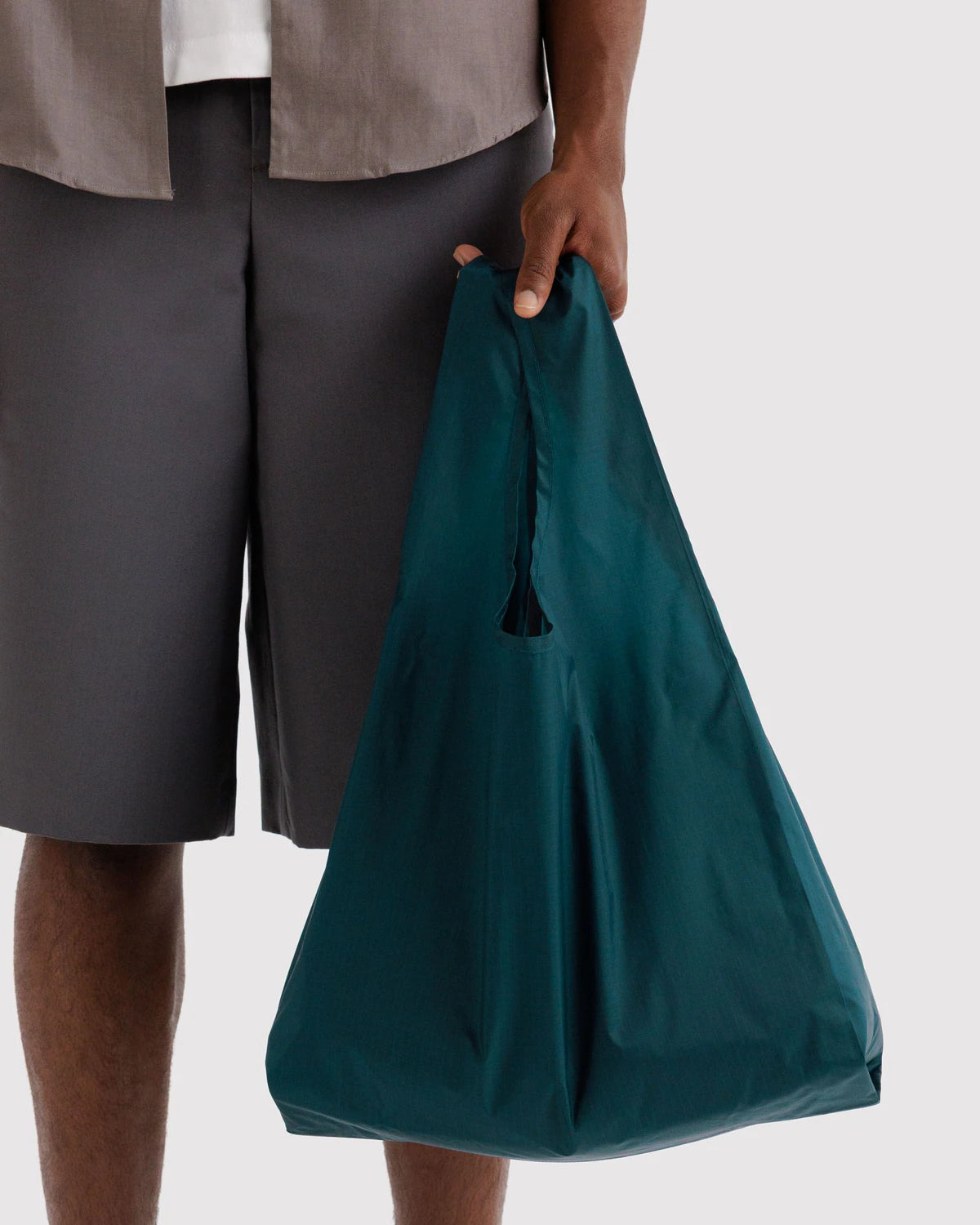
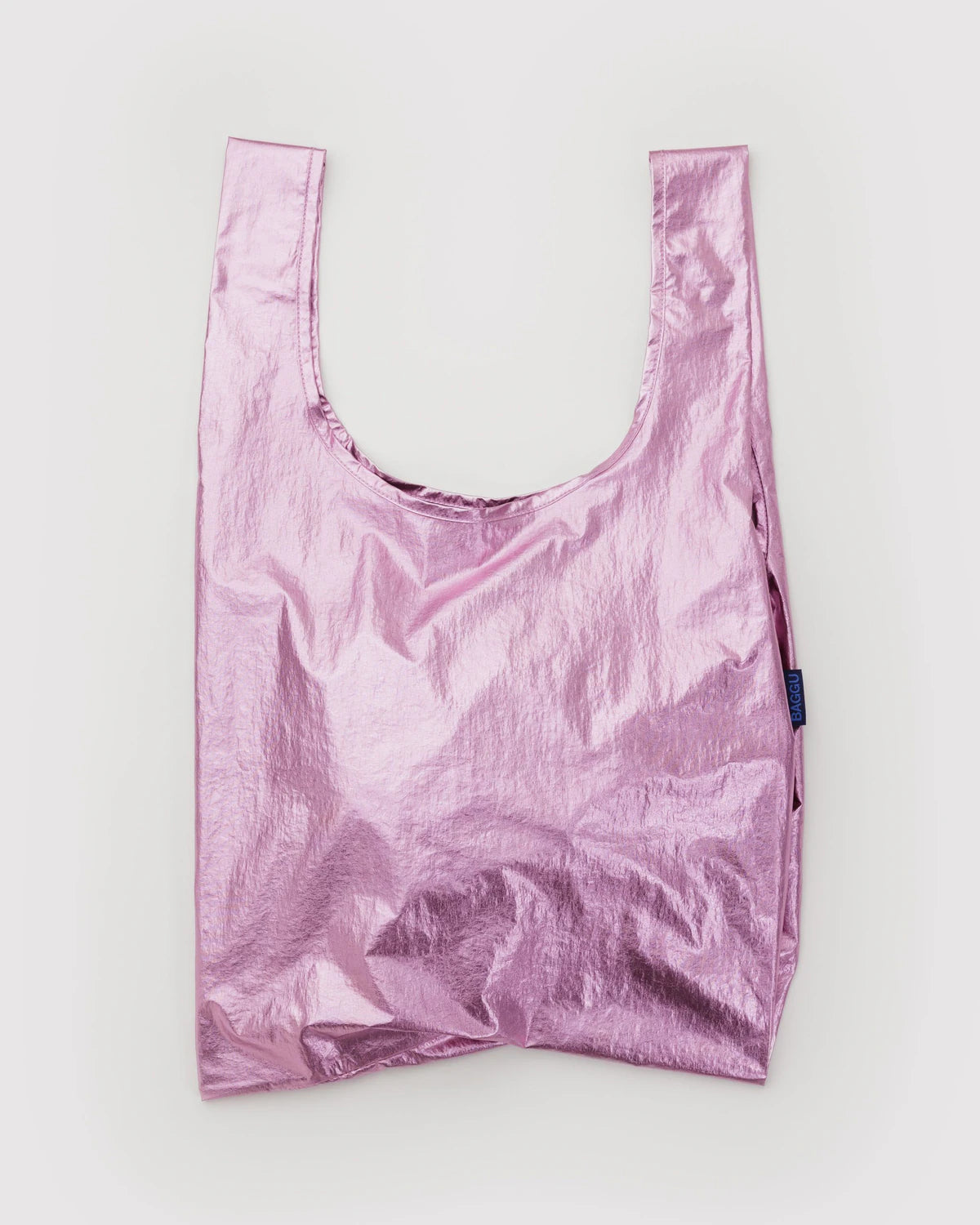
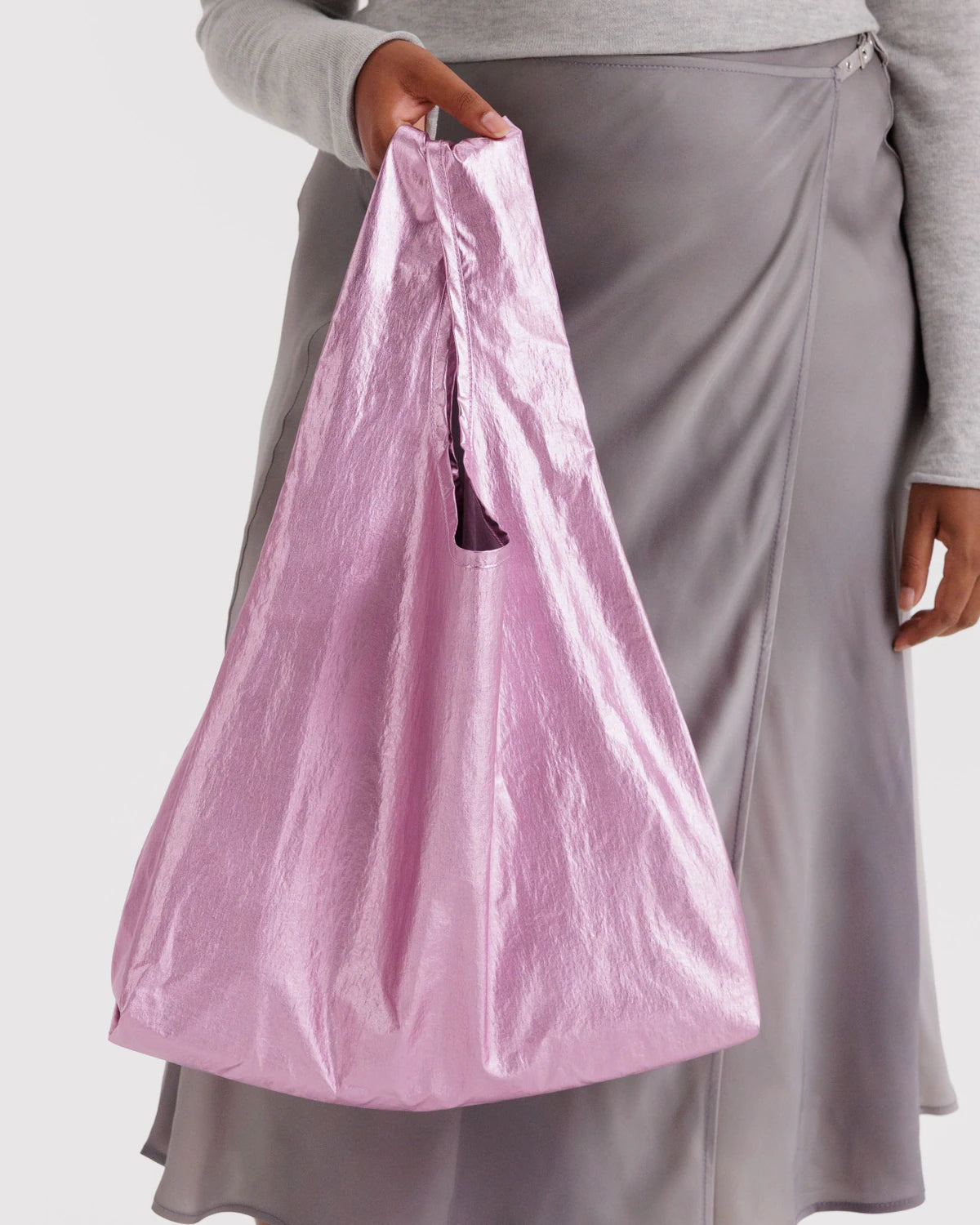
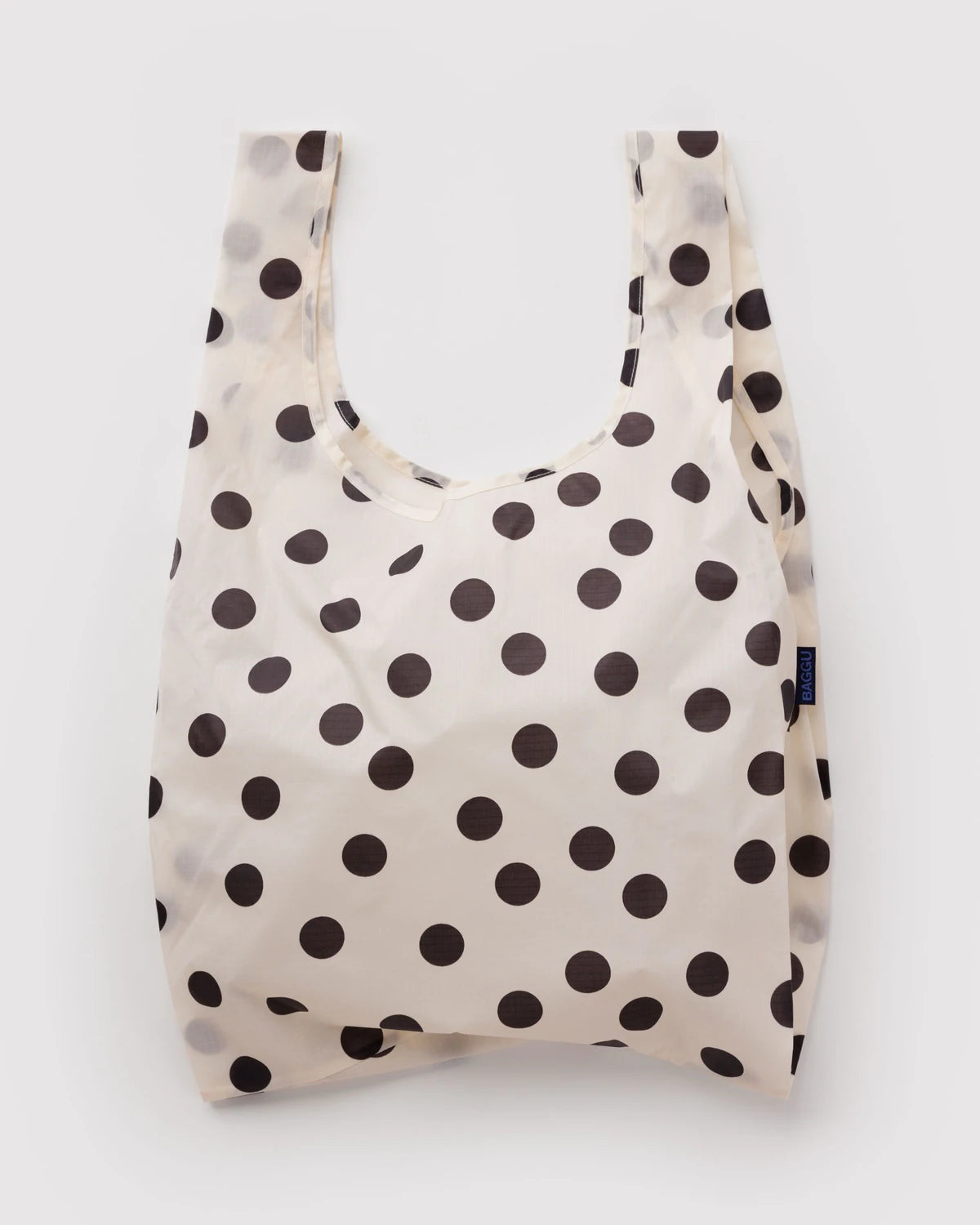
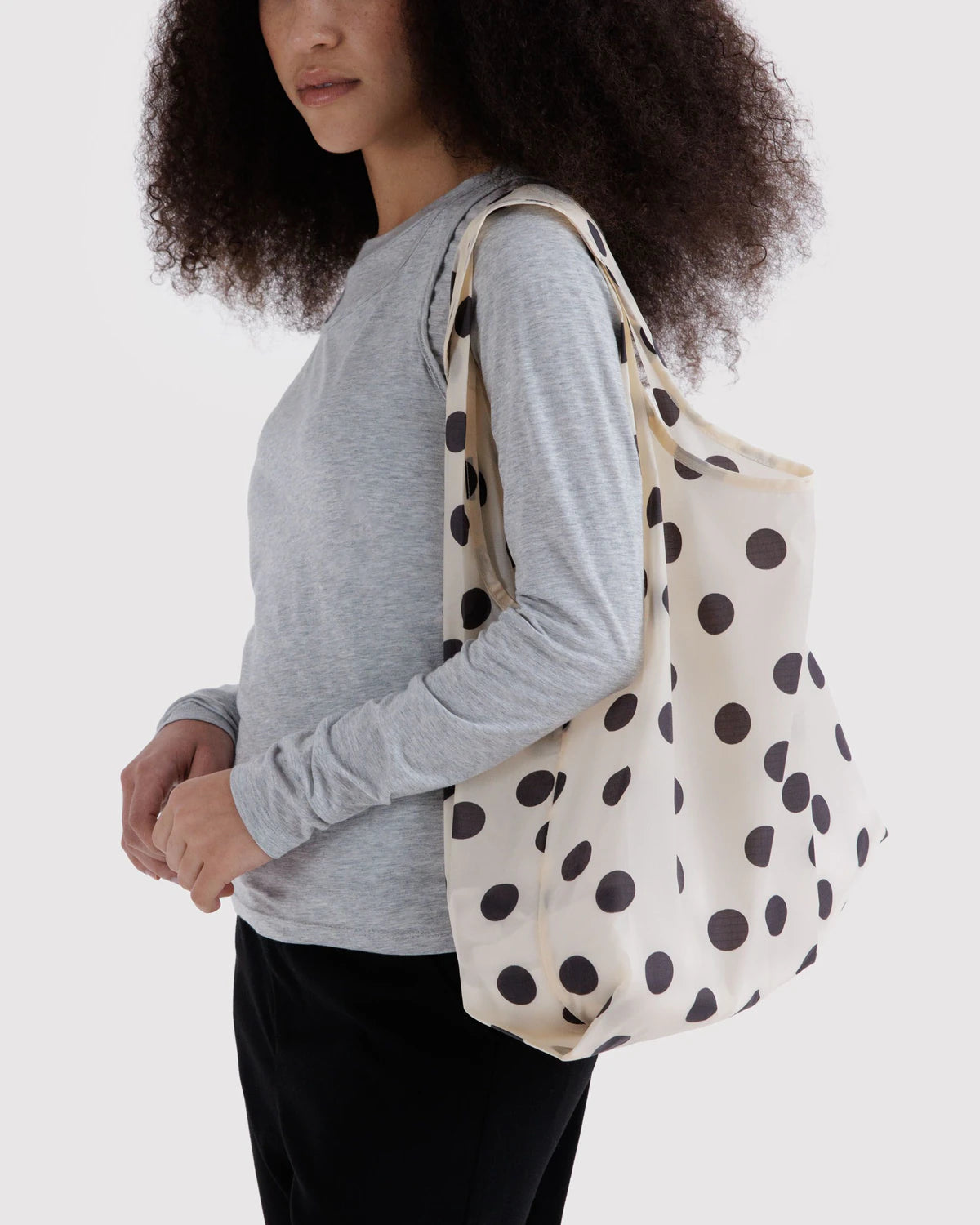
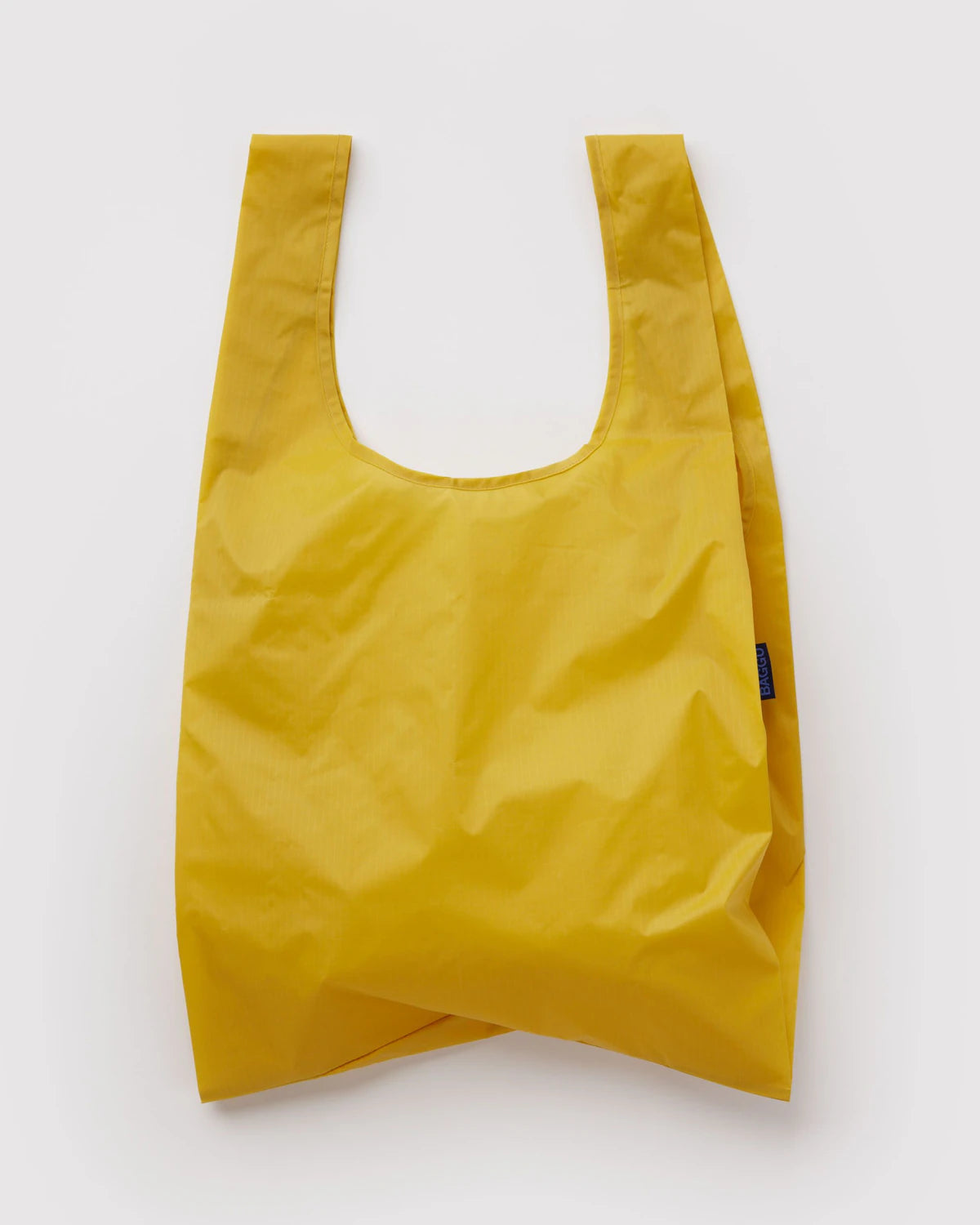
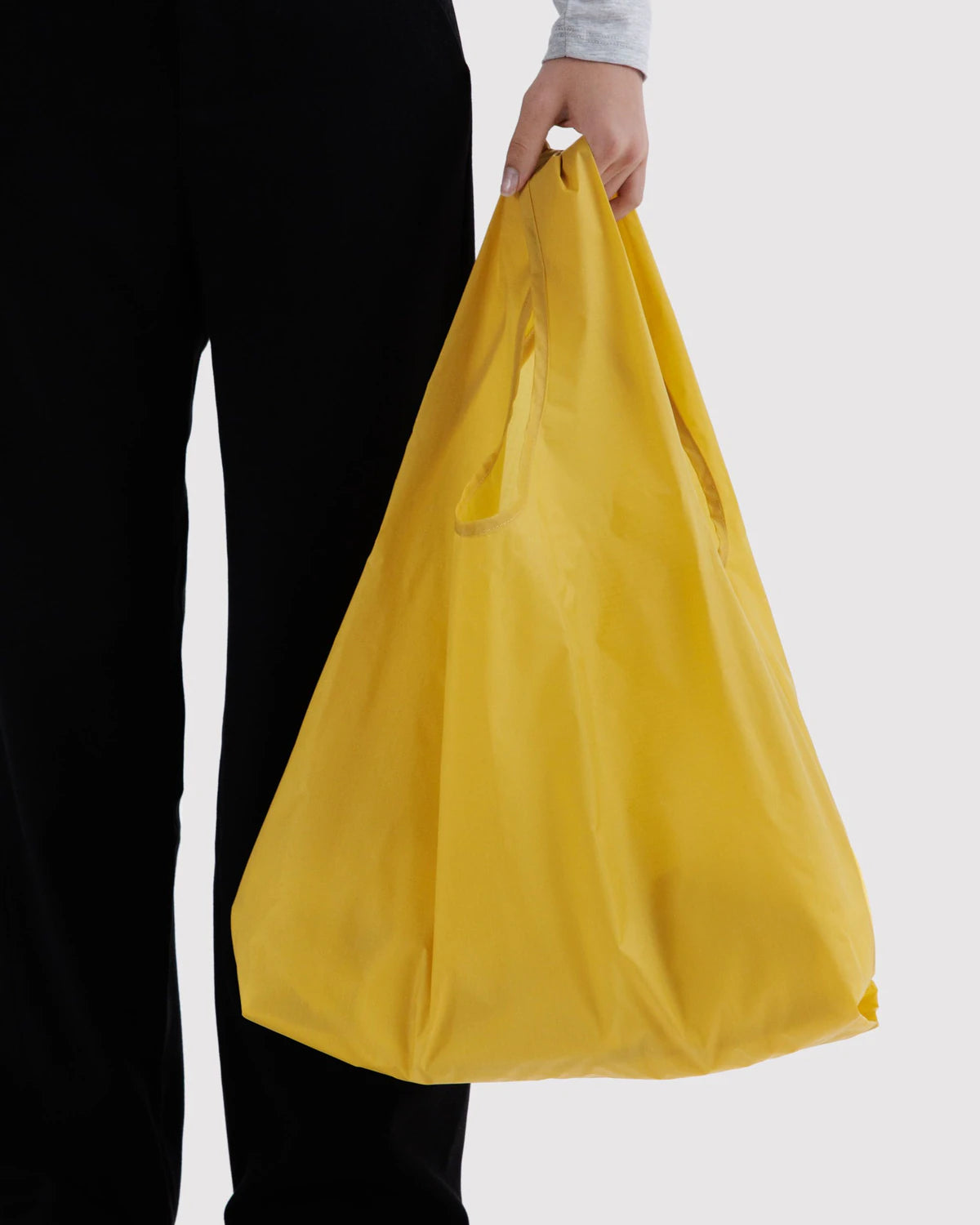
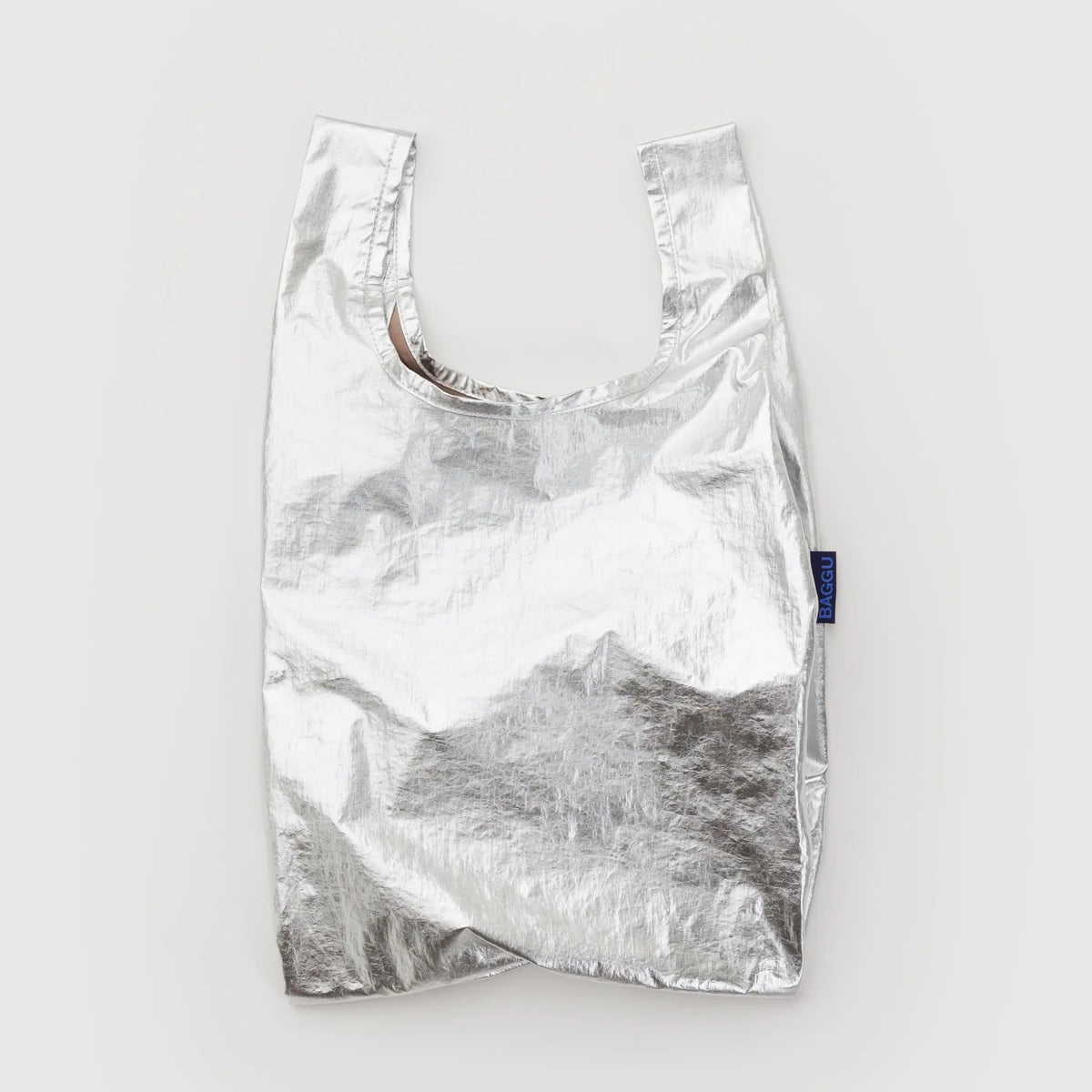
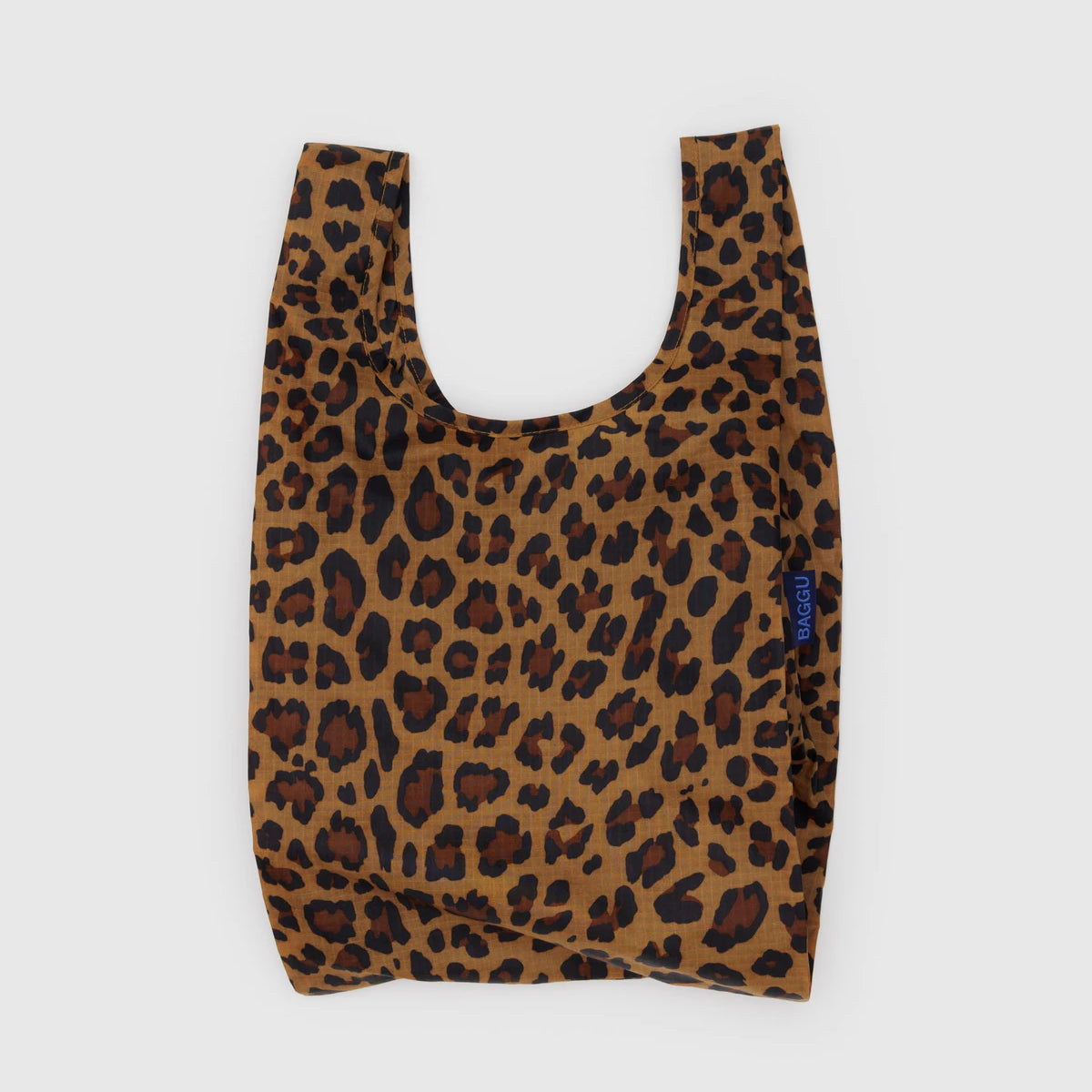
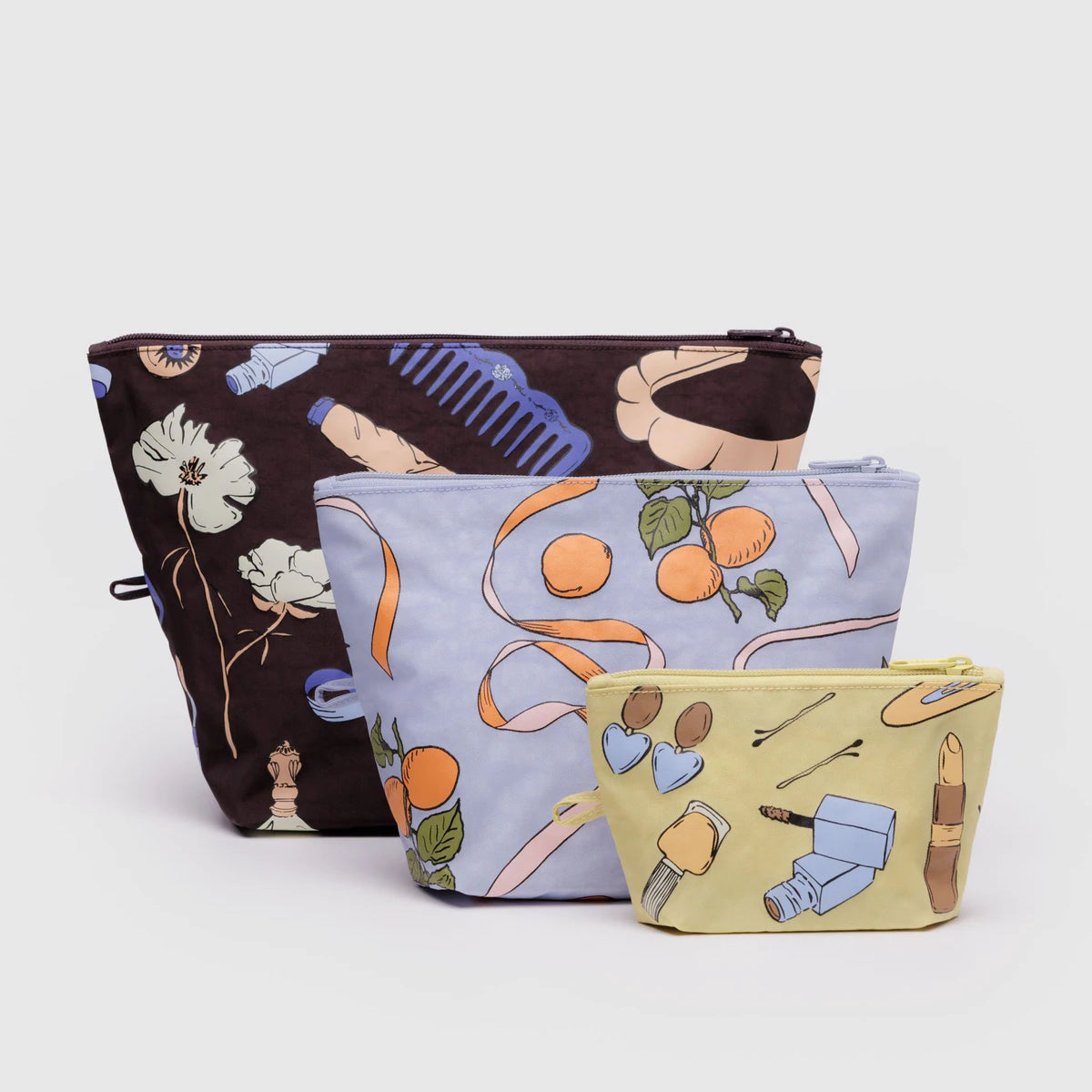
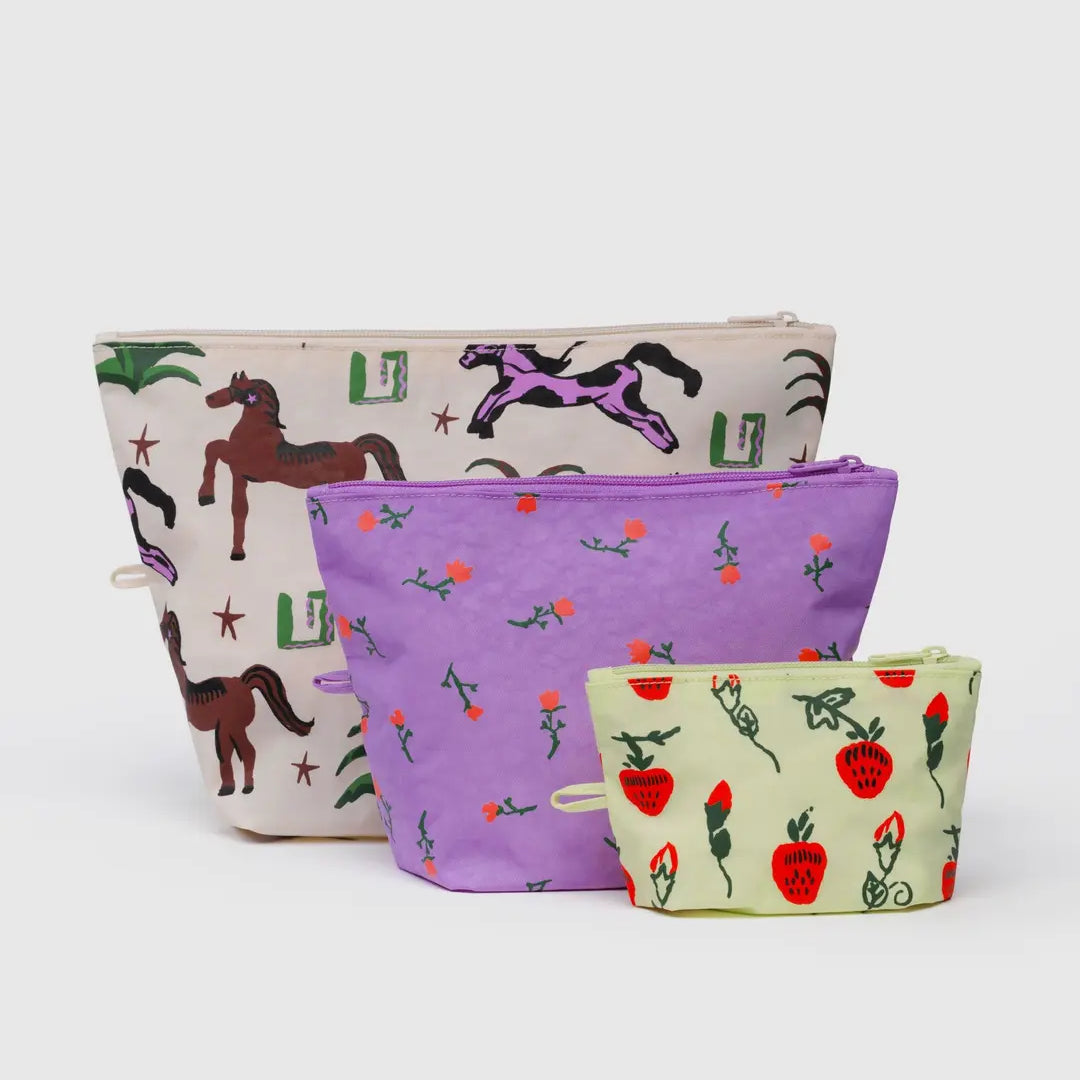
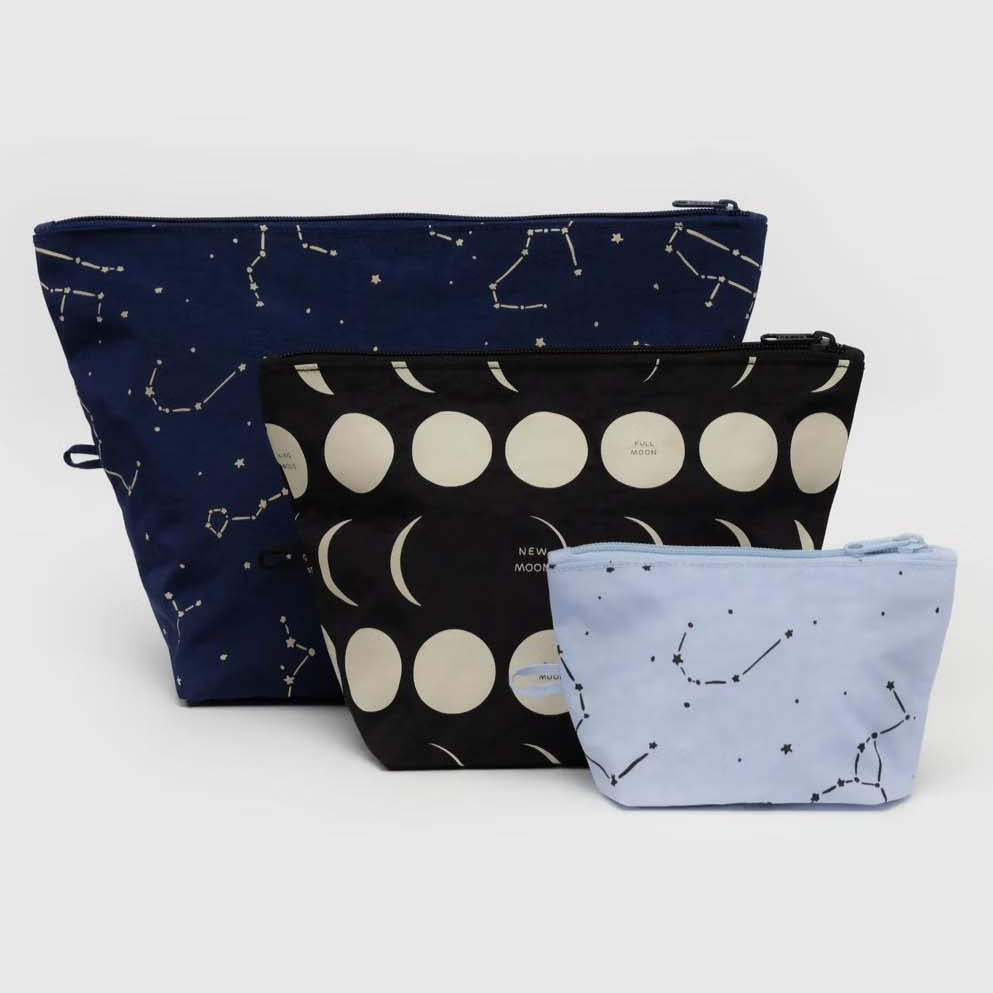
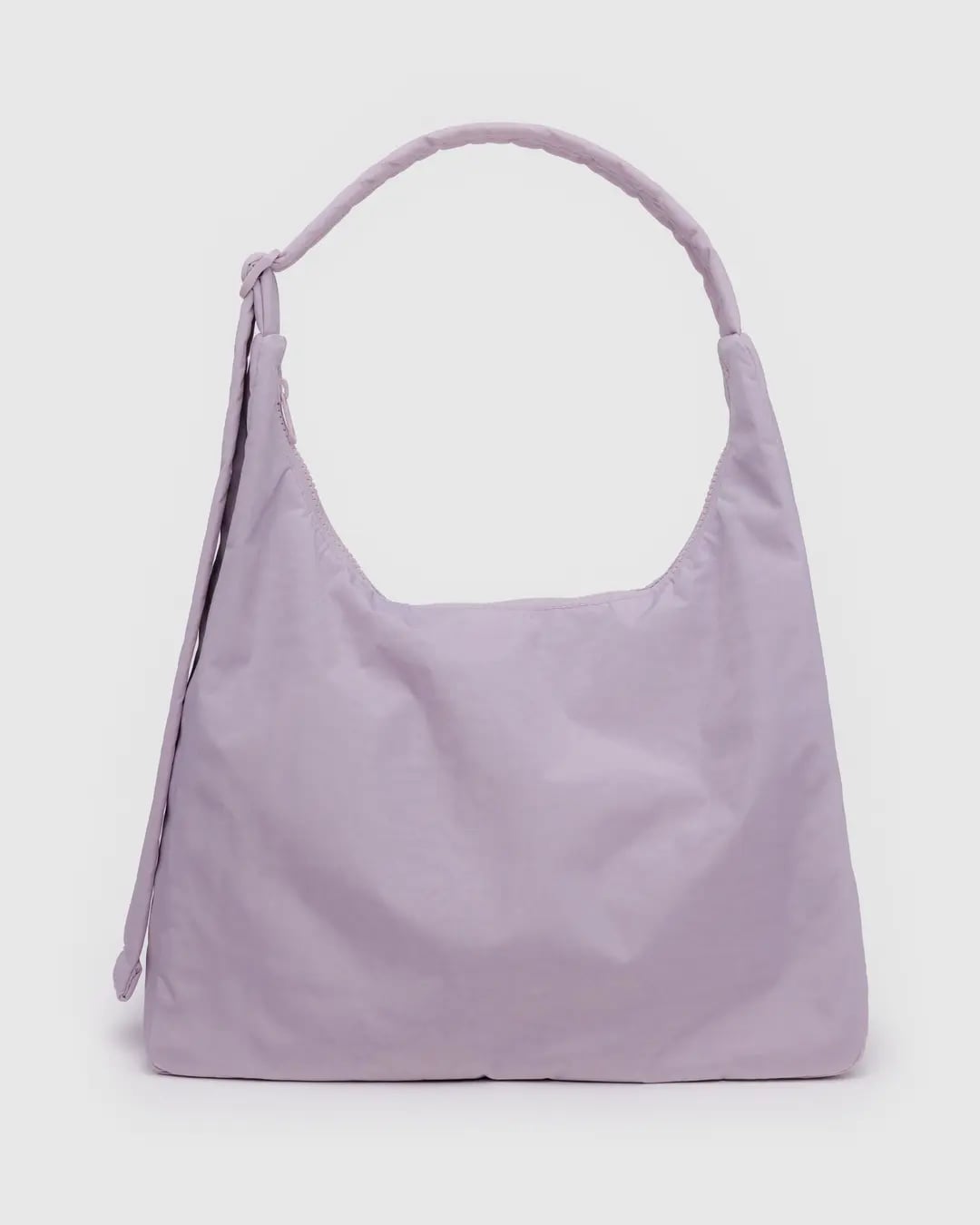
At MAIN Design, you will find thoughtful accessories that share this exact mindset: long-lasting, minimalist, fair. Just like our BAGGU Nylon Shoulder Bag, which is made from robust, sustainable nylon and remains faithful to you for years – in everyday life, while traveling, or at the beach. A companion that delivers what it promises.
Price and value: How much should a good wallet cost?
A women's leather wallet for 15 euros on sale? Probably fast fashion – cheap split leather, synthetic tanning, questionable working conditions. One for 300 euros? Can be justified – or just a brand markup.
Realistic price ranges:
- 30–60 euros: entry-level for solid leather, usually no certificate, limited transparency
- 80–150 euros: good quality, often with LWG or OEKO-TEX, fair production possible
- 150–300 euros: premium leather, vegetable-tanned or certified, handcrafted, designer brands
- 300+ euros: luxury labels, exclusive leather types (buffalo, crocodile, ostrich – ethically questionable)
Calculate the price over the usage period:
A wallet for 120 euros that lasts 12 years costs you 10 euros per year. One for 20 euros that tears after 2 years also costs you 10 euros per year – but you produce five times as much waste.
Value is created by durability, not by price alone.
Advantages of regional production:
- Shorter transport routes = lower carbon footprint
- Stricter environmental and labor laws
- Better traceability
- Support for local economy and crafts
Manufacturers in Germany, Austria, or Switzerland often produce in small batches. The wallets cost more – but each is a unique piece, and you know where it comes from. That is luxury that pays off.
Timeless features:
- Muted colors (black, brown, cognac, gray, navy)
- Clean lines, no frills
- Discreet or no logo
- High-quality, understated fasteners
Naturally, you can also love a bright turquoise – as long as you are sure it will remain your style. Sustainability does not mean going without, but making conscious decisions.
Environmental balance: Is leather really sustainable?
The question cannot be answered with a simple yes or no. Leather has pros and cons – both ecologically and ethically.
Pros:
- By-product of the meat industry (no additional animals)
- Biodegradable (if vegetable-tanned)
- Extremely durable with proper care
- Repairable and recyclable (e.g., into leather fibers)
Cons:
- High water and energy consumption in tanneries
- Toxic chemicals (with conventional tanning)
- Animal ethics (even if "only" a by-product)
- Deforestation and illegal land use (e.g., Brazil)
The ecological footprint depends significantly on the tanning process. Vegetable-tanned leather from certified tanneries performs significantly better than chrome-tanned cheap leather. And it almost always beats synthetic leather – because it lasts longer and is biodegradable.
Bought – and now what?
You have found your women's leather wallet. It feels good, smells natural, carries a certificate, and suits you. Now the real adventure begins: living with an object that ages with you.
What you can do:
- Document the patina: some people photograph their leather products over the years – a beautiful sign of appreciation
- Make care a routine: apply cream once a quarter, check if stitches hold
- Act immediately in case of damage: small tears are easy to mend, large ones are not
- Pass it on instead of throwing it away: if you no longer like the wallet, give it away or sell it – good leather always has value
And: Tell others about it. Sustainability works when it becomes visible. Your conscious choice might inspire someone else to take a closer look, too.
Where to buy – and what to look for?
Online or in-store? Both options have their pros and cons.
Online:
- Wider selection, often more transparent information (material specifications, certificates)
- Easy price comparison
- Risk: You cannot feel or smell the leather
In-store:
- Check the feel, smell, and size directly
- Expert advice from staff
- Support for local businesses
What you should look for when buying:
- Material specifications: does it clearly say "full-grain leather" or just "leather"?
- Country of origin: are the tannery and production site specified?
- Certificates: LWG, Blue Angel, NATURLEDER, OEKO-TEX?
- Return policy: in case the wallet doesn't fit after all
- Warranty or repair service: shows confidence in the quality
And: Ask questions. Reputable suppliers are happy to answer questions about origin and tanning. Anyone who avoids answering often has something to hide.
A women's leather wallet that has been chosen consciously is more than an accessory – it is a statement of quality, durability, and respect for material and craftsmanship. Sustainability begins with small, smart decisions. Just like at MAIN Design: We stand for products that keep their promises – whether it's swimwear, accessories, or everyday essentials. With every purchase, you support Healthy Seas and actively contribute to the protection of our oceans.