

The pressure on the fashion industry is growing: by 2025, environmental awareness, the climate crisis, and ethical questions will be more important than ever. More and more people are questioning fast fashion and seeking ways to reconcile style and values.
Slow fashion is the answer to fast trends and mass consumption. Those who consume more consciously make a statement for sustainability and individuality – for themselves, others, and our planet.
This guide will show you how to live the slow fashion lifestyle in 2025: from definition and benefits to getting started, materials and brands, as well as care, upcycling, and styling inspiration. Start your sustainable style transformation now.
What is Slow Fashion? Definition and Philosophy
The term "slow fashion" represents a fundamental shift in fashion consciousness. More and more people are questioning how and where their clothes are made. But what exactly does slow fashion mean, and why is the topic so relevant in 2025?
Origin and development of the Slow Fashion concept
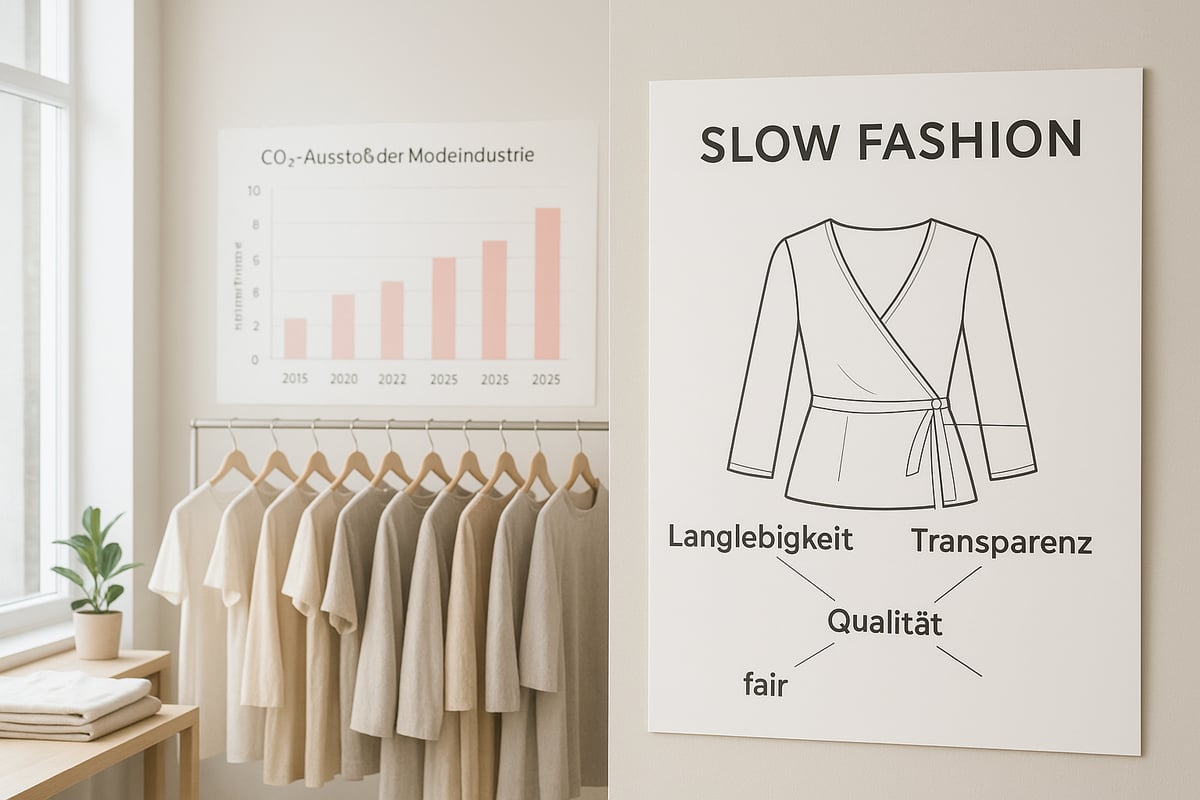
Slow fashion emerged as a direct reaction to the negative consequences of the fast fashion industry. Inspired by the Slow Food movement, slow fashion emphasized values such as quality and enjoyment over quantity and speed from the early 2000s onwards.
Early international initiatives included campaigns by designers like Kate Fletcher, who coined the term. Projects like Fashion Revolution also highlighted injustices and raised awareness of sustainable alternatives. Since then, the slow fashion movement has grown steadily and set new standards for ethical fashion.
Basic principles of slow fashion
Slow fashion focuses on durability, quality, and timeless design. It's about creating clothing that lasts for many years and isn't replaced after just a few seasons.
Key principles include:
- Transparency throughout the entire supply chain
- Fair working conditions for all involved
- Resource-efficient production and reduced environmental impact
- Conscious consumption instead of overproduction
These values are reflected in the selection of high-quality materials and clear brand communication. Those who embrace slow fashion actively choose to reject a throwaway mentality and opt for a responsible approach to fashion.
Slow Fashion vs. Fast Fashion: The most important differences
Slow fashion differs fundamentally from fast fashion. While fast fashion focuses on quick, cheap production and constantly changing trends, slow fashion pursues a sustainable approach.
| criterion | Slow Fashion | Fast Fashion |
|---|---|---|
| production cycle | Slowly, deliberately | Fast, frequent |
| Price level | Higher, fair | Low, often unfair |
| Clothing lifespan | Years, decades | 7-10 days of use |
| socio-ecological consequences | Low, positive | High, negative |
Statistics show that a fast fashion garment is worn on average only 7-10 times, while slow fashion focuses on long-lasting pieces. The impact on the environment and society is correspondingly different.
Why Slow Fashion is particularly important in 2025
In 2025, slow fashion will be more relevant than ever. The fashion industry generates enormous amounts of textile waste worldwide and is responsible for up to 10 percent of global CO₂ emissions. In Germany, around one million tons of clothing end up in the trash every year.
At the same time, environmental awareness is growing, especially among Gen Z and Millennials. More and more consumers are questioning their purchasing habits and opting for sustainable alternatives. This shift in societal values shows that slow fashion is more than a trend; it's a necessity for a fair and sustainable fashion world.
Those who wish to delve deeper into the origins and philosophy will find a comprehensive overview in the definition and philosophy of Slow Fashion .
The advantages of slow fashion: Living sustainably & stylishly
More and more people are realizing that slow fashion is far more than a trend. It's a conscious decision for the environment, people, and personal style. What specific advantages does slow fashion offer? Here you'll find the most important aspects that speak in favor of a sustainable and stylish lifestyle.
Environmental friendliness and resource conservation
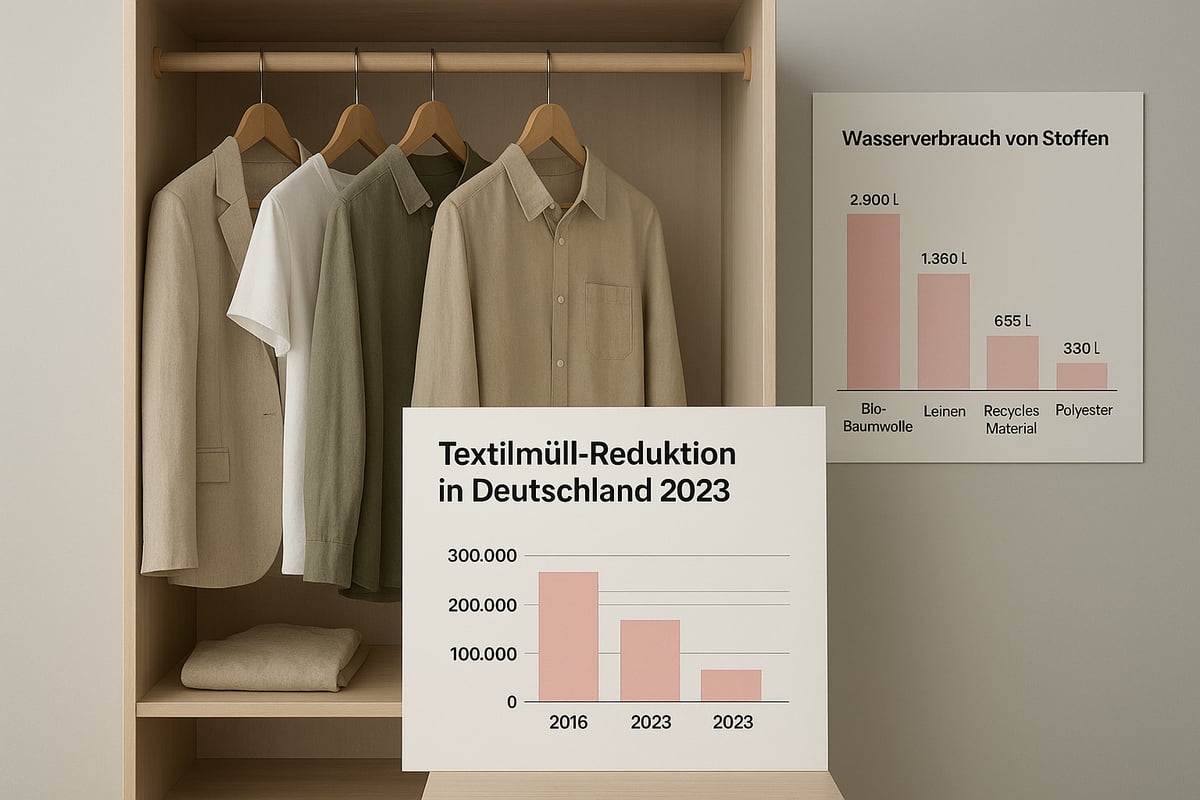
Slow fashion focuses on materials and production processes that conserve resources. Water consumption is significantly lower than in conventional fashion. Fewer chemicals are used, and microplastic pollution is reduced. In 2023, approximately one million tons of used clothing were disposed of in Germany. Slow fashion helps to reduce this mountain of waste. Many labels use innovative techniques to reuse fabrics and minimize waste.
If you want to know how slow fashion noticeably reduces the burden on the environment and society, you can find more facts and examples in this article: Advantages of Slow Fashion for the Environment and Society .
Fair working conditions and social responsibility
A central concern of slow fashion is protecting the people who make your clothes. Fair wages, safe workplaces, and transparent supply chains are key. Certifications like GOTS or the Fair Wear Foundation help you determine whether a label operates responsibly. Many slow fashion brands demonstrate that better working conditions are truly possible. They support local communities and invest in education and healthcare in their communities.
Durable quality and timeless design
Slow fashion means buying clothes that will last for many years. High-quality fabrics and careful craftsmanship ensure durability. A well-cared-for wool coat can last for decades and remain timelessly beautiful. Instead of following fleeting trends, you invest in pieces that will always be wearable. This makes your wardrobe not only more sustainable but also more versatile and valuable.
Personal style instead of fleeting trends
With slow fashion, you rediscover your own style. You consciously choose what suits you and aren't guided by constantly changing trends. The capsule wardrobe concept helps you create versatile outfits from just a few favorite pieces. This way, fashion becomes a form of self-expression again, instead of mere consumption.
Economic benefits for you
It's worth investing in slow fashion. High-quality clothing lasts longer, and repairs and upcycling save you money. Instead of constantly buying new things, you focus on quality and take good care of your pieces. This way, you reduce your expenses in the long run and still always have something suitable in your wardrobe. Conscious choices also pay off financially in the long run.
Psychological added value: Appreciation and mindfulness
Slow fashion transforms your relationship with clothing. You appreciate each piece more and are more mindful of your resources. Less pressure to buy and more joy in individual favorites increases your satisfaction. The focus on quality and sustainability not only benefits the environment but also you. Fashion thus becomes something special again – for you and for future generations.
Getting started with Slow Fashion: Your practical guide 2025
Want to integrate slow fashion into your everyday life but don't know where to start? This practical guide will help you get started step by step. From finding your style to sustainable care – here you'll find concrete tips and inspiration on how slow fashion can work for you in 2025.
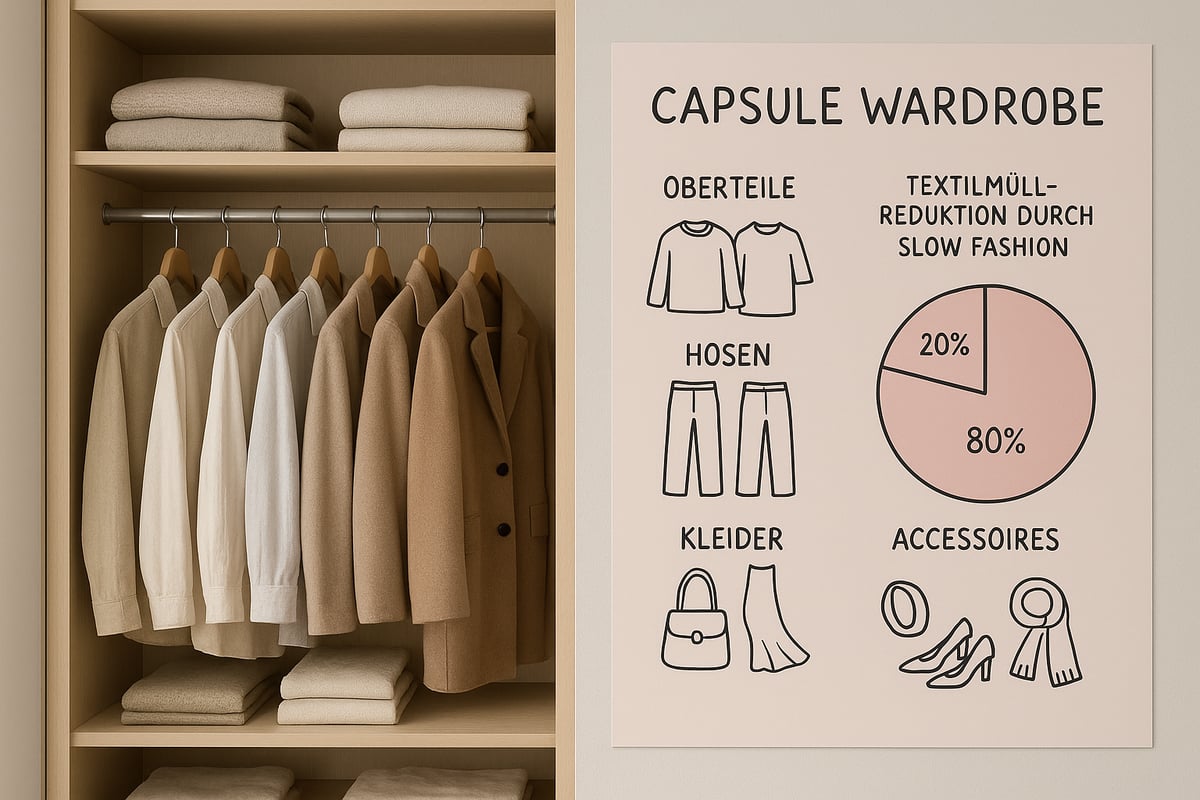
Step 1: Conscious consumption and discovering your own style
The first step in slow fashion is recognizing your own style and your actual needs. Ask yourself: What do I really wear often? Which colors, cuts, and materials suit me? The capsule wardrobe is a proven concept for creating more combinations with fewer pieces.
A shopping checklist helps you avoid impulse buys. Before every purchase, ask yourself: Do I really need this? Does it fit with my wardrobe? Focus on favorite pieces rather than trends. You can find more tips in the article "Capsule Wardrobe: Styling Minimally ," which focuses on sustainable consumption and slow fashion.
Step 2: Wardrobe check and decluttering
Before you buy new slow fashion pieces, take a look at your wardrobe. Sort out anything you rarely or never wear. Donate, swap, or sell these items to create space and give clothes a second chance.
Statistics show that around 40 percent of the clothes in German wardrobes are hardly ever worn. Focus on your favorite pieces and get organized. This way, you can see at a glance what you're really missing and selectively add to your wardrobe with slow fashion.
Step 3: Recognize and evaluate quality
In slow fashion, quality counts over quantity. Check seams, fabrics, and workmanship before you buy new items. High-quality materials feel pleasant and last longer.
Look for certifications like GOTS or Fair Wear Foundation; they guarantee sustainable standards. Buying second-hand is also a great way to embrace slow fashion and conserve resources. Develop an eye for detail and learn what constitutes true quality.
Step 4: Sustainable shopping – what to look out for?
When shopping for slow fashion, look for trustworthy labels and transparent brand communication. Find out where and how the clothing is produced.
Avoid greenwashing by researching genuine sustainability certifications and the supply chain. Buy less, but choose carefully and consciously. This way, you support companies that truly take responsibility and embrace slow fashion.
Step 5: Maintenance, repair and upcycling
Care is an important part of slow fashion. Wash your clothes at low temperatures and use environmentally friendly detergents. You can often repair minor damage yourself or use professional repair services.
Upcycling gives old items a new life – for example, by sewing a bag from a T-shirt. This way you extend the lifespan of your favorite pieces and live slow fashion creatively and sustainably.
Step 6: Consciously combine and style
With slow fashion, you can create many looks from just a few pieces. Focus on layering and accessories to vary your outfits. A simple dress, for example, can be styled elegantly, sportily, or casually.
Let yourself be inspired and try out new combinations. This way you develop your own style while remaining sustainable. With slow fashion, fashion becomes an expression of your values and individuality.
Materials science: The best sustainable fabrics & their advantages
Sustainable materials are at the heart of slow fashion and determine how environmentally friendly and durable your clothing truly is. Conscious shoppers pay attention to the origin and properties of the fabrics. This makes slow fashion a genuine alternative for a responsible wardrobe.
Organic cotton vs. conventional cotton
Organic cotton is a key component of slow fashion. Its cultivation requires up to 91 percent less water than conventional cotton. Furthermore, no synthetic pesticides are used in its cultivation. This protects not only the environment but also the people who work in the fields.
An important criterion for slow fashion is the GOTS certificate. It guarantees that the entire production chain meets strict ecological and social standards. Organic cotton feels pleasant against the skin and is particularly durable if you care for it properly.
| criterion | organic cotton | Conventional cotton |
|---|---|---|
| Water consumption | Low | High |
| Pesticide use | No | High |
| GOTS certified | Yes | No |
Linen, hemp & Tencel: Alternative fibers in focus
Linen, hemp, and Tencel are true all-rounders in the slow fashion movement. Linen requires very little water to grow and thrives even in poor soil. Hemp is particularly robust, grows quickly, and is completely biodegradable.
Tencel is made from wood, mostly from sustainably managed forests. Production takes place in a closed-loop system, so hardly any chemicals are released into the environment. All three fibers are breathable, skin-friendly, and boast a long lifespan. This makes them particularly attractive for slow fashion.
Advantages at a glance:
- Low water consumption
- Natural breathability
- High durability
Recycled materials: PET, Econyl & Co.
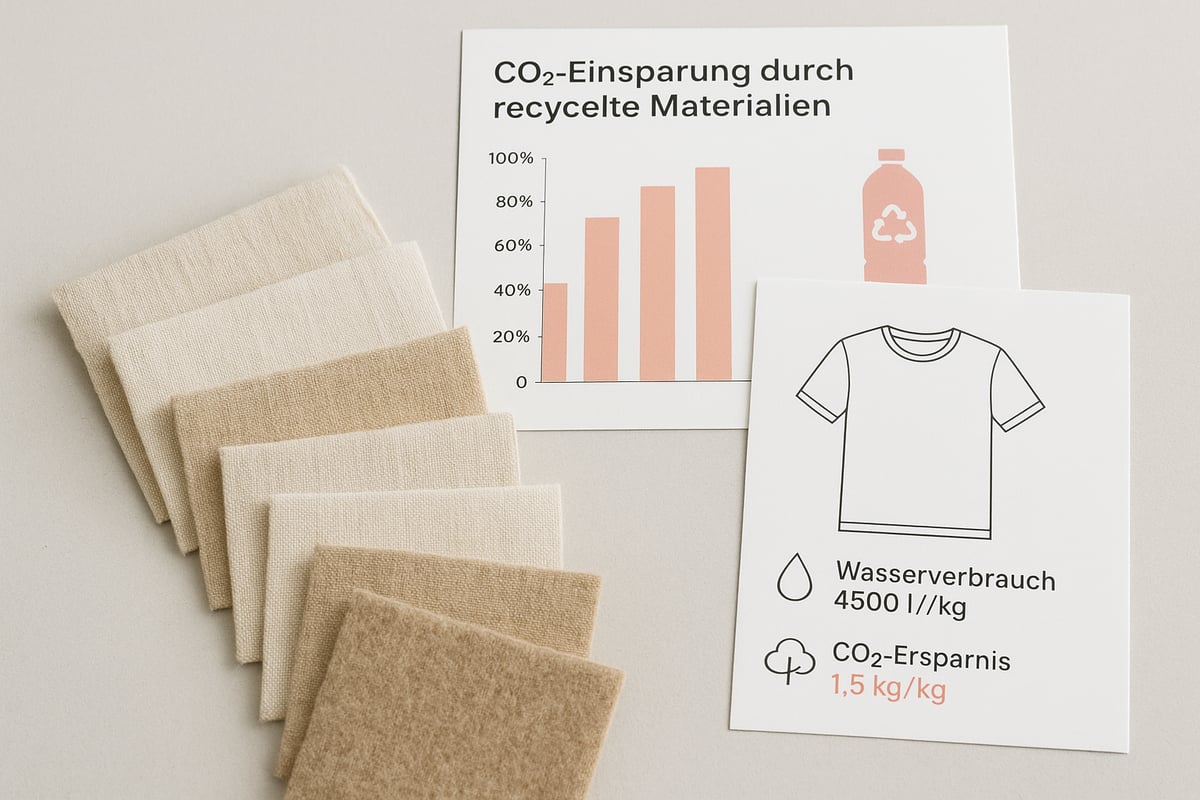
Recycled materials like PET or Econyl are driving innovation in the slow fashion sector. Old plastic bottles and fishing nets are transformed into new, high-quality textiles. One ton of recycled PET saves approximately 2.5 tons of CO2 compared to virgin material.
Many brands are deliberately using recycled materials, thus promoting a circular economy and resource conservation. A good example of sustainability is MAIN Design , where recycled fibers are the focus for swimwear and essentials.
Tips for everyday life:
- Pay attention to information on the recycled content.
- Check certificates and transparent information
- Prefer second-hand or upcycled products
Wool, alpaca & other natural fibers
Natural fibers like wool and alpaca play an important role in slow fashion. They are particularly durable and, with proper care, offer a high level of comfort. When buying, look for certifications such as the Responsible Wool Standard, which guarantees animal welfare and sustainable grazing practices.
Wool keeps you warm, is breathable, and regulates moisture. Alpaca is also very soft, lightweight, and hypoallergenic. Both fibers are easy to repair and, with proper care, retain their shape for many years.
What you should pay attention to when mixing materials
Blended fabrics are often a concern in slow fashion because they aren't always easy to recycle. The purer the fabric, the better it can be reused later. When shopping, pay attention to clear material information and choose products with the highest possible natural fiber content.
Tips for making conscious decisions:
- Prefer natural fibers
- Choose certified fabrics
- Check recyclability
With this knowledge, you can put together your slow fashion wardrobe in a targeted and sustainable way.
The best slow fashion brands of 2025: Inspiration & guidance
Those who want to consume consciously in 2025 will find a steadily growing selection of slow fashion brands. But how do you recognize true sustainability, and which labels are setting standards? Here you'll find inspiration and concrete guidance for your next shopping trip.
Criteria for sustainable brand selection
To identify slow fashion brands, you should look for clear criteria. Transparency, recognized certifications, and social responsibility are particularly important. Check whether brands provide transparent information about their supply chain and demonstrate fair working conditions.
Key criteria for slow fashion at a glance:
- Transparent communication regarding origin and production
- Certifications such as GOTS, Fair Wear or OEKO-TEX
- Regional production and short delivery routes
- Commitment to social projects
Detailed information on common sustainability certificates can be found on the page "Certifications and Eco-Labels Explained" .
International Slow Fashion Pioneers
Global slow fashion brands are setting standards for sustainable fashion. Armedangels, People Tree and Veja are considered pioneers: They combine innovative materials with social responsibility and transparency.
Examples of international slow fashion pioneers:
| brand | Special feature | Origin |
|---|---|---|
| Armedangels | Organic cotton, GOTS certified | Germany |
| People Tree | Fair Trade, handmade | Great Britain |
| Veja | Recycled materials, transparency | France |
You can find more brands and tips on integrating slow fashion at Sustainable Fashion Brands 2025 .
German and Swiss slow fashion labels
More and more labels in Germany and Switzerland are focusing on slow fashion and local production. Lanius, Jan 'n June, Recolution and Nikin stand for innovative materials and short supply chains.
Advantages of regional slow fashion labels:
- Strengthening the local economy
- Lower transport emissions
- Direct contact with female producers
Many of these brands offer transparent insights into their production processes and rely on certified raw materials. This allows you to wear slow fashion with a clear conscience.
Sustainable swimwear: MAIN Design as a role model
In the swimwear sector, MAIN Design demonstrates how slow fashion can also work in swimwear. The label produces stylish collections for women and children using recycled materials. Of particular note: 1 percent of all online sales go directly to ocean conservation.
Practical advantages of MAIN Design:
- UPF 50+ Swimwear for children
- Minimalist design and fast delivery
- Commitment to Healthy Seas
MAIN Design inspires you to have a sustainable summer and shows how slow fashion combines responsibility and style.
Second-hand & vintage: Sustainability with history
Second-hand shopping is an important part of slow fashion. Vintage fashion extends the life cycle of high-quality pieces and offers you the opportunity to create individual looks.
Advantages of second-hand and vintage items:
- Conserve resources through reuse
- Unique finds with a story
- An affordable way to live a slow fashion lifestyle
Tip: Browse local shops or specialized online platforms to create your own sustainable style.
Accessories, shoes & jewelry – sustainably complemented
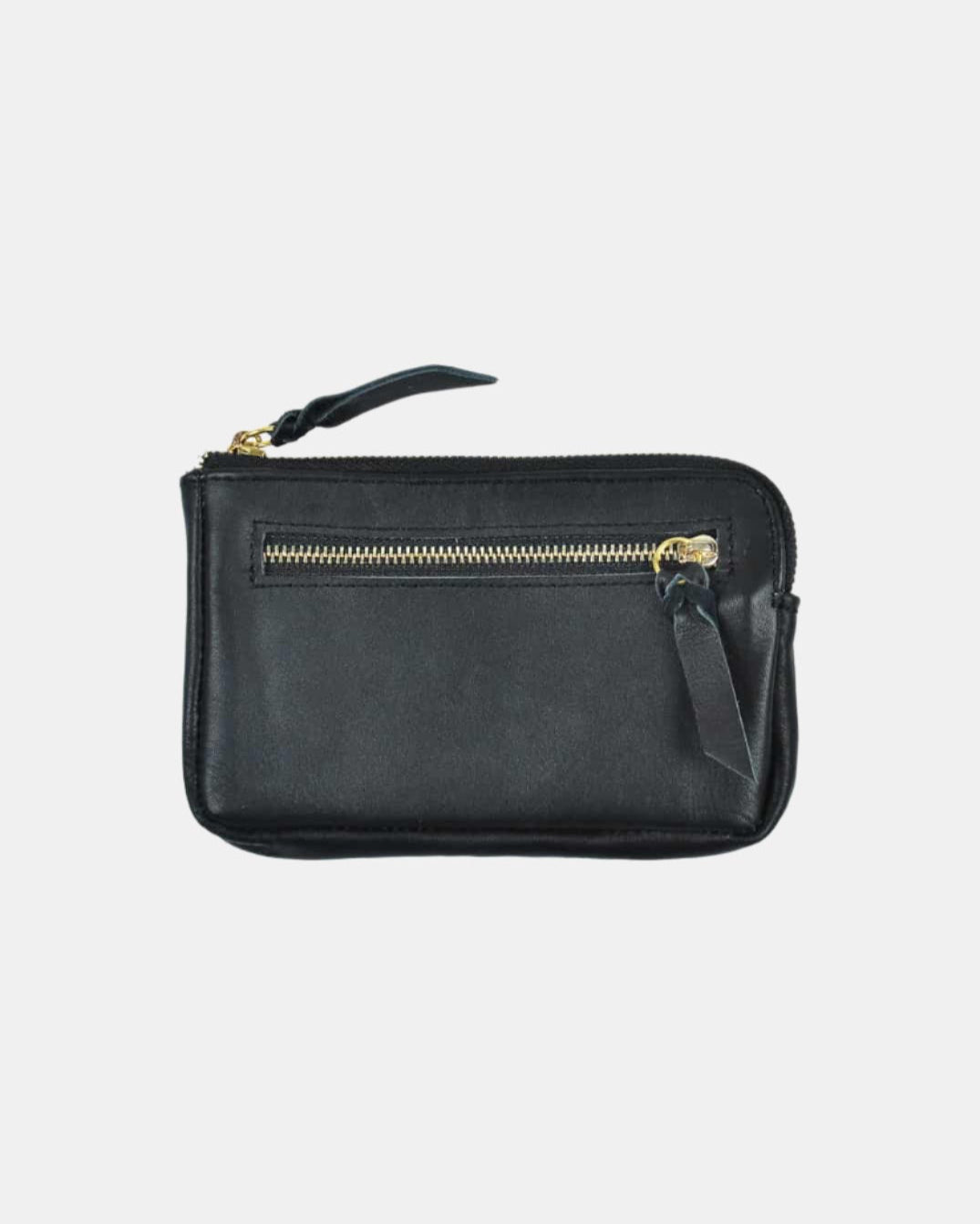
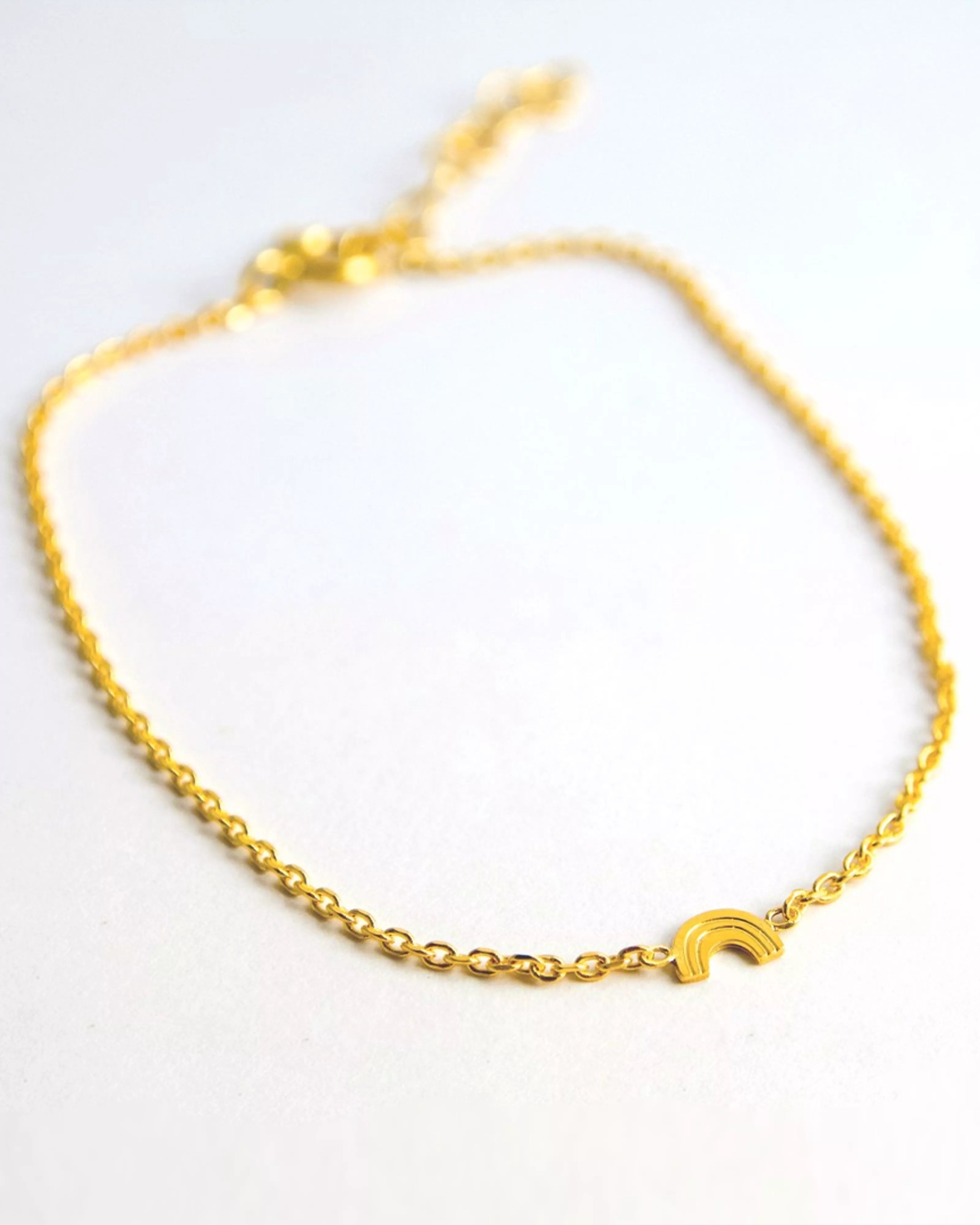
Accessories, shoes, and jewelry are also part of the slow fashion movement. Look for labels that focus on upcycling, craftsmanship, and durable materials. This way, your favorite pieces will become true companions.
Popular slow fashion accessory brands:
- Veja (sneakers made from recycled materials)
- Folkdays (Fair Trade Jewelry)
- Paprcuts (Upcycled Accessories)
With loving details and sustainable production, you can perfectly round off your slow fashion look.
Care, repair & upcycling: How to keep your clothes sustainable
Proper care, repair, and creative upcycling are key components of slow fashion. With a few simple routines, you can make your clothes last longer and conserve resources. This way, you actively contribute to ensuring that slow fashion remains more than just a trend.
Sustainable care for various materials
Each fiber needs its own care for slow fashion to truly work. Wash organic cotton and linen at low temperatures and use eco-friendly detergents. Wool prefers hand washing or special wool cycles.
- Avoid using the dryer to protect the fibers.
- Air out your clothes instead of washing them too often.
- Use laundry bags to avoid microplastics.
By taking these measures, you extend the lifespan of your favorite items and actively live slow fashion in your everyday life.
Repair instead of discard
Repairing is a cornerstone of slow fashion. A beloved garment with a small hole doesn't have to be thrown away. With a needle and thread, you can quickly fix it yourself.
- Sew on buttons, mend hems, and stuff small tears.
- Repair cafés offer help and exchange.
- Professional tailors handle more complex repairs.
This way you conserve resources and maintain your individual style. Repairs make slow fashion a personal success story.
Upcycling: Creativity meets sustainability
Upcycling breathes new life into your wardrobe and is part of slow fashion. Old jeans become trendy bags, T-shirts become pouches or even pillowcases.
- Organize upcycling workshops with friends.
- Use online tutorials for inspiration.
- Let yourself be inspired by sustainable labels and projects, for example sustainable swimwear and surfwear .
This is how you combine creativity, environmental protection and slow fashion in a vibrant way.
Properly storing and disposing of clothing
Proper storage protects your clothes from wear and tear. Use breathable garment bags for wool and cashmere. Store summer and winter clothes separately to save space.
- Protect clothing from the sun.
- Avoid moisture to prevent mold.
- Donate, swap, or recycle items you no longer wear.
This is how you responsibly close the slow fashion circle and give clothes a second life.
Mindfulness and appreciation in everyday life
Mindfulness is at the heart of slow fashion. Those who care for, repair, and upcycle their clothes develop a deeper relationship with their pieces. Less consumption means more appreciation.
- Conscious selection instead of impulse purchases.
- The joy of owning individual favorite pieces.
- You can find more inspiration in the guide Slow Fashion: Sustainable and high-quality produced fashion .
In this way, slow fashion becomes a lifestyle that combines satisfaction and sustainability.
Sustainable and stylish through 2025 – this is achievable when we make conscious choices for our wardrobe and consume responsibly. You've now learned how slow fashion brings real added value for the environment and everyday life, what matters when it comes to materials and brands, and how you can mindfully develop your style. If you want to take the next step and experience sustainable fashion firsthand, you'll find high-quality swimwear and essentials for women and children at MAIN Design – made from recycled materials and with attention to detail. Discover how beautiful sustainable style can be: discover more