For those seeking freedom in the water, bikinis need to keep up. Sustainable surf bikinis do exactly that: they stay securely in place with every wave, protect the skin, and are made from materials that do not further burden the ocean. No compromise between function and responsibility, but both in a single piece of fabric that feels right.
Why sustainable surf bikinis are more than a trend
Choosing sustainable swimwear is not a passing fad. It is an expression of an attitude that takes the sea seriously as a habitat. Conventional swimwear is usually made of polyester and elastane – fibers that release microplastics with every wash. Studies show that synthetic textiles are among the main sources of microplastics in waterways, with measurable impacts on marine ecosystems.
Sustainable surf bikinis address this. They use recycled materials made from fishing nets, PET bottles, or production scraps. These circular approaches not only reduce waste but also lower energy and water consumption during production.
What makes a surf bikini sustainable
Not every piece of swimwear that calls itself "eco" deserves this label. Genuine sustainable surf bikinis are characterized by several features:
- Recycled fibers: ECONYL® made from old fishing nets or REPREVE® from PET bottles form the basis of high-quality surf bikinis
- Durability: Chlorine-resistant, UV-resistant fabrics with UPF 50+ protection last significantly longer than fast-fashion alternatives
- Transparent supply chains: Certifications such as OEKO-TEX® or Global Recycled Standard document social and environmental standards
- Reduced chemicals: Dyeing processes with lower water and chemical usage protect the environment and the skin
A good indicator is the brand's willingness to disclose concrete information about material origin and production conditions. The Guardian recommends asking specifically about these details when buying swimwear.

Function meets responsibility: What surf bikinis must deliver
Surfing places different demands than relaxed swimming. Waves pull, salt water attacks, and movements are dynamic. Sustainable surf bikinis must master these conditions without losing their shape or function.
Fit and support during movement
The most important difference between fashion bikinis and surf models lies in the cut. Surf bikinis are designed to stay in place. Wide straps, reinforced seams, and thoughtful cut designs prevent things from slipping during a duck dive or after a wipe-out.
Adjustable elements allow for individual customization. Straps at the waist or back can be adjusted so that the bikini fits like a second skin – snug, but not restrictive. This flexibility is particularly valuable in changing conditions.
| Feature | Surf Bikini | Standard Bikini |
|---|---|---|
| Strap width | 2-3 cm, often adjustable | 0.5-1.5 cm, usually fixed |
| Leg cut | Medium to full coverage | Variable, often minimal |
| Closures | Multiple adjustments, reinforced | Simple knots or hooks |
| Seam construction | Seamless or double-reinforced | Standard flatlock |
| Material elasticity | 15-25% stretch with memory | 10-20% stretch |
The Serene Surf Bikini Bottom illustrates this principle: The practical straps at the waist allow for an individual fit, the seamless construction prevents chafing, and the chlorine-resistant fabric with UPF 50+ retains its shape even after many sessions. This exact combination makes the difference between a bikini that accompanies you and one that restricts you.
Material and durability
Recycled fibers do not have to hide behind virgin materials. Modern ECONYL® or REPREVE® fabrics are at least as robust as conventional alternatives, often even more resistant to chlorine and UV radiation.
The knit structure of the fabric plays a central role. High-quality sustainable surf bikinis use denser fabrics with a higher grammage, which not only prevents transparency but also extends the lifespan. Fabrics with shape-memory properties return to their original shape after stretching – crucial for durability.
Microplastics and washing behavior: The hidden challenge
Even sustainable surf bikinis made from recycled synthetic fibers release microfibers when washed. Studies document that up to 700,000 fibers can be released from synthetic clothing per wash. This is no reason to panic, but a reason for conscious handling.
Practical reduction strategies
- Wash less often: Rinse thoroughly with cold fresh water after saltwater exposure, air dry. Machine wash only when necessary
- Low spin cycle: High RPMs increase fiber breakage. 400-600 RPM are sufficient
- Use a wash bag: Guppyfriend or Cora Ball filters microfibers and prevents them from entering the wastewater
- Prefer cold washing: 30°C is completely sufficient. Less energy, less fiber loss
The EU has recognized the problem. The Regulation (EU) 2023/2055 restricts intentionally added microplastic particles, which although it concerns product additives, increases the pressure on the entire textile industry to develop solutions for unintentional release.

Innovation in fiber development
Manufacturers are working on solutions. Newer yarn constructions and surface treatments reduce fiber shedding by up to 30%. The Microfibre Consortium is developing practical guidelines for the industry, which show how improvements are possible already in the production process.
In addition, there are initial approaches with biodegradable elastane alternatives. These are still in development, but could complement or replace synthetic stretch components in the medium term.
The right choice: Criteria for your sustainable surf bikini
Not every body, not every wave requires the same cut. The choice of the right model depends on several factors.
By surf style and skill
Beginners benefit from more coverage and firm support. Triangle tops can slip if the technique is not yet mastered. Better: Crop tops or bandeau models with wide straps.
Advanced surfers know exactly what they need. They can get by with less fabric, as long as the cut is right. High-waist bottoms or models with a deeper leg cut provide freedom of movement while maintaining a secure fit.
For different wave types:
- Small Waves / Longboarding: More leeway in the cut, even fashion-oriented models work
- Medium conditions: Standard surf bikinis with adjustable elements and medium coverage
- Big Waves / Power Surfing: Maximum support, full coverage, multiple secured closures
By skin type and sun protection
UPF 50+ is standard for high-quality surf bikinis. This corresponds to a protection of about 98% of UV radiation. Nevertheless: Exposed skin areas need additional sun protection.
Fair skin types should pay attention to denser fabrics and larger cuts. Dark colors absorb more UV radiation than light ones, but also offer more heat retention – an advantage in cold waters, less so in the tropics.
| Criterion | Recommendation for fair skin | Recommendation for dark skin |
|---|---|---|
| Fabric density | 200+ g/m² | 180+ g/m² sufficient |
| Cut | Prefer more coverage | According to personal comfort |
| Color choice | Darker shades for more UV protection | All colors suitable |
| Additional protection | Consider rashguard or Lycra | Makes sense for long sessions |
Maximize care and lifespan
The most sustainable swimwear is the one that lasts a long time. With the right care, sustainable surf bikinis remain shapely and functional for years.
Immediately after the session
Saltwater and sand are the biggest enemies of any bikini. Rinsing immediately with cold fresh water removes salt crystals that attack the fabric and bleach colors. Do not wring or twist – simply rinse under running water and gently squeeze out.
Chlorine is more aggressive than saltwater. After the pool, be sure to rinse thoroughly. Chlorine-resistant fabrics tolerate more, but they too suffer from constant exposure without post-treatment.
Drying and storage
Avoid direct sunlight while drying. UV radiation not only bleaches colors but also makes elastane fibers brittle. Dry in the shade in the air – it goes faster than you think and protects the material.
Never in the dryer. The heat destroys elasticity and can loosen seams. Radiators are also taboo.
When storing, lay flat or hang loosely. Tightly folded items create creases that set into the material. A dry, cool place prevents mold formation.
Machine washing as a last option
If machine washing is necessary:
- Use a wash bag (also protects the washing machine from hooks and straps)
- Cold water, max. 30°C
- Delicate cycle without spinning or minimal spin cycle
- Special sports or delicate detergent without fabric softener
- Wash with similar colors
Fabric softener lays down like a film over the fibers and impairs elasticity and breathability. Absolutely counterproductive for functional sportswear.

Understanding certifications and seals
The market for sustainable fashion is confusing. Labels and certifications help with orientation, but not all mean the same thing.
Global Recycled Standard (GRS) confirms that products contain recycled materials and that social and environmental standards were met in production. At least 50% recycled content is required.
OEKO-TEX® Standard 100 tests textiles for harmful substances. It is not about the sustainability of the raw materials, but about health safety. Important for swimwear, as it has direct skin contact.
Cradle to Cradle Certified™ evaluates products based on circularity, social fairness, material health, water and energy management. Particularly strict, but still rare in swimwear.
bluesign® focuses on the entire textile supply chain and eliminates harmful substances from the start. Brands with bluesign® products guarantee high environmental standards.
No certification is perfect, but they increase transparency and credibility. A combination of several standards is the best signal.
Style questions: Sustainable surf bikinis beyond eco-clichés
Sustainability does not automatically mean a jute bag aesthetic. Modern sustainable surf bikinis combine function, responsibility, and timeless design.
Minimalism meets functionality
Clean lines, reduced color palettes, and thoughtful details characterize the design of many sustainable surf bikinis. Black, navy, terracotta, or sand – colors that do not shout, but make an impression. They can be combined, outlast trends, and suit different skin types.
Details such as contrasting seams, asymmetrical cuts, or narrow accent straps create visual highlights without compromising functionality. The result: bikinis that look just as good on the beach as in the wave.
Versatility through mix-and-match
Buying tops and bottoms separately not only has fit advantages. It also allows you to create different combinations. A black top fits five different bottoms, a neutral bottom fits several tops.
This modularity extends the perceived lifespan of the wardrobe. Instead of buying three complete bikinis, two tops and three bottoms are enough – six possible combinations with less material consumption.
At MAIN Design, all bikini parts are offered separately, which enables exactly this flexibility.
Cost and value: Why sustainable surf bikinis have their price
A sustainable surf bikini costs more than a discount model. The difference is explained by several factors.
Material costs: Recycled high-performance fibers are more expensive to manufacture than virgin polyester. ECONYL® from fishing nets undergoes elaborate cleaning and processing procedures.
Fair wages: Transparent supply chains and fair pay in production increase the price, but improve working conditions.
Smaller production quantities: Sustainable labels often produce in smaller batches, which reduces economies of scale, but prevents overproduction.
Durability: A high-quality surf bikini lasts 4-6 years with proper care. A fast-fashion model maybe one season. The price per wear is significantly lower.
Calculation over the lifespan
| Aspect | Fast Fashion (20 CHF) | Sustainable Surf Bikini (90 CHF) |
|---|---|---|
| Lifespan | 1 season (15 sessions) | 5 seasons (150 sessions) |
| Cost per session | 1.33 CHF | 0.60 CHF |
| Environmental impact | High (Virgin material, poor durability) | Low (Recycled, durable) |
| Functionality | Limited | High |
| Value retention | Minimal | Good |
The investment pays off not only ecologically, but also economically.
The role of the industry: From greenwashing to real change
The textile industry is one of the largest polluters worldwide. EU publications show that textiles contribute significantly to microplastic pollution and that systemic solutions are necessary.
Some brands use sustainability as a marketing tool without making substantial changes. Greenwashing is recognized by vague statements without concrete data, missing certifications, and non-transparent supply chains.
True pioneers publish sustainability reports, name their production partners, use independently certified materials, and communicate challenges openly as well.
What needs to change
The industry needs binding standards for durability, repairability, and recyclability. UNEP reports call for systemic solutions that go beyond voluntary measures.
Technological innovations such as biodegradable elastane alternatives, closed production loops, and improved recycling processes are possible – but they need investments and regulatory pressure.
As consumers, we can support this change by specifically choosing sustainable brands, asking questions, and prioritizing durability over quantity.
Gifts for surfers: Swimwear and favorite pieces for the next trip
Giving someone who loves the ocean a gift that strengthens this connection is something special. Sustainable surf bikinis and surf accessories are just such gifts – practical, personal, and made with conviction.
You know her favorite style and her size
If you know which cut suits her, you have a major advantage. Bikini tops and bottoms are worn in different sizes by many brands. A size M top might fit perfectly with an S bottom – body shapes vary.
The Charm Top offers individual adjustment with its adjustable straps and under-bust band. Anyone who likes support and coverage will find a model that thinks along. The Sassy Top with its four back straps combines a sporty look with comfort – it works just as well as a bikini top as a sports top in everyday life.
Among the bottoms, the Serene Bottom ensures a variable fit with its waist ties. More butt coverage, a secure fit – ideal for active sessions or anyone who feels more comfortable with more fabric.
Before you buy: Check the brand's Fit & Size Guide. Most offer detailed measurement tables and fit tips. At MAIN Design, you can find this information directly on the product pages.
You know her style, but not her bikini size
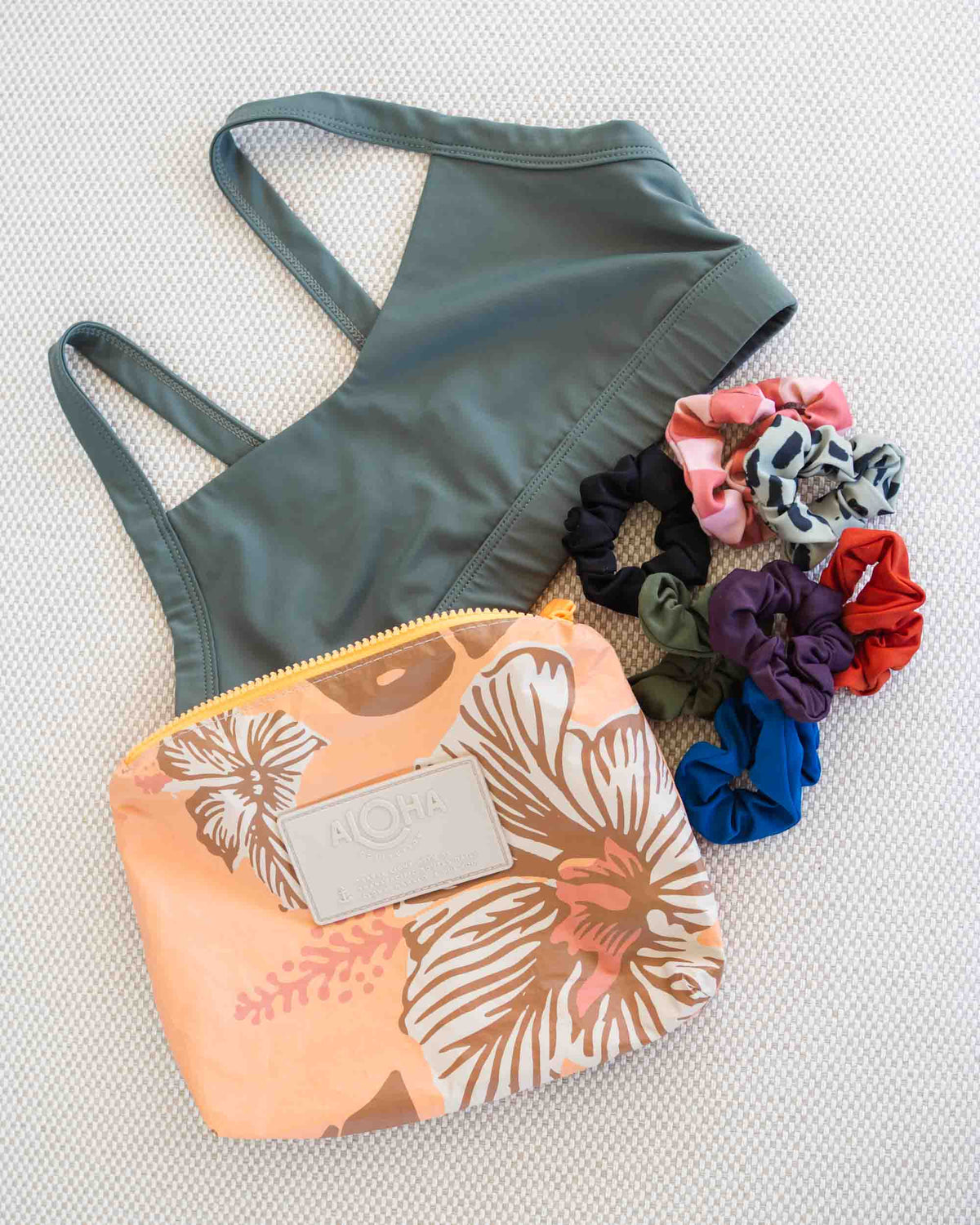
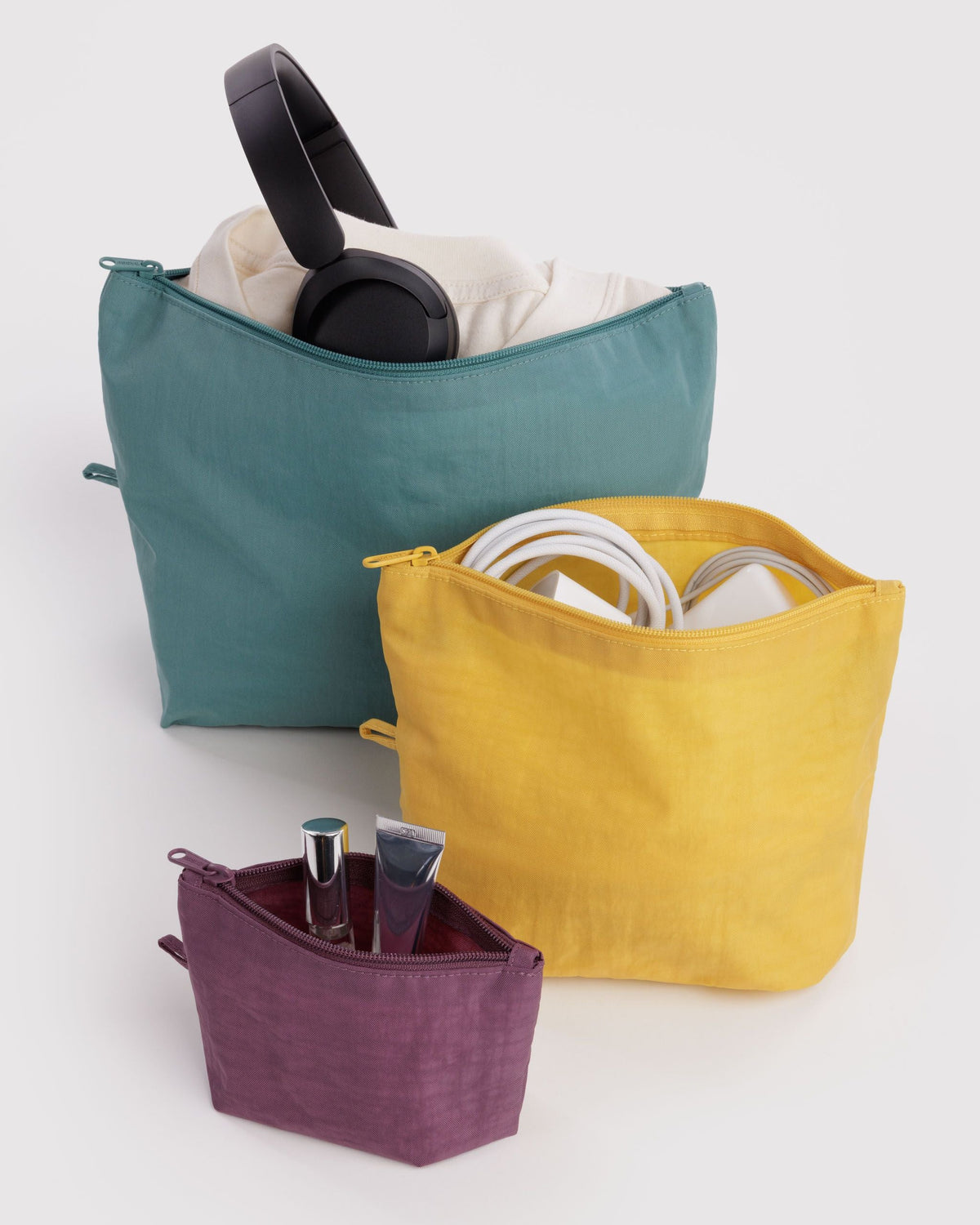
In this case, accessories are the safe choice. High-quality beach towels, bikini bags for transport and storage, or dry bags for valuables at the beach – all things that female surfers actually need.
Beach towels are available in different sizes and designs. Pay attention to quick-drying materials and compact packing size – perfect for surf trips.
Bikini Bags keep wet swimwear separate from dry clothes. Especially practical: models with a separate wet compartment.
Dry Bags protect your phone, keys, and wallet from sand and water. They come in different sizes – from mini versions for essentials to larger models for complete outfits.
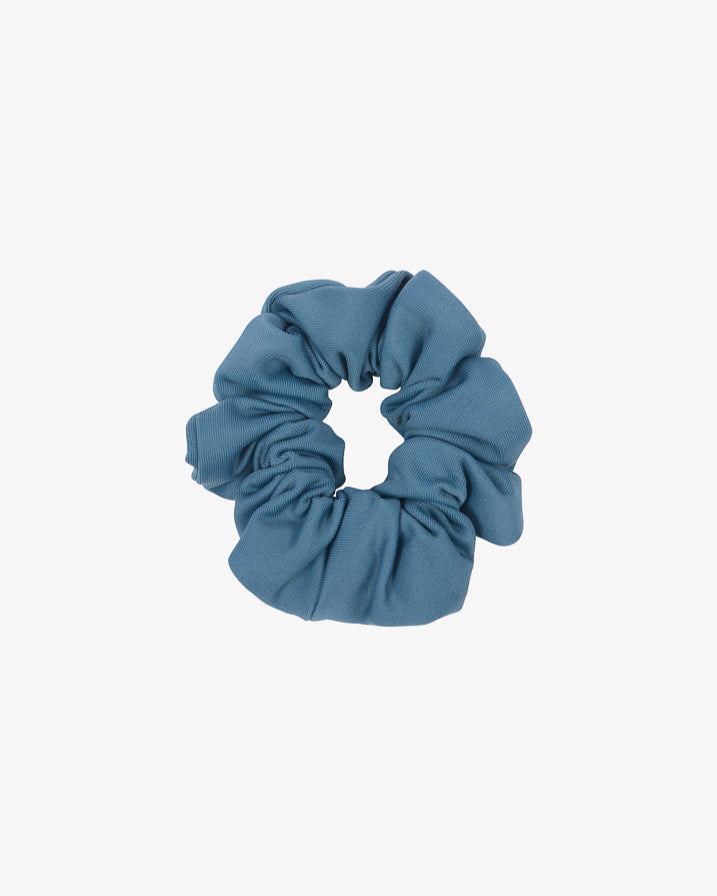
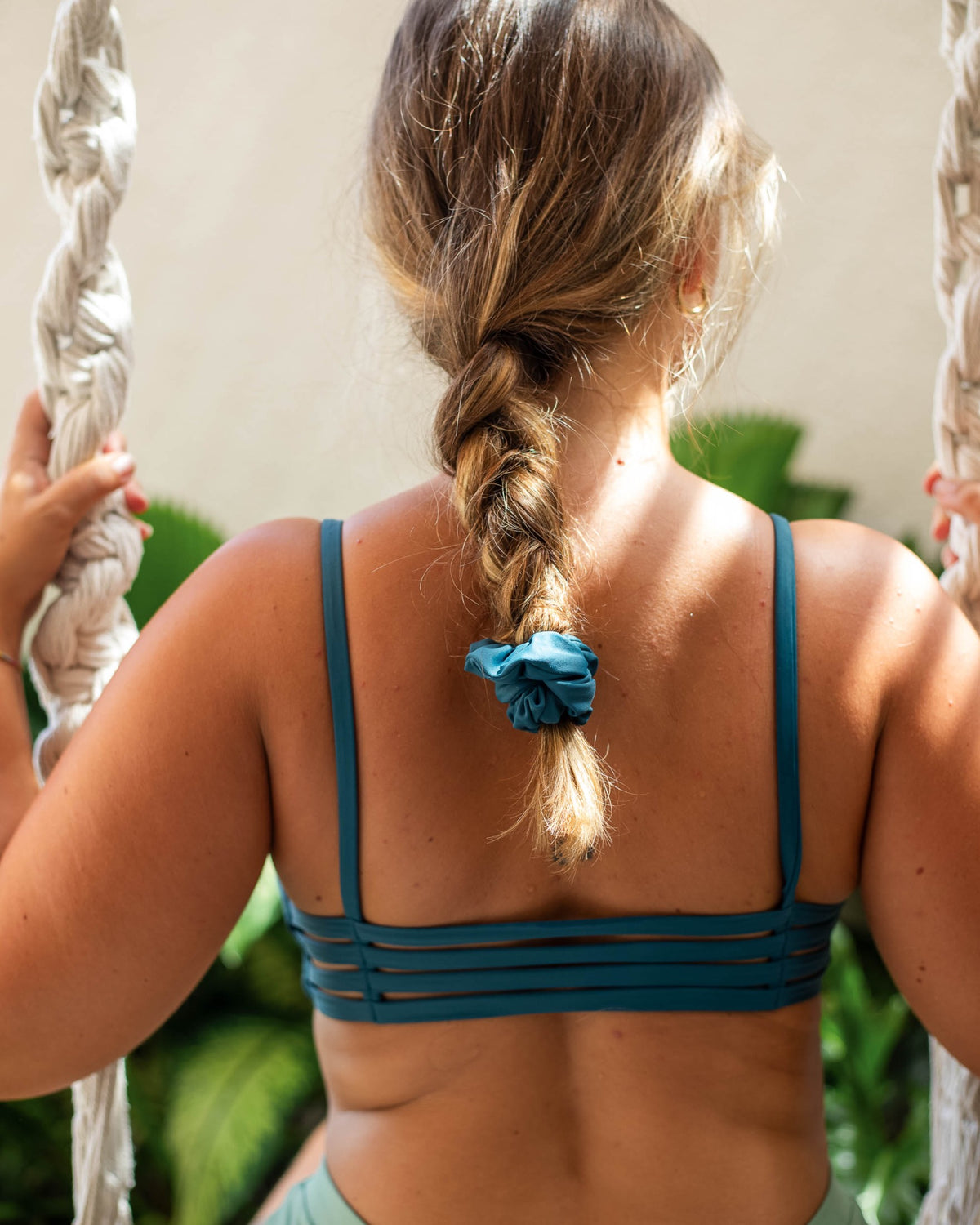
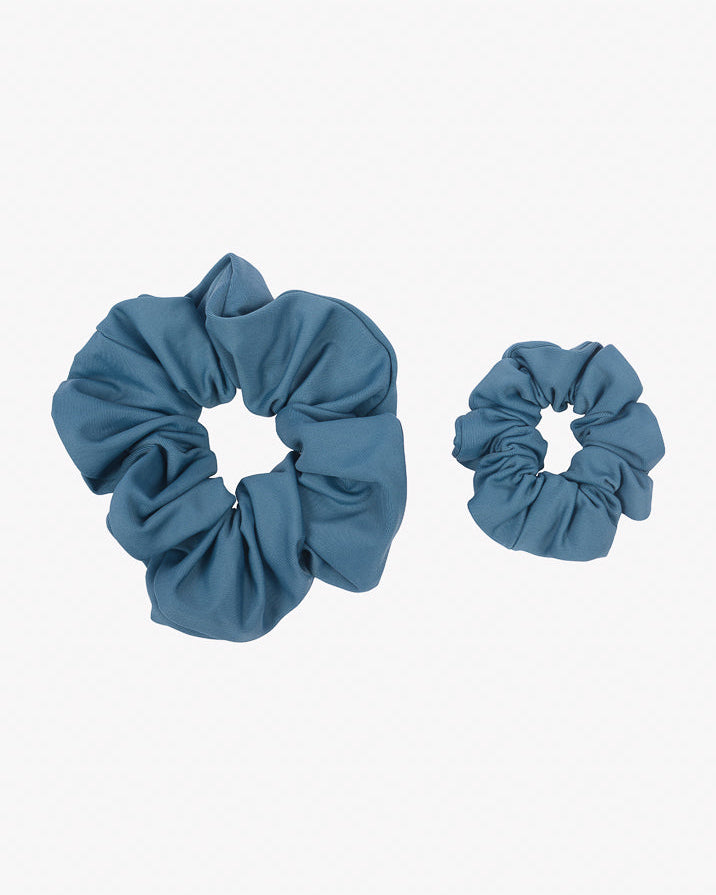
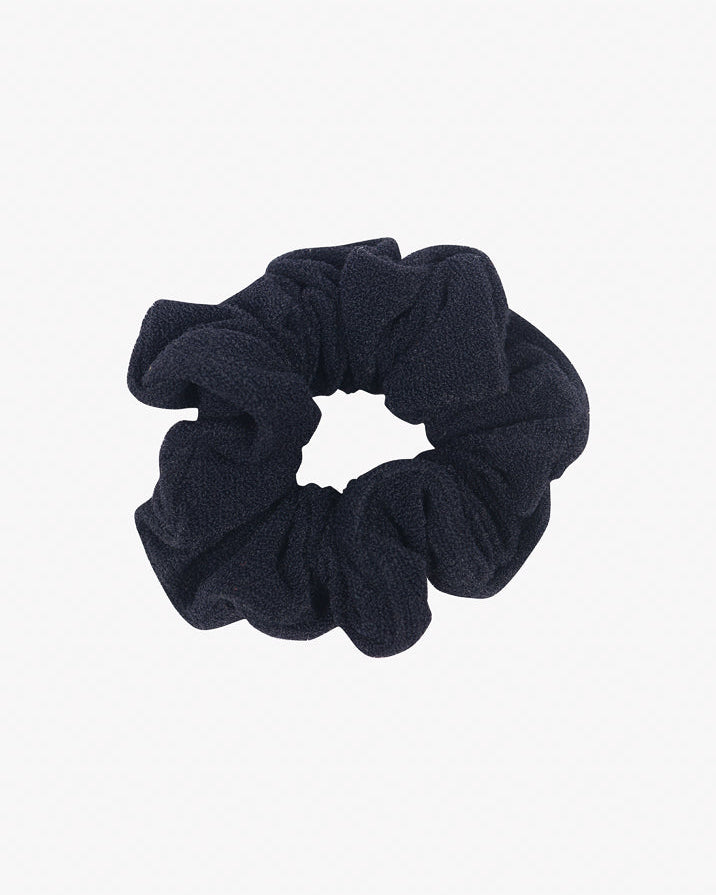
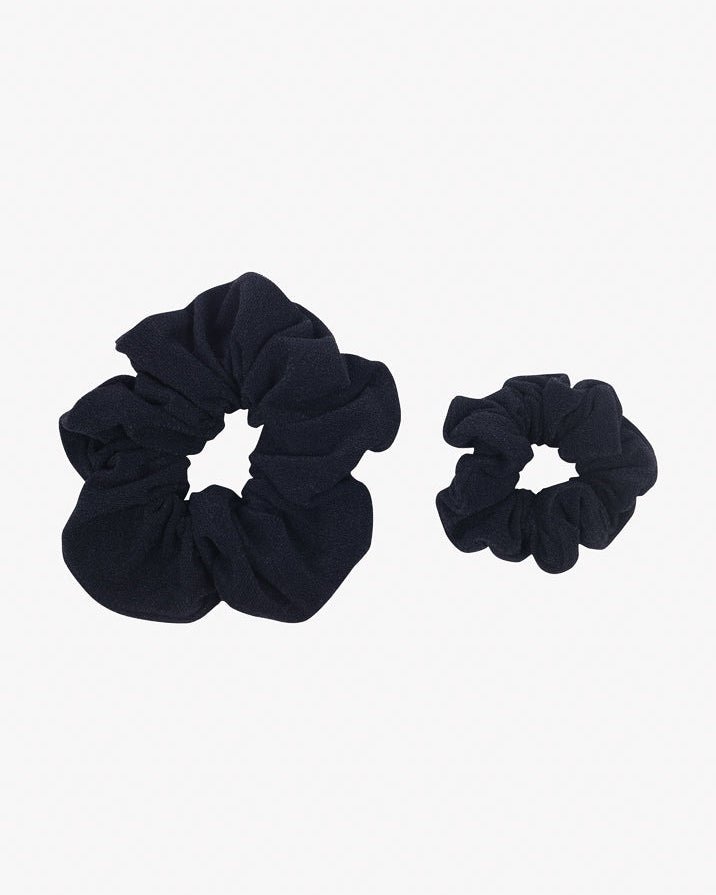
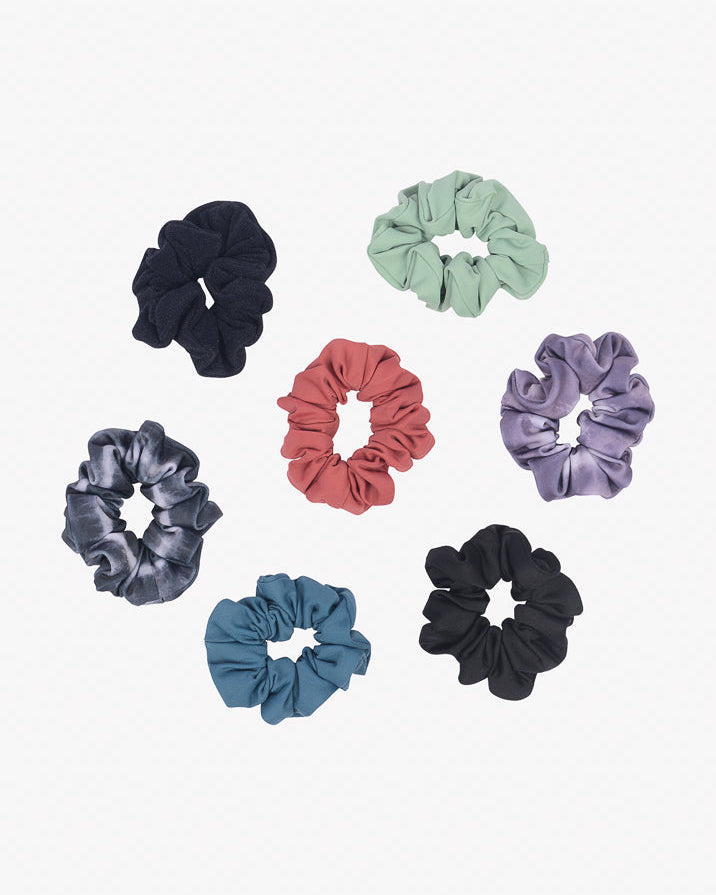
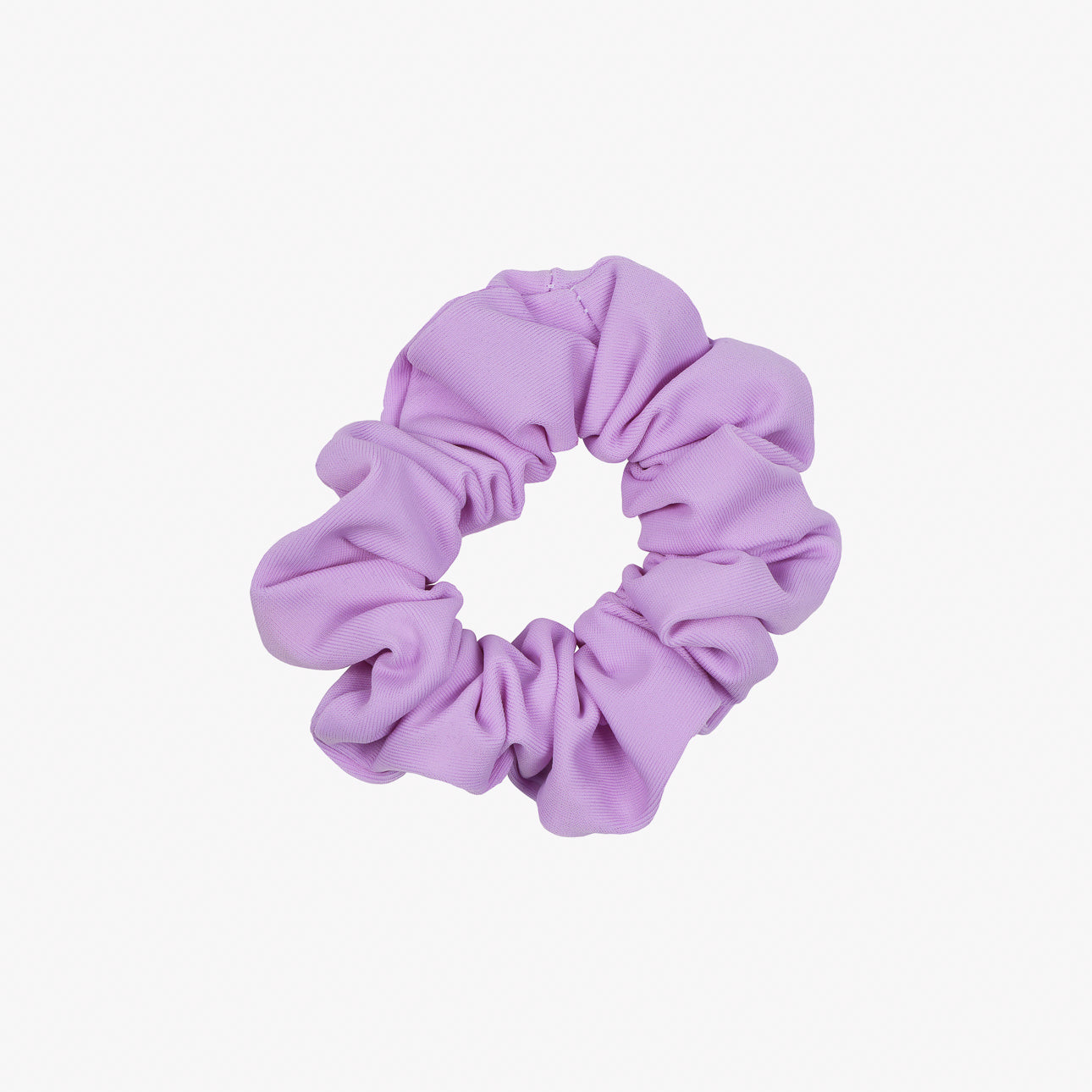
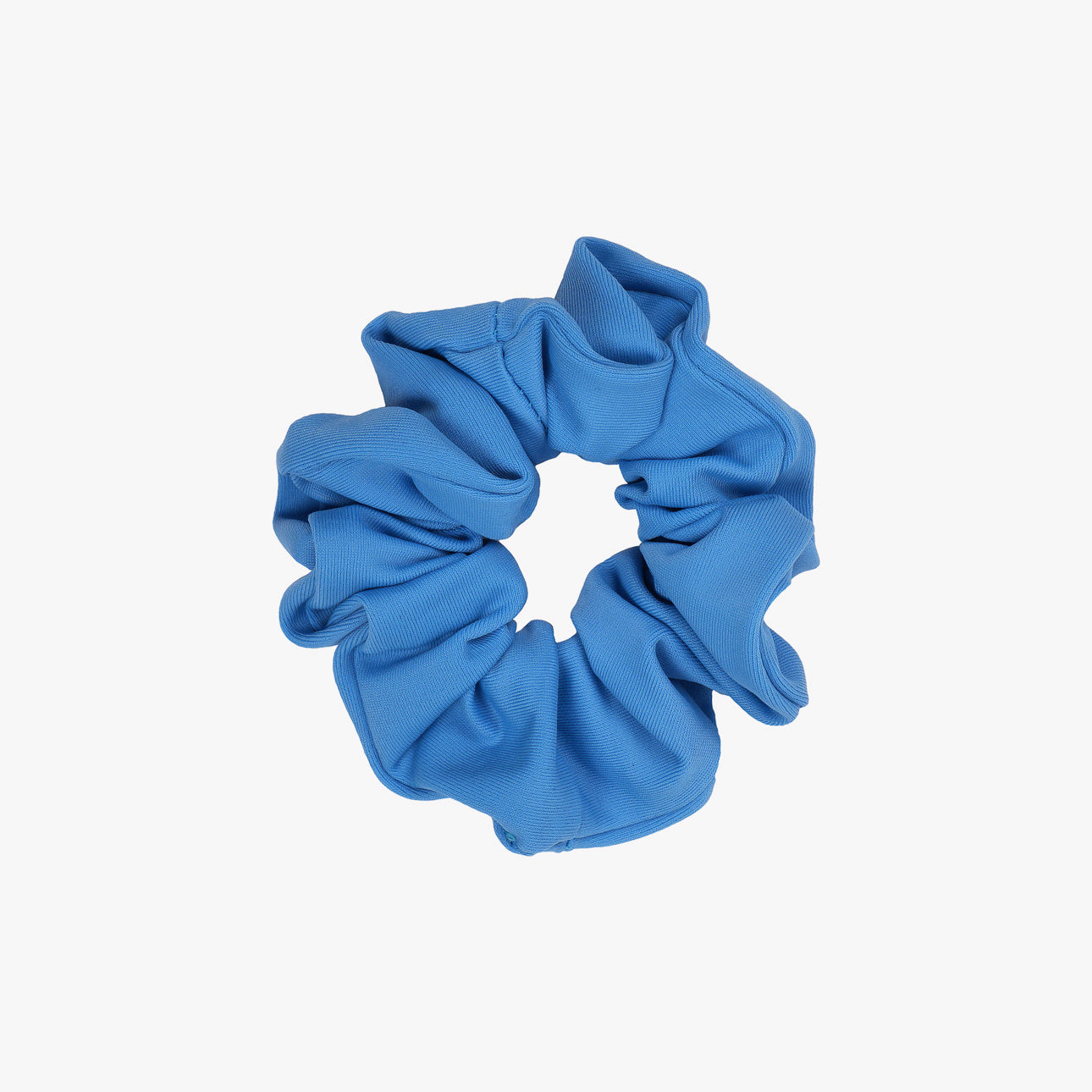
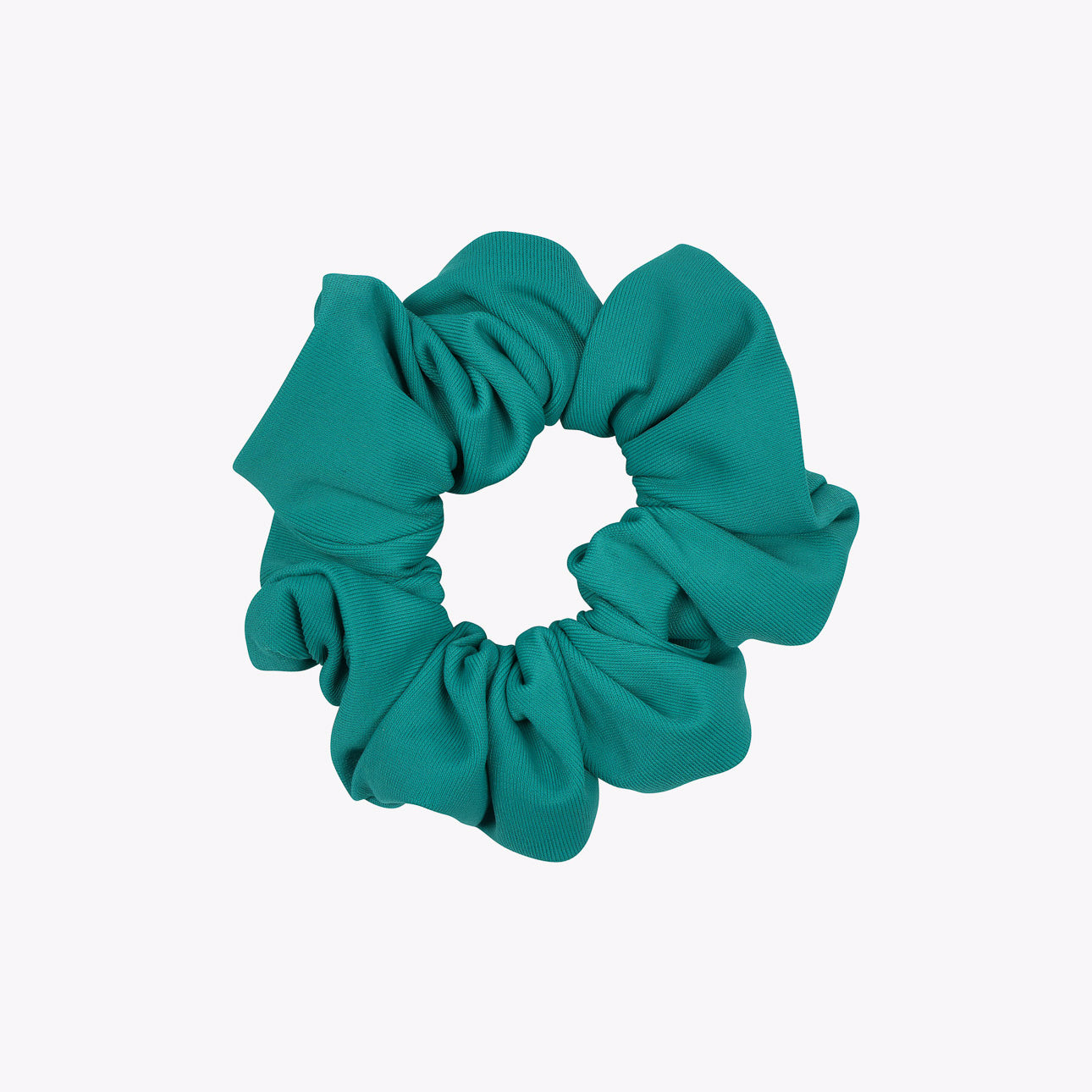
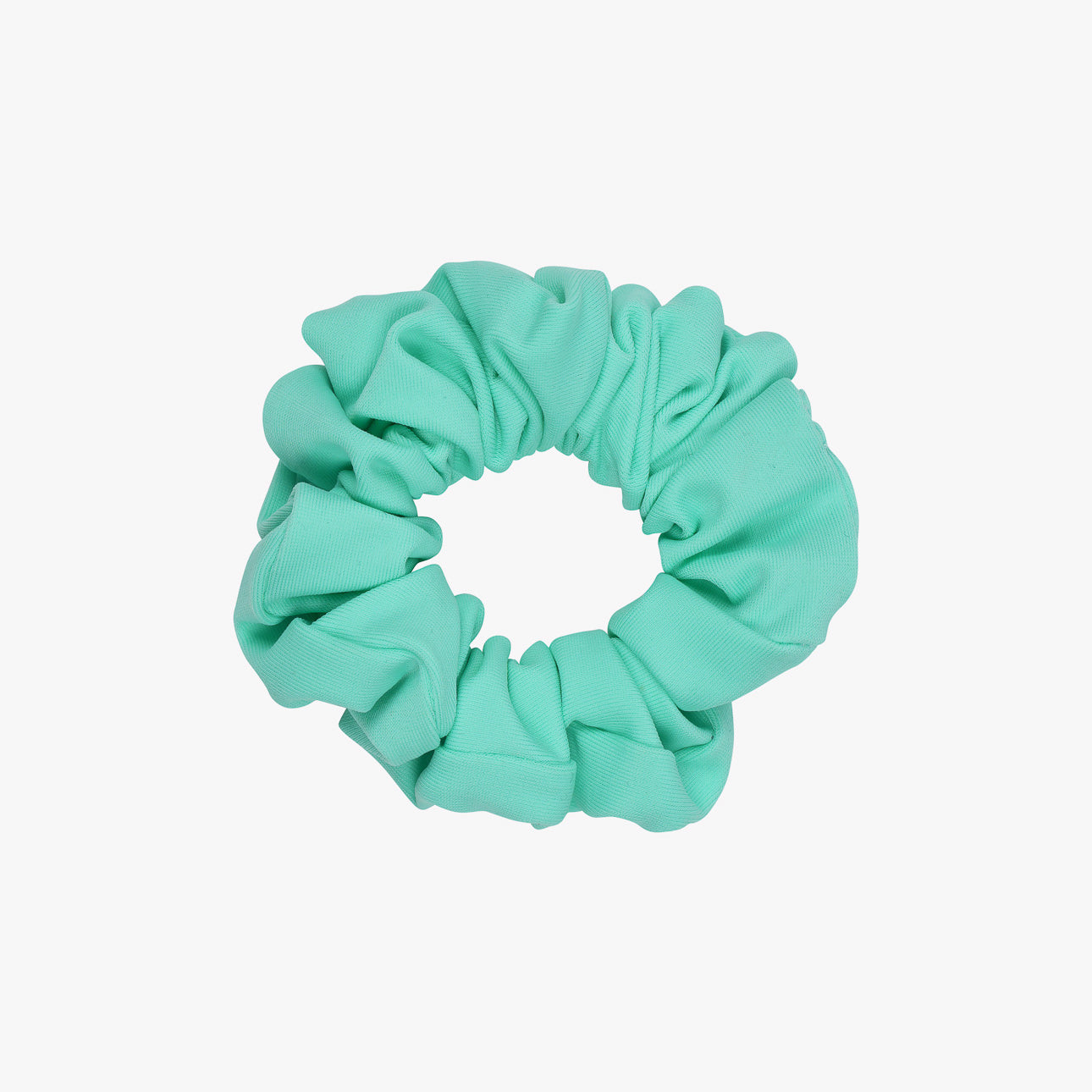
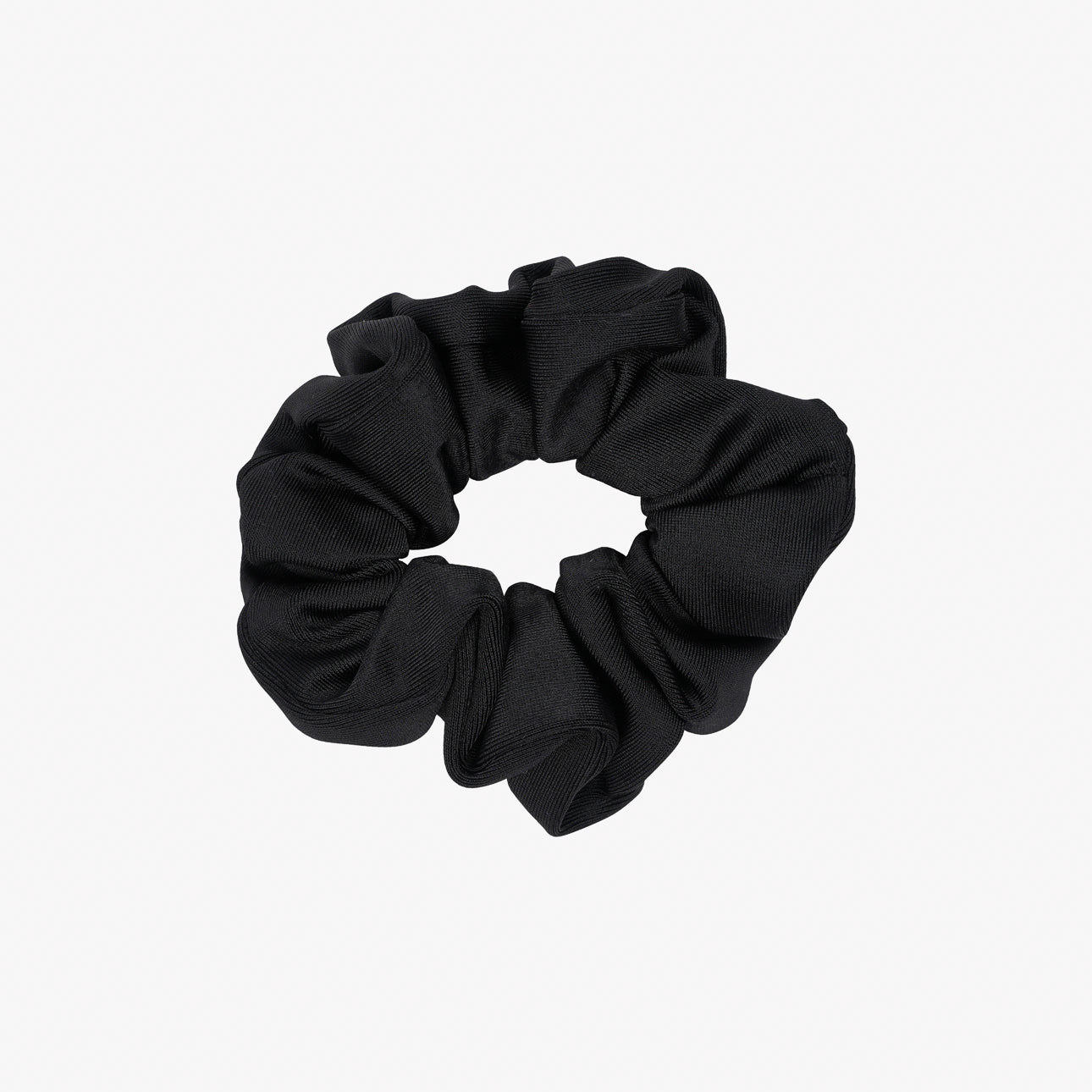
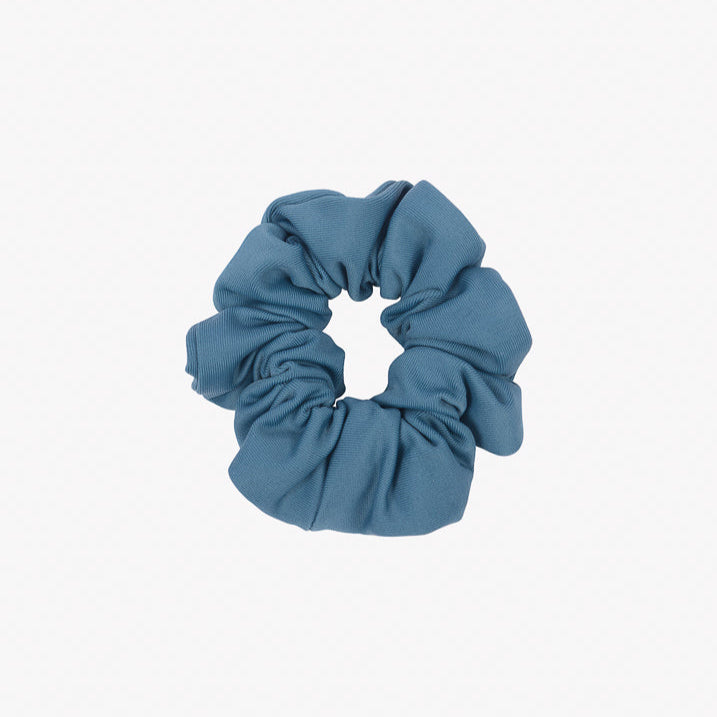
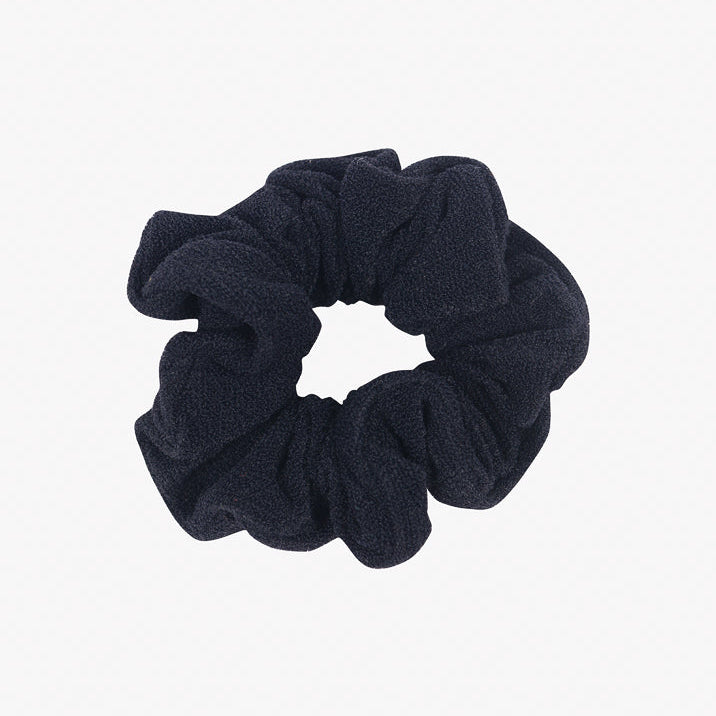
Hair ties made from recycled material or jewelry with a maritime touch can also be a good fit – small gestures that show: I see what is important to you.
She is currently planning her next trip
A gift card gives her the freedom to choose for herself. Maybe she still needs a second top, a new bottom, or wants to try a completely new model. Especially with online orders before trips, flexibility is valuable.
If you know where the trip is going, you can give a specifically suitable piece of equipment. For tropical destinations: long-sleeved UV shirts for extra protection. For cooler surf spots: neoprene accessories or warming ponchos for after the session.
Many sustainable brands also offer return and exchange options. Find out beforehand what conditions apply – this gives both sides peace of mind.
Sustainable surf bikinis combine performance with responsibility. They deliver on their promises – in the water and for the water. Once you have experienced the combination of a perfect fit, long-lasting quality, and a clear conscience, there is no going back. At MAIN Design, you will find swimwear made from recycled materials, designed for active days by and in the sea – and with every purchase, you support Healthy Seas in the fight against ghost nets.