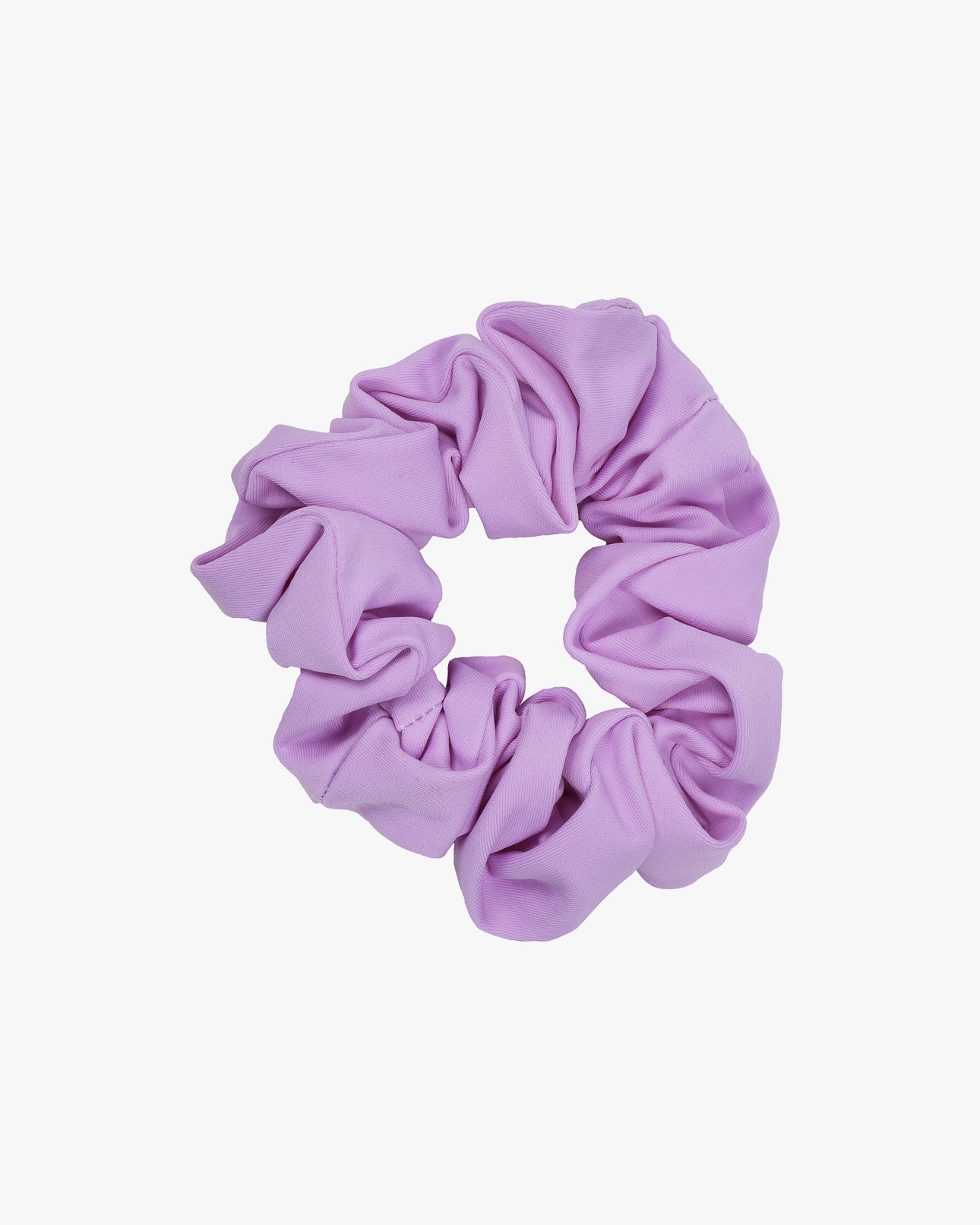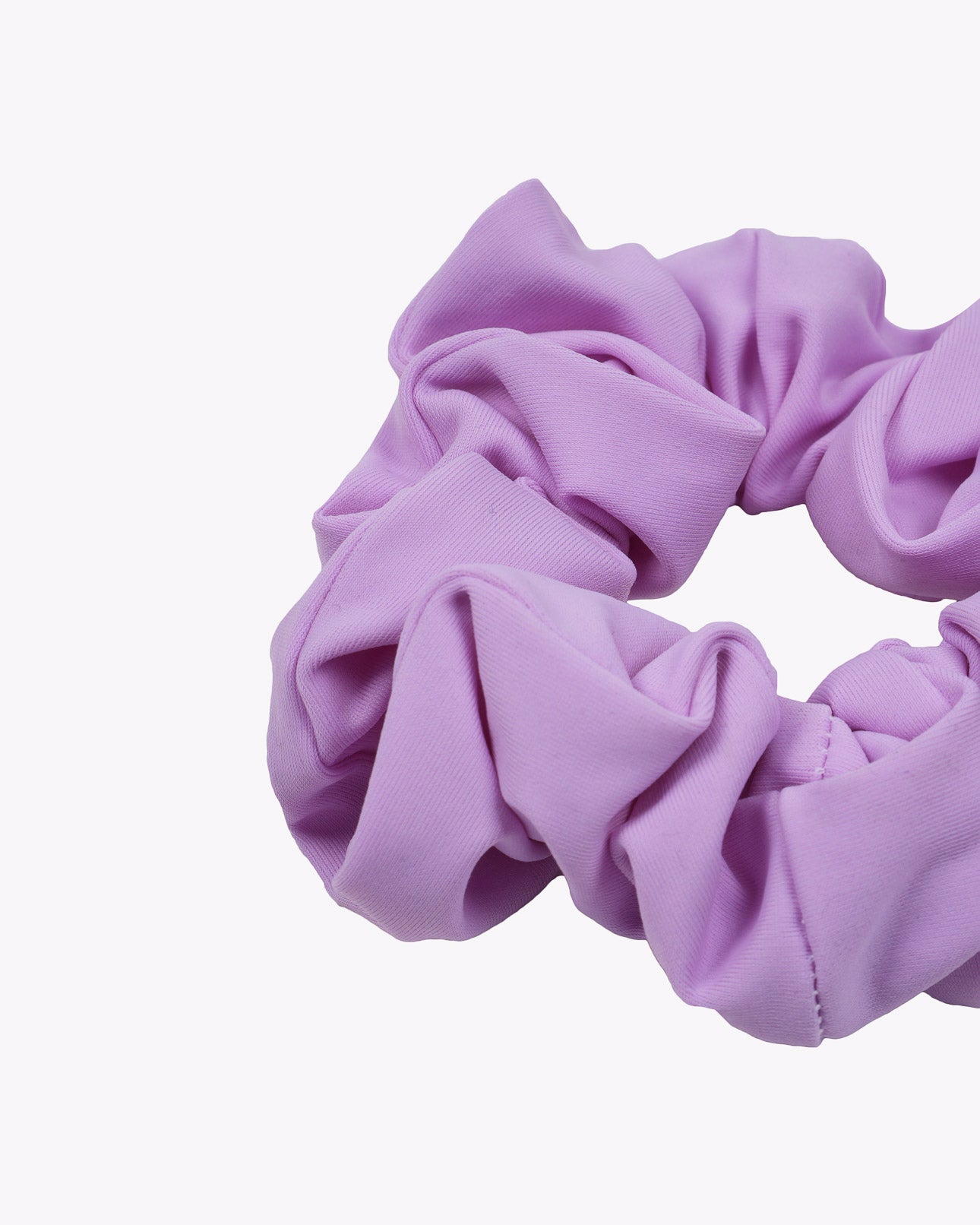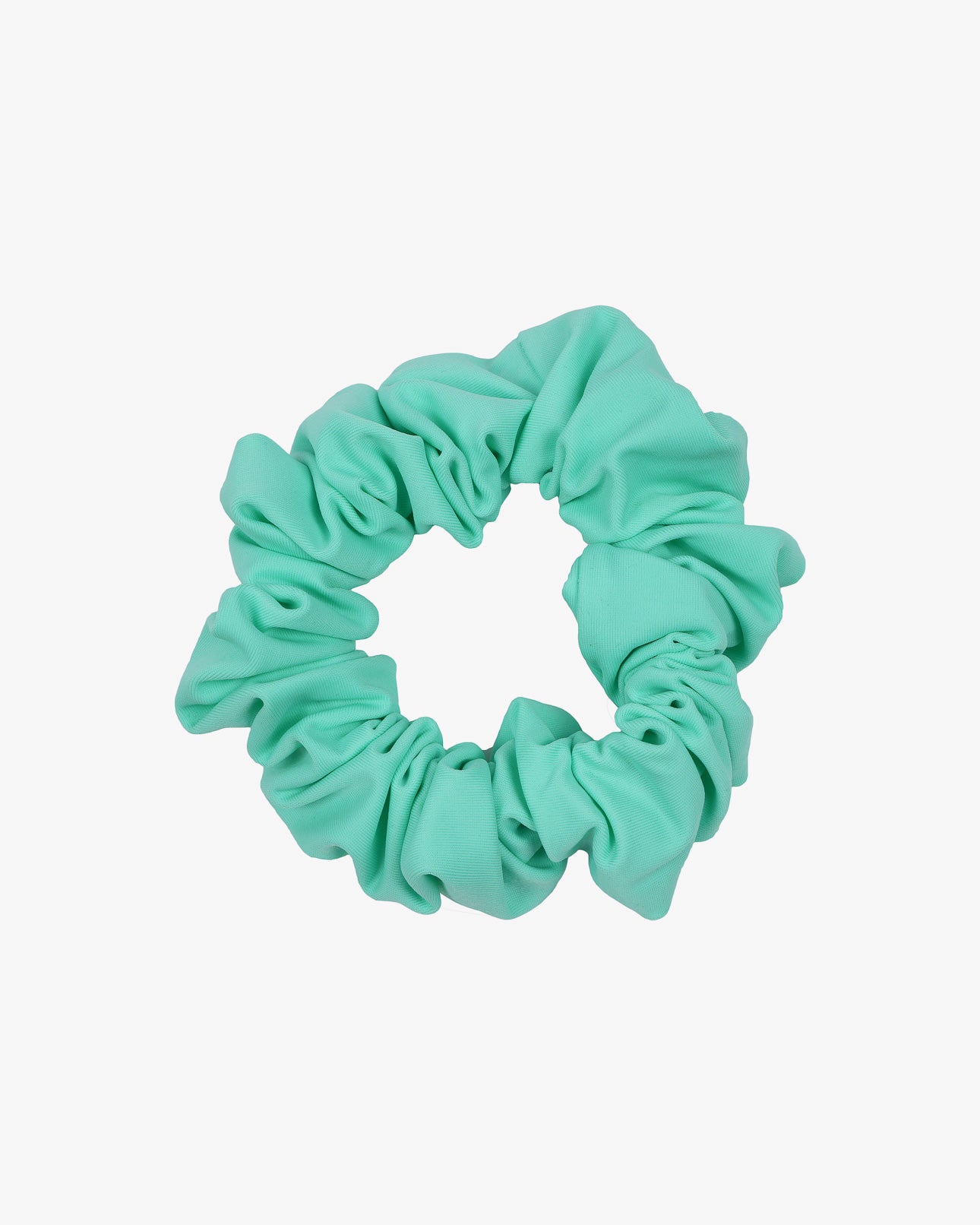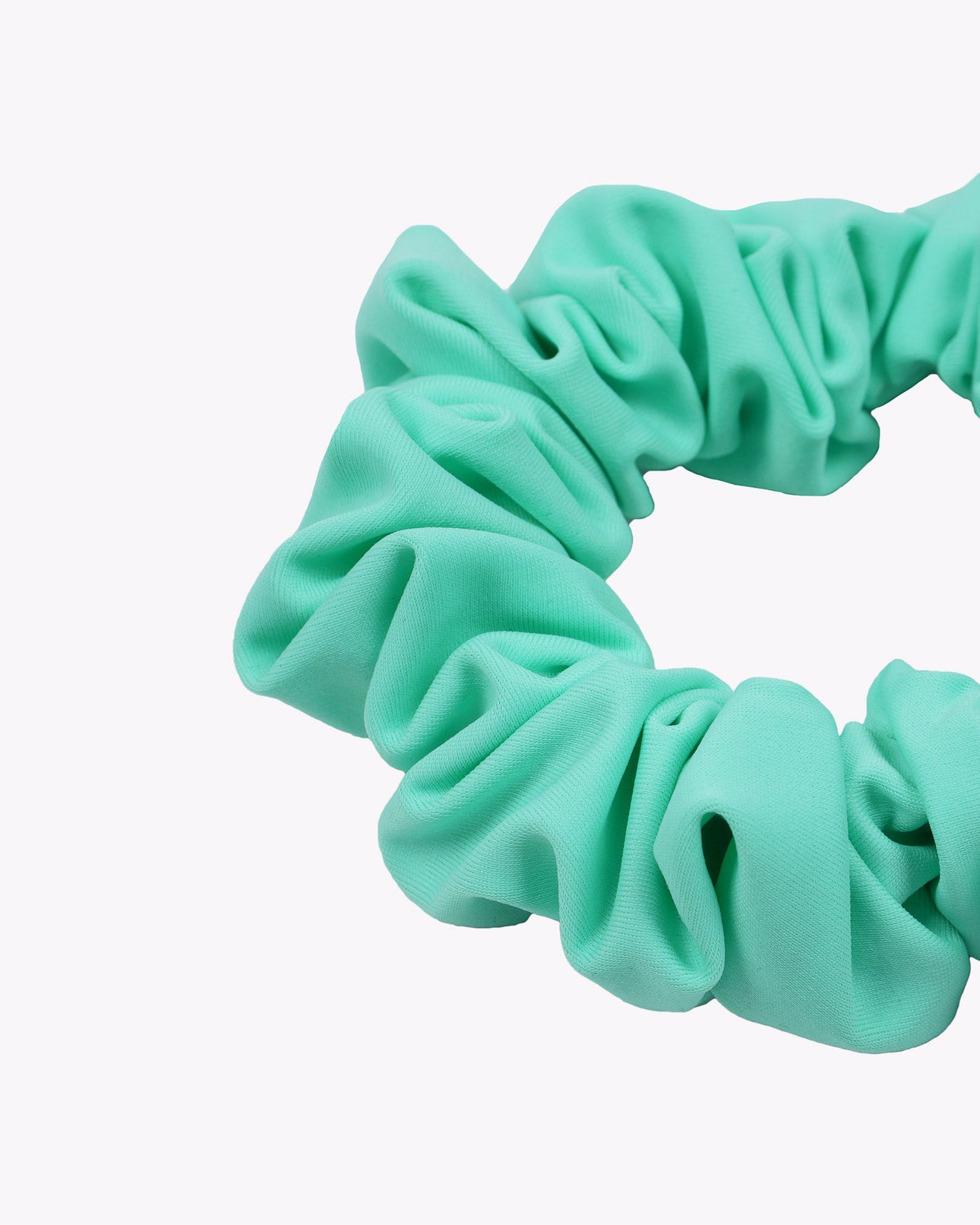


Mini swimwear is more than a trend. It's an attitude. Less fabric doesn't mean less value – on the contrary. In an age where clarity and authenticity count, mini swimwear shows that conscious choices begin with swimwear. This article explores how minimalist cuts, sustainable materials, and timeless design come together. And why less is sometimes truly more.
What Defines Mini Swimwear
Mini swimwear is characterized by reduced cuts and clean lines. Less fabric, but more thoughtfulness. Every inch sits where it should.
Minimalism Meets Function
The core idea of mini swimwear lies in reduction to the essential. No superfluous details, no unnecessary embellishments. Only what supports and protects.
Typical characteristics:
- Narrow straps and reduced fabric sections
- Clean, geometric cuts
- High-quality workmanship with minimal material
- Timeless color palettes instead of fleeting patterns
These qualities make mini swimwear a statement for anyone who consciously chooses less, but better. The evolution of swimwear shows how cuts have changed over decades – from covering models to today's free, reduced designs.

The Difference from Micro Bikinis
Mini swimwear and micro bikinis are often confused. But there is an important difference. While micro bikinis focus on extreme minimization, mini swimwear remains functional and wearable. It's about balance. About the right measure between little fabric and genuine wearing comfort.
| Aspect | Mini Swimwear | Micro Bikini |
|---|---|---|
| Amount of Fabric | Reduced, but functional | Extremely minimal |
| Wearing Comfort | Suitable for everyday wear | More for special occasions |
| Target Group | Broad | Niche-oriented |
| Freedom of Movement | High | Limited |
Sustainable Mini Swimwear: Material and Responsibility
Less fabric doesn't automatically mean less impact. On the contrary. Especially with reduced cuts, every gram of material counts. And thus, its origin matters all the more.
Recycled Materials as Standard
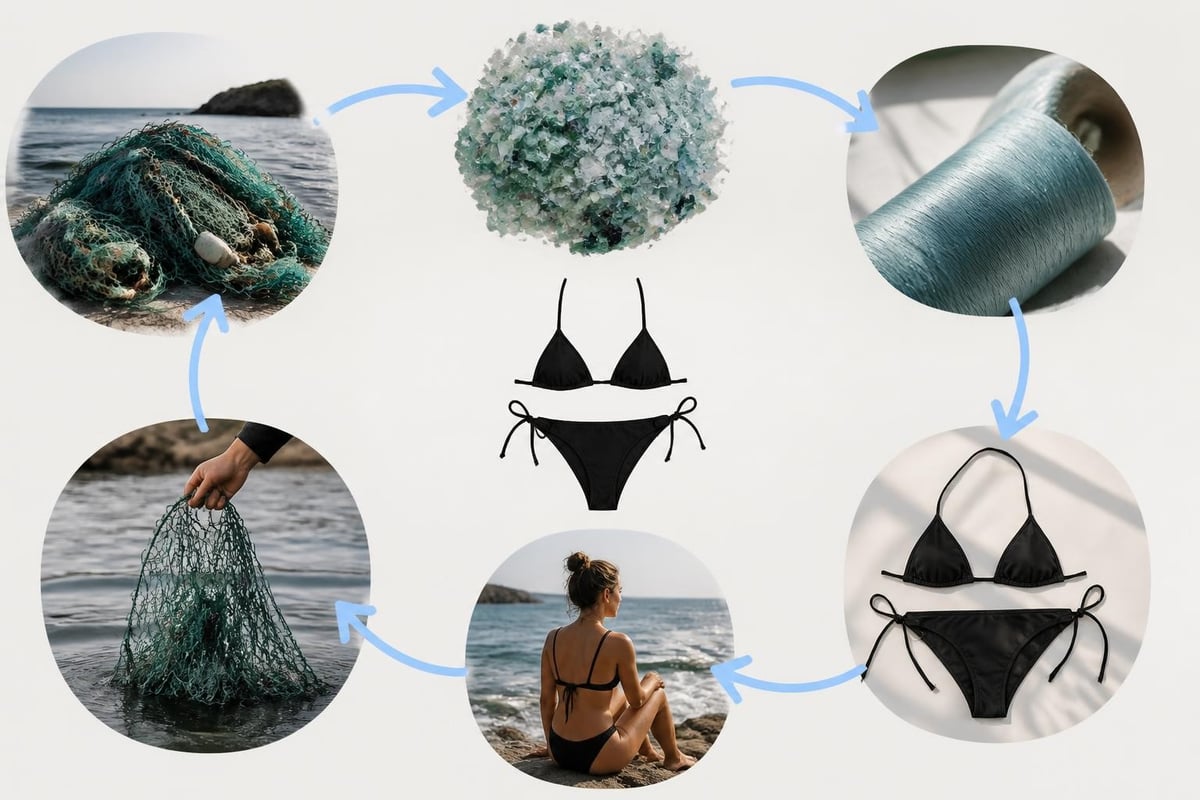
Modern mini swimwear relies on recycled fibers. Econyl, made from fishing nets and nylon waste, is a leader in this field. It combines durability with environmental protection.
Advantages of recycled swimwear materials:
- Reduction of plastic waste in the oceans
- Same quality and durability as new goods
- Lower CO₂ footprint in production
- Support for a circular economy
For sustainable swimwear, the focus is not only on materials but also on fair production conditions and transparent supply chains. Mini swimwear can thus become a conscious choice – for the body and the environment.
Quality Over Quantity
A well-made mini swimwear piece lasts several seasons. The investment pays off when the material and workmanship are right. Fast fashion has no place in this category.
Look for:
- Double seams at critical points
- Elastic, chlorine-resistant materials
- UV-resistant colors that won't fade
- OEKO-TEX certifications for pollutant-free textiles
Styling Options for Mini Swimwear
Mini swimwear can be combined in many ways. From the pool to the beach club, from the water to the beach bar. The reduced cut makes it possible.
Layering as an Art
A mini swimwear set forms the perfect base for relaxed beach looks. Add a light kimono or an airy poncho – and you have a look that fits anywhere.
- Naya Kimono made from 100% OEKO-TEX certified cotton with fringe details
- Casual Shorts in earth tones for the walk from the beach to the cafe
- Accessories like braided bags or minimalist sandals
The Sassy Bikini Top shows how versatile mini swimwear can be. With its sporty design and four sophisticated back straps, it works not only by the water but also as part of an active everyday look.
From the Pool to Everyday Life
The lines between swimwear and activewear are blurring. Mini swimwear tops replace sports bras, and bikini bottoms fit under wide summer pants. This versatility makes all the difference.
| Occasion | Combination | Vibe |
|---|---|---|
| Beach Day | Mini Bikini + Poncho | Relaxed, natural |
| Beach Volleyball | Sports Bikini Top + Shorts | Active, free |
| Sundowner | Swimsuit + Light Pants + Kimono | Casual, elegant |
Current Trends in the Mini Swimwear World 2026
Swimwear trends 2026 clearly show: Minimalism remains, but is enriched with subtle details. Textured fabrics, asymmetrical cuts, and earth tones dominate the season.
Earth Tones and Natural Palettes
Beige, terracotta, olive green – the color world of mini swimwear 2026 is inspired by nature. These tones flatter every skin and appear timeless rather than seasonal.
Why earth tones work:
- Universally combinable with other colors
- No visual overload on the beach
- Support the minimalist approach
- Match natural materials and sustainable concepts
Textured Surfaces
Smooth Lycra looks give way to textured fabrics. Ribbed structures, subtle embossments, or crinkle effects add depth to mini swimwear – without breaking the clean line.
This is also evident in the bikini trends 2025, where structured fabrics and vintage-inspired details are experiencing a renaissance. The difference: in 2026, the silhouette remains reduced, while the feel becomes more interesting.
Fit and Body Consciousness
Mini swimwear requires self-confidence. Not in the sense of perfection, but of authenticity. It's about feeling right in your own skin, in your own fabric.
Finding the Right Size
With reduced cuts, every millimeter counts. A too-loose mini swimwear piece slips, a too-tight one cuts in. The solution: use size charts and try it on if in doubt.
Important measuring points:
- Underbust circumference for bikini tops
- Hip circumference for bottoms
- Body height for one-piece models
- Strap length for adjustable designs
More details can be found in the Fit Guide, which specifically addresses different body shapes. Because mini swimwear is for everyone – regardless of size or shape.
Freedom of Movement and Security
A good mini swimwear piece provides support without restricting. Whether swimming, surfing, or beach volleyball – it stays where it belongs.
Look for:
- Elastic underbust bands with grippy material
- Adjustable straps for individual fitting
- Sufficient fabric coverage in sensitive areas
- Double-layered cups for additional support
Mini Swimwear for Children: Sustainability from the Start
Even the youngest can benefit from reduced, well-thought-out designs. Children's mini swimwear focuses on freedom of movement and UV protection – without compromising on material.
Sustainable Children's Swimwear
Children grow quickly. It is all the more important that their swimwear is high-quality and transferable. Recycled materials last several summers and for several children.
The Lena Girls' Swim Dress shows what sustainable children's swimwear can look like: high-quality, soft, quick-drying, and color-coordinated with the adult collection. This way, mom and daughter match – in style and values.
Practical Details for Young Wearers
- Tieable straps for flexible fit
- UV protection UPF50+ as standard
- Soft seams that don't chafe
- Cheerful colors that withstand multiple washes
Learn more about sustainable children's swimwear in our journal, where we highlight the special features of swimwear for little ones.
Care and Longevity of Mini Swimwear
Less fabric doesn't mean less care. On the contrary. High-quality mini swimwear deserves the right treatment to maintain its shape and color.
The Most Important Care Rules
| Care Step | Correct | Incorrect |
|---|---|---|
| After swimming | Rinse with fresh water | Let dry in saltwater |
| Washing | Hand wash with mild detergent | Washing machine with heavy-duty detergent |
| Drying | Lay flat in the shade | Direct sun or tumble dryer |
| Storage | Folded flat, dry | Crushed or damp |
Chlorine, salt, and UV radiation are the biggest enemies of swimwear materials. With proper care, however, mini swimwear lasts several seasons – justifying the investment in quality.
Repair Instead of Discard
Small damages can often be fixed. A loose seam, a stretched elastic band – these are not reasons to discard an entire piece.
Simple repairs:
- Restitch seams with elastic thread
- Shorten or replace stretched straps
- Reinforce small holes with patch fabric from the inside
- Refresh faded colors with textile dye (for natural fabrics)
Mini Swimwear in the Context of Sustainable Fashion
The swimwear industry faces major challenges. Overproduction, microplastics, poor working conditions. Mini swimwear can be part of the solution – if done right.
Transparency in the Supply Chain
Where does the material come from? Who sewed it? How were the colors fixed? These questions are becoming more important. Brands that provide answers gain trust.
What you can look for:
- OEKO-TEX certifications for pollutant-free textiles
- Information on material origin (e.g., Econyl from Italy)
- Fair production conditions and wages
- Commitment to environmental protection (e.g., Healthy Seas support)
The sustainability page explains in detail what true responsibility in swimwear production looks like. From material to production to social responsibility.
Circular Economy Instead of Throwaway Mentality
Mini swimwear is perfect for circular concepts. High-quality pieces can be resold, exchanged, or recycled. Some brands already offer take-back programs.
The vision: a mini swimwear piece is worn multiple times, by different people, over years. In the end, it becomes raw material again – and the cycle begins anew.
The Psychology Behind Mini Swimwear
Why do people choose less fabric? The reasons are diverse. Self-expression, body consciousness, feeling of freedom – or simply the love of clean lines.
Self-Confidence Through Reduction
Mini swimwear requires a certain degree of self-acceptance. Not in the sense of perfection, but of authenticity. Those who choose reduced cuts show conviction.
This fits the larger trend of body positivity. Every body deserves beautiful, well-fitting swimwear. Mini swimwear is not a question of size, but of feeling.
Freedom and Movement
Less fabric means more freedom of movement. When swimming, diving, surfing. But also in a figurative sense: freedom from conventions, from expectations, from outside gazes.
This freedom is felt. In the water, on the beach, with the first jump into the waves. Mini swimwear becomes a symbol of lightness – in a literal and emotional sense.
Mini Swimwear and Water Activities
Not every mini swimwear piece is suitable for every activity. The choice depends on the intended use. From relaxed sunbathing to active water sports.
For Which Activities?
Table: Mini Swimwear by Activity
| Activity | Suitable Cut | Important Features |
|---|---|---|
| Sunbathing | Bandeau, Triangle | Comfortable, no tan lines |
| Swimming | Sports Bikini, Swimsuit | Good support, non-slipping |
| Surfing | High-waist, secure fit | Robust, saltwater resistant |
| Beach Volleyball | Sports Top, secure bottoms | Freedom of movement, no slipping |
When surfing in Switzerland, different requirements apply than on a Mediterranean beach. Colder water, longer sessions, more movement – all of this influences the choice of the right mini swimwear.
Technical Requirements
The more active the use, the more important technical details become. Elasticity, recovery force, abrasion resistance – factors that hardly play a role in static sunbathing.
For active water sports enthusiasts:
- Four-way stretch materials for maximum mobility
- Flat seams to prevent chafing
- Chlorine-resistant fibers for pool training
- Quick-drying properties for multiple sessions a day
Pricing and Value
Mini swimwear ranges widely in price. From budget options to designer pieces. But what justifies the price? And when is the investment worthwhile?
What Are You Paying For?
The price of a mini swimwear piece is made up of various factors. Material, production, design, brand – and increasingly, sustainability.
- Material: Recycled Econyl costs more than conventional nylon
- Production: Fair wages and safe conditions have their price
- Design: Unique cuts and patterns require development work
- Certifications: OEKO-TEX and similar standards cost money
- Small batches: Less mass means higher unit costs
The Price-Performance Ratio
A 30-euro mini swimwear set might last one season. An 80-euro piece made from high-quality material will last three to four. Calculated per day of wear, the difference often balances out.
Think long-term:
- Cheap item: 30€ / 1 season (30 days) = 1€ per day
- High-quality item: 80€ / 3 seasons (90 days) = 0.89€ per day
Add to that the intangible value: better fit, more beautiful appearance, good feeling from a sustainable choice.
Future of Mini Swimwear
Where is mini swimwear heading? Trends point to even more sustainability, even more functionality – and even more individuality.
Innovative Materials
Research is constantly bringing forth new fibers. Algae material, mushroom-based textiles, biodegradable synthetics. The next generation of mini swimwear could function completely differently.
On the horizon:
- Bio-nylon from castor oil instead of petroleum
- Recycling technologies for blended fabrics
- Natural dyeing methods without chemicals
- Modular designs for longer use
Personalization and Individuality
The era of mass production could be over. Increasingly, people desire unique pieces. Mini swimwear, with its minimalist design, offers the perfect basis for individual customization.
Small changes – a different strap style, a special color, a personal detail – transform a standard piece into a unique item. This development strengthens the connection to the product and extends its lifespan.
Mini swimwear combines clarity with responsibility. It shows that conscious decisions can begin even with minimalist cuts. At MAIN Design - Your Daily Dose Of Summer, you'll find swimwear that embodies these very values: minimalist, high-quality, sustainable. Made from recycled materials, with a portion of each sale dedicated to ocean protection. Discover swimwear that suits you – and the world we want to live in.