A holiday surf trip is best for beginners at a beach with gentle waves, an on-site surf school and water that can be tolerated even without heavy equipment. Portugal, Spain and the French Basque Country meet these conditions and are within reach from Switzerland. How to choose your destination, what a surf week costs and what to pack is explained on the following pages.
Which destinations are suitable for a surf holiday as a beginner?
For getting started, places with long sandy beaches, consistent waves and many surf schools are ideal, especially the Portuguese Atlantic coast. There you can learn on waves that break close to the beach and gently carry you forward.
Here is an overview of regions that have proven suitable for beginners:
| Region | Character | Best suited if you … |
|---|---|---|
| Costa da Caparica (near Lisbon) | Long sandy beach, many schools, short journey | want to plan a week with minimal effort |
| Peniche | Several beaches with different orientations | are looking for a calm spot even when the wind changes |
| Western Algarve | Warmer air, also pleasant outside the high season | are travelling with family and want to bring the sun with you |
| Basque Country (France/Spain) | Green coast, surf culture, cooler temperatures | want to combine surfing with a city break |
| Morocco (e.g. Taghazout) | Long-standing wave-riding tradition, mild winters | are looking for warmth in winter |
You can find a good overview of spots, difficulty levels and wetsuit requirements in the overview of Portugal's surf regions. Those interested in the area around Lisbon, Peniche and the western Algarve will find a description of the beginner regions and lessons at Portugal Trip Planner.
Read more about destinations that are particularly suitable for women in our article on surf destinations for women.
When is the best time of year for a holiday surf trip?
The best time depends on the destination and your tolerance for cold: In summer the water is more pleasant, in winter the waves are often stronger and the beaches emptier.
For Portugal, Rapture Surfcamps states water temperatures of around 15 °C in winter and 20 °C in summer. A wetsuit is standard equipment there.
As a rule of thumb for beginners:
- Spring and early summer: moderate waves, few crowds, water still fresh
- High summer: warm weather, more activity on the beach, usually smaller waves
- Autumn: often the best mix of warm air and beginner-friendly swell
- Winter: winter sun in Portugal or Morocco, but a thicker wetsuit and bigger waves
If you are travelling in winter, plan a little more time for changing. Your body cools down quickly after surfing, even in the sun.
How much does a surf week for beginners cost?
According to Rapture Surfcamps, a week at a surf camp in Portugal with accommodation and courses costs around 500 euros, plus flights and extras.
Booking only the lessons and staying elsewhere will be cheaper. At Pure Surfcamps, a course at Costa da Caparica is listed.
You should budget for the following items:
- Flight and transfer to the beach
- Accommodation, with or without meals
- Surf course and board rental
- Wetsuit, if not included
- Your own swimwear, sunscreen and small items
Prices change depending on the season, so check them directly with the providers.
Surf camp, surf school or on your own?
For your first holiday surf trip, a surf camp or surf school is the safest choice because instructors know the conditions in the water. They choose the spot according to the tides and currents and explain how to behave in the water.
- Surf camp: Accommodation, courses and often meals all in one place. Good if you want to make connections and don't want to organise anything.
- Local surf school: You can stay wherever you like and book lessons individually. This gives you freedom in planning.
- On your own: Only makes sense once you can read waves and assess currents.
What to look for in a school: small groups, certified instructors, equipment in good condition and clear instructions on beach flags and currents. A beginner's guide to choosing a surf school covers these points.
Children can join too. Many schools offer their own children's courses, usually from around age eight. Ask in advance how large the groups are. Read more about this in the article on surf holidays for beginners.
How safe is surfing for beginners?
With lessons and a little respect for the sea, surfing is well within reach for beginners. The rules are simple if you take them seriously.
The DLRG advises not to surf during storm warnings, high surf, offshore winds or poor visibility and to pay attention to the local weather forecast. This applies on holiday just as it does at home.
A few habits that help:
- Look at the beach before getting in and observe where others are going into the water.
- Pay attention to beach flags and lifeguard instructions.
- Don't stubbornly stay in a current; paddle sideways out of it.
- Never surf alone and never when exhausted.
- Wear the leash around your ankle and keep your distance from others.
Sunburn is the most common mishap on a surf week. Protect your shoulders, neck and back, because you will lie in the sun for hours while paddling.
What swimwear do you need for a holiday surf trip?
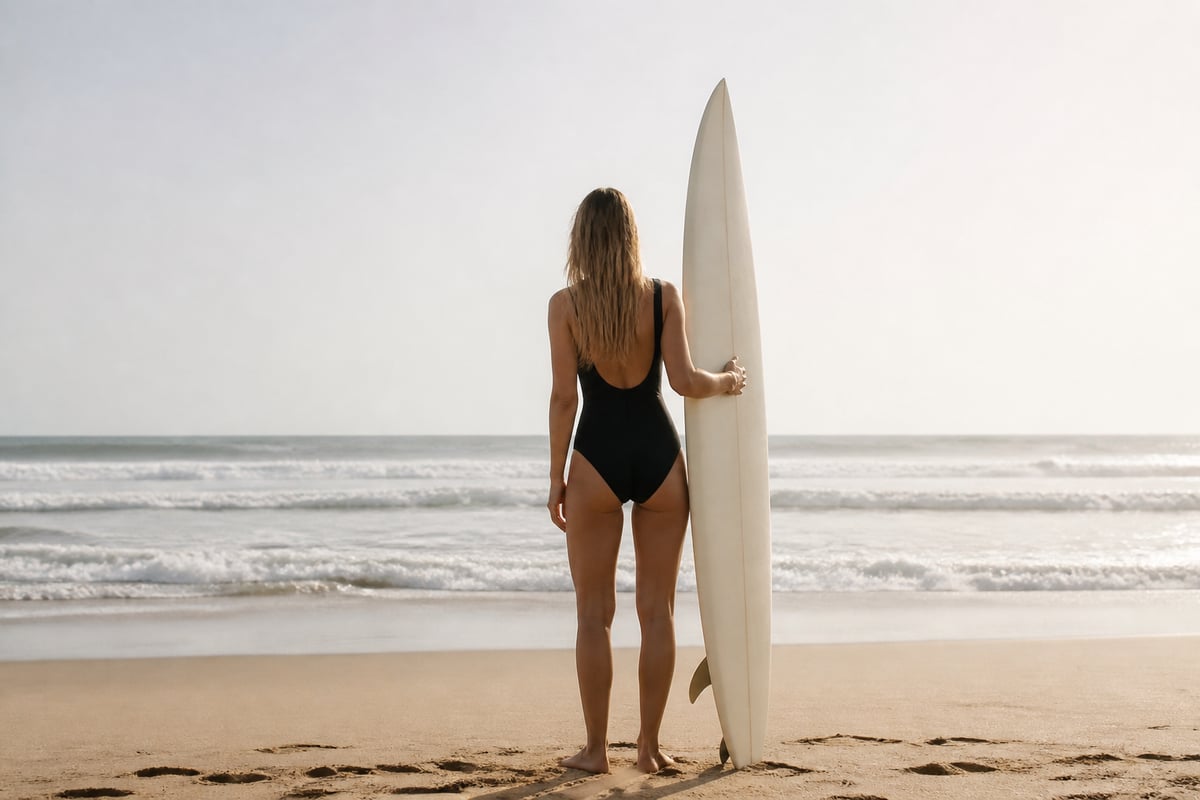
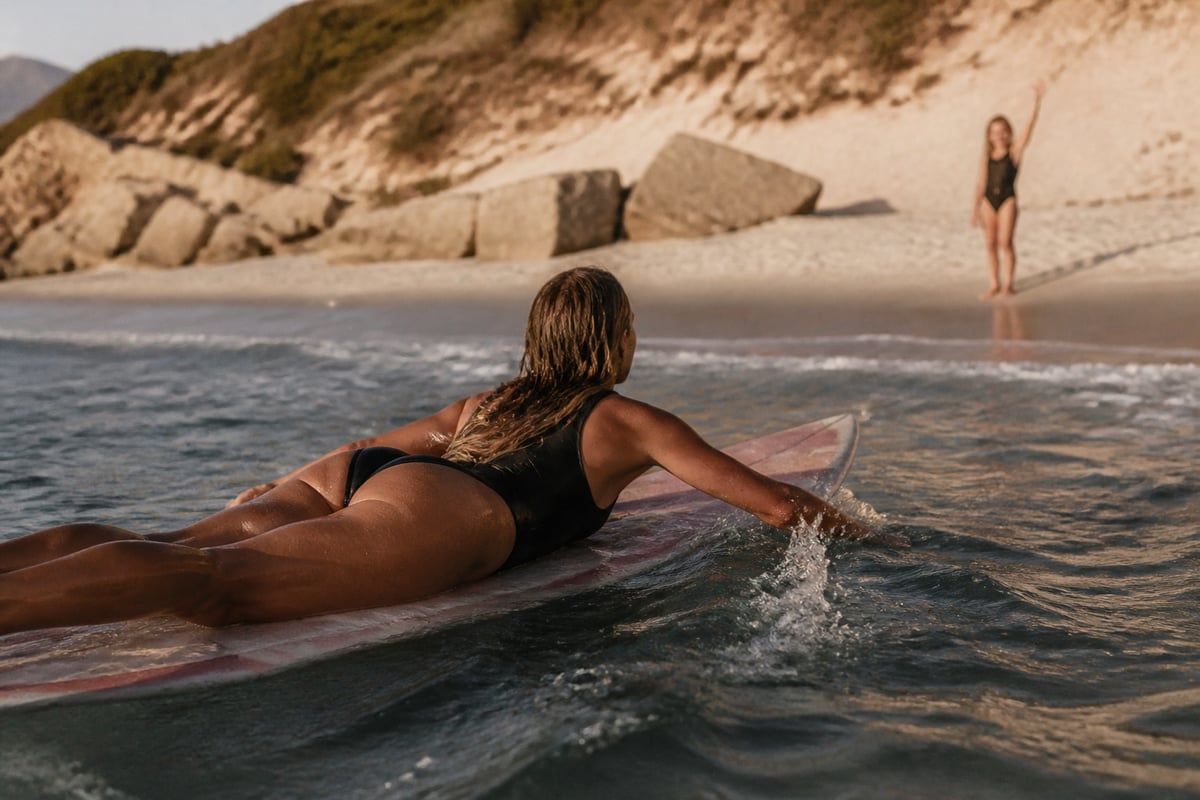
When surfing, you need swimwear that stays in place when you paddle, dive and stand up again. Bikini tops and bottoms should not shift or chafe when you lie on the board.
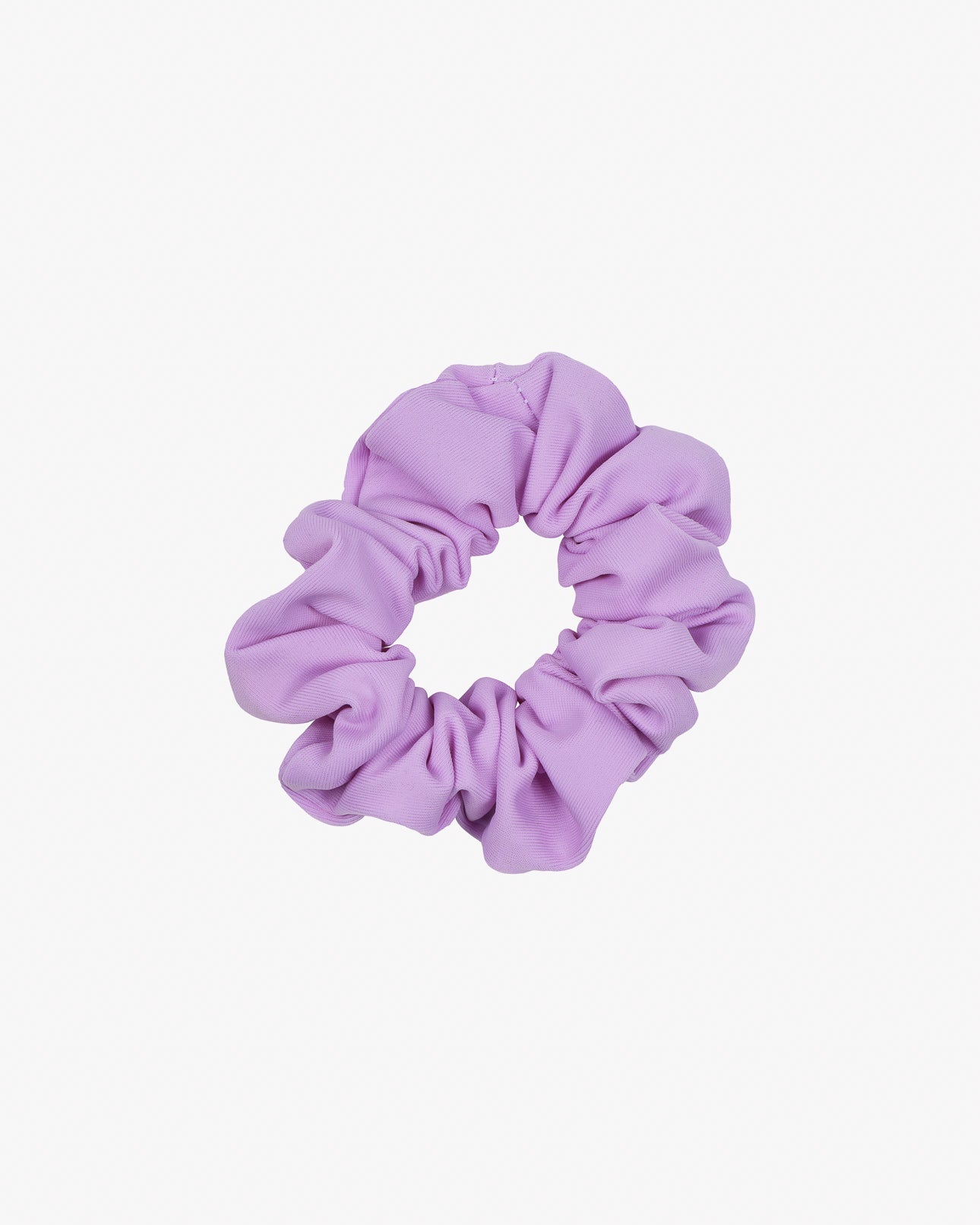
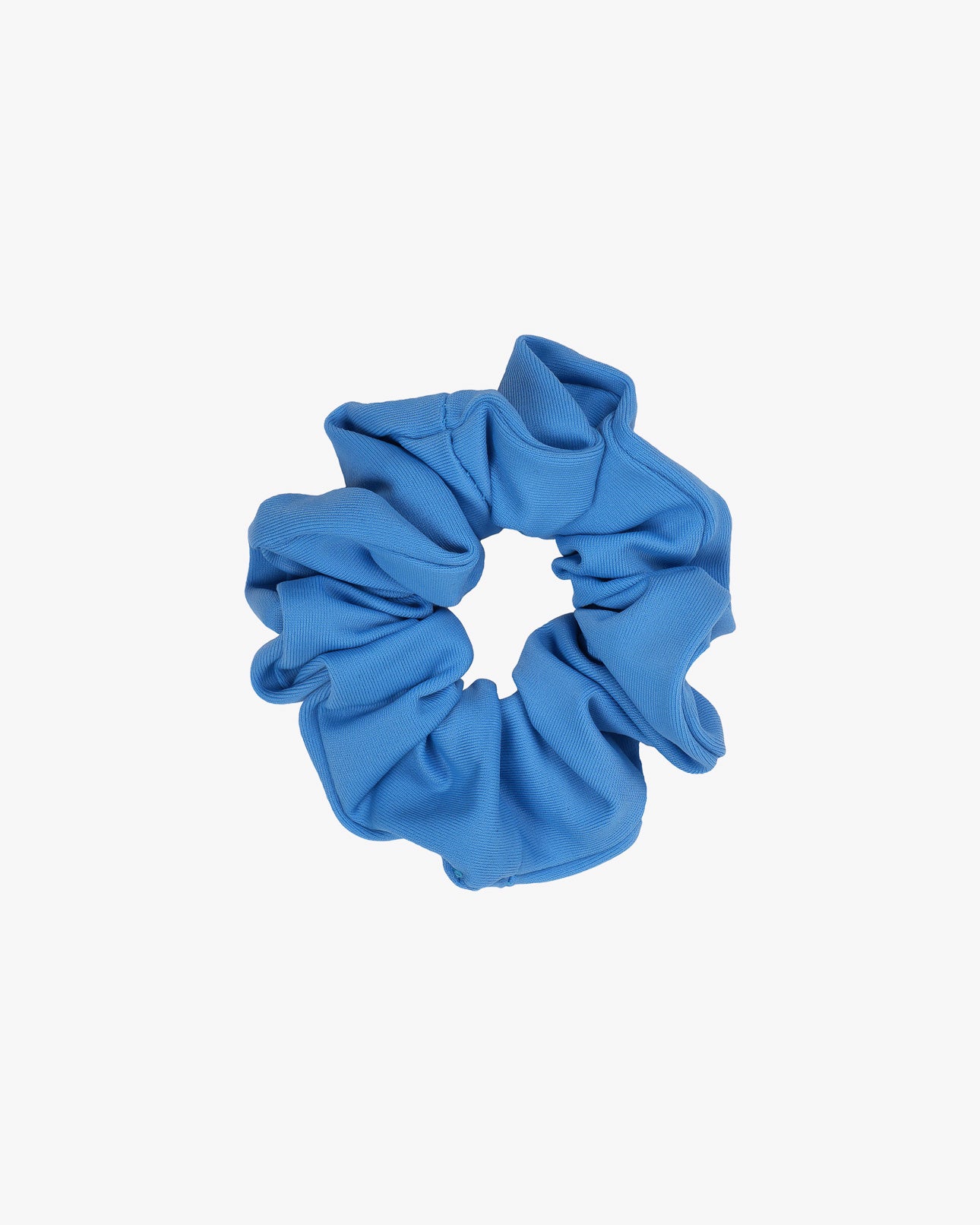
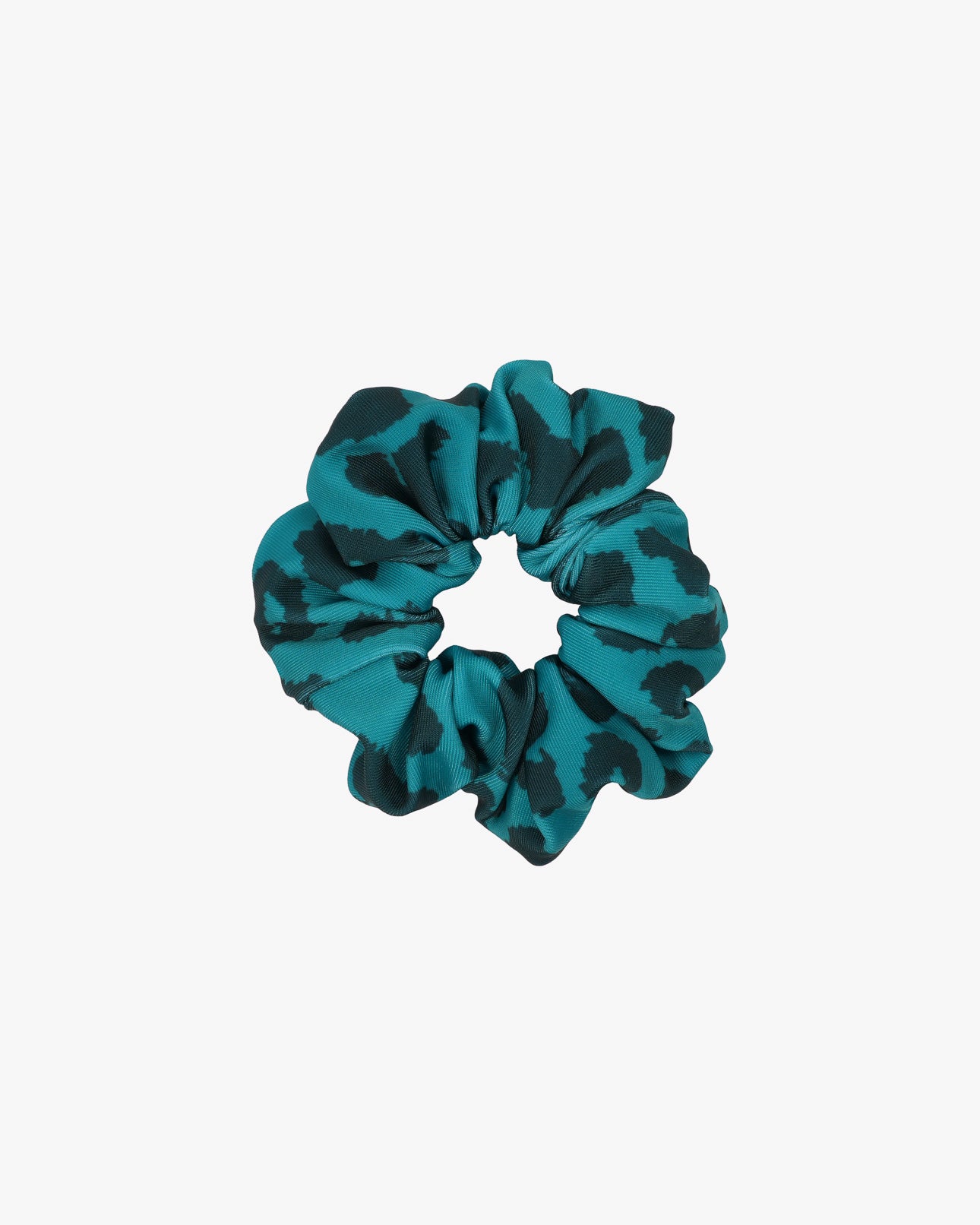
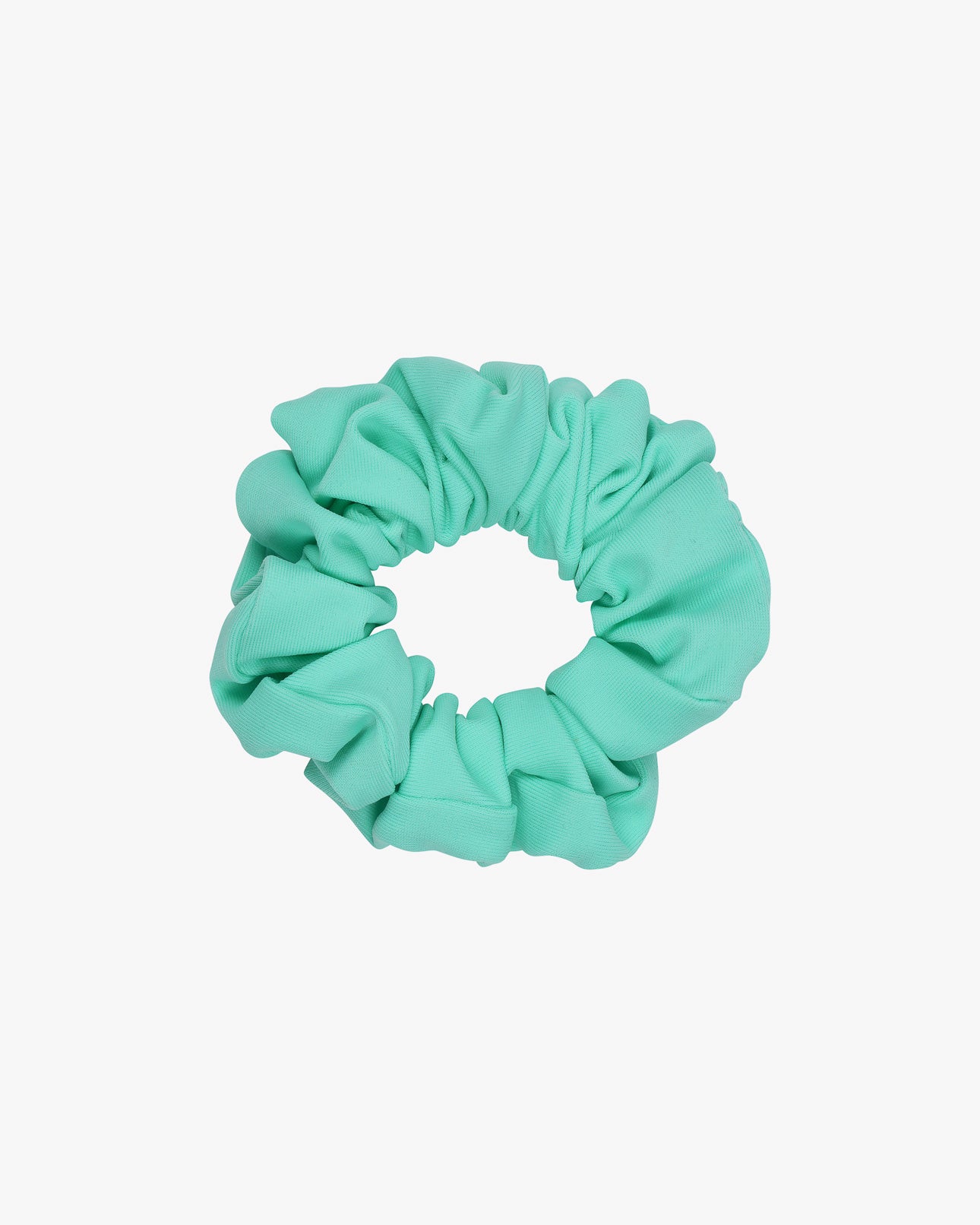
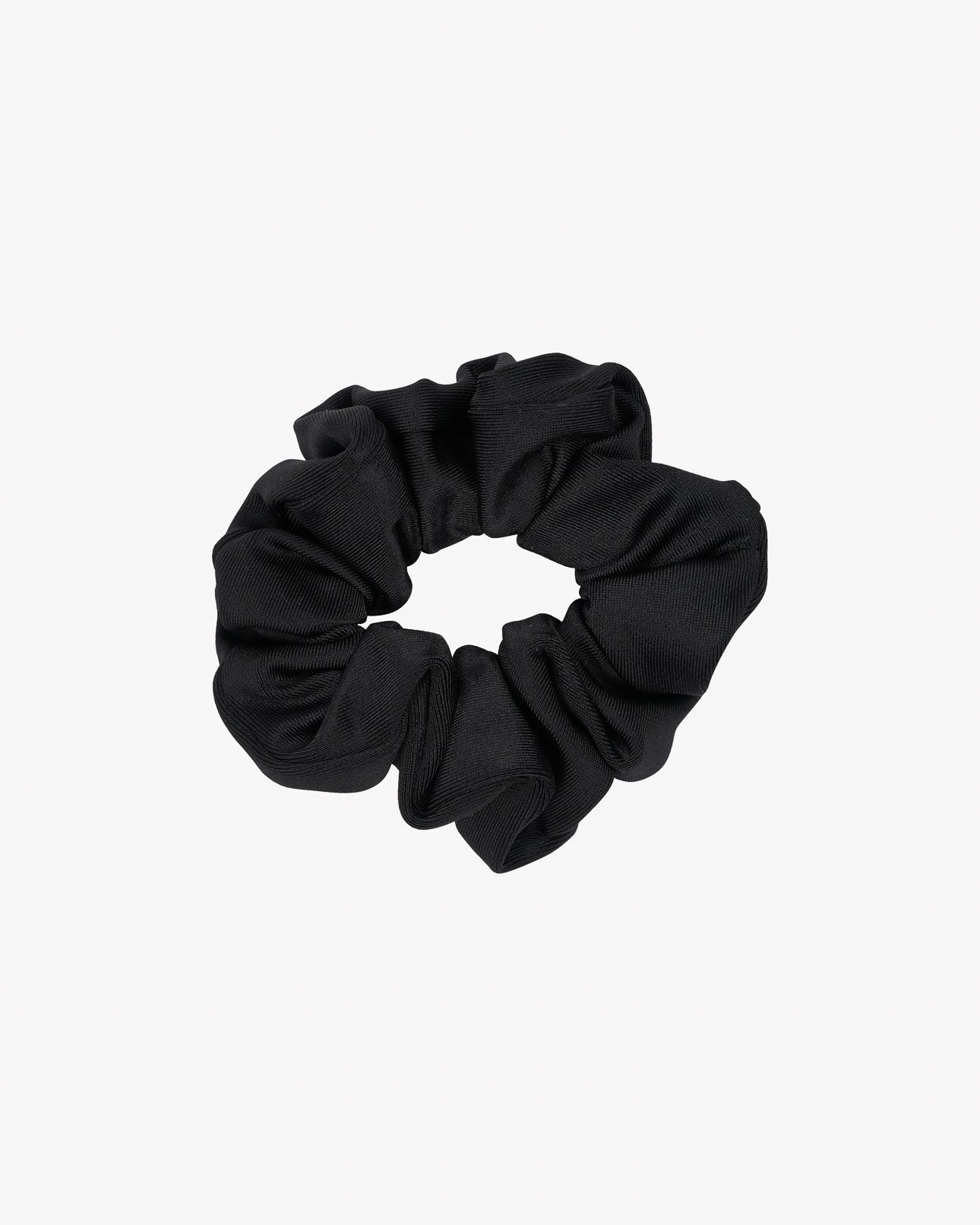
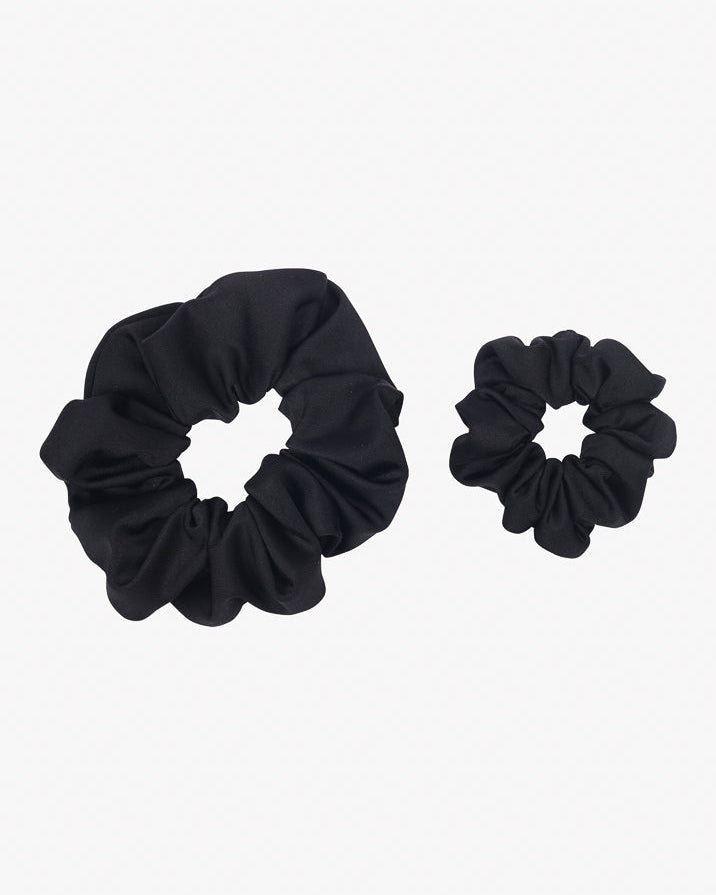
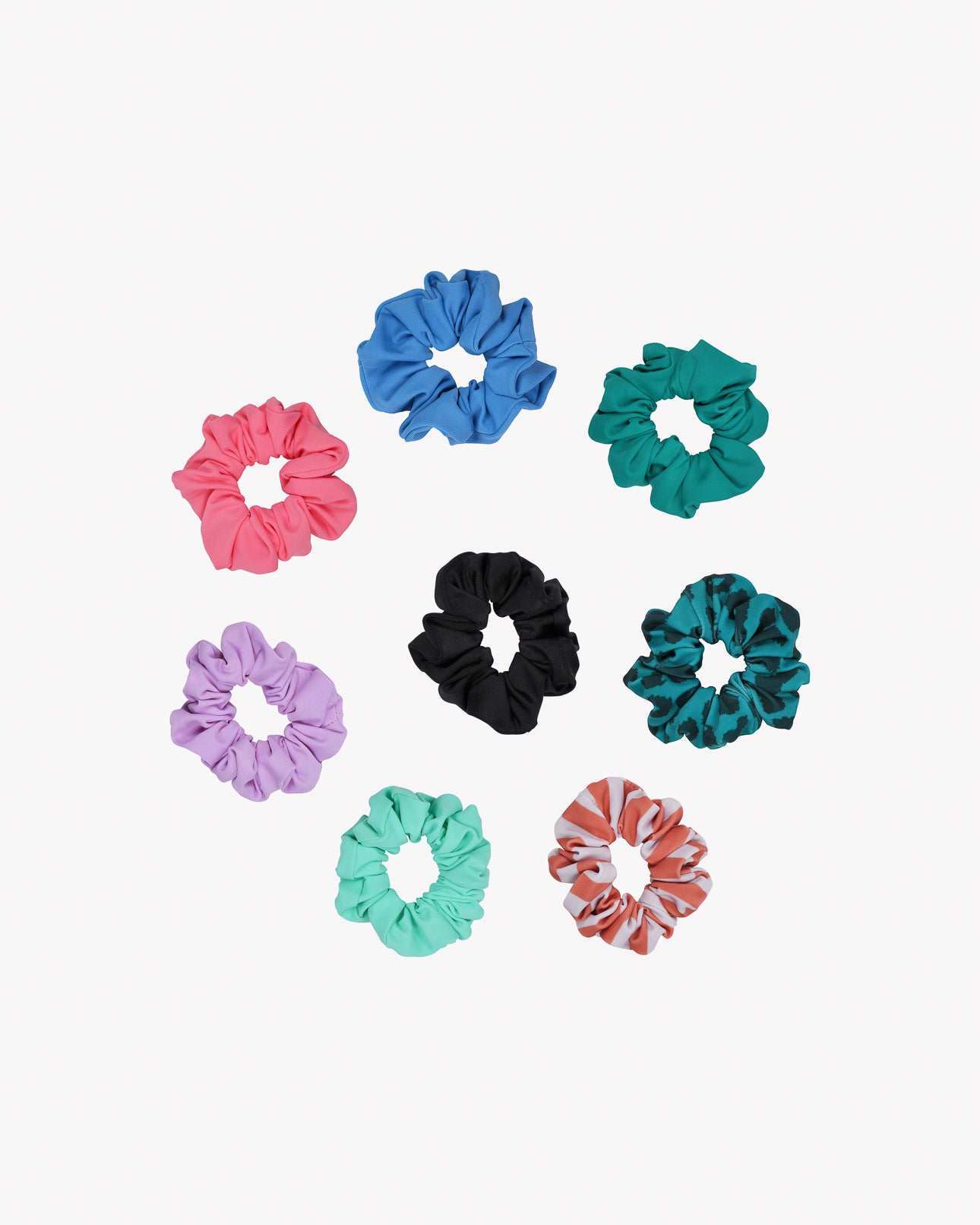
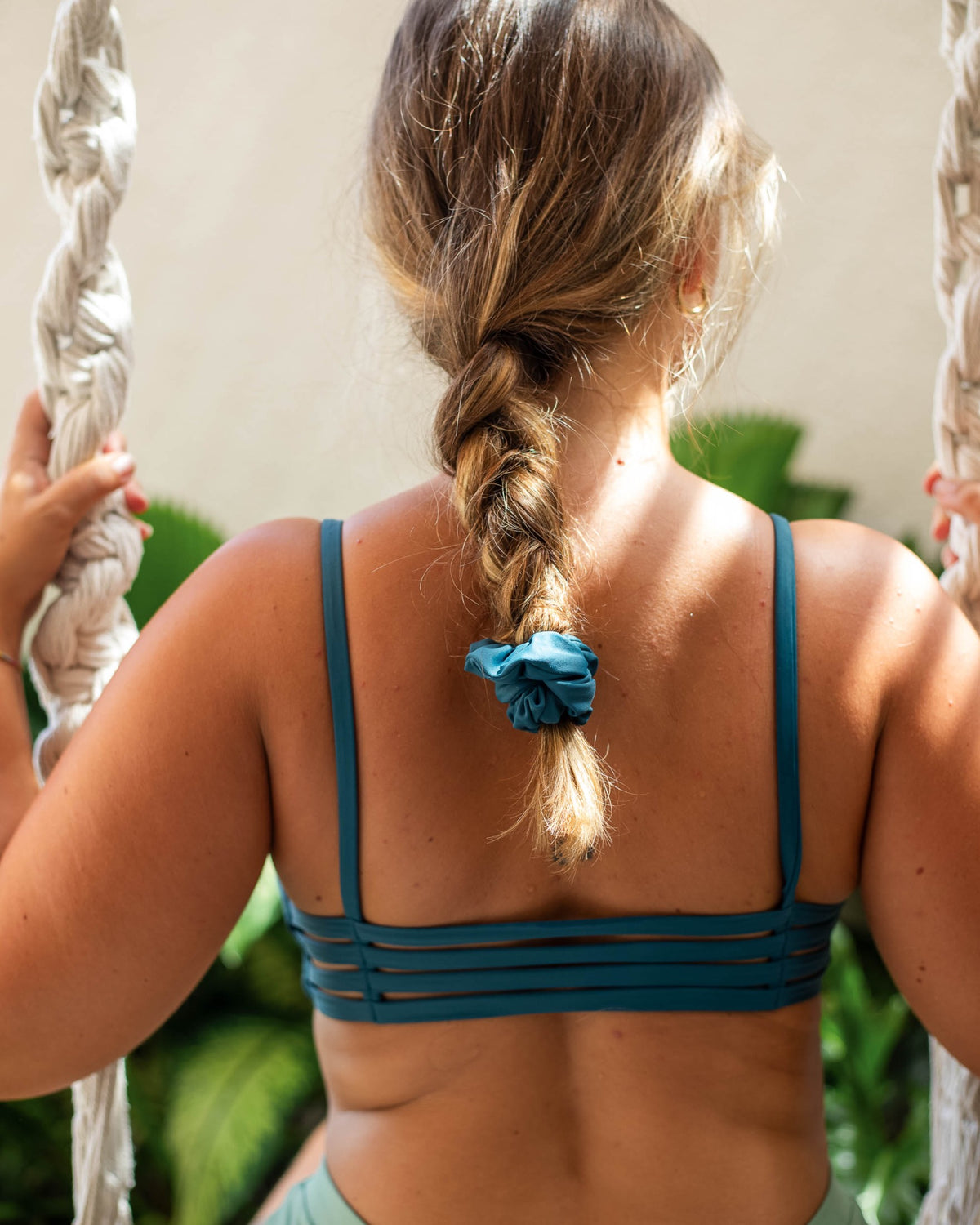
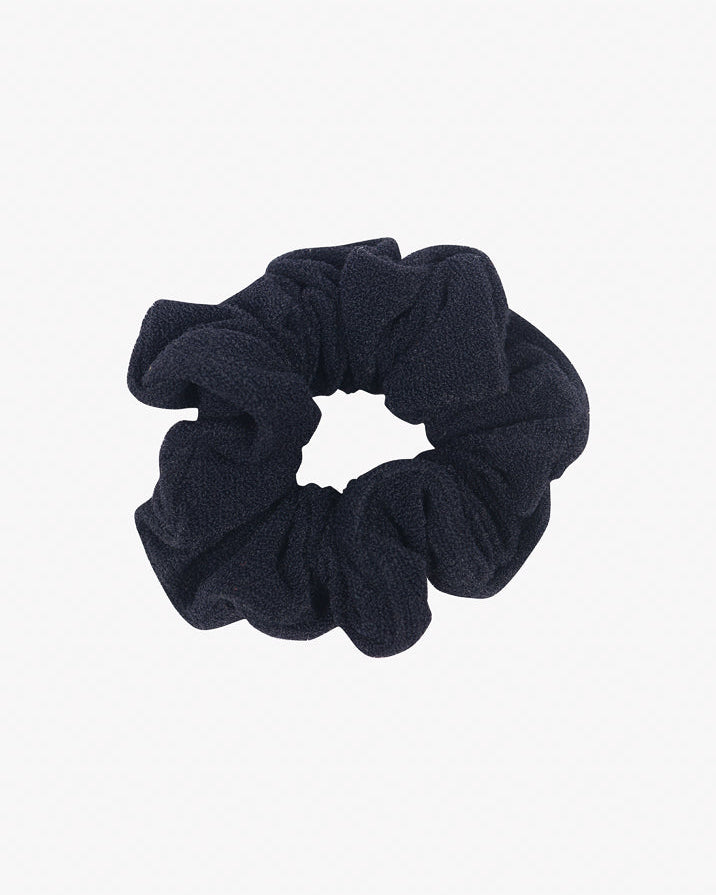
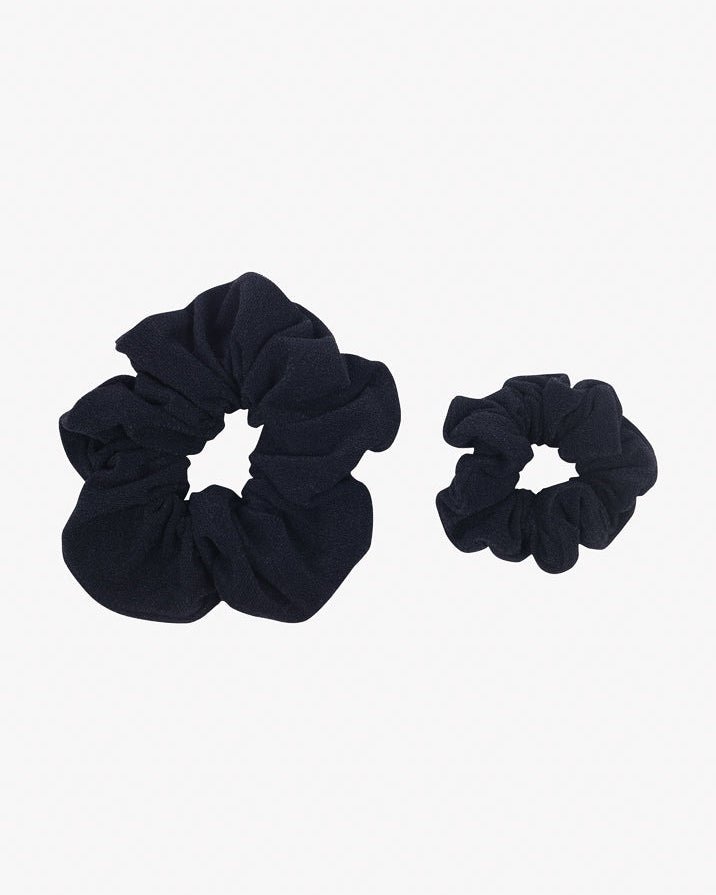
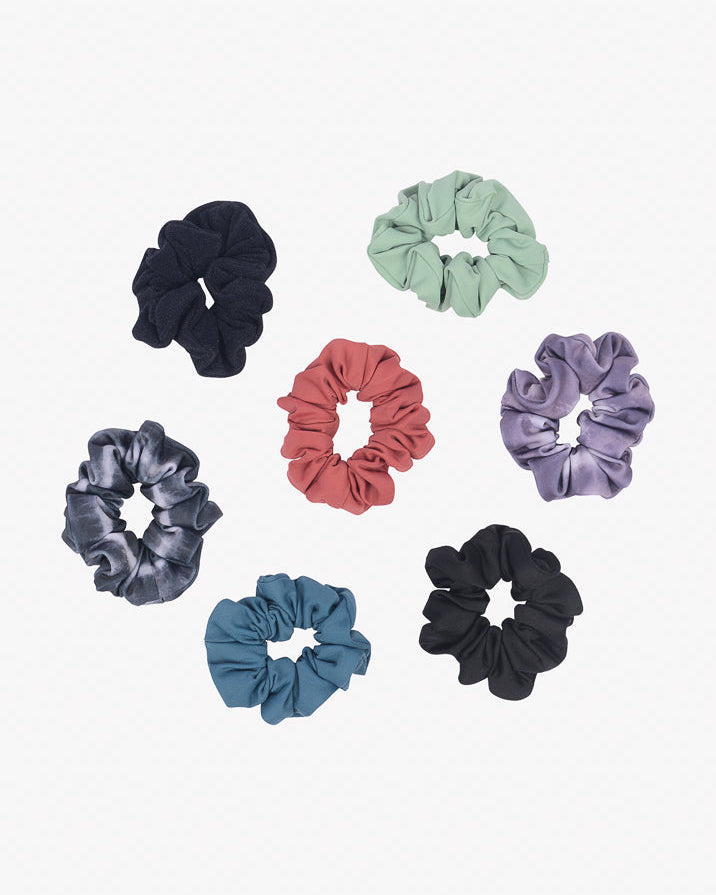
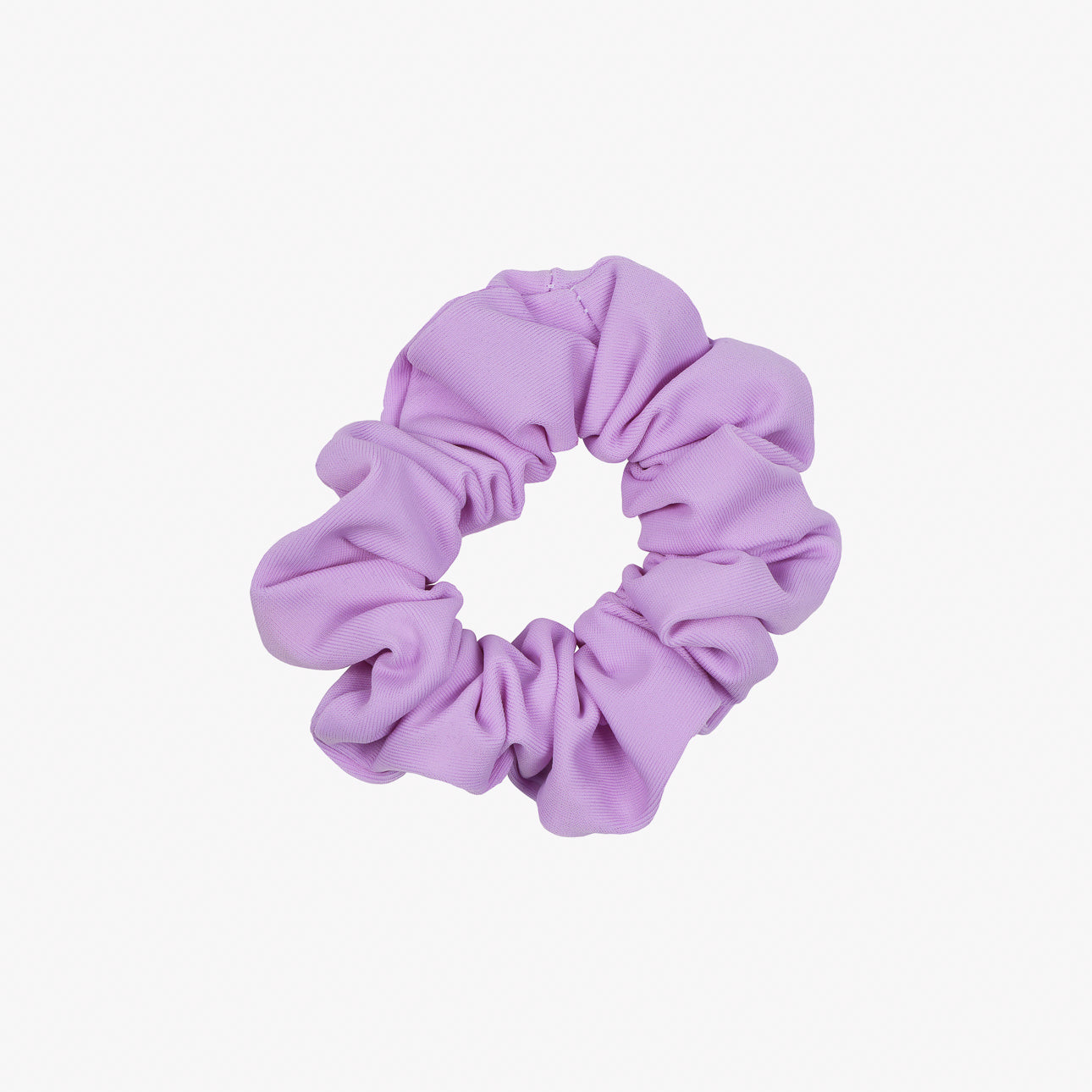
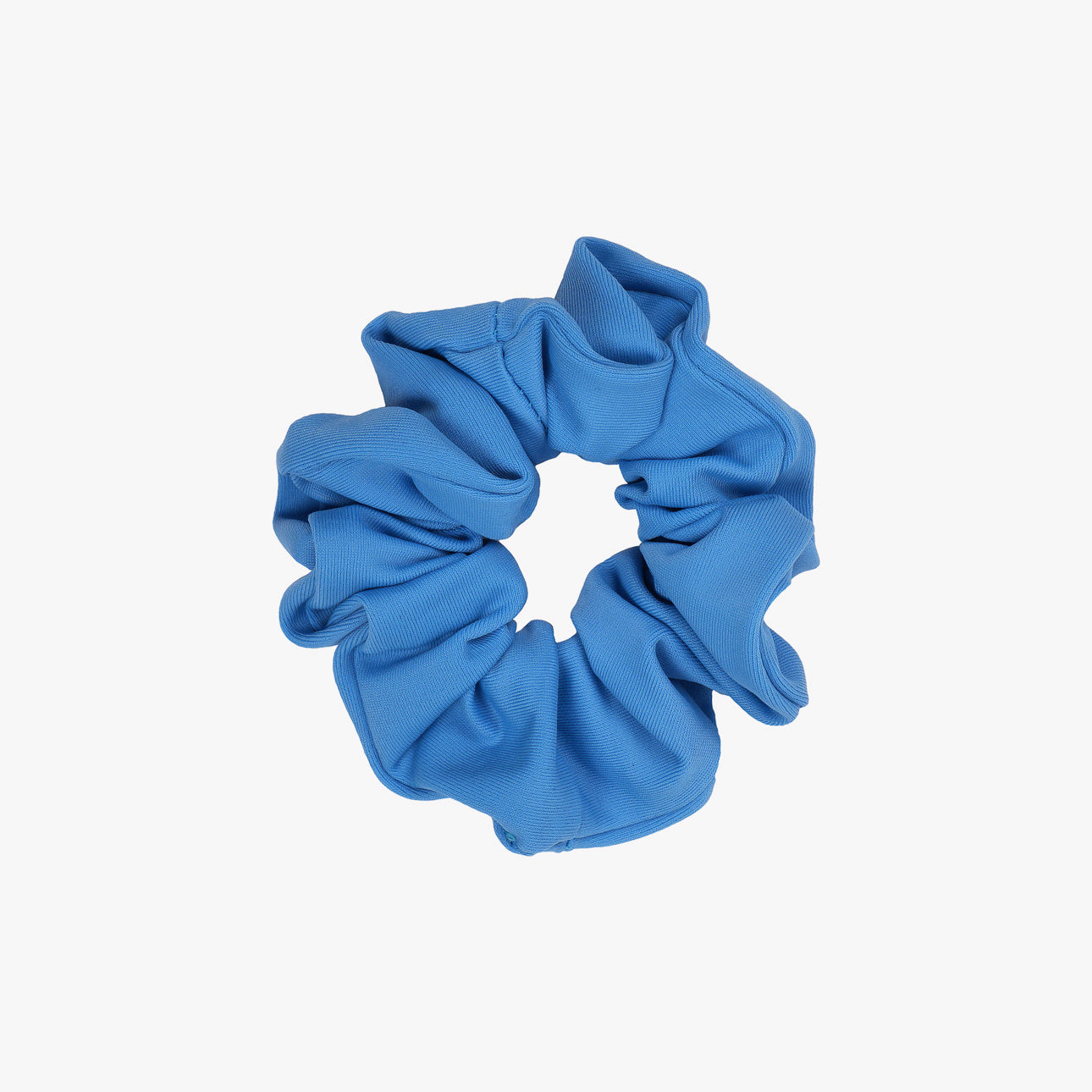
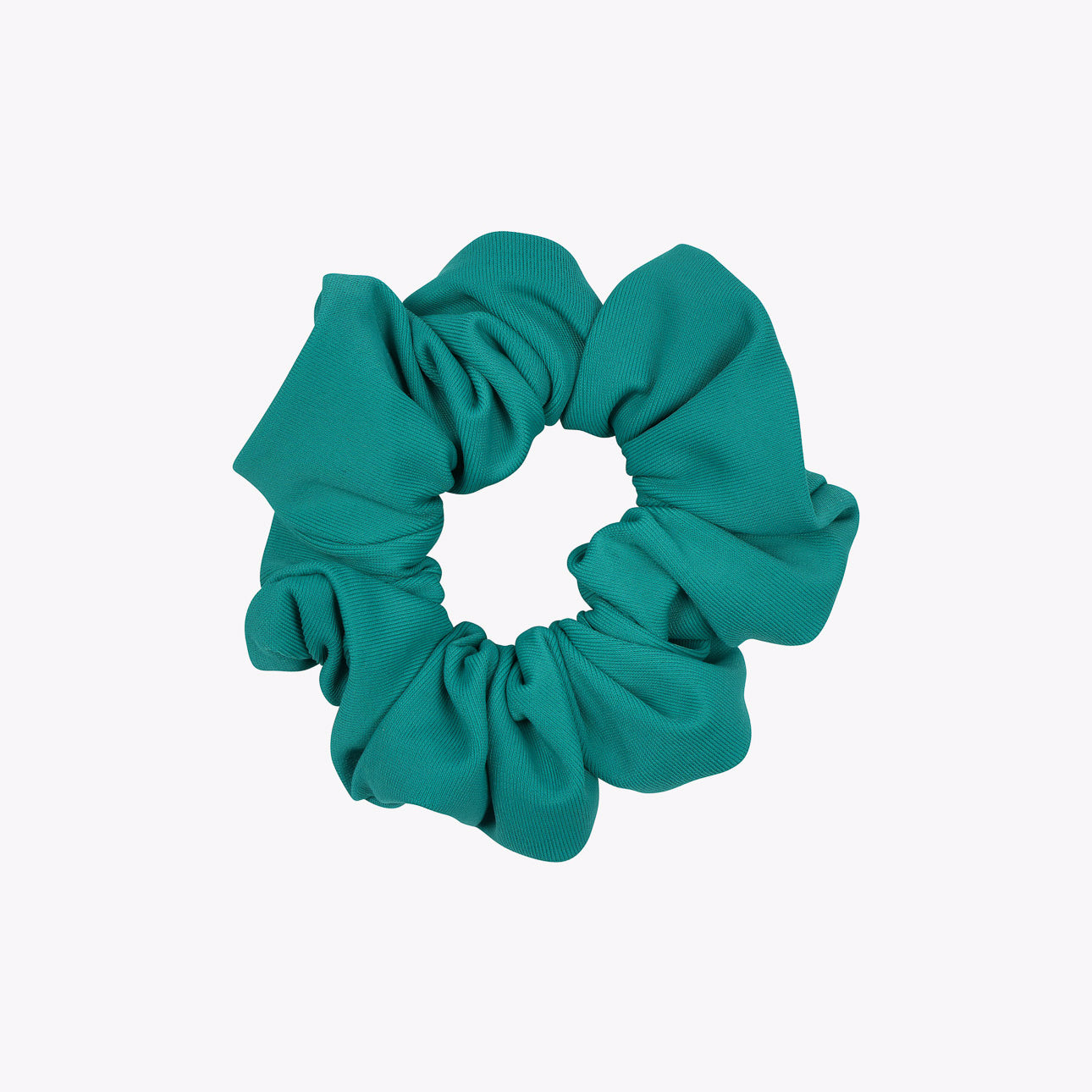
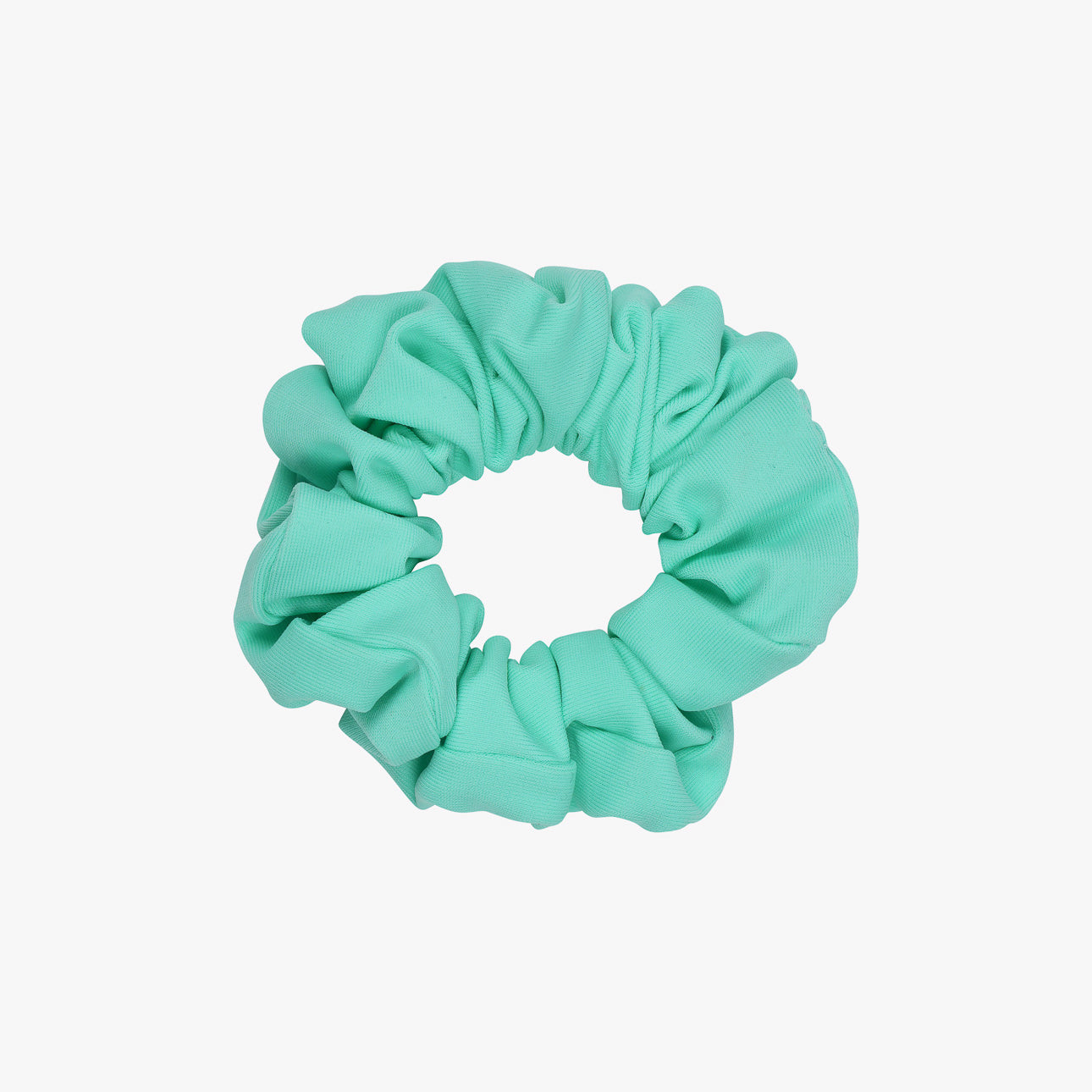
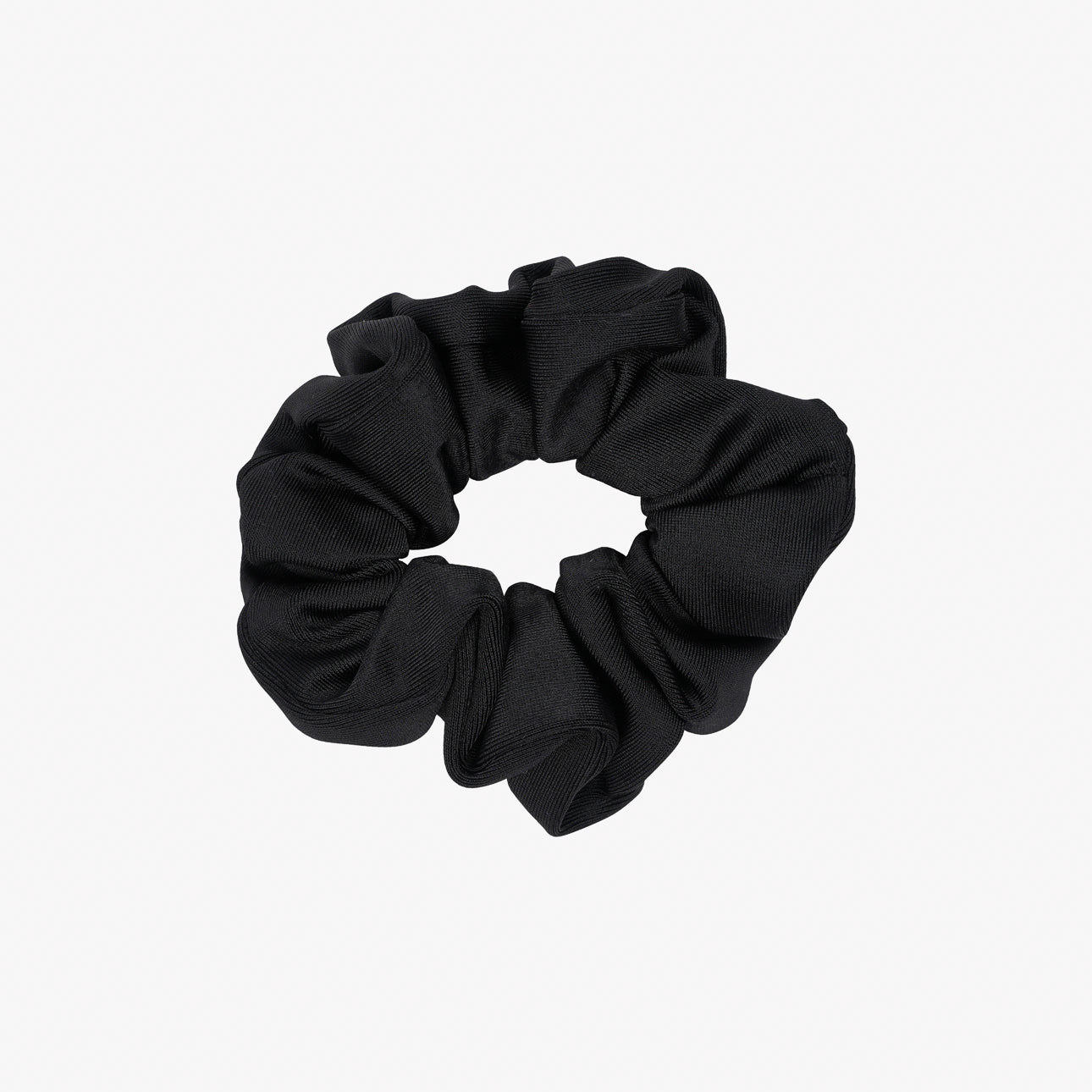
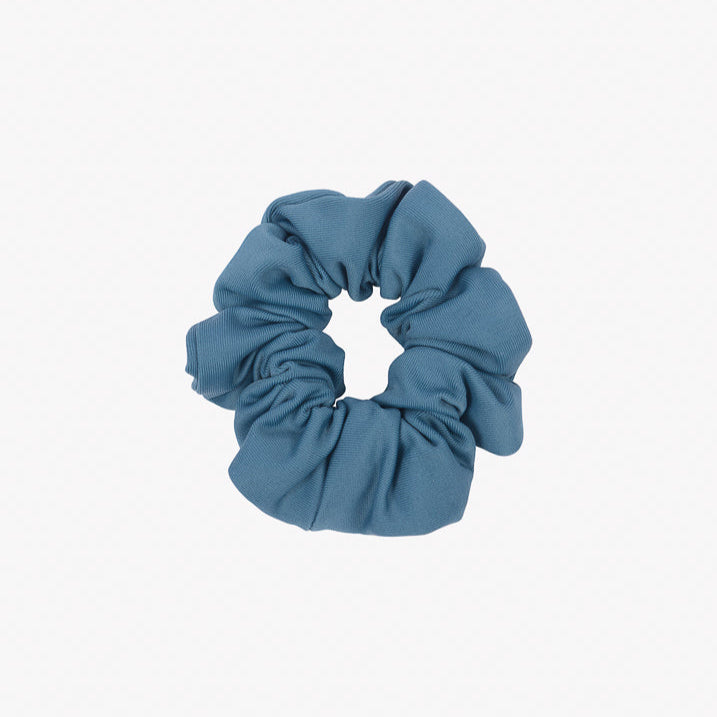
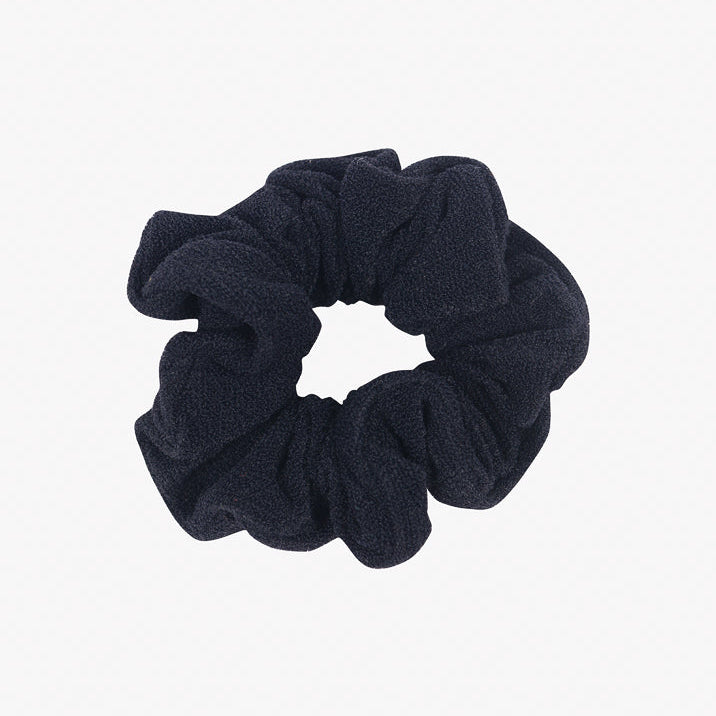
This is exactly what the MAIN Design line is intended for: Swimwear made for movement, designed in Switzerland. Selected models are made from recycled materials such as REPREVE® and ECONYL®, crafted in small batches by hand in family-run businesses in Bali. Fabric scraps are turned into scrunchies instead of being discarded. With every online purchase, you also support Healthy Seas, which frees the oceans from ghost nets. Those who want to read more about the background can find it in the article on sustainable surf swimwear.
Depending on your preference, you will find various styles at MAIN Design:
- Surf bikini: More freedom and quick drying. You can combine the Charm Surf Bikini top with matching bottoms, such as the Blush Surf Bikini bottoms or the Keira Surf Bikini bottoms.
- Swimsuit: The Divine Surf swimsuit is suitable for more coverage while paddling.
- Surf shirt: The Lush UV Surf Shirt is an additional layer over the bikini.
You can find an overview of all models in the Surf Bikinis collection. Check the material and care instructions on the product page before ordering.
The Sassy Sport Bikini top is well reviewed at MAIN Design. This is a good starting point if you are looking for a top for sport and water.
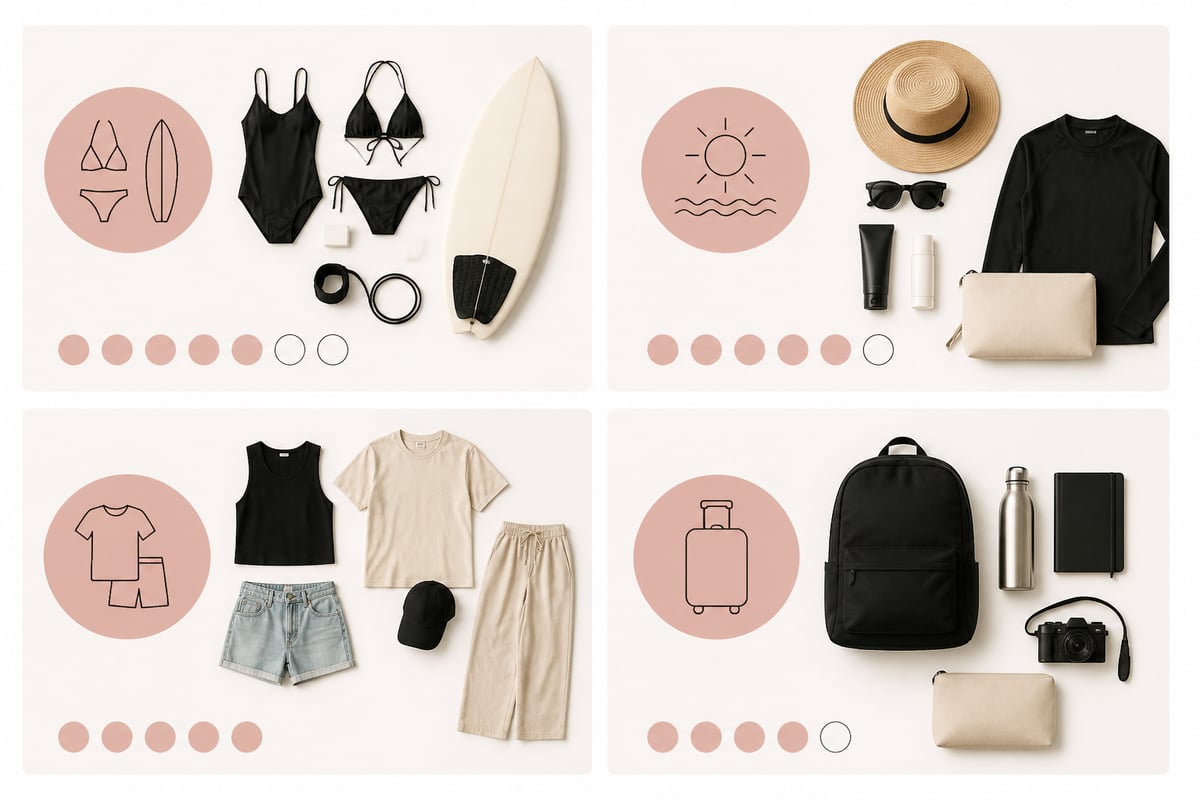
Packing list for a week of beach and surfing
This packing list is a guide for around seven days by the sea. The quantities are guidelines, not a must. Adapt them to your type of trip, washing facilities and luggage limit.
Swimwear and surf equipment
- 2 to 3 bikini tops or swimsuits, so one can always dry
- 2 to 3 bikini bottoms
- 1 surf shirt for long sessions
- Wetsuit, if your camp does not provide one (thicker in winter, thin in summer)
- 1 poncho or kimono for changing on the beach
- Sandals or flip-flops
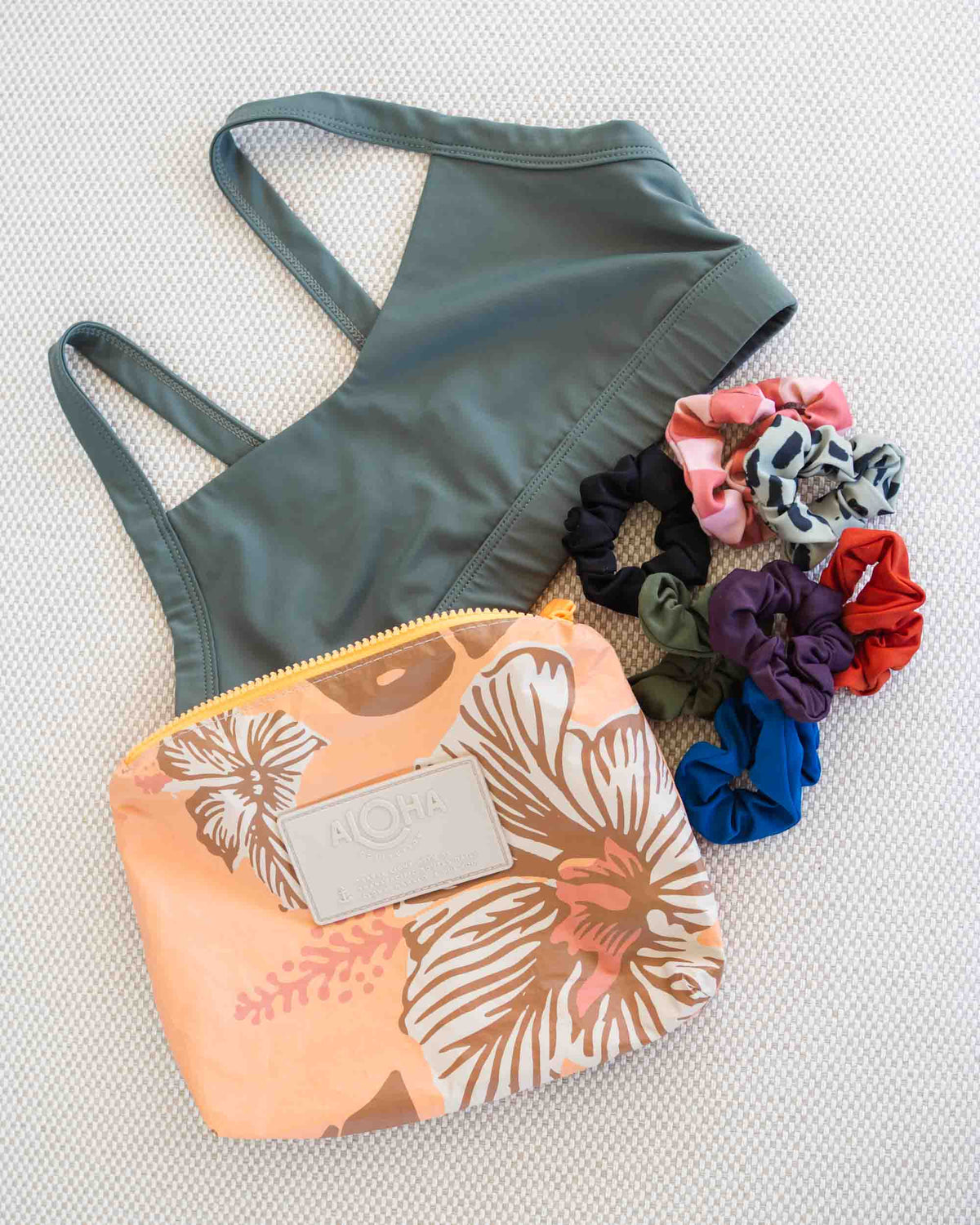
- Hair ties or scrunchies, so your hair does not get in the way while paddling
Sun protection
- Sunscreen with high SPF for face and body
- Lip balm with SPF
- Sunglasses with a strap
- Cap or hat for breaks on the beach
- After-sun care
Everyday clothes
- 3 to 4 light shirts or tops
- 1 to 2 shorts or skirts
- 1 sweater or light jacket for evenings by the sea
- 1 pair of long trousers
- Underwear and socks for one week
- 1 comfortable outfit for the flight home
Travel essentials
- ID, health insurance card, booking confirmations
- Power bank and charging cable
- Reusable water bottle
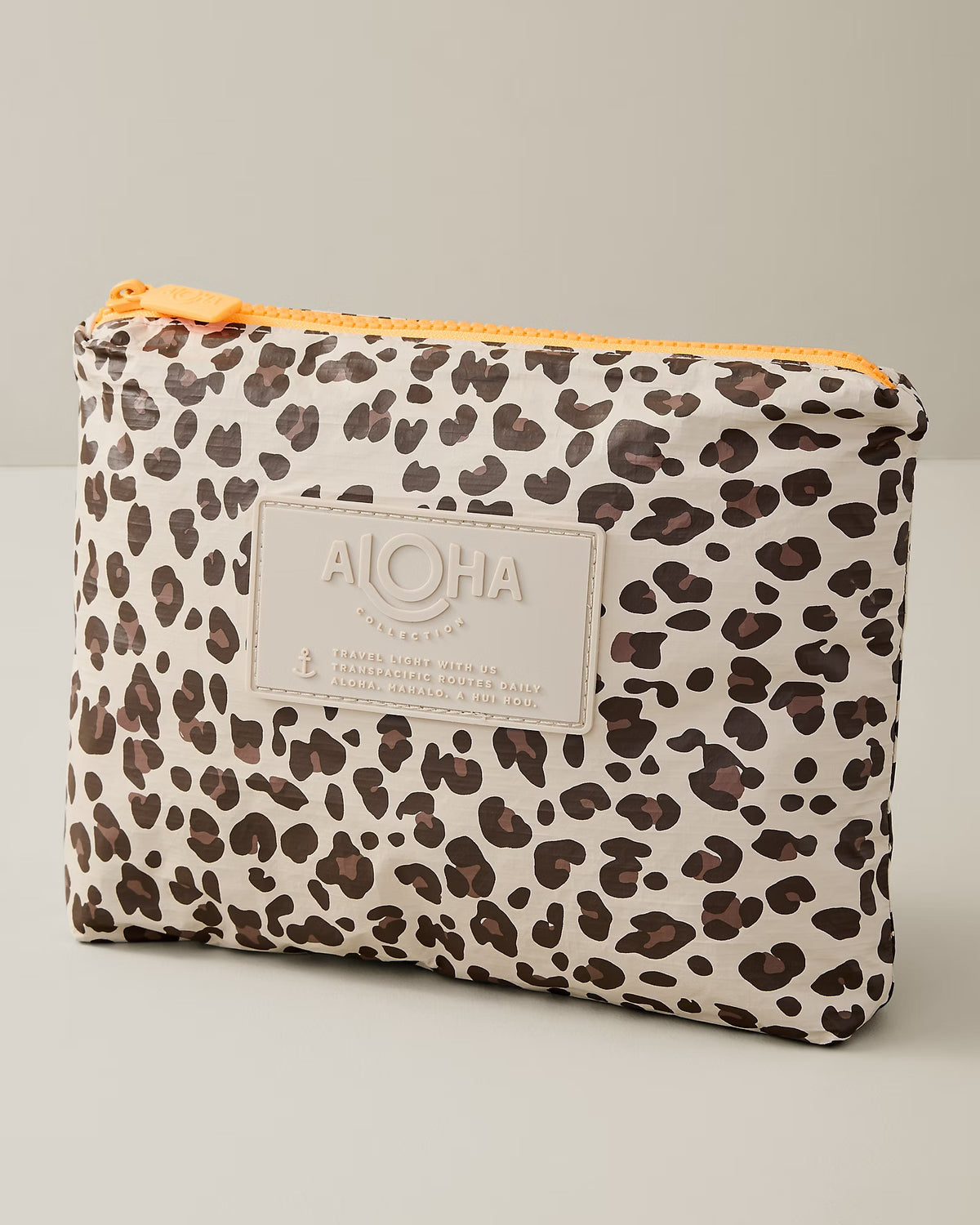
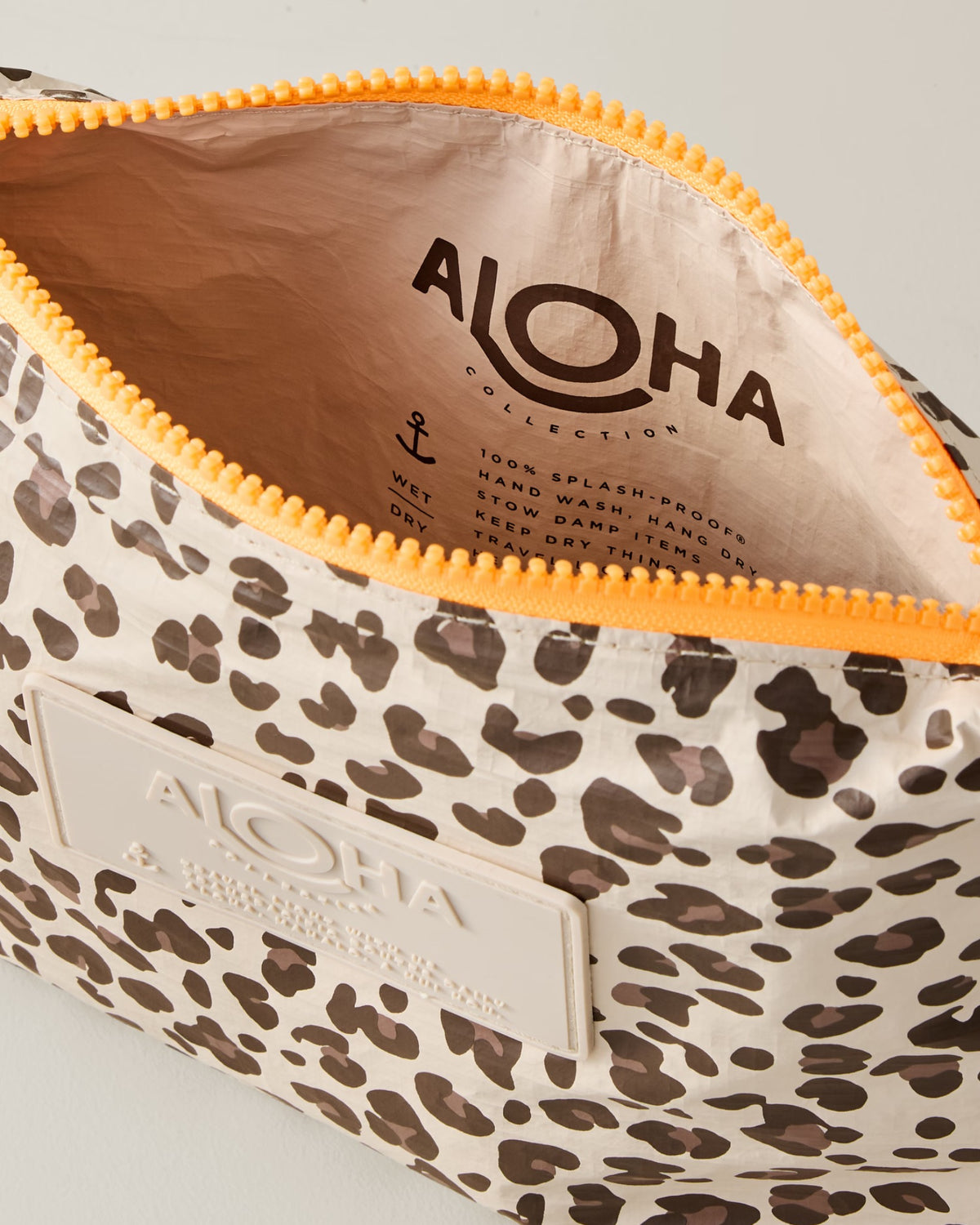
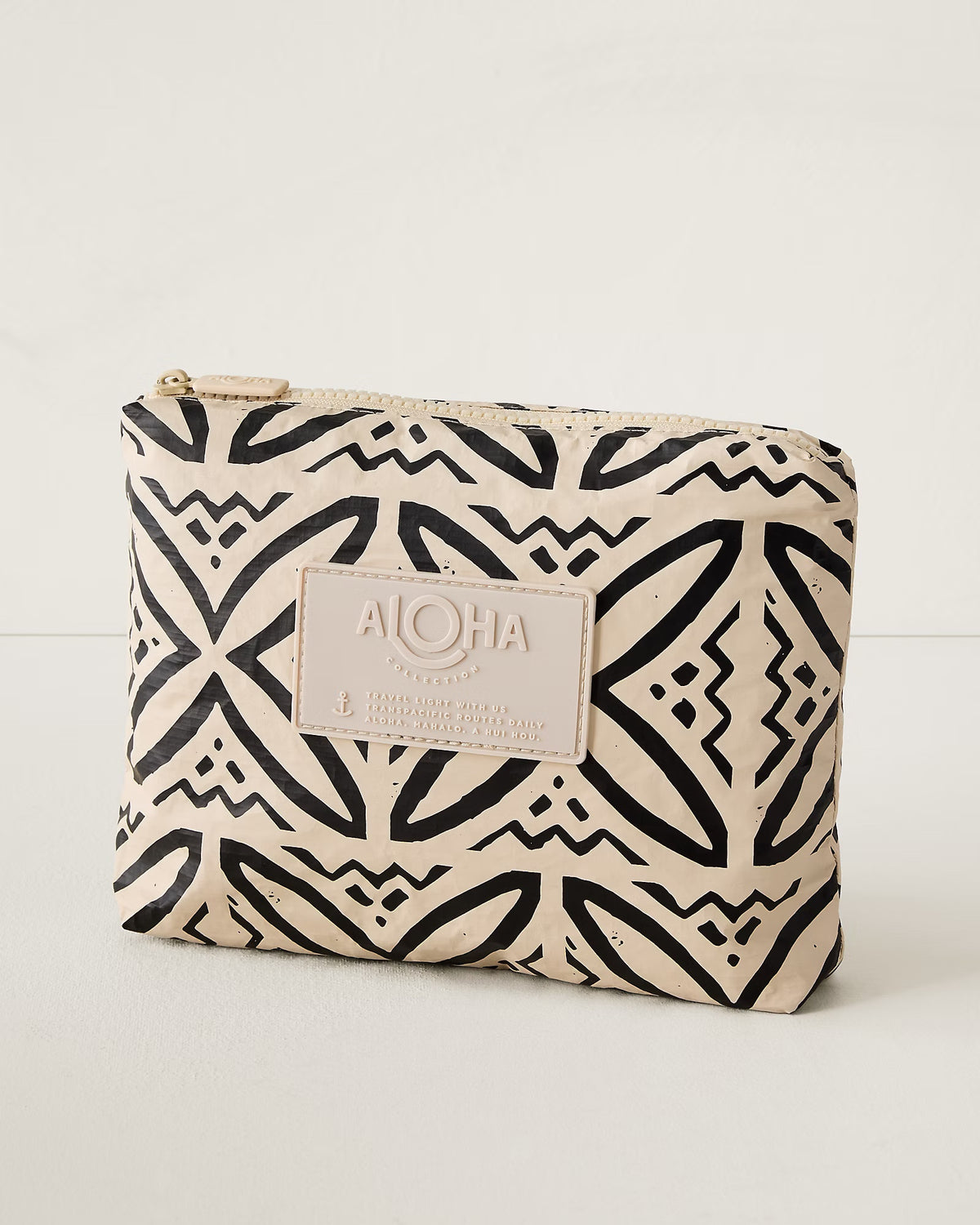
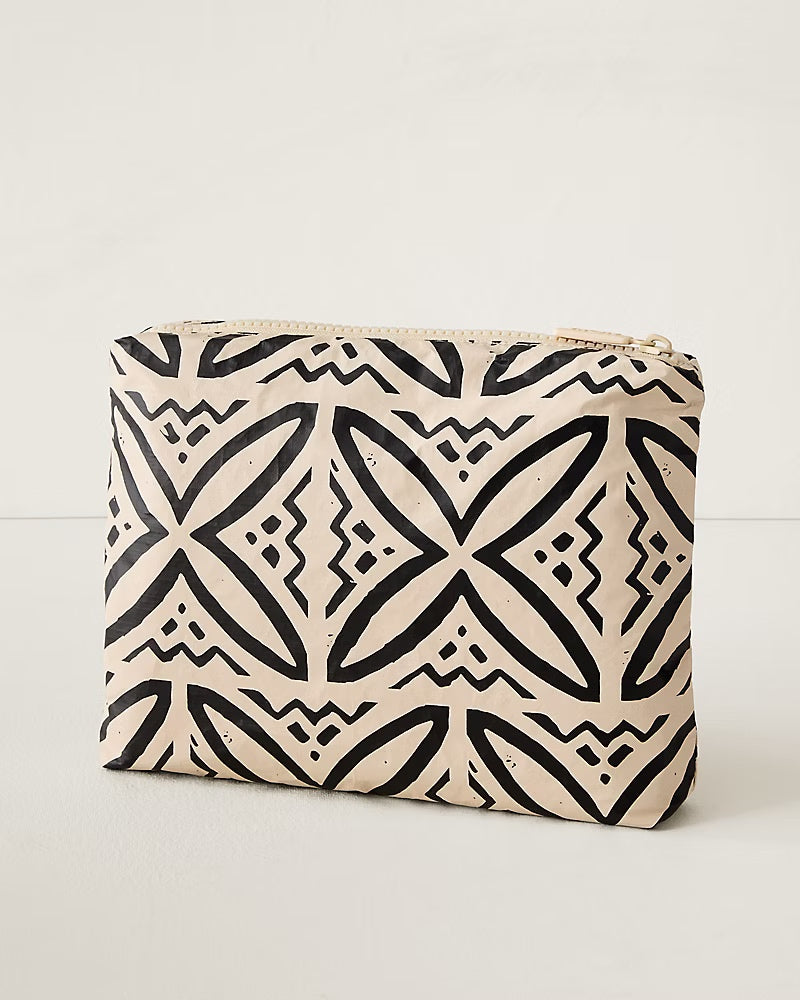
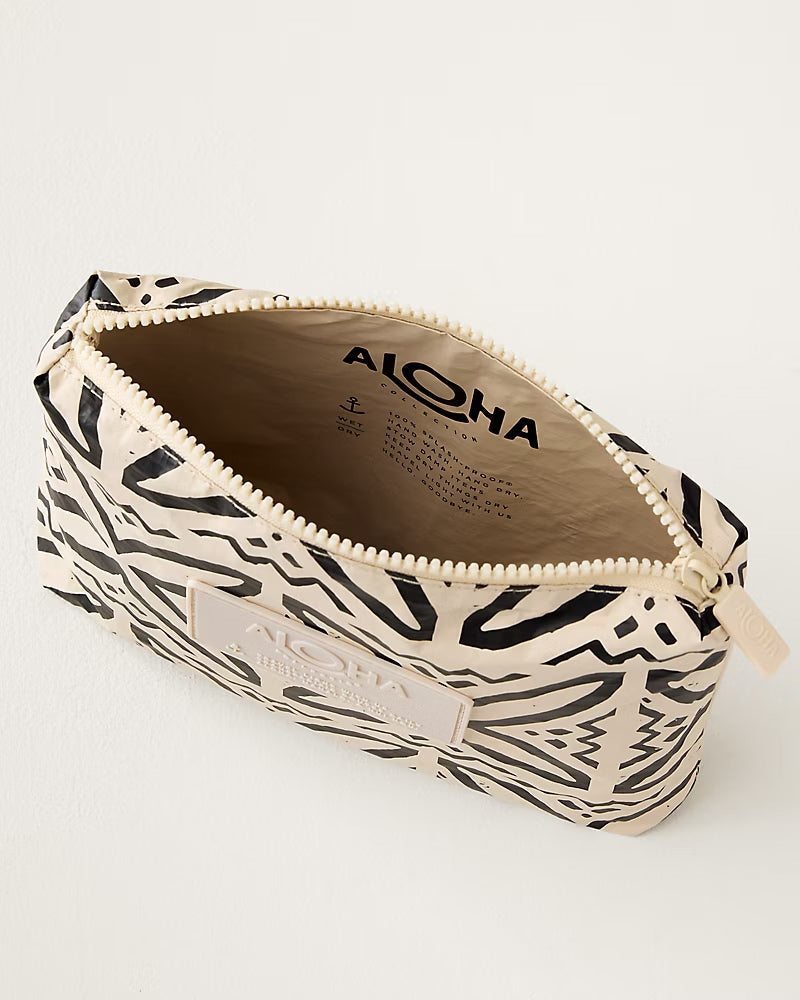
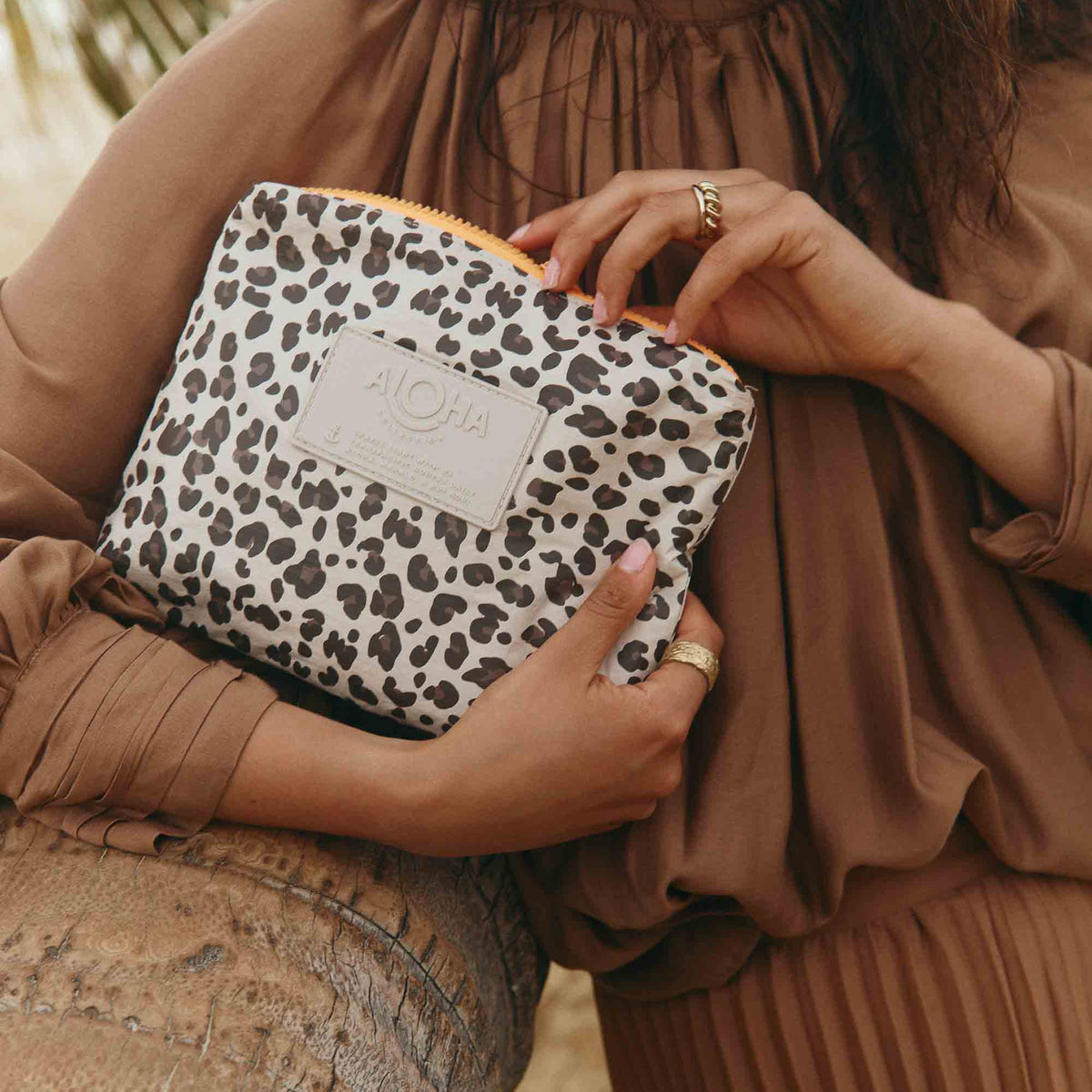
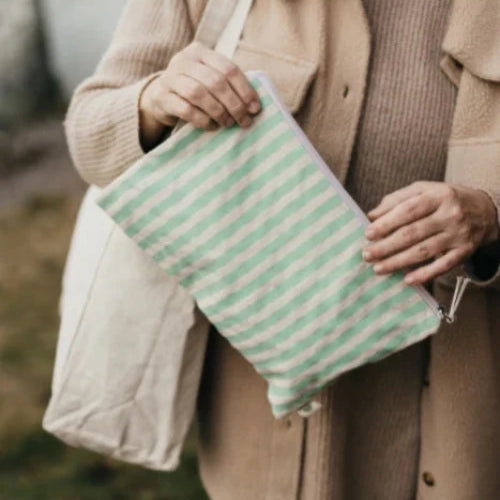
- Waterproof bag or pouch for phone and keys
- Small travel first aid kit with plasters and remedies for sore muscles
- Bag for wet laundry
If you like to go one step further, pack your care products plastic-free. Soap bars and solid care products save space and weight, such as those from BE ... MY FRIEND, a brand for plant-based skincare from Salzburg. And the morning coffee at the camp can be made a little easier on your conscience with compostable capsules like those from EcoCapz.
Hand luggage tips
Pack what you need for the first 24 hours in your hand luggage, in case your suitcase arrives later.
- A bikini or swimsuit plus a spare shirt
- Sunscreen and lip balm in the allowed liquid quantities
- ID, boarding pass, charger
- A thin layer for the cool cabin
- A small bag for wet swimwear on the return journey
Liquids must be packed in small containers for most airlines. Check your airline's current rules before departure.
How to properly treat wet swimwear on the go
Rinse swimwear briefly with fresh water after saltwater exposure and let it air dry, not in direct sunlight. This helps preserve the material and fit for longer.
The following has proven effective on trips:
- Rinse briefly: Salt and sand dissolve with fresh water. Use mild soap if necessary.
- Do not wring: Press the water out gently instead of twisting.
- Dry in the shade: On a hook or over the back of a chair, not on the hot heater.
- Store wet items separately: A separate bag protects the rest of your suitcase.
- Change instead of carrying: With several pieces to alternate, one can always dry properly.
Exact washing instructions are on the product page or label for every model. Follow them, because recycled fabrics like ECONYL® benefit from gentle care. You can find an overview of questions about surf bikinis in the frequently asked questions about surf bikinis.
Surfing and family: How it works with children
A holiday surf trip with children works well if you adapt the pace to them. Plan short sessions, plenty of breaks and a beach with a shallow entry. Children get cold faster than adults after being in the water, even in the sun. In winter, when the water in Portugal is cooler, they are often tired and cold sooner. In summer, with warmer water, they last longer. A warm towel, a dry shirt and a little snack after being in the water belong on the beach.
This helps in practice:
- Children-friendly courses: Ask about small groups and instructors with experience with children. Children's courses are often available from a certain minimum age; younger children can splash around better in the surf close to the shore.
- Shade and protection: Children need sun protection even more often, plus long surf shirts or surf suits. A beach umbrella and a cap for breaks help additionally.
- Flexible rhythm: One morning in the water, one afternoon on the beach, one day without a board at all. If the waves or the mood are not right, building sandcastles is a good plan.
- Parents take turns: One surfs, the other stays on the beach. The next day you switch. This way everyone gets time in the water, and the children are never without supervision.
At MAIN Design you will also find swimwear for children that suits your trip. Read more about the combination of waves and downtime in the article on surf and yoga holidays.
What remains after surfing
After a week by the sea you feel your body differently: your shoulders, arms and back are noticeable, your head is empty, your skin tastes of salt. The muscle soreness from paddling often sits in the upper back and arms; a long walk on the beach or gentle stretching in the evening relieves it better than resting on the sofa. Your sleep also becomes deeper because the sun, wind and water fill the day. Many return with the wish to go again soon. If you are already thinking about the next beach while packing, the trip was a success.
Some of it remains in everyday life: the earlier evening walk, the look at the weather forecast, the little desire to walk barefoot. For recurring trips, swimwear that lasts several seasons is worth it. Rinse it after every saltwater exposure, dry it in the shade and do not pack it damp in your suitcase. This way it accompanies you to the next surf spot, and the sand from the last one might still be in your bag.
Next, decide on a dream destination and a time frame, book a beginner course and put together your packing list. For swimwear, you will find surf bikinis, swimsuits and surf shirts at MAIN Design that are designed for movement and made from recycled materials, so you can discover your sustainable swimwear and support Healthy Seas with every purchase.