Which blanket is right for an autumn walk, depending on the weather and your plans?
The right blanket for an autumn walk depends on three things: how cold and damp it is, how long you plan to stop, and how much you want to carry. A lightweight blanket is enough for short walks, but you may want something warmer for longer breaks outdoors.
Materials compared: fleece, wool and water-repellent picnic blankets
Fleece is lightweight, soft and quick-drying, but it does little to block dampness from below. Wool also keeps you warm when it gets slightly damp, but it is heavier and requires more care. Water-repellent picnic blankets protect you from damp ground, but they provide little warmth on their own.
| Material | Warmth | Weight | Thickness |
|---|---|---|---|
| Fleece | moderate to high | light | quick-drying |
| Wool | high | moderate to heavy | keeps you warm when damp |
| Water-repellent | low | light | protection from dampness |
What to consider when choosing warmth, pack size, weight and ease of care
Warmth and pack size are often at odds. A thick wool blanket keeps you wonderfully warm, but it will hardly fit in your backpack. If you plan to walk a lot, choose a blanket that can be rolled up small and weighs less than 700 grams.
- For benches and forest floors: lay the blanket with its water-repellent side down.
- For cool breaks: fleece or wool blankets can be draped over your shoulders.
- For everyday use: choose a blanket that can be machine-washed at 30 degrees to save time.
A blanket that can be worn as a poncho or cloak can also be practical. This leaves your hands free and keeps you mobile.
Three clever ways to use a blanket during breaks outdoors
A good blanket for an autumn walk not only keeps you warm, but also serves as a seat, picnic area and windbreak all in one. The first three ideas show you how it can help during breaks outdoors.
Idea 1: As a warm seat on a bench, wall or forest floor
A folded blanket protects you from cold and dampness rising from below. Wooden benches and stone walls cool down quickly in autumn, and the forest floor often remains damp all day.
- Fold the blanket two or four times. This makes the seat thicker and provides better insulation.
- If the benches are wet, lay the blanket with its water-repellent side down, if your blanket has one.
- Attach the blanket to the outside of your backpack. Then you will have it immediately to hand for a spontaneous break.
Ideas 2 and 3: As a picnic blanket and additional windbreak
On a meadow or by the lakeside, spread the blanket out completely and you will immediately have a dry place for your thermos, lunch and small snacks. Weigh down the corners with your backpack, shoes or stones so that the wind does not lift them.
When it is windy, the same blanket becomes a second layer. Drape it over your shoulders or legs, and the gusts will hardly get through. This is particularly useful by the lake, where it quickly gets chilly as soon as the sun disappears behind the clouds.
If you are out with children, you can also use the blanket as a small privacy screen. Clamp it to a bench backrest or stretch it between two sturdy branches. This creates a sheltered place for a break where everyone can warm up for a while.
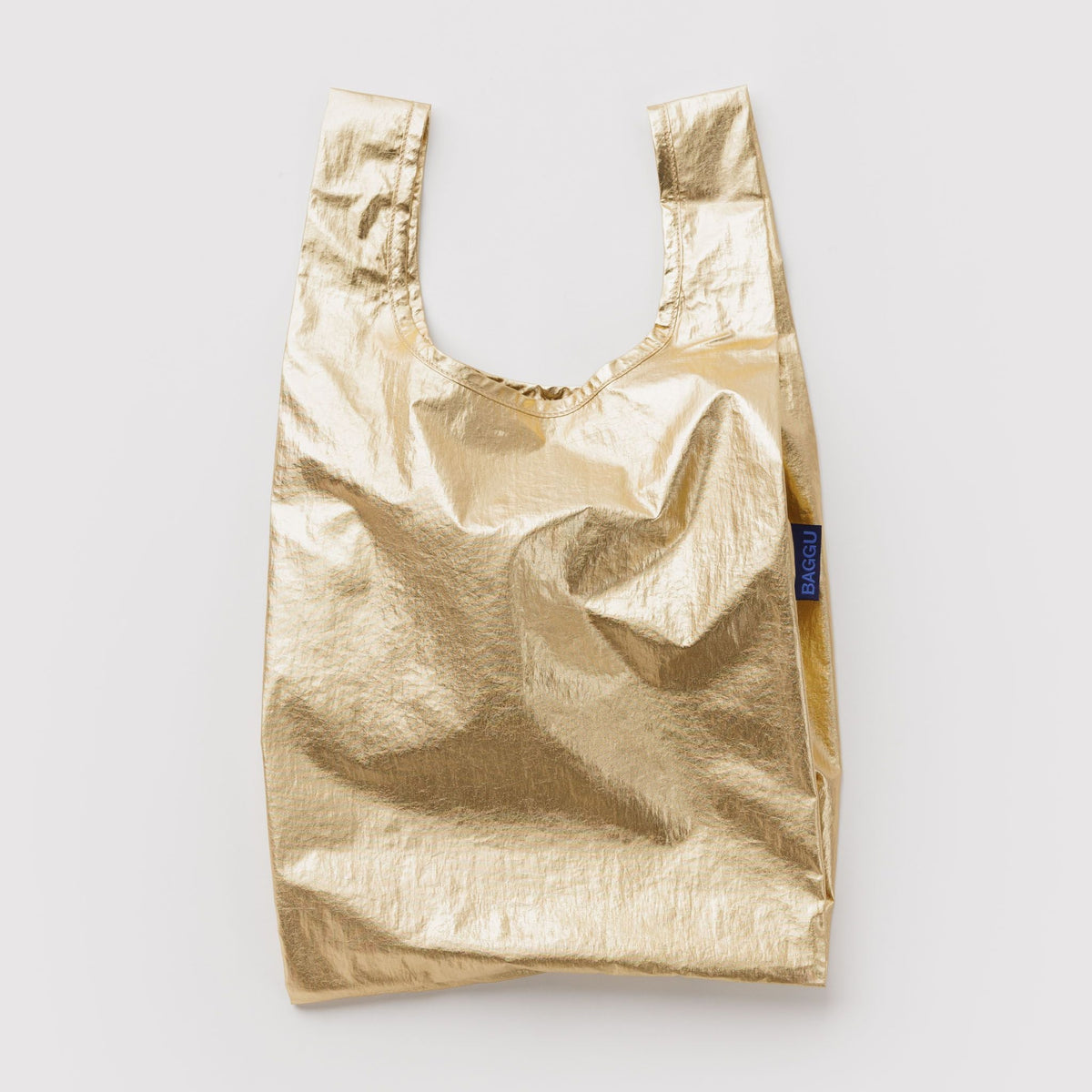
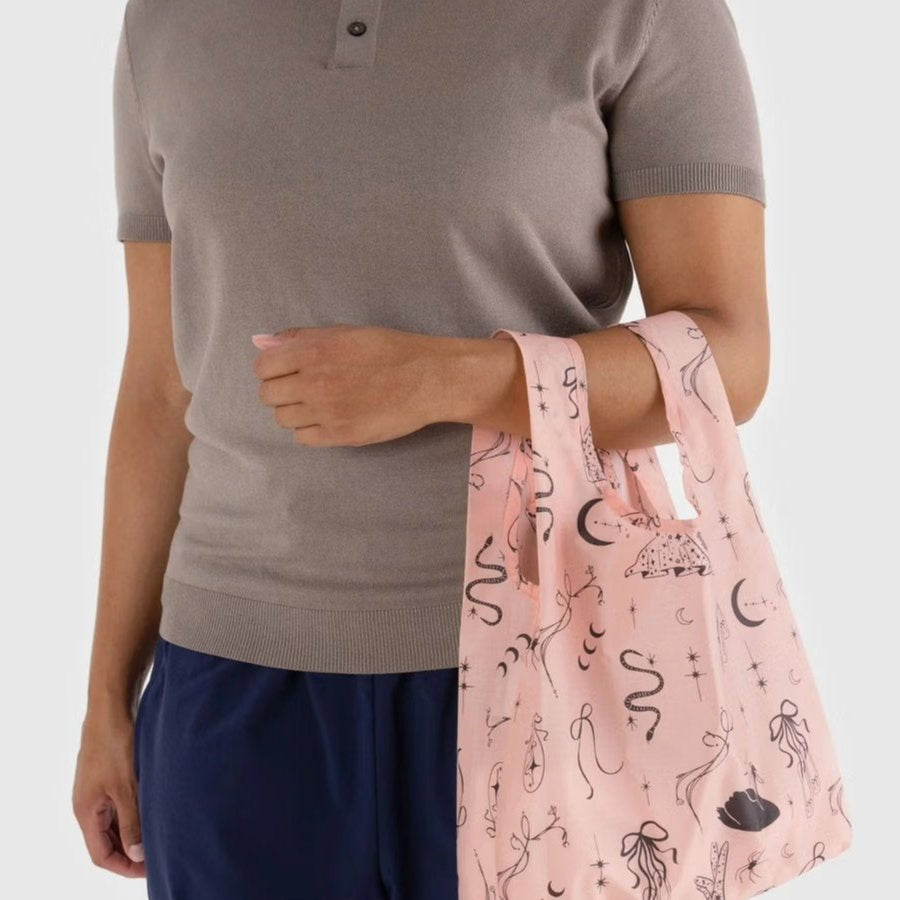
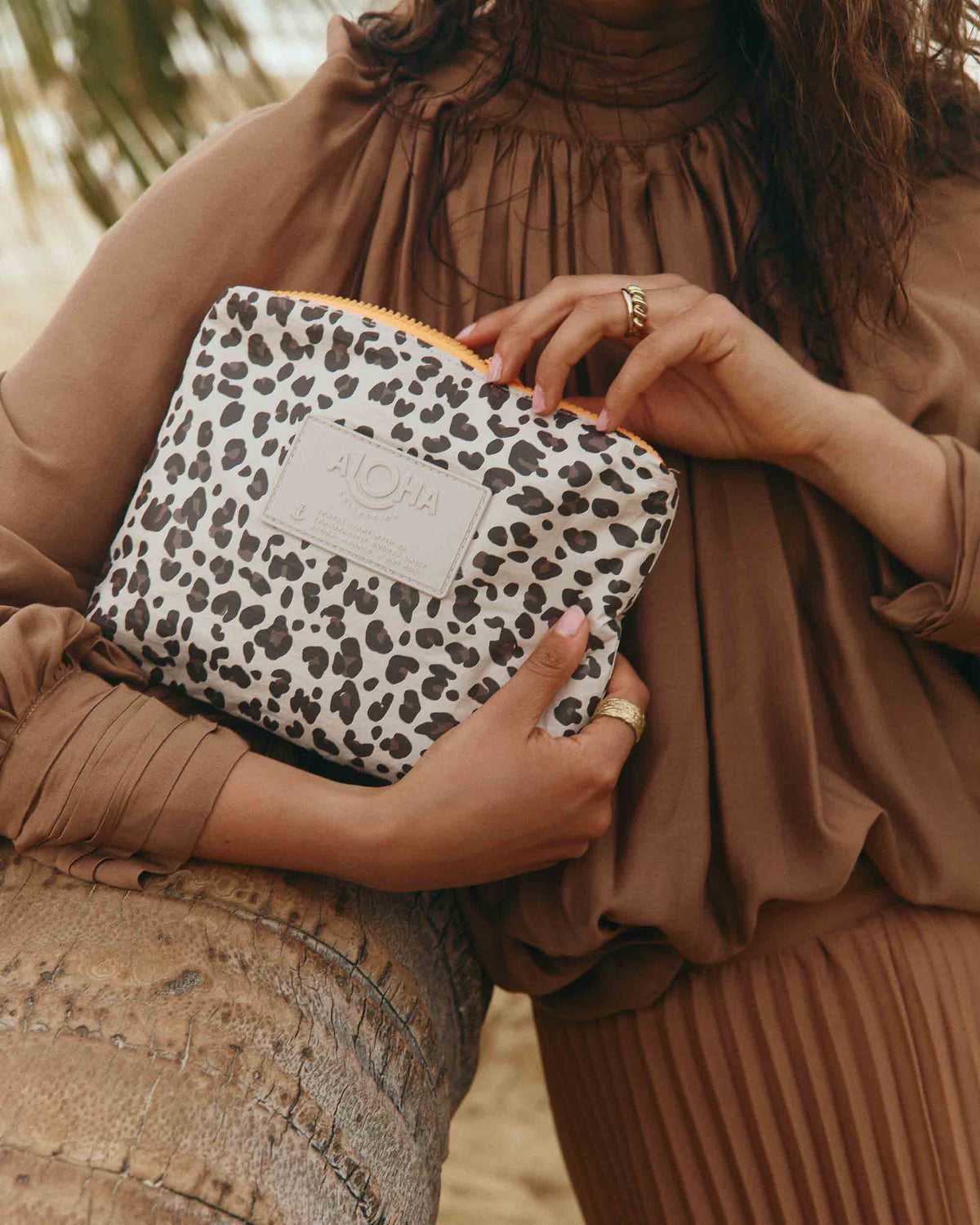
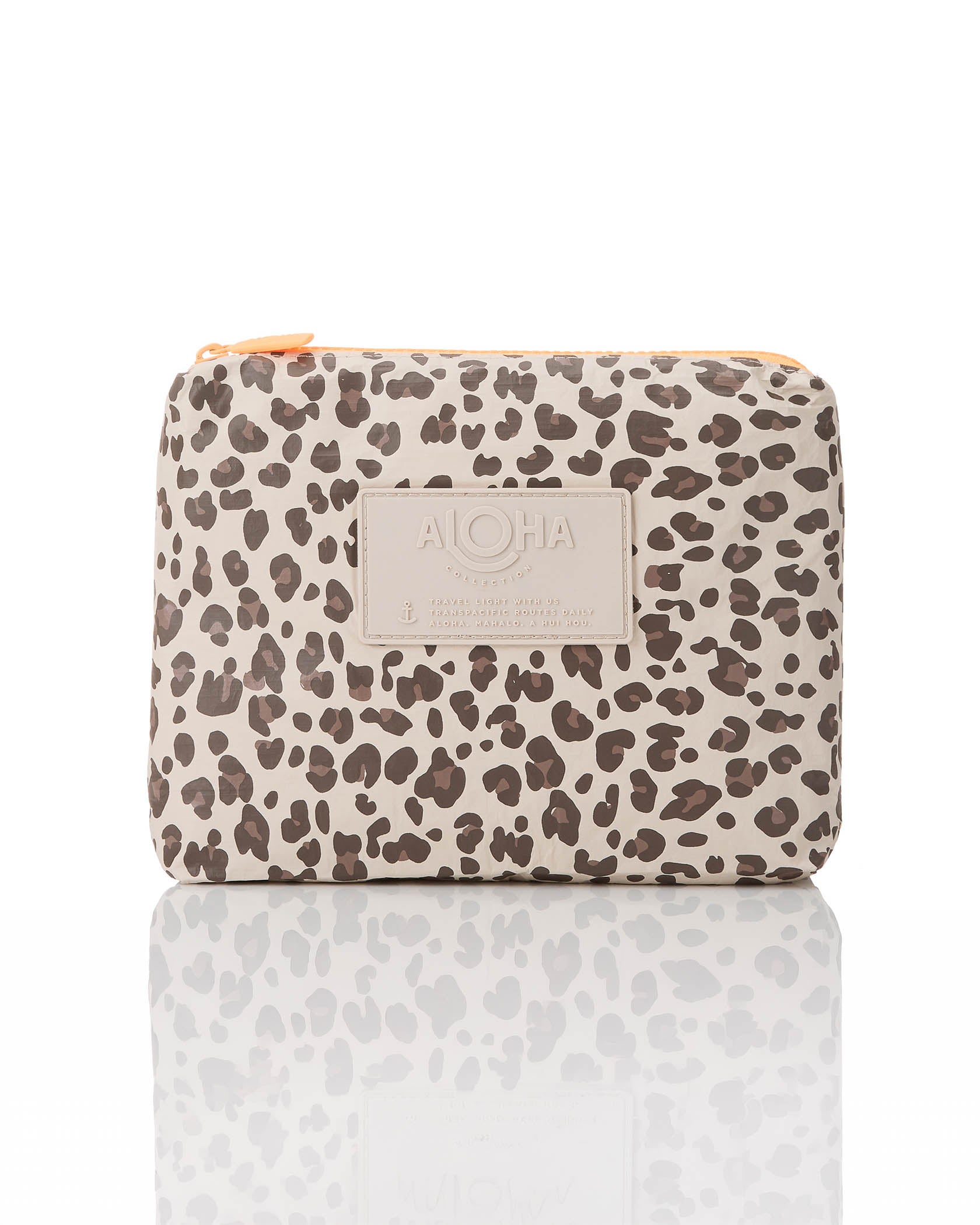
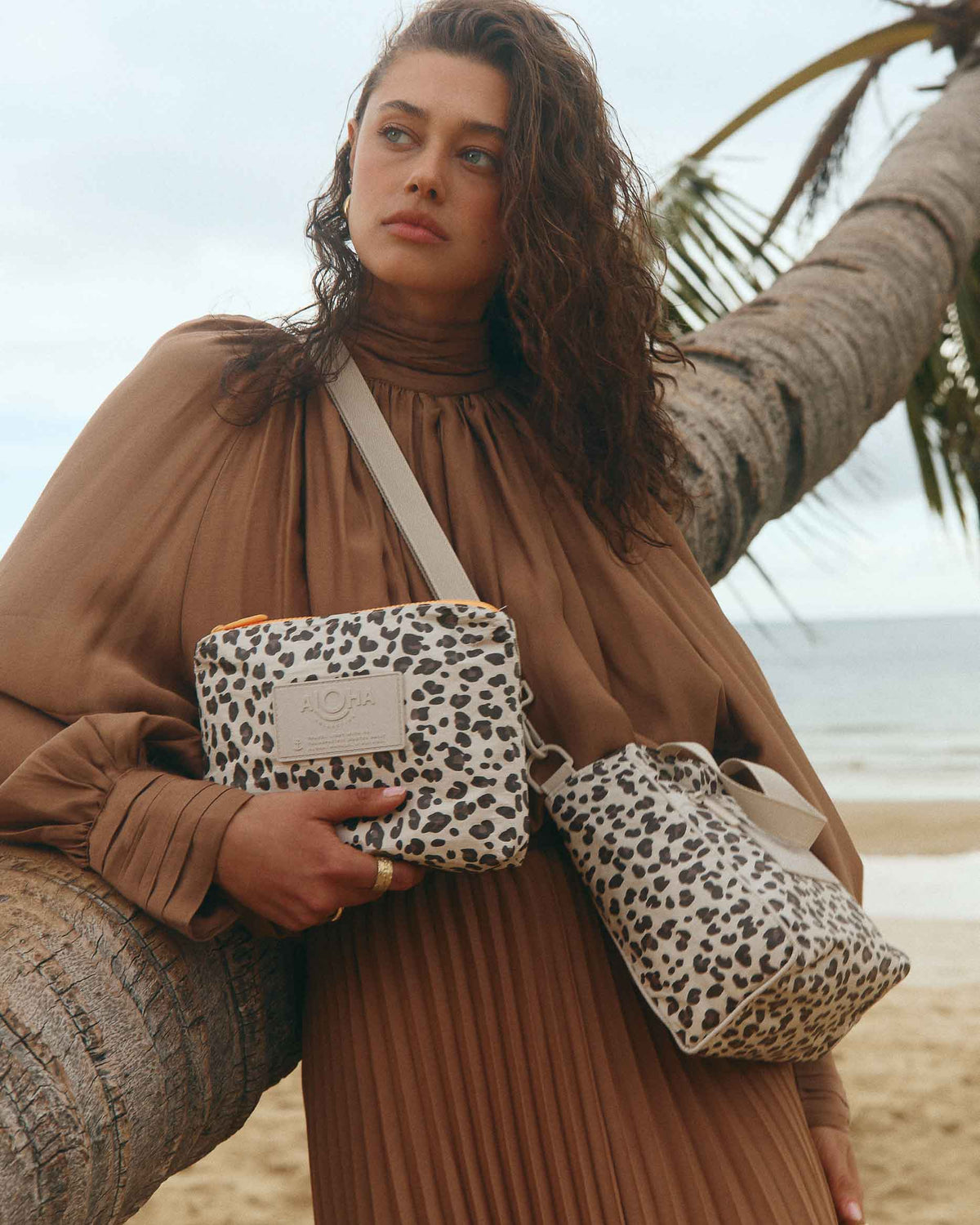
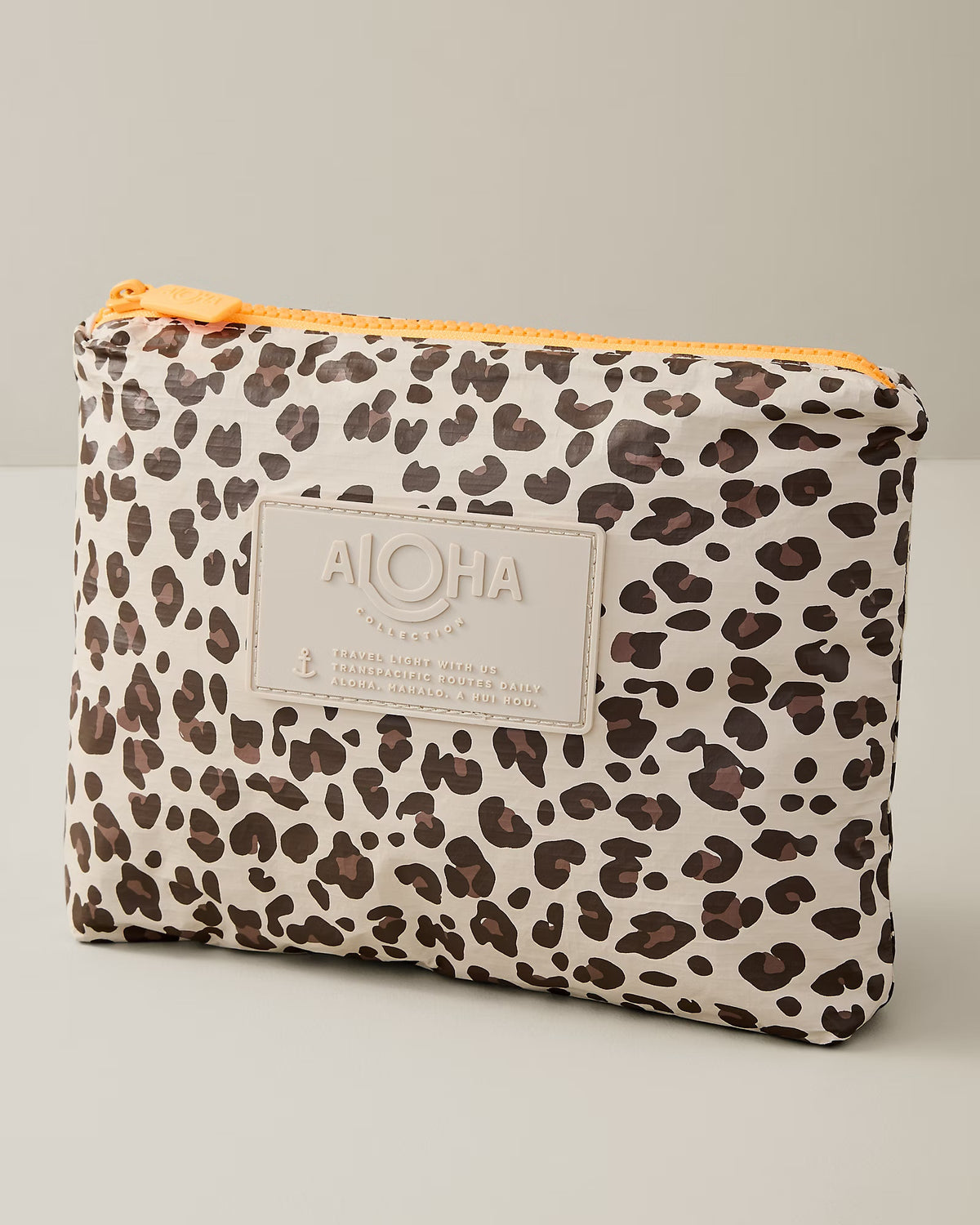
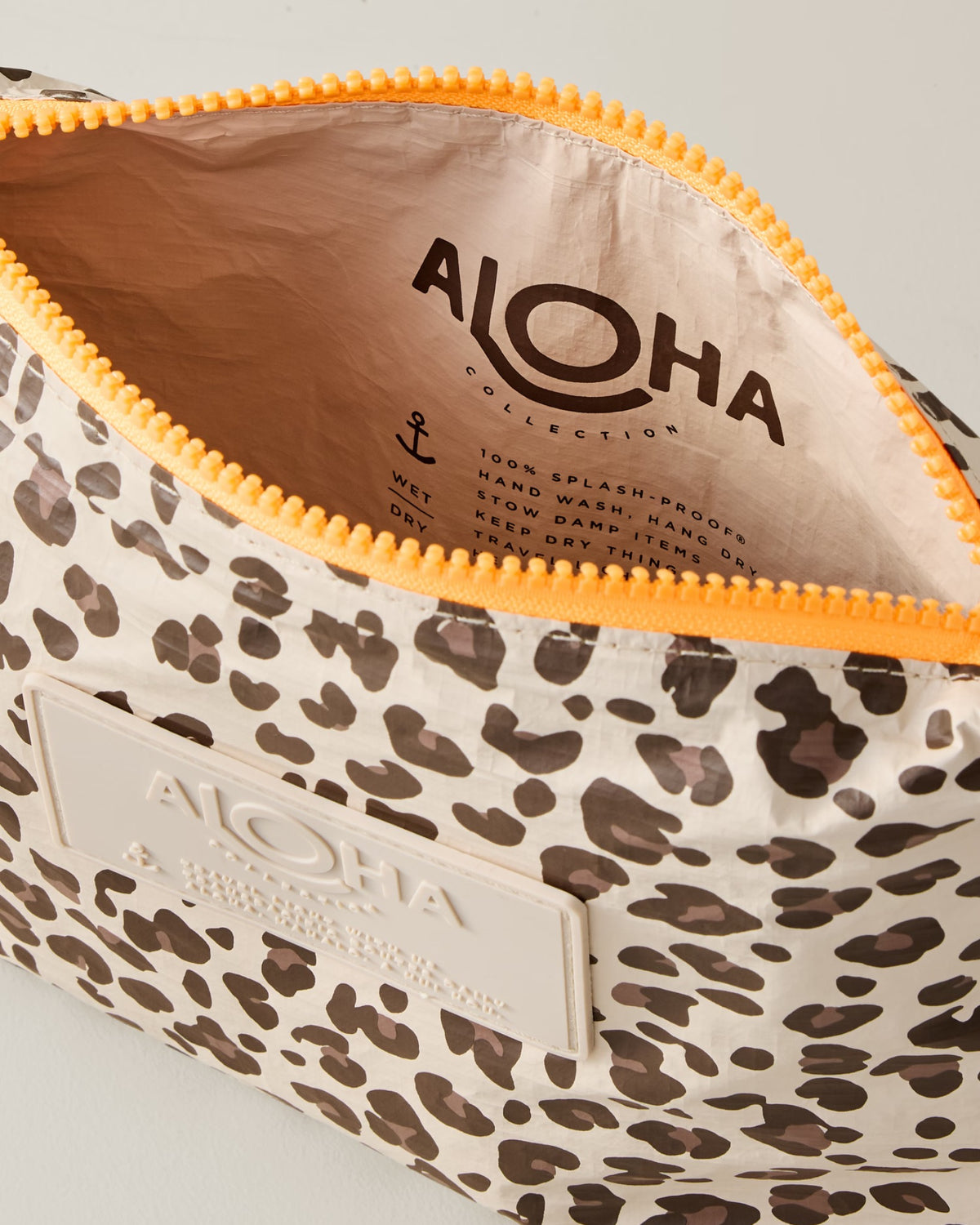
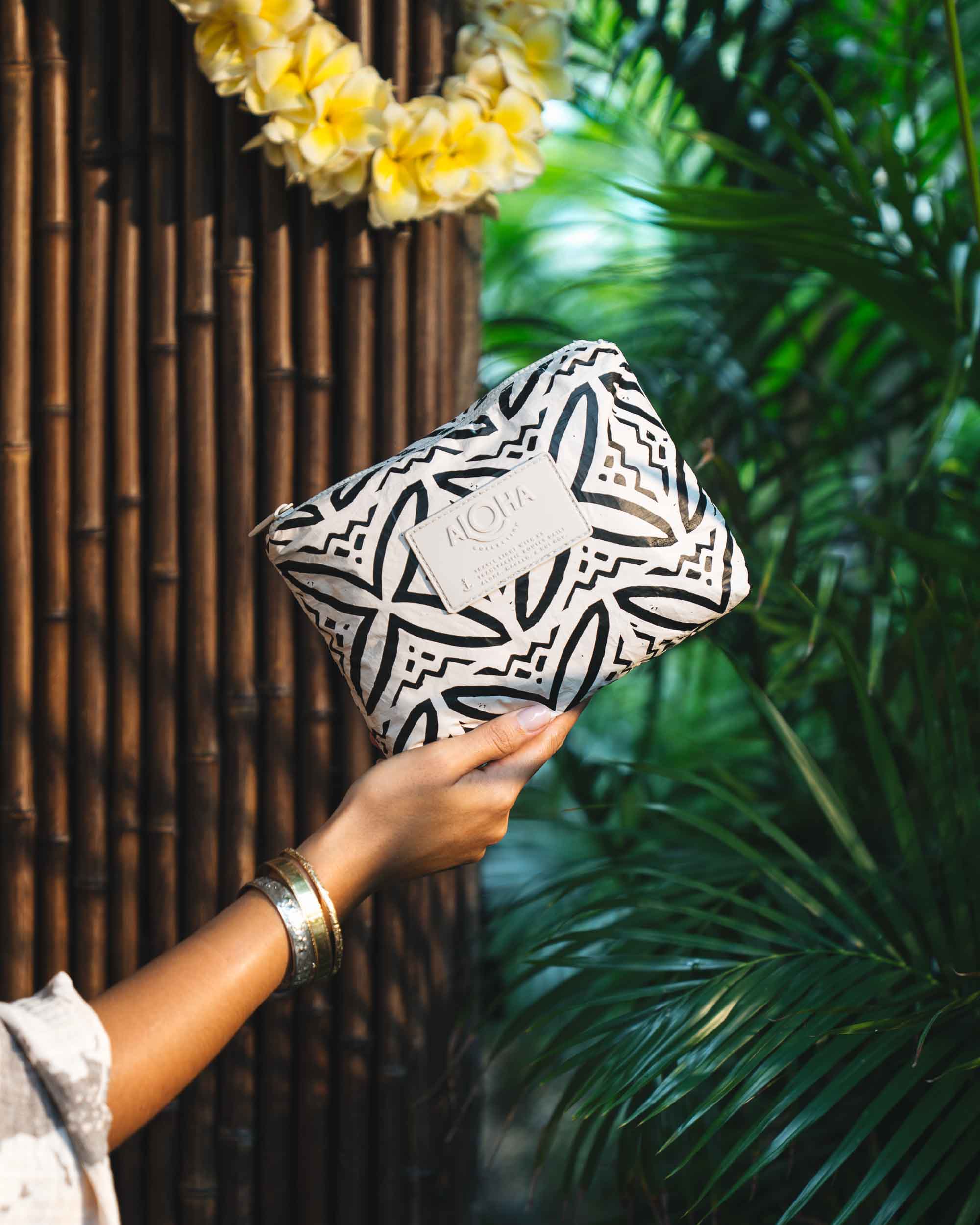
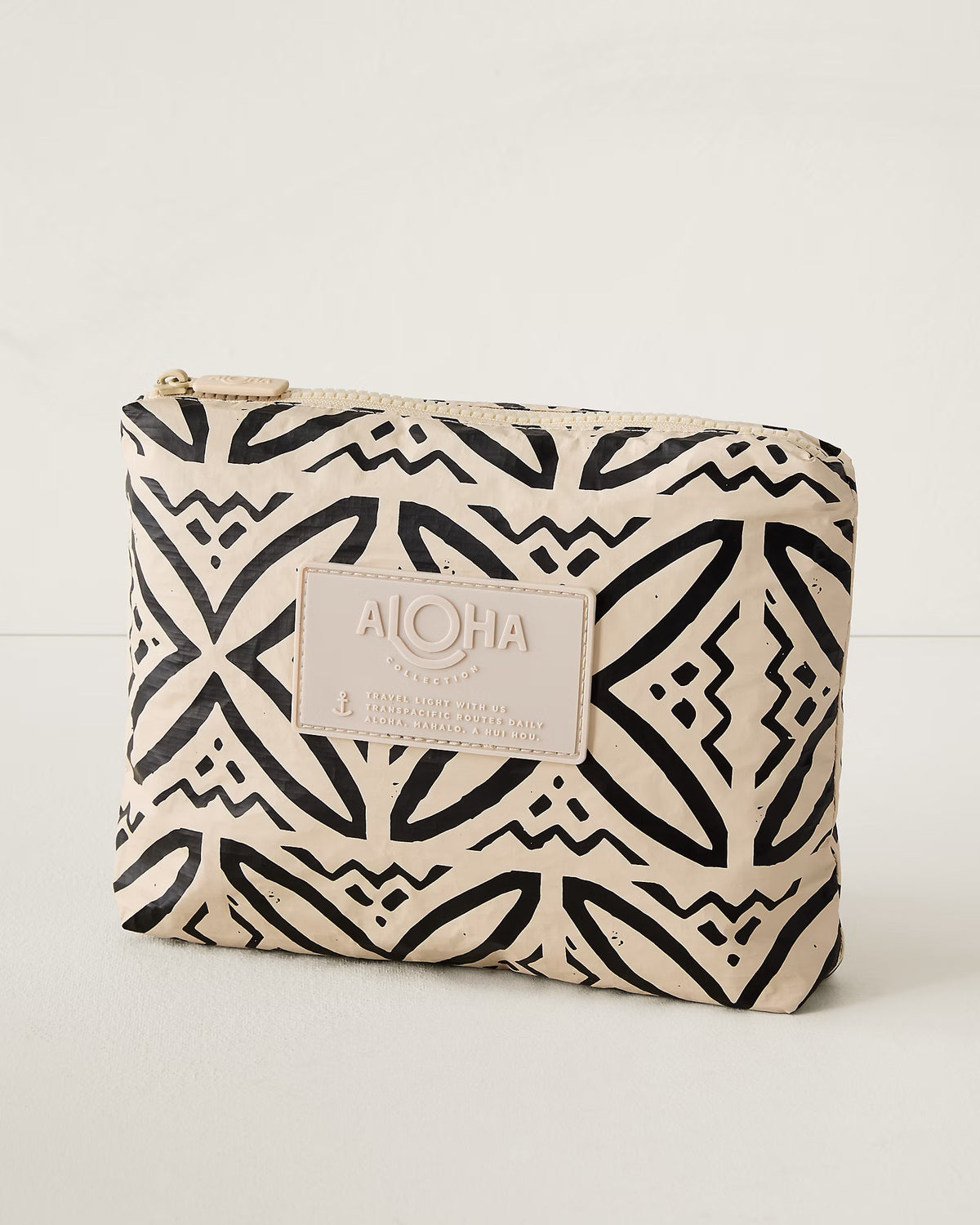
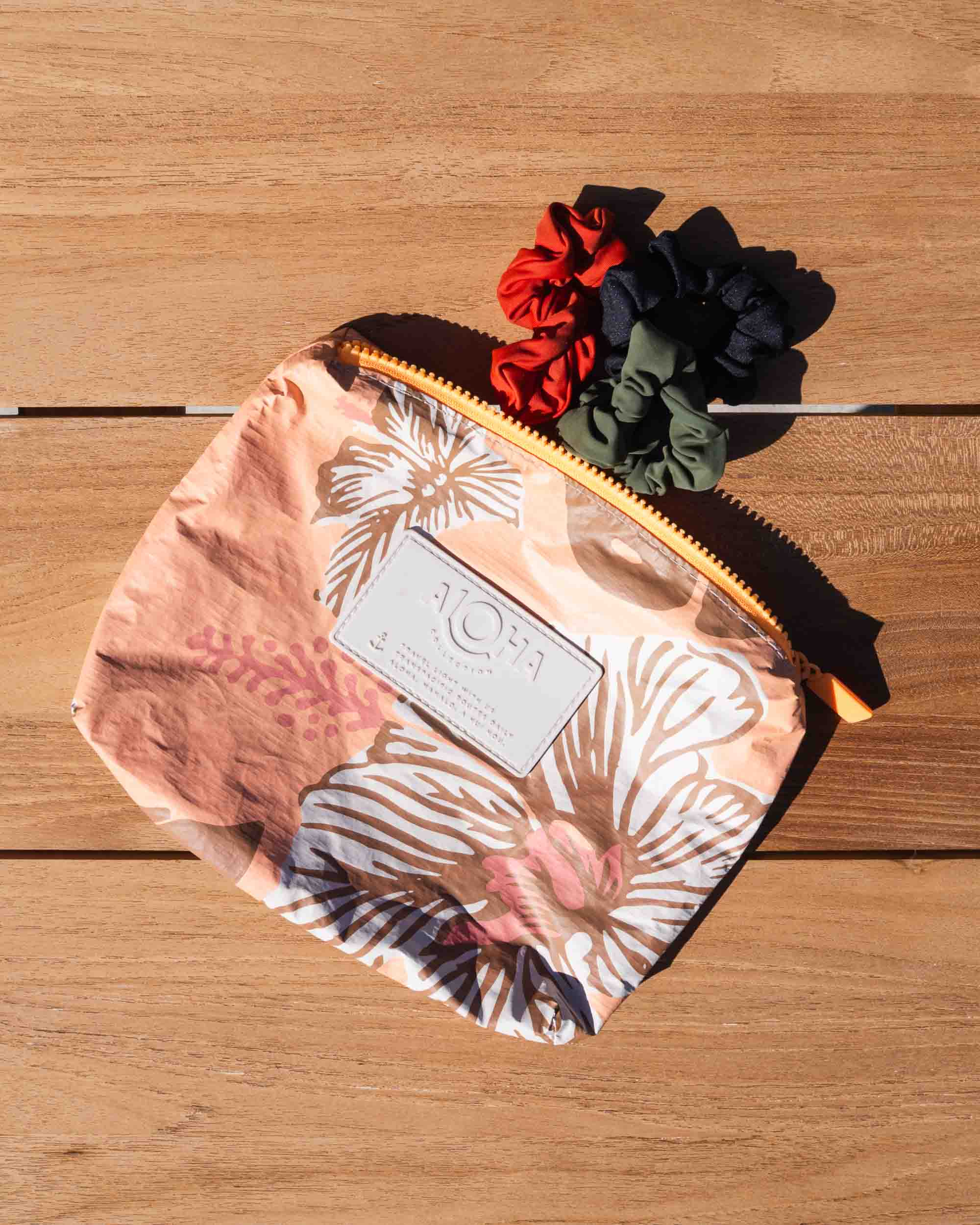
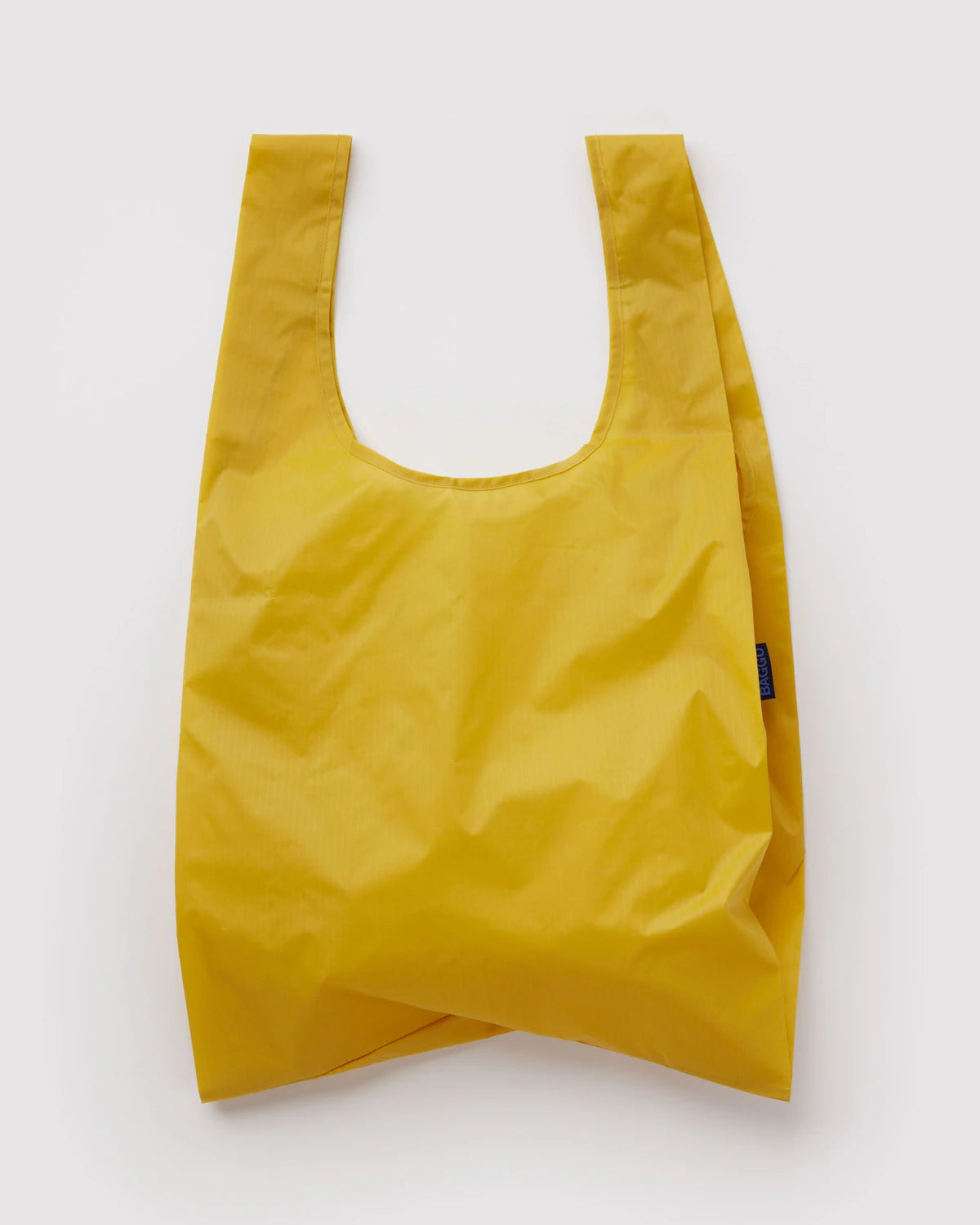
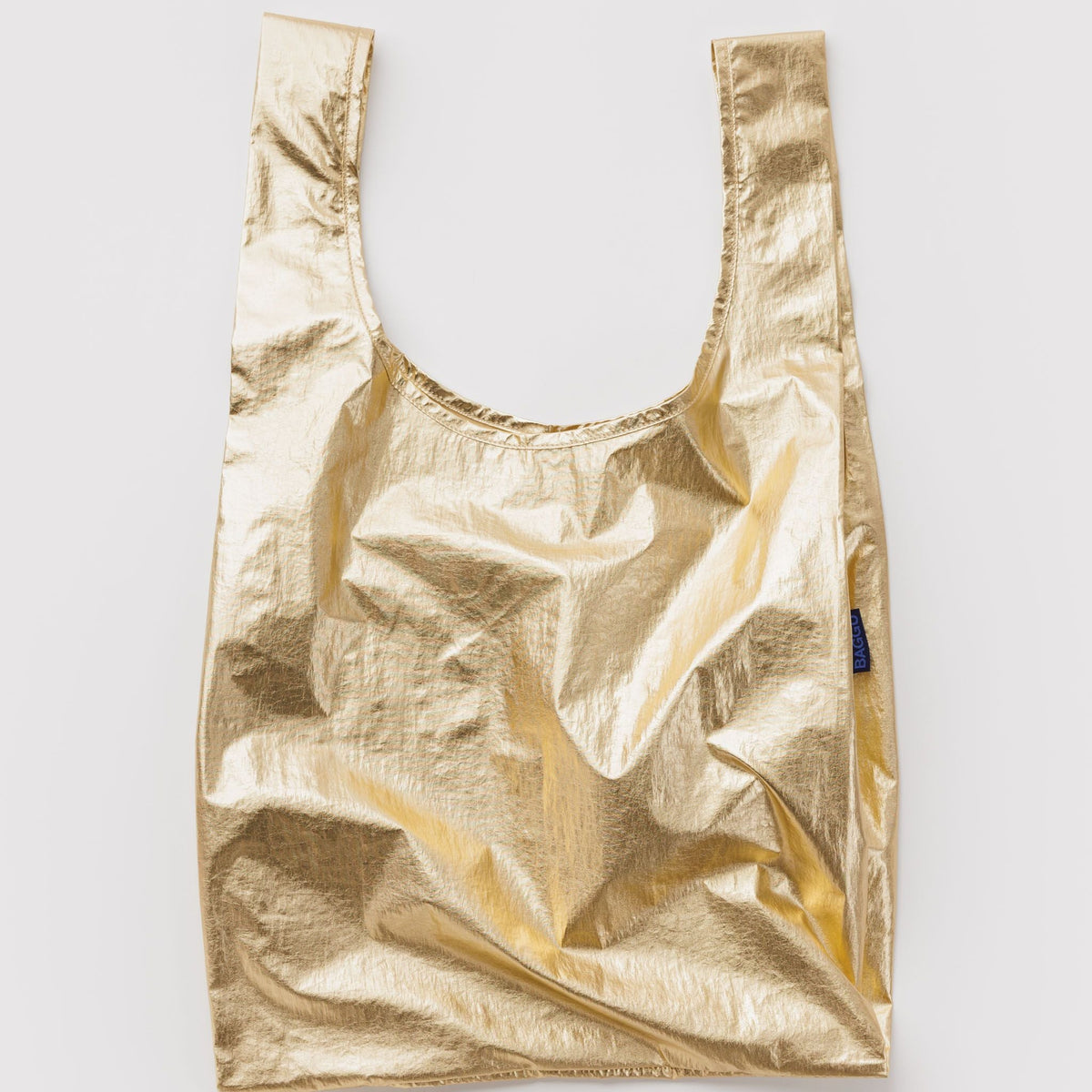
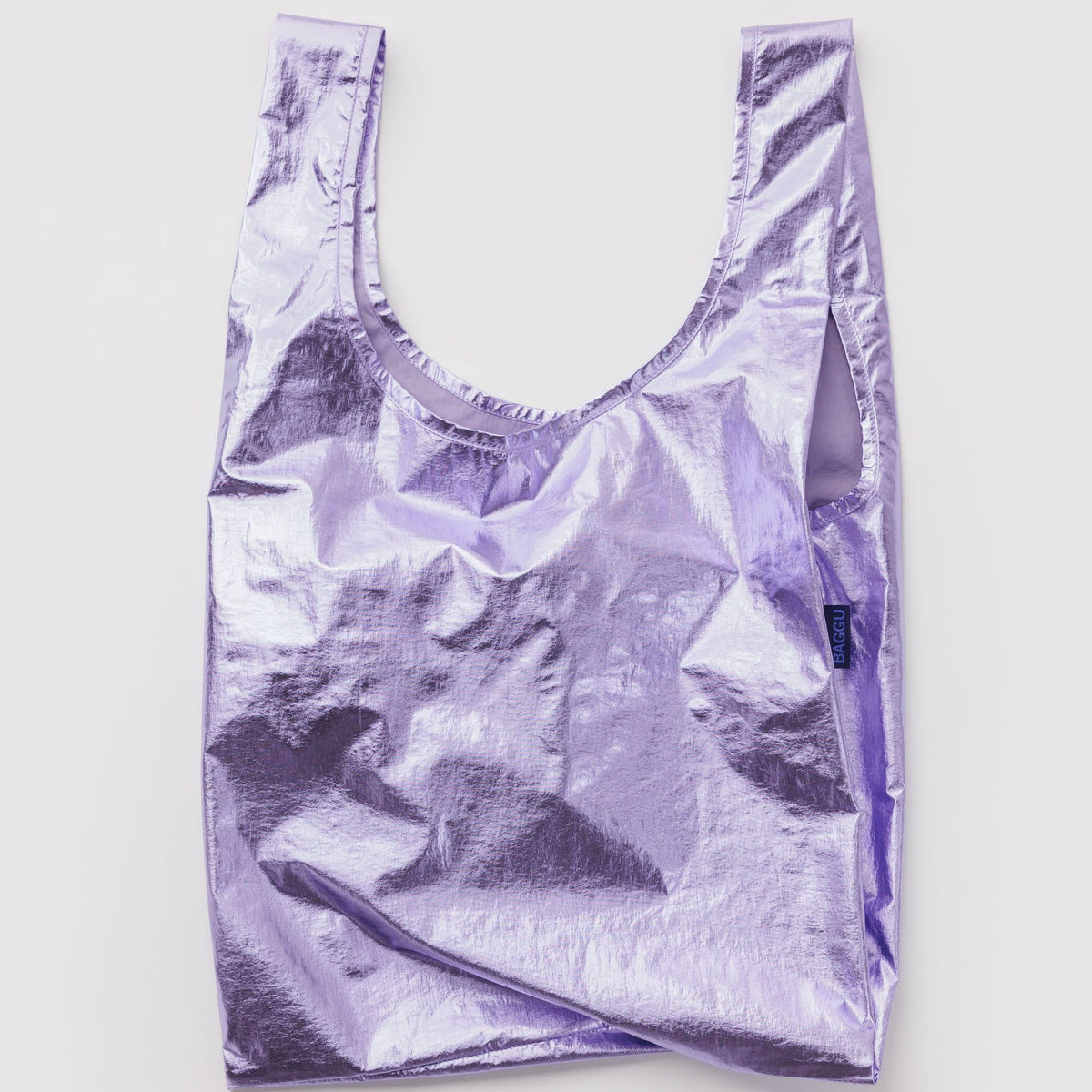
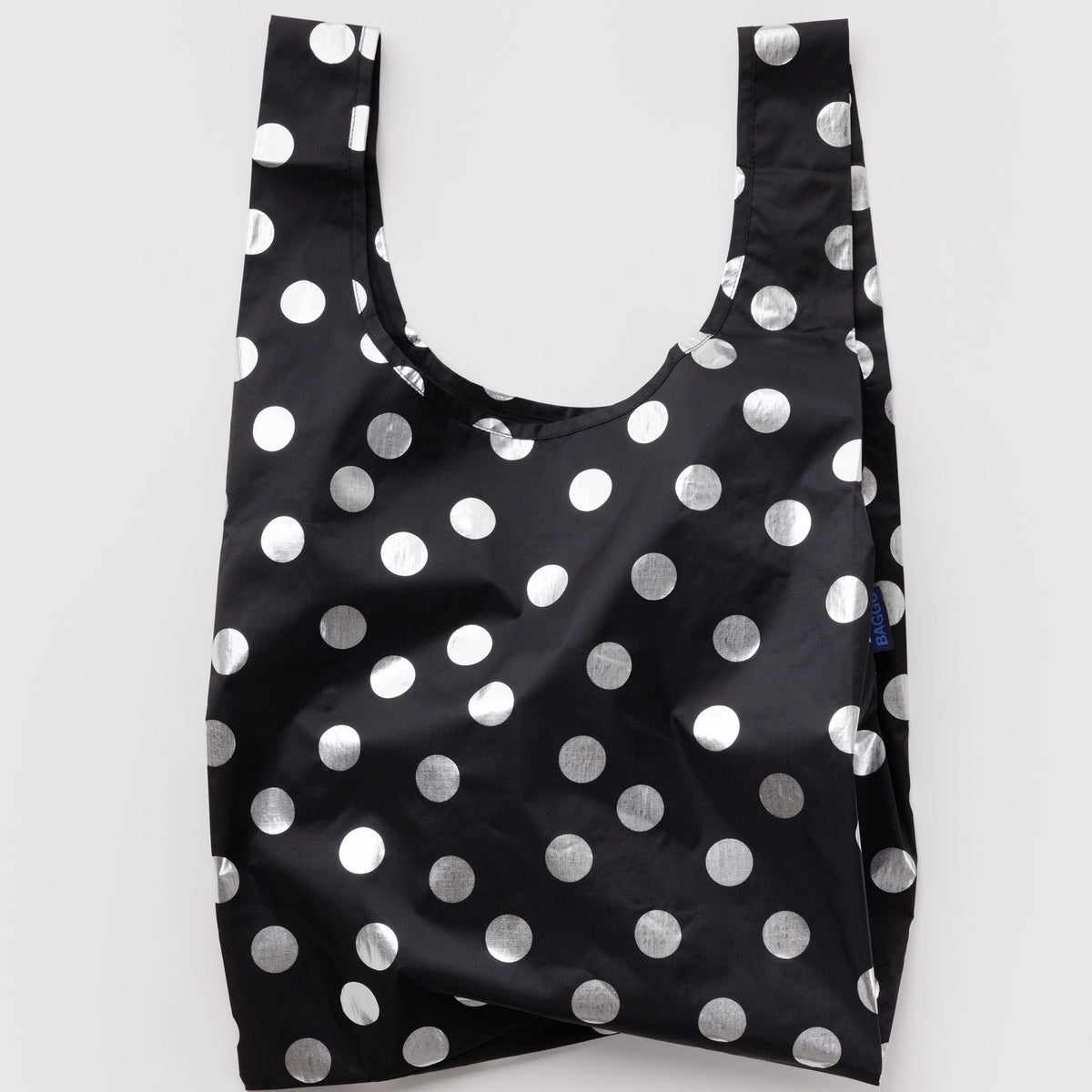
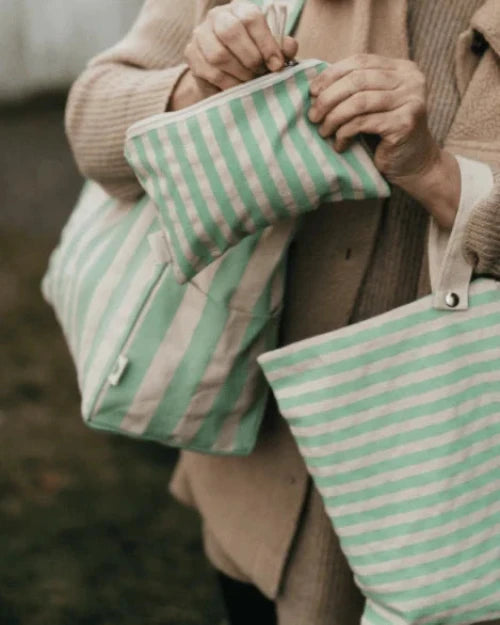
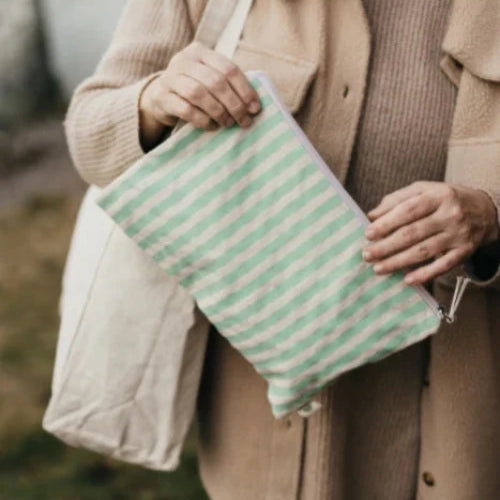
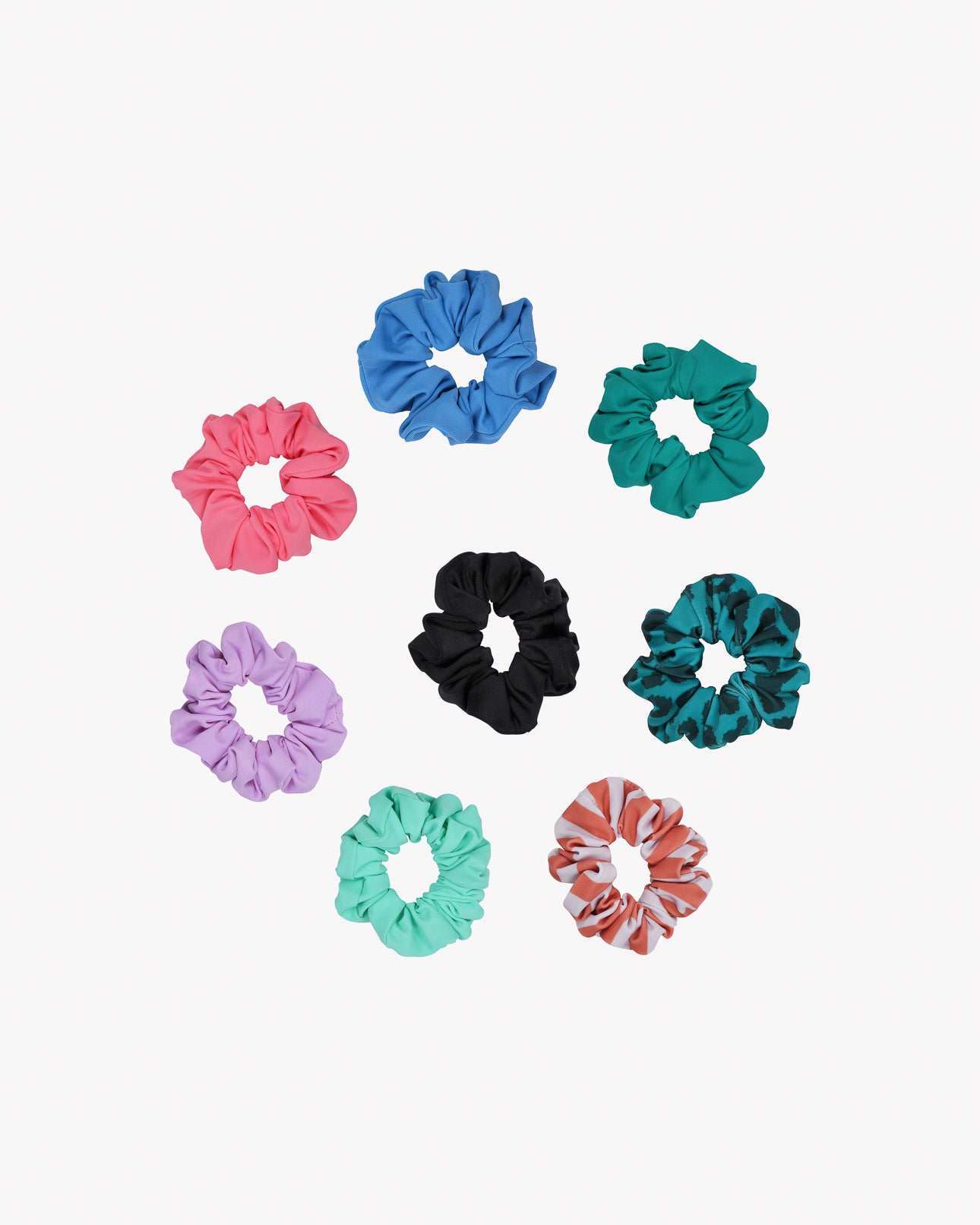
You will find a selection of versatile blankets suitable for excursions, the beach and autumn walks in our collection:
Three more ideas for changeable autumn weather
Ideas 4 and 5: As a pram or dog blanket on a walk
A small, lightweight blanket can cover both a pram and a dog. For children, it works as a leg warmer and windbreak, while for dogs it serves as a base for breaks. It should be dense enough to keep out the cold, but not so thick that it gets stuffy under the pram cover.
- Pram: Drape the blanket loosely over the legs and tuck it in on the side. Check the neck occasionally, as cold hands are not a reliable indicator of insufficient warmth.
- Dog: Short-haired, older, or wet dogs get cold more quickly. A blanket on the back seat or on a bench during a break protects them from getting chilled.
- Spare: If you have two blankets with you, one will stay dry if the other gets damp in the drizzle.
Idea 6: As a warming layer during longer breaks and on the way home
Anyone who sits for a long time cools down faster than they think. During a coffee break, drape the blanket around your shoulders like a cape or over your knees. On the way home, it helps if you are sweaty after the walk or the sun sets early.
Especially on short autumn days, a blanket that can be rolled up small yet still provides warmth is worth it. In our blanket collection, you will find models suitable as companions for the beach, park, and forest path, and that will accompany you outdoors even on cooler days.
My tip: Pack the blanket at the top of your backpack. This way, you will have it in your hand as soon as you get cold and won't have to unpack everything first.
Prepare, use, and keep the autumn blanket clean
Packing and usage tips for wetness, cold, and spontaneous breaks
A blanket for an autumn walk is really useful when you can quickly grab it and it stays dry. Roll it loosely and tuck it into a small bag or onto the edge of your backpack, so it is immediately at hand during a spontaneous break.
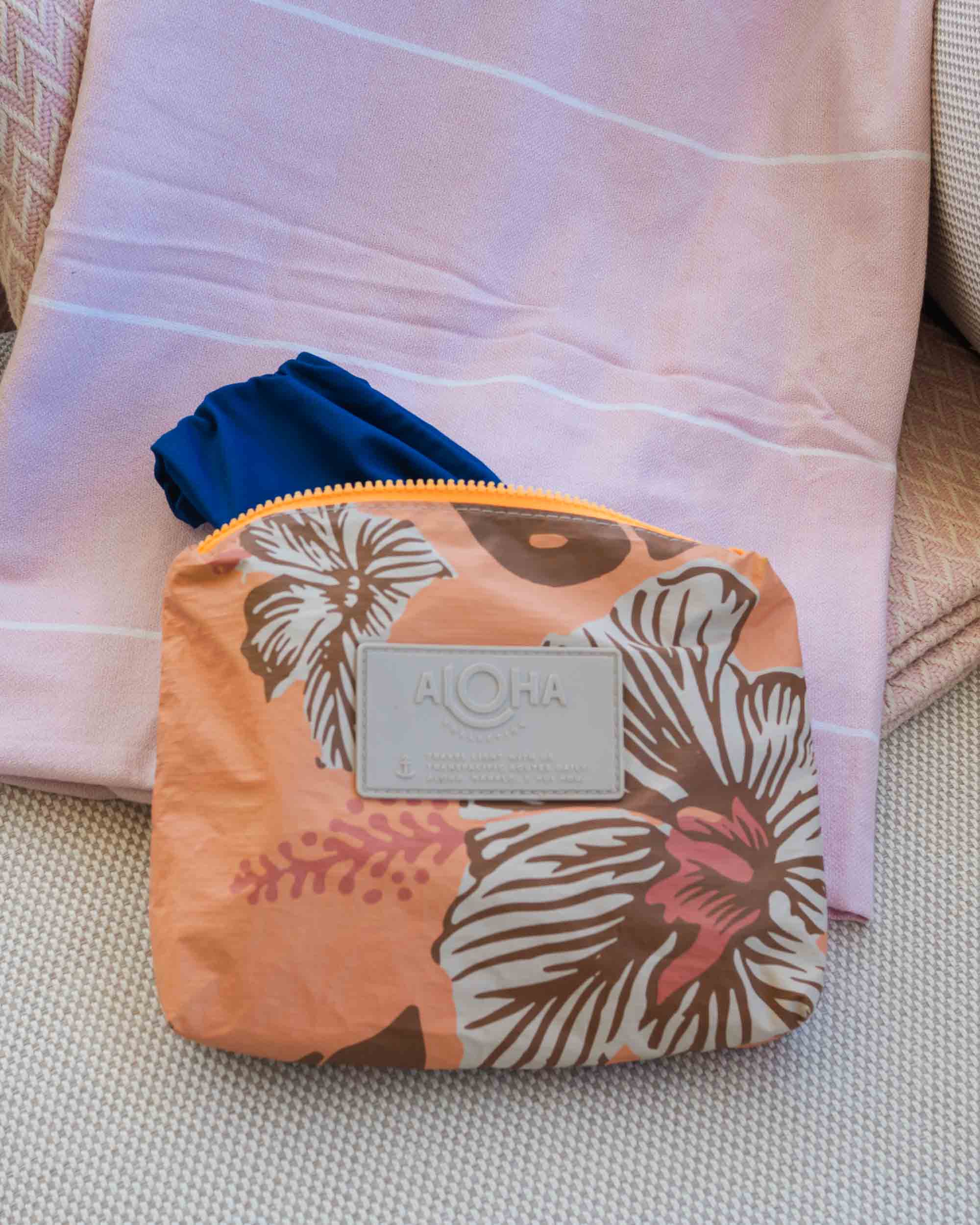
- Wrap the blanket in a waterproof bag or pouch so that rain and damp leaves cannot damage it.
- On wet ground, place the water-repellent side down and the soft side up.
- Fold it in half on a bench, as this provides better insulation against the cold from below.
- In windy conditions, use two pebbles or your water bottle to weigh down the corners.
At cool temperatures, the blanket provides the best warmth when used in addition to a jacket, not instead of it. Drape it over your shoulders at the first sign of getting chilled, not only when you are cold.
Drying, cleaning, and storing the blanket compactly after the outing
Air out the blanket immediately after returning home and hang it over a chair back or clothes rack. Damp fibers should dry completely before folding it up, otherwise a musty smell will quickly develop.
Brush out dry dirt and leaves instead of rubbing them in. Remove small stains with a damp cloth and some mild soap. For machine washing: follow the care label, usually wash at 30 degrees on a gentle cycle, and avoid fabric softener, as it can damage fleece and water-repellent coatings.
To store it, roll the blanket tightly, which saves space and prevents crease marks. Keep it in a dry place, preferably right next to your backpack, so it is ready for the next walk.
Frequently asked questions about the blanket for autumn walks
Which blanket provides warmth without being too heavy for a walk?
A blanket made of fleece or thin wool weighing around 200 to 400 g per square meter provides reliable warmth and can be rolled up small. It fits loosely in the backpack or can be tied around your bag. This is usually more than enough for cool but dry days. If it is very cold, it is better to take an extra layer for yourself instead of a heavy blanket.
Is a water-repellent blanket useful with damp autumn leaves?
Yes, as soon as you sit on the ground, a wall, or a wooden bench that still holds moisture. A water-repellent underside keeps moisture away and prevents the cold from seeping into you from below. Important: Water-repellent does not mean waterproof. In continuous rain or deep puddles, even the best blanket will reach its limits. Shake it out after the break and let it dry properly later.
Which size is suitable for adults, children, or dogs?
As a rule of thumb:
- One person: approximately 100 × 150 cm, ideal as a seat cover or for wrapping up.
- Two people or a picnic: from 140 × 180 cm.
- Children in a pram: 70 × 100 cm is often enough.
- Dogs: A blanket measuring around 60 × 80 cm is sufficient for small dogs, while larger dogs may need more.
How to keep the blanket dry and clean on the go?
Wrap it in a packing bag or waterproof pouch so that it does not get damp in your backpack. After the break, roll it up with the dirty side facing inward. This keeps the clean side fresh for the next use. Small stains can usually be removed with a damp cloth. At home, hang the blanket out to air before storing it.