

Cold water is all the rage: Is the cold water plunge really just a trend or is there more to it? More and more people, from professional athletes to wellness enthusiasts, are discovering the power of immersing themselves in ice-cold water in 2026.
Why is this topic so exciting for so many people? Quite simply: With targeted preparation, you can experience the health benefits, train your mental strength, and gain new energy.
This guide will show you how to get started safely as a beginner, what happens in your body, how to best prepare, and which mistakes to avoid. Look forward to a comprehensive overview of the benefits, risks, step-by-step instructions, equipment, safety, testimonials, and current trends.
What is a cold water plunger? Basics & Science
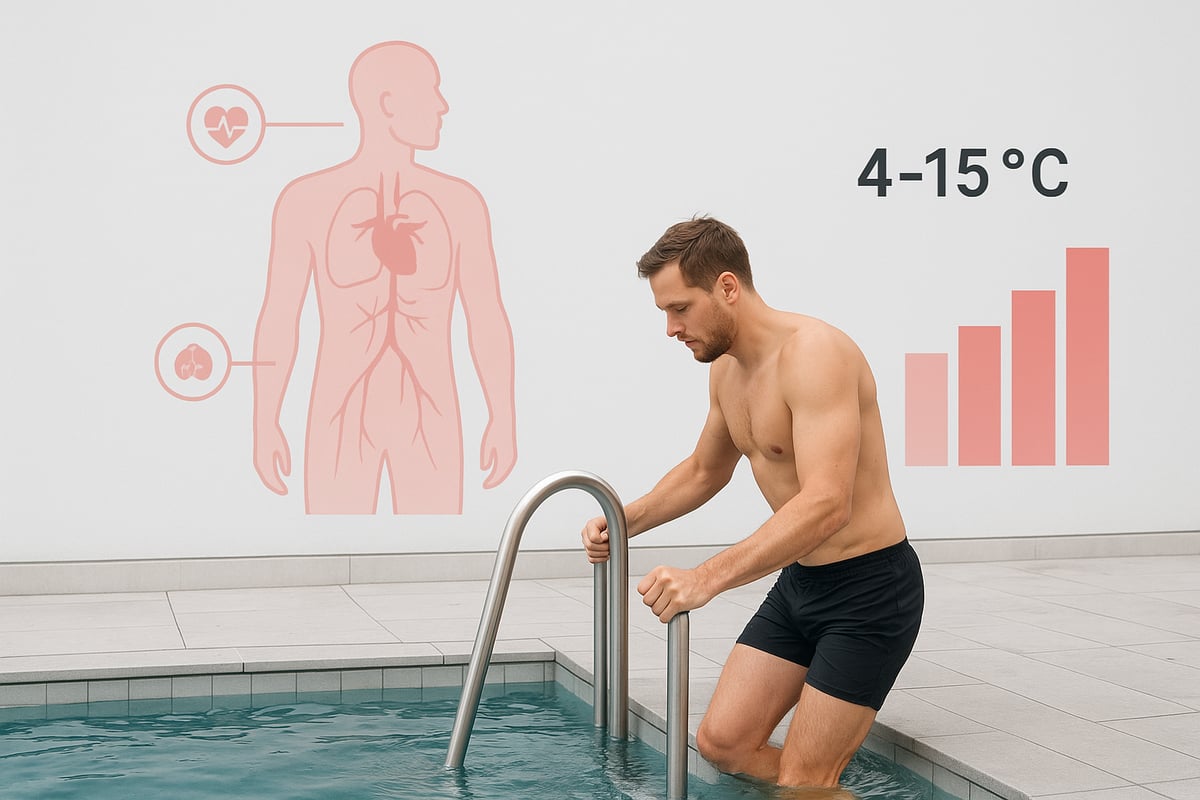
The term "cold water plunge" describes the deliberate and controlled immersion in cold water, usually at temperatures between 4 and 15 degrees Celsius. Unlike classic ice baths, which often involve ice cubes and very low temperatures, or cold water swimming, which refers to swimming in cold water for extended periods, a cold water plunge involves short, conscious immersions in cold water. Even in ancient times and in ancient Japan, people used cold water for regeneration and as a ritual. In Nordic countries, jumping into an ice hole after a sauna is a traditional part of the culture. Today, the cold water plunge is experiencing a renaissance as a modern wellness trend, inspired by athletes, biohackers, and health-conscious individuals.
Definition and origin
A cold water plunge is the deliberate, brief immersion in cold water, usually without movement. The practice differs from ice bathing, which often requires more extreme temperatures and longer exposure, and from cold water swimming, where the focus is on endurance and movement.
Historically, the ancient Greeks and Romans already used cold baths for regeneration and hardening. In Scandinavia, alternating between a hot sauna and ice-cold water has been part of everyday culture for centuries. Cold water also has a long tradition in Japan as a spiritual cleansing ritual.
The cold water plunge has been rediscovered in recent years by athletes, wellness enthusiasts, and social media. By 2026, it will have developed into a global trend that combines health, performance, and mindfulness.
Physiological effects on the body
During a cold water plunge, your body experiences an immediate cold shock reaction. Your pulse increases, adrenaline is released, and your breathing accelerates. This reaction is a natural protective mechanism that prepares the body for the sudden cold.
The cold causes blood vessels to constrict (vasoconstriction) to protect the body's core temperature. At the same time, blood flow is greatly stimulated after exiting the water, which promotes recovery. The shivering that many experience after a cold water plunge is a sign of increased thermogenesis and higher calorie expenditure.
Many people report feeling mentally alert and in a good mood after a cold water plunge. This is due to the release of endorphins and dopamine, which increase well-being and reduce stress.
Scientific findings & studies
Scientific studies typically examine cold water plunges at water temperatures between 4 and 15 degrees Celsius and for a duration of 2 to 10 minutes. Research shows that regular cold applications can strengthen the immune system, increase stress resistance, and contribute to faster recovery.
Some studies show a reduction in inflammatory markers and report fewer infections among regular users. At the same time, there are acute risks such as cold shock, circulatory problems, or hypothermia, especially with prolonged exposure. According to current studies, the long-term benefits of cold water plunges outweigh the risks, provided safety and individual limitations are observed.
Anyone wishing to delve deeper into the health benefits and potential risks will find a comprehensive overview in this article: Cold water swimming: Benefits and risks .
The advantages of cold water plunge for beginners
More and more people are discovering the health benefits of cold water plunges. This trend is not only popular with professional athletes, but also with beginners looking for natural ways to strengthen body and mind. But what specific effects does a regular cold water plunge really have?
Physical benefits
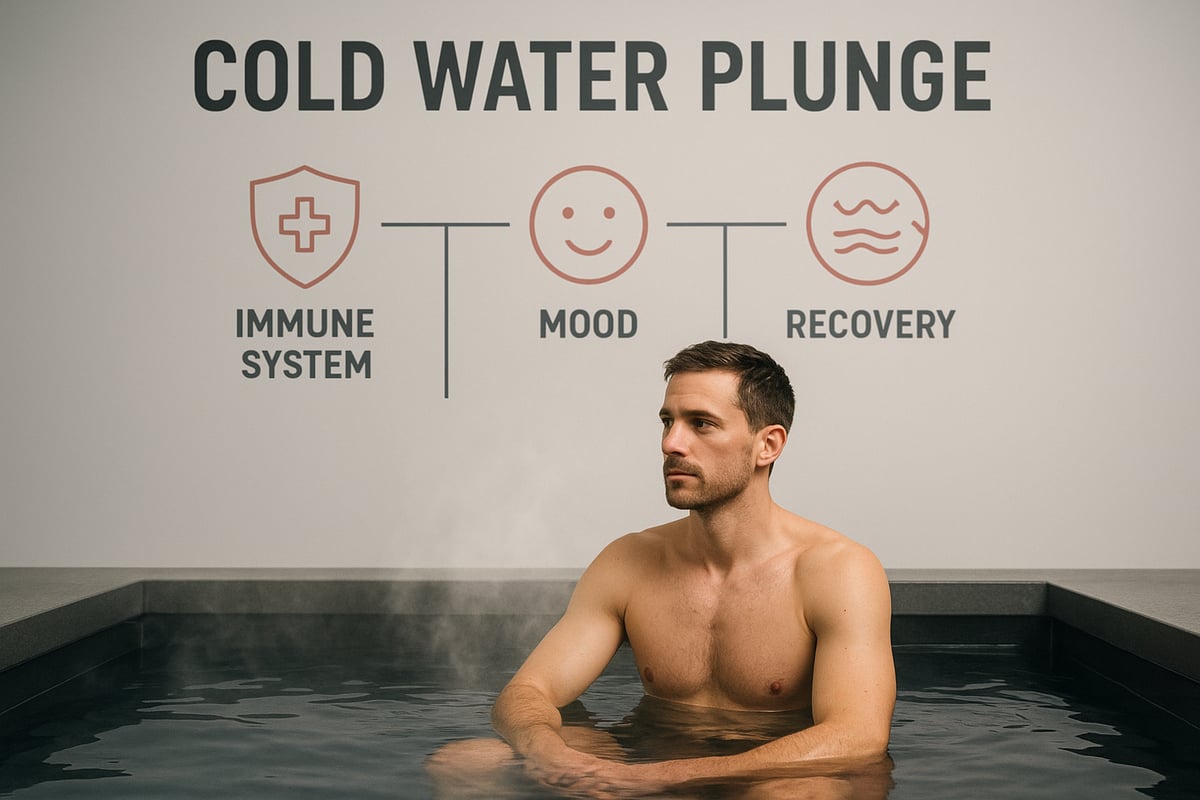
A cold water plunge offers numerous physical benefits. The immune system demonstrably benefits: studies show that regular use reduces susceptibility to infection. The cold improves blood circulation, as the blood vessels constrict and then dilate again after the plunge. The cardiovascular system learns to react flexibly to temperature fluctuations.
Athletes use cold water plunges specifically for faster recovery after intense workouts or injuries. The cold inhibits inflammatory processes and can reduce muscle soreness. An additional benefit is the increased calorie expenditure, as the body uses energy to maintain its temperature while shivering.
Advantages at a glance
| Advantage | Effect |
|---|---|
| immune system | Fewer infections |
| blood circulation | Improved vascular function |
| regeneration | Faster recovery |
| Calorie consumption | Weight loss support |
Mental & emotional benefits
Besides its physical effects, the cold water plunge also has a positive impact on the mind. The targeted cold stimulus causes the body to experience a state called hormesis: it learns to cope better with stress. This short-term stress response becomes long-term training for both mind and body.
Many report an immediate boost in mood and motivation. This is due to the increased release of endorphins and dopamine. After a cold water plunge, many feel more alert, clear-headed, and energized. Studies also demonstrate positive effects on depressive moods and anxiety symptoms – the cold stimulus can act as a natural mood booster.
Social & Lifestyle Aspects
The cold water plunge has long since become more than just a health measure – it's evolving into a lifestyle. More and more people are joining groups to plunge into cold water together. This sense of community is motivating and creates a lasting effect.
Sustainability also plays an important role. Many people opt for natural methods instead of medication and prefer durable, environmentally friendly products. Those who value functionality and environmental awareness will find a suitable selection for their routine insustainable swimwear for cold-water plunges .
Relevant statistics & examples
The popularity of cold water plunges is growing rapidly. According to Plunge.com, the number of users in Europe increased by 30 percent in 2024. Beginners, in particular, report increased energy and a strengthened immune system after just a few weeks in online forums.
Even professional athletes swear by the cold water plunge as an integral part of their recovery plan. The combination of physical, mental, and social benefits is compelling – more and more people are permanently integrating cold water into their daily lives.
Preparing for your first cold water plunge
The first cold water plunge is an experience that thrills many, but careful preparation is essential. To ensure you can start safely and sustainably, you'll find all the important tips here – from health requirements to the right equipment and environmentally conscious behavior.
Health requirements & safety
Before you take your first cold water plunge, carefully assess your health. A medical check-up is particularly advisable if you have cardiovascular disease, high blood pressure, or are pregnant. Even if you're unsure, a quick visit to the doctor is worthwhile.
Watch out for warning signs such as dizziness, rapid heartbeat, or numbness. These symptoms can indicate an overreaction of the body during the cold water plunge. In an emergency: Get out of the water immediately, warm up slowly, and seek medical help if in doubt.
Never swim alone – supervision is mandatory. Keep a mobile phone, warm blankets, and a first-aid kit handy. Start with short dives and gradually increase them to get your body used to the cold water plunge.
Mental preparation & breathing techniques
Mental strength is a crucial factor in a cold water plunge. Many underestimate the effects of the cold shock, but targeted preparation makes all the difference. Take time for breathing exercises, such as the Wim Hof Method or slow, deep breaths.
Visualize your process: Imagine yourself calmly entering the water and accepting the cold. This technique helps overcome fears and gain control over the moment. Those who regularly incorporate mental exercises will experience the cold water plunge as less stressful and build resilience to stress.
The right equipment
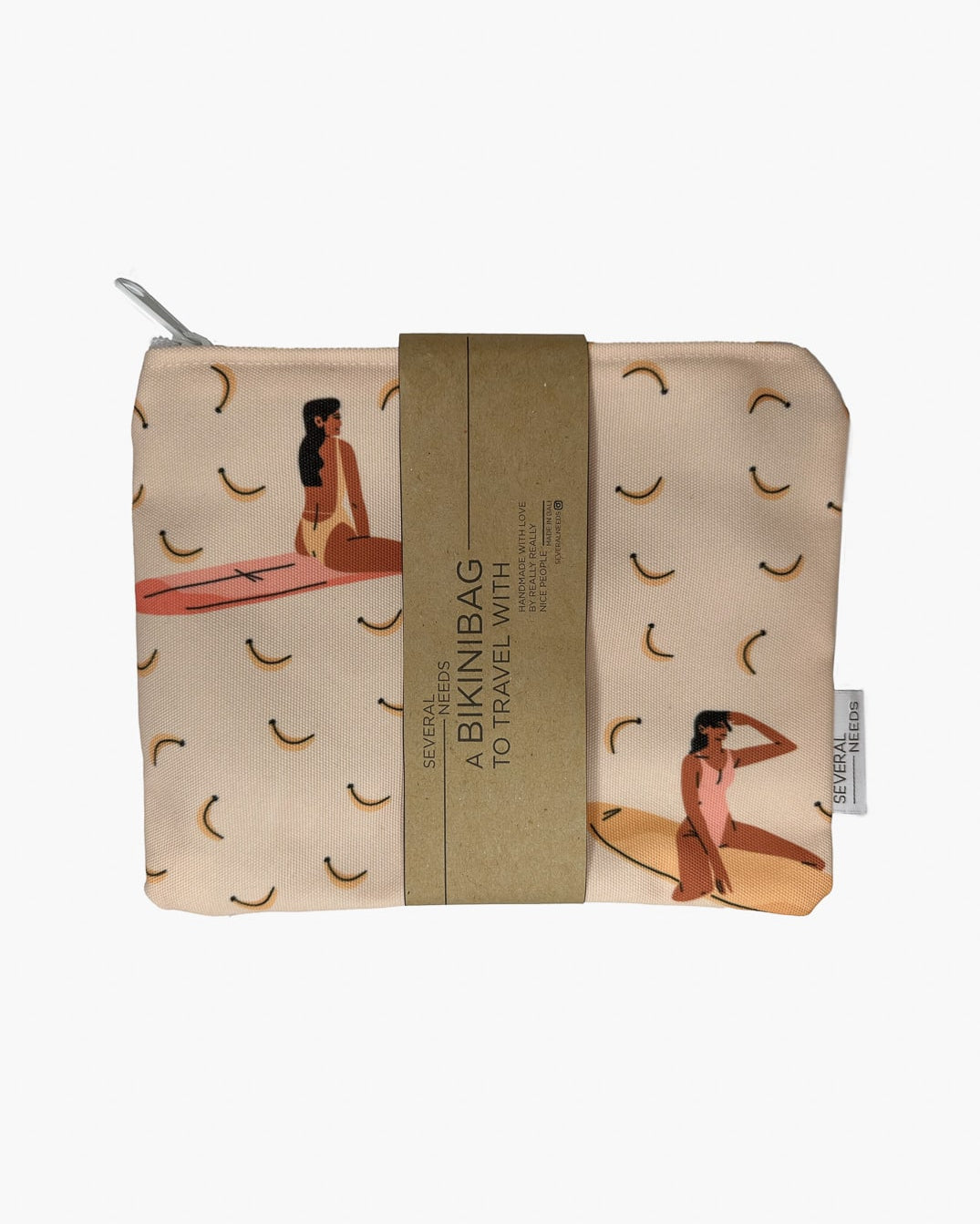
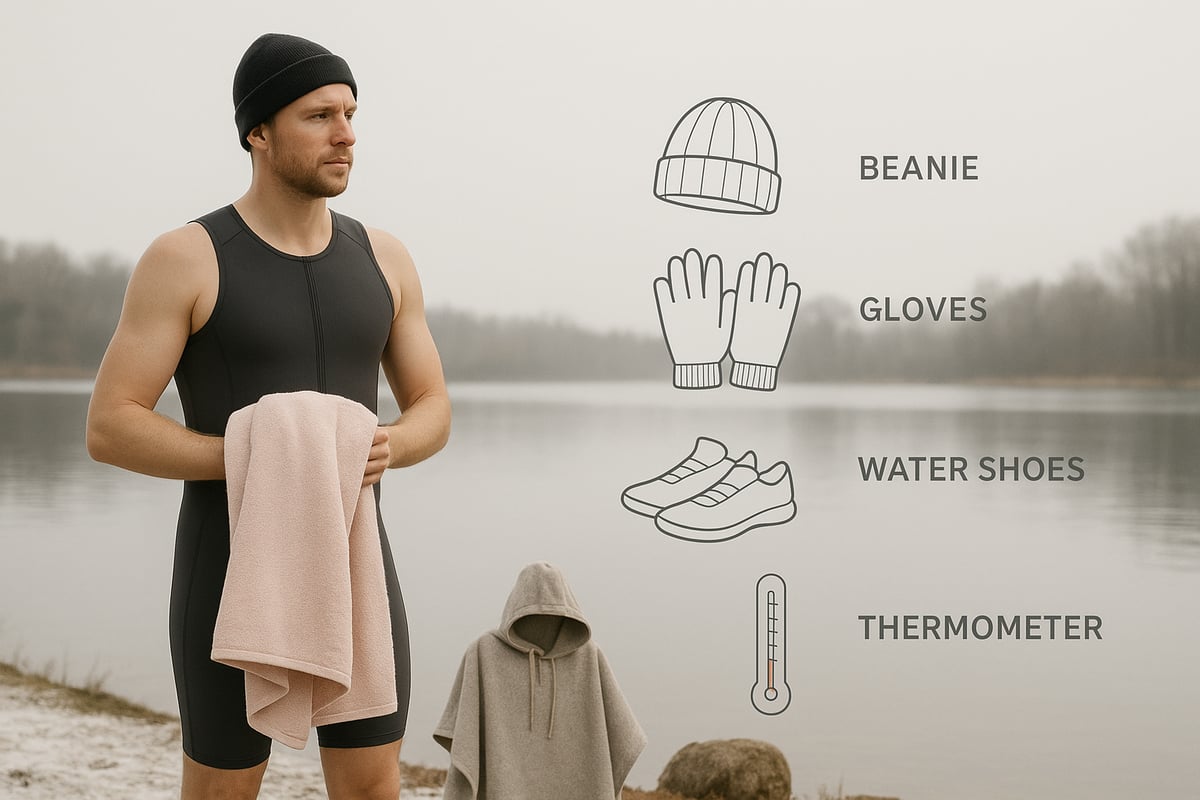
The right gear makes your cold water plunge safer and more comfortable. Opt for functional swimwear made of neoprene or recycled materials to protect you from getting chilled. A large, absorbent towel and a bathrobe or poncho are essential for warming up quickly afterward.
Those with sensitive skin will benefit from wearing a hat, gloves, or water shoes. Check the water temperature with a thermometer before every cold plunge. You can find other useful accessories such as special ponchos, towels, and hot water bottles in this selection of accessories for your cold plunge routine .
Location & Timetable
A cold water plunge is possible almost anywhere: a bathtub, cold plunge pool, natural lake, or special plunge tubs offer the right environment. Choose a place where you feel safe and can quickly get help in an emergency.
The best time of day depends on your goal. In the morning, a cold water plunge is energizing and provides a boost, while in the evening it supports recovery. For beginners, 1 to 2 minutes in the water is sufficient; ideally, you should do it 2 to 3 times a week. Track your progress and gradually adjust the duration.
Sustainability & Environmental Awareness
When cold water plunging, be mindful of environmental factors. Use local, natural bodies of water without added chemicals. Choose durable and recyclable equipment to conserve resources.
Clean your clothes and accessories in an environmentally friendly way. Choosing sustainable products and practices helps ensure that the cold water plunge remains healthy and environmentally friendly in the long term. This way, your ritual becomes not only a personal benefit but also an ecological one.
Step-by-step instructions: Your first cold water plunge
Your first cold water plunge is a unique experience that requires preparation, courage, and a little know-how. With this step-by-step guide, you'll master your first plunge safely and reap the health benefits. From preparation to recovery – here you'll find all the tips you need to successfully and sustainably integrate the cold water plunge into your daily routine.

Step 1: Preparation & Checklist
Before you begin your cold water plunge, thorough preparation is crucial. A health check is especially important if you have cardiovascular problems or other pre-existing conditions. Gather all necessary items: swimwear, a large towel, a bathrobe, a poncho, a hat, gloves, water shoes for those with sensitive skin, and a thermometer to monitor your temperature.
Before entering the water, it's recommended to prepare your body with light exercise such as stretching or a gentle warm-up. This reduces the risk of injury and makes it easier to adapt to the cold stimulus. Make sure the water temperature is between 8 and 12 degrees Celsius, ideal for beginners taking a cold water plunge.
Mental preparation is just as important as physical preparation. Use breathing techniques, such as the Wim Hof Method, to strengthen yourself internally. Visualize the process and imagine the positive effects of the cold water plunge. This will optimally prepare you for the next step.
Checklist:
- Health check (in case of pre-existing conditions)
- Prepare equipment (see table below)
- Set water temperature to 8–12°C
- Warm-up through movement
- Mental preparation and breathing exercise
| equipment | Purpose |
|---|---|
| swimwear | Comfort, freedom of movement |
| Towel/Poncho | Quick drying |
| Hat/gloves | Protection for sensitive areas |
| thermometer | Temperature control |
Step 2: Taking the plunge
For many, the biggest challenge of a cold water plunge is actually getting in. Start slowly by submerging your feet and legs first. Give your body time to adjust to the cold. Once you're ready, submerge your upper body as well, proceeding consciously, step by step.
Breathe deeply and calmly, avoiding shallow or rapid breathing. Controlled breathing will help you manage the cold shock and make your time in the water more comfortable. Expect to shiver slightly and experience an increased heart rate – these are normal reactions during a cold water plunge.
Keep moving, even if it's just small movements of your arms or legs. These promote blood circulation and help distribute the cold more effectively. Always listen to your body and stop if you feel unwell.
Step 3: During the plunge
While you're in the water, keep an eye on the time. For beginners, it's recommended to start with a cold water plunge of 1 to 2 minutes. Use a timer or stopwatch to accurately measure the time. As you gain experience, you can gradually increase the duration, but never exceed your personal comfort limit.
Pay attention to your body's signals. A slight shivering is normal and shows that your body is working to generate heat. If the shivering increases significantly or you experience numbness, it's time to leave the water. Focusing on your breathing and making small movements in the water will help you better control your time in the water.
Move gently, for example by circling your arms or slightly bending your legs. This further stimulates blood circulation and ensures that the cold water plunge doesn't become a strain. Stay relaxed and focus on experiencing the moment.
Step 4: After the plunge – Warm-up & recovery
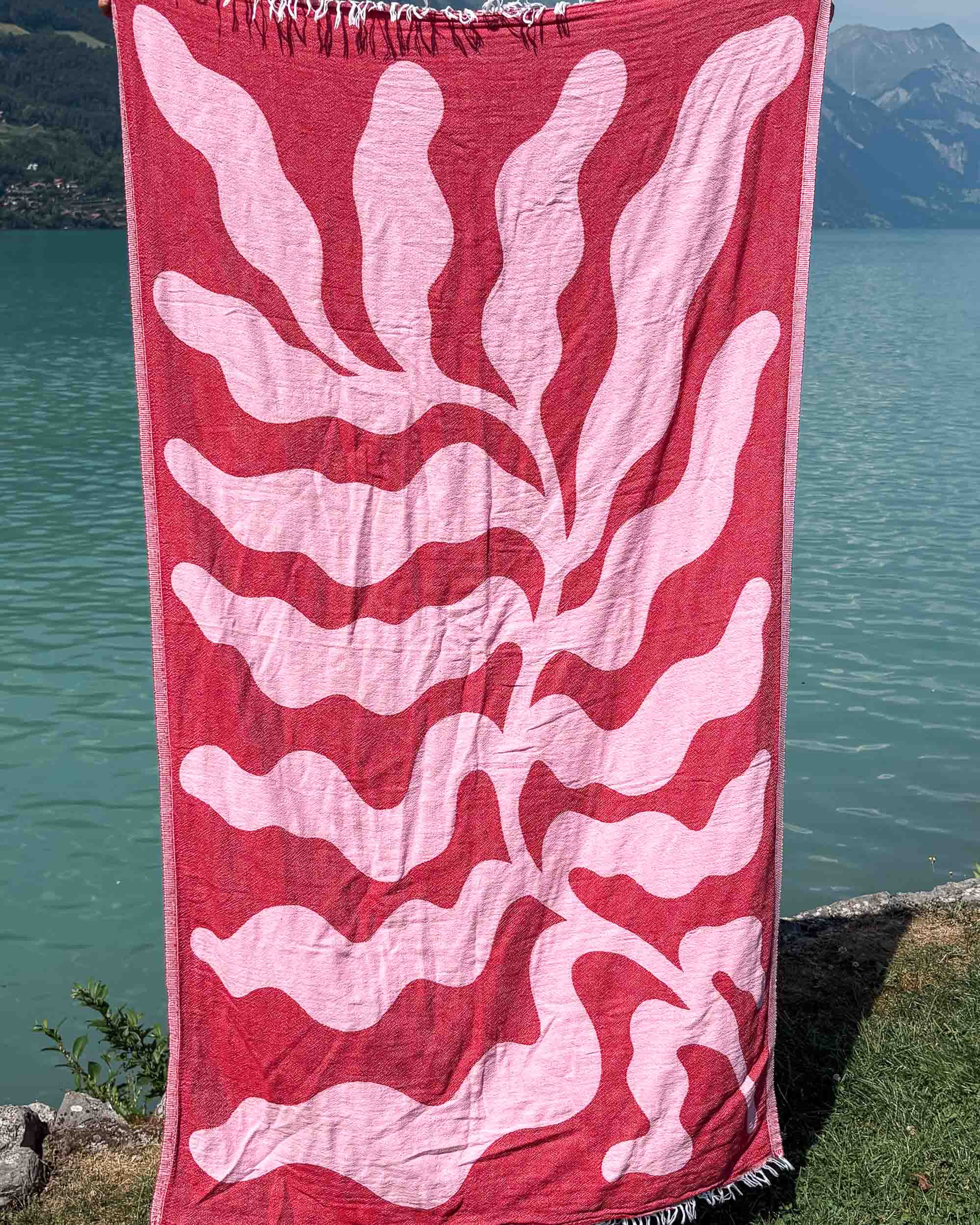
After a cold water plunge, it's important to warm up immediately and effectively. Dry yourself thoroughly and put on warm clothing. A bathrobe or poncho is ideal for stabilizing your body temperature. The right towel plays a key role in warming up quickly – here you'll find helpful tips on choosing the right beach towel .
A warm drink, such as ginger tea, helps warm you from the inside out and promotes well-being after a cold water plunge. Avoid a hot shower immediately afterward. Warming up slowly is much gentler on your circulatory system. Keep moving and pay attention to your body's signals to prevent hypothermia.
Warm-up checklist:
- Dry yourself immediately and put on warm clothes.
- Enjoy a warm drink
- No hot showers immediately afterwards
- Gentle movement for further warm-up
Step 5: Follow-up & Reflection
The aftercare is an often underestimated part of the cold water plunge. Take time to observe your physical and mental reactions. Keep a journal in which you record how you feel after each plunge. This will help you recognize progress and adjust your routine accordingly.
Celebrate small successes and plan gradual increases in duration or frequency. Connect with others, for example in a community or with training partners. Sharing experiences is motivating and helps you stay motivated.
Regularly reflect on what felt particularly good and what you would like to improve the next time you take a cold water plunge. This conscious approach promotes sustainable habits and strengthens your motivation.
Typical beginner mistakes and how to avoid them
Many beginners make similar mistakes when doing a cold water plunge. Bathing for too long or in water that is too cold at the beginning can overtax the body. Always start with short sessions and gradually increase the intensity. Insufficient preparation or incorrect equipment often leads to discomfort or even injury.
Don't underestimate the mental aspect. If you feel insecure, use targeted breathing and visualization techniques. Take your time to prepare and stick to the recommended duration. Overconfidence or peer pressure should never lead you to push beyond your limits.
The most important mistakes at a glance:
- Baths that are too long or too cold at the beginning
- Lack of preparation or incorrect equipment
- Ignoring one's own body signals
- Increasing the intensity too quickly
These tips will help you perform the cold water plunge safely and with maximum benefit.
Risks & Safety of Cold Water Plunge
The cold water plunge is fascinating, but not without risks. Those who want to enjoy the benefits should also familiarize themselves with the potential dangers and the most important safety rules. With the right knowledge, you can minimize risks and safely integrate the cold water plunge into your daily routine.
Possible side effects & dangers
During a cold water plunge, the body reacts immediately to the cold. Cold shock often occurs, which can manifest as hyperventilation, rapid heartbeat, or even fainting. Frostbite and hypothermia are a particular risk with prolonged exposure or excessively low temperatures.
Typical warning signs are:
- Numbness in fingers or toes
- Dizziness or nausea
- Unusually strong heartbeat
Anyone experiencing these symptoms should immediately stop the cold water plunge. You can find more details about the physiological reactions in this article: Ice bathing: Benefits, risks, and bodily reactions .
Who should be careful?
Not everyone is suitable for a cold water plunge. Children, the elderly, and pregnant women in particular should seek medical advice beforehand. People with known cardiovascular diseases or chronic illnesses are also among the risk groups.
Pay attention to individual factors such as:
- Pre-existing heart conditions
- Circulatory disorders
- Acute infections or fever
When in doubt, safety comes first. It's better to forgo the cold water plunge than to take an unnecessary risk.
Safety rules & First aid
Safety is always paramount during a cold water plunge. Never plunge alone; always ensure another person is nearby. Keep emergency equipment such as a mobile phone, warm blankets, and dry clothes readily available.
The most important rules at a glance:
- Gradually increase duration and intensity
- Leave the water immediately if you feel unwell.
- Then warm up slowly, not abruptly.
At the first signs of hypothermia or circulatory problems, administer first aid immediately and call medical help if in doubt. Familiarize yourself with the symptoms and appropriate measures beforehand so you can react quickly in an emergency.
Key Statistics & Facts
Most cold water plunge accidents occur within the first two minutes. According to current figures, 80 percent of cold shock incidents happen during this period. Experts recommend that beginners stay in the water for a maximum of two to three minutes and constantly monitor the temperature.
Key facts:
- Maximum for advanced users: ten minutes
- Beginners: Two to three minutes
- Always listen to your own body
These tips will help you significantly reduce the risks of a cold water plunge and safely experience the positive effects.
Cold Water Plunge in everyday life: Tips for long-term integration
The cold water plunge is more than just a passing trend; it can be easily integrated into your daily routine. Many people experience a lasting improvement in well-being and performance through regular use. The following tips will help you get started and maintain your long-term motivation.
Building routines & motivation
To make the most of cold water plunges in the long term, it helps to define fixed times in your weekly schedule. For example, start every Monday and Thursday morning together with friends. Sharing your progress in an app or a personal journal provides additional motivation.
Set yourself small goals and celebrate every success. This way, the cold water plunge will quickly become an integral part of your self-care routine. Motivation to stick with it increases, especially in a group.
Combination with other wellness trends
Those who incorporate cold water plunges into their wellness routine benefit twice over. The alternation between cold and heat, for example through alternating baths with sauna or steam bath, is particularly popular. This combination promotes regeneration after exercise and supports the immune system.
Cold water plunges can also be a useful addition to fitness or yoga routines. A healthy diet and sufficient sleep will enhance the positive effects.
Sustainable equipment & environmentally conscious products
When choosing your gear for a cold water plunge, look for sustainable materials. Recycled swimwear, durable towels, and plastic-free accessories are better for the environment. Maintain your products regularly so they last for many seasons.
You can find more tips and innovative products for an environmentally conscious cold water plunge under Sustainability in Cold Applications .
Exchange & Community
Shared experiences make the cold water plunge especially valuable. Join local groups or connect with others online. Many cities now offer events, challenges, or workshops where you can meet like-minded people.
Share your experiences and learn from others to further develop your technique and routine. A strong community provides long-term motivation and inspiration.
Trends & Developments 2026
The cold water plunge is constantly evolving. Smart plunge tubs with temperature control and new wearables make it easier to integrate into everyday life. Sustainability remains a key issue, as does the exchange of the latest scientific findings.
More and more people are discovering cold water plunge as an integral part of their lifestyle, relying on natural regeneration and community.
Whether you're just starting out with cold water plunges or already looking for the right tips, proper preparation makes all the difference. Comfortable, sustainable swimwear not only feels great against your skin but also supports your commitment to the environment and quality. MAIN Design offers stylish swimwear made from recycled materials that combines functionality and responsibility – perfect for your plunge into the cold water and all the moments that follow. Get inspired and discover how you can enrich your new lifestyle with sustainable essentials:
Discover more