

Cold therapy is captivating more and more people in 2026. Whether biohackers, professional athletes, or health-conscious beginners, everyone is interested in cold plunge therapy and its diverse effects.
Current studies show how positively cold plunges affect health, well-being, and regeneration. Many people wonder how to use cold plunge therapy safely and which benefits are actually scientifically proven.
This guide contains all the important information about the application, process, and benefits. You can expect practical tips, interesting facts, and a step-by-step guide.
We will examine the functionality, health benefits, potential risks, practical implementation, and the latest trends surrounding cold plunge therapy in 2026.
What is Cold Plunge Therapy? Basics & Functioning
Cold plunge therapy is gaining popularity, but what exactly is it? The origins of this method date back centuries: even the ancient Romans and Greeks relied on cold baths for regeneration and strengthening. While classical cold therapy encompasses various approaches, such as cryotherapy in cold chambers or targeted ice baths, a "cold plunge" involves the complete or partial immersion of the body in very cold water for a short period. Unlike the Wim Hof Method, which focuses on specific breathing techniques, cold plunge therapy emphasizes direct exposure to cold.
Definition and origin of cryotherapy
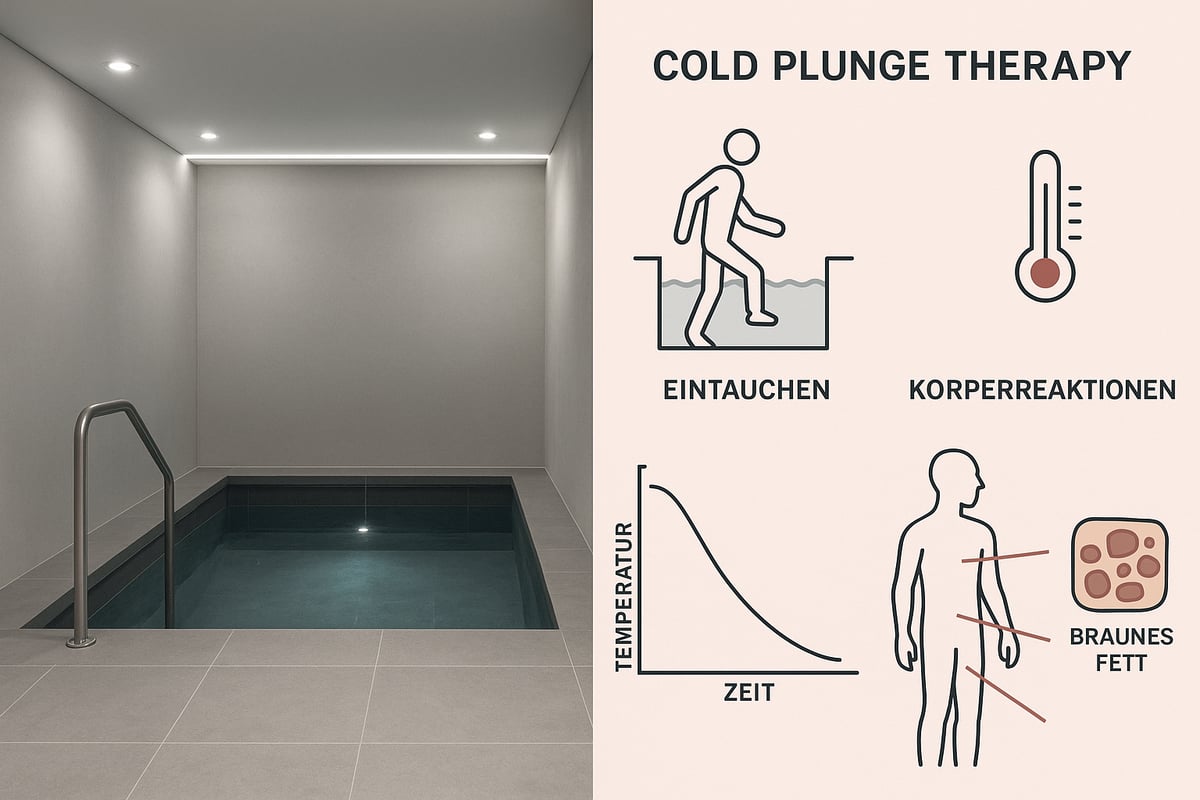
Cold therapy has been used by humankind for millennia. Even in ancient baths and Nordic rituals, cold applications had their place. Today, cold plunge therapy is a modern form that uses deliberately cold water (usually 10–15°C). Unlike cryotherapy in cryochambers or the Wim Hof Method, cold plunge therapy focuses on controlled immersion. The term "cold plunge" describes the conscious, usually brief, submersion of the body or individual body parts in cold water.
Physiological effects of cold on the body
The start of a cold plunge therapy triggers immediate physiological reactions. Blood vessels constrict (vasoconstriction) to minimize heat loss. Simultaneously, the body releases adrenaline, which can lead to a brief cold shock. The sympathetic nervous system is activated, increasing heart rate and metabolism. Following the cold phase, the parasympathetic nervous system is activated, promoting relaxation. Notably, the therapy also stimulates the production of brown adipose tissue, which is particularly efficient at burning energy and thus boosting metabolism.
Scientific studies on cold plunge therapy
Research on cold plunge therapy has increased significantly in recent years. Current studies, such as those published in Nature Scientific Reports 2018, demonstrate effects on regeneration, the immune system, and mental health. Many studies confirm faster muscle recovery and a stronger immune response. Nevertheless, some questions remain, such as the optimal duration and temperature. A comprehensive overview of the benefits and risks is provided in the article "Cold Therapy: Benefits and Risks ," which summarizes and critically evaluates current studies.
A comparison of different application forms
Cold plunge therapy is versatile. It can be performed as whole-body immersion, where the entire body is submerged in cold water up to the neck, or as partial-body immersion, where only the legs or arms are cooled. Typical temperatures range from 10 to 15°C. The duration of the treatment varies from a few seconds to several minutes, depending on the goal and the patient's experience. Frequency ranges from occasional use to regular rituals several times a week.
| Application form | temperature | Length of time | Target audience |
|---|---|---|---|
| Full-body immersion | 10–15°C | 2–5 min. | Athletes, professionals |
| Partial body immersion | 10–15°C | 2–10 min. | Beginners |
Who is Cold Plunge Therapy suitable for?
Cold plunge therapy is particularly appealing to athletes, biohackers, and health-conscious individuals. They are specifically seeking faster recovery, mental clarity, and increased well-being. However, caution is advised: People with cardiovascular disease, high blood pressure, or certain neurological conditions should consult a doctor before use. Cold plunge therapy is only recommended for pregnant women, children, and seniors after individual consultation.
Cold Plunge vs. Sauna: Synergies and Differences
The combination of cold and heat is known as contrast therapy. While cold plunge therapy activates the circulatory system and inhibits inflammation, the sauna promotes relaxation and blood flow. Both methods complement each other perfectly: Alternating between sauna and cold plunge is considered particularly effective for regeneration and well-being. The main differences lie in the physiological effects and the intensity of the stimulus. Those who utilize this synergy benefit from comprehensive health promotion.
Application of Cold Plunge Therapy: Step-by-step instructions
Proper application of cold plunge therapy is crucial for your safety and maximum benefit. In this section, you will find detailed step-by-step instructions on how to optimally integrate cold plunges into your daily routine.
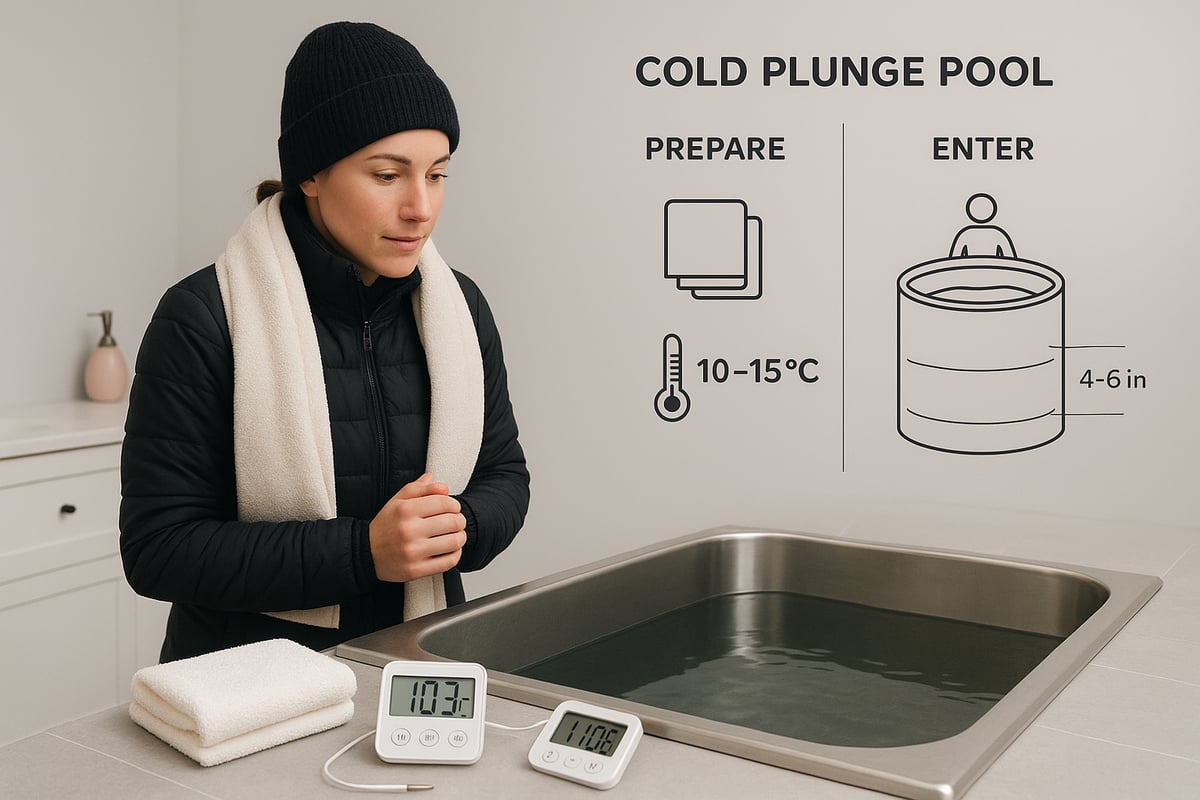
Preparation: What you should consider before the cold bath
A health check is essential before starting cold plunge therapy. Consult your doctor to determine if there are any contraindications, such as heart problems.
Choose a safe environment, such as a bathtub, ice bath, or a special cold plunge pool. Equipment includes:
- Waterproof thermometer
- Timer or stopwatch
- Warm clothes for afterwards
- Clean, absorbent towels
You can also find practical and high-quality hammam towels as ideal companions for sauna and cold bath .
Make sure the area is non-slip and easily accessible. Schedule your first session for a time when you have time to rest afterward.
Procedure: How to perform a cold plunge correctly
Adjust the water temperature to 10 to 15 degrees Celsius before starting your cold plunge therapy. Submerge slowly and control your breathing. Stay calm, even if the initial cold shock is intense.
- Start with 2 minutes, increase to up to 5 minutes with experience.
- Breathe evenly and deeply, avoid hyperventilation.
- Stay focused on your body the entire time.
After your bath, you should warm up slowly. Avoid taking a hot shower immediately; instead, get dressed and move around gently.
Frequency and duration: How often and for how long?
Experts recommend two to three sessions per week for cold plunge therapy. According to current studies, a total of about 11 minutes per week is sufficient.
Adjust the duration and frequency to your training goal and experience. Advanced athletes can gradually increase the time, but should never overdo it.
Regularity is more important than long, single baths. Always listen to your body and increase the duration gradually.
Safety and error prevention
The most common mistakes in cold plunge therapy include using water that is too cold, staying in the water for too long, and incorrect breathing.
Watch out for warning signs such as severe trembling, numbness, or dizziness. If you experience these symptoms, leave the cold bath immediately.
- Never bathe alone, especially as a beginner.
- No alcohol or drugs before use.
- Always have a backup plan in mind.
Should any problems arise, warm up quickly and, if in doubt, inform medical personnel.
Cold Plunge at Home: Practical Tips
Cold plunge therapy is easy to do at home. Use a bathtub, a large rain barrel, or a portable pool. Maintain hygiene by changing the water regularly and cleaning the pool.
DIY solutions are inexpensive but require some preparation time. Professional systems often offer more convenience but are more expensive.
Compare effort, costs, and benefits to find the best solution for your everyday life.
Combined application: Cold plunge and sauna
The combination of sauna and cold plunge therapy, also known as contrast therapy, is particularly effective.
Typical sequence of events:
- 12 to 15 minutes in the sauna
- 2 to 3 minutes cold bath
- Multiple repetitions possible
Studies show that this method promotes blood circulation and accelerates regeneration. Pay attention to your circulation and increase the intensity gradually.
With proper planning, cold plunge therapy can become a regular part of your recovery routine.
The main benefits of cold plunge therapy
Cold plunge therapy is particularly popular due to its diverse health benefits. More and more people are using this method to specifically support their body and mind. The following benefits have been scientifically studied and demonstrate why cold plunge therapy is so popular in 2026.
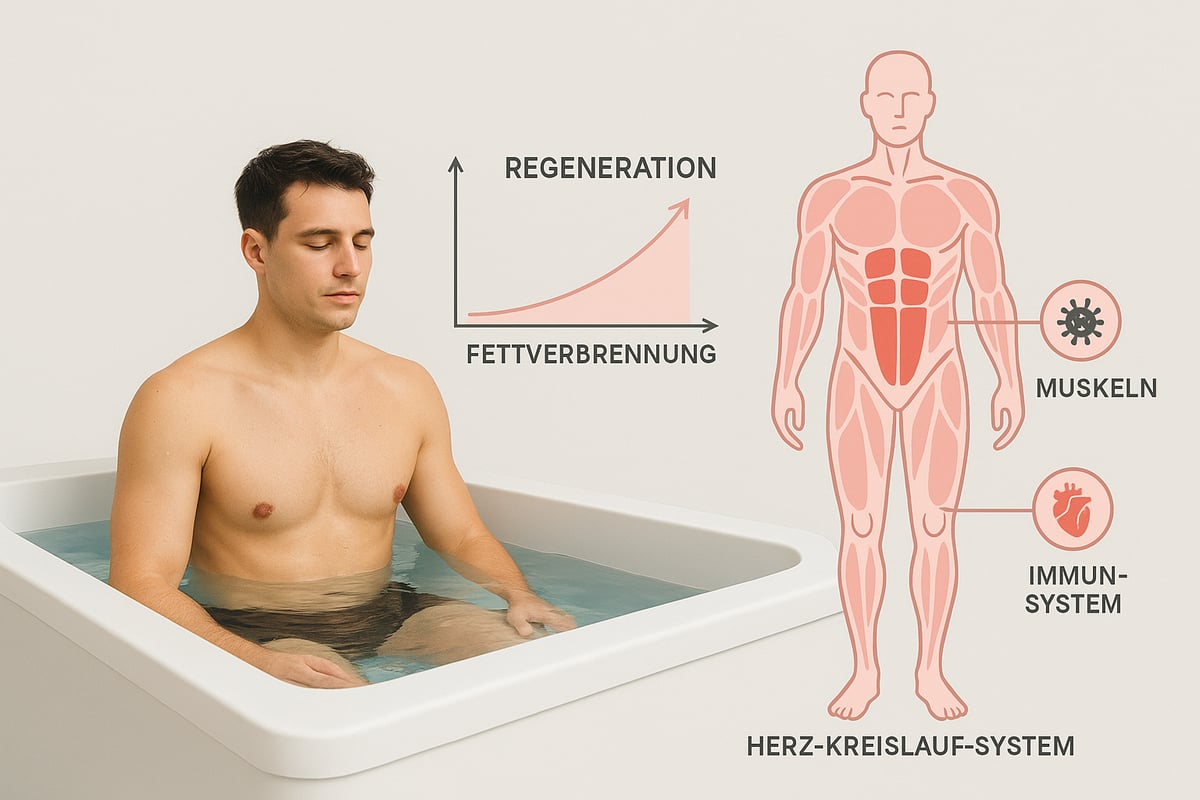
Improved regeneration and reduction of muscle soreness
A major reason why cold plunge therapy is so popular is the faster recovery it promotes after intense training. The cold stimulus causes blood vessels to constrict, inhibiting inflammatory processes and allowing muscles to recover more effectively. Studies show that regular cold plunges reduce muscle soreness and improve performance.
Athletes report that they can return to training more quickly after using cold plunge therapy. The Mayo Clinic also highlights that cold plunges can support muscle recovery and reduce the risk of overuse injuries ( Mayo Clinic on cold plunges for recovery ). This makes cold plunge therapy a real game-changer for athletes and fitness enthusiasts.
Strengthening the immune system
Cold plunge therapy acts like a booster for the immune system. The cold stimulus activates specific immune cells and increases the body's own defenses. Observational studies show that regular exposure to cold can reduce the risk of infections.
Many users report getting sick less often and feeling more resilient overall. The immune response is trained through repeated use. Thus, cold plunge therapy can help strengthen the immune system in the long term and promote health.
Improving mental health and stress resistance
Cold plunge therapy also has positive effects on mental health. Immersion in cold water causes the body to release endorphins and dopamine, which improves mood. At the same time, the parasympathetic nervous system is activated, promoting relaxation.
Many users report feeling mentally clearer and less stressed after a cold plunge. Cold plunge therapy can thus help to better cope with everyday stress and strengthen mental resilience. This is an invaluable benefit, especially during stressful times.
Fat burning and metabolism boost
One exciting effect of cold plunge therapy is the boost it gives to metabolism. The cold causes the body to activate brown fat, leading to increased calorie expenditure. Studies show that regular cold plunges can increase fat burning by up to 80 percent.
Cold plunge therapy not only supports weight loss but also promotes a healthy body composition. For those who want to lose weight, this offers a natural complement to exercise and diet.
Improved sleep quality
Many people who use cold plunge therapy report significantly improved sleep quality. Cold plunges promote deep sleep phases and help people fall asleep faster. According to scientific studies, such as the Nature Scientific Reports 2018, sleep architecture can change positively.
Cold plunge therapy also reduces stress hormones such as cortisol. This method thus contributes to restful sleep and optimal regeneration.
Cardiovascular health
Cold plunge therapy offers numerous benefits for the cardiovascular system. It strengthens blood vessels, can lower blood pressure, and improves circulation. Long-term studies indicate that regular use can reduce the risk of cardiovascular disease.
Cholesterol levels and plaque formation are also positively affected. The combination of exercise and cold plunge therapy is therefore particularly recommended for anyone concerned about their heart health.
Potential longevity effects
Another fascinating area is the influence of cold plunge therapy on longevity. Animal studies indicate that cold exposure can extend lifespan. In humans, long-term observations show a correlation between regular cold plunges and lower mortality.
Research in this area is still in its early stages, but the trends are promising. Cold plunge therapy could become an important component of a long, healthy life.
Risks and side effects: What you need to know
Every application of cold plunge therapy brings not only benefits but also specific risks. Anyone considering cold exposure should be thoroughly familiar with the potential side effects, contraindications, and safety aspects. Proper preparation protects against unwanted consequences and ensures a safe experience.
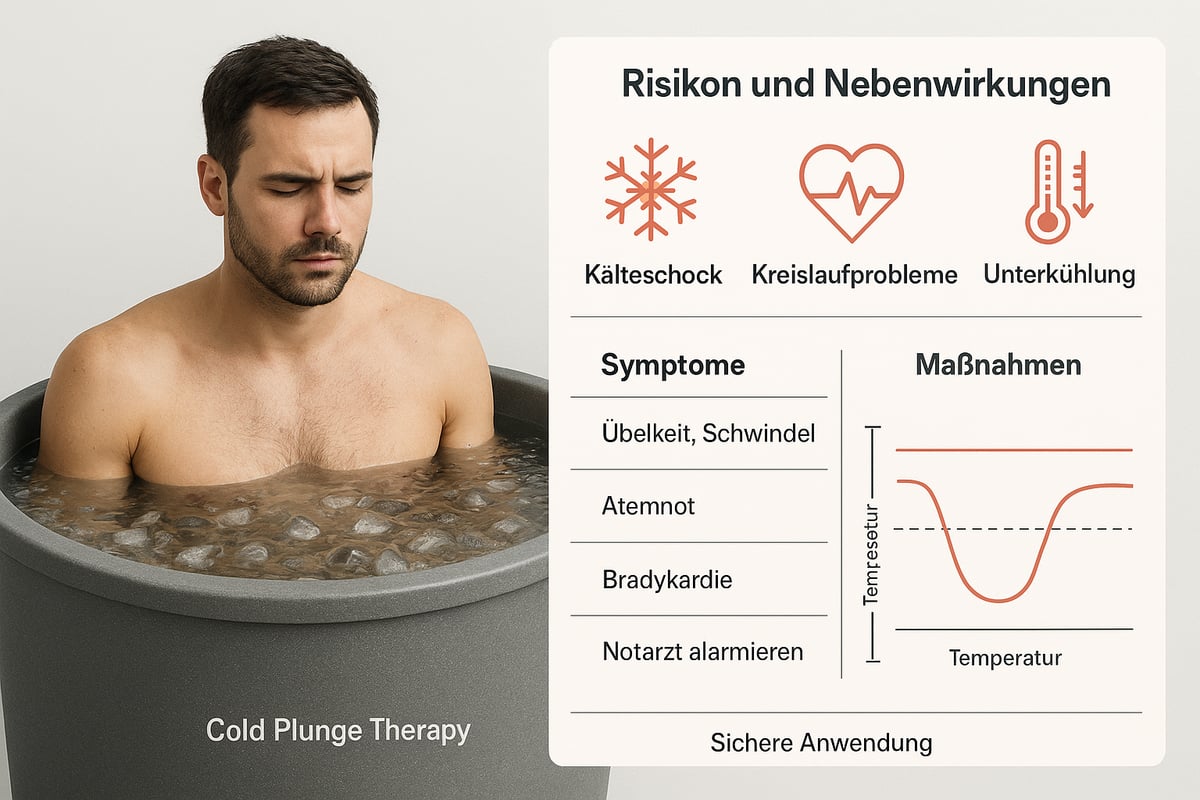
Possible side effects and dangers
Several side effects can occur when starting cold plunge therapy. Common side effects include cold shock, cardiovascular strain, and muscle cramps. The risk of hypothermia and skin irritation increases, especially if the water is too cold or the immersion time is too long.
Typical dangers at a glance:
- Cold shock with severe palpitations
- Circulatory problems such as dizziness or fainting
- Muscle cramps and numbness
- Rare complications such as cardiac arrhythmias
According to a scientific analysis of cold water immersion, psychological and cognitive effects can also occur, varying depending on the intensity of the cold plunge therapy. Therefore, a conscious approach to the cold is essential.
Who should avoid cold plunger therapy?
Cold plunge therapy is not suitable for everyone. Certain groups of people should refrain from using it or only do so after consulting a doctor.
The most important risk groups include:
- People with known cardiovascular diseases
- People with high blood pressure or heart rhythm disorders
- Pregnant women, children and elderly people
- People with neurological diseases or circulatory disorders
Those belonging to one of these groups should only try cold plunge therapy under medical supervision.
Safety tips and preventative measures
Safety is paramount in cold plunge therapy. Risks can be minimized through gradual acclimatization to the cold.
Recommended measures:
- Start with short applications and gradually increase the duration.
- Always bathe in pairs or under supervision
- Never go into cold water under the influence of alcohol or drugs.
- Check your own health beforehand and consult a doctor if in doubt.
These tips will help you integrate cold plunge therapy safely and in a controlled manner into your daily routine.
What to do in case of discomfort or emergency.
Should any problems arise during cold plunge therapy, quick action is required. If you experience symptoms such as dizziness, shortness of breath, or a rapid heartbeat, you must stop the plunge immediately.
Immediate aid measures:
- Get out of the water immediately.
- Warm up the body slowly, e.g. with blankets.
- Call emergency services if symptoms persist or if you lose consciousness.
- Know and apply basic first aid techniques
Good preparation for emergencies increases safety during any cold plunge therapy.
Distinction from medical cryotherapy
Cold plunge therapy differs significantly from professional cryotherapy. While whole-body cryotherapy in medicine often uses extreme temperatures of up to minus 110 degrees Celsius in special chambers, cold plunge therapy usually takes place in water at 10 to 15 degrees.
Key differences:
- Cryotherapy is performed under medical supervision.
- Use of medical equipment and precise temperature control
- Recommended for certain indications such as rheumatism or chronic pain
Anyone who is unsure whether cold plunge therapy or a medical treatment is appropriate should always seek medical advice.
Cold Plunge Therapy in Everyday Life: Tips, Trends & Integration 2026
Cold plunge therapy will become a regular part of everyday life for many by 2026. More and more people are discovering how easy it is to integrate cold plunges into their routines. Whether as a way to start the day, for recovery after a workout, or as a conscious ritual for mental strengthening – cold plunge therapy adapts flexibly to different lifestyles.
Cold plunge as part of a healthy lifestyle
More and more people are integrating cold plunge therapy into their daily routine. Many start with a short cold plunge in the morning to activate body and mind. It's also excellent after exercise or as a way to wind down after a stressful day.
Cold plunge therapy can be easily combined with other methods. It's particularly popular when combined with breathing techniques like the Wim Hof Method, which you can learn more about in the article "Ice Bathing Switzerland and the Wim Hof Method ." Testimonials show that users feel more alert, focused, and relaxed after the cold plunge.
Current Trends and Innovations 2026
By 2026, smart home spa solutions will dominate the cold plunge therapy scene. Modern cold plunge pools will feature digital temperature and time controls that can be operated via an app. Many gyms and wellness centers will offer dedicated cold plunge therapy areas, often in combination with saunas or infrared cabins.
Another trend: compact, mobile cold plunge pools for the garden or balcony. These are space-saving, easy to clean, and make cold plunge therapy readily available even in the city. Digital communities share their experiences and tips, further increasing motivation.
Cold Plunge and Sustainability
Sustainability is playing an increasingly important role in cold plunge therapy. Many manufacturers are focusing on environmentally friendly materials and efficient filter systems to minimize water consumption. Water reuse is also an important aspect of conserving resources.
Those who place particular value on sustainability will find inspiration in the article "Environmentally Friendly Surfing and Sustainability ." This way, you can consider ecological aspects when setting up your own cold plunge pool and enjoy cold plunge therapy even more consciously.
Tips for beginners and advanced users
For beginners in cold plunge therapy, it's recommended to start slowly. Begin with short cold plunges and gradually increase the duration. Always pay attention to your body's signals and don't overexert yourself.
Create a personal log that aligns with your goals – whether it's recovery, weight loss, or stress management. Connect with others in online communities to share experiences and stay motivated. For more advanced users, combining this with sauna or targeted breathing techniques is beneficial.
Frequently asked questions and myths about cold plunger therapy
Many people wonder: Does cold plunge therapy make you sick? Studies show that regular cold plunges strengthen the immune system, not weaken it. The ideal temperature is usually between 10 and 15 degrees Celsius – too cold is unnecessary and increases the risk of side effects.
You don't need expensive special equipment; a simple bathtub is often enough to start with. Controlling the water temperature and ensuring a safe environment are important, especially if you're alone.
Recommendations for optimal use
Focus on consistency with cold plunge therapy. Experts recommend 2 to 3 cold plunges per week with a total duration of about 11 minutes. Adapt the application to your individual needs and goals.
Stay motivated by documenting your progress and connecting with others who share your goals. In some cases, such as with pre-existing medical conditions, professional guidance is advisable. This will help make cold plunge therapy a safe and effective part of your healthy daily routine.
Cold Plunge Therapy and Longevity: What Does Science Say?
The question of whether cold plunge therapy can actually contribute to a longer life is a topic of much research. In recent years, numerous long-term studies investigating the effects of cold applications on lifespan have been evaluated. Data from Finland and Japan, in particular, suggest a link between regular cold exposure and lower mortality. Animal models also show that controlled cold exposure can extend lifespan. A comprehensive overview of the development of whole-body cryotherapy and scientific studies can be found on Wikipedia: Whole-body cryotherapy .
Current research on longevity and cryotherapy
Recent long-term studies show that regular cold plunge therapy is associated with lower overall mortality and better cardiovascular health. Particularly in Finland, where sauna sessions are often combined with cold plunges, people demonstrably live longer. Animal studies also confirm that controlled cold exposure can extend lifespan. However, the results are not always conclusive due to numerous influencing factors. For a detailed scientific background, see Wikipedia: Whole-body cryotherapy . Cold plunge therapy remains a fascinating field of research with great potential.
Mechanisms: How can cold affect lifespan?
Cold plunge therapy works on various biological levels. The cold stimuli inhibit inflammatory processes and reduce oxidative stress. At the same time, the cold activates repair mechanisms such as the production of heat shock proteins and promotes DNA repair. Another important aspect is the improvement of vascular function and metabolism. These mechanisms could explain why cold plunge therapy is associated with increased lifespan and healthier aging.
Synergy with other longevity strategies
The best longevity benefits often come from combining several healthy routines. Cold plunge therapy pairs exceptionally well with other longevity strategies such as sauna use, regular exercise, and a balanced diet. Many biohackers also incorporate breathing techniques and meditation. Studies show that these synergies can further enhance the positive effects of each individual method. Those who use cold plunge therapy as part of a healthy lifestyle reap the greatest long-term benefits.
Critical assessment and outlook
Despite promising results, the data on cold plunge therapy and longevity are not yet conclusive. Many questions remain unanswered, such as those concerning optimal application, temperature, and frequency. Furthermore, there are significant individual differences. However, research is progressing rapidly. Experts expect new studies by 2026 that will help to assess the actual impact of cold plunge therapy on lifespan even more precisely.
Practical recommendations for a long, healthy life
To optimally integrate cold plunge therapy into your daily routine, regular application tailored to your individual needs is recommended. It is particularly effective when combined with other healthy routines, such as those described in tips for sustainable New Year's resolutions . Ensure a gradual increase in cold exposure and consult a doctor if you have pre-existing medical conditions. With discipline and by adapting to your own goals, cold plunge therapy can make a valuable contribution to a long and healthy life.
Do you want to integrate cold therapy into your daily routine and live more consciously at the same time? Then you've come to the right place! At MAIN Design, we believe that innovation and sustainability go hand in hand – especially when it comes to health and well-being. Our swimwear is made from recycled materials and boasts a minimalist style that perfectly complements your cold plunge ritual. With every purchase, you also support ocean conservation. Get inspired and discover how you can actively contribute to a better tomorrow with stylish, sustainable swimwear.