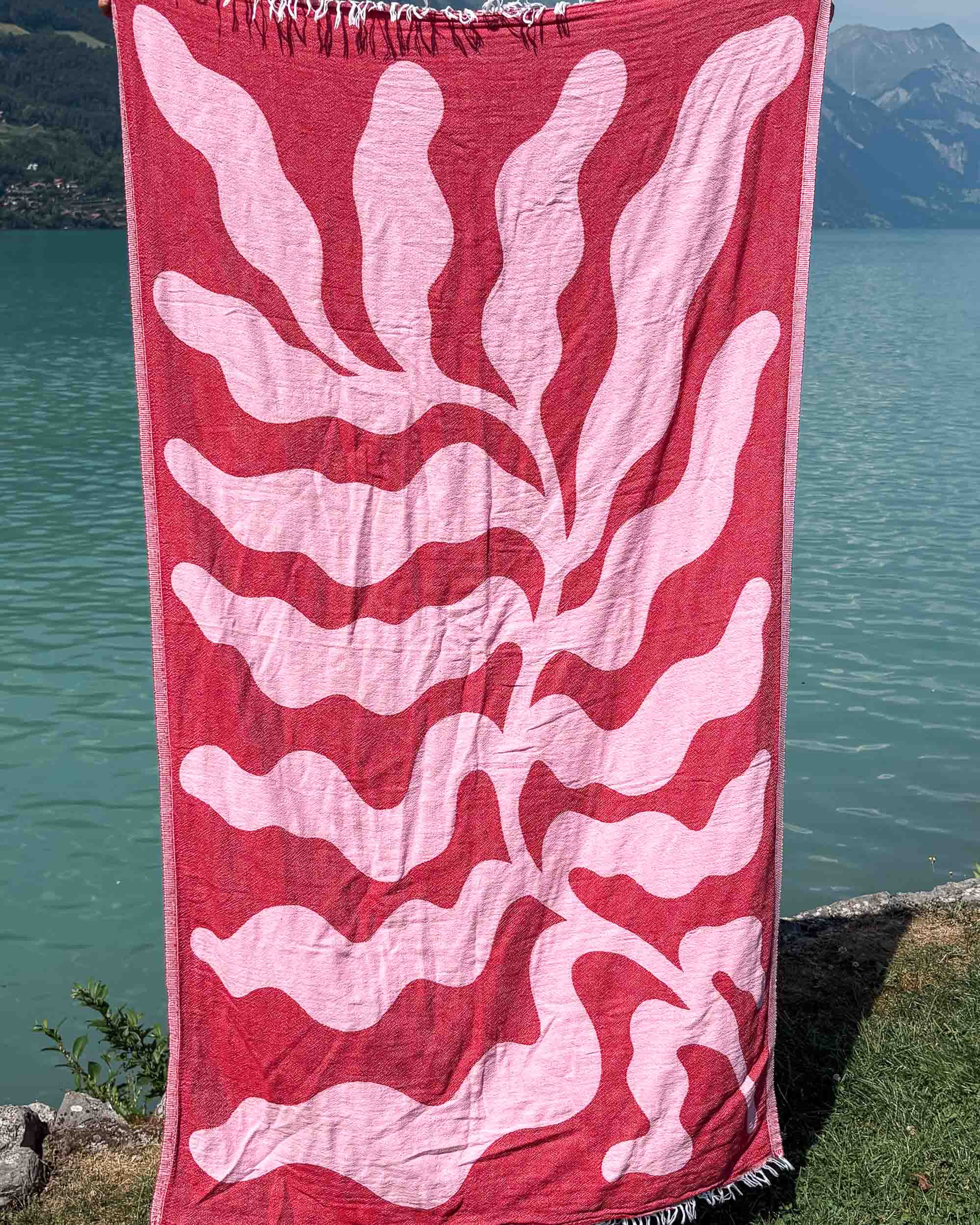


Children's bikinis are a summer classic that keeps parents busy year after year. Little ones grow quickly, swimwear requirements change – and at the same time, awareness of sustainable, environmentally friendly products is growing. By 2026, it's no longer just about cute patterns and bright colors. Parents are asking themselves: Which cut really fits? Which material is skin-friendly and durable? And how do I find swimwear that protects both the planet and my child's health?
What makes a good children's bikini?
A bikini for children is more than just a second swimsuit. It needs to allow for freedom of movement, fit securely, and offer comfort – especially when little ones spend the whole day in the water.
Fit and freedom of movement
Children romp, climb, run and jump. A well-fitting bikini should be able to withstand all of that without slipping or digging in.
- Adjustable straps ensure that the top grows with the child.
- Wide cuffs on the panties prevent pressure points.
- Elastic materials allow unrestricted movement.
- Secure closures hold even during rough play
Most importantly: The bikini should be neither too tight nor too loose. Cuts that are too tight restrict movement, while those that are too loose slip down while swimming.
Material and skin compatibility
Children's skin is more sensitive than adults'. That's why the choice of material plays a crucial role in children's bikinis.
| material | Advantages | Disadvantages |
|---|---|---|
| Recycled polyamide | Sustainable, quick-drying, soft | It can be more expensive |
| Elastane mix | Stretchable, dimensionally stable | Not always recycled |
| Organic cotton | Skin-friendly, breathable | Dries slowly, less chlorine resistant |
Recycled materials like ECONYL® have proven their worth. They not only protect the environment but are also robust enough to withstand chlorine and salt water. At MAIN Design , we rely on precisely these fabrics – soft, durable, and with a clear conscience.
Another advantage: seamless construction . This prevents chafing, which can become uncomfortable when worn for extended periods.
Water safety: Color and visibility
An often underestimated factor when choosing children's bikinis is the color. Not every color is equally visible in the water.
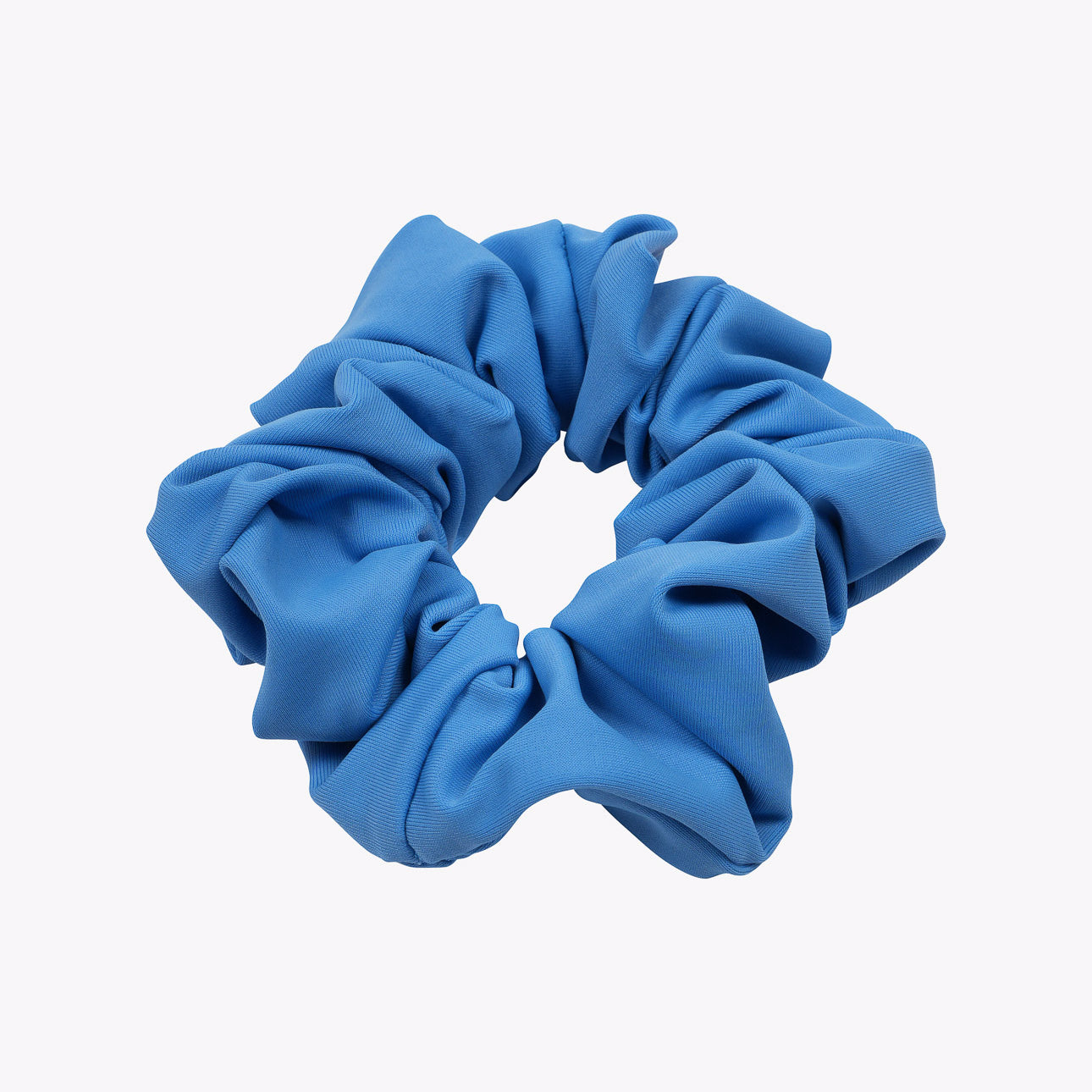
Why blue swimwear can be a risk
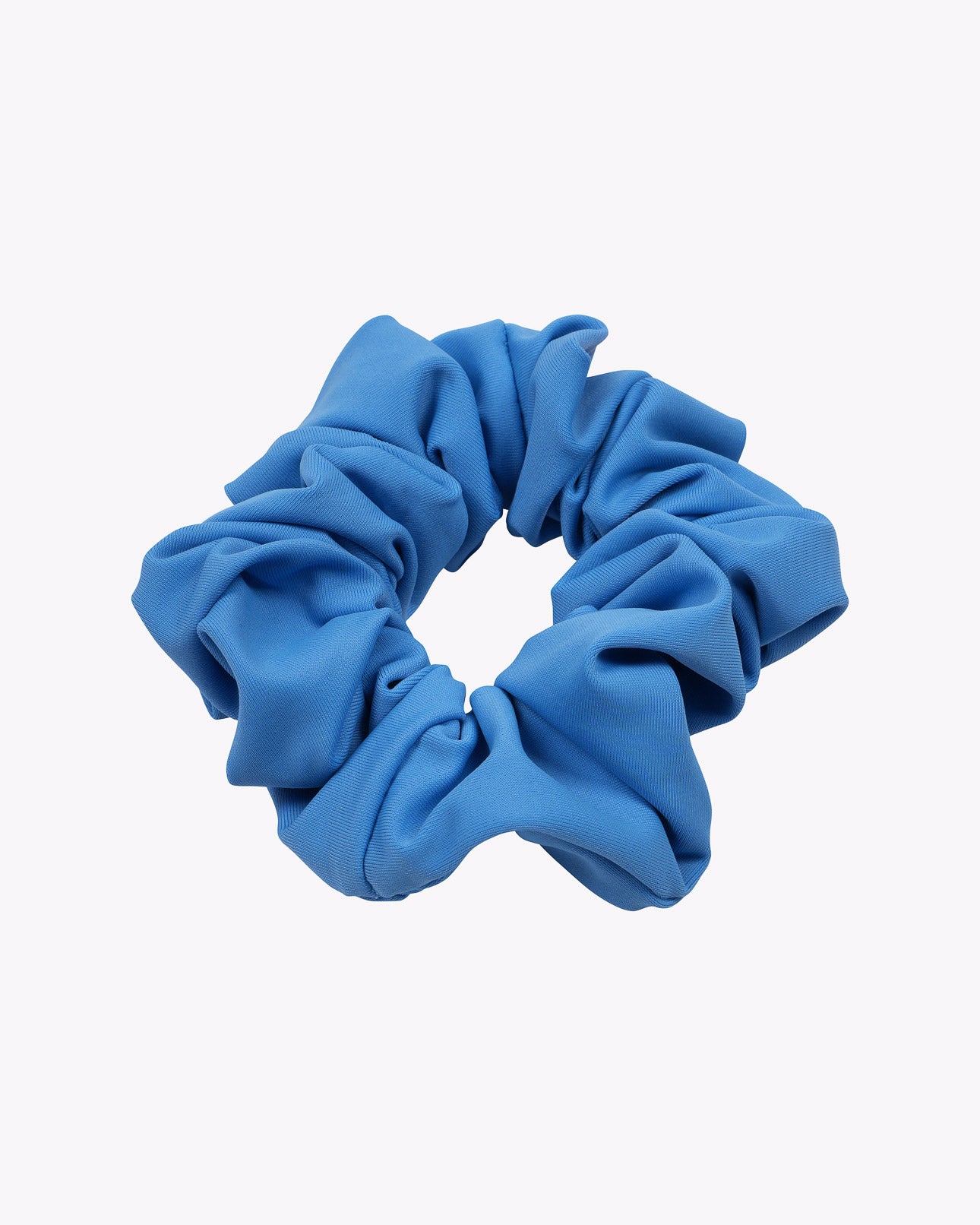
Experts from the German Lifesaving Association (DLRG) have been warning for years that blue swimwear is barely visible in the water. The blue of the fabric blends in with the water – making children virtually invisible.
Recommended colors for better visibility:
- Neon yellow and neon green
- Orange and bright pink
- Red and vibrant coral
- Light patterns with contrasts
Choosing the right swimwear color can be lifesaving in an emergency. Especially in crowded swimming pools or on beaches with lots of people, a bright bikini can make all the difference.
UV protection: A must for children's skin
Sun protection doesn't end with cream. Modern children's bikinis offer additional UV protection directly in the fabric.
- UPF 50+ blocks up to 98% of UV radiation.
- Long cuts like rashguards protect shoulders and back
- Dense fabrics allow less radiation to pass through than thin fabrics.
Many sustainable manufacturers are integrating UV protection directly into recycled fabrics. The result: less sunscreen needed, more protection, less chemicals in the water.
Sustainability in children's swimwear
Sustainability is no longer a trend – it has become the standard. Especially with products for children, more and more parents are paying attention to where the materials come from and how they are produced.
Recycled materials in comparison
Children's bikinis made from recycled nylon or polyester are no longer a rarity. They are made from discarded fishing nets, PET bottles, or industrial waste – and are just as high-quality as those made from new fibers.
What are the advantages of recycled children's bikinis?
- Reduced raw material consumption
- Less microplastics in the oceans
- Same quality and durability as conventional fabrics
- Supporting initiatives like Healthy Seas
With many sustainable brands, a portion of the purchase price goes directly to environmental projects. This way, every bikini becomes a small contribution to cleaner oceans.
Durability instead of fast fashion
Children grow quickly – but that doesn't mean swimwear has to be thrown away after one season. High-quality children's bikinis last for several summers and can be passed on to siblings or swapped.
| criterion | Fast Fashion | Sustainable swimwear |
|---|---|---|
| material | Conventional polyester | Recycled ECONYL® |
| durability | 1-2 seasons | 3-5 seasons |
| Colorfastness | Fades quickly | Stay bright |
| Fit | It wears out | Dimensionally stable |
Investing in sustainable children's bikinis is therefore doubly worthwhile: for the environment and for your wallet.
Fit guide: How to find the right size
Finding the right size can be frustrating. Some brands run large, others small. Here are a few guidelines to help.
How to use size charts correctly
Most children's bikinis are sized according to age – this is practical, but not always precise. Children develop at different rates.
Things you should pay attention to:
- Chest circumference in girls aged 8 and over
- Hip measurement for the correct panty size
- Height as a base value
- Body type (slender, average, strong)
Tip: At MAIN Design you'll find detailed size charts that go beyond just age. This helps you avoid incorrect purchases and unnecessary returns.
Trying things on: What needs to fit perfectly?
If possible, try on your bikini before your first day at the beach. Pay attention to these points:
- Straps should not dig into the shoulders.
- Cuffs should not pinch or roll down.
- Leg openings must be comfortable, even when sitting.
- The top should not slip when the child bends over.
A well-fitting bikini gives children security and freedom of movement – without constant adjusting and tugging.
Care and durability extend
Even the best children's bikini needs proper care to stay beautiful for a long time. Chlorine, salt, and sunscreen take their toll on the fibers – but with a few tricks, swimwear can last significantly longer.
After each swim
- Rinse immediately with clean water.
- Do not wring , but gently squeeze out the excess water.
- Dry in the shade , never in direct sunlight.
- Do not put in the dryer , this makes elastane brittle.
Even these simple steps can double the lifespan of a bikini.
Washing: How to do it gently
Children's bikinis should be washed after three to four uses – not after every swim.
The correct washing routine:
- Soak in cold water with mild detergent.
- Maximum 30 degrees in the washing machine, in a laundry bag
- No fabric softener – it attacks elastane.
- Air dry on a towel
This care ensures that colors remain vibrant and fabrics retain their shape – season after season.
Style and personality: What children want
Sustainability and safety are important – but in the end, the child often decides which bikini to wear. And that's a good thing.
Designs that resonate
Children have clear preferences. Some love unicorns, others prefer sporty cuts without frills.
Popular styles for 2026:
- Minimalist with clear colors
- Tropical patterns with palm trees and fruits
- Sporty and functional, like small surf bikinis
- Mix-and-match , i.e., combinable tops and bottoms
Children especially appreciate the option to choose the top and bottom separately. This allows them to create their own look – and parents value the flexible size options.
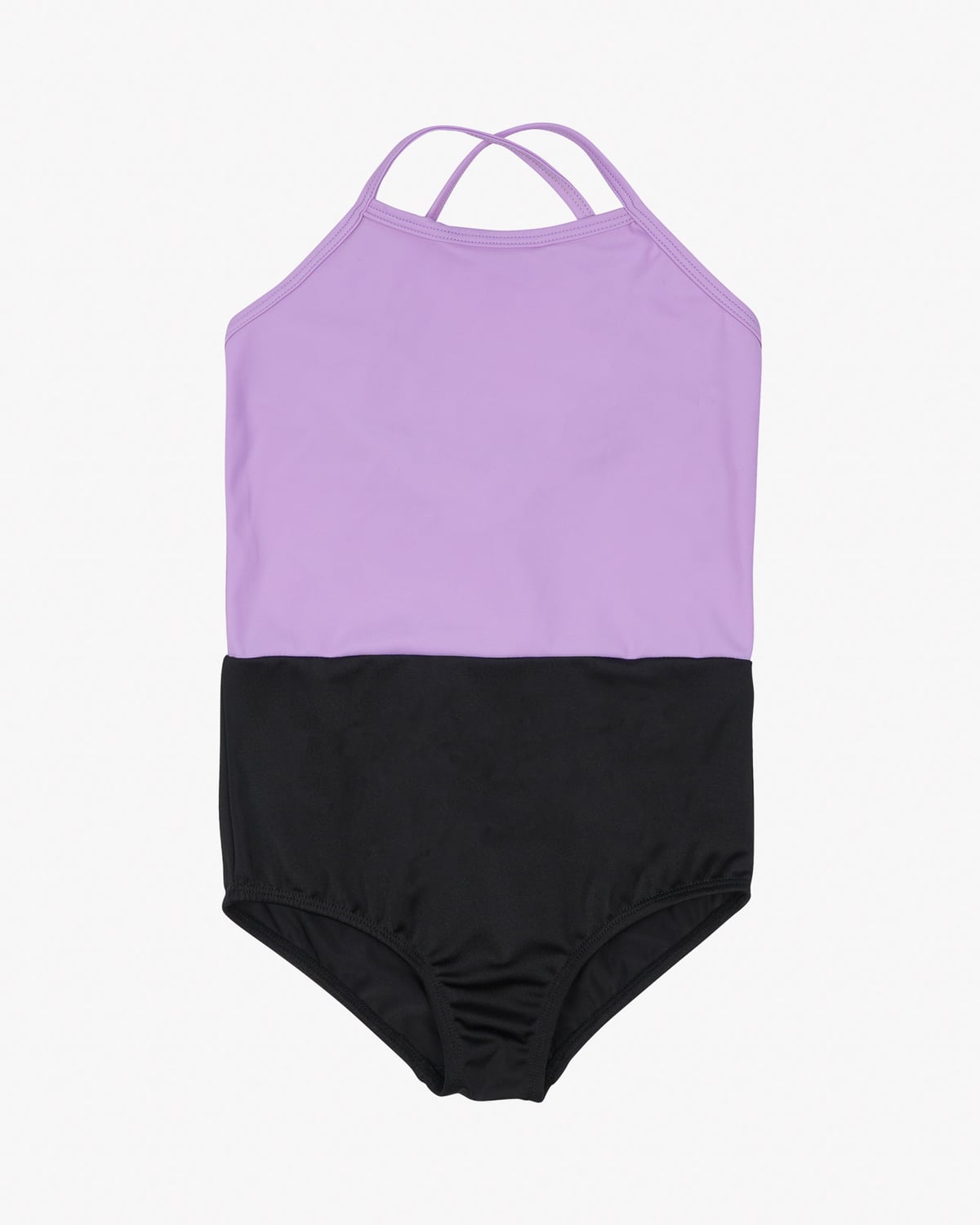
The Lena girls' swimsuit from MAIN Design is a perfect example of timeless design that children love and that is sustainably produced. With adjustable straps that tie at the back, it adapts perfectly to the child's individual needs – and even grows with them. The soft, quick-drying fabric feels comfortable against the skin and moves with them.
The right to have a say: Why it's important
When children are allowed to have a say in the selection, they wear their bikini more often – and more carefully.
- Show two to three options that meet your criteria
- Explain why sustainability is important to you.
- Let the child make the final decision
This is how you combine your values with your child's self-determination.
Trends and Innovations 2026
The world of children's bikinis is evolving. New technologies, smart materials, and creative designs will shape the year 2026.
Temperature control and quick-dry
Some manufacturers use temperature-regulating fibers that adapt to the body. In cold water, they provide slight warmth, while on land they provide cooling.
Quick-dry technology is now standard. Little ones no longer have to walk around in wet clothes for hours – the bikini dries in minutes.
Modular systems
Another trend: modular bikini sets where children can swap out individual pieces. The top gets too small? Simply buy a new one; the bottoms will still fit.
This saves resources and allows for individual combinations – a win-win for the environment and your wallet.
Shopping tips for conscious parents
When buying children's bikinis, there's more to consider than just the price. Here are some criteria to help you make the right choice.
What you should pay attention to
Bikini buying checklist:
- Is the material recycled or sustainably certified?
- Does the bikini offer UV protection (at least UPF 30)?
- Are the colors suitable for good visibility in water?
- Does the size fit your child's measurements?
- Is the workmanship high-quality and virtually seamless?
- Does the brand support environmental projects or social initiatives?
A brand that meets these criteria is more than just a label – it is a decision for the future.
Where to buy?
Online shopping offers variety and comparison options. It's important to pay attention to transparent size information and good return policies.
Forinspiration and trends, it's worth taking a look at specialized platforms that offer current deals and buying advice.
Local shops have the advantage of personal advice – and you can immediately see how fabrics and cuts look.
Safety first: Additional measures
A good bikini is only one aspect of water safety. Parents should always remain vigilant and take further precautions.
Swimming aids and supervision
Even if the bikini fits perfectly, swimming aids such as armbands or vests are essential for younger children. They provide extra buoyancy and give parents peace of mind.
Basic rules on the water:
- Never leave children unattended
- Swimming lessons from 4-5 years old
- Clear rules for depths and boundaries
- Emergency plan for when things go wrong
A combination of good equipment, clear rules and attentiveness ensures carefree days at the beach.
Sunscreen and shade
UV protection in the fabric does not replace sunscreen – it complements it. Apply sunscreen generously to all exposed areas, especially face, ears, and feet.
Ideal sun protection:
- SPF 50+ for children's skin
- Waterproof formula
- Reapply cream every two hours
- Regular breaks in the shade
This keeps the skin protected, even during hours of splashing around.
FAQs: Frequently asked questions about children's bikinis
At what age does a bikini make sense?
It depends on the child. Many girls like to wear bikinis from the age of 4 or 5. The important thing is that they feel comfortable and that the cut fits securely.
How often should a child's bikini be washed?
Wash after three to four swims or when there is visible soiling. Washing too frequently damages the fibers.
Are more expensive bikinis really better?
Not automatically – but high-quality materials and workmanship come at a price. Sustainable children's bikinis last longer and are better for the environment.
Can I buy used bikinis?
Yes, second-hand is a great option. Pay attention to the condition, especially elastane, which loses its elasticity over time.
How can I identify sustainable children's bikinis?
Look for certifications like OEKO-TEX, recycled materials (ECONYL®, rPET), and transparent production information. Brands that support environmental projects demonstrate genuine commitment.
Kids' bikinis are more than just swimwear – they're a statement for safety, comfort, and responsibility. With the right materials, conscious color choices, and sustainable production, you'll be doing everything right in 2026. If you're looking for stylish, eco-friendly swimwear that brings joy to children and protects the oceans, check out MAIN Design - Your Daily Dose Of Summer . Our collections combine timeless design with recycled materials – and every purchase supports Healthy Seas in the fight against ghost nets. Feel good. Do good.