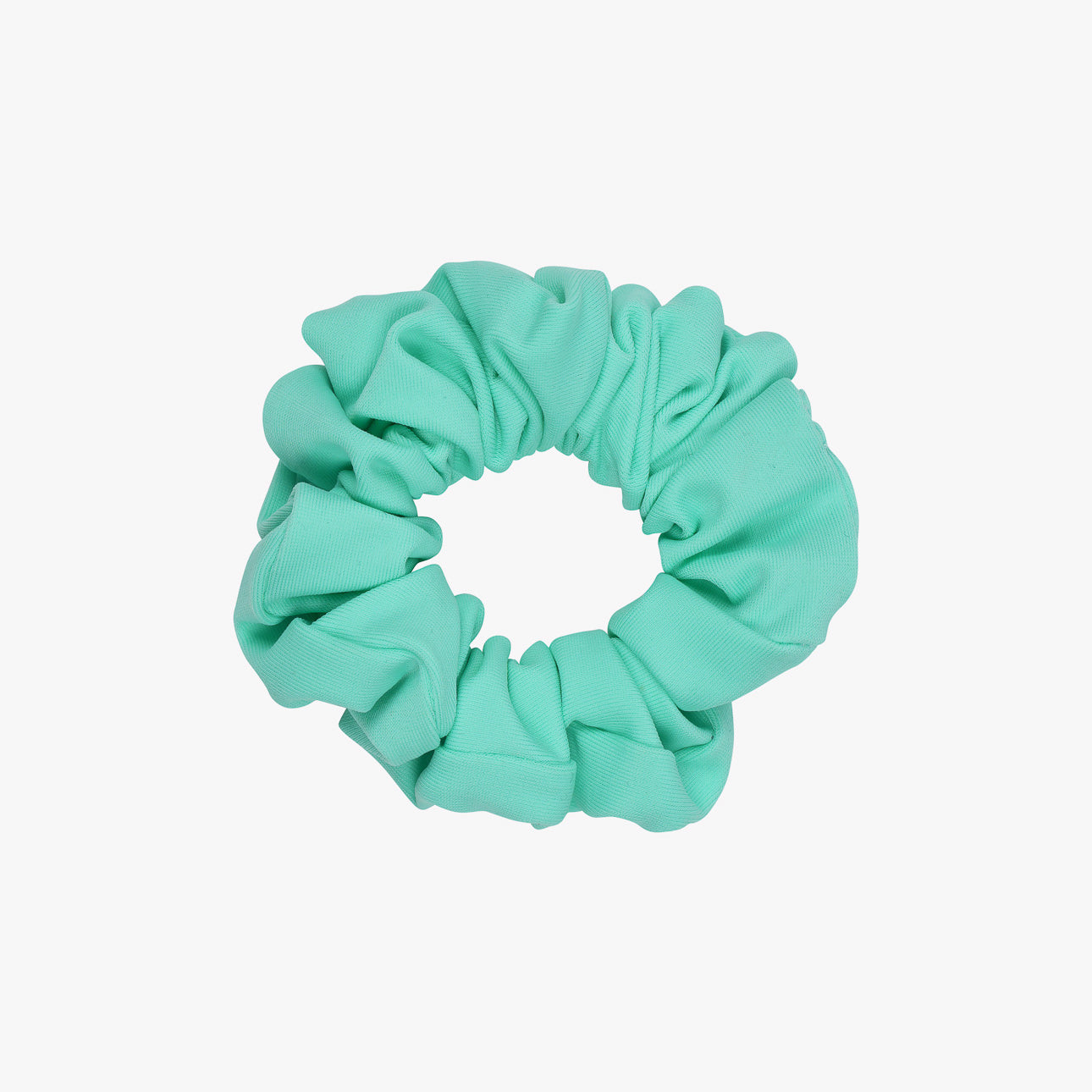
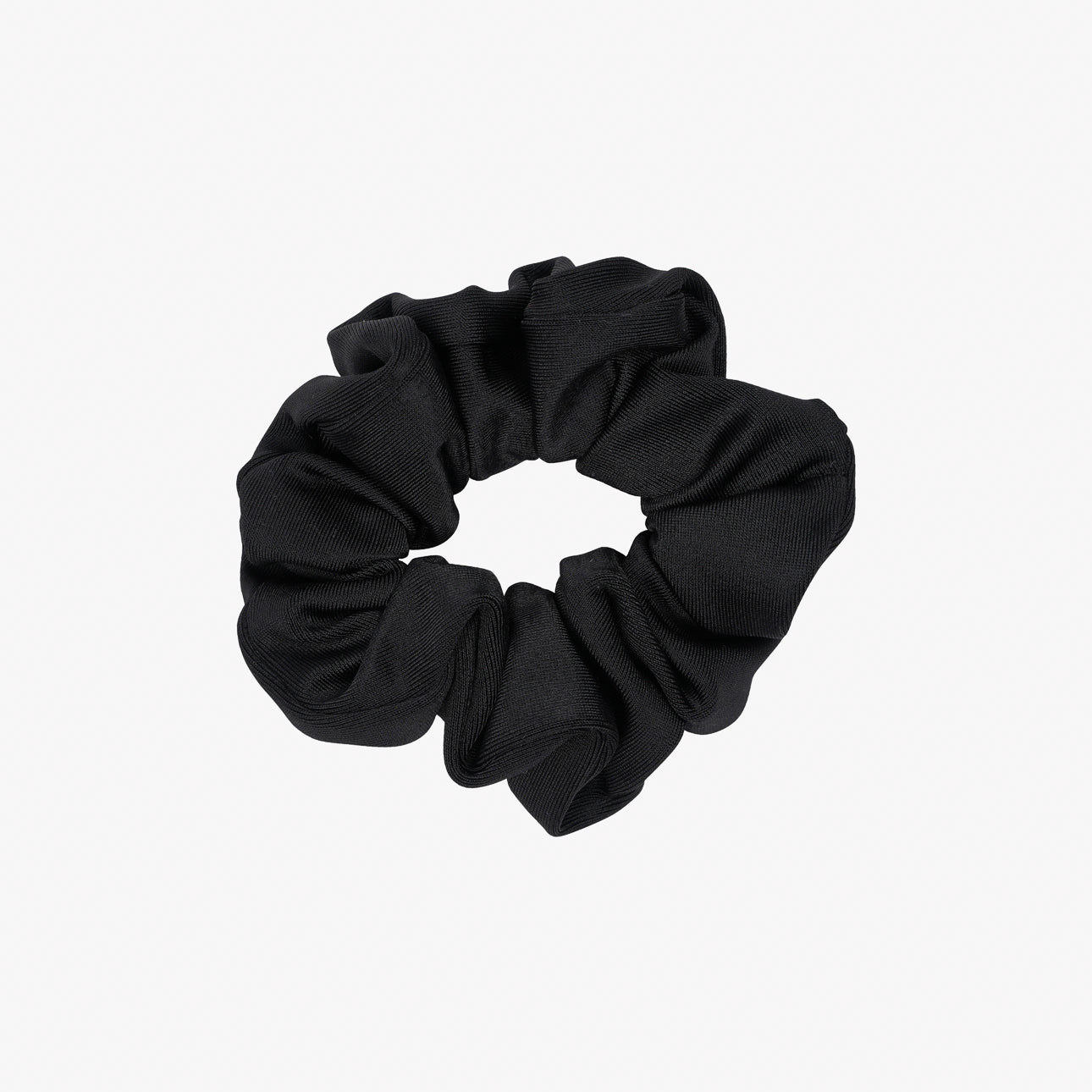
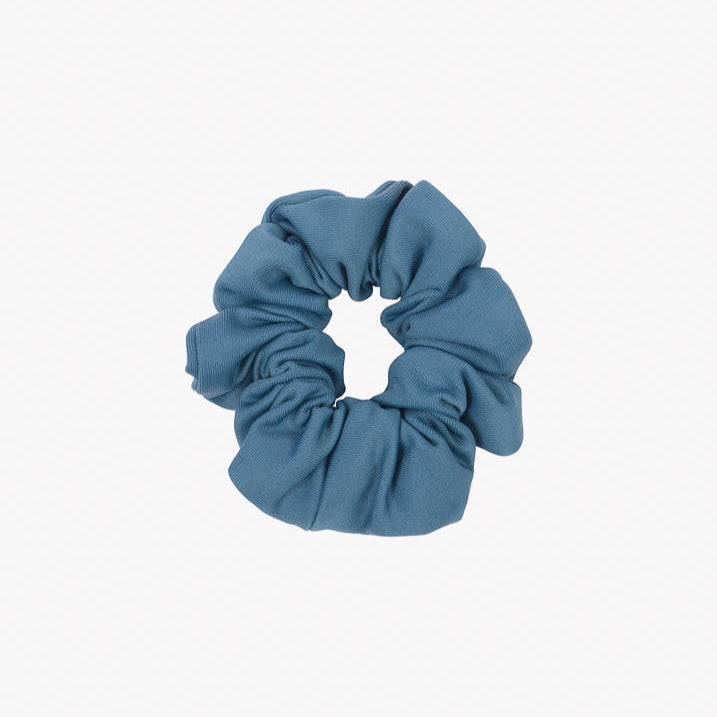
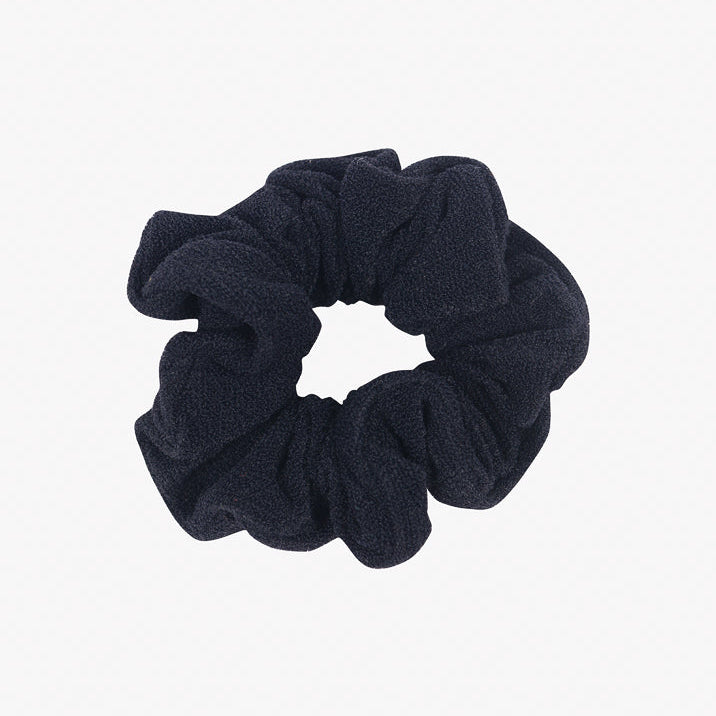
A lightweight cotton blanket for the sofa should suit its intended use: Thin and airy, it is ideal for warm days; slightly more substantial for cozy evenings, and large enough to protect the seat and backrest. Cotton absorbs moisture and allows air to circulate; however, how soft and warm the blanket is also depends on the yarn, weave, and finish. For sofa protection, an easy-care, washable model is a practical choice.
Which lightweight cotton blanket for the sofa is right for you?
A lightweight cotton blanket for the sofa is right for you when it suits how you actually use it: Do you want to keep warm in the evening, do you need a light layer on warm days, or is its main purpose to protect the sofa? The material, weave, and size almost choose themselves from these questions.
Breathable, skin-friendly, and pleasantly lightweight: the most important features
Cotton is a popular material for sofa blankets because it can absorb moisture and allow air to circulate. This means it traps less heat than many synthetic blankets. Many people also find cotton pleasant against the skin, especially if they perspire easily or are sensitive to scratchy fibers. However, how soft and airy a blanket really is depends on the yarn, weave, and finish, not just the raw material.
These features will help you choose:
- Breathability: Loose weaves allow more air through and do not feel stuffy even after lying on them for a long time.
- Feel against the skin: Softly washed or finely woven cotton feels pleasant against the arms, legs, and face.
- Lightweight: The blanket should be easy to pull over your shoulders and fold up again.
- Easy care: A blanket you can wash regularly will stay more hygienic and fresh.
Practical tip: Before buying, run the back of your hand over the fabric and hold it up briefly to the light. If the weave looks even and dense enough without being stiff, that is a good sign of balanced quality.
For cozy evenings, warm days, or sofa protection: determine the intended use
Depending on how you use it, you will need different features. If you are looking for a blanket for binge-watching evenings, you will probably want something with a bit more structure and volume so that it keeps you warm without overwhelming you. For warm days or transitional seasons, however, a thinner, airier blanket is better, which you can pull over your legs or push aside when needed.
This overview will help you get started:
| Use | What matters | Suitable feature |
|---|---|---|
| Cozy evening | Cozy | Slightly denser, soft fabric |
| Warm days | Airiness | Thin, loose fabric |
| Sofa protection | Durability, care | Large area, washable |
If the blanket is mainly intended to protect your sofa, for example from coffee stains, sunlight, or signs of wear, a larger size that covers the seat and backrest is worth considering. Pay particular attention to whether the fabric can be washed easily. If you use the blanket multiple times, for example for cuddling and protection, choose a versatile, medium-weight model that you can use all year round.
How to find a sofa blanket that suits your decor and use?
A lightweight cotton blanket for the sofa is right for you when its color and texture match the sofa upholstery and the room, and the blanket remains practical in everyday use. Once size and weight are settled, it is time to consider appearance and handling.
Coordinate color, pattern, and texture with your sofa, interior style, and everyday life
As a rule of thumb, the blanket can either blend in with the sofa or deliberately create an accent. Both work, provided you decide beforehand.
- Tone on tone: Natural tones such as sand, cream, or light gray look calm and suit almost any interior style, but show stains more quickly.
- Contrast: Terracotta, olive green, or dark blue stand out well on a light sofa. Light blankets stand out on a dark sofa.
- Pattern: Stripes or fine checks add life to a plain sofa. If your sofa is already patterned, choose a solid-colored blanket.
- Texture: Waffle pique or muslin with a slightly crinkled look appears casual and suits Scandinavian or boho interiors. Smooth fabrics look cleaner and more orderly.
Also think about your everyday life: With children or pets, medium tones and lightly textured surfaces are often more forgiving than pure white. A blanket you do not have to constantly protect will also be used more often.
Check non-slip properties, tassels, and reversibility for practical use
Lightweight cotton slips more easily on smooth upholstery such as leather or microfiber than heavy blankets. If the blanket is intended to stay in place as sofa protection or a throw, it helps to tuck it slightly into the seat and backrest. For a blanket you mainly use for cuddling, this is hardly relevant.
You should also check the edges:
- Fringes: They look decorative but can easily get tangled in the washing machine and around pets. A laundry bag or occasional brushing will keep them tidy.
- Hemmed edges: They are easier to care for and look more minimalist.
- Reversibility: A blanket with two different sides, such as plain and striped, can be turned over depending on your mood or the season. It also distributes wear more evenly.
A quick check before buying: Does the color match the sofa, does the texture feel pleasant, and will the blanket still be suitable for everyday use after washing?
If you also take a blanket outdoors or on trips, a model that can be folded up small and looks equally good on the sofa and at a picnic spot is worth it.
How can you recognize a long-lasting cotton blanket at a fair price?
You can recognize a long-lasting cotton blanket by clean, even seams, a dense yet airy fabric, clear care instructions, and transparent return conditions. Once you have decided on the color, pattern, and size for your sofa, these details will determine whether the blanket still looks like new after months.
Check the seams, workmanship, care instructions, and return conditions before buying
Good workmanship is often visible in the product photos or can be felt when unpacking. For a lightweight cotton blanket for the sofa, it is worth taking a closer look at the following points:
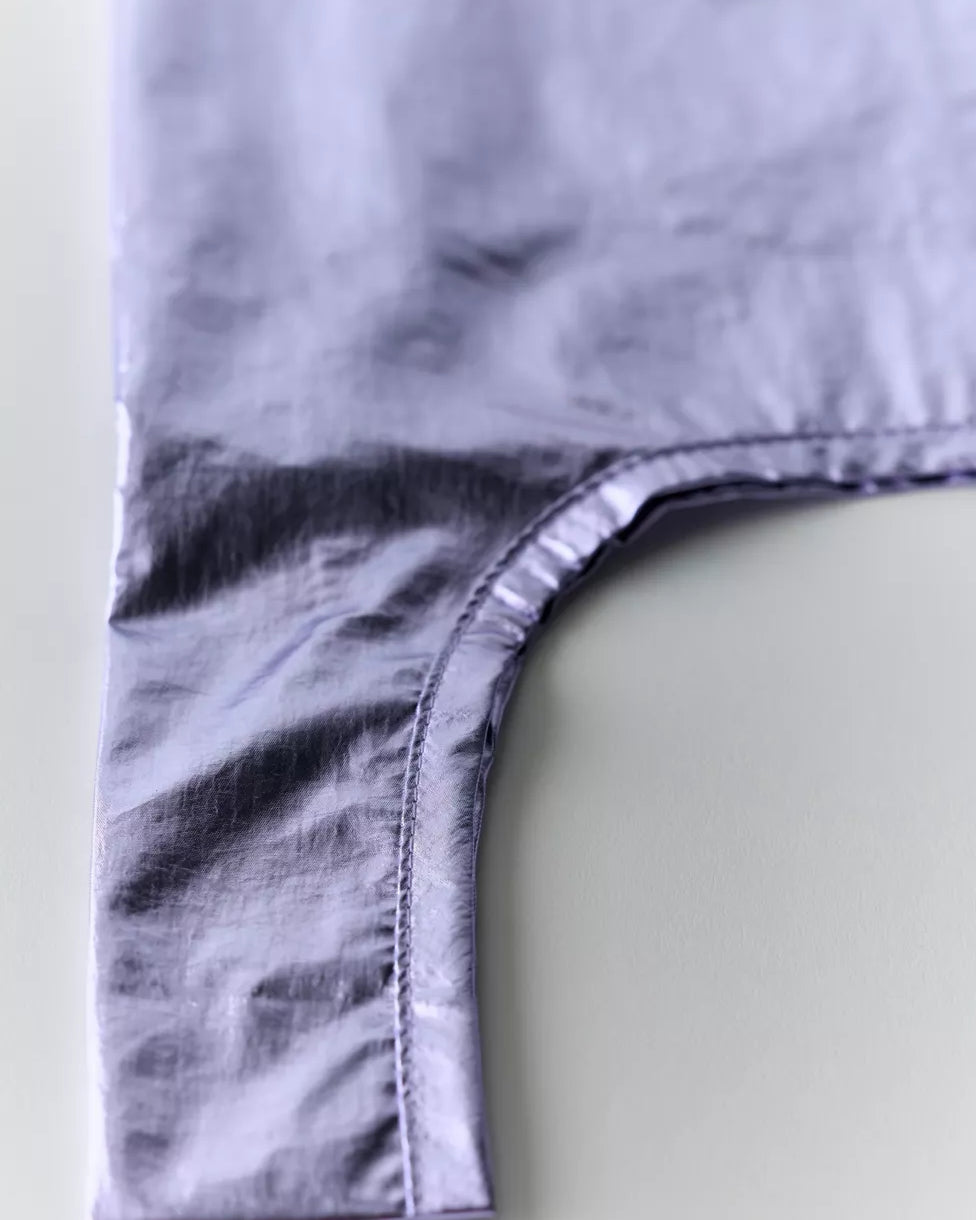
- Hems and edges: They should be straight, without wavy areas or loose threads. Enclosed or double-folded hems usually withstand washing better than simply cut edges.
- Fringes: Evenly knotted or securely sewn fringes get tangled less easily. Loosely hanging threads indicate less careful manufacturing.
- Hold the fabric up to the light: If you see large gaps or uneven areas, the blanket will thin out more quickly in heavily used areas.
- Care instructions: Reliable information includes the washing temperature, dryer instructions, and, if applicable, information about colors that may bleed slightly at first.
- Material specifications: Pay attention to the exact cotton content. Certifications are only meaningful if the product page clearly states them.
- Return conditions: Read before buying whether and within what timeframe you can return the blanket, and whether it must be unwashed.
If there is no information about the material and care at all, that is a warning sign. A blanket you use daily and wash regularly should be described in a way that is easy to understand.
Weighing price and quality: Buying check for a lightweight cotton blanket for the sofa
A fair price is in proportion to the material, workmanship, and lifespan. The cheapest blanket is not automatically the most economical if it stretches out or wrinkles badly after a few washes. However, a more expensive blanket is only worthwhile if you can justify the higher cost with concrete features.
Calculate the price per use in your head: A blanket you use several times a week for two years may cost more than a decorative piece for occasional use. This buying check will help you decide:
- Does the size fit your sofa and intended use?
- Are the cotton content and weave clearly stated?
- Do the seams, hems, and fringes look neatly finished?
- Are the washing temperature and dryer instructions easy to understand?
- Are there reliable customer reviews that address durability and how it washes?
- Are the return and exchange conditions clearly stated?
If you can answer at least five of these six questions with yes, the blanket is generally a solid choice for everyday use.
Always compare blankets of similar size and weave. Muslin should only be compared with other muslin, not with a dense waffle pique.
Frequently asked questions about lightweight cotton blankets for the sofa
Is a cotton blanket warm enough for summer?
Yes, a lightweight cotton blanket is usually just right for summer because it only warms gently and wicks away moisture well. It does not absorb body heat as much as thick fleece or wool blankets. It is generally sufficient for cool evenings on the sofa, with an open window, or in air-conditioned rooms.
If you get cold quickly, choose a blanket with a bit more texture, such as waffle pique, or fold it in half. This way, it remains airy but still warms you a bit more. On particularly cold days, a more densely woven or lined blanket is the better choice.
How often and at what temperature should you wash a cotton blanket?
It is best to wash a sofa blanket every four to eight weeks, or more often if it is used frequently or after illness, sunscreen, or food. The exact temperature is stated on the care label of your blanket. 30 to 40 °C on a gentle cycle is often recommended, and sometimes 60 °C for light, unbleeding fabrics.
These tips will help you:
- Shake out the blanket before washing and cut off loose threads.
- Use a mild detergent and avoid fabric softener, as it can coat the fibers.
- Wash dark and colored blankets separately or with similar colors.
- Do not overfill the drum so that the blanket has enough room.
Does cotton shrink when washed or become softer over time?
Both are possible. Cotton can shrink slightly during the first wash, especially at high temperatures or in the dryer. Many manufacturers therefore state that the fabric is pre-washed, but only the care instructions on your blanket are binding. As a precaution, expect one to two percent shrinkage when buying new.
With every wash, the fibers become softer. Muslin and waffle pique, in particular, become softer. If you let the blanket air-dry and gently pull it into shape, it will retain its shape for longer. It is best to use the dryer only on a gentle cycle and only if the label allows it.
Which cotton blanket is suitable for households with pets?
For households with dogs or cats, tightly woven, smooth cotton blankets without loose loops or long fringes are suitable. Claws are more likely to get caught in coarse structures or open meshes, and hair tends to stick to them more. Smooth fabrics are easier to brush or wipe off with a rubber glove.
Also keep the following points in mind:
- Medium to dark colors or subtle patterns show hair and stains less clearly.
- A blanket that can be washed at 40 °C or higher is more practical for everyday use.
- Having a second blanket to switch to saves hassle when the first one is in the wash.
If your pet likes to scratch or dig, a blanket alone will only protect the sofa to a limited extent. However, a more densely woven version reliably keeps out everyday dirt and can be quickly replaced.
First, consider whether you want to use the blanket for warmth, for warm days, or to protect the sofa. Depending on its purpose, a textured, slightly more voluminous weave or a thin, airy weave and the right size will be important.
Cotton can absorb moisture and allow air to circulate, so heat builds up less than under many synthetic blankets. How airy the blanket feels also depends on the yarn, weave, and finish.
Choose a larger size that covers the seat and backrest. Also make sure that the blanket is easy to wash.