

Finding the right swimwear for boys is more than just a question of design. It's about freedom of movement, sun protection, and materials that are gentle on both skin and the environment. Boys want to move freely on the beach, in the pool, or while surfing – without their swim trunks pinching, slipping, or fading after just a few weeks. At the same time, many families are becoming more aware of sustainable products. Swimwear made from recycled materials not only protects our children but also the waters they play in.
What makes good swimwear for boys
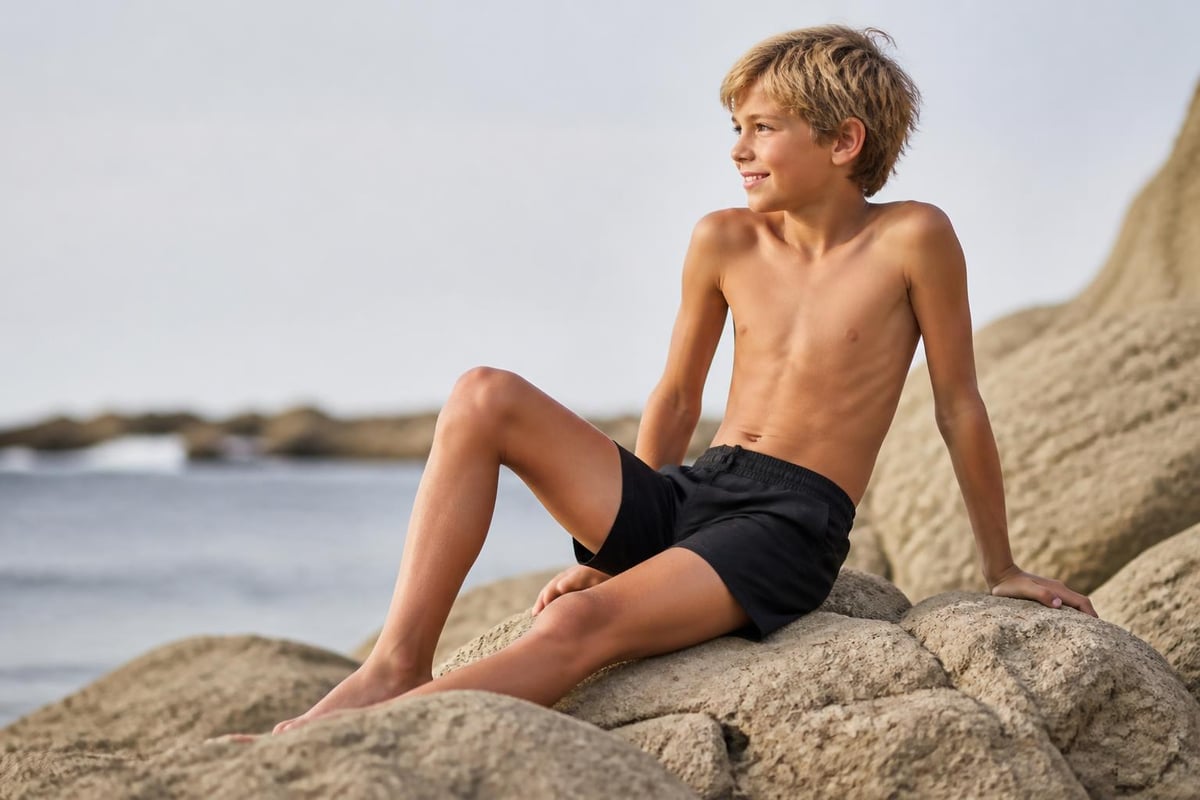
Good swimwear for boys needs to withstand a lot. Whether jumping into the water, building sandcastles, or playing wildly on the beach – the shorts should fit without bothering them.
Freedom of movement and fit
The fit is paramount. Swim trunks that are too tight restrict movement, while those that are too loose slip. Look for an elastic waistband with a drawstring that can be individually adjusted. Leg length also plays a role: shorter cuts offer maximum freedom of movement for swimming, while longer boardshorts provide additional sun protection and prevent chafing during beach volleyball or on rocks.
- Elastic waistband with drawstring for a secure fit
- Flat seams to prevent chafing and irritation
- Pre-shaped cuts for natural movement
- Quick-drying materials for comfort after swimming
Many manufacturers are guided by current trends in swimwear, which are also relevant for younger wearers. Figure-hugging but not constricting – that's the balance that defines modern boys' swimwear.
Material and sustainability
The choice of material makes all the difference. Traditional swim trunks are often made from polyester or nylon – materials derived from petroleum. Sustainable alternatives use recycled fibers from PET bottles or reprocessed fishing nets. These materials are just as robust and elastic as new synthetic fibers, but they conserve resources and reduce plastic waste in the oceans.
| Material | Properties | Sustainability |
|---|---|---|
| Recycled polyester | Quick-drying, dimensionally stable | From PET bottles, reduces new production |
| ECONYL® | Elastic, chlorine-resistant | From ghost nets, fully regenerable |
| Organic cotton | Soft, breathable | Pesticide-free, biodegradable |
Recycled materials offer the same wearing comfort as conventional fabrics but significantly reduce environmental impact. Especially for products worn in water, this difference makes sense.
UV protection: Safety for sensitive skin
Children's skin is particularly sensitive to UV radiation. While sunscreen remains important, specially developed UV-protective swimwear offers additional, reliable protection.
Understanding the UPF factor
The UPF (Ultraviolet Protection Factor) value indicates how much UV radiation penetrates the fabric. UPF 50+ blocks more than 98 percent of harmful rays – a protection that doesn't wash off and lasts all day. Unlike sunscreen, which needs to be reapplied every two hours, the protection from the fabric remains constant.
High-quality UV-protective swimwear for boys combines this protection factor with wearing comfort. High-quality swimwear with UV protection often offers additional features like extended back panels or integrated hoods. Long-sleeved versions are particularly practical for very sunny days or sensitive skin types.
The combination of UV-protective clothing and sunscreen provides optimal protection. Especially in water, the surface additionally reflects UV rays, increasing exposure. With the right swimwear, you significantly reduce the risk of sunburn.
Trends and designs 2026
Boys' swimwear today follows clear trends: natural colors, minimalist patterns, and functional details. Moving away from bright neon colors towards earthy tones, ocean blue, and soft pastel shades. These designs look timeless and can be easily combined – for example, with matching rashguards or beach towels.
Color palettes and patterns
- Nature-inspired tones: Sand, stone, ocean
- Minimalist stripes: Subtle rather than obtrusive
- Geo-Prints: Modern graphics in muted colors
- Color blocking: Clear color blocks without chaos
The current generation of parents prefers designs that are not cluttered. At the same time, boys should feel comfortable in their swimwear and be able to choose it themselves. Many labels therefore focus on clear cuts with playful details – such as contrasting drawstrings or subtle logos.

Comparison of cuts
- Swim shorts: Classic, knee-length, with mesh lining
- Boardshorts: Longer, without mesh, ideal for surfers
- Swim briefs: Tight-fitting, for swimming sports
- Hybrid shorts: Versatile for beach and everyday wear
Different types of swimsuits show how diverse the options are. While competitive swimmers often opt for tight-fitting cuts, recreational swimmers and beach fans prefer looser versions. The choice depends on the area of use: a different cut is suitable for swimming laps than for romping in shallow water.
Finding the right size
Nothing is more frustrating than swimwear that doesn't fit. Shorts that are too small restrict movement, and those that are too large slip when swimming. Finding the right size requires precise measurements and consulting size charts.
Measuring and using size charts
Measure the waist circumference at the narrowest point and the hip at the widest point. Compare these measurements with the manufacturer's specifications. Size charts for boys' swimwear help determine the right size. Keep in mind: brands can vary in sizing.
Tips for the right fit:
- Try on the swimwear before the first use
- Ensure the waistband fits snugly but doesn't cut in
- Check the leg length – it should not restrict movement
- Test the drawstrings – they should be easy to tie
Especially with children who grow quickly, it's tempting to buy a size larger. However, swimwear that is too large can interfere with swimming or even become dangerous if it soaks up water and slips. It's better to buy a well-fitting size and replace it after a season.
Care and longevity
High-quality boys' swimwear lasts several summers – if cared for properly. Chlorine, saltwater, and UV radiation take a toll on the fibers. With a few simple steps, you can significantly extend its lifespan.
After each wear
- Rinse immediately with clear water – this removes chlorine, salt, and sand
- Do not wring out – gently squeeze to protect the fibers
- Dry in the shade – direct sun bleaches colors
- Store separately – do not leave damp swimwear in closed bags
Regular hand washing with mild detergent preserves colors and elasticity. Avoid fabric softener – it coats the fibers and reduces breathability. Machine washing is possible, but a laundry bag protects against friction.
| Care Do's | Care Don'ts |
|---|---|
| Rinse with cold water | Dry in direct sunlight |
| Hand wash | Use bleach |
| Dry flat | Iron hot |
| Store in an airy place | Pack when damp |
Well-cared-for swimwear made from high-quality materials easily lasts several seasons. This not only saves money but also protects the environment.
Sustainable swimwear for boys
Sustainability in swimwear means more than just recycled materials. It's about fair production, durable quality, and protecting the waters our children swim in.
At MAIN Design, this idea is central. Their sustainable kids' swimwear is made from recycled fishing nets and PET bottles. With every purchase, you support Healthy Seas, an organization that removes ghost nets from the oceans. This turns old plastic into new, high-quality swimwear – a closed loop that makes sense.
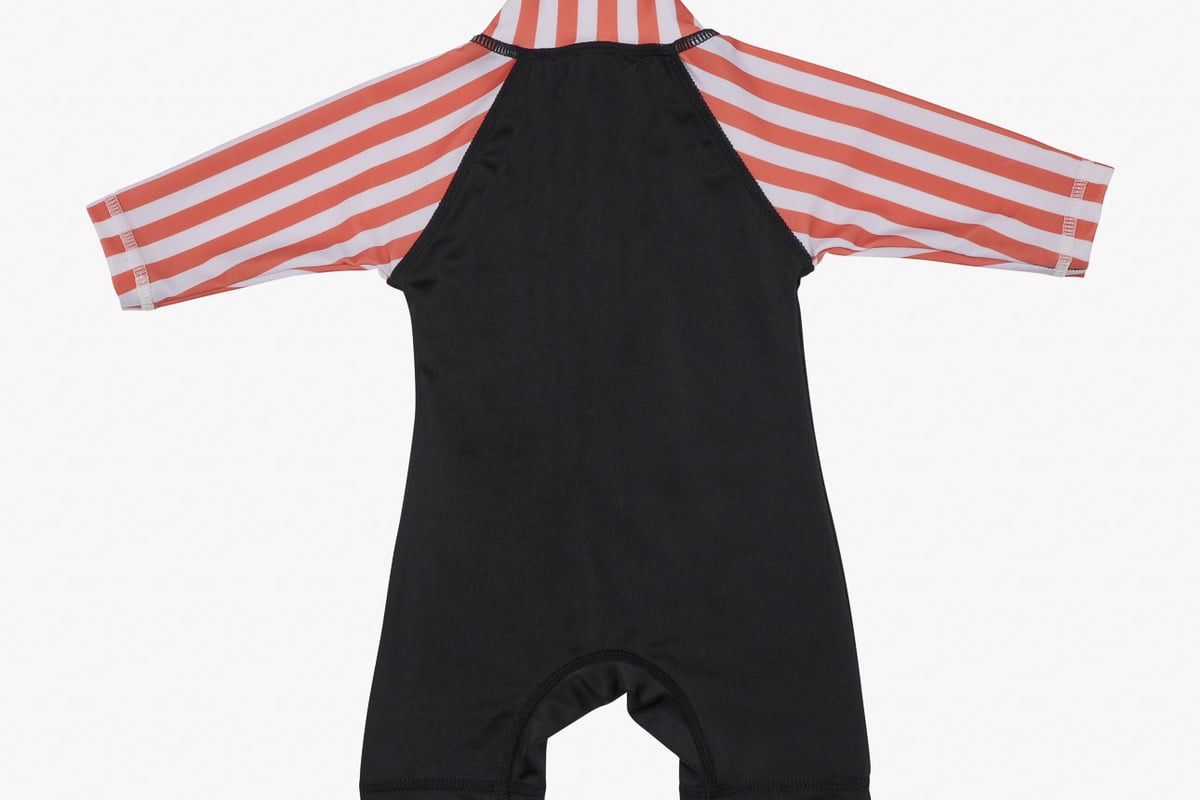
The Kai Baby Swimsuit demonstrates thoughtful design: the full-length zipper makes diaper changes easy, the UPF 50+ UV protection shields sensitive baby skin, and the soft material made from recycled fibers feels comfortable. The collection also offers various options for older boys – from sporty swim shorts to casual boardshorts.
Why materials matter
Conventional swimwear releases microplastics into rivers and oceans with every wash. Recycled materials do not completely eliminate this effect but are an important step. Even more important is durability: the longer a product lasts, the less new production is needed.
Frequently asked questions about material composition and care are answered on the FAQ page for children's swimwear. There you will also learn what to look for when choosing UV-protective clothing and which certifications are truly meaningful.
Combination possibilities for the beach
Boys' swimwear can be combined in many ways. In addition to classic swim shorts, rashguards, swim caps, and functional accessories are often part of today's beach outfit.
Popular combinations:
- Swim shorts + long-sleeved rashguard for maximum UV protection
- Boardshorts + tank top for a casual beach look
- Swim briefs + swim cap for swim training
- Hybrid shorts + T-shirt for transitioning between beach and cafe
A rashguard not only protects against the sun but also against chafing during bodyboarding or surfing. Many models are made from the same recycled material as the swim shorts and match perfectly in color. This coordination makes morning dressing easier – especially for children who like to choose for themselves.
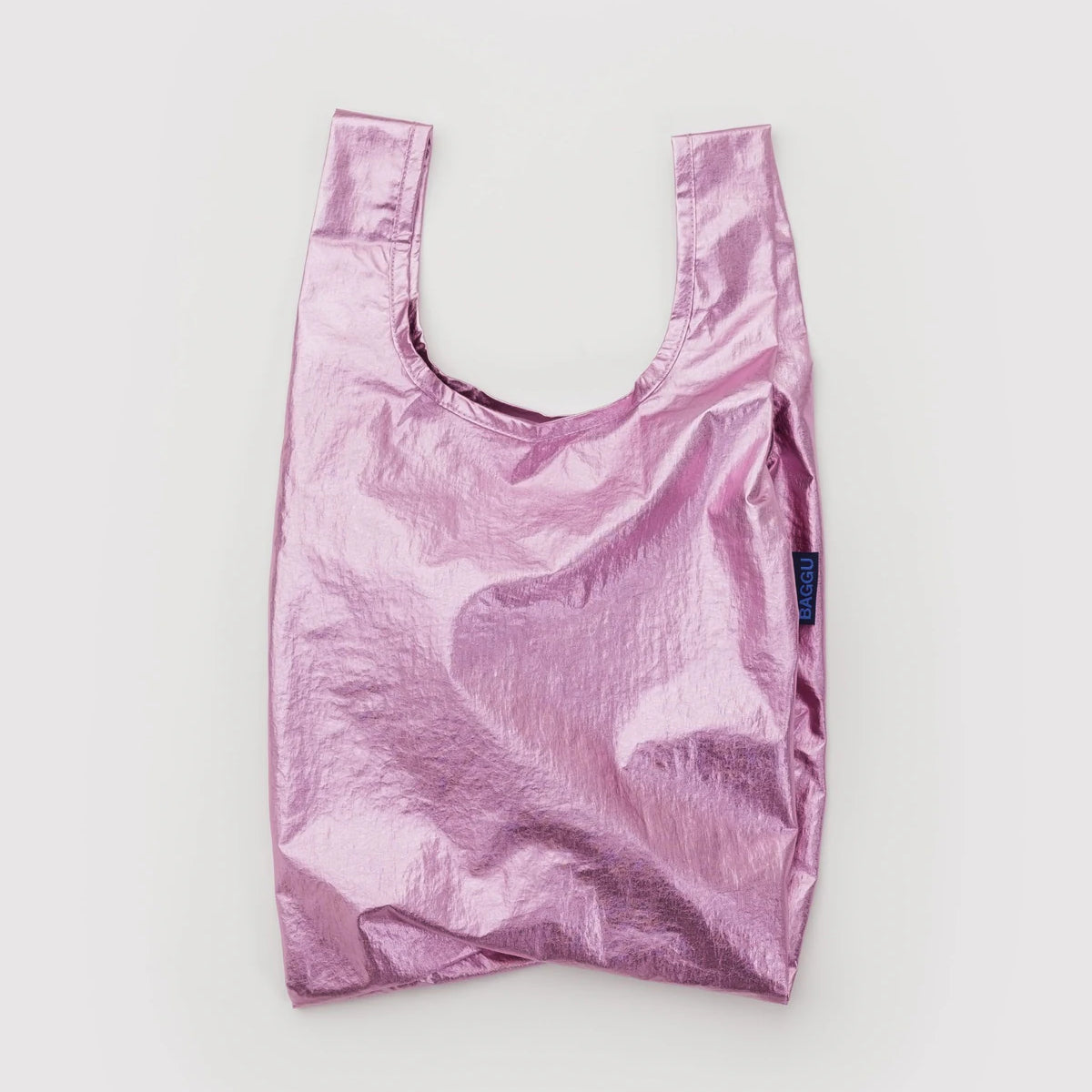
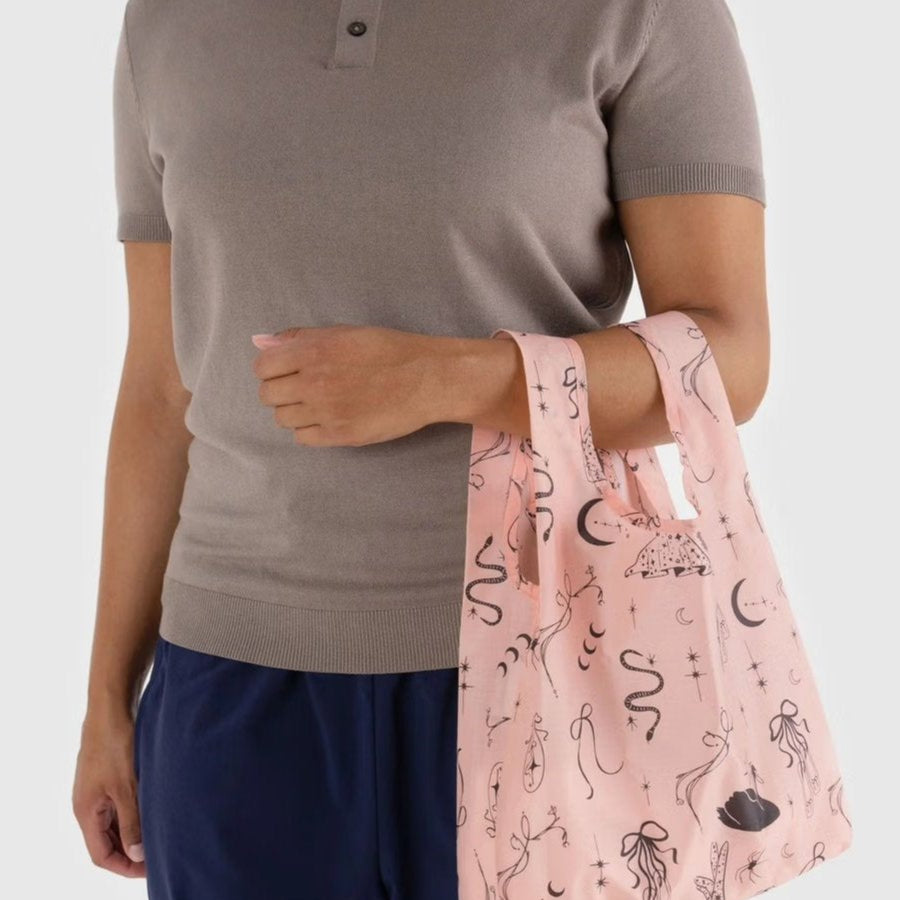
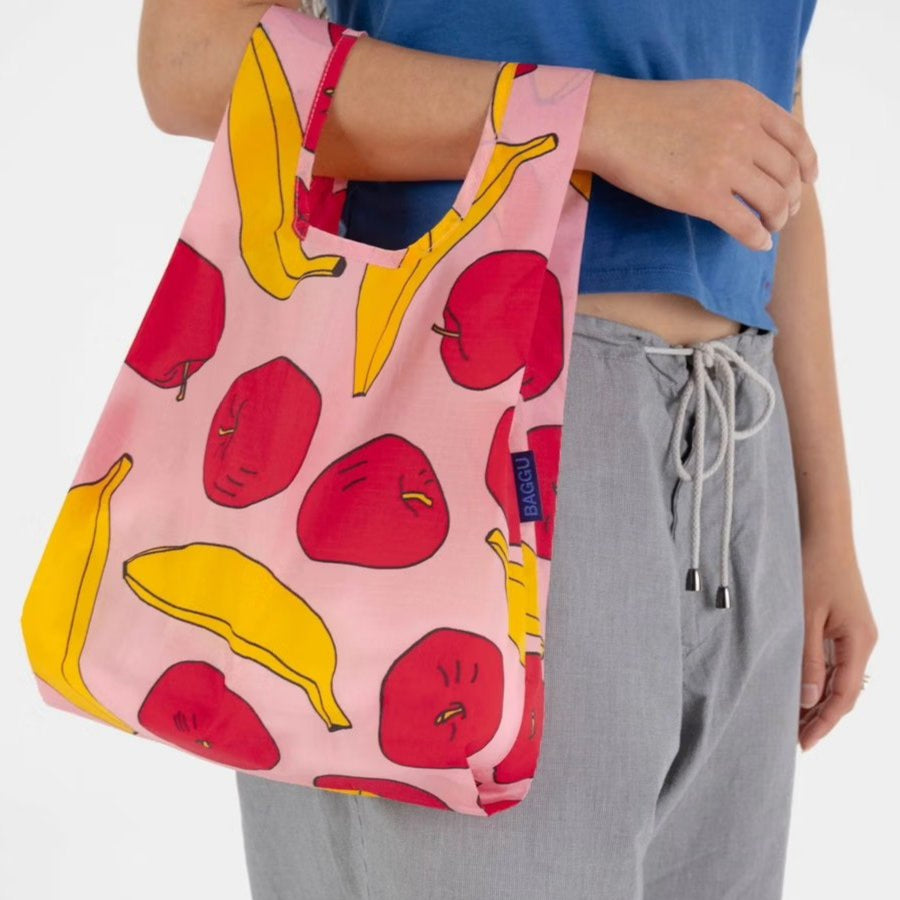
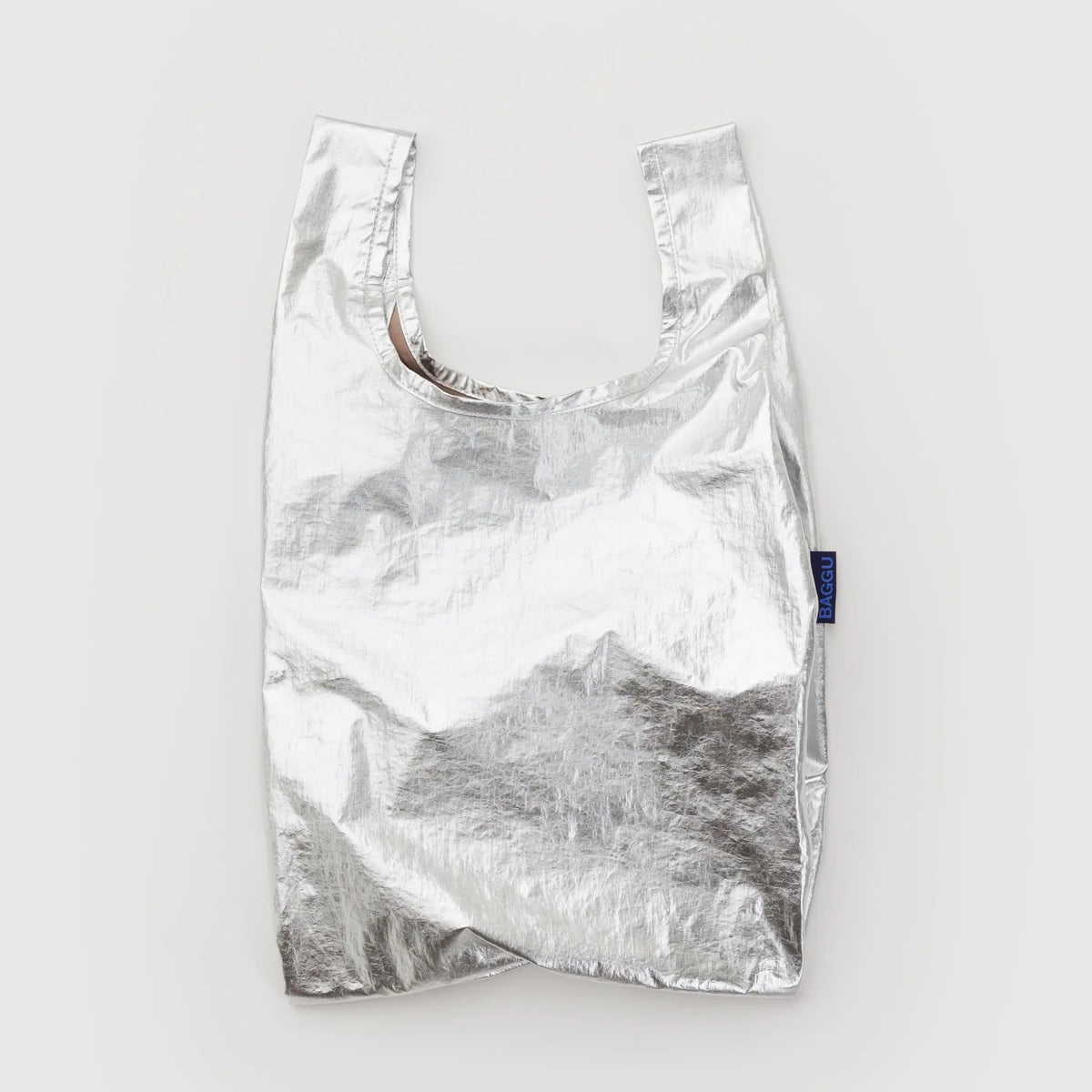
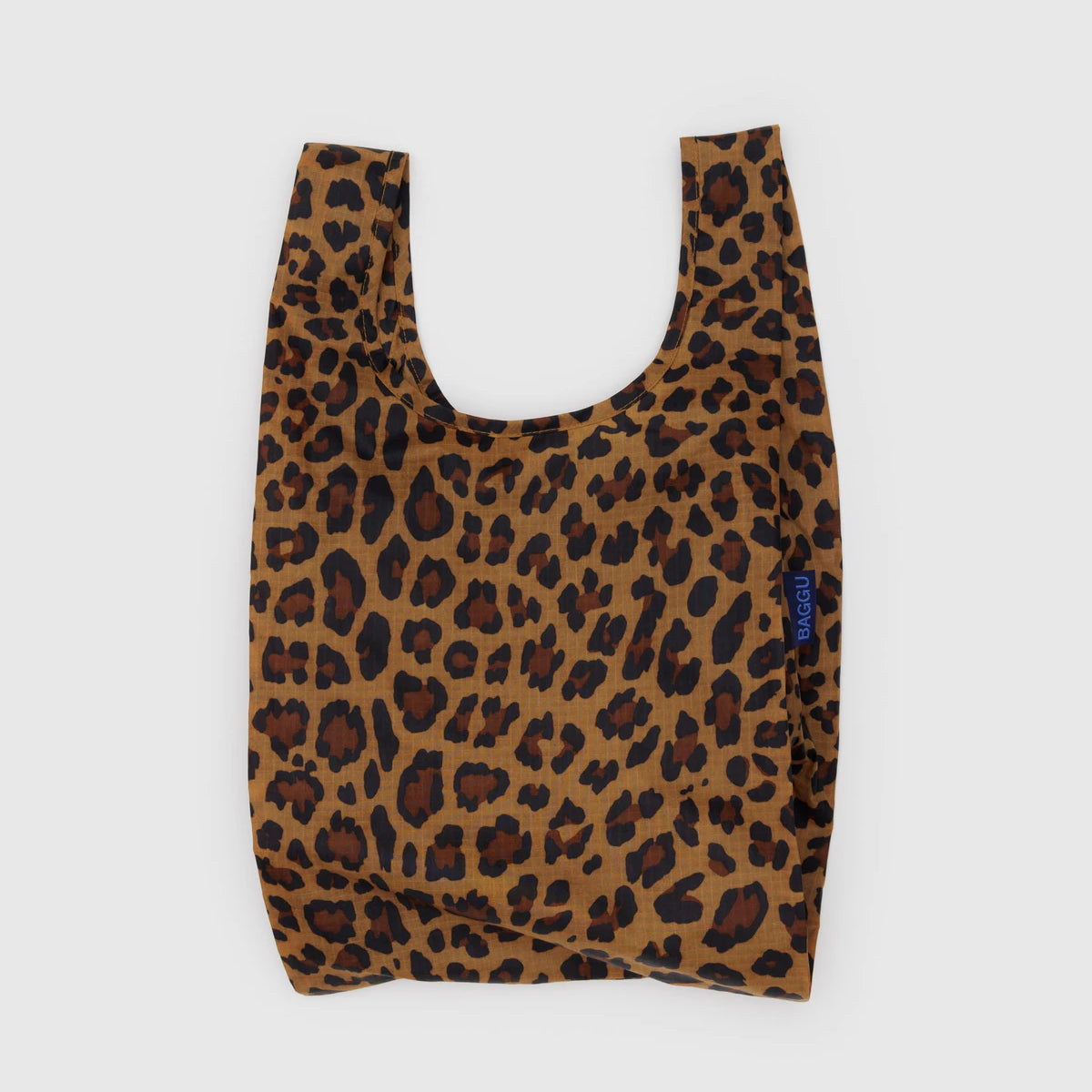
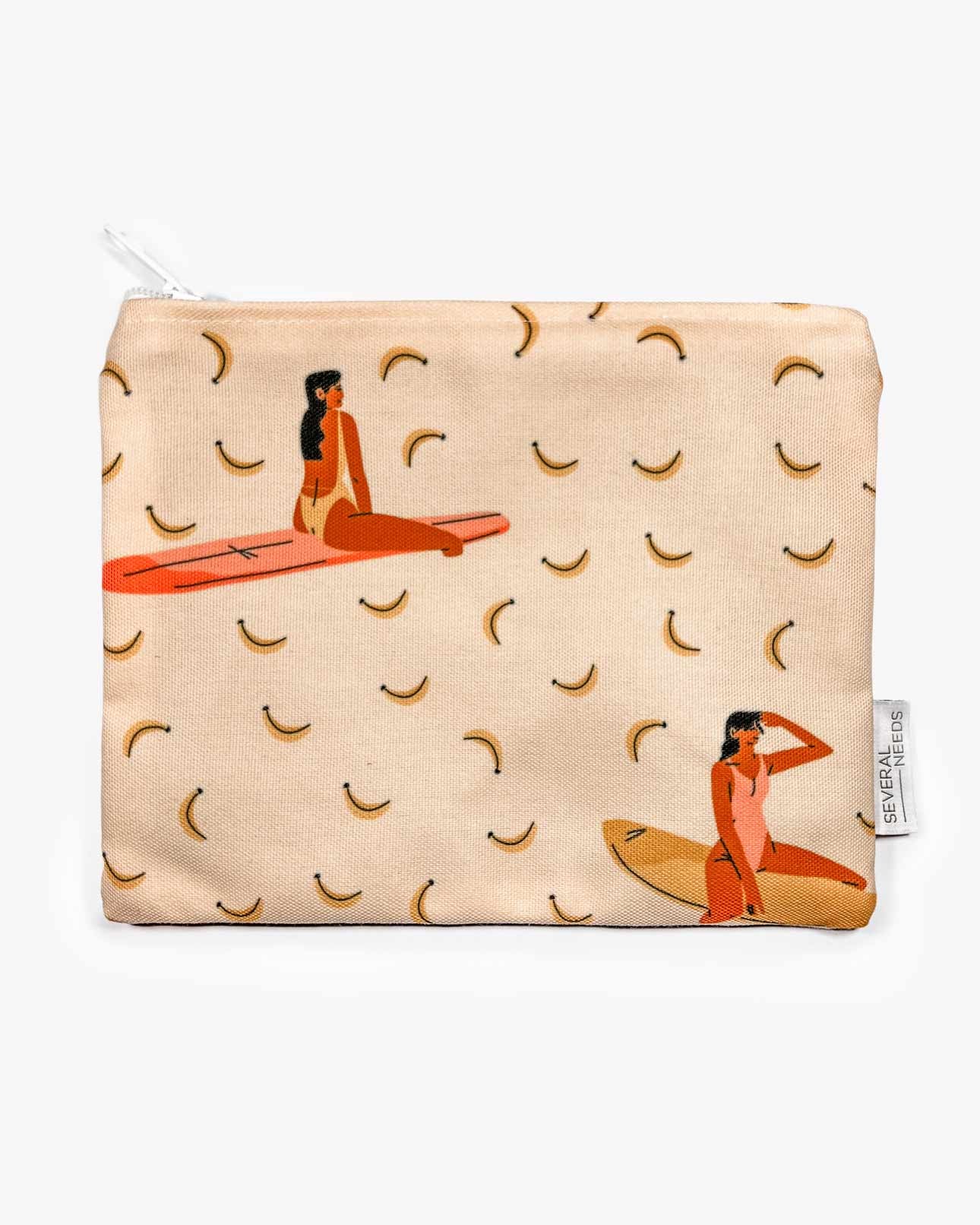
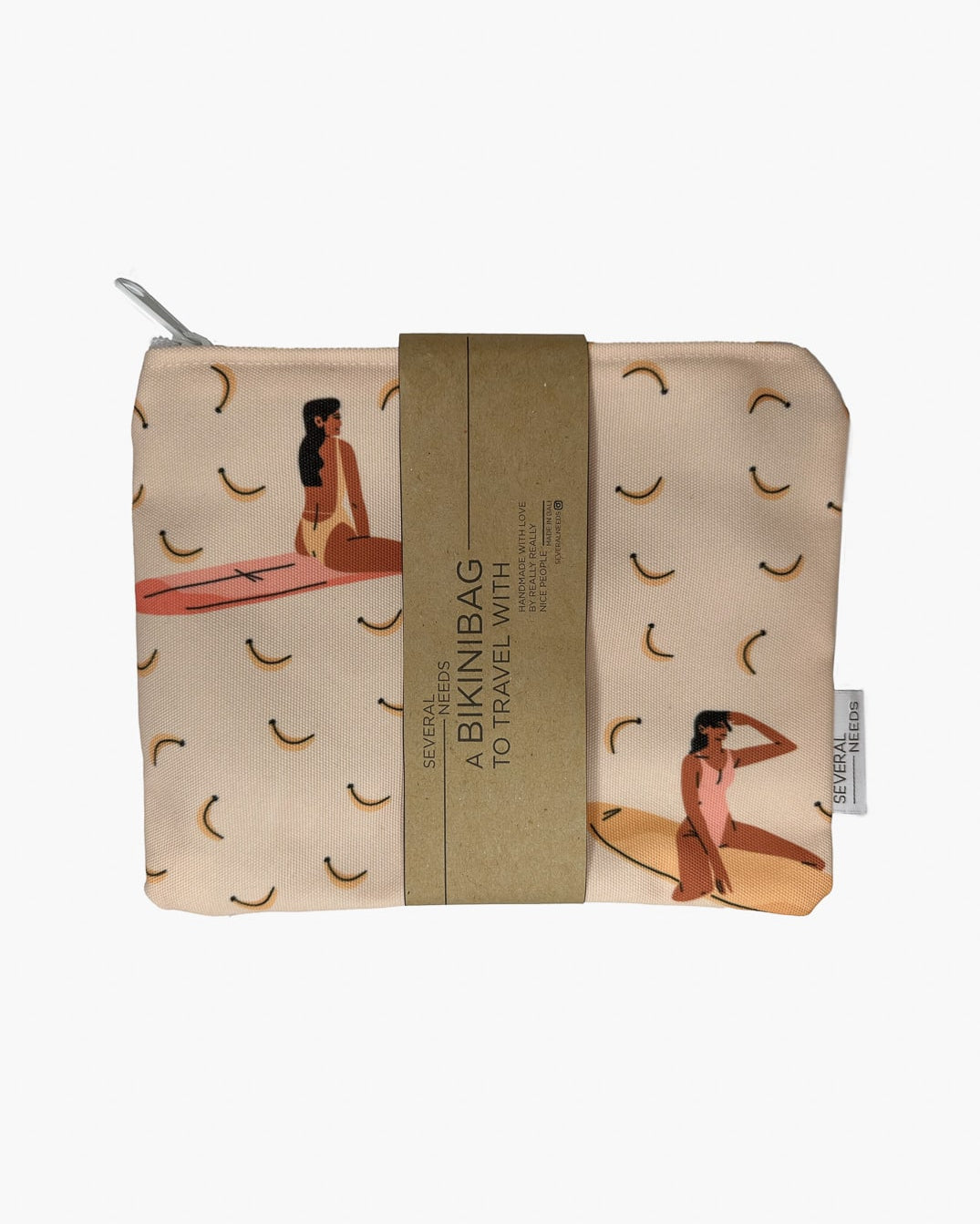
Practical companions like waterproof bags are also part of beach gear. They protect valuables from sand and water and are comfortable to carry. Find more inspiration for sustainable beach essentials in the MAIN Design Journal.
Purchase decision: What to look for
When buying boys' swimwear, various factors play a role. Quality, fit, design, and sustainability should all align.
Checklist for buying
- Material: Recycled or sustainably produced?
- UV protection: At least UPF 50+ for long beach days
- Workmanship: Flat seams, robust stitching, reinforced drawstrings
- Fit: Elastic waistband, sufficient legroom
- Care instructions: How complex is cleaning?
- Certifications: Oeko-Tex, GOTS, or similar standards
High-quality swimwear costs more than mass-produced goods but also lasts longer. The investment is worthwhile, especially if the item lasts for several summers. Pay attention to the workmanship: double-stitched hems, reinforced drawstrings, and high-quality zippers are signs of quality.
Some manufacturers offer chlorine and saltwater resistant materials that are particularly durable. Such details make the difference between one season and several years of use.
Active in the water: Functionality counts
Boys who spend a lot of time in the water – whether swimming training, surfing, or snorkeling – need swimwear that performs. Here, it's not just about design, but above all about performance.
For various activities
Competitive swimming: Tight-fitting swim trunks or jammers reduce water resistance. Chlorine-resistant materials are a must here.
Surfing and bodyboarding: Boardshorts with longer legs protect against chafing from the board. Look for flat Velcro closures that don't add bulk.
Snorkeling and diving: Swim shorts with a secure drawstring that won't slip even with fast movements. Combine with a rashguard against jellyfish.
Recreational swimming: Comfortable swim shorts with mesh lining for quick drying. Here, style can take precedence.
The choice depends on the primary use. Those who train regularly invest in specialized swimwear. For beach holidays, versatile models that combine comfort and style are sufficient. You can also learn more about the right swimwear for various activities in the article on sustainable surfwear.
Regional and global: Differences in offerings
The selection of boys' swimwear varies by region. What is popular in Europe may not work in other climate zones. Cultural differences also play a role.
In Central Europe, mid-length swim shorts and boardshorts dominate. They offer a good compromise between freedom of movement and protection. In more southern countries, shorter cuts are common, while in Australia and the USA, longer boardshorts are standard.
The availability of UV-protective clothing also differs. In countries with high UV exposure, like Australia or New Zealand, UV-protective clothing is a given. In Europe, awareness of this has only grown in recent years. Swiss providers like MAIN Design already integrate this protection as standard into their collections.
Various platforms like Takko Fashion or specialized labels offer different focuses. While discount stores prioritize price, sustainable brands focus on quality and longevity.
Buying online: Tips for the right choice
Buying swimwear online has advantages – a wider selection, often better prices, convenient delivery. At the same time, there's no opportunity to try on the items beforehand.
How to buy online successfully:
- Carefully study size charts – measure your child beforehand
- Read customer reviews – they often contain fit tips
- Check return policy – if in doubt, order two sizes
- Note material and care – is everything in the product description?
- Check sustainability certifications – are the claims credible?
Especially for children's swimwear, it's worth relying on specialized providers. They understand the needs of young swimmers and offer well-thought-out cuts. Product images should show details such as drawstrings, seams, and lining – this helps in assessing quality.
Some online shops offer virtual try-ons or detailed measurements. Use these tools to avoid mispurchases. And if something doesn't fit: a generous return policy is part of good service.
Choosing the right swimwear for boys combines functionality, comfort, and responsibility. Materials that protect and are environmentally friendly make all the difference. At MAIN Design, you'll find sustainable swimwear made from recycled materials – for children who want to move freely and parents who care about the future of our oceans. Discover the collection and support ocean conservation with every purchase.