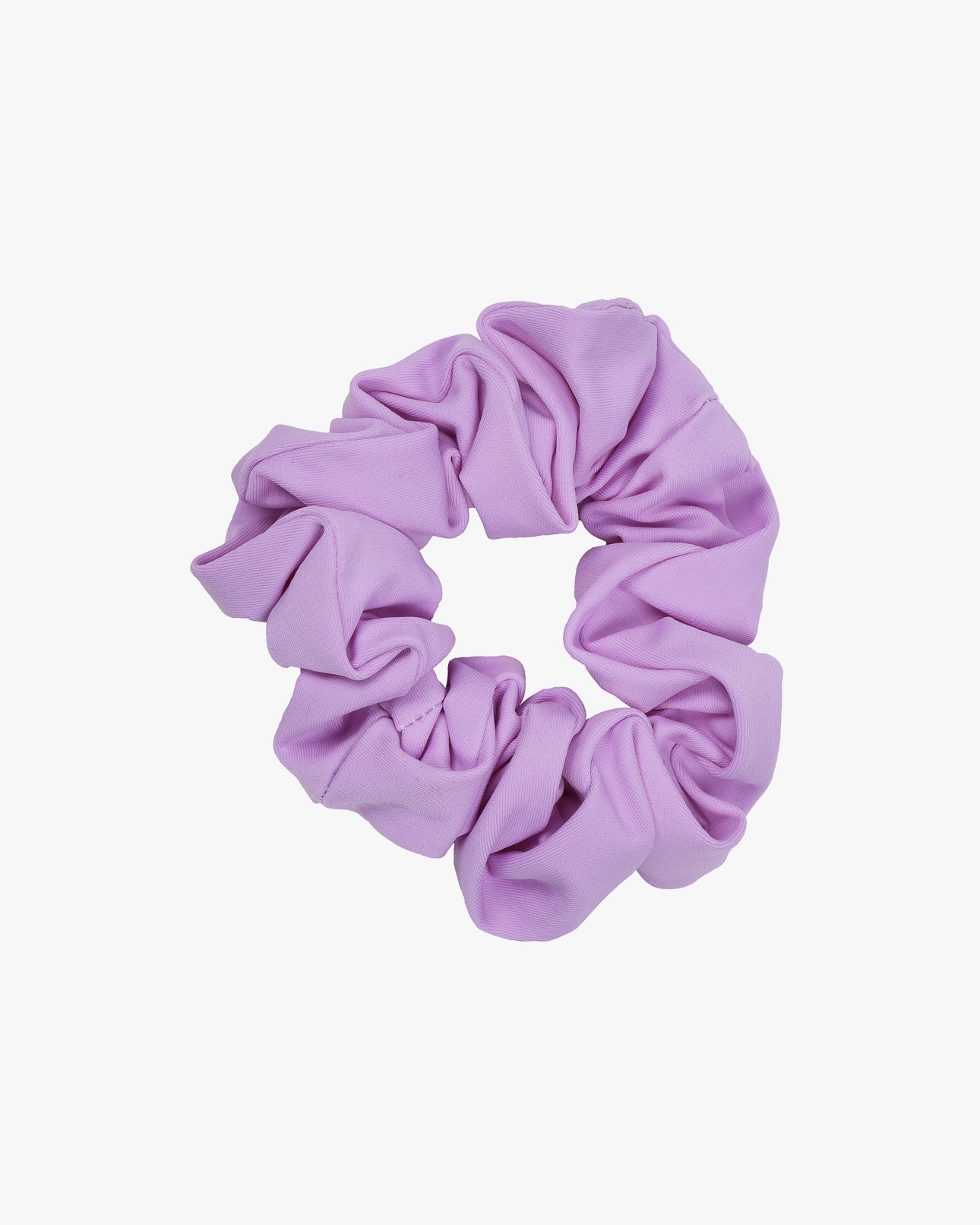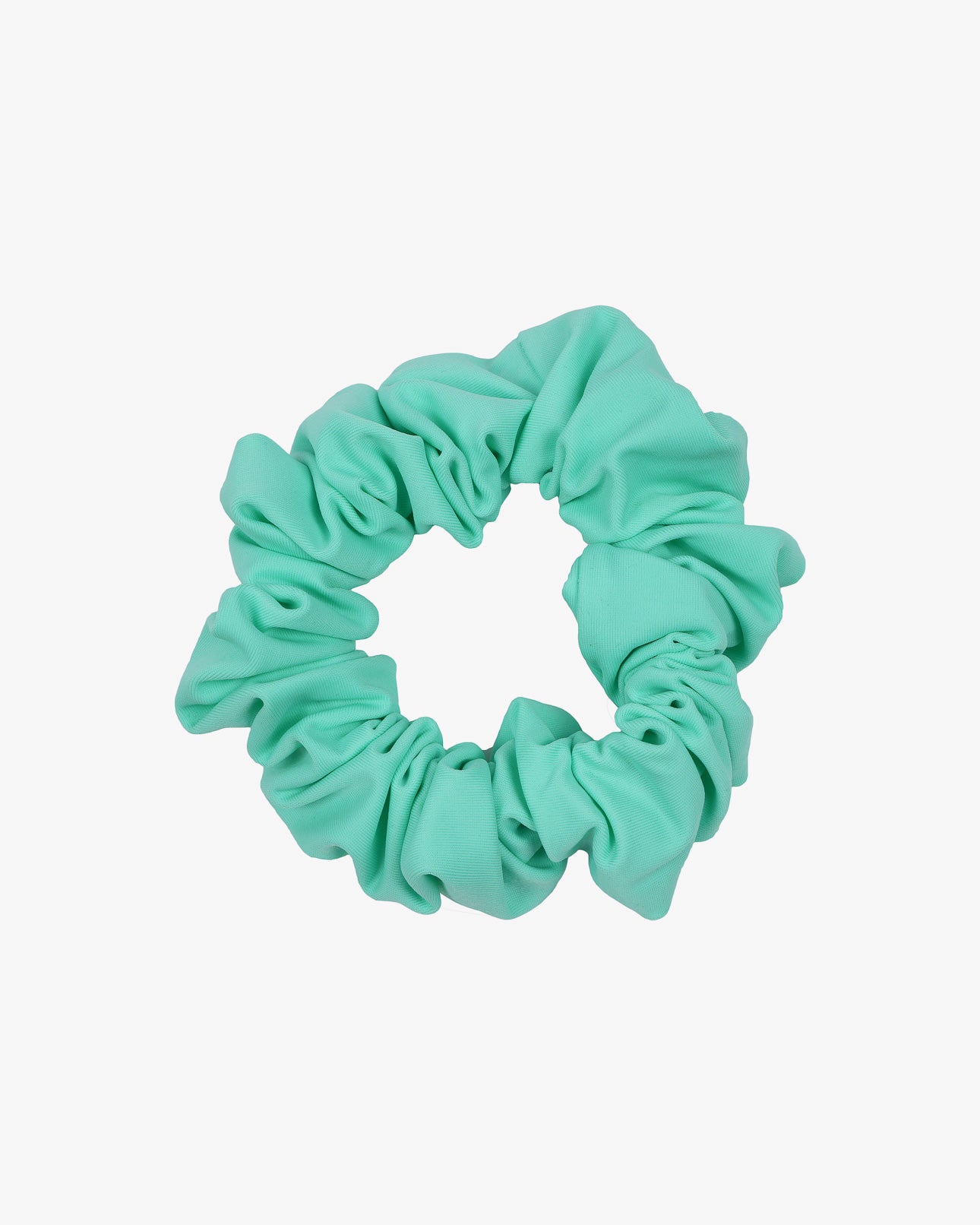


The perfect baby swimwear will be more important than ever in 2026. Parents face the challenge of not only focusing on style but also on comfort and safety when it comes to baby swimwear.
This guide will help you navigate the jungle of current trends, materials, fits, and protective features. You'll learn what really matters to find a swimwear look that is fashionable, practical, and safe.
Look forward to well-founded tips, sustainable innovations, and inspiration for stylish combinations. Take the first step towards an unforgettable summer with carefree baby swimwear for your child.
The most important trends in baby swimwear 2026
The baby swimwear trends for 2026 bring a breath of fresh air to swimwear for the little ones. Parents value style, comfort, and safety. At the same time, sustainable materials, gender-neutral designs, and innovative cuts define the current collections. If you want to be inspired, you should discover the children's swimwear collection, which incorporates many of these trends.

Colors, patterns, and prints
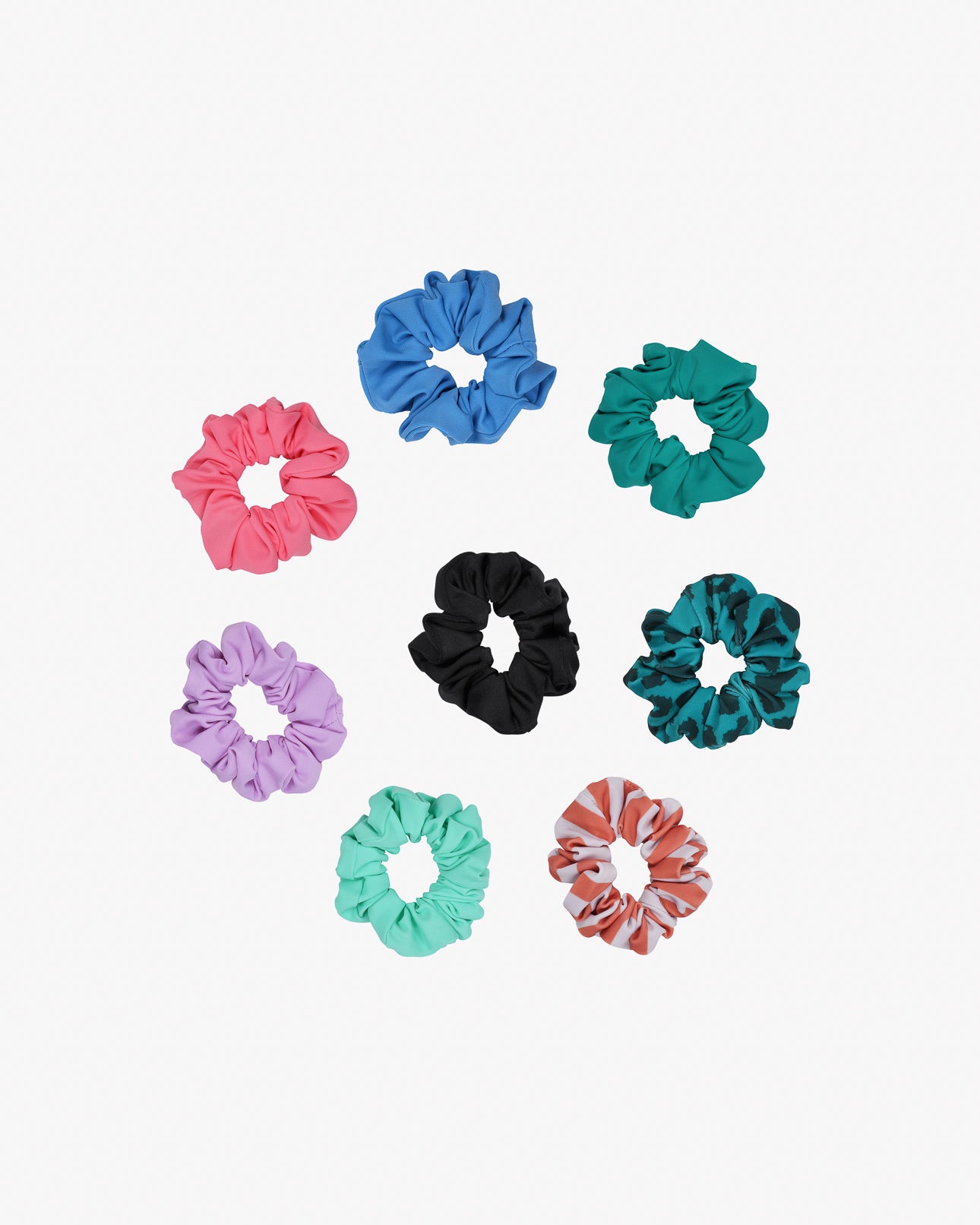
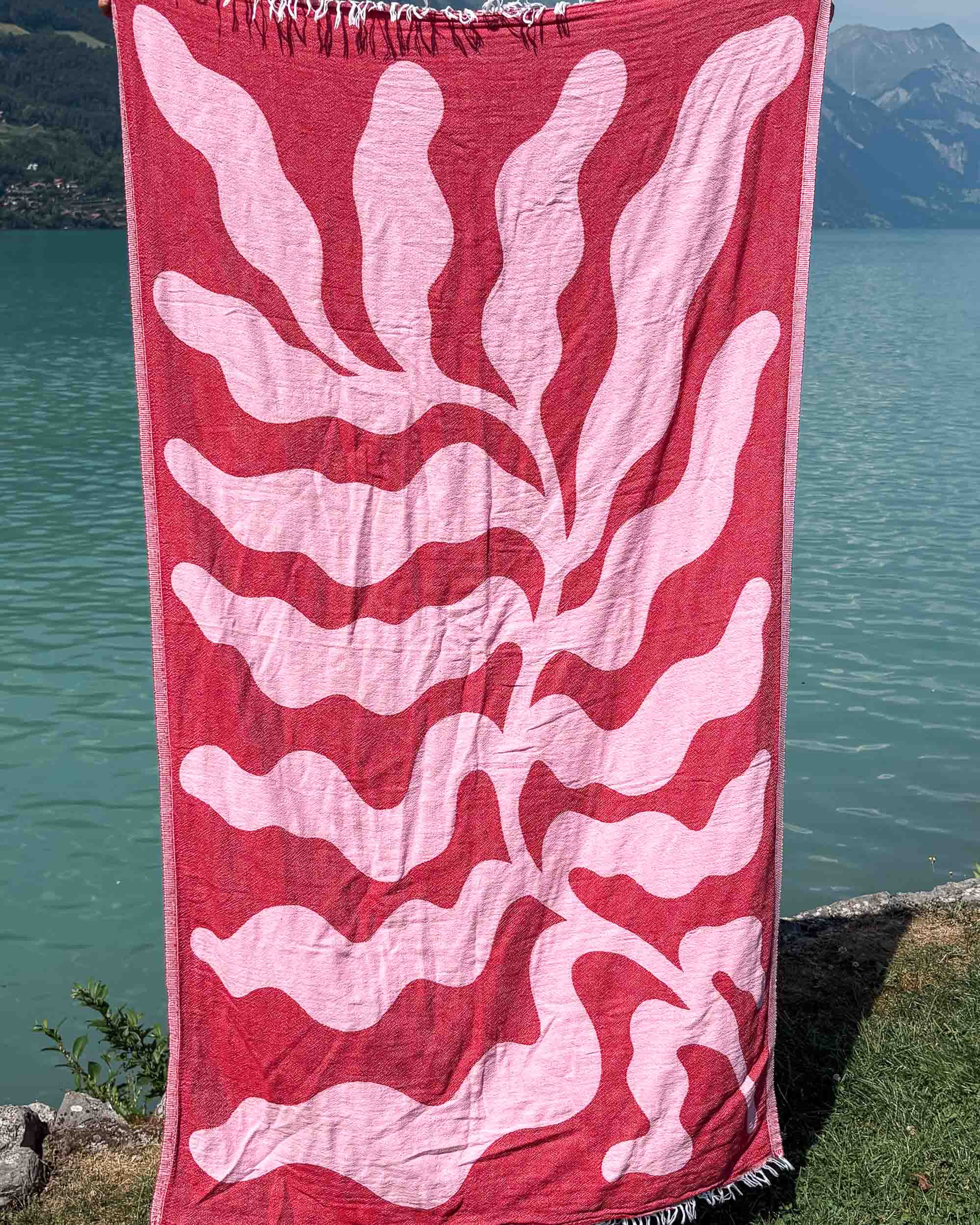
In 2026, delicate pastel shades, earthy natural colors, and bold accent colors dominate baby swimwear. Maritime motifs, animals, and floral prints are particularly popular. Gender-neutral options are in focus, giving parents a wide selection regardless of their baby's gender.
Social media noticeably influences designs. Brands are focusing on striking prints that are perfect for photos. According to a 2025 market study, 65 percent of parents prefer striking prints in baby swimwear. Sustainability also plays a role in prints, as many brands use environmentally friendly dyeing methods.
Examples from current collections show that prints with marine motifs and minimalist animals are particularly popular. The selection is constantly growing, so there is suitable baby swimwear for every taste.
Cuts and styles for babies
The selection of baby swimwear in 2026 ranges from classic swimsuits to bikinis and practical swim diapers. One-piece models often offer more protection, while two-piece variants allow flexibility when changing diapers. Ruffles and flounces create a playful look, sporty cuts for maximum freedom of movement.
Functional details such as snap fasteners in the crotch or zippers in the back make it easier for parents to put on and take off. Freedom of movement is particularly important for baby swimwear for the 0 to 24 month age group. Best-selling models 2025/2026 show that parents value cuts that grow with the child and adapt to the baby.
In addition to comfort, safety is paramount. Elasticated cuffs prevent slipping, and integrated diaper areas ensure hygiene. Baby swimwear should always be cut to be age-appropriate so that your child can splash around undisturbed.
Sustainability & Innovations
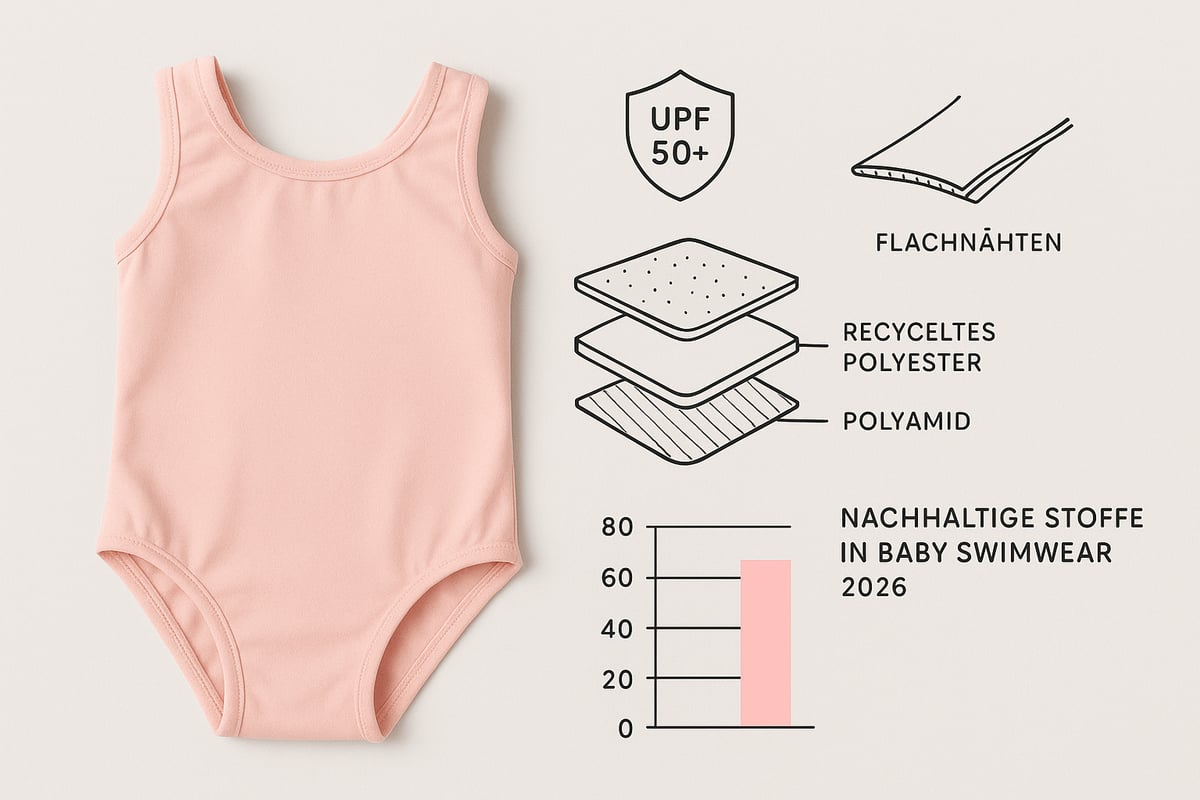
Sustainability is one of the central themes in baby swimwear 2026. More and more brands are using recycled materials and paying attention to environmentally friendly production. UPF50+ is now standard to protect delicate baby skin from UV rays.
Innovative fabrics that are quick-drying and antibacterial provide additional comfort. Durable models that last several seasons are preferred by parents. According to the 2025 consumer barometer, 48 percent of buyers specifically look for sustainable baby swimwear.
Reusability is also coming into focus. Parents want products that not only look good but are also ecologically responsible. The selection of sustainable and innovative models is constantly growing, so there is suitable baby swimwear for every family.
Materials and quality: What to look out for
The choice of the right materials is crucial when it comes to baby swimwear. Parents pay particular attention to skin compatibility, safety, and durability. In the following sections, you will learn what you should really pay attention to regarding fabrics, UV protection, and workmanship.
The best fabrics for baby skin
Soft materials are the be-all and end-all for baby swimwear. Organic cotton, recycled polyester, and high-quality polyamide are particularly popular. These fabrics are not only soft but also breathable and gentle on sensitive baby skin.
Parents like to choose OEKO-TEX® certified products. They offer the assurance that no harmful chemicals are contained. Allergy-friendly properties and good breathability ensure that your baby feels completely comfortable.
Some brands also rely on innovative blended fabrics that are both soft and robust. According to a parent survey from 2025, 70 percent of parents pay attention to corresponding certificates and tested materials when buying baby swimwear.
UV protection and safety
UV protection is essential for baby swimwear. A UPF50+ standard protects your baby's delicate skin from harmful sun exposure. But how does it work? Special fibers and dense weaves block up to 98 percent of UV rays.
The difference between UV protective clothing and conventional baby swimwear lies in the protective effect. While normal swimwear only offers limited protection, UV protective clothing provides a reliable filter. Additional sun protection through creams is still advisable, especially on exposed areas such as the face, hands, and feet.
According to the German Cancer Research Center, skin cancer prevention begins in childhood. Therefore, more and more parents are opting for baby swimwear with high UV protection. For further information on sustainable materials and production methods, you can find information at Sustainability at MAIN Design.
Workmanship and durability
The workmanship of baby swimwear is crucial for comfort and durability. Flat seams are particularly popular as they do not rub against the skin and prevent pressure points. High-quality workmanship ensures that the swimwear retains its shape even after many washes.
Resistance to chlorine and saltwater is another quality feature. Easy-care models that are machine washable make everyday life easier.
Parents report that products with reinforced seams and robust fabrics last particularly long. Good baby swimwear is not only comfortable but also remains functional and beautiful after many days at the beach.
Fit and comfort: How baby swimwear fits perfectly
The perfect fit for baby swimwear is crucial so that your child feels completely comfortable on the beach, in the swimming pool, or while splashing around. Comfort and freedom of movement are paramount, but practical extras also make life easier for parents. What should you look for to ensure baby swimwear really fits optimally? In the following sections, you will find all the important tips and information.

Finding the right sizes
Choosing the right size for baby swimwear is often a challenge. Be sure to use the manufacturer's size charts and read reviews from other parents. Pay attention to information on height and weight, as babies grow at different rates.
Elasticated cuffs on the legs and arms ensure flexibility and prevent slipping. Models that grow with the child, for example, with adjustable straps or flexible material inserts, are practical. This way, the baby swimwear fits for several months.
A tip: Try different cuts to see what fits your baby best. Brands like MAIN Design offer perfectly fitting cuts and a clear fit guide for children's swimwear, which makes your selection easier.
Note that swimwear that is too tight can restrict freedom of movement, while models that are too loose can easily slip. Regular trying on during growth is therefore advisable.
Freedom of movement and wearing comfort
Comfort is paramount for baby swimwear. Babies move a lot, kick, crawl, and discover the world. The swimwear must therefore never cut in or pinch. Pay attention to sufficient room, especially in the diaper area or swim diaper.
Cuts that are too tight can lead to marks and discomfort, while models that are too loose can slip when playing in the water. Reviews show that flexible materials and soft finishes make a big difference. Flat seams also help to prevent chafing.
Many parents report that they value breathable and elastic fabrics so that the baby swimwear remains comfortable even when worn for longer periods. According to a survey, 80 percent of parents want flexible swimwear that moves with every movement.
When buying, make sure that your baby can sit, crawl, and play without problems. It is best to test the mobility directly when trying it on.
Practical features for parents
In addition to fit and comfort, practical details in baby swimwear are indispensable for parents. Snap fasteners in the crotch make quick diaper changes and dressing easier, especially for wet children. Adjustable straps and cuffs ensure that the swimwear fits optimally and grows with the child.
An integrated diaper area is ideal for babies up to 24 months, as nothing slips and leakage is prevented. Easy-care materials that are machine washable and quick-drying save time in everyday life.
Examples of clever extras include UV protection fabric, reflective details, and small pockets for pacifiers or toys. Modern baby swimwear combines comfort, fit, and functionality so that you and your child can enjoy the day at the water carefree.
Stylish combinations: Accessories and must-haves for the beach
Accessories are the icing on the cake for every beach day with your baby. They not only look great but also offer important protection and comfort. The right selection of accessories ensures that baby swimwear is not only stylish but also practical and safe.
Sun hats, ponchos & Co.
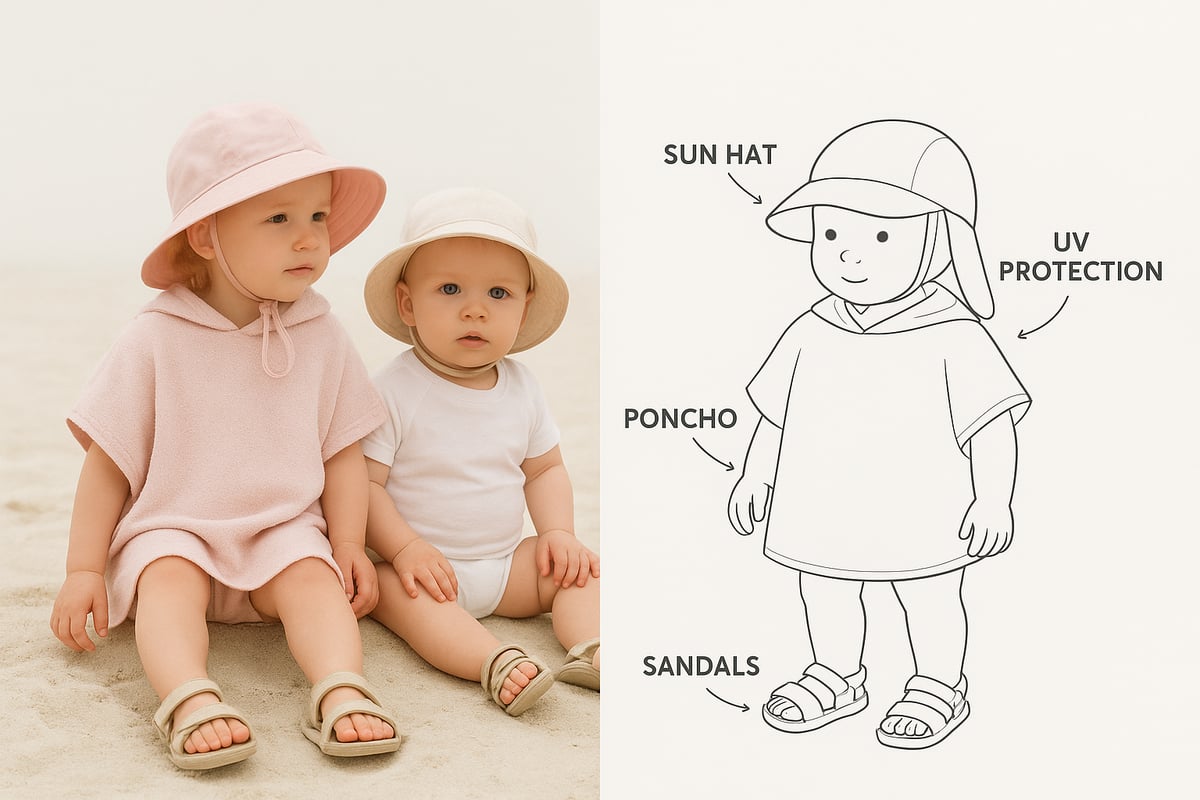
Sun hats with a wide brim and neck protection are a mu st-have for summer. They protect delicate baby skin from intense sun. Models that are easily adjustable and made of quick-drying material are particularly practical.
Terry cloth ponchos are ideal after bathing. They quickly warm babies and are easy to put on. Combined with matching sandals or water shoes, a completely protected outfit for the beach is created.
UV protection accessories complement baby swimwear perfectly. Make sure that the accessories match the swimwear in terms of color and pattern. This creates a harmonious and at the same time functional look that delights both parents and babies.
Swim diapers and bath ponchos
Swim diapers are a central element of baby swimwear. You have the choice between disposable and reusable variants. Reusable swim diapers are more sustainable and often feature soft, elasticated cuffs that ensure a good fit.
Bath ponchos offer practical advantages: they dry quickly, provide warmth, and are easy to put on. For a coherent outfit, ponchos and swim diapers can be coordinated in color. This way, your baby is optimally equipped for the beach or pool.
When buying, it is important to pay attention to the correct size and care properties. Many parents now prefer products that can be used multiple times and are easy to clean. This simplifies everyday life and protects the environment.
Sustainable and stylish accessories
Sustainability is also playing an increasingly important role in accessories for baby swimwear. Many brands use recycled materials, for example for sun hats, bags, or sandals. This conserves resources and is good for the environment.
Parents are increasingly looking for complete solutions where accessories perfectly match the swimwear. Stylish products made from sustainable materials are in demand. According to a current study, 55 percent of parents buy accessories to match their baby swimwear.
If you are looking for an overview of sustainable and fashionable accessories, you can find inspiration at Accessories for babies and children. Here you will find sun hats, ponchos, and many other must-haves that combine functionality and style.
Step-by-step: Choosing the perfect baby swimwear
Choosing the ideal baby swimwear may seem complex at first glance, but with a clear step-by-step guide, the process becomes simple and straightforward. Here you will find the most important criteria to combine comfort, safety, and style for your baby.
Step 1: Define requirements
Before you decide on baby swimwear, consider the situations in which it will be used. Should the swimwear be for the beach, the outdoor pool, or swimming lessons? Consider your baby's age and individual needs, such as urge to move or sensitive skin.
Pay particular attention to whether there are allergies or special requirements for the fabric. More and more parents also want sustainable and stylish solutions that are also functionally convincing. A short checklist is worthwhile here to clearly formulate your expectations.
Step 2: Determine fit and size
The right fit is crucial so that baby swimwear fits comfortably and moves with every movement. Use the manufacturer's size charts and read reviews from other parents. Try out different cuts to find the optimal model for your darling.
Elasticated cuffs and flexible materials ensure that the swimwear does not constrict. Models that grow with the child and can therefore be used for longer are particularly practical. Manufacturers with precise cuts often offer additional help for size selection.
Step 3: Select materials and protection
For baby swimwear, skin-friendly, certified fabrics such as organic cotton or recycled polyester are ideal. Make sure that the swimwear is marked with UPF50+ to provide optimal protection against UV rays. You can find out how to recognize the best UV protection and why this standard is so important in detail under the topic UV protection in baby swimwear.
Also, check the workmanship, such as flat seams or durable fabrics. Sustainable materials are a plus, as used, for example, in sustainable baby swimwear.
Step 4: Combine look and accessories
A harmonious outfit is created when baby swimwear is combined with matching accessories. Choose colors and patterns that you and your baby like, and complement the set with a sun hat, poncho, and comfortable water shoes.
Practical extras such as adjustable straps or integrated diaper areas increase comfort. Sustainable accessories round off the overall look and make a statement for environmental awareness at the beach or pool.
Step 5: Ensure care and longevity
To keep swimwear looking good for a long time, always follow the manufacturer's care instructions. Gentle cycle, mild, fragrance-free detergents, and air drying help maintain colors and elasticity. Stains should be treated as soon as possible so they don't set in.
Choose durable models that retain their shape even after several washes. The experiences of other parents are often a valuable guide for everyday life.
Care instructions: How to keep baby swimwear beautiful for a long time
Careful care ensures that baby swimwear remains beautiful and functional for a long time. With a few simple steps, you can significantly extend the lifespan of your baby's favorite pieces. Especially with modern materials and UV protection, the right treatment is crucial.
Washing and drying
Always wash baby swimwear on a gentle cycle and at low temperatures. Use mild, fragrance-free detergents to protect your baby's delicate skin. Avoid fabric softener, as it can damage the fibers.
After washing, it is recommended to air dry swimwear. Tumble dryer heat can affect elasticity and color. Direct sunlight helps with quick drying, but excessive UV radiation can cause colors to fade. To maintain the UV protection of textiles, follow the recommendations in the Sun Protection for Children guide.
Make sure to rinse off any chlorine or saltwater residue immediately with clear water. This will keep baby swimwear vibrant and elastic for longer.
Removing Stains and Odors
Especially with baby swimwear, stains from sun, sand, or sunscreen are not uncommon. It is best to gently dab fresh stains immediately with cold water. Gentle household remedies like baking soda or bar soap are suitable for stubborn stains. Avoid aggressive stain removers, as they can damage the material.
Odors can be neutralized by briefly soaking the swimwear in a mixture of water and vinegar. Afterward, rinse the baby swimwear thoroughly to avoid any residue. After swimming, it is recommended to rinse the clothing immediately to prevent odors and stains from forming in the first place.
Many parents report that regular, gentle washing helps maintain the freshness and quality of baby swimwear. This way, it still looks like new even after many days at the beach.
Storage and Repair
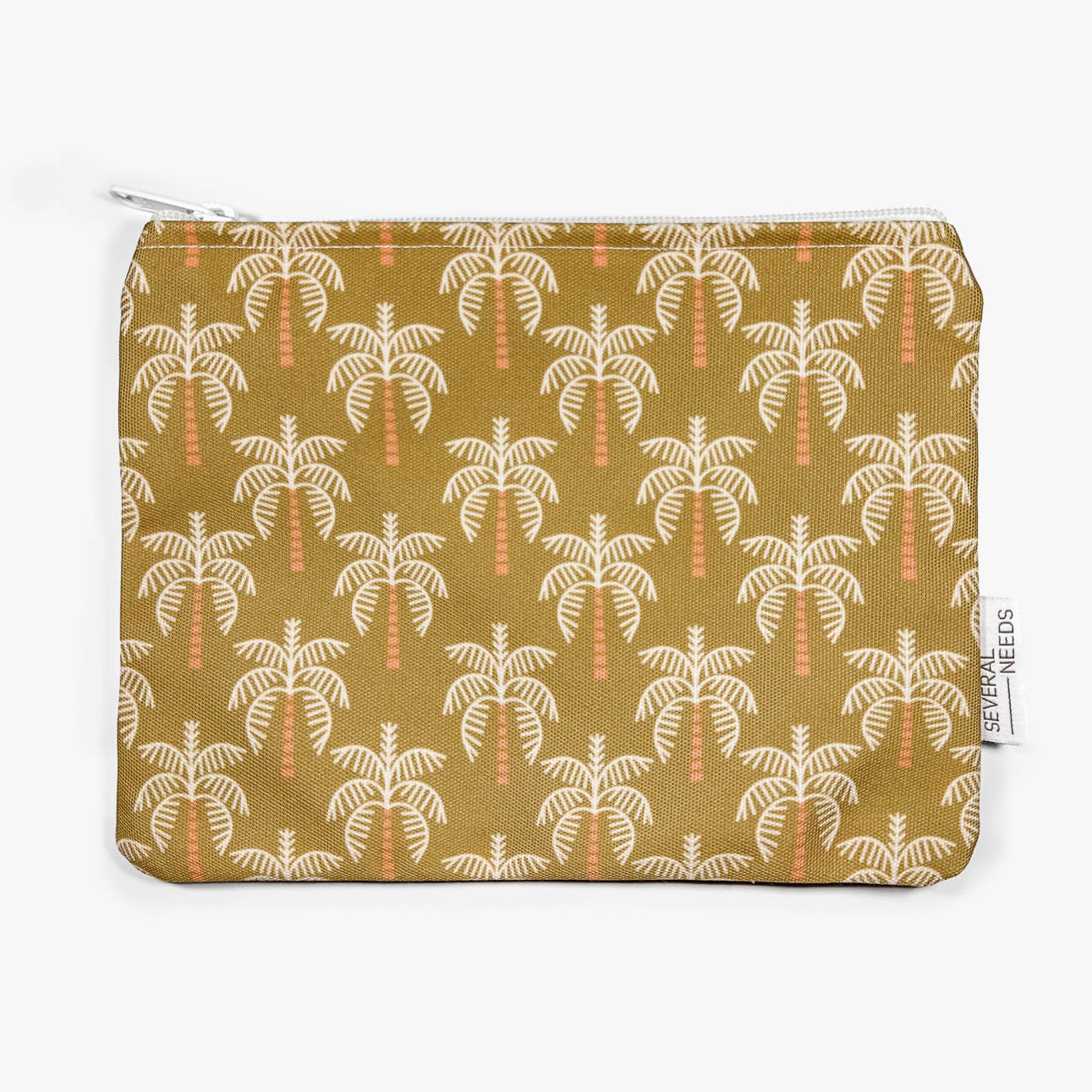
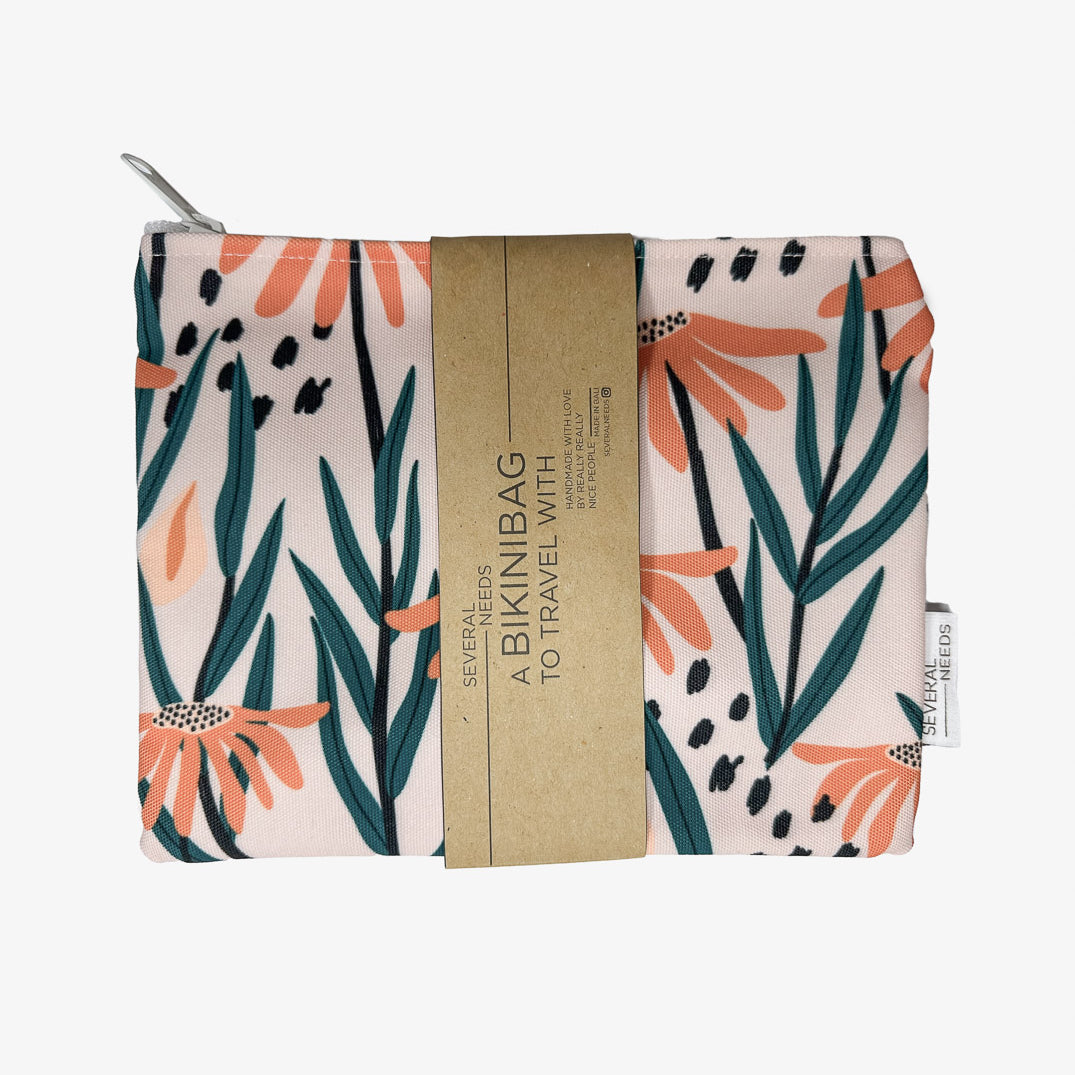
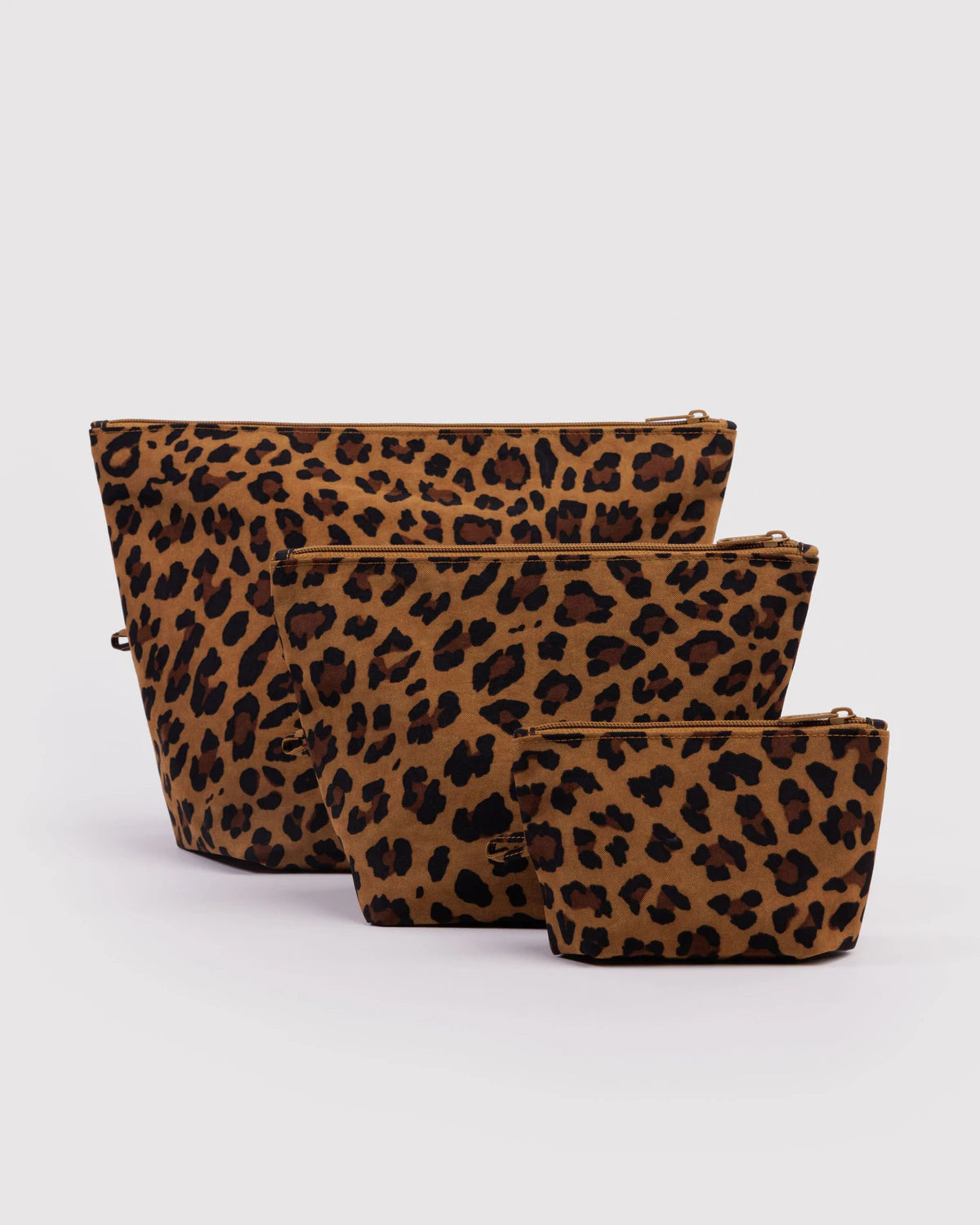
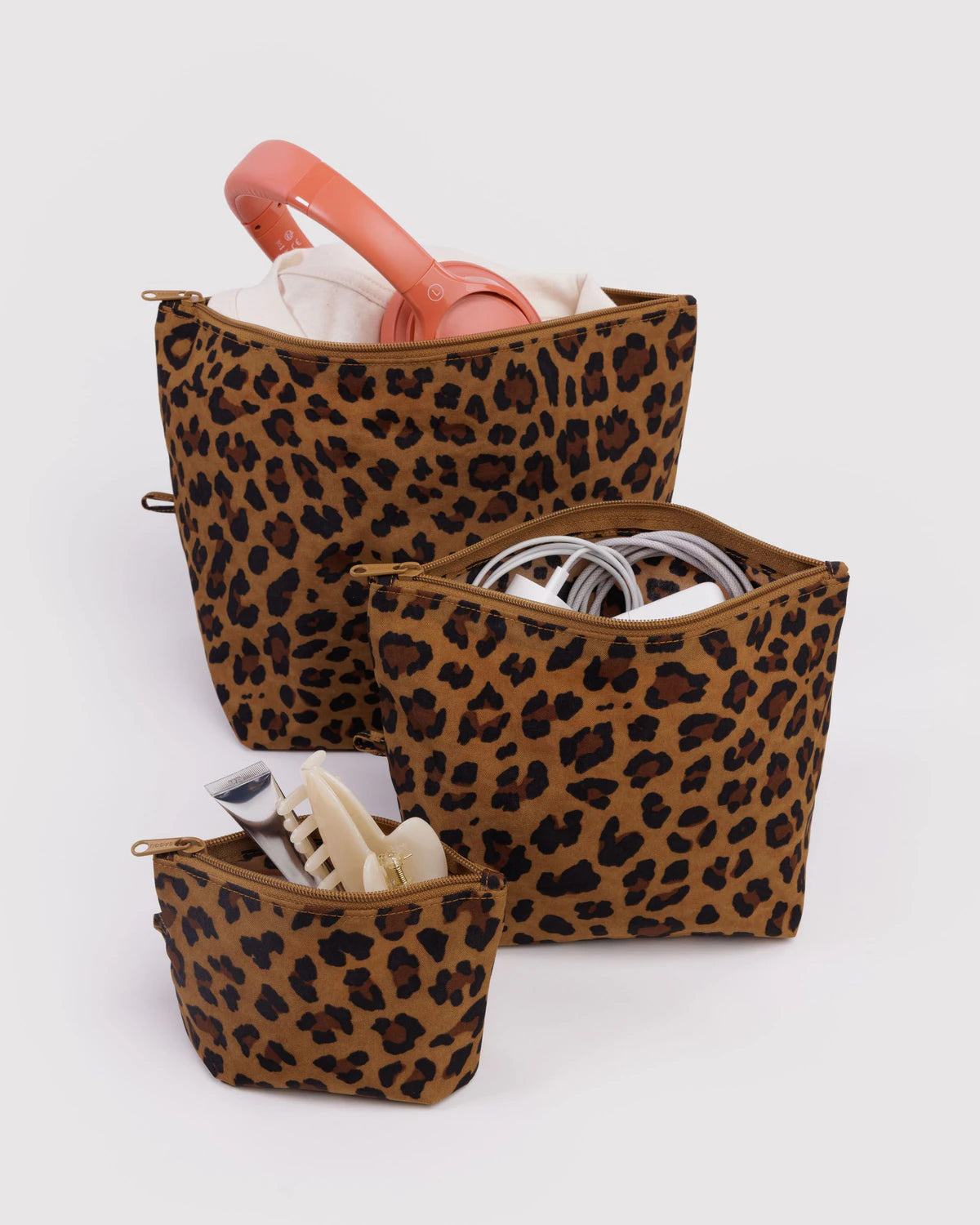
Always store baby swimwear dry and in a well-ventilated area to prevent mold and unpleasant odors. Avoid leaving damp clothing in bags or boxes. A breathable fabric bag is ideal for storage.
To prevent fading, store swimwear away from direct sunlight. Small damages, such as loose seams or holes, can be easily repaired yourself with repair kits. Many brands offer special care tips or kits specifically tailored to baby swimwear.
With these measures, your baby's swimwear will remain beautiful, comfortable, and ready for use for a long time – for many carefree summer days.
You want your baby to be not only safe but also stylish at the beach – and to convey a good feeling for the environment and the future. In this guide, you learned what really matters for trendy, sustainable baby swimwear 2026: from skin-friendly fabrics and UV protection to clever details and durable designs. If you are now curious about how to implement these tips directly, you will find a large selection of responsible, modern baby swimwear that suits your lifestyle at MAIN Design.
Discover Children's Swimwear