

Surfing is captivating more and more people, and the right surfsuit is often the underestimated key to a successful start. Many beginners don't realize how much comfort, freedom of movement, and protection in the water depend on the right equipment.
With the right surfsuit, you'll feel safe in the water, stay warm, and can fully concentrate on having fun. In this guide, we'll show you everything you need to know as a beginner to make the best choice for 2025.
What is a surfsuit? Basics & differences
Surfsuit is a term that's increasingly used when discussing modern surfwear. But what exactly defines a surfsuit, and how does it differ from other wetsuits? A surfsuit combines protection, comfort, and style – crucial, especially for beginners. Here you'll learn what makes a surfsuit unique and why it's a must-have for the beach in 2025.

Definition and main features
A surfsuit is a specially designed suit for water sports like surfing, protecting the body from sun, wind, and cold. Unlike a classic wetsuit, which is usually made of thicker neoprene and primarily serves for thermal insulation, a surfsuit is typically thinner, more flexible, and often made from materials like Lycra or lightweight neoprene.
The rashguard also differs: it offers only light protection from UV rays and skin irritation, but no real insulation. Surfsuits typically combine zippers, seamless panels, and close-fitting cuts. They are ideal for beginners because they are easy to put on and take off and dry quickly. Various models, such as the Divine Surf swimsuit , demonstrate the diversity of design and function.
Advantages for beginners
Surfsuits are a hit with beginners because of their ease of use. They're quick to put on and take off, often even without help. Thanks to their flexible materials, surfsuits offer a high level of comfort and allow complete freedom of movement – a crucial advantage for those first surfing experiences.
The surfsuit offers reliable protection against UV rays and prevents skin irritation caused by saltwater or friction. The risk of chafing is also minimized thanks to modern seams and skin-friendly fabrics. According to a recent study by SurferToday 2023, 70 percent of beginner surfers prefer a surfsuit to traditional wetsuits.
Differences compared to other wetsuits
In direct comparison to a classic wetsuit, a surfsuit is usually thinner and more flexible. Wetsuits are made of thick neoprene and offer maximum insulation for cold water, but are heavier and restrict movement more. A surfsuit, on the other hand, is ideal for warmer conditions and focuses on flexibility and comfort.
Different types of wetsuits are available for different conditions: surfsuits for summer are often made of 1 mm thin material, while wetsuits for winter are at least 3 mm thick. The choice therefore depends heavily on the water temperature and the planned activity.
| Suit type | Material thickness | flexibility | insulation | deployment time |
|---|---|---|---|---|
| Surfsuit | 1–2 mm | Very high | Medium | Summer |
| Wetsuit | 3–5 mm | Medium | High | winter |
Typical areas of application
A surfsuit is versatile and suitable for various sports such as surfing, stand-up paddleboarding (SUP), kitesurfing, and windsurfing. Choosing the right surfsuit depends on the water and air temperatures – a thin surfsuit is often sufficient for mild conditions in the Mediterranean, while a thicker model may be advisable on the North Sea coast.
The requirements also vary depending on the surf spot: In warmer regions, UV protection is paramount, while at windy or cooler spots, heat retention is more important. Popular surfing regions like France or Portugal demonstrate how versatile a surfsuit can be.
Trends 2025: Design & Innovation
In 2025, sustainability and innovative materials will be key for surfsuits. More and more manufacturers are relying on recycled fabrics and environmentally friendly production. Fashionable colors like pastels and neon are just as popular as modern cuts that combine function and style.
Many new surfsuit models integrate UPF protection directly into the material and forgo harmful coatings. The trend is clearly towards durable, sustainable, and stylish surfsuits that appeal to both beginners and experienced surfers.
The right fit: What you need to pay attention to when buying
The fit is crucial for how comfortable you feel in the water. Especially as a beginner, you should pay attention to important details when choosing a surfsuit, because only a perfectly fitting suit offers protection, comfort, and freedom of movement. Below you'll find out what really matters.
Size selection and fit
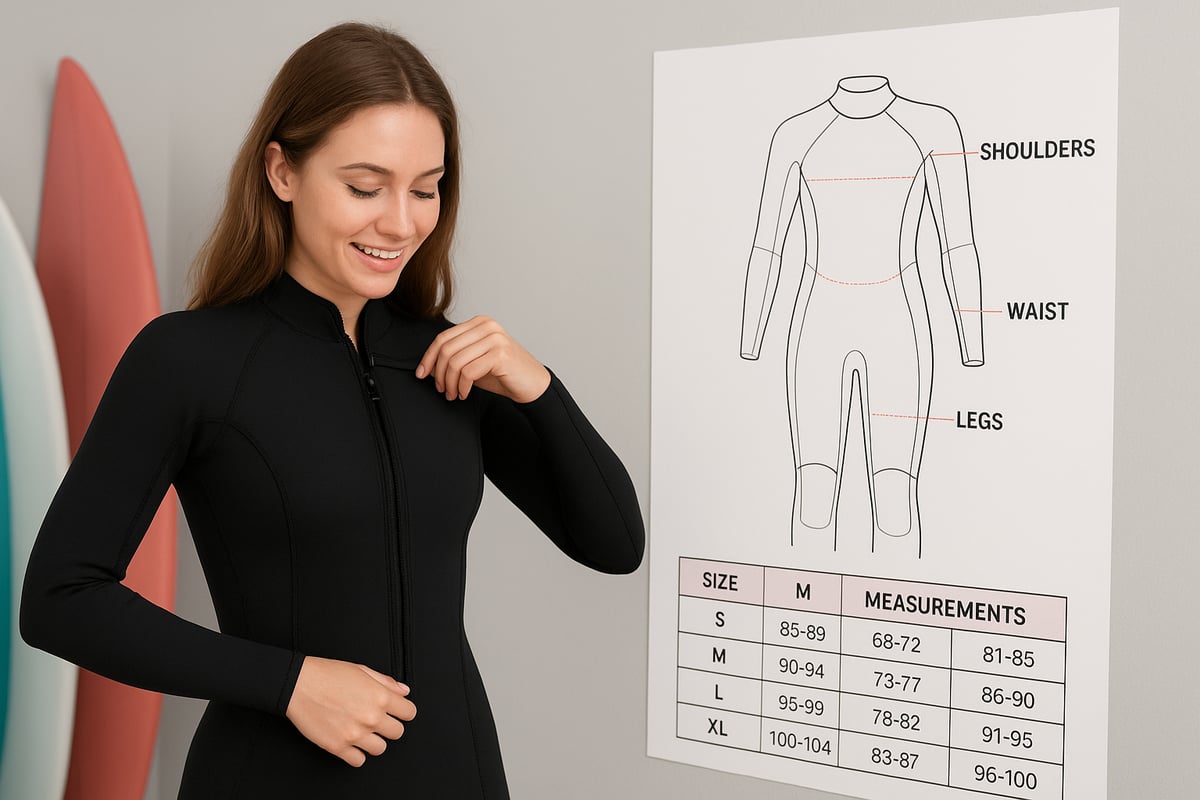
Choosing the right size is crucial for a surfsuit to ensure you're neither too tight nor water gets in. Use the manufacturer's size charts to check your chest, waist, and hip measurements. Many beginners underestimate how much the fit can vary between brands.
Typical fit problems:
- Sleeves or legs too short
- wrinkles in the material
- Poor mobility in the shoulders or back
When trying on a surfsuit, it helps to test it both dry and slightly damp. An example of a modern women's wetsuit with an optimal fit is the Ivy Surf Suit . According to surf shop statistics from 2023, 80% of returns are caused by choosing the wrong size. Therefore, it's worth taking a close look at the size chart.
Material and flexibility
The material of your surfsuit affects flexibility, weight, and warmth. Common fabrics include neoprene, Lycra, or recycled blends. Neoprene offers good insulation, while Lycra is lighter and more breathable. Recycled materials combine environmental friendliness with modern performance.
Comparison table:
| material | Advantages | Disadvantages |
|---|---|---|
| Neopren | Warm, robust | Heavier, thicker |
| lycra | Lightweight, flexible | Less isolated |
| Recycled | Sustainable, modern | Price higher |
When it comes to surfsuits: 1mm neoprene is suitable for warmer conditions, 2mm for cooler water. Make sure the material is particularly stretchy at the shoulders and arms so you can move freely.
Comfort and seams
The comfort of a surfsuit depends heavily on its construction. Flat seams and seamless technologies prevent uncomfortable chafing. A skin-friendly lining ensures a pleasant feel, even during extended sessions in the water.
Different zipper types offer individual advantages:
- Back zipper: easy dressing
- Chest zipper: more freedom of movement
- Zipless: maximum comfort, but more difficult to get in.
When buying a surfsuit, make sure the seams are neatly finished. This will ensure the suit lasts and provides reliable protection against irritation.
Avoid typical mistakes when buying
Many beginners choose a surfsuit that is too tight or too loose. A suit that is too tight restricts breathing and movement, while one that is too loose allows water to get in. You can often recognize cheap materials by an unpleasant odor or lack of elasticity. Make sure to look for a UV protection certification to ensure your skin is optimally protected.
Common mistakes at a glance:
- Size not measured
- No advice was sought
- UV protection ignored
Customer reviews show that a well-thought-out purchase significantly increases the enjoyment of a surfsuit. If in doubt, seek advice and try on different models.
Surfsuit selection based on conditions: temperature, use & style
The perfect surfsuit not only matches your style but also the conditions at the surf spot. Whether it's water temperature, activity level, or design – here you'll learn how to choose the best surfsuit for your needs.
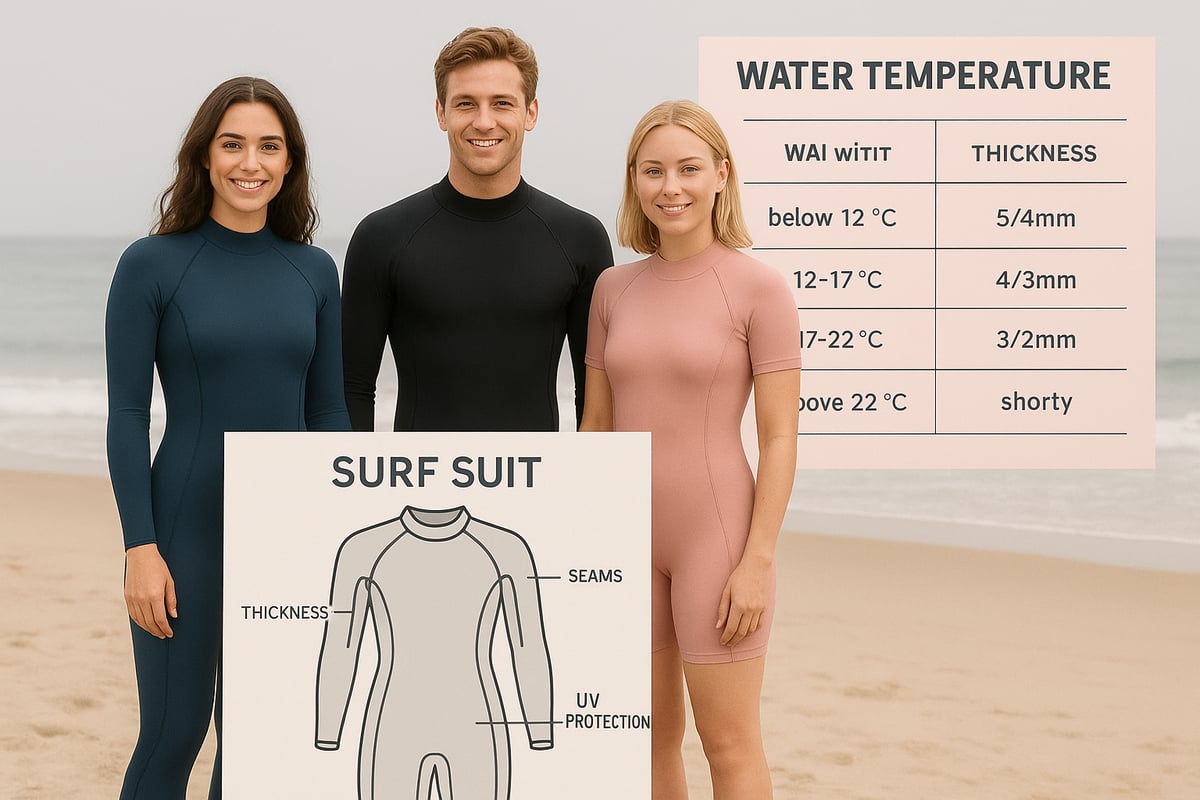
Water temperature & climate
The choice of surfsuit depends crucially on the water temperature. Surfsuits are ideal for temperatures between 18 and 22 degrees Celsius, as they offer sufficient protection without causing overheating. In colder regions like the North Sea, you should opt for thicker models, while in the Mediterranean or Atlantic, thin, flexible versions are often sufficient.
Here's a concise overview:
| region | Water temperature | Surfsuit recommendation |
|---|---|---|
| North Sea | 15–18 °C | 2mm neoprene surfsuit |
| Mediterranean | 18–22 °C | Lycra or 1mm surfsuit |
| Atlantic | 17–20 °C | 1.5mm Surfsuit |
According to Surfline 2024, most beginners use a lightweight surfsuit when temperatures are above 18 degrees Celsius to ensure comfort and freedom of movement.
Activity level & surfing discipline
Your surfsuit should be suited to your surfing discipline. For wave riding, maximum freedom of movement is essential, which is why flexible materials are preferred. For stand-up paddleboarding (SUP) or windsurfing, protection from wind and water is more important, so many opt for slightly thicker models.
Beginners benefit from a surfsuit that isn't restrictive yet still provides enough insulation for their chosen activity. Consider whether you're planning longer sessions or shorter dips in the water. The more active you are, the more breathable and flexible your surfsuit should be.
Gender-specific differences
The fit of your surfsuit is crucial for comfort and protection. Women's models are often more tailored and offer special features such as chest support or a longer back. Men's surfsuits are usually straight-cut and offer additional freedom of movement at the shoulders.
For children, there are surfsuit models with extra UV protection and particularly soft seams. According to a 2024 market study, 60 percent of surfsuits are bought by women, which underscores the increasing importance of gender-specific cuts and designs.
Style & Design
Surfsuit designs will become even more individual in 2025. Pastel colors, neon, and eye-catching prints are all the rage. Fashion-conscious surfers are paying attention not only to function but also to their look. Sustainability is playing an increasingly important role: Many brands are focusing on recycled materials and certified fabrics.
Brands like Rip Curl, Billabong, and Patagonia offer a wide range of designs. If you'd like to compare different fits and styles, it's worth checking out the Phoenix Surf Suit Discovery . Here you'll find innovative cuts and sustainable materials for your perfect surfsuit.
Sustainability & Environmental Awareness
More and more surfers are paying attention to sustainability when buying their surfsuits. Recycled materials like ECONYL or Yulex are setting new standards for environmental friendliness. Certifications like OEKO-TEX or GRS give you the assurance that your surfsuit was produced fairly and ecologically.
According to a 2024 Greenpeace survey, 70 percent of surfsuit buyers look for sustainable production and environmentally friendly packaging. This way, you actively contribute to protecting the oceans and surf with a clear conscience.
Care & Longevity: How to keep your surfsuit looking like new
A surfsuit is an investment that only pays off if you take proper care of it. With the right care, your surfsuit will remain flexible for many seasons, offer optimal protection, and still look great. In the following sections, we'll show you how to get the most out of your surfsuit through cleaning, drying, repairs, and sustainable use.
Cleaning after surfing
After every session, you should thoroughly rinse your surfsuit with clean fresh water. Salt, sand, and sunscreen damage the material and can shorten its lifespan. Ideally, rinse the surfsuit inside and out to remove all residue.
Proceed step by step:
- Wash your surfsuit immediately after taking it off.
- Do not use hot water or harsh cleaning agents.
- Use special neoprene cleaners regularly to prevent odors.
Avoid wringing out your surfsuit, as this can damage the material. You can find many more care tips in our surf gear guide for beginners: The ultimate beginner's guide . This will keep your surfsuit fresh and stretchy for longer.
Drying and storage
Proper drying is crucial after cleaning. Always hang your surfsuit in the shade, as direct sunlight can make the material brittle and cause colors to fade. A wide hanger is best to prevent pressure marks.
Laying your surfsuit flat can help it retain its shape, especially during long-term storage. In winter, store your surfsuit in a cool, dry place; in summer, don't leave it in a hot car. Mistakes like storing it while wet can quickly lead to mold or unpleasant odors.
These simple routines will keep your surfsuit looking like new for many months.
Repair and maintenance
Small tears or holes in a surfsuit can often be repaired at home. Special neoprene glue and repair kits are available in surf shops. Clean and dry the damaged area thoroughly before applying the repair material.
For more extensive damage, professional repair at a specialist shop is recommended. Care products such as silicone sprays or special detergents maintain the material's elasticity. Anecdotal evidence shows that a well-maintained surfsuit lasts twice as long as a neglected one.
Regular maintenance and quick repairs ensure that your surfsuit won't let you down.
Sustainable use & resale
A surfsuit can still be useful for years if you treat it with care. If it's too small or you need a new one, it's worth selling it on second-hand platforms or returning it to the recycling programs offered by many manufacturers.
Tips for sustainable consumption:
- Only buy a surfsuit if you really need it.
- Prefer models made from recycled materials
- Use platforms like Vinted or special surf communities for resale.
This way you extend the life cycle of your surfsuit and do something good for the environment at the same time.
Tips for the perfect start: Getting dressed, feeling comfortable, safety
Getting started with surfing feels exciting, especially when you're putting on a surfsuit for the first time. With the right tips, you can get started in a relaxed and safe way. Here you'll learn how to make the most of your surfsuit, feel comfortable, and observe the most important safety aspects.
How to put on a surfsuit correctly
Putting on your surfsuit correctly is crucial for comfort and longevity. Start by turning the surfsuit inside out so that only one leg is sticking out. Step in with one leg first, then the other. Pull the surfsuit up slowly and evenly to avoid overstretching the material. Use a plastic bag or special foot aids if needed.
Make sure all seams lie flat and the zipper closes smoothly. Avoid jerky movements to prevent tearing. If you're looking for more tips on putting on your wetsuit, you'll find further helpful advice in "Putting on your wetsuit: Choosing the right wetsuit for your surfing adventure" .
A well-fitted surfsuit fits like a second skin, without pinching or wrinkling.
Feeling good in the water
A surfsuit truly reveals its advantages when you're in the water. Take your time to get used to the feel of it. Initially, the surfsuit might feel a little tight, but it will quickly adapt to your body shape. To prevent chafing, you can apply special creams to sensitive areas before surfing.
Move around actively before getting into the water: swing your arms, bend your knees, and do some light stretches. This will help you get used to the surfsuit and increase your freedom of movement. Make sure no skin is left uncovered to avoid sunburn.
With a suitable surfsuit, you feel protected and can concentrate fully on surfing.
Safety and protection
Safety starts with UV protection: A surfsuit protects you from harmful sun rays, wind, and cold. For additional protection, you can use a high-quality UV surf shirt like the Lush UV Surf Shirt Advantages , which is specially designed for water sports.
When choosing a surfsuit, look for reflective details to increase your visibility in the water. In strong sunlight, apply a waterproof sunscreen. Before each session, check that your surfsuit is intact and that all seams and zippers are working properly.
This way you are optimally prepared for every wave and minimize the risk of injury or sunburn.
Frequently asked questions for beginners
Many beginners wonder how often a surfsuit should be replaced. The answer: As long as the surfsuit fits well and is undamaged, you can use it for several seasons. If you feel cold, it helps to choose a thicker surfsuit or wear a surf shirt underneath.
Another common issue is fit: The surfsuit should fit snugly without restricting movement. Make sure there are no wrinkles and that the fabric doesn't dig in. If you're unsure, it's worth seeking professional advice from a specialist retailer.
Here is a short FAQ table:
| Ask | Answer |
|---|---|
| How often should I change it? | With proper care, usable for several years |
| What to do in cold weather. | A thicker surfsuit, possibly layering. |
| Correct fit? | Tight, but not constricting |
| Tips for dealing with chafing? | Special cream, smooth everything out |
These answers will prepare you for typical challenges.
Community & Surf Schools
Exchanging ideas with other surfers can significantly improve your learning progress. Many surf schools offer not only courses but also rental surfsuits, allowing you to try out different models. A course is particularly beneficial for beginners, as it provides an opportunity to learn technique, safety, and surfsuit care directly from professionals.
Statistics show that 85% of beginners benefit from professional advice. Use forums, social media, or local surf groups to ask questions and share experiences. This way, you'll quickly connect with others and get honest feedback on your surfsuit and progress.
Having a strong community behind you makes surfing twice as much fun and gives you the best possible start to your new hobby.
The best brands & buying guide 2025
Choosing the right surfsuit is crucial for your enjoyment and comfort in the water. In 2025, there are numerous top brands and innovative models specifically designed for beginners. Here's a current overview to help you find your perfect surfsuit.
Market overview & top brands
The surfsuit market is growing steadily and offers a wide selection for beginners and advanced surfers. Leading brands for 2025 include Rip Curl, O'Neill, Billabong, and Patagonia. These manufacturers focus on innovative materials, modern cuts, and sustainable production.
Premium brands like Patagonia place particular emphasis on environmental friendliness, while entry-level brands score points with their attractive price-performance ratio. The selection ranges from classic models to trendy, colorful designs.
A comparison is worthwhile, as each brand has its own strengths. Those who want to delve deeper into the selection of different wetsuit types will find additional decision-making aids in the Wetsuit Buying Guide .
Price-performance ratio
A good surfsuit doesn't have to be expensive, but it should meet important quality criteria. In the lower price range, you can find solid models starting at €80, while premium suits can cost up to €300. The differences usually lie in the quality of the materials, the workmanship, and the durability.
Look for features like tight seams, high-quality zippers, and certified materials. You can often find real bargains in sales or outlets, especially with older collections. A surfsuit made from recycled neoprene is often a bit more expensive, but offers added value in terms of sustainability.
Investing in quality pays off in the long run, as high-quality suits last longer and offer greater comfort. Compare prices and features thoroughly before making your decision.
Online vs. specialist retailers
When buying your surfsuit, you have the choice between convenient online shopping and a personal visit to a specialist retailer. Online shops offer a huge selection, detailed product descriptions, and often better prices. However, you miss out on the opportunity to try things on.
In specialist shops, you can try on different models directly, get advice, and immediately identify any fit issues. Many shops also offer flexible return and exchange options. For beginners, a visit to a shop is often recommended to find the perfect surfsuit.
No matter where you buy, find out about the return policy beforehand and make sure you buy from reputable retailers with good ratings.
Sustainable surfsuit providers
Sustainability will play an increasingly important role in 2025. Many top brands are focusing on recycled materials and environmentally friendly production processes. Patagonia and Picture Organic are pioneers in this area, offering certified surfsuit models with GRS or OEKO-TEX labels.
Look for transparent information about the origin of the materials and fair working conditions. More and more manufacturers are foregoing harmful chemicals and using innovative, durable fabrics instead. This way, you protect not only yourself but also the environment while surfing.
When you buy a sustainable surfsuit, you're investing in quality, comfort, and a clear conscience.
Sustainable & stylish surfsuits from MAIN Design
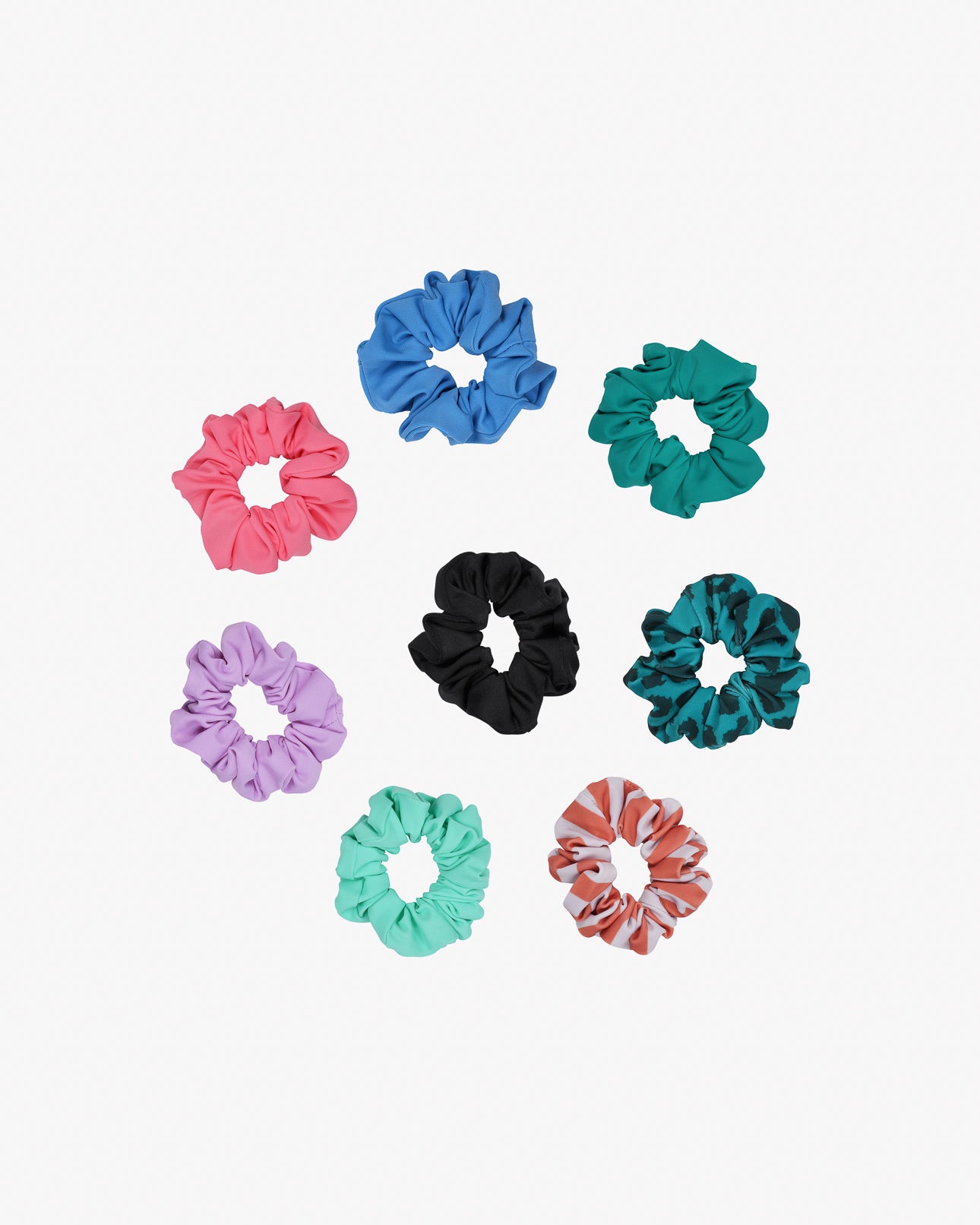
MAIN Design specializes in surfsuits for women and children, made entirely from recycled fabrics. The company stands for minimalist design, high comfort, and exceptional durability.

A special bonus: MAIN Design donates 1 percent of its revenue to Healthy Seas, actively supporting ocean conservation. Production adheres to Swiss quality standards, and delivery is fast and reliable.
For beginners who value style, sustainability and functionality, a surfsuit from MAIN Design is an ideal choice.
Checklist for purchasing in 2025
- Check fit and size carefully
- Compare material and workmanship
- Pay attention to sustainable certifications
- Weighing design and comfort
- Consider trends and innovations for 2025
With this checklist, you're guaranteed to find the surfsuit that will accompany you safely, comfortably, and stylishly through your first surfing adventures.
You're at the beginning of your surfing adventure and want the perfect surfsuit to combine comfort, safety, and style. We've shown you what really matters when it comes to materials, fit, and sustainability – crucial for feeling good in and out of the water. MAIN Design unites these values in every collection: Here you'll find surfsuits made from recycled fabrics, minimalist designs, and a commitment to ocean conservation. The best choice for those who value quality and the environment. Discover more now and find your ideal companion for the perfect start to your surfing journey in 2025.