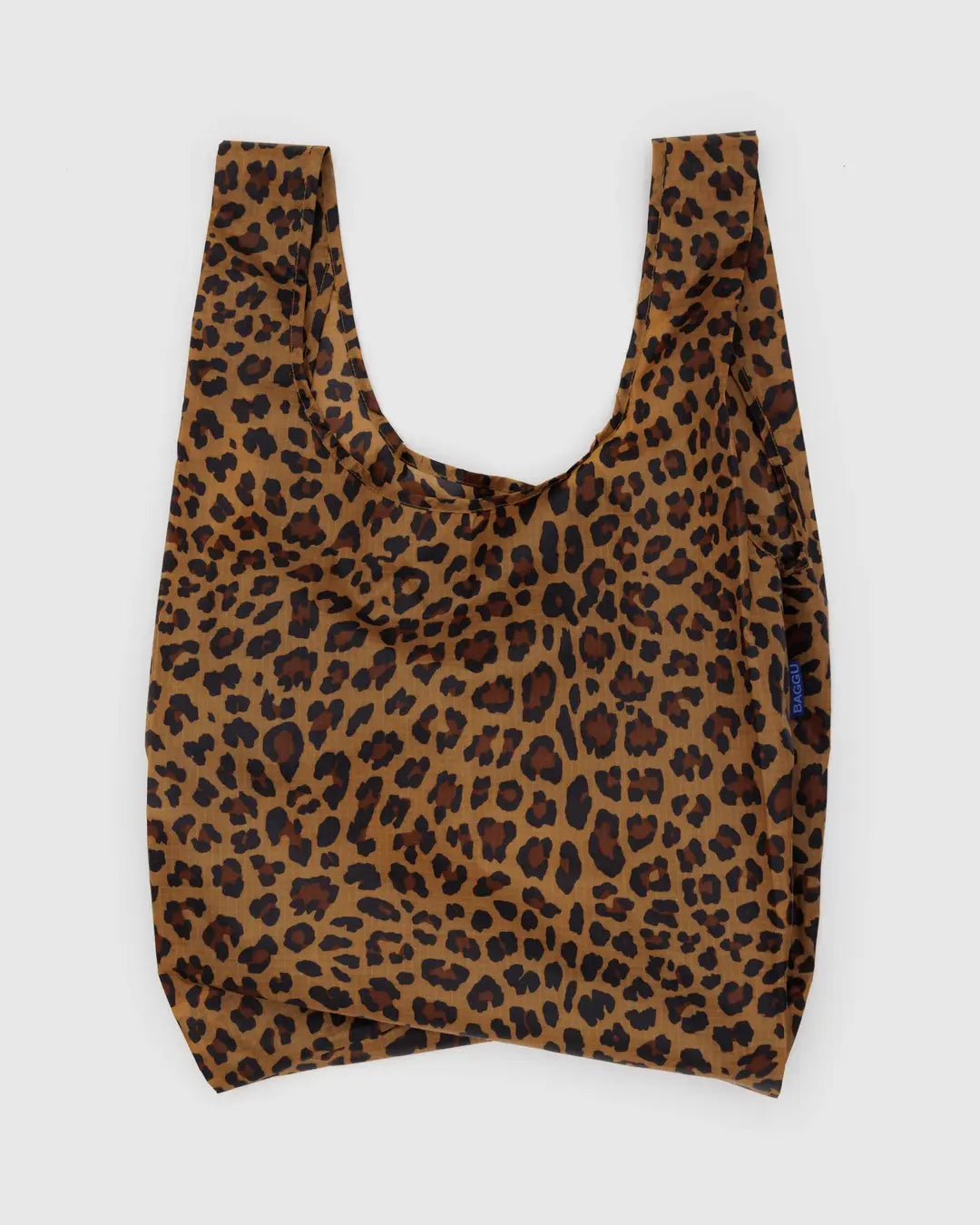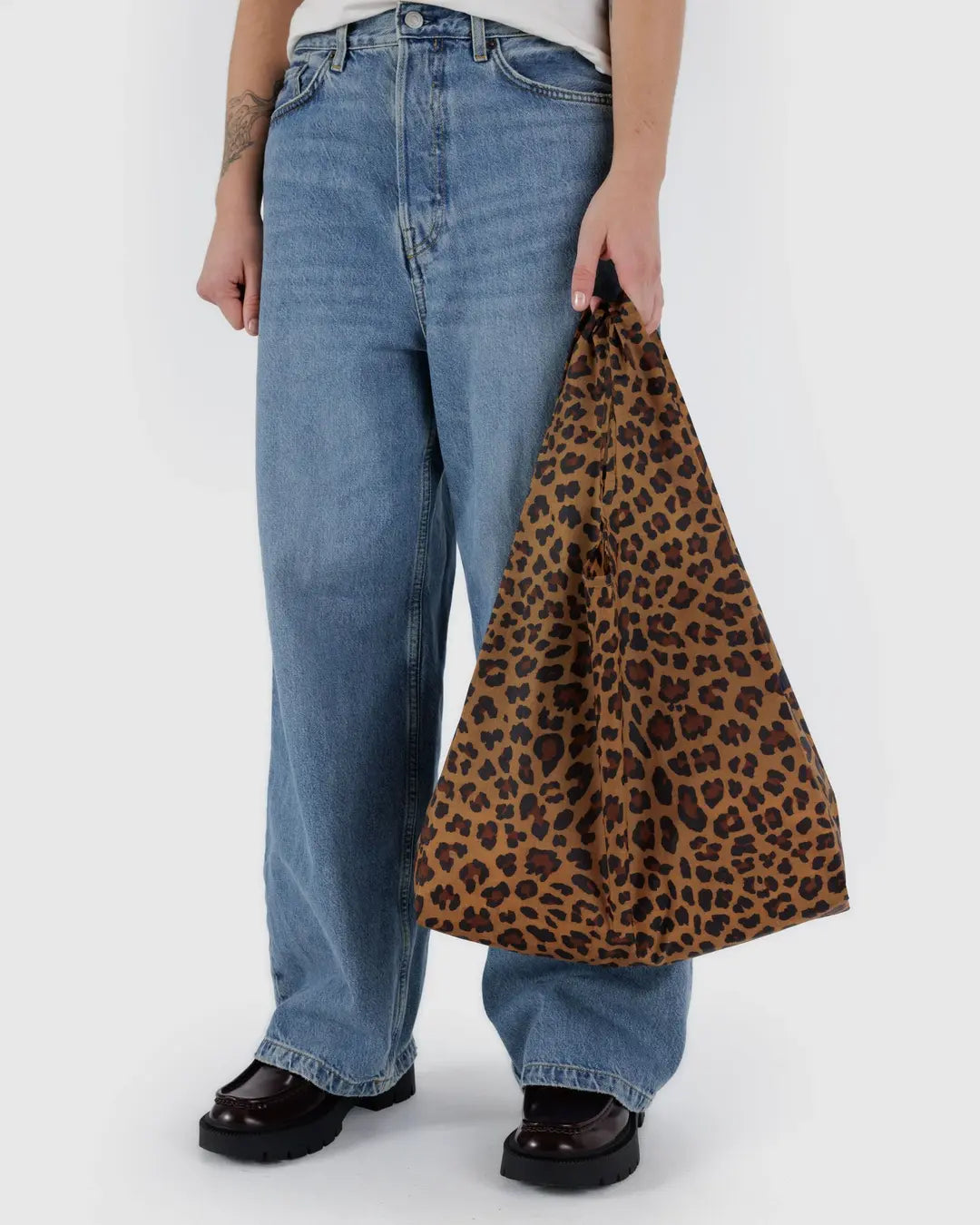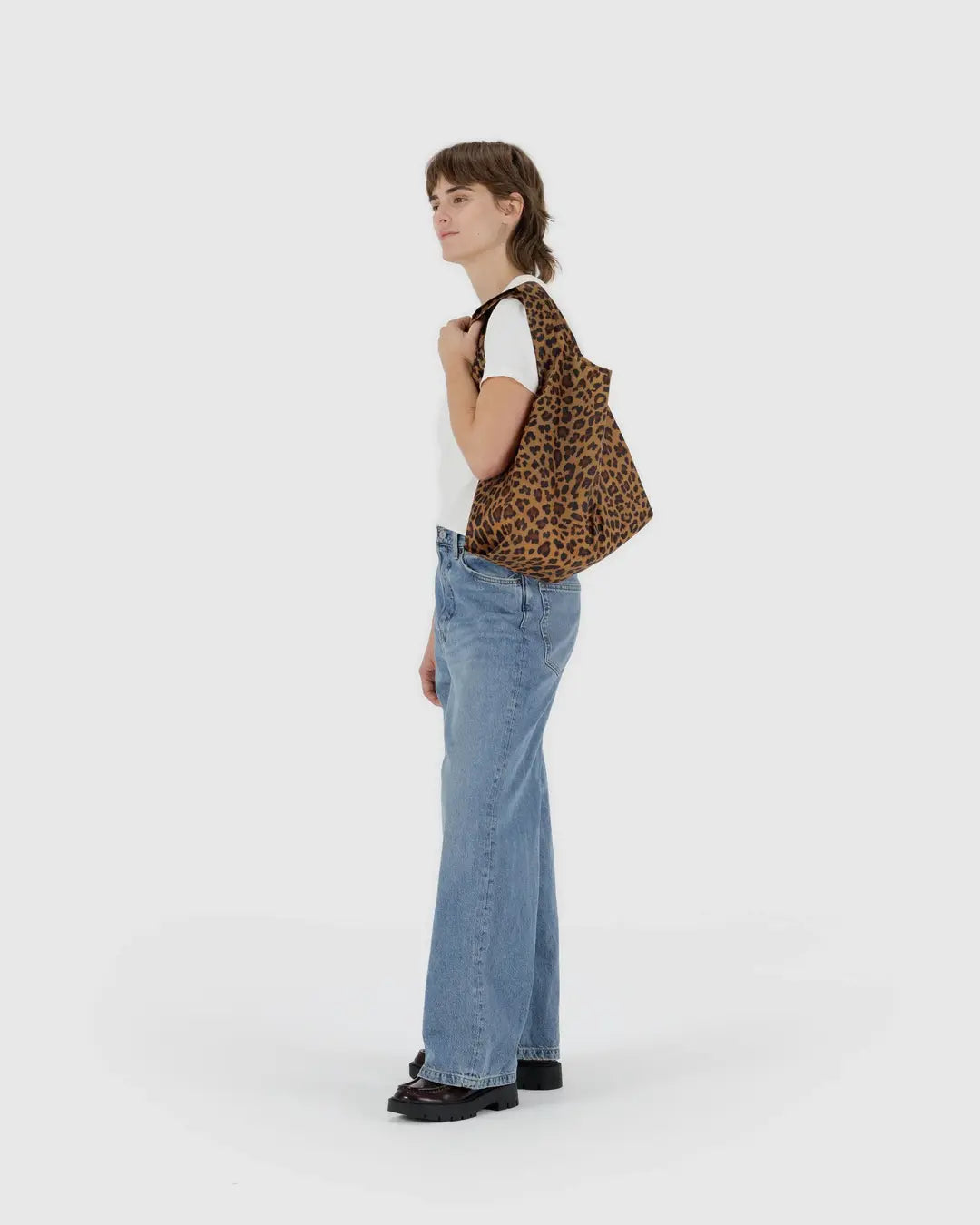
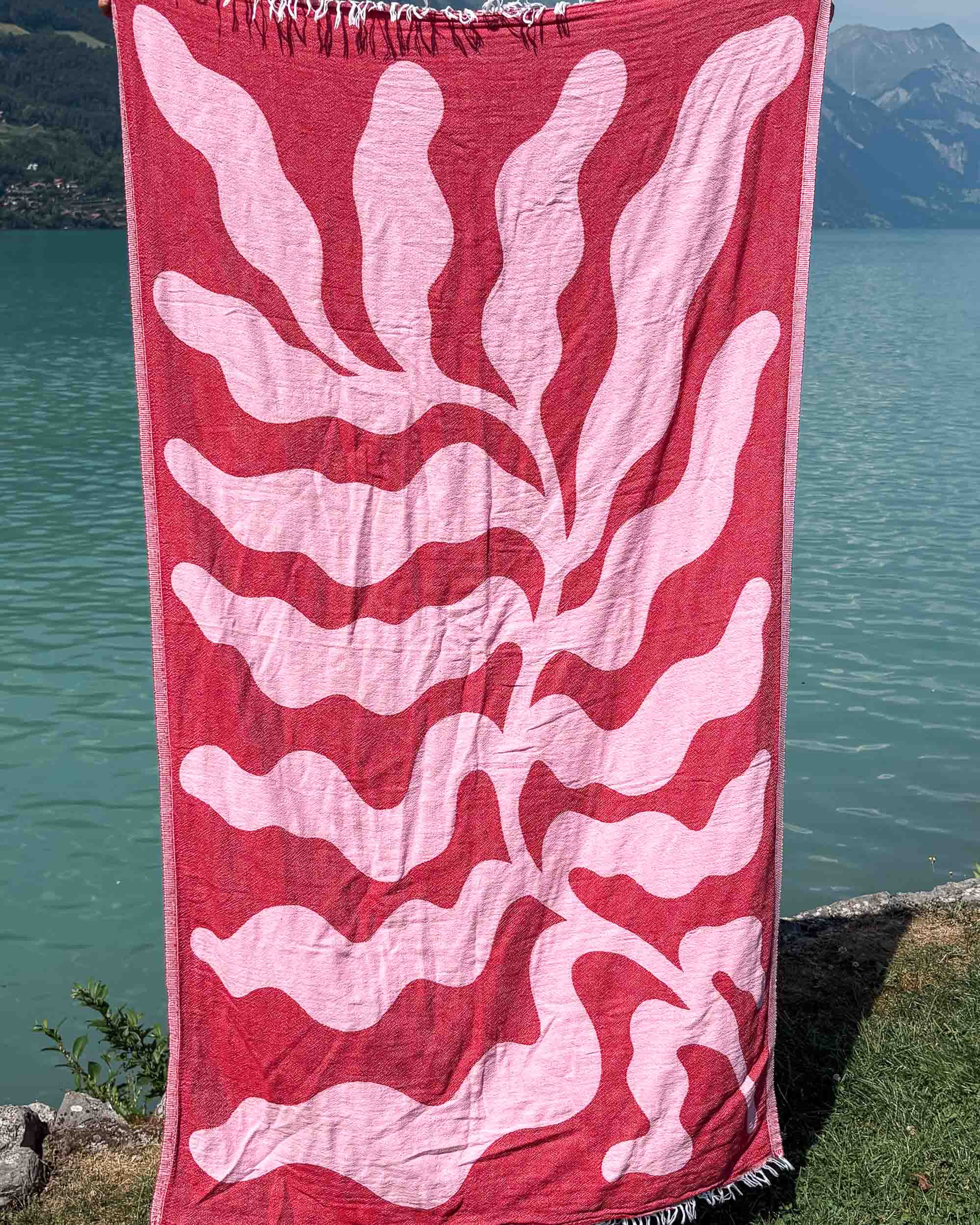


A sarong is more than just a piece of fabric. It is freedom to wrap, tie, and wear – exactly as you need it at the moment. On the beach, after swimming, on the way to the beach bar, or simply in everyday life. This versatile textile originated in Southeast Asia and has established itself worldwide as an indispensable accessory. Whether as a wrap skirt, dress, shoulder scarf, or beach blanket – the sarong adapts to your life, not the other way around.
What makes a sarong special
At its essence, a sarong is a rectangular piece of fabric, usually between 100 and 200 centimeters long. But this simplicity is precisely its strength.
Traditionally, the sarong comes from Southeast Asia, where it has served as clothing for men and women for centuries. Its cultural significance dates back a long time and is reflected in various regional variations.
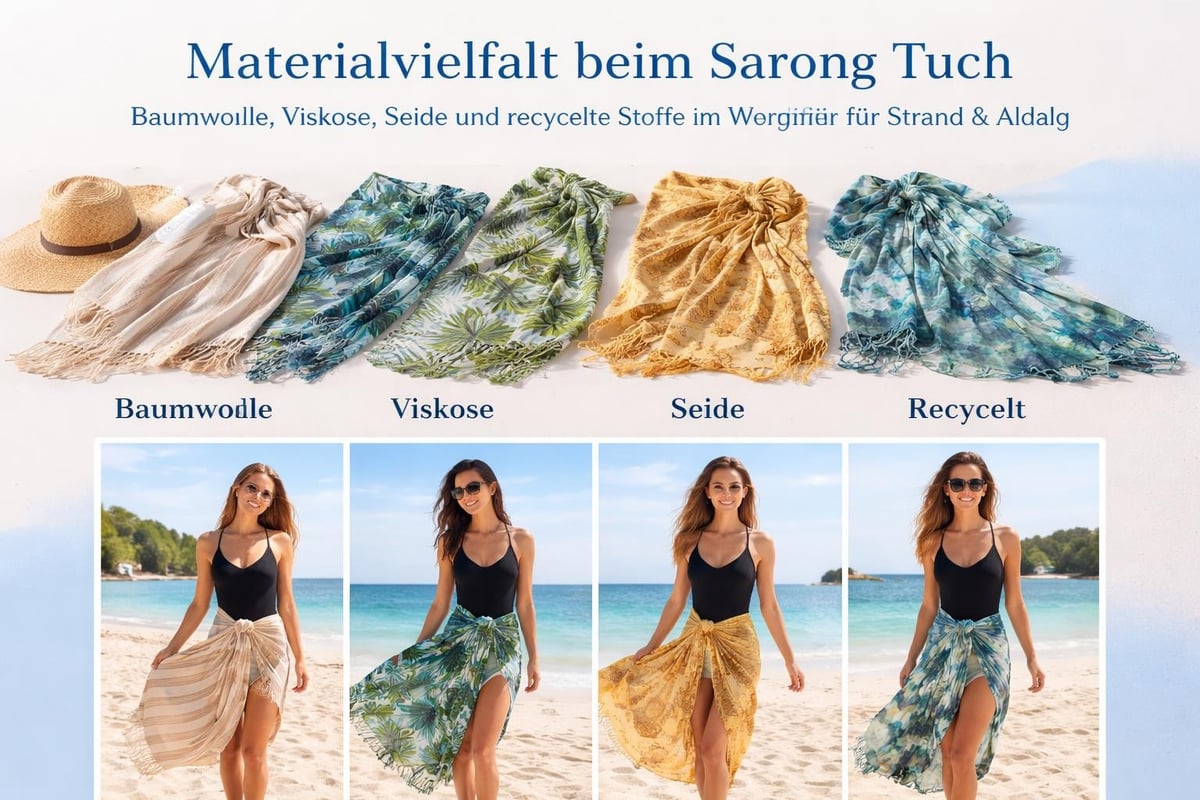
Materials and their properties
The choice of material influences how your sarong feels and performs:
- Cotton: Breathable, absorbent, perfect for hot days
- Viscose: Flowing, light, elegant drape
- Silk: Luxurious, temperature-regulating, noble
- Linen: Robust, cooling, naturally wrinkles
- Recycled materials: Sustainable, environmentally conscious, modern
A light cotton sarong dries quickly after swimming. Viscose glides gently over the skin and is excellent for more elegant evening occasions.
The fabric quality is evident in its feel. A high-quality sarong feels soft, retains its shape, and does not fade after the first wash.
| Material | Drying time | Care effort | Sustainability | Price |
|---|---|---|---|---|
| Cotton | Medium | Low | High (Organic) | € |
| Viscose | Fast | Medium | Medium | € |
| Silk | Slow | High | Medium | €€€ |
| Recycled | Fast | Low | Very high | €€ |
The art of tying
A sarong can be tied in countless ways. No rules, no right or wrong – just what feels good to you.
Classic wrapping techniques
The wrap skirt is the simplest variant. You hold the fabric at your hip, wrap it once around your body, and tie the ends. Sits, fits, done.
For a halter dress, take the sarong horizontally, hold it behind your back at chest height, pull both ends forward, and tie them at the neck. The bottom edge falls loosely to the knees or ankles.
The one-shoulder dress is created by draping one corner of the fabric over one shoulder and pulling the opposite corner under the other arm, then tying it at the back.
Creative variations for everyday life
- Bandeau top: Wrap horizontally around the chest, tie at the back
- Shoulder scarf: Fold diagonally, drape over the shoulders
- Headscarf: For sunny days as a stylish sun protection
- Beach blanket: Spread out for lying or sitting
- Bag: Tie opposite corners, hang over the shoulder
The versatile wearing options make the sarong a true all-rounder. You only need one piece of fabric, but you have endless possibilities.
Sarong in everyday life
The sarong is at home on the beach. Loosely wrapped after swimming, it protects against too much sun and wind. The fabric dries quickly while you walk barefoot through the sand.
But it goes far beyond the beach. In the city, the sarong becomes a light summer dress. In the park, a picnic blanket. At home, a cozy throw on the sofa.
Practical applications
A sarong weighs almost nothing and takes up little space in luggage. Perfect for travel when every inch in your backpack counts.
- As a travel companion: Takes up little space, versatile
- In the yoga studio: As a mat or blanket for Savasana
- When camping: Privacy screen, blanket, towel
- At the swimming pool: Dry change towel after showering
- As a gift: Thoughtful, personal, practical
The connection between swimwear and a versatile cloth is obvious. Those who choose sustainable swimwear also appreciate the flexibility of a well-designed accessory. The Sassy Reversible Bikini Top combines perfectly with an airy sarong – both minimalistic, functional, and ready for long days by the water.
Patterns and designs
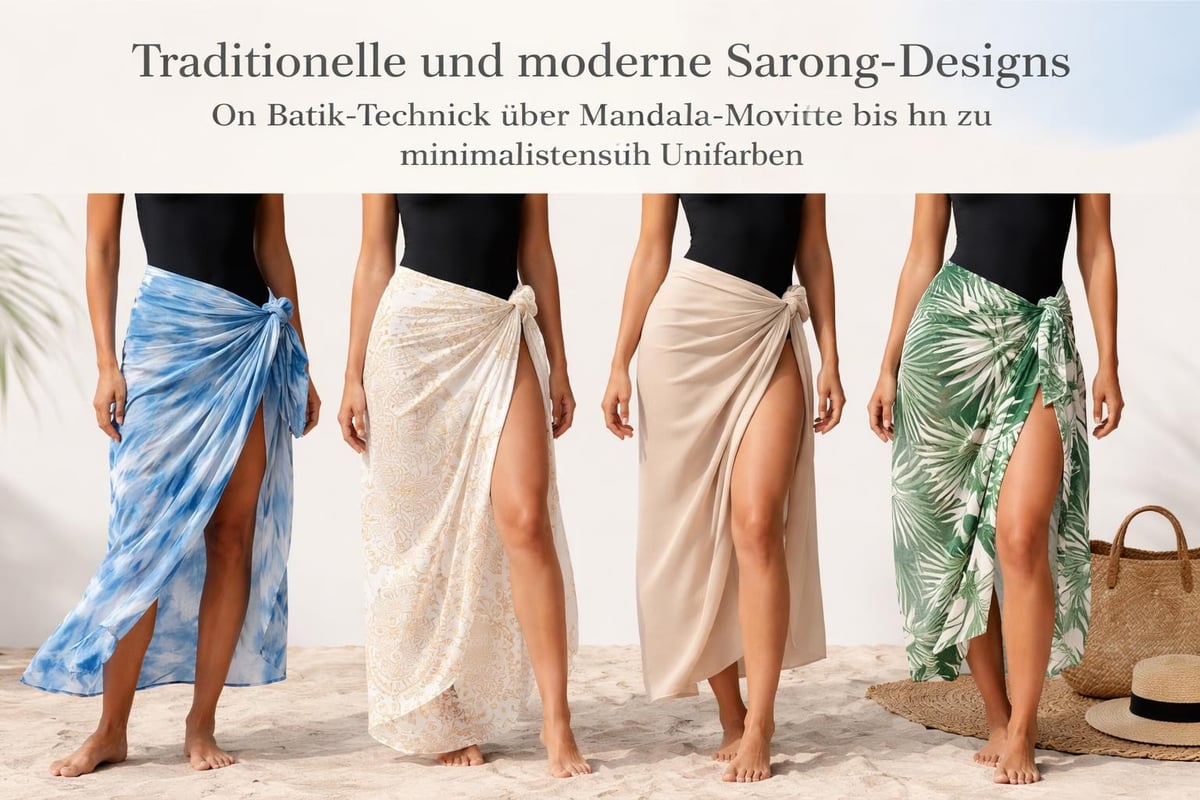
From simple solid colors to intricate batik patterns – the sarong comes in all colors and forms.
Traditional patterns
Batik sarongs are created using traditional dyeing techniques where wax covers parts of the fabric. The result: unique patterns that make each sarong one-of-a-kind.
Mandala motifs exude tranquility. The circular, symmetrical patterns often have spiritual meaning and appear meditative. Handcrafted sarongs with mandalas combine craftsmanship with timeless design.
Paisley, elephants, flowers – traditional motifs tell stories from distant cultures. They bring an exotic flair to your everyday life.
Modern interpretations
Contemporary designers focus on:
- Minimalist solid colors in earth tones
- Abstract geometric patterns
- Watercolor effects and color gradients
- Sustainable printing techniques without harmful substances
A simple, opaque white sarong is the perfect base. It can be combined with anything and does not distract from the essentials – your movement, your freedom.
Sustainability and origin
Today, more than just design matters. Where does the fabric come from? Who made it? What traces does production leave behind?
Fair production
Many sarong manufacturers rely on manual labor. In small workshops in Bali, Thailand, or India, fabrics are created not by machines but by people with decades of experience.
Fair Trade means:
- Fair wages for artisans
- Safe working conditions
- No child labor
- Transparent supply chains
At MAIN Design, sustainability is central. Recycled materials, thoughtful production, and a clear commitment to protecting the oceans – these values perfectly match the philosophy of a consciously chosen sarong.
Environmentally friendly materials
| Material | Water consumption | CO₂ footprint | Biodegradable | Recyclable |
|---|---|---|---|---|
| Organic cotton | Medium | Low | Yes | Conditional |
| Recycled polyester | Very low | Very low | No | Yes |
| Viscose (bamboo) | Low | Medium | Yes | No |
| Conventional cotton | Very high | High | Yes | Conditional |
A sarong made from recycled fishing nets or PET bottles gives materials a second life. Instead of floating in the sea, they become a companion for your days by the water.
Care and longevity
A high-quality sarong will last for years if you treat it properly.
Washing and drying
Most sarongs can be machine washed at 30 degrees. Use a mild detergent without harsh bleaches. A delicate cycle protects the fibers.
You don't need a dryer for drying. Hang the cloth in the fresh air – preferably in the shade to protect colors. Direct sun bleaches fabrics.
Tips for intense colors:
- Before first wear, soak in cold water with a little vinegar
- Wash colored sarongs separately
- Turn inside out when washing
- Do not wring, but gently squeeze out
Storage
Fold your sarong loosely and lay it flat in a closet. Rolled up, it takes up little space and doesn't crease. Avoid long-term storage in plastic bags – the fabric needs air.
A lavender sachet between the cloths keeps moths away and provides a fresh scent.
Styling ideas for every occasion
Beach Club Elegance
Combine a plain sarong in cream or sand with a minimalist bikini. Tie it as a long wrap dress, wear leather sandals and a straw bag. The look for a sundowner is complete.
Casual Day Out
A patterned sarong as a wrap skirt over simple shorts. Add a white tank top and sneakers. Casual, comfortable, moves with you.
Yoga and Meditation
Use a large, soft sarong as a mat or blanket. The natural fibers feel good on the skin and create a connection to the earth.
Festival Vibes
Batik patterns, vibrant colors, tied as a bandeau dress. Add statement jewelry and dance barefoot in the grass. The sarong becomes an expression of your mood.
Sarong as a travel companion
When you pack for your next trip, a sarong belongs in your luggage. It is lightweight, takes up little space, and replaces several other items.
What you can leave out
With a versatile sarong, you don't need:
- Fewer clothes (the cloth becomes multiple outfits)
- No extra beach blanket
- No additional towel
- No separate sun protection for the shoulders
Light beach towels with sarong functionality combine both: they are large enough for lounging and flexible enough for wearing.
Packing list for the perfect beach day
- Sarong (of course)
- Bikini or swimsuit
- Sunscreen
- Water bottle
- A good book
You don't need more. Less is often more, especially when you want to move freely.
Cultural significance worldwide
The sarong goes by various names in different countries. In Indonesia it is called Sarong, in Polynesia Pareo, in India Lungi or Dhoti.
The commonality: It is a piece of fabric that connects people. Whether on the beaches of Bali, in the streets of Mumbai, or on the Mediterranean – the principle remains the same.
In Thailand, you'll find sarongs with animal motifs like frogs, believed to bring luck. In Indonesia, elephant and paisley patterns are popular, symbolizing wisdom and good fortune.
This cultural depth makes the sarong more than a fashionable accessory. It carries stories within it.
Sarong vs. Pareo: What's the difference?
The terms are often used interchangeably, but there are subtle differences.
A sarong is traditionally a woven fabric, often in more subdued colors, and is worn by both men and women. It has a long history in Southeast Asia.
A pareo originates from Polynesia and is usually brighter, with floral or oceanic patterns. It is primarily worn by women as beachwear.
In practice? Both terms describe the same concept: a versatile rectangular cloth for wrapping and tying. Which name you use is a matter of taste.
Where and how to find your sarong
Quality features when buying
Look out for:
- Fabric density: Too thin looks cheap and is not opaque
- Clean seams: For hemmed variants, the edges should be neatly finished
- Colorfastness: Rub lightly with a damp cloth – color should not bleed
- Feel: The fabric should feel pleasant, not scratchy or stiff
- Size: At least 100 x 180 cm for versatile tying techniques
Online vs. Local
Online you'll find a larger selection and can specifically look for sustainable or fairly produced options. Local markets, especially in coastal cities, offer the opportunity to feel the fabric and speak directly with vendors.
When traveling in countries like Thailand, Bali, or India, you'll find authentic sarongs at fair prices. Often directly from the people who make them.
The sarong in modern fashion
Designers are rediscovering the sarong. Collections that combine traditional wrapping techniques with modern cuts appear on runways.
The demand for versatile, sustainable clothing is increasing. People want to own less, but instead have pieces that can do more. A sarong fulfills exactly this requirement.
In the capsule wardrobe philosophy, it is a key element. One piece, many functions. Just right for a life on the go.
A sarong is freedom in fabric form – versatile, sustainable, and timeless. It adapts to your life, whether on the beach, in everyday life, or while traveling. If you value thoughtful, sustainable designs, you'll find swimwear and essentials at MAIN Design - Your Daily Dose Of Summer that share the same philosophy: own less, live more consciously, feel more. Feel good. Do good.