


The Advent season is full of magic and joy, but often the desire remains to celebrate more consciously and sustainably. A sustainable Advent calendar combines tradition with environmental awareness and gives you and your family special moments.
Instead of disposable products, this guide focuses on creative ideas, DIY instructions, and tips for eco-friendly alternatives. You'll learn how a sustainable advent calendar not only conserves resources but also inspires new family traditions.
Let yourself be inspired by the benefits, ideas, suppliers, and current trends for 2026. Start a mindful Advent season with us – full of inspiration and the joy of DIY.
Why a sustainable advent calendar?
Choosing a sustainable advent calendar is more than just a trend – it's an active contribution to a better future. More and more people are questioning the purpose of single-use products and prioritizing values like environmental awareness, fairness, and health. But what makes a sustainable advent calendar so special?
Environmentally friendly benefits
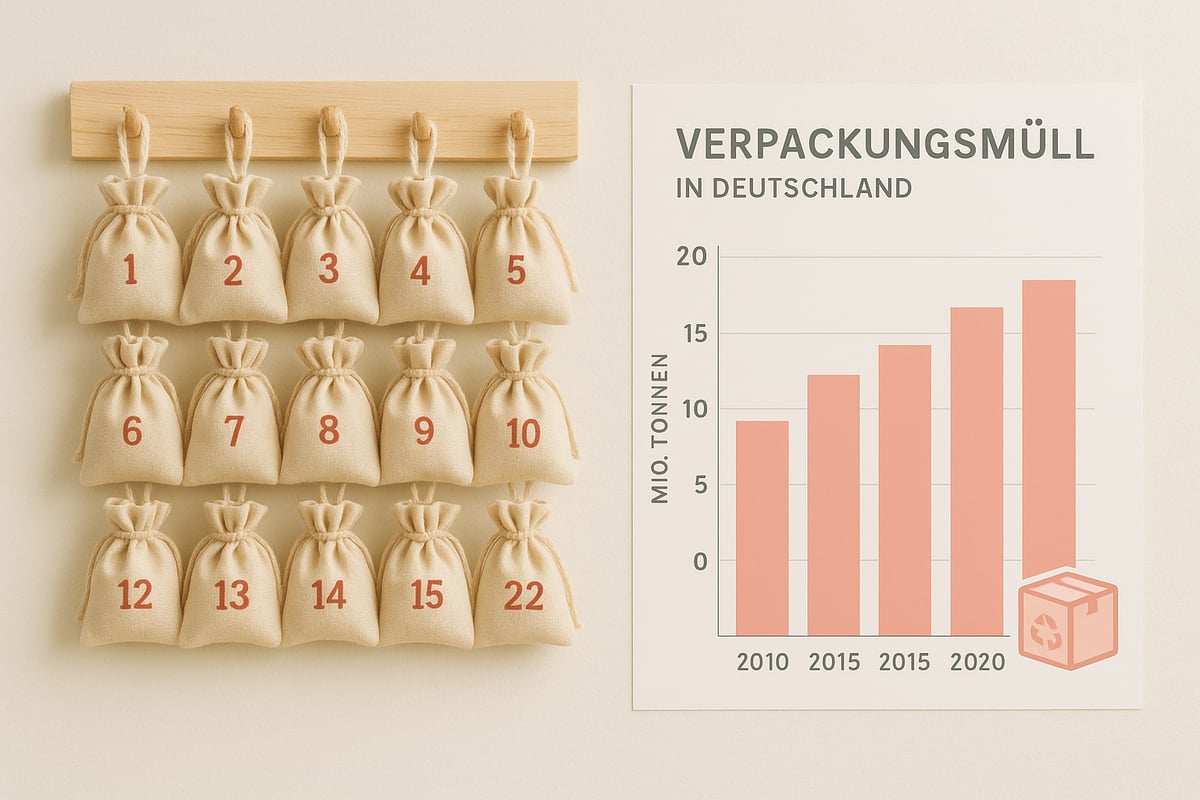
A sustainable advent calendar protects the environment and reduces waste. Conventional calendars generate enormous amounts of packaging waste every year. According to the 2022 packaging waste report for Germany, millions of tons of packaging waste are produced in Germany alone, a large portion of which comes from the Christmas season.
Choosing reusable materials like fabric, wood, or glass saves resources and avoids single-use plastics. Local production and short transport routes also reduce CO2 emissions. Every sustainable advent calendar is a small step towards zero waste.
Social and ethical aspects
A sustainable advent calendar supports fair working conditions and social responsibility. Many sustainable suppliers ensure that their products are manufactured under ethical conditions. This not only promotes fair wages but also raises awareness of global issues.
Charity calendars or collaborations with social projects make Advent even more meaningful. A sustainable Advent calendar can also contribute to helping others and raising children's awareness of social issues.
Health arguments
Health is the focus of a sustainable advent calendar. Many conventional calendars contain cheap chocolate, products with harmful substances, or microplastics. Those who value high-quality, natural fillings will find numerous alternatives: organic food, natural cosmetics, or small DIY kits.
A sustainable advent calendar thus protects not only the environment, but also your own health and that of your family.
Economic considerations
A sustainable advent calendar also makes economic sense. Reusable calendars save you money in the long run because they can be refilled every year. DIY models also offer maximum budget flexibility and can be customized.
Shared advent calendars for the family or swap meets are further ways to save money. This way, a sustainable advent calendar becomes a smart investment with added value.
Examples and figures
Market studies show that demand for sustainable advent calendars is steadily increasing. More and more families are discovering the advantages of durable alternatives. The German Federal Environment Agency reports that several tons of packaging waste could be avoided through conscious choices.
Many parents report that a sustainable advent calendar inspires new family rituals and playfully teaches children values. The joy of conscious gift-giving and creating makes the Advent season special.
A sustainable advent calendar combines environmental awareness, social responsibility and health – and brings lasting joy.
Step-by-step: Planning your sustainable advent calendar
A sustainable advent calendar starts with good planning. With the right steps, a simple idea becomes a creative and eco-friendly tradition that brings joy and conserves resources. Here you'll find a clear guide on how to design your own sustainable advent calendar in a structured and efficient way.
1. Define target audience and style
First, consider who your sustainable advent calendar is for. Children will love colorful, playful designs and little surprises. Adults or couples appreciate understated designs and special moments of well-being. Take into account the recipient's interests, hobbies, and values to make the calendar truly personal.
- For children: colorful, playful, with craft ideas
- For adults: simple, elegant, with moments of wellness or indulgence.
- For couples/friends: shared experiences, creative challenges
2. Select calendar format
The shape of your calendar determines the crafting experience and its reusability. The following variations are particularly popular:
| Calendar format | Advantages | sustainability |
|---|---|---|
| Fabric bag/pouch | Reusable, flexible | Very high |
| wooden boxes | Stable, durable | High |
| Jars/Cans | Upcycling, customizable | Very high |
| Envelopes/Paper | Simple, space-saving | Depending on the material, high |
| Digital | Paperless, innovative | Maximum |
Choose the format that suits your target audience and style.
3. Choose sustainable materials
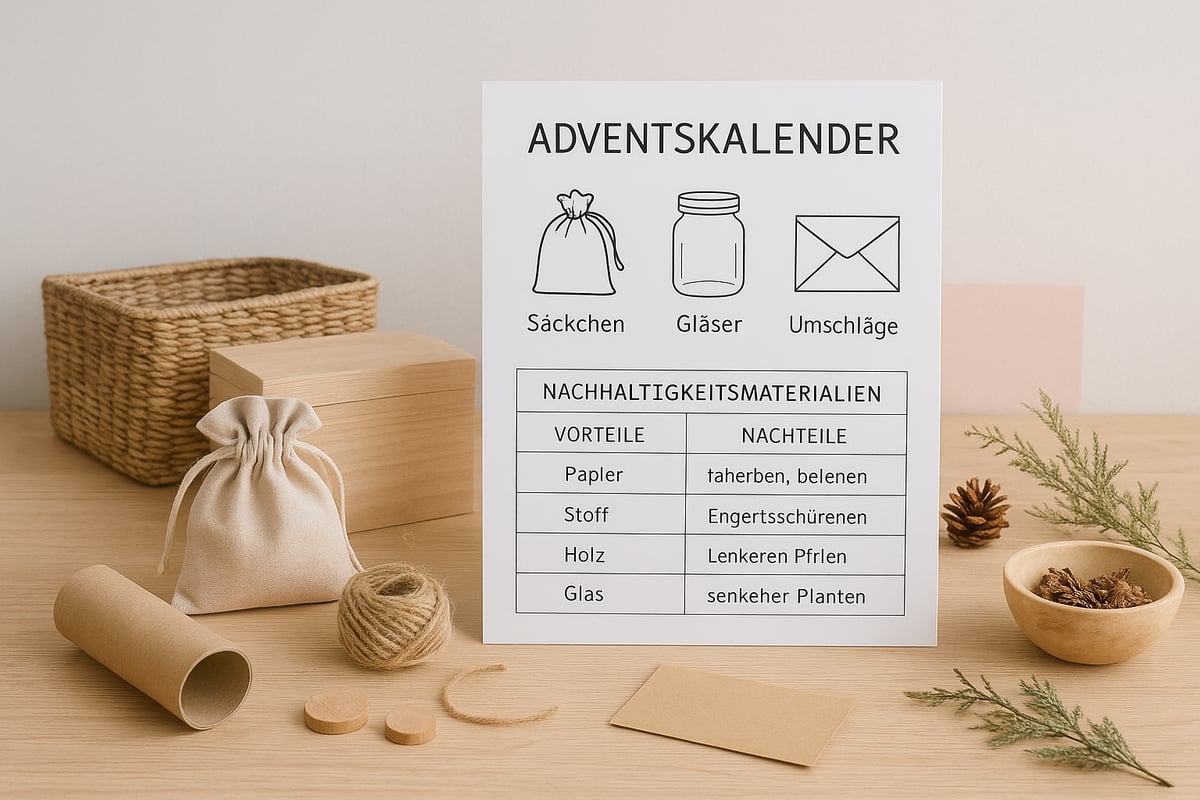
Make sure your sustainable advent calendar is made from eco-friendly and durable materials. Organic cotton, linen, or wood from sustainable forestry are ideal. Use recycled materials like old jars or tin cans for creative upcycling.
- Organic fabric scraps for bags
- Second-hand jars, cans, or boxes
- Natural materials such as jute, cork, paper made from recycled fibers
This way, your sustainable advent calendar becomes a truly unique item, and you send a clear message about environmental awareness.
4. Schedule and organization
Start planning early to ensure everything goes smoothly. Create a list of all the necessary materials and tasks. Divide the work if several people are participating. This way, the focus remains on having fun, and you'll have enough time for creative details.
- Plan time for crafting and material gathering.
- Divide up the tasks: sewing, stuffing, decorating
- Use the checklist for an overview
5. Calculate a realistic budget
A sustainable advent calendar can be tailored to your individual budget. DIY solutions are often cheaper, especially if you reuse or share materials. Consider how much you want to spend on fillings and decorations and set a limit.
- Shared calendars for multiple children
- Use swap meets and second-hand shops
- Focus on quality, not quantity.
This way, your sustainable advent calendar remains affordable yet special.
6. Sustainable packaging ideas
Avoid plastic and opt for reusable or recycled packaging. Cloth bags, paper with nature motifs, or glass jars are not only beautiful but also good for the environment. Did you know that according to packaging waste statistics for 2022, several kilograms of packaging waste are generated per person in Germany every year? With sustainable solutions for your advent calendar, you can actively contribute to reducing this waste.
- Small bags made from fabric scraps or jute
- Paper tags, wooden clothespins, cords
- Jars instead of bags, reusable containers
A sustainable advent calendar impresses not only with its contents but also with its eco-friendly packaging. Let your creativity run wild and design a calendar that inspires with sustainability!
Creative filling ideas for sustainable advent calendars
A sustainable advent calendar thrives on creative, thoughtful fillings that bring joy and conserve resources. Instead of disposable products, numerous alternatives made from natural or reusable materials are available. This way, each day of Advent becomes a mindful experience for young and old alike.
Useful and plastic-free little things
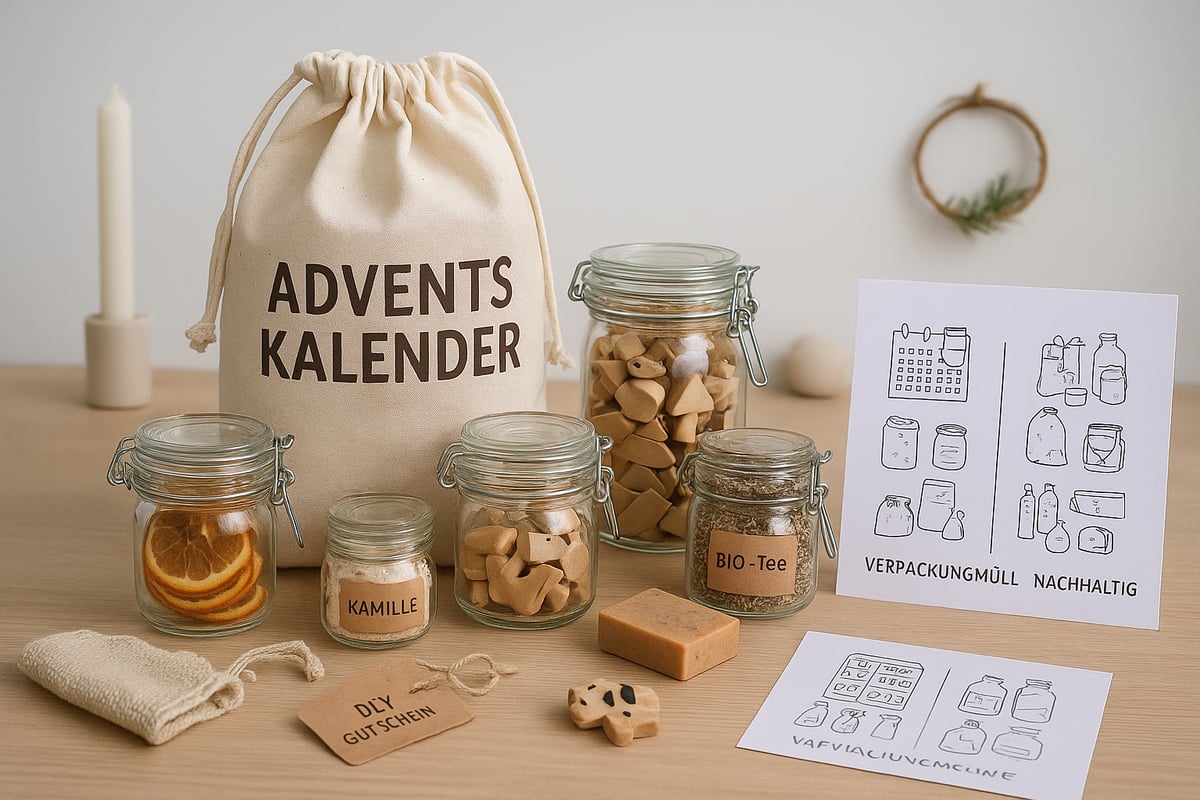
A sustainable advent calendar impresses with small but delightful surprises that are kind to the environment and our health. Popular fillings include natural cosmetics, handmade organic soaps, beeswax wraps, or plastic-free everyday accessories. Reusable cotton makeup remover pads are also ideal as an eco-conscious and practical little gift. For children, small wooden figures, puzzles, or sustainable craft supplies are perfect. This way, Advent remains exciting without harming the environment.
Culinary inspirations
A sustainable advent calendar can be wonderfully filled with special treats. How about organic tea, fair trade chocolate, dried fruit, or nuts in small jars? Homemade cookies or granola bars are also popular choices. For baking enthusiasts, DIY baking mixes in jars are a great option. Enjoying and tasting these treats together makes Advent a culinary celebration for the whole family.
Experiences and gifts of time
Besides material surprises, a sustainable advent calendar can also offer experiences. Vouchers for shared activities like crafting, baking, or a story time are valuable alternatives to traditional gifts. Small challenges, mindfulness exercises, or quality family time instead of consumerism foster togetherness and create lasting memories. Creative gifts of time are often the most delightful surprises behind each advent calendar door.
Sustainable craft ideas for children
Children love crafting and exploring. A sustainable advent calendar can contain craft kits made from natural materials, origami paper, coloring pages on recycled paper, or mini planting kits. Upcycling projects that use old jars, cans, or fabric scraps foster creativity and environmental awareness. Such contents are not only fun but also playfully convey sustainable values.
For adults: Give the gift of moments of well-being
Adults, too, can benefit from a sustainable advent calendar filled with thoughtfully selected items. Relaxing baths with natural additives, small organic candles, inspiring quotes, or yoga exercises invite you to unwind. Vouchers for local cafes, zero-waste products, or sustainable wellness items offer little breaks from everyday life. This way, the pre-Christmas season becomes a source of renewed energy.
Practical examples
More and more families are opting for sustainable advent calendars and sharing their experiences on social media. Popular fillings include seeds, wooden toys, and handmade candles. According to surveys, many appreciate the opportunity to personalize the calendar and cater to the recipient's interests. These practical examples inspire new ideas and demonstrate the diverse possibilities of sustainable advent traditions.
Tips for customization
A sustainable advent calendar becomes especially personal with individually designed messages, photos, or small mementos. Tailoring the calendar to hobbies or interests makes opening each door even more enjoyable. Calendars focused on sustainability, books, or sports are just as popular as personalized vouchers or small DIY projects. This creates a unique advent experience for every taste.
DIY instructions: Design your own sustainable advent calendar
Creating your own sustainable advent calendar combines creativity with environmental protection and creates personal memories. Unlike traditional calendars made of plastic or single-use packaging, you save resources and make a statement for conscious consumption. Especially if you want to avoid packaging waste, it's worth taking a look at the EU strategies for reducing packaging waste . Let the following ideas inspire you to create a creative and unique sustainable advent calendar.
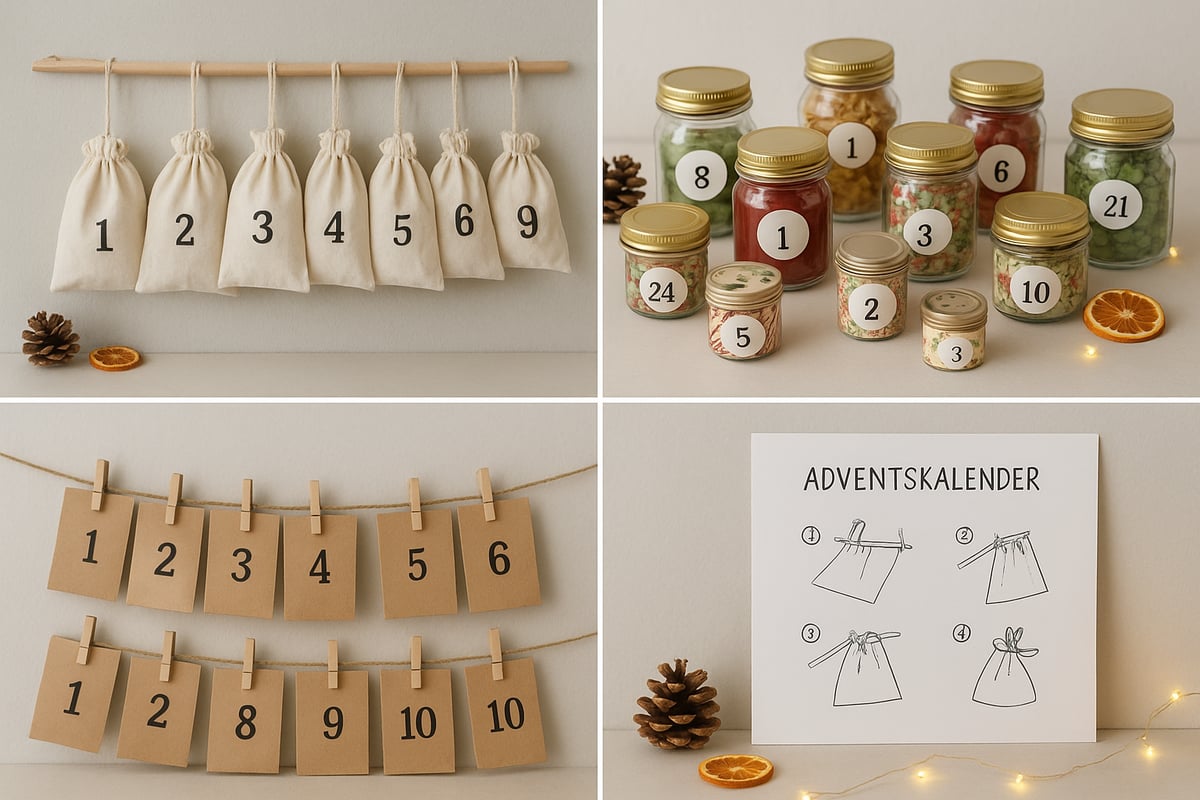
Step-by-step instructions: Fabric bag calendar
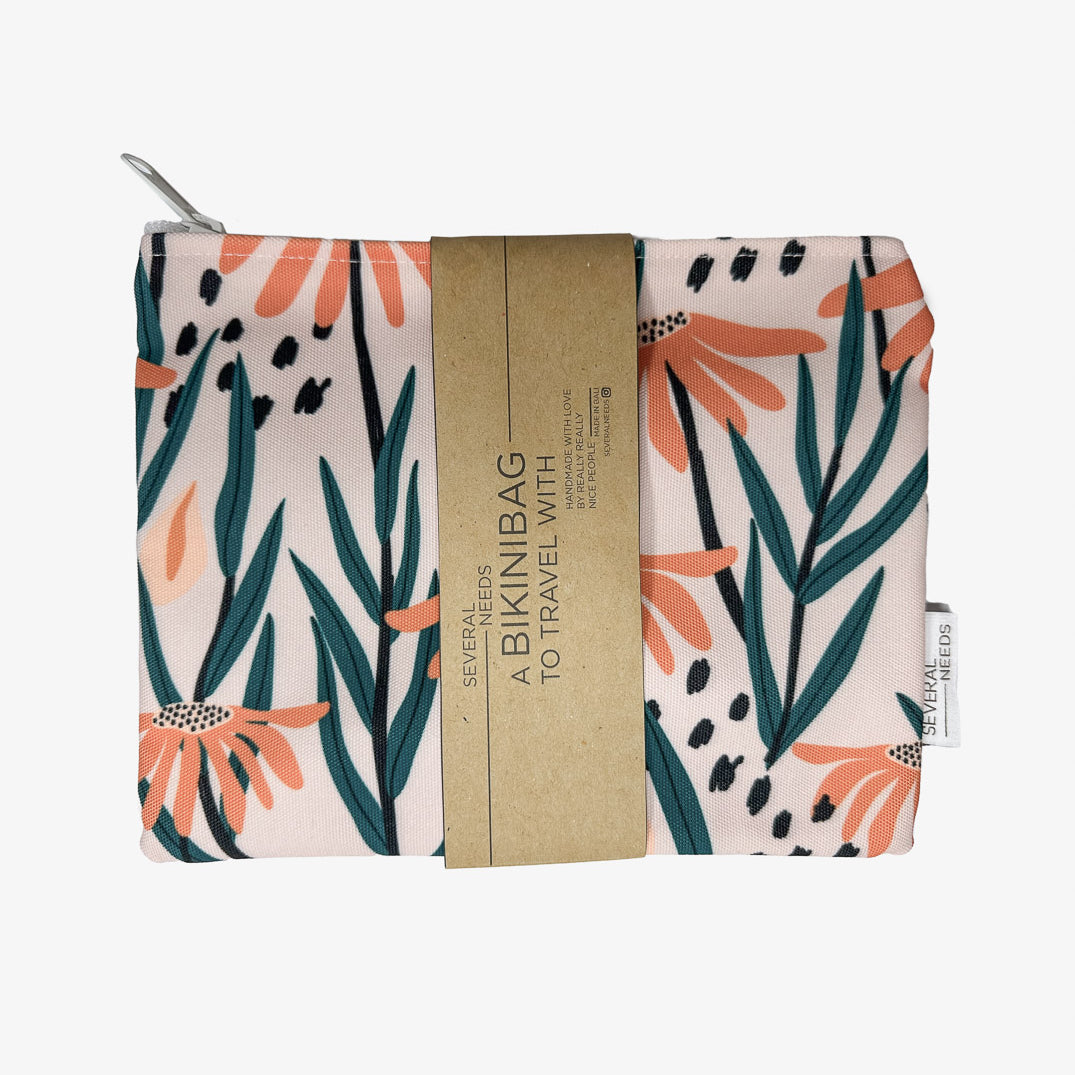
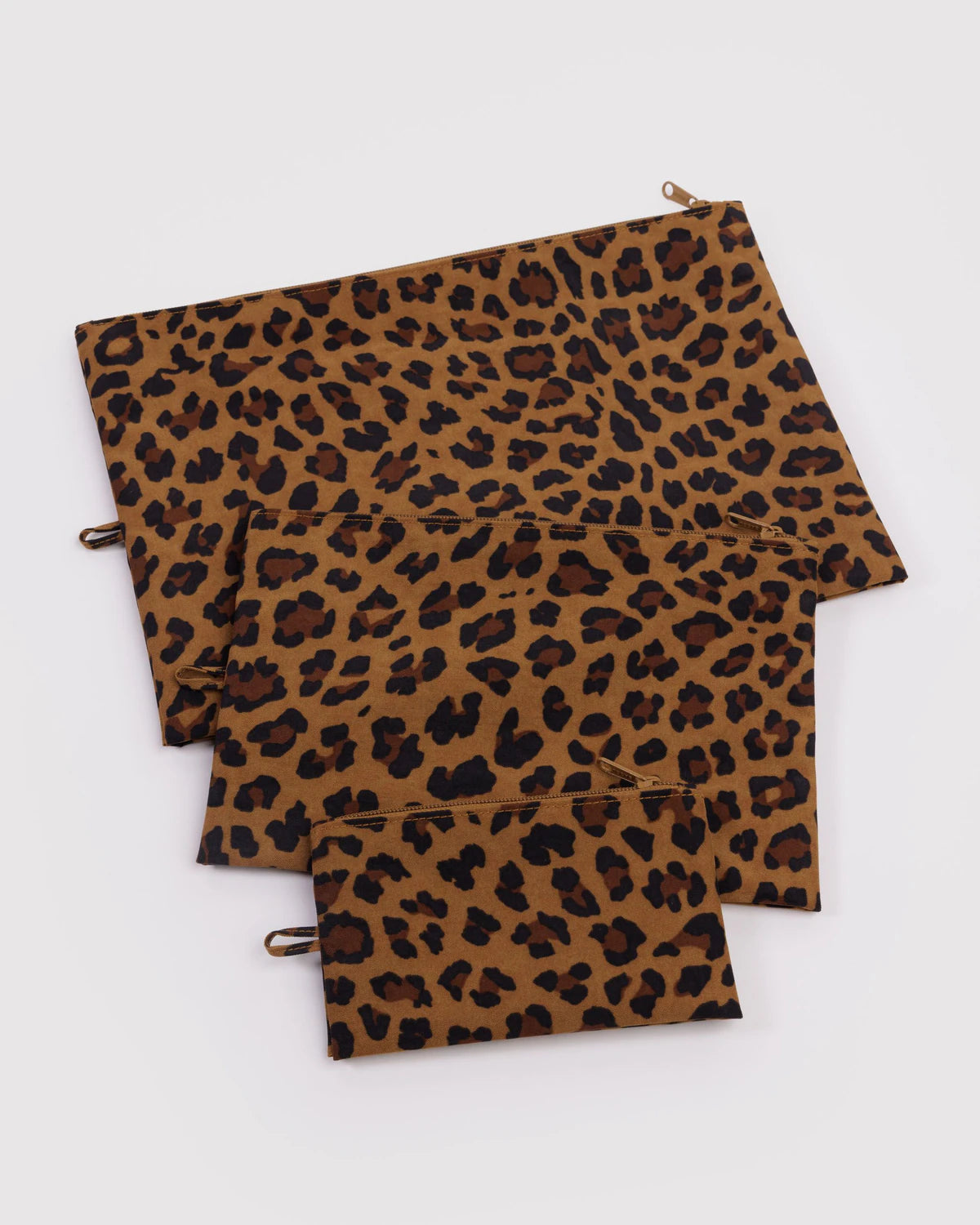
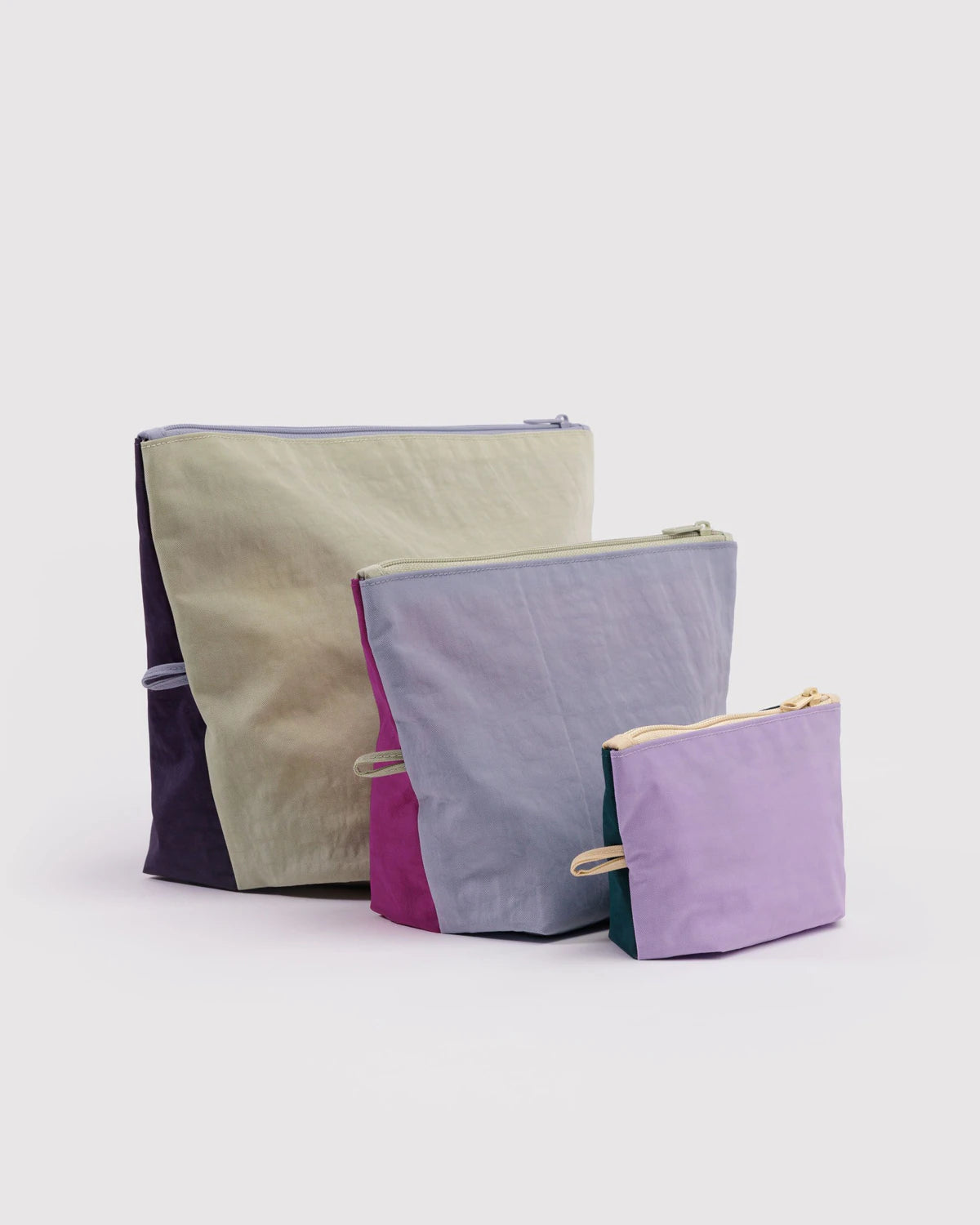
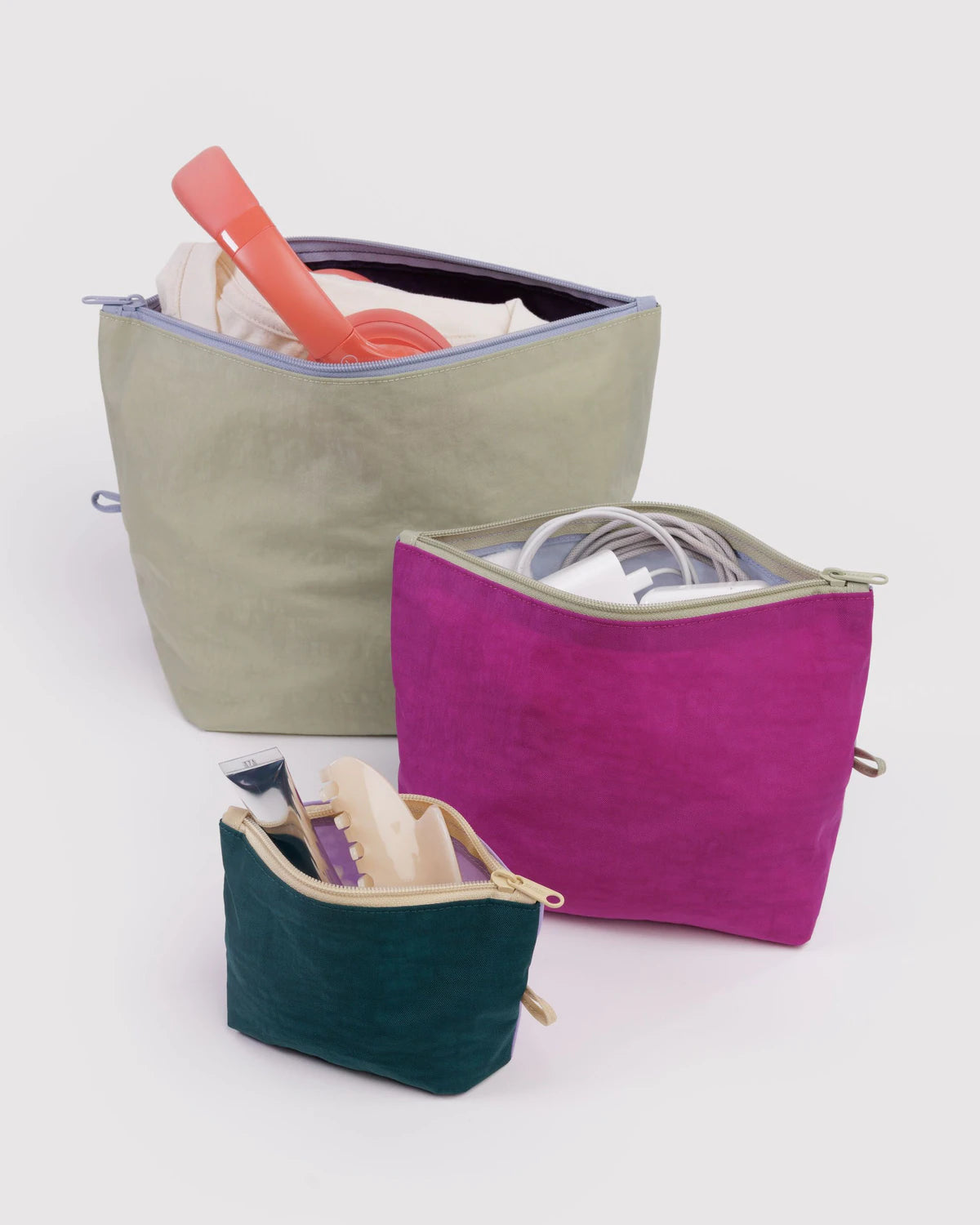
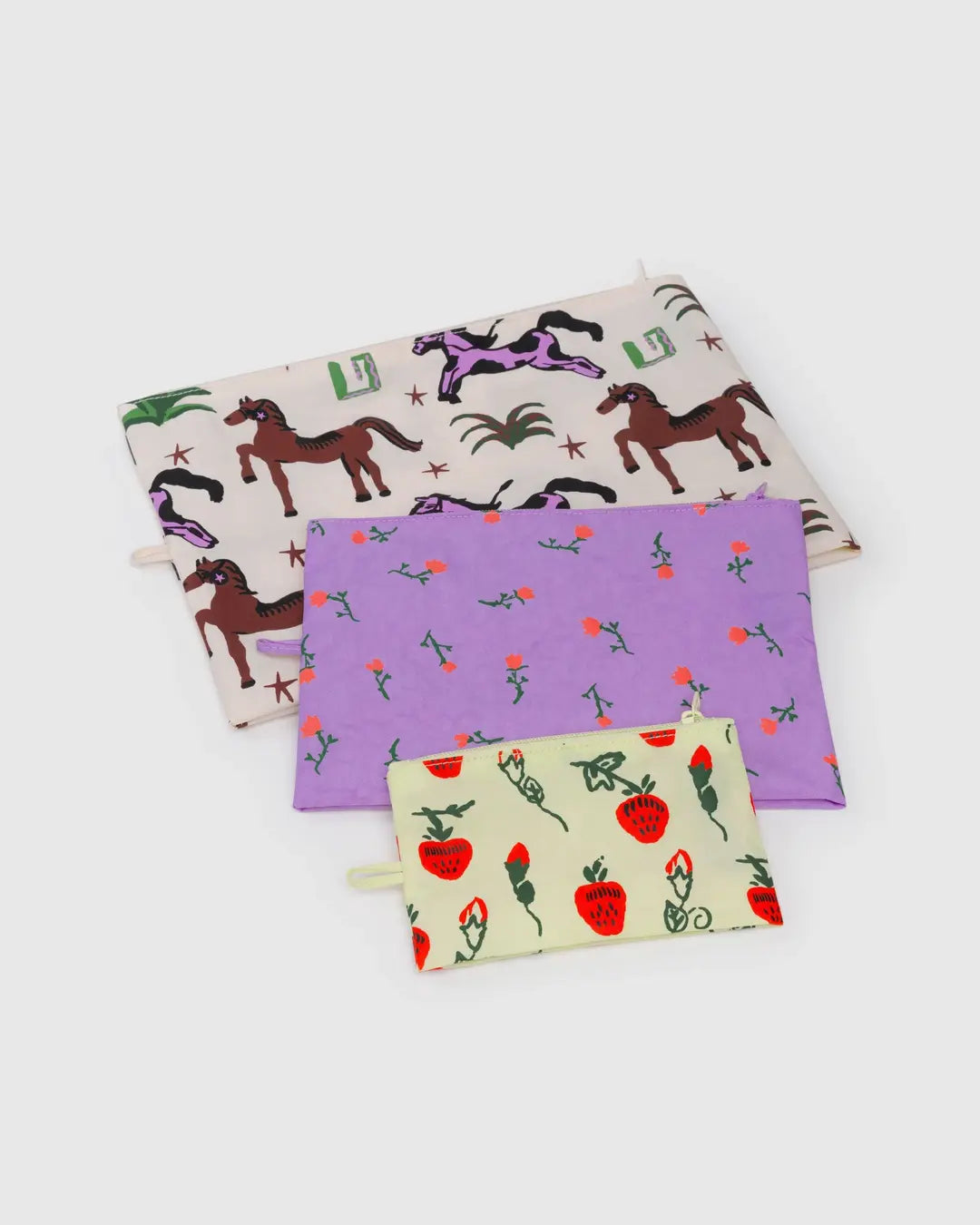
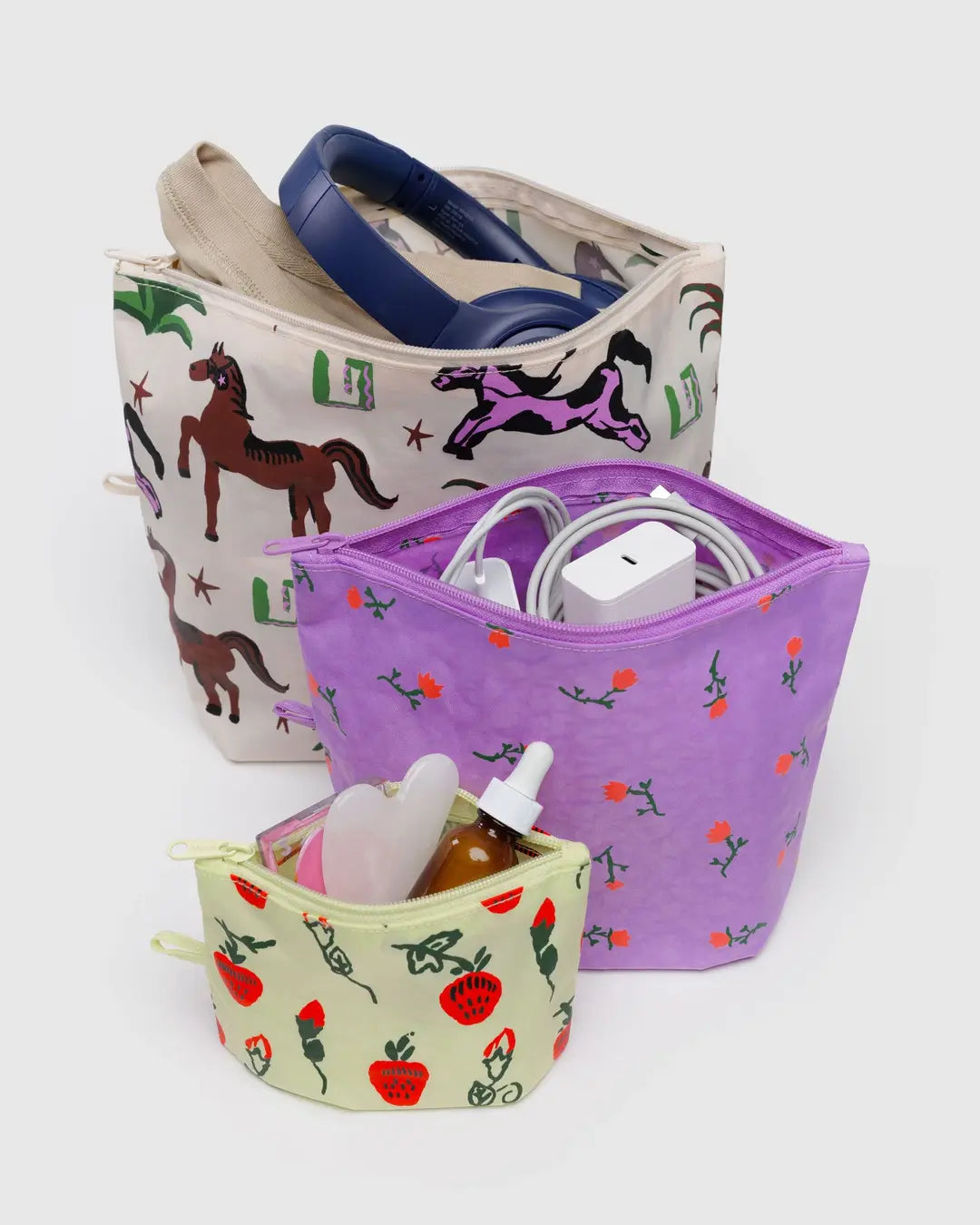
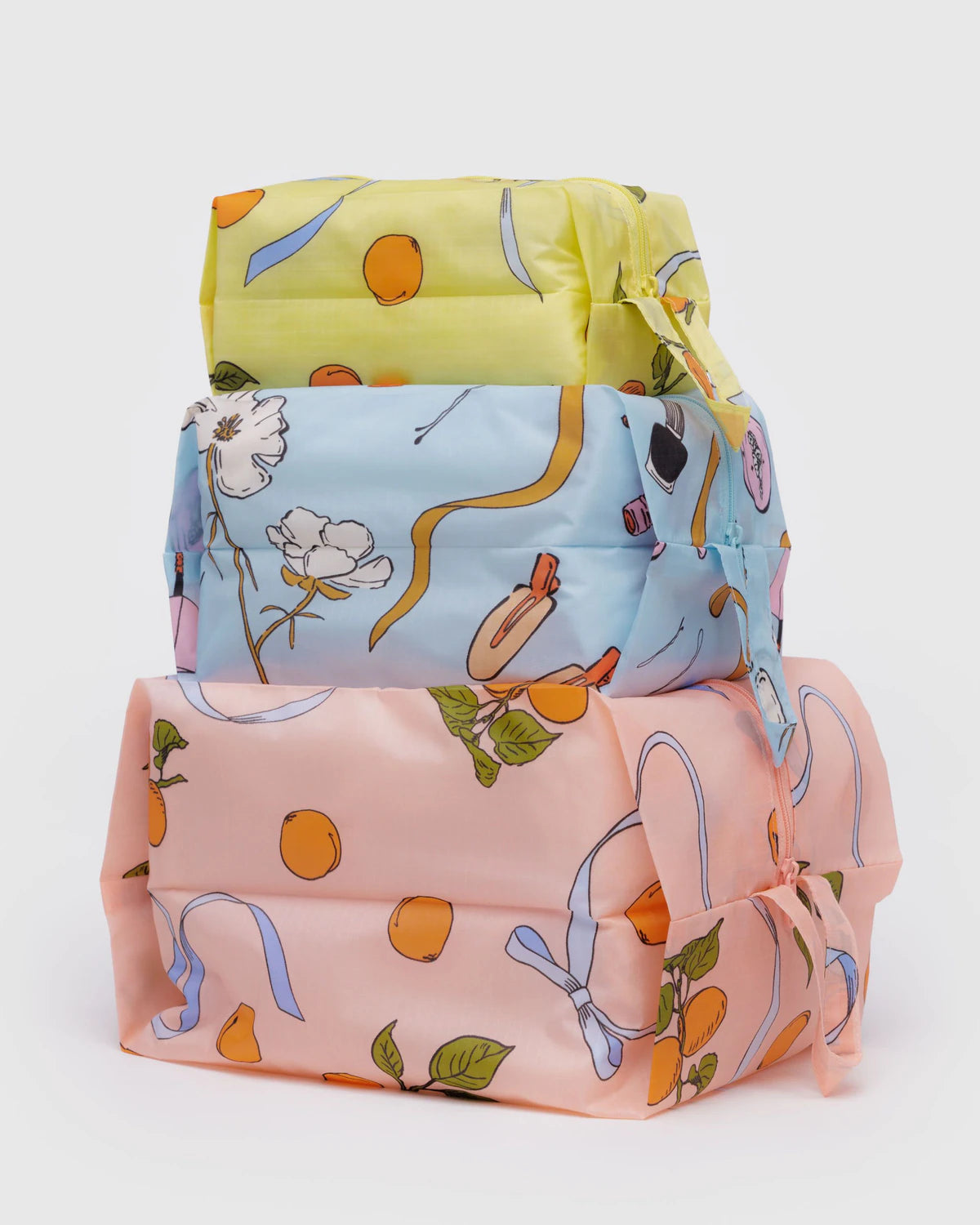
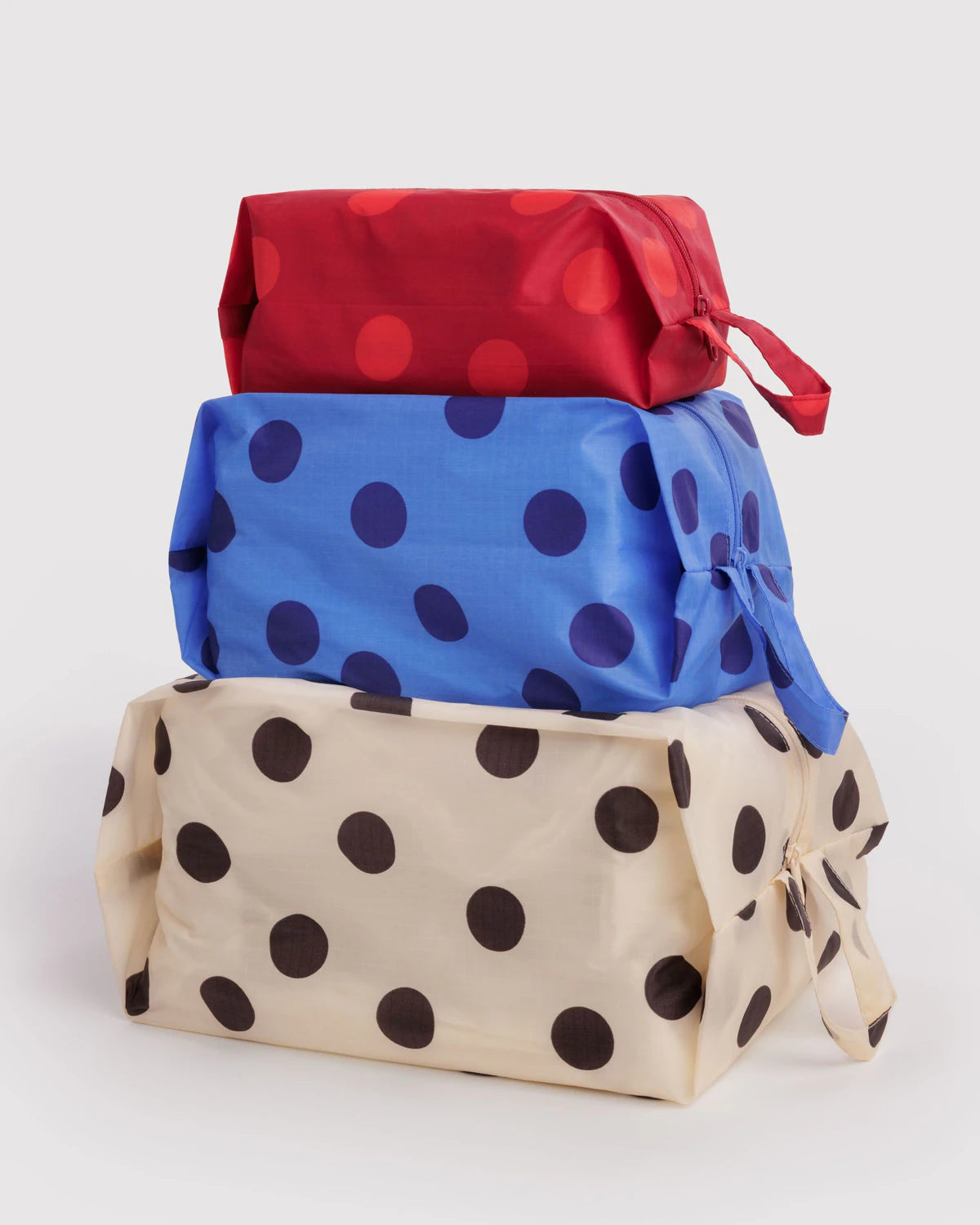
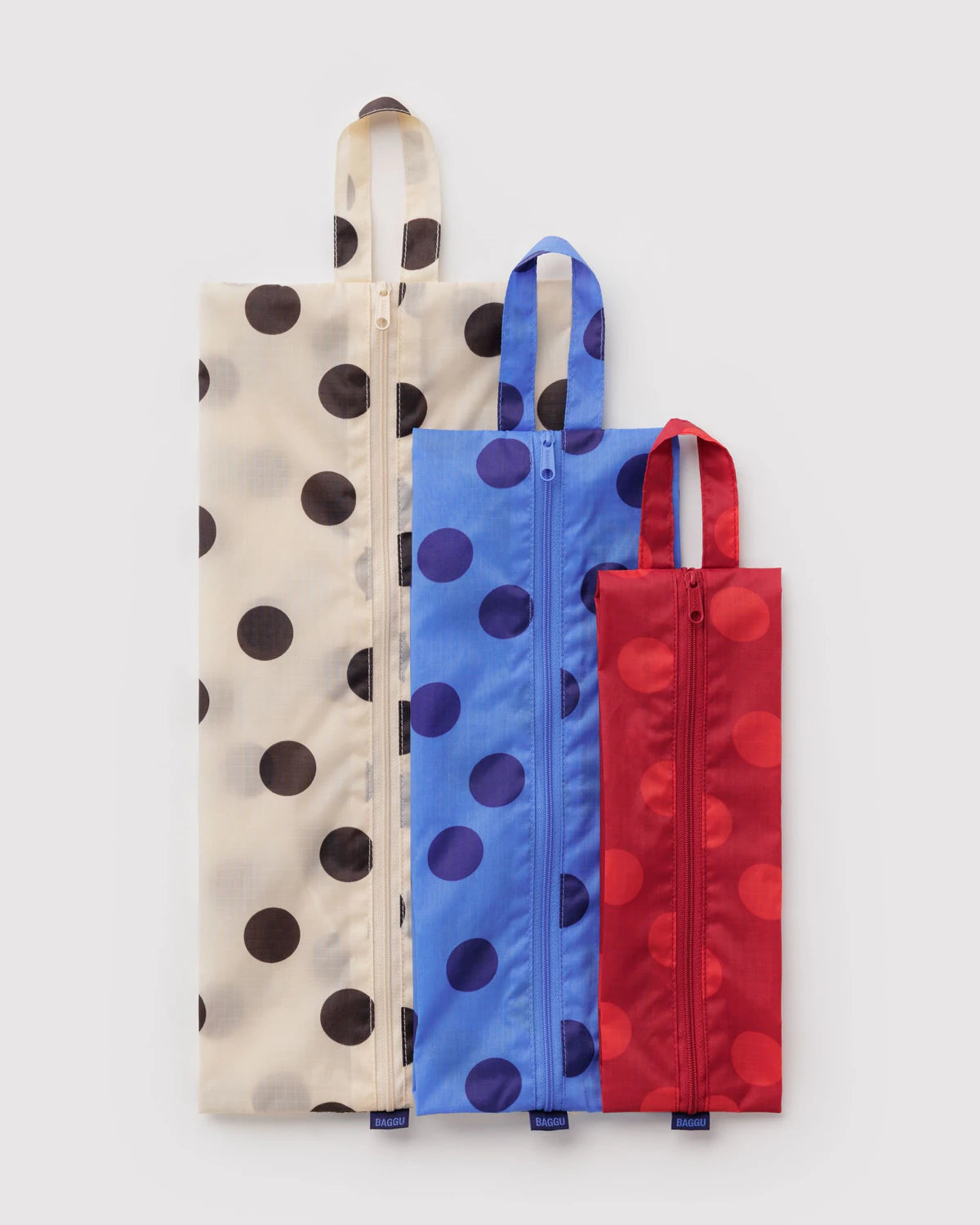
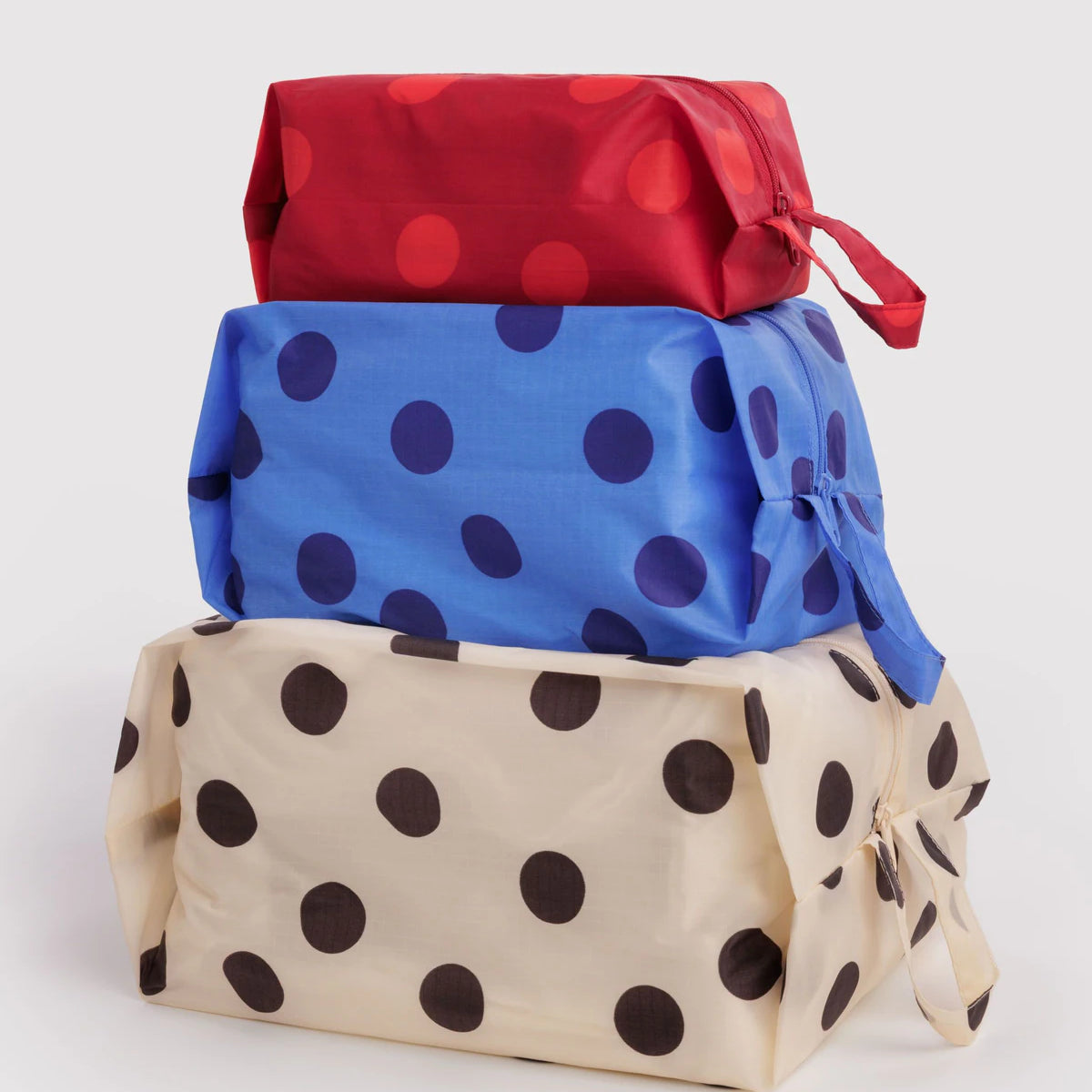
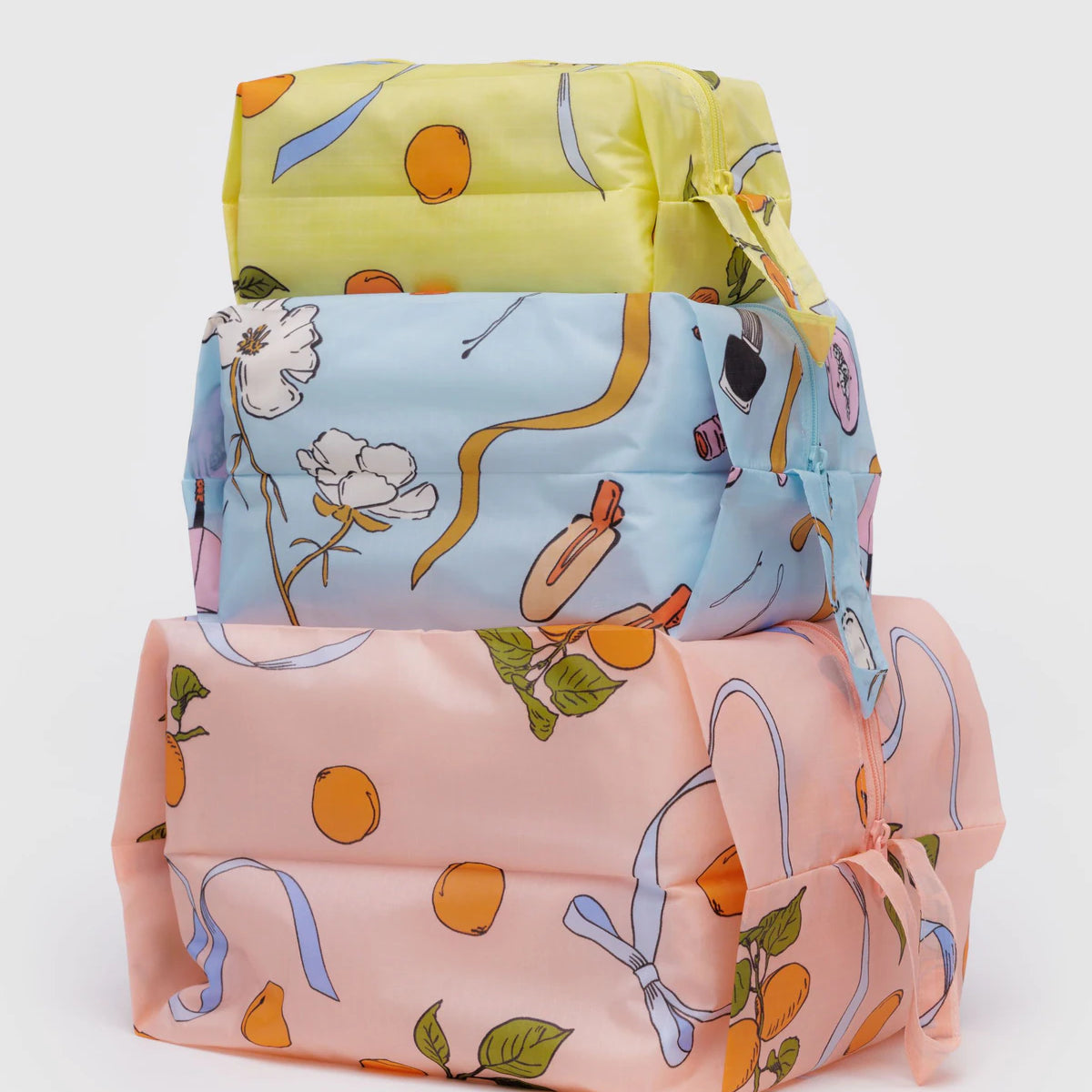
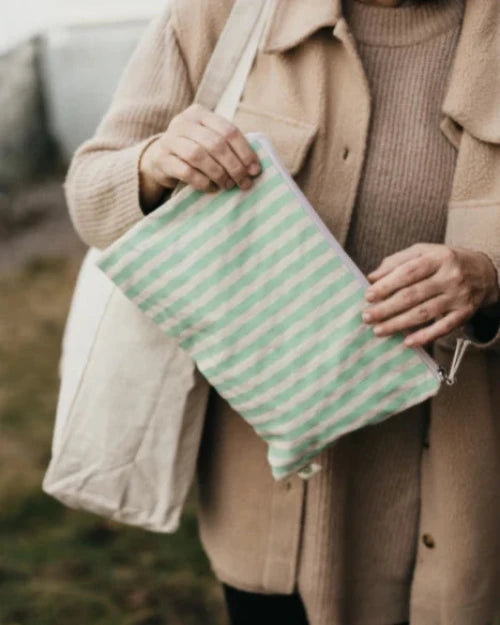
A sustainable advent calendar made from fabric bags is durable and versatile. You will need 24 small bags made of organic cotton or linen, numbers to sew on or attach, ribbons, and natural materials for decoration.
Here's how to proceed:
- Cut fabric scraps into suitable rectangles.
- Sew the sides together and add a drawstring.
- Add numbers, for example with fabric paint or wooden clothespins.
- Hang the bags on a branch or a wooden slat.
This version can be refilled and customized every year. A sustainable advent calendar in this form saves on packaging and looks decorative.
Instructions: Upcycled calendar made from jars or cans
Empty jam jars, tin cans, or small screw-top jars are perfect for a sustainable advent calendar. Rinse the containers thoroughly and remove any labels.
Design ideas:
- Cover the glasses with recycled paper and attach numbers.
- Decorate with jute ribbon, dried orange slices, or cinnamon sticks.
- Secure the glasses to a tray or wooden board.
Upcycling transforms everyday objects into original calendars that you can reuse year after year. This makes your sustainable advent calendar a real eye-catcher and a contribution to environmental protection.
Advent calendars made from envelopes or paper
A sustainable advent calendar can also be easily made from envelopes or recycled paper. This version is ideal for vouchers, small messages, or seed packets.
Here's how it works:
- Fold 24 envelopes from recycled paper or use collected envelopes.
- Design the front sides with hand lettering, stamps or sealing wax.
- Hang the envelopes on a jute string using wooden clothespins or attach them to a wall.
With minimal material costs, you can create a creative and plastic-free calendar that can be flexibly adapted to your wishes.
Sustainable decorating tips
For a sustainable advent calendar, decoration also plays an important role. Opt for natural materials such as pine cones, twigs, wooden stars, or dried orange slices.
- Use LED string lights to save electricity.
- Use reusable tags or wooden numbers
- Design the calendars with seasonal colors and natural accents.
This way, the decorations remain environmentally friendly and you can reuse them year after year. A sustainable advent calendar thus becomes a natural eye-catcher.
Time and organization tips
To ensure your sustainable advent calendar is a stress-free success, good planning is crucial. Start gathering materials early and spread the crafting tasks over several days.
Practical tips:
- Create a checklist for materials and work steps.
- Plan craft evenings with friends or family
- Use calendar apps to track progress.
With structured organization, the pre-Christmas period remains relaxed and you have enough time to lovingly design your sustainable advent calendar.
Avoid mistakes
There are typical pitfalls when crafting a sustainable advent calendar. Too much packaging, too little time, or a lack of materials can spoil the fun.
Pay attention to:
- Timely procurement of materials
- Reduction of single-use packaging
- Flexibility in the design, in case something doesn't work out
If you see small mistakes as creative challenges, your sustainable advent calendar will be a complete success. Learn from every project and look forward to new ideas for next year.
The best sustainable advent calendars 2026: Suppliers & recommendations
A sustainable advent calendar is more than just a trend these days – it represents conscious consumption, creativity, and responsibility. More and more providers are focusing on environmentally friendly materials, fair production, and innovative ideas. But what should you look for when choosing one, and which brands will be particularly impressive in 2026?
Overview: Sustainable brands and shops
In 2026, numerous shops and manufacturers will offer sustainable advent calendars. Particularly noteworthy are providers like little greenie, Avocadostore, and Etsy, which focus on certified materials, fair production, and plastic-free packaging. Local manufacturers are also gaining importance, as short transport routes and unique designs are winning over more and more families.
| Provider | Special features | Certificates |
|---|---|---|
| little greenie | Organic fabrics, handmade items | GOTS, Fairtrade |
| Avocadostore | Large selection, many brands | Various |
| Etsy | Handmade, unique pieces | Depending on the shop |
When buying, look for labels like GOTS or Fairtrade. This ensures that your sustainable advent calendar was produced in a socially and environmentally responsible manner.
Comparison: Ready-made vs. DIY calendars
Are you wondering whether a ready-made sustainable advent calendar or a DIY version is better for you? Ready-made calendars score points with time savings, a professional look, and often exciting collaborations with sustainable brands. DIY calendars, on the other hand, offer maximum individuality, full budget control, and personal design options.
For families with limited time, pre-made calendars are practical, while craft enthusiasts can unleash their creativity with a DIY project. Sustainability is a key focus for both options, provided you choose certified materials and fair-trade suppliers.
Price comparison & money-saving tips
Sustainable advent calendars typically cost between €30 and €100. DIY versions can often be made more cheaply, especially if you use upcycling or second-hand materials. Many shops offer discounts, swap meets, or vouchers.
A sustainable advent calendar can save even more money through group activities with friends or family. Sustainable gifts and gift ideas in the form of vouchers, which you can fill individually, are also a particularly flexible solution.
Children, Adults & Families: Special Recommendations
For children, calendars with wooden toys, learning materials, or experience vouchers are a great choice. Wooden play sets for children , which are plastic-free and durable, are very popular, for example. Adults will appreciate calendars focused on indulgence or wellness, such as those featuring organic tea, natural cosmetics, or zero-waste products.
Families benefit from advent calendars that promote shared activities and mindfulness, such as craft ideas, story time, or small challenges. This makes a sustainable advent calendar a truly enriching experience for everyone.
Important purchasing criteria
When buying, you should consider these criteria:
- Transparency of suppliers (materials, origin, production)
- Fair working conditions and social projects
- Plastic-free, recyclable or reusable packaging
- Customer reviews and testimonials
- Flexible return options and fair shipping
Compare different providers and look for seals and certificates to ensure your sustainable advent calendar truly delivers on its promises.
Examples & Trends 2026
The trend for 2026 is towards innovative designs, local collaborations, and even greater personalization. More and more families are opting for sustainable materials, creative fillings, and digital calendar formats. According to current market research, the demand for sustainable advent calendars is steadily increasing.
Many providers integrate social projects or support environmental protection initiatives. In this way, the sustainable advent calendar becomes a symbol for a conscious Christmas with a positive impact on the environment and society.
Living sustainably during Advent: Tips for families and children
The Advent season is the perfect opportunity to embrace sustainability together and consciously create new family traditions. A sustainable Advent calendar can serve as a starting point for experiencing Advent with more mindfulness and less consumer stress. Small changes in everyday life often make the biggest difference and provide guidance for both children and adults towards an environmentally friendly future.
Conscious consumption and mindfulness
Less is often more, especially during Advent. A sustainable Advent calendar helps prioritize quality over quantity. Instead of many small plastic items, you choose thoughtful, long-lasting gifts. Shared rituals like crafting, baking, or reading aloud create lasting memories and strengthen family bonds. This way, each day of Advent becomes a special experience that focuses attention on what truly matters.
Raising children's awareness of sustainability
A sustainable advent calendar is the perfect way to playfully inspire children about environmental protection and social responsibility. Talk to them about where the contents come from and why regional, fair-trade products are important. Let your child help choose the gifts and participate in the crafting. This way, sustainability becomes a shared family project and a tangible experience in everyday life.
Sustainable family activities during Advent
Engaging in activities together makes Advent especially meaningful. A sustainable Advent calendar can include daily tasks or small challenges:
- Upcycling craft projects with old glasses or fabric scraps
- Family walks in nature
- Cooking regional recipes together
- Advent days as an opportunity for small acts of charity
These activities promote creativity, environmental awareness, and strengthen the sense of community.
Preparing for a zero-waste Christmas
A sustainable advent calendar encourages you to celebrate Christmas in an environmentally friendly way. Packaging can be replaced with cloth bags, recycled paper, or reusable cotton makeup remover pads . Use second-hand gifts or plastic-free decorations. You can find more tips for sustainable packaging in the 2025 Packaging Check . This way, you reduce waste and make a statement for conscious consumption.
Everyday examples
Many families report that their sustainable advent calendar has led to new favorite rituals. Schools and kindergartens are seeing the emergence of creative upcycling projects where children make their own calendars. Clubs and associations are organizing sustainable advent challenges that promote community and environmental awareness. These experiences demonstrate how easily change can be achieved.
Long-term effect
A sustainable advent calendar shapes the values of the whole family. Children become multipliers for sustainable practices and share their experiences with their surroundings. This fosters an awareness that extends far beyond the Advent season and shapes the future.
Sustainability during Advent is more than a trend – it's a conscious decision that brings joy and meaning to your family life. If you're inspired by the many tips and ideas in our guide and want to make your everyday life even more sustainable, it's worth thinking outside the box. MAIN Design shows how stylish, high-quality products and responsible resource management can be perfectly combined. Be inspired by innovative ideas for a sustainable lifestyle and discover how you can make a difference not only during Advent, but all year round.