

Children live in the moment. They jump into the water, run barefoot over stones, and put on and take off their swimsuits without a second thought. That's precisely why their swimwear needs materials that can keep up – robust, skin-friendly, and safe. Children's swimwear materials are much more than just colorful fabrics. They determine comfort, durability, and also how we manage our planet's resources. It's about real values: safety for children's skin, quality that lasts through the summer, and materials that don't leave a footprint.
Why material is crucial in children's swimwear
Children's skin is thinner, more sensitive, and more permeable than adults'. It reacts more quickly to pollutants, chemicals, or rough fibers. At the same time, children are constantly on the move – swimming, playing, lying in the sand, running into the waves. The material must withstand all of this without chafing, tearing, or stretching out of shape.
Therefore, materials used in children's swimwear should meet several criteria:
- Skin-friendly without harmful chemicals
- Dimensional stability even after frequent contact with chlorine and salt water
- Quick drying for spontaneous adventures
- UV protection that doesn't wash out
- Durability over several seasons
Many conventional swimwear fabrics contain synthetic dyes, plasticizers, or production residues. ÖKO-TEST has repeatedly detected harmful substances in children's swimwear – all the more reason to pay close attention to its origin and composition.
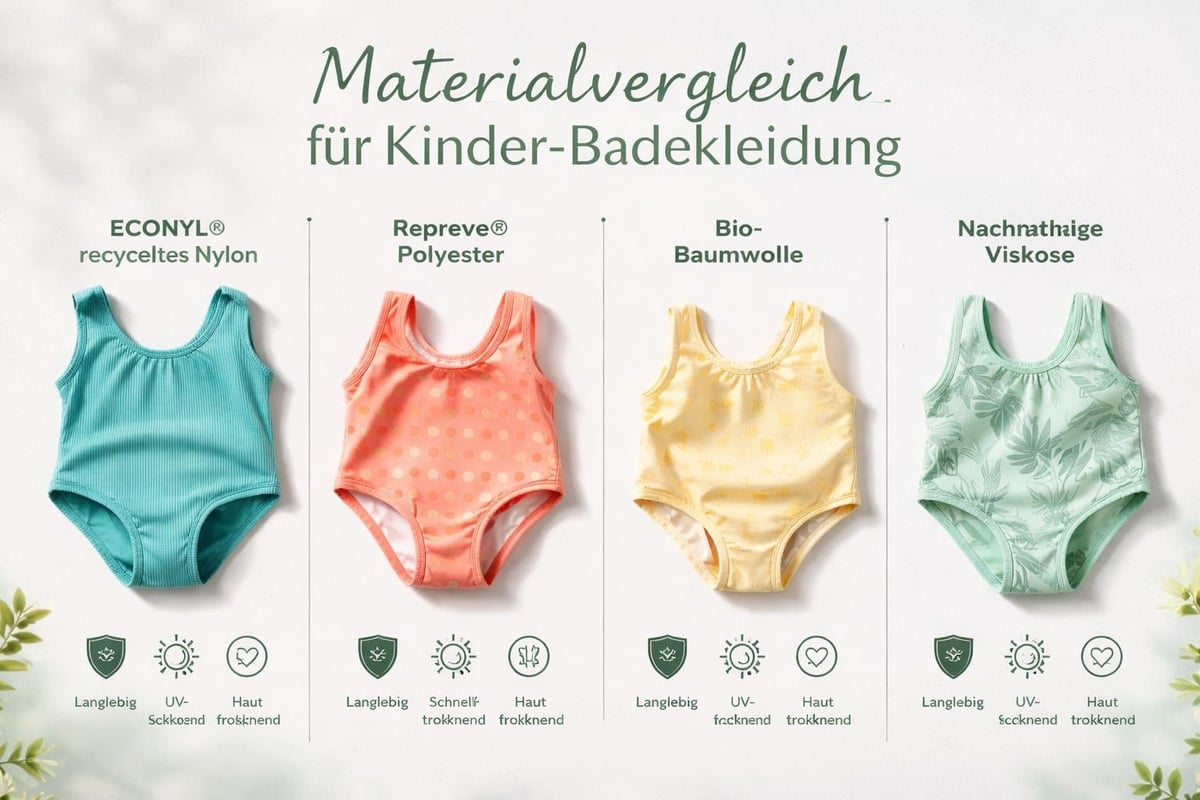
ECONYL®: Regenerated nylon from the sea
ECONYL® is not a new raw material, but a reborn one. The material is created from marine plastic, old fishing nets, and industrial waste – precisely the kind of waste that pollutes our oceans. This waste is collected, cleaned, deconstructed, and spun into new nylon yarn. The result is chemically identical to conventional nylon, but without the petroleum extraction.
ECONYL® is ideal for children's swimwear:
- Elastic and dimensionally stable : The fabric stretches with every movement and returns to its original shape.
- Soft on the skin : Seamlessly processed, ECONYL® feels like a second skin.
- Chlorine and saltwater resistant : Withstands the conditions in pools and the sea.
- Durable : The material retains its quality even after many washes.
The best part: ECONYL® can be recycled again and again without any loss of quality. A cycle that makes sense. You can find out more about sustainability and the materials we use at MAIN Design on our website.
Repreve®: Recycled polyester with provenance
Repreve® transforms PET bottles and plastic waste into high-quality polyester threads. Every year, billions of plastic bottles are discarded into the environment – Repreve® brings them back into the cycle. The material is cleaned, melted, processed into pellets, and finally spun into yarn.
Repreve® offers several advantages for children's swimwear:
- Quick-drying : Perfect for children who can't sit still.
- Colorfast : Intense colors that do not fade.
- Lightweight and breathable : Comfortable even on hot days
- Easy care : Tolerates frequent washing without loss of quality.
| Characteristic | ECONYL® | Repreve® |
|---|---|---|
| Origin | Marine plastic, fishing nets | PET bottles, plastic waste |
| elasticity | Very high | Medium to high |
| Drying | Fast | Very fast |
| UV protection | Integration possible | Integration possible |
| Recyclable | Infinite | Multiple |
Both materials demonstrate that quality and responsibility are not mutually exclusive. They conserve resources without compromising functionality.
Organic cotton: Natural and gentle
Not all children's swimwear has to be made of synthetic materials. Organic cotton offers a natural alternative – especially for children with sensitive skin or allergies. Unlike conventional cotton, organic cotton is grown without pesticides, chemical fertilizers, or genetically modified seeds.
Advantages of organic cotton in children's swimwear:
- Breathable and temperature-regulating
- Skin-friendly without chemical residues
- Soft feel, comfortable to wear
- Reduced water consumption in cultivation
The downside: Organic cotton dries more slowly than synthetic fibers and can lose its shape after frequent contact with salt water. Therefore, it is often combined with recycled synthetic fibers – for a balance between naturalness and functionality.
Viscose from sustainable forestry
Viscose is a fiber made from cellulose, a plant-based material. When sourced from sustainably managed forests, it is an environmentally friendly alternative to conventional synthetic fibers. Certifications such as FSC or PEFC guarantee that no deforestation is taking place.
Viscose is often used in blended fabrics for children's swimwear:
- Light and flowing : Especially comfortable for beach dresses or cover-ups.
- Cooling on the skin : Ideal for warm days
- Biodegradable : Unlike pure synthetic fibers
However, viscose is less elastic and shape-retaining than ECONYL® or Repreve®, which is why it is less frequently used in tight-fitting swimsuits.
What you should pay attention to when buying
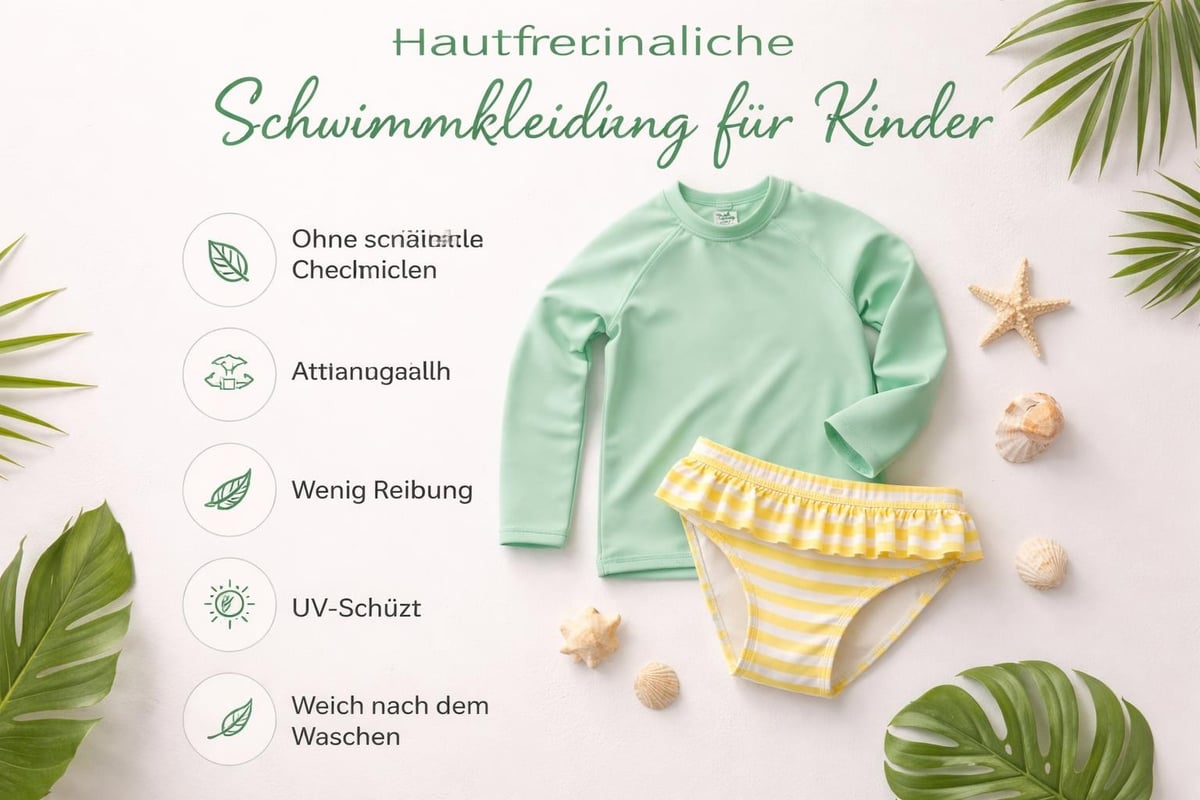
Materials used in children's swimwear are only one part of the equation. Workmanship, fit, and certifications also play a role. Here are a few points to consider to help you decide:
- Check certifications : OEKO-TEX® Standard 100, GOTS or Bluesign guarantee materials free of harmful substances.
- View seam construction : Flat seams prevent chafing on sensitive children's skin.
- Question UV protection : UPF 50+ is the gold standard for swimwear
- Test the fit : Swimwear that is too tight will dig in, and swimwear that is too loose will slip down while swimming.
- Origin and transparency : Brands that disclose their supply chain usually operate more responsibly.
The Fairtrade Germany website offers in-depth information on fair textiles and sustainable materials – even if it doesn't explicitly focus on swimwear, the principles are transferable.
Care: How to keep materials looking beautiful for a long time
Even the best materials used in children's swimwear won't last forever if they are treated incorrectly. A few simple steps can significantly extend their lifespan:
- Rinse after each use : Chlorine and salt damage the fibers.
- Hand washing is preferable : gentler than the washing machine.
- Do not wring : Gently squeeze out excess water and dry flat.
- Dry in the shade : UV light can fade colors.
- Avoid fabric softener : It coats the fibers and reduces elasticity.
| Care step | Effect | frequency |
|---|---|---|
| Rinse | Removes salt, chlorine, sand | After each use |
| Hand wash | Protects fibers and shape | If needed |
| Dry flat | Prevents stretching out | Always |
| Shadow | Protects colors | Always |
Children's swimwear that grows with them
Children grow quickly. A swimsuit that fits perfectly in May might be too small by August. Materials also play a role: Elastic fabrics like ECONYL® or Repreve® give a little without stretching out. Adjustable straps, knot closures, or stretchy cuffs further extend the swimsuit's lifespan.
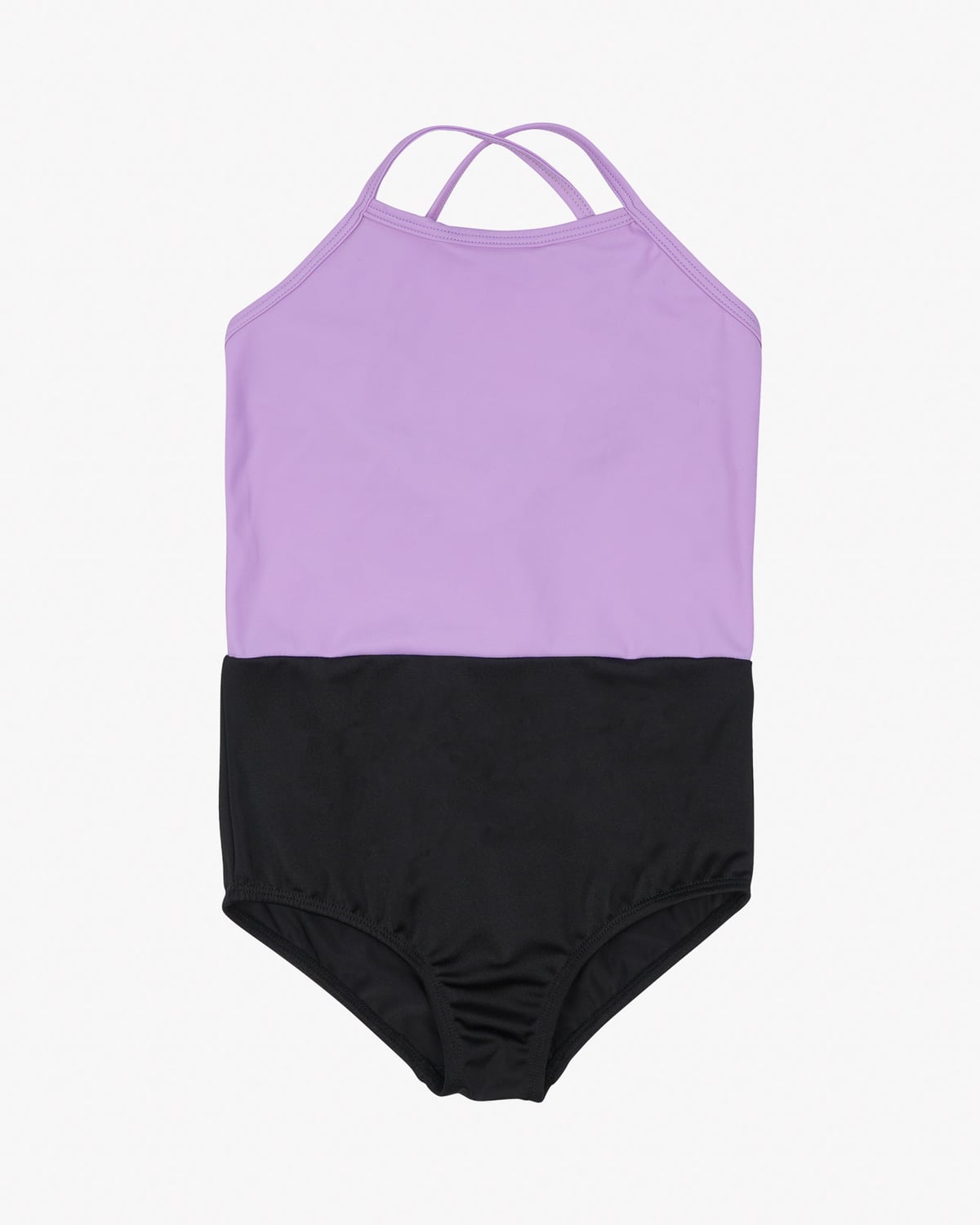
The Lena girls' swimsuit is a good example: The shoulder straps are tied at the back, allowing for a flexible fit. The fabric is high-quality, soft, quick-drying, and comfortable against the skin – qualities that will last for several summers.
Dyes and prints: Quality counts here too.
Bright prints and vibrant colors are a staple of children's swimwear. However, not all dyes are safe. Azo dyes, which can release toxic amines, are banned in the EU, yet they still repeatedly appear in cheap imported goods.
Pay attention to:
- Certified dyes : OEKO-TEX® or GOTS exclude harmful chemicals.
- Colorfastness : Good prints do not bleed and remain clear even after many washes.
- Smell test : A chemical smell is a warning sign.
Sustainable brands rely on water-based or solvent-free printing processes, which are less harmful to people and the environment.
Recycling and circular economy
What happens when swimwear becomes too small? Synthetic materials like ECONYL® or Repreve® can theoretically be recycled. In practice, this isn't yet widely possible – but some brands already offer take-back programs.
Alternatives:
- Passing it on : siblings, friends, flea markets
- Swap : Online platforms for children's clothing
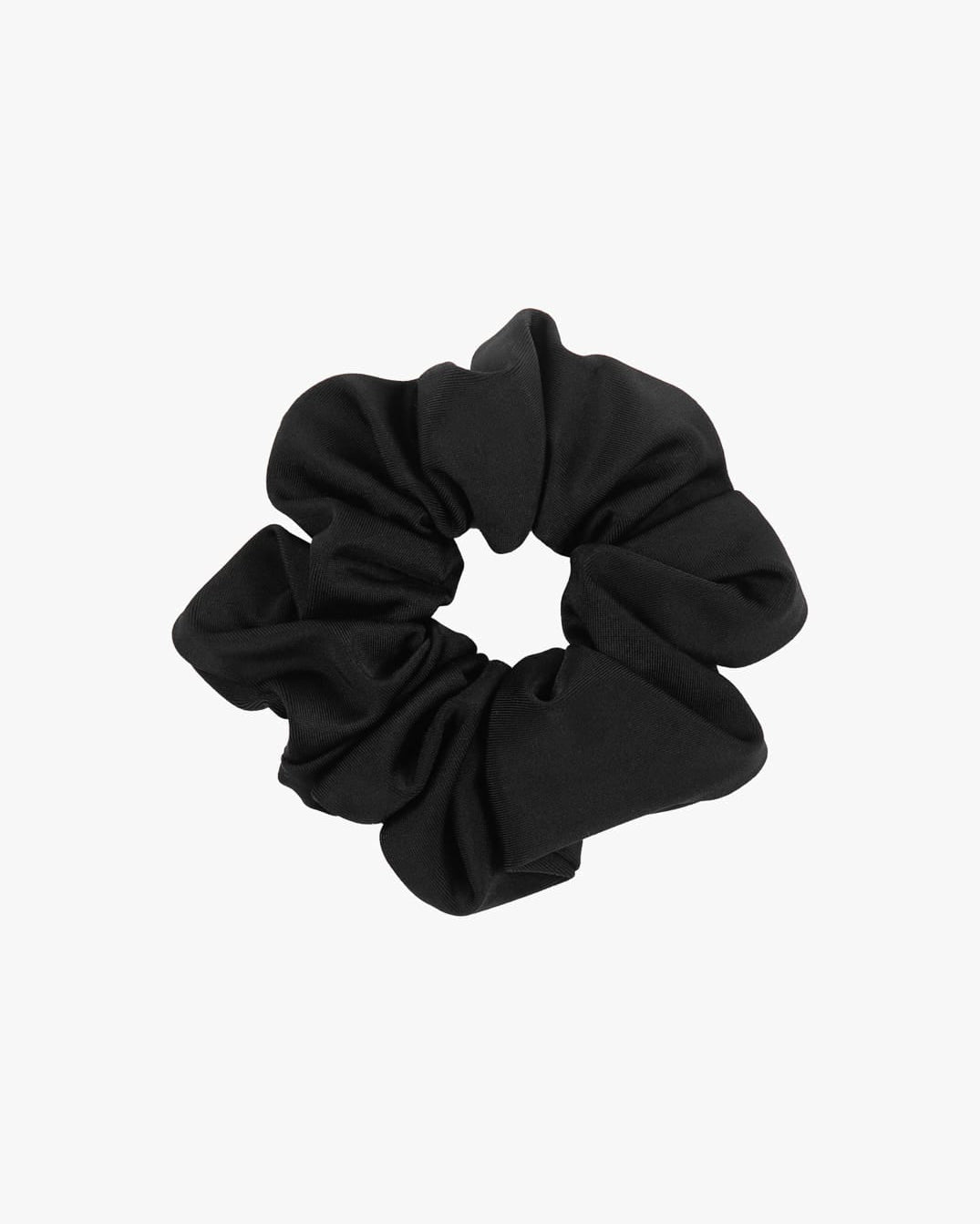
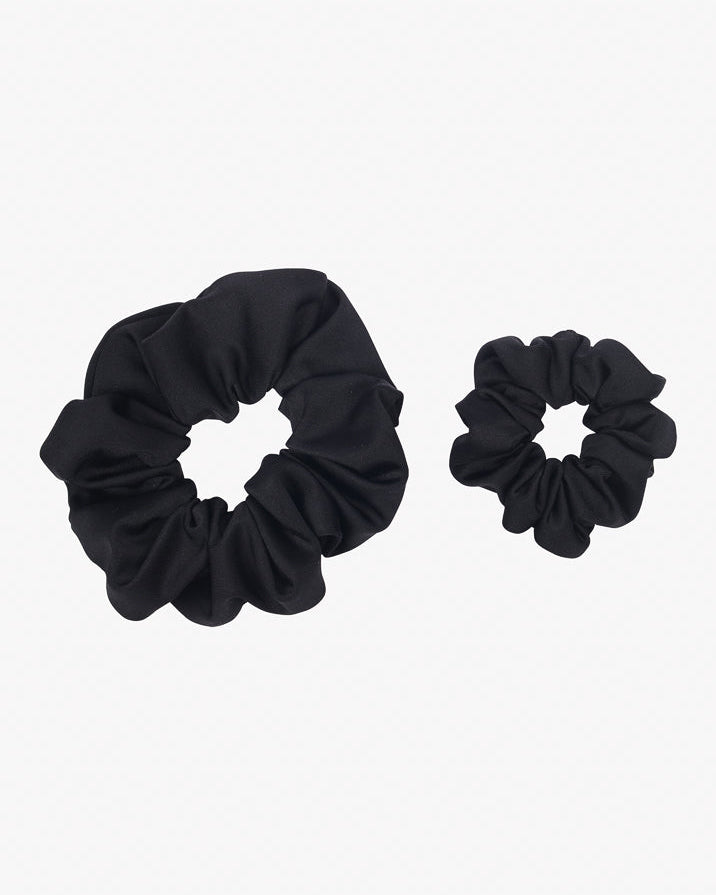
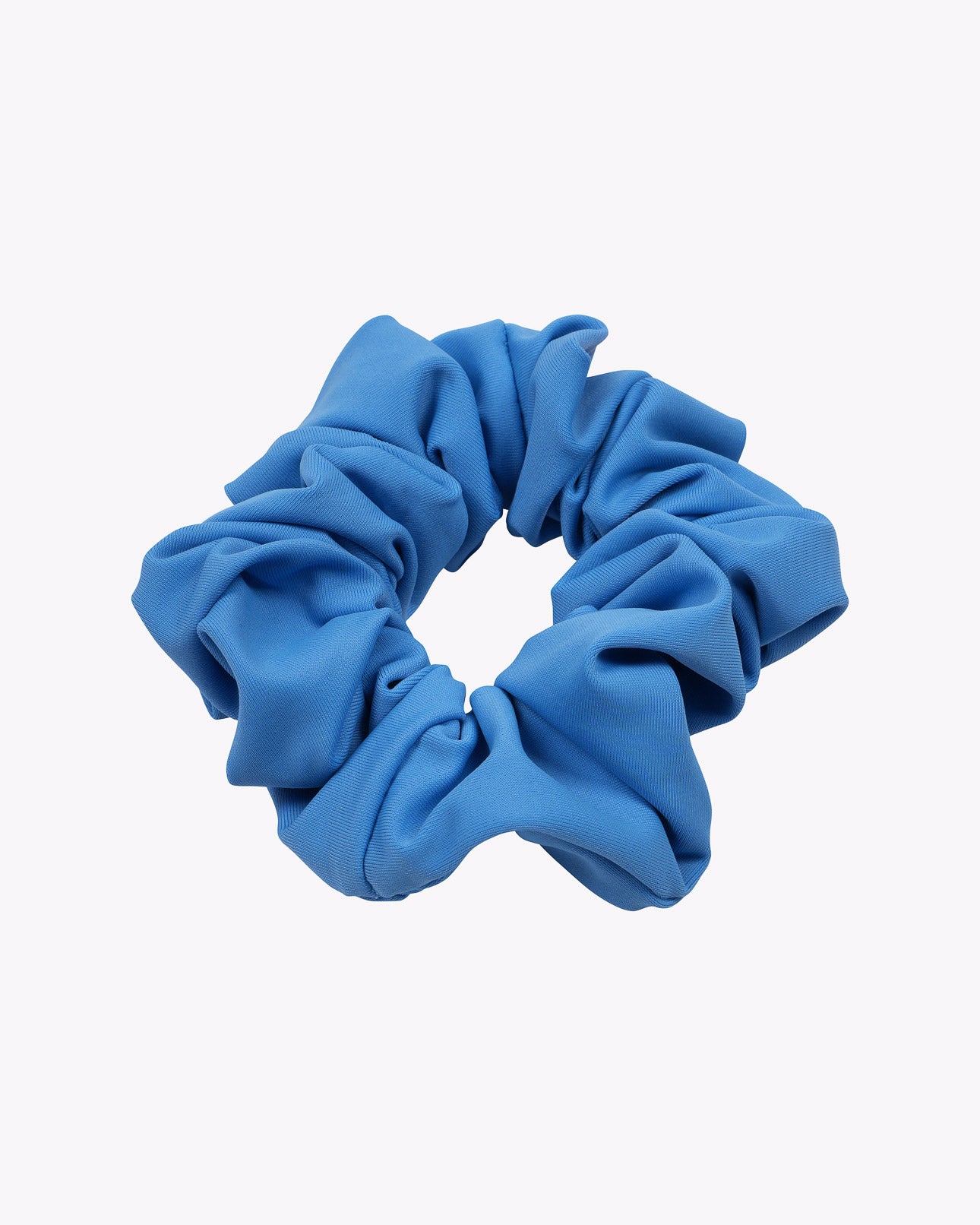
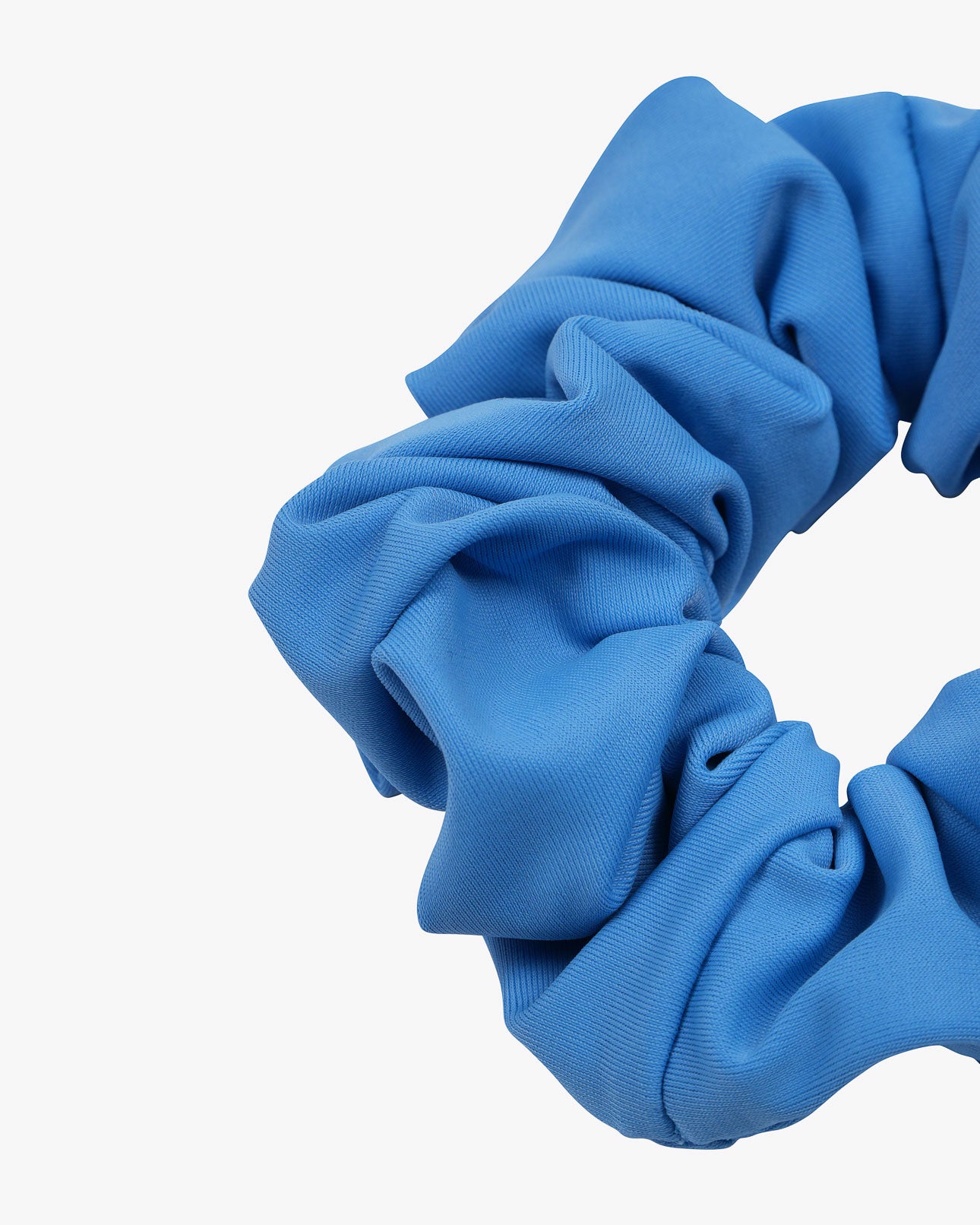
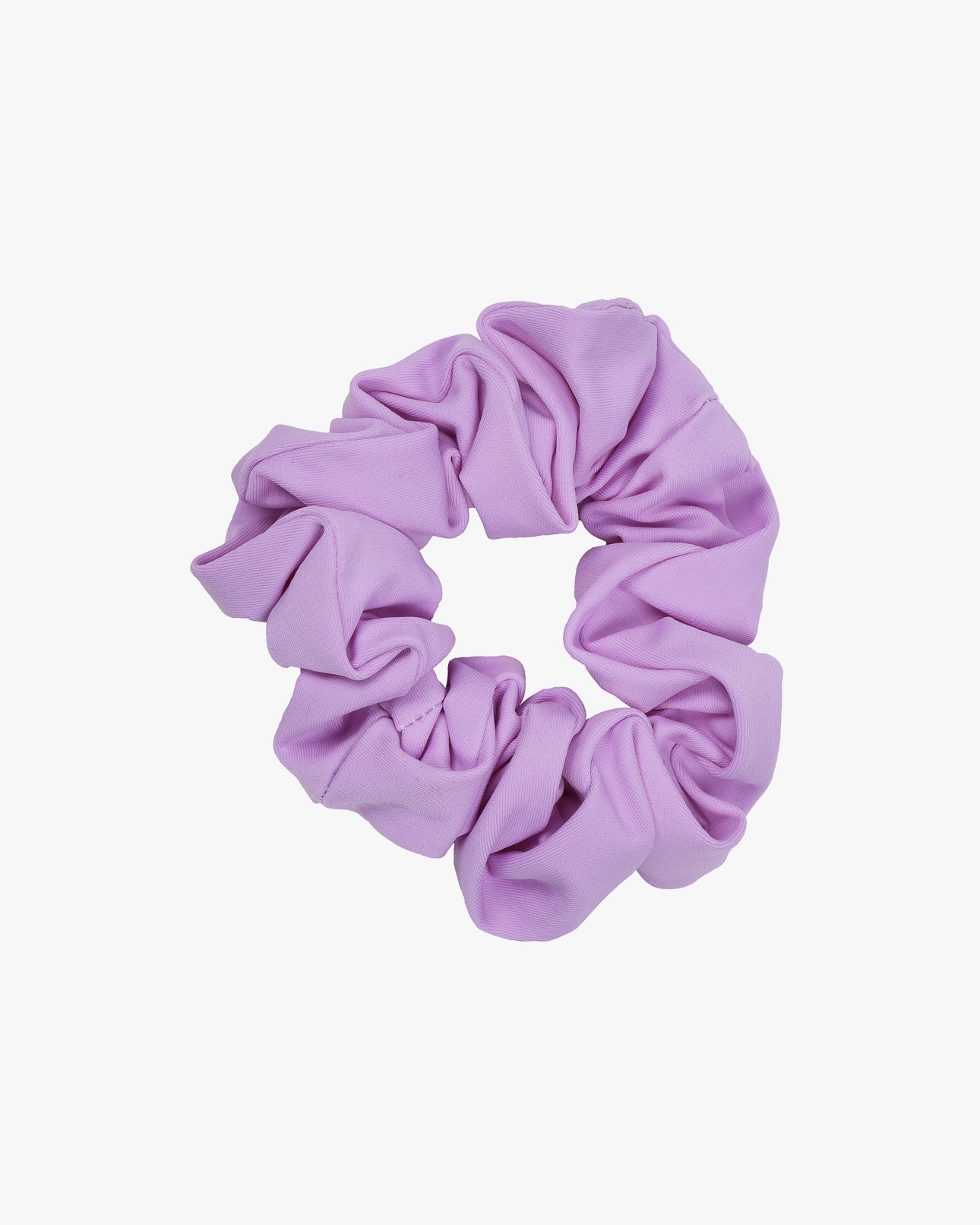
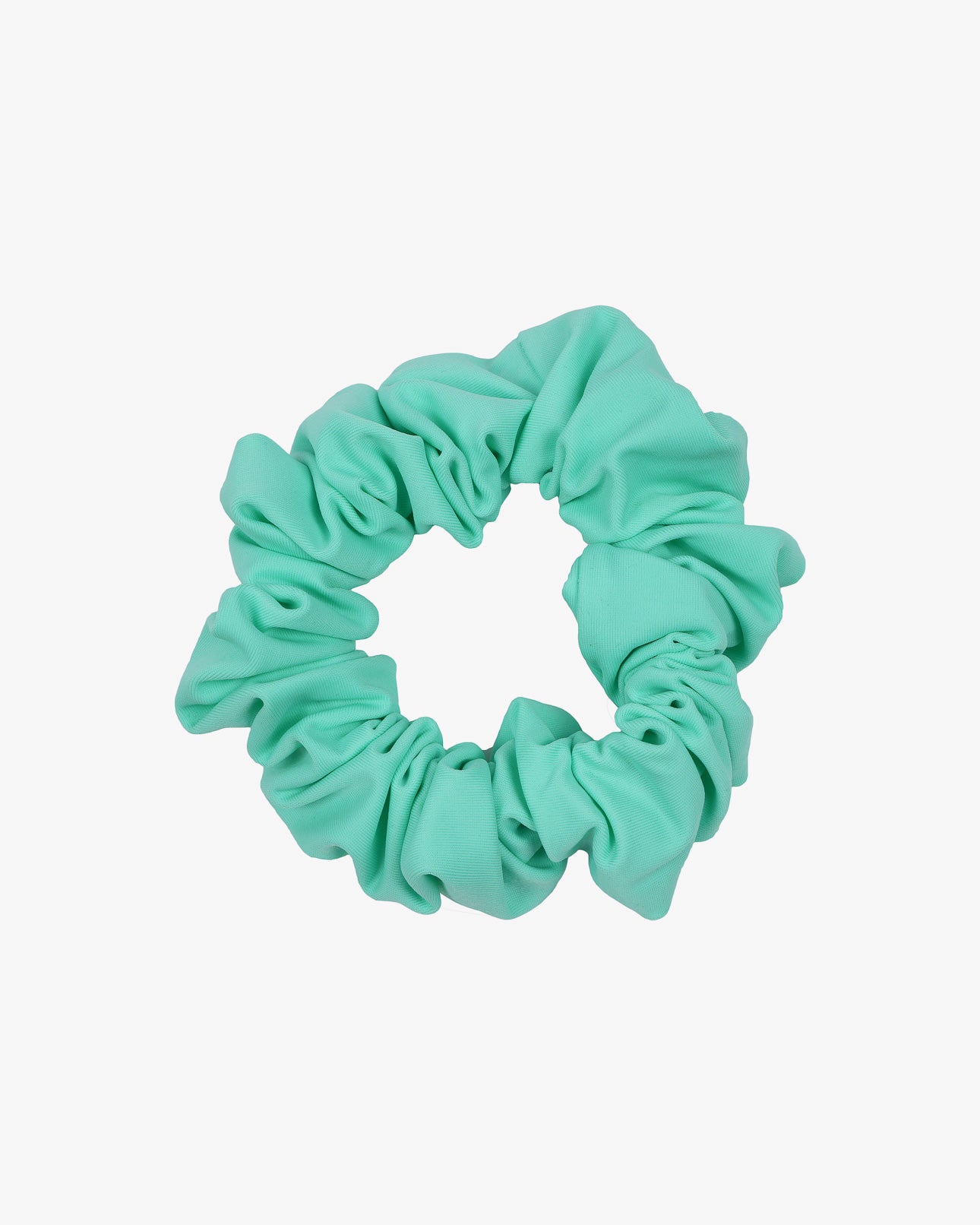
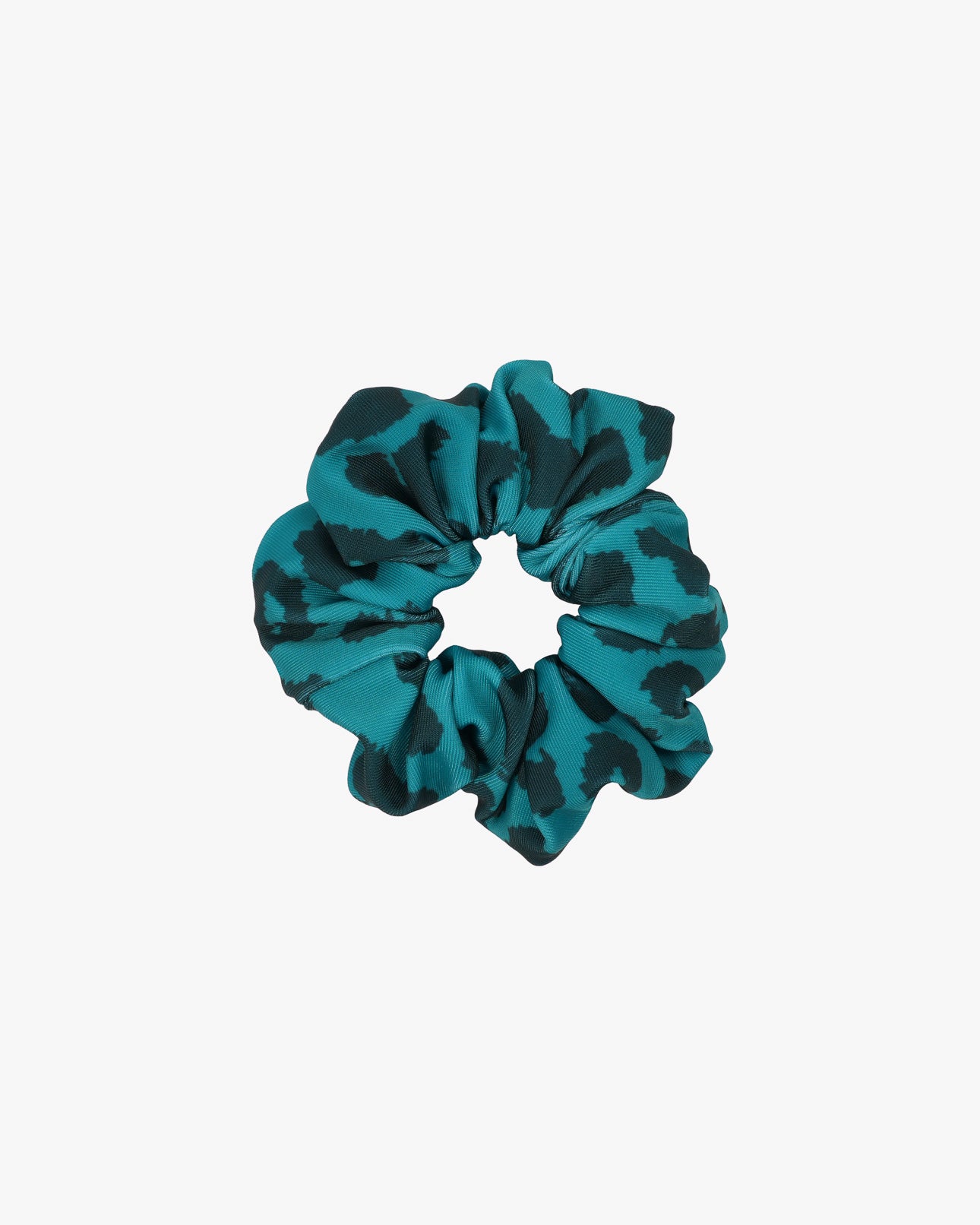
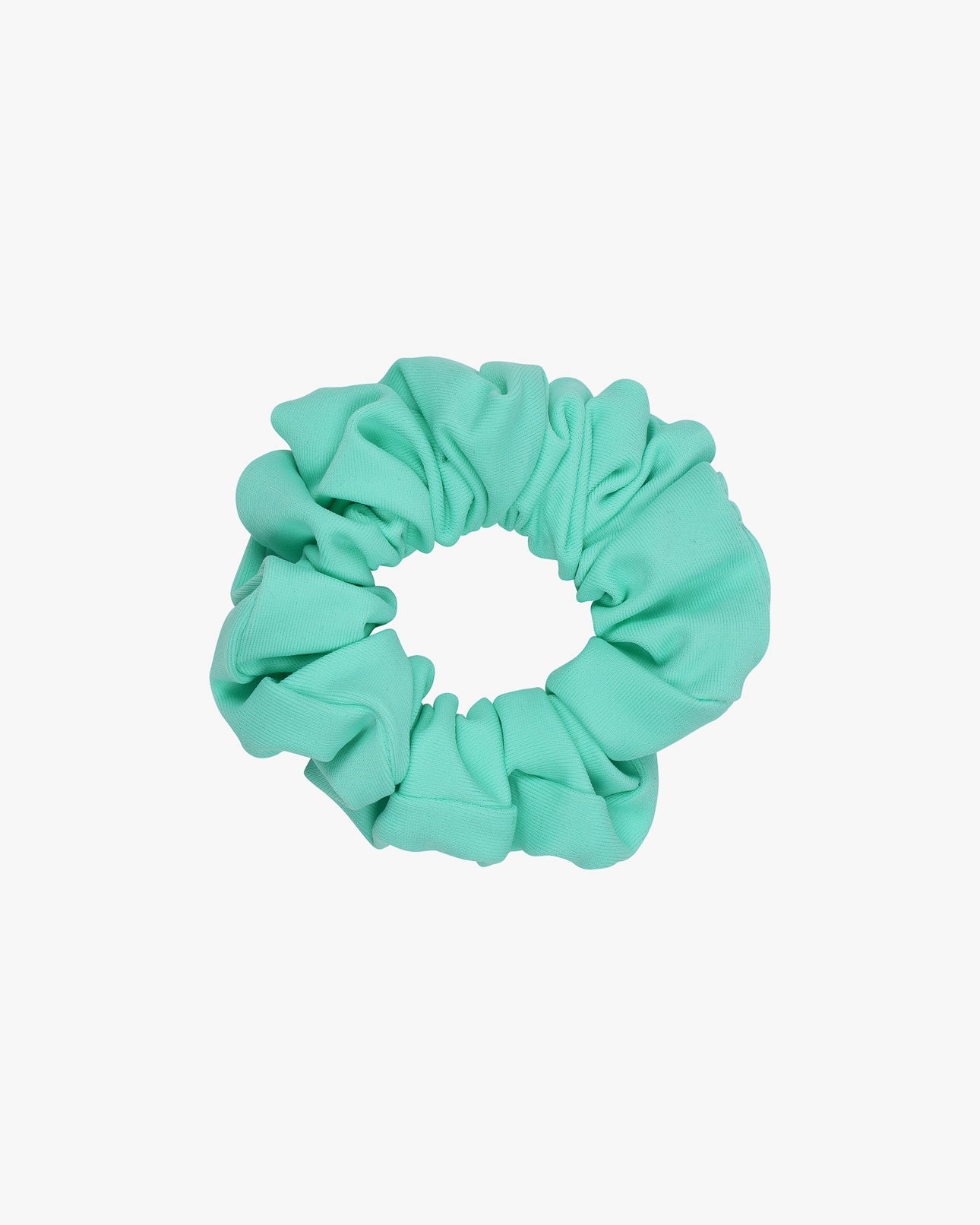
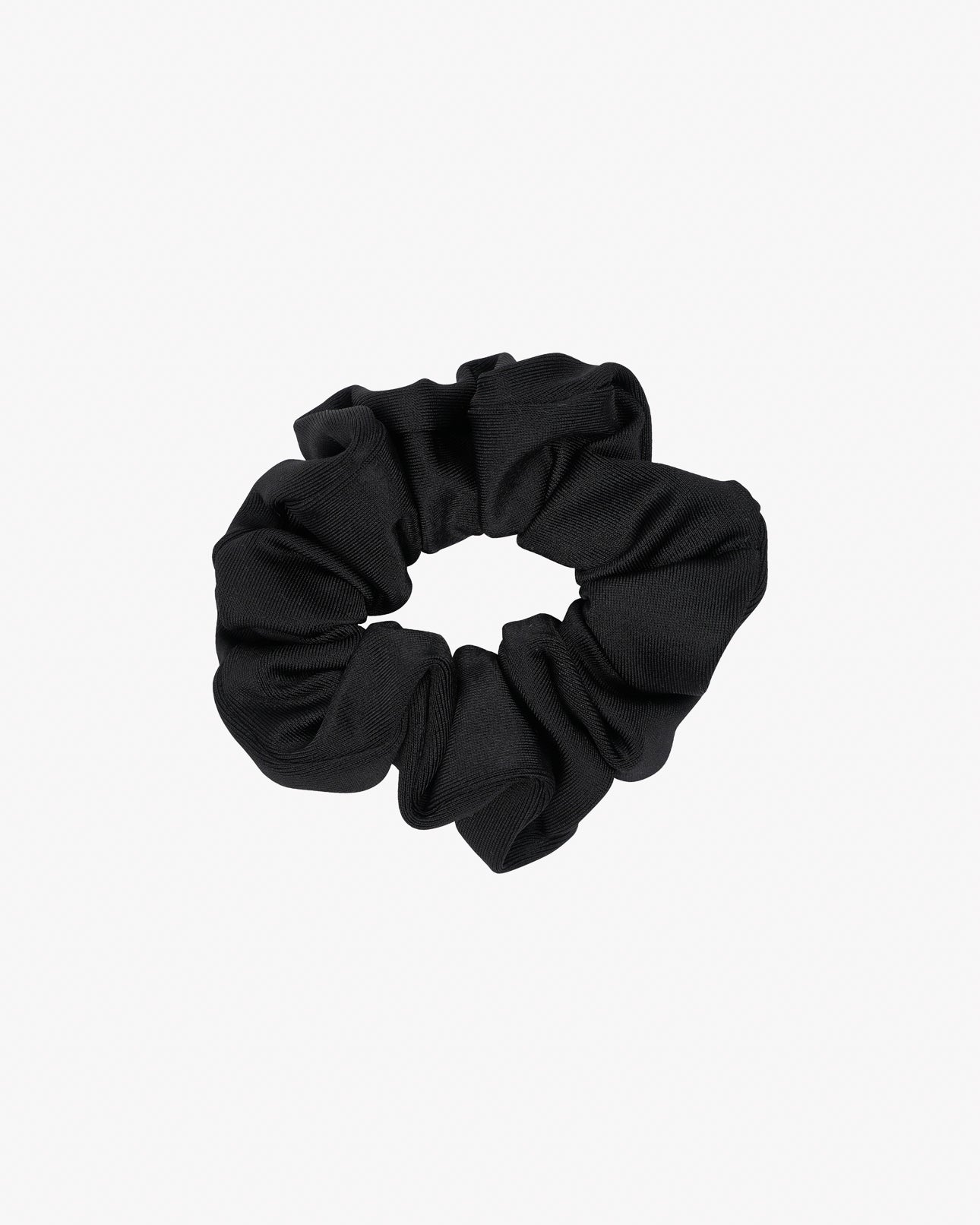
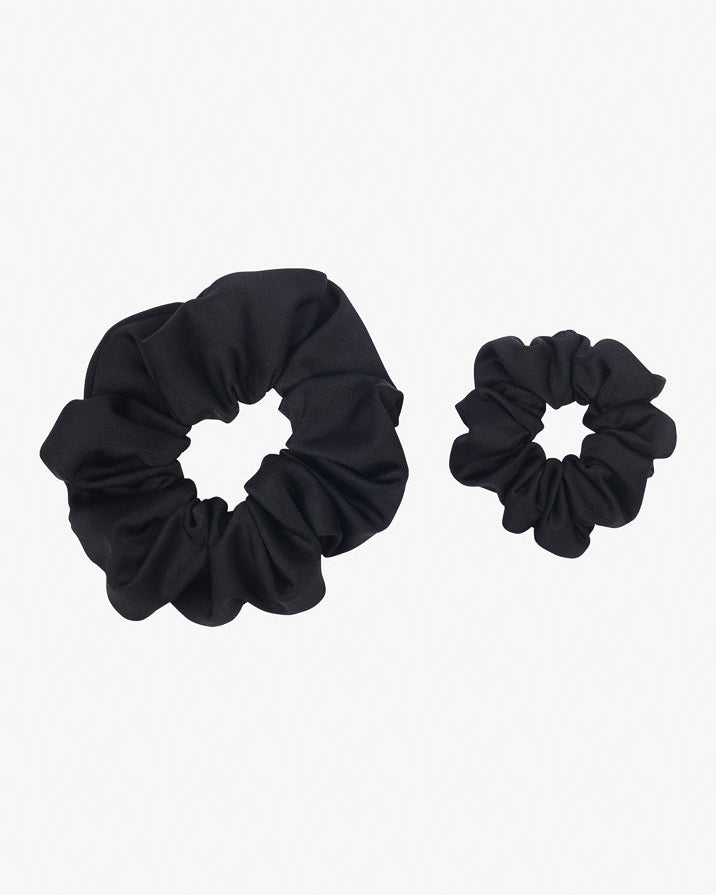
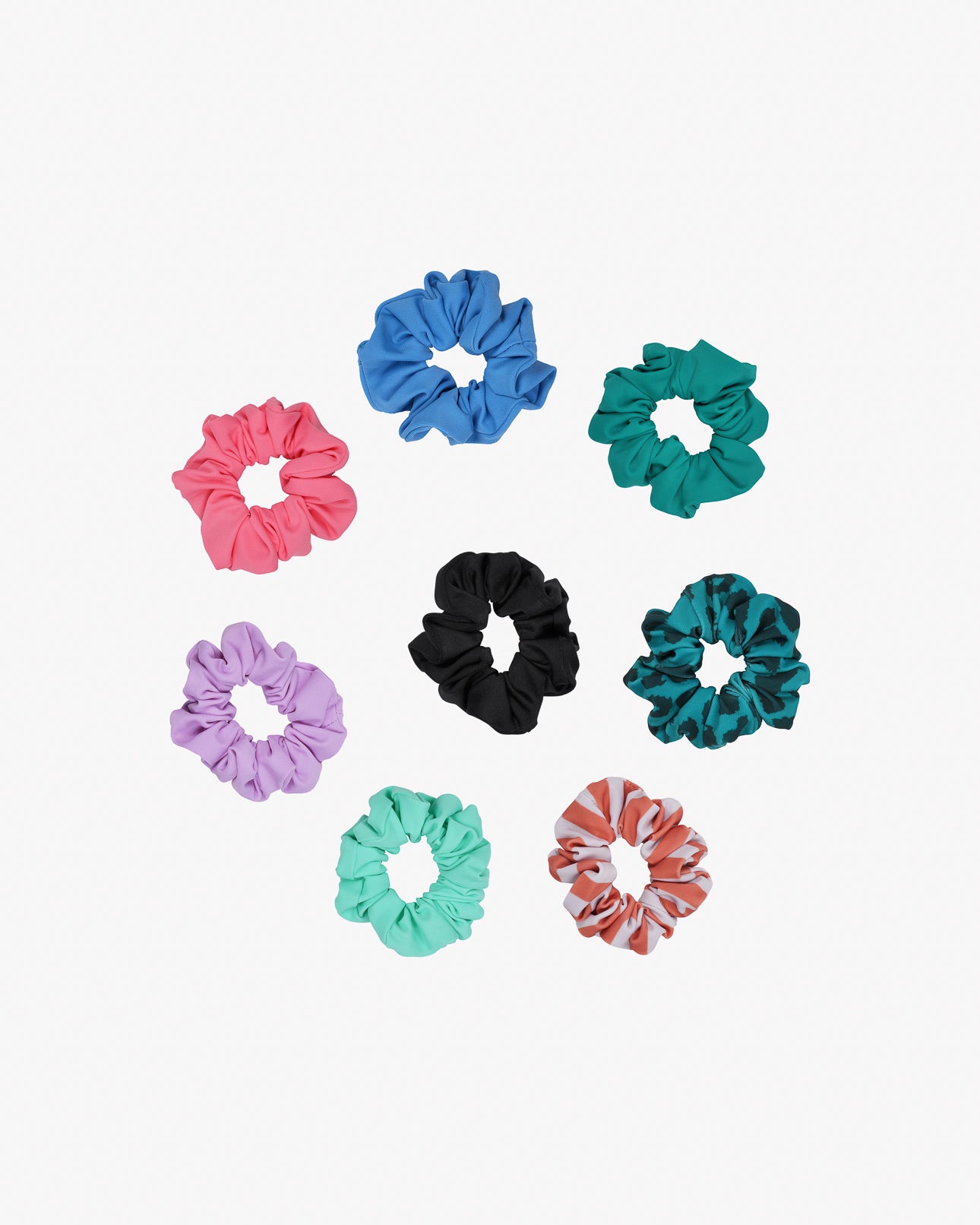
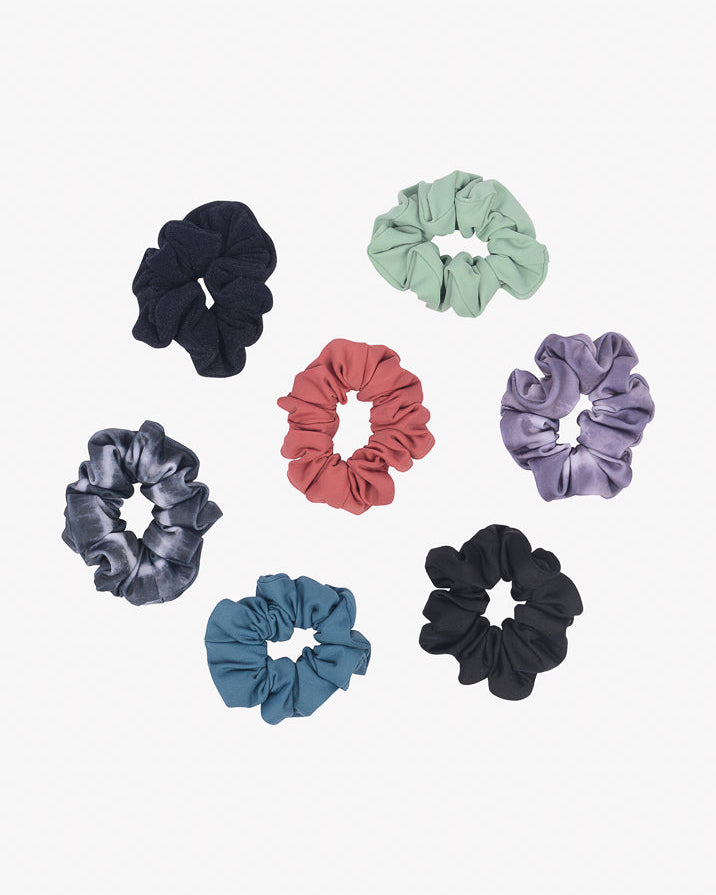
- Upcycling : Old swimsuits can be used to make hairbands, scrunchies, or patches.
- Recycling programs : Some manufacturers take back old swimwear.
The longer a garment is used, the better its environmental footprint. Durable and high-quality materials used in children's swimwear make this possible.
Trend: Multifunctional swimwear
More and more children's swimwear is designed for more than just the water. Designs that also work as sportswear, underwear, or casual wear save resources and space in suitcases. Materials like ECONYL® or Repreve® make this possible – they are breathable, elastic, and quick-drying enough to function even out of the water.
Examples of multifunctionality:
- Swim shorts that can also be used as sports shorts
- Bikini tops that can be worn under T-shirts
- Swimsuits suitable for gymnastics or dancing
This versatility reduces the amount of clothing that needs to be purchased – and therefore also the ecological footprint.
Price and value: Is the investment worthwhile?
Sustainable children's swimwear often costs more than conventional versions. The reason: Higher-quality raw materials, fair wages, transparent supply chains, and environmentally friendly production processes come at a price. But the extra cost is quickly offset.
| criterion | Cheap swimwear | Sustainable swimwear |
|---|---|---|
| Purchase price | Low | Medium to high |
| durability | 1-2 summers | 3-5+ Summer |
| Skin compatibility | Often concerning | Certified safe |
| Environmental pollution | High (New Production) | Low (recycling) |
| Resale value | Small amount | Higher |
High-quality swimwear that lasts three summers and is then passed on is ultimately cheaper – and better for the skin and the environment.
Transparency: Who does what and where?
Many parents want to know where their children's clothes come from. Transparency is a sign of responsibility. Brands that disclose their production facilities, display certifications, and make the journey from raw material to finished product traceable deserve trust.
At MAIN Design, you can expect exactly that: materials from recycled sources, fair production, and a clear commitment to environmental protection. With every purchase, you support Healthy Seas , an organization that retrieves ghost nets from the oceans – the very nets that later become ECONYL®.
Between function and feeling
Children's swimwear materials are more than just technology and certifications. They're what children wear against their skin all day long. They should feel good, not chafe, not constrict. They should allow movement, withstand adventures, and last through the summer. And they should demonstrate that quality and responsibility go hand in hand – without making a big deal about it.
When children run barefoot over stones, jump into the water, and let the sun shine on their skin, that's pure freedom. The materials they wear should be just as carefree.
Materials used in children's swimwear determine comfort, durability, and environmental impact. ECONYL®, Repreve®, organic cotton, and sustainable viscose demonstrate that quality and responsibility go hand in hand. At MAIN Design , you'll find stylish, sustainable swimwear for children – made from recycled materials, skin-friendly, durable, and with every purchase, you contribute to cleaner oceans.