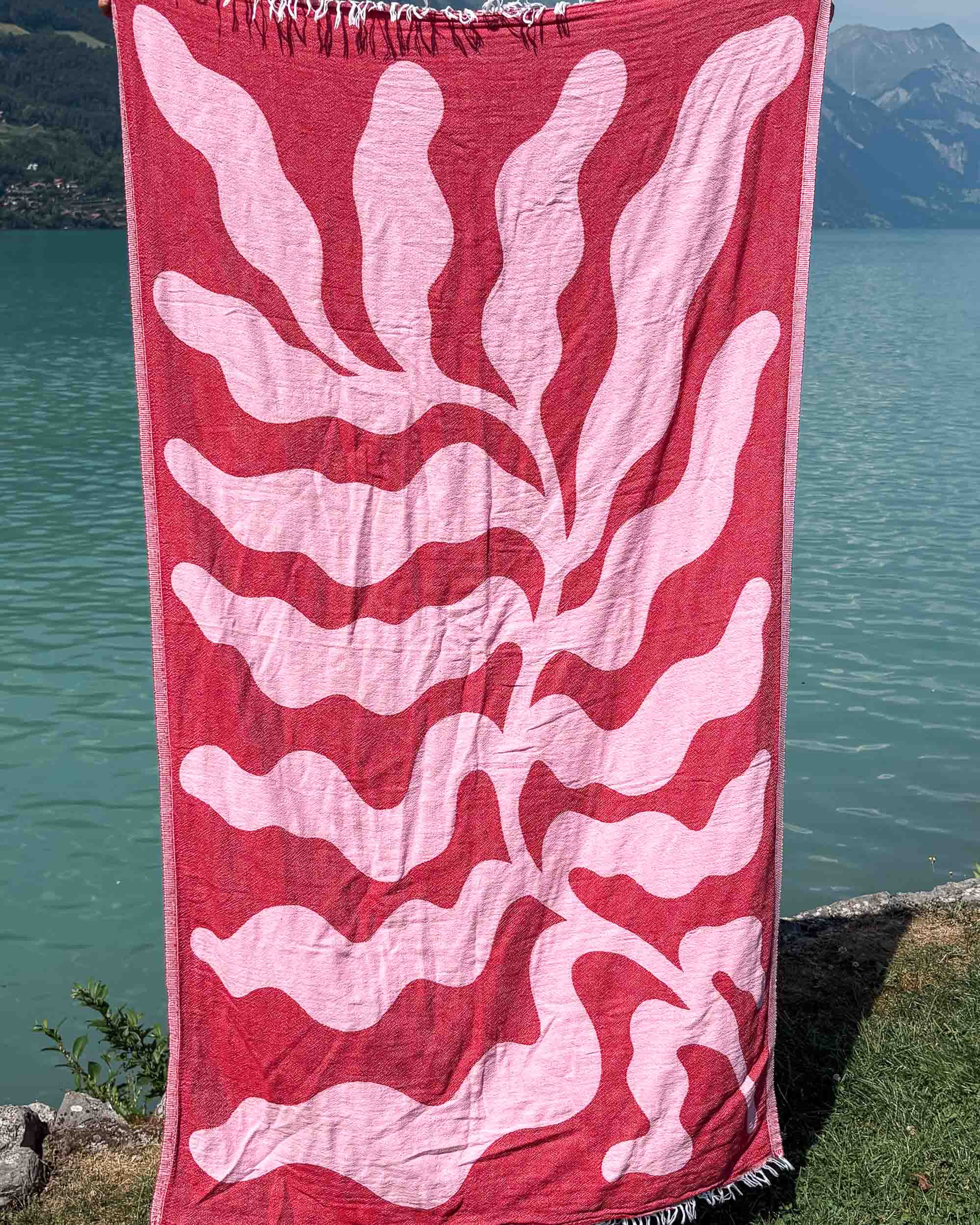


A bath towel is more than just a piece of fabric. It accompanies you to the beach, after showering, in the spa, or on a picnic in the park. Large bath towels offer particular comfort – they completely envelop you, dry faster, and simply feel right after a day in the water or sun. But not all towels are created equal. Material, size, and sustainability play an important role if you want to enjoy them for a long time.
What makes large bath towels special
Large bath towels differ significantly from standard sizes. While normal towels are often 50 x 100 cm, large variations offer significantly more surface area.
Standard sizes and their advantages
The most common dimensions for large bath towels range from 70 x 140 cm to 100 x 200 cm. These dimensions allow you to wrap yourself completely or lie comfortably on the towel.
- 70 x 140 cm: Ideal for everyday use, fits into any bag
- 80 x 150 cm: The golden mean between handiness and comfort
- 100 x 150 cm: Perfect for the beach or relaxing
- 100 x 200 cm: Maximum area, ideal for sharing or as a base
The choice of the right size depends on your intended use. For daily use in the bathroom, 80 x 150 cm is often sufficient. However, if you're lying on the beach or looking for something to completely envelop you after swimming in the lake, 100 x 150 cm or larger is the better choice.
Materials: From cotton to sustainable alternatives
The material determines absorbency, softness, and durability. Traditional cotton towels have their advantages, but there are now numerous sustainable options.
Cotton: The classic
Cotton remains the most popular material for bath towels. It is soft, absorbent, and skin-friendly. Especially terry cloth made of cotton offers excellent water absorption due to its looped structure.
Important quality features of cotton:
- Grammage: From 400 g/m² it is considered good quality, 500-600 g/m² are considered premium
- Staple length: Long-staple cotton is softer and more durable
- Weave density: The denser the weave, the more durable the towel
The grammage is a crucial factor. Lighter towels (300-400 g/m²) dry faster but feel less fluffy. Heavier versions (500+ g/m²) are luxuriously soft but take longer to dry.
Sustainable materials on the rise
The textile industry is changing. Recycled materials and environmentally friendly production methods are gaining importance – also for bath towels.
| Material | Advantages | Disadvantages |
|---|---|---|
| Organic cotton | Pesticide-free, skin-friendly, natural | Higher price, longer drying time |
| Recycled polyester | Quick-drying, lightweight, sustainable | Less absorbent than cotton |
| Bamboo fiber | Antibacterial, soft, fast-growing | Chemical processing |
| Linen | Durable, natural, breathable | Rougher surface, wrinkles easily |
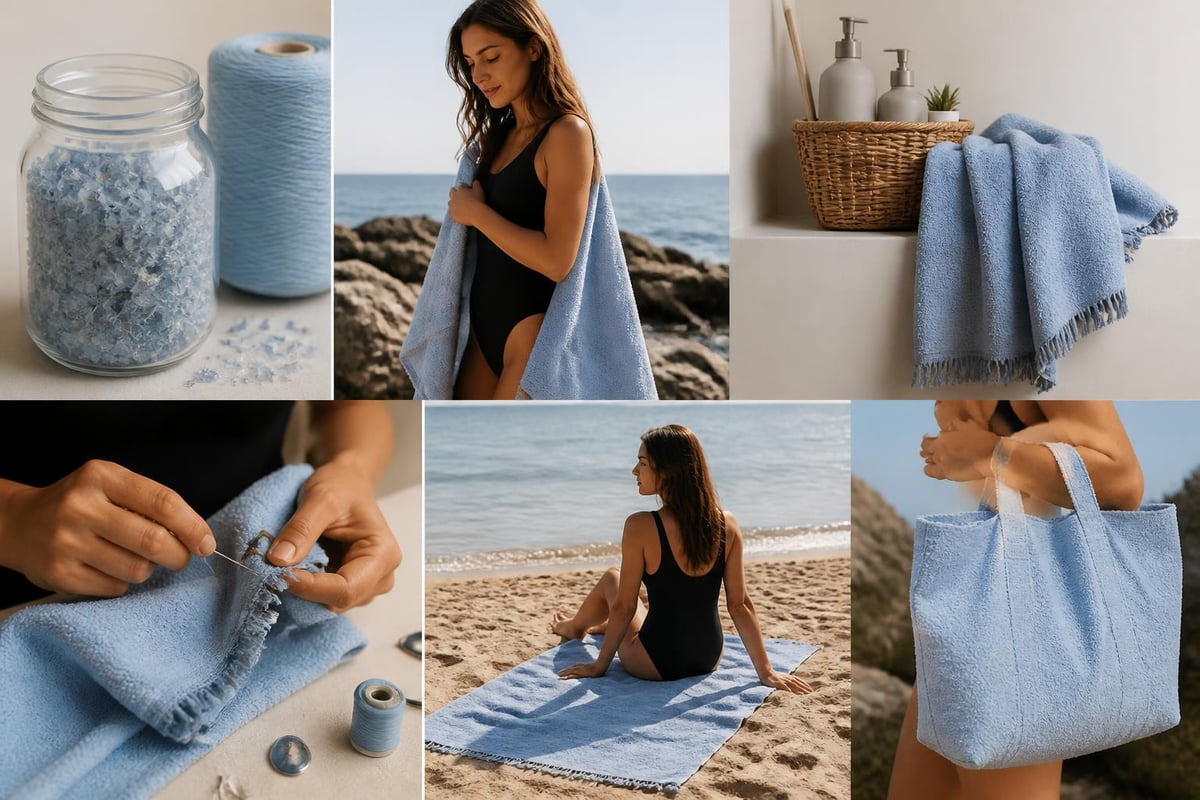
Especially recycled polyester from PET bottles or old fishing nets is gaining popularity. These materials conserve resources and reduce plastic waste in the oceans – an important step towards a circular economy.
The right application: Where large bath towels shine
Large bath towels are versatile. Their extra surface area makes them the perfect companion in various situations.
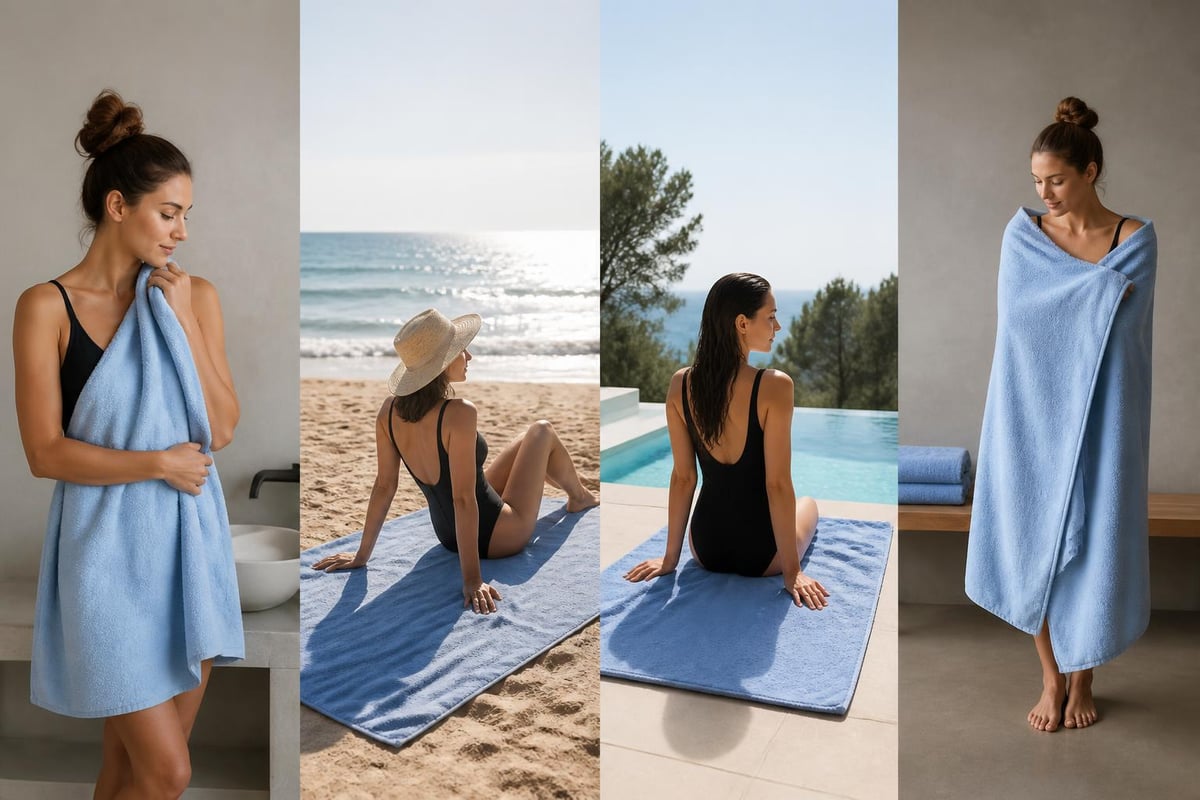
At the beach and pool
This is where large bath towels show their strength. You can stretch out completely on them without lying in the sand. The size offers space for your belongings and protects them from moisture and dirt.
For the beach, towels made of lighter materials that dry quickly and take up little space in your bag are particularly suitable. Microfiber or thinner cotton variants are ideal here.
In the bathroom
After a shower or bath, you want to snuggle into something soft. Large bath towels offer exactly that. They completely envelop you and dry effectively.
Here, the towel can be heavier. 500-600 g/m² feels luxurious and absorbs a lot of moisture. The longer drying time usually doesn't matter at home.
On the go and while traveling
When traveling, every centimeter in your suitcase counts. Here, it's worth taking a look at quick-drying, compact variants. Microfiber bath towels are lightweight, take up little space, and dry in a few hours.
A large bath towel can fulfill several functions on the go:
- Beach towel and picnic blanket
- Sarong or wrap skirt
- Extra blanket in a cool hotel room
- Privacy screen when changing at the beach
Care and longevity: How to keep your towels beautiful
Even the best bath towel loses quality without proper care. With a few simple steps, your large bath towels will stay soft and absorbent for a long time.
Washing without fabric softener
Fabric softener makes bath towels cuddly, but reduces their absorbency. The chemicals coat the fibers and block the pores. Better: Wash at 60 degrees with a mild detergent.
Correct washing settings:
- Temperature: 60 degrees for hygienic cleanliness
- Detergent: Liquid or powder without fabric softener
- Spin speed: Not too high (max. 1000 rpm)
- Dryer: Low temperature or air drying
Frequency and hygiene
Bath towels should be washed after 3-4 uses. For daily use, this means about twice a week. Let the towel dry completely between uses to prevent bacterial growth.
A tip for better hygiene: Large bath towels have more surface area and can dry better when hung correctly. Hang them out unfolded, not folded.
Shorten drying time
Large bath towels take longer to dry than smaller variants. This is especially true for heavy cotton towels with a high grammage.
| Drying method | Duration | Energy consumption | Fiber protection |
|---|---|---|---|
| Air drying outdoors | 4-8 hours | None | Optimal |
| Air drying indoors | 12-24 hours | Minimal | Optimal |
| Dryer low | 60-90 minutes | Medium | Good |
| Dryer high | 30-45 minutes | High | Moderate |
If you use a dryer, throw in a few tennis balls. They loosen the fibers and make the towel fluffier.
Sustainability: Large bath towels with a clear conscience
The textile industry is one of the most environmentally damaging industries worldwide. However, with bath towels, you can make conscious decisions that make a difference.
Material choice with impact
Conventional cotton uses enormous amounts of water and pesticides. Organic cotton is an alternative, but it also requires a lot of water. Recycled materials offer a clear advantage here.
Towels made from recycled polyester reduce plastic waste and conserve resources. While they are less absorbent than cotton, they dry faster and are lighter – ideal for an active lifestyle by the water.
At MAIN Design, you'll find sustainable accessories that perfectly complement an environmentally conscious beach day. All products are made from recycled or responsibly sourced materials.
Longevity over quantity
A high-quality bath towel that lasts ten years is more sustainable than three cheap ones that wear out after two years. When buying, pay attention to:
- Double-stitched edges: They prevent fraying
- Dense weave: Loose towels lose their shape faster
- Colorfastness: High-quality dyeing does not fade after a few washes
- Certifications: OEKO-TEX, GOTS, or Fair Trade guarantee standards
Repair instead of Replace
Small holes or loose threads do not mean the end of a bath towel. Simple sewing can significantly extend its lifespan.
If a large bath towel is truly beyond repair, it can still serve as a cleaning rag, dust cloth, or for DIY projects. Zero Waste starts in the bathroom.
Colors and Design: More than just function
Large bath towels can also be beautiful. They are often visible – at the beach, in the spa, or in the bathroom. Design and color therefore play a role.
Color psychology at the beach
Colors influence our well-being. At the beach and on holiday, you want to relax and unwind. The choice of color can help with this.
- Blue: Calming, reminiscent of sea and sky
- Green: Natural, harmonious, grounding
- Sand and Beige: Timeless, goes with everything, appears warm
- White: Fresh, clean, but prone to stains
- Dark shades: Practical, stain-resistant, look elegant
Minimalism and timelessness
Trends come and go. A simple, high-quality bath towel in a neutral color remains current for years. This minimalist approach fits perfectly with a sustainable lifestyle.
If you prefer something a little more lively, you can choose subtle patterns or stripes. They hide small stains better than plain towels and still don't look overdone.
Buying decision: What really matters
When buying large bath towels, there are several factors to consider. Not every expensive towel is automatically better, and not every cheap one is a disappointment.
Understanding price-performance ratio
A good bath towel costs between 20 and 60 Swiss francs. Premium versions can also be higher. But what justifies the price?
Factors influencing the price:
- Grammage and material quality
- Origin and production conditions
- Certifications and sustainability
- Size and workmanship
- Brand and design
A cheap towel for 10 francs may be tempting, but often doesn't last long. After a few washes, it loses absorbency and shape. Investing in quality is worthwhile here.
Buying online: What to look out for
When buying online, the haptic experience is missing. You cannot touch the towel or directly assess the quality. Reviews and detailed product descriptions help with the decision.
Pay attention to clear information on material, grammage, and size. Reputable providers disclose this information transparently. The return policy also plays a role – in case the towel does not meet your expectations after all.
Sets or individual pieces
Many providers sell bath towels in sets. This is often cheaper than buying individual pieces, but only makes sense if you need several towels of the same size and color.
Sets are worthwhile for household use. At the beach, however, many prefer different designs or sizes – depending on who uses the towel. Children need smaller towels, adults larger ones.
Special cases: Large bath towels for special needs
Not everyone has the same requirements for a bath towel. Families, athletes, or people with sensitive skin sometimes need special solutions.
For families with children
Children love large bath towels – especially with colorful motifs. However, they are only practical if they don't get too heavy. A wet 600 g/m² towel can be unwieldy for a small child.
Lighter versions (300-400 g/m²) are the better choice here. They dry faster and are easier for children to handle. For toddlers, special designs with a hood are also available – they keep warm and look cute.
If you are looking for sustainable children's swimwear that matches high-quality towels in color, it's worth taking a look at environmentally friendly collections.
For athletes and active people
Anyone who swims, surfs, or showers regularly after sports needs a bath towel that dries quickly and takes up little space. Microfiber is often the best choice here.
These towels are:
- Ultra-light and compact
- Quick-drying (often in under 2 hours)
- Robust and durable
- Less absorbent than cotton, but sufficient
A large microfiber bath towel (100 x 150 cm) often weighs less than 300 grams and fits into any sports bag. Perfect for people who are on the go a lot.
For sensitive skin
People with allergies or skin problems should pay attention to materials tested for harmful substances. The OEKO-TEX Standard 100 seal guarantees that the towel is free of harmful substances.
Organic cotton or bamboo fibers are particularly skin-friendly. They are soft, non-scratchy, and reduce the risk of skin irritation. Again, avoid fabric softener, as residues can irritate the skin.
Trends 2026: What's happening with large bath towels
The world of bath towels continues to evolve. New materials, technologies, and designs will shape the year 2026.
Technical innovations
Antibacterial coatings are becoming increasingly popular. They prevent odor formation and reduce the need for frequent washing. This saves water and energy.
Self-cleaning surfaces are also under development. Nanotechnology could soon ensure that dirt simply rolls off and towels stay fresh longer.
Individualization and personalization
More and more people want products that reflect their personality. Embroidered names, individual color combinations, or custom designs are increasingly offered.
This personalization also promotes longevity – a towel with your name or a special motif is not thrown away as quickly.
Minimalism meets functionality
The trend is moving away from overloaded designs towards clean lines and understated colors. Large bath towels in sand, grey, or dark blue dominate the 2026 collections.
This minimalism is not in contradiction with sustainability – on the contrary. Timeless designs outlast trends and reduce the pressure to consume.
Storage: Storing large bath towels correctly
Large bath towels need space. How you store them affects their longevity and hygiene.
In the bathroom
Damp bathrooms are a challenge. Towels should be able to dry completely after use before being stored.
Practical storage solutions:
- Large towel rails or hooks
- Open shelves with good air circulation
- Baskets or boxes (only for dry towels)
- Wall mounts with multiple bars
Avoid closed cabinets for wet or damp towels. They promote mold and odor formation.
When traveling
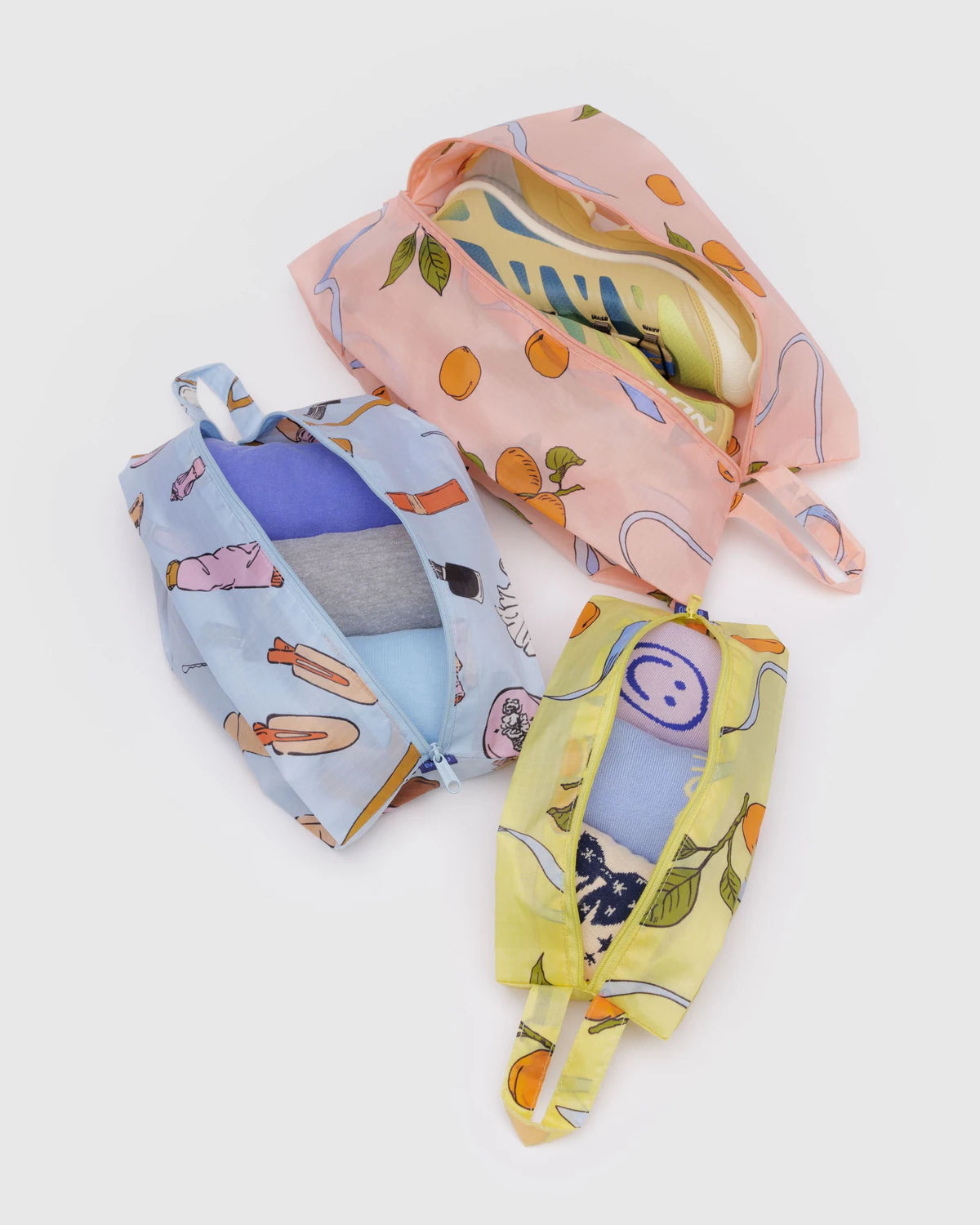
For on the go, special packing bags or mesh bags are suitable. They compress the towel and at the same time allow air circulation. This is especially important for wet towels so that they don't get musty.
Seasonal storage
If you only use certain bath towels in summer, they should be freshly washed and completely dry before storage. Store them in a dry, cool place. Properly stored towels retain their quality for years.
A lavender sachet in the closet keeps moths away and provides a fresh scent.
Discover Special Uses
Large bath towels can do more than just dry. Their versatility makes them true everyday heroes.
As a Yoga or Sports Mat
A large, thin bath towel is perfect as a mat for yoga or Pilates. It is non-slip, washable, and can be taken anywhere.
This is especially practical at the beach or in the park – you don't need an extra mat, the bath towel is completely sufficient.
As a Changing Wrap or Sarong
After swimming, you often don't want to get dressed immediately. A large bath towel wrapped around your hips or over your shoulders is the perfect transition.
Many people also use large bath towels as an improvised changing room at the beach. With a little skill, you can wrap the towel around yourself and change underneath – private and practical.
As a Picnic Blanket
On warm days, lakes, rivers, or parks invite you to linger. A large bath towel serves as a clean base for food, drinks, and relaxation.
The advantage over classic picnic blankets: bath towels are washable and dry faster. Sand or grass can simply be shaken off.
Large bath towels are loyal companions – at the beach, at home, or on the go. The right choice of material, size, and care makes the difference between a disposable product and a long-lasting favorite item. If you value quality and sustainability, this perfectly matches the philosophy of MAIN Design. Discover sustainable essentials for the beach and everyday life that look good and do good – with every purchase, you support ocean cleanup.